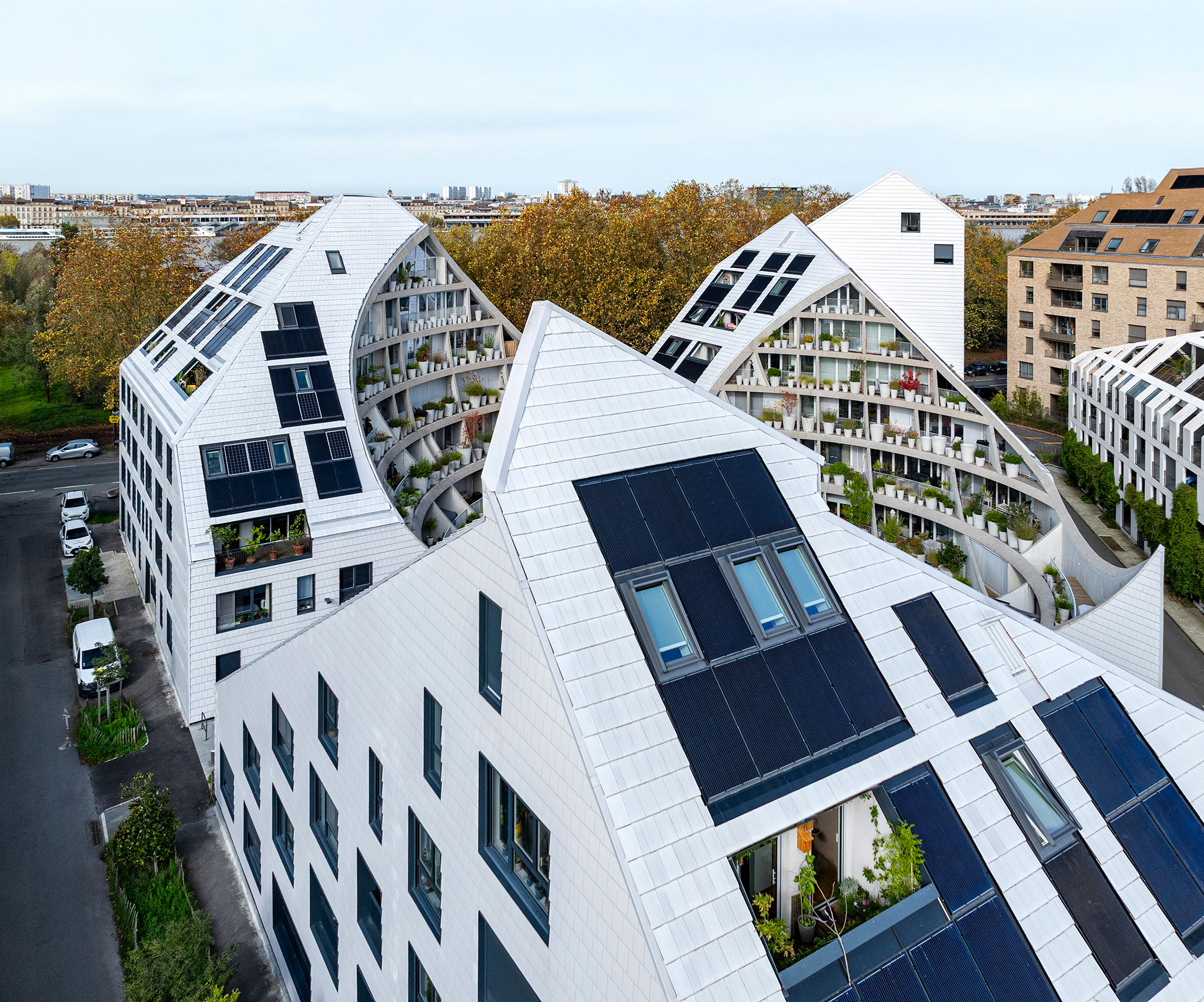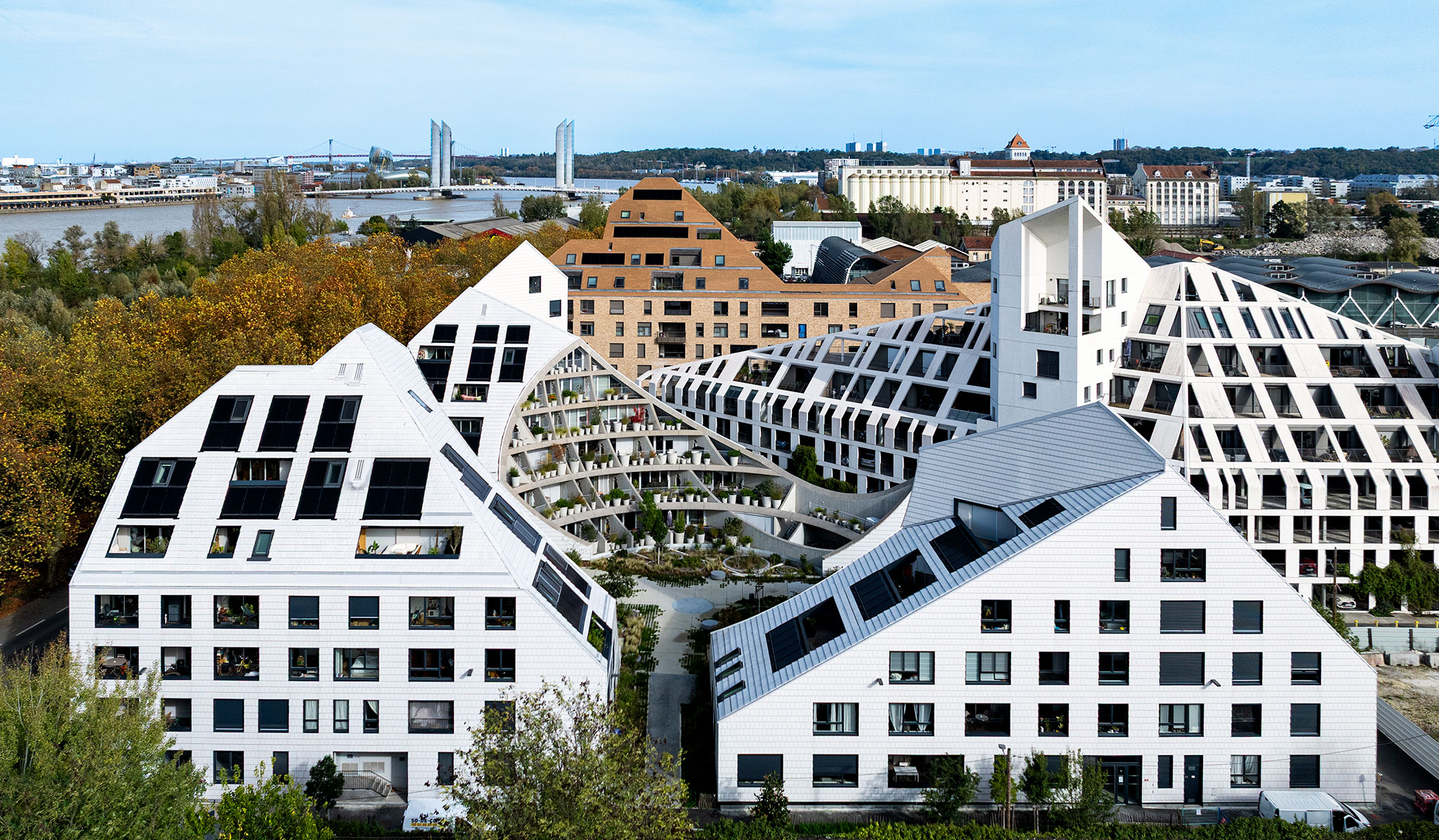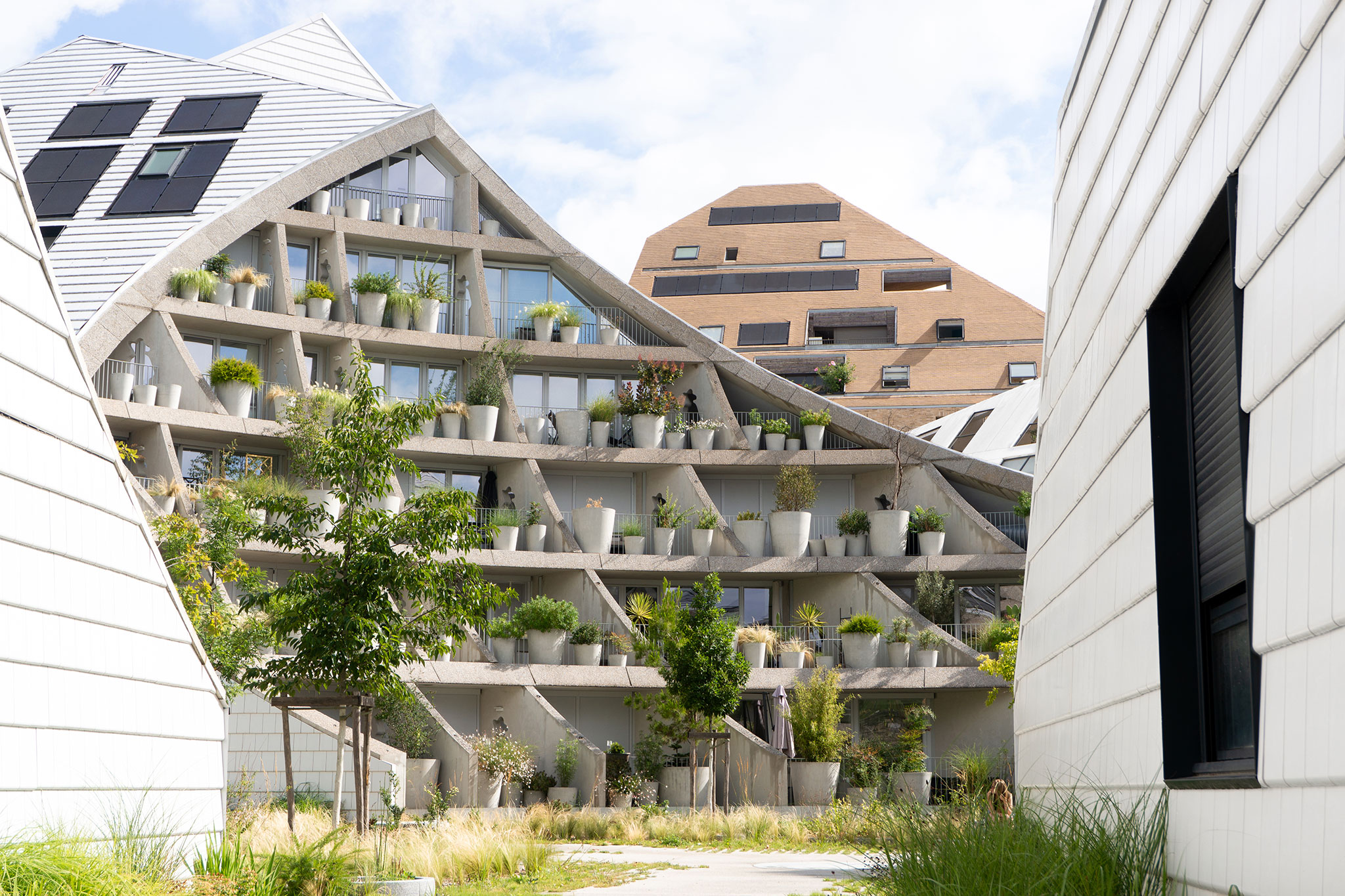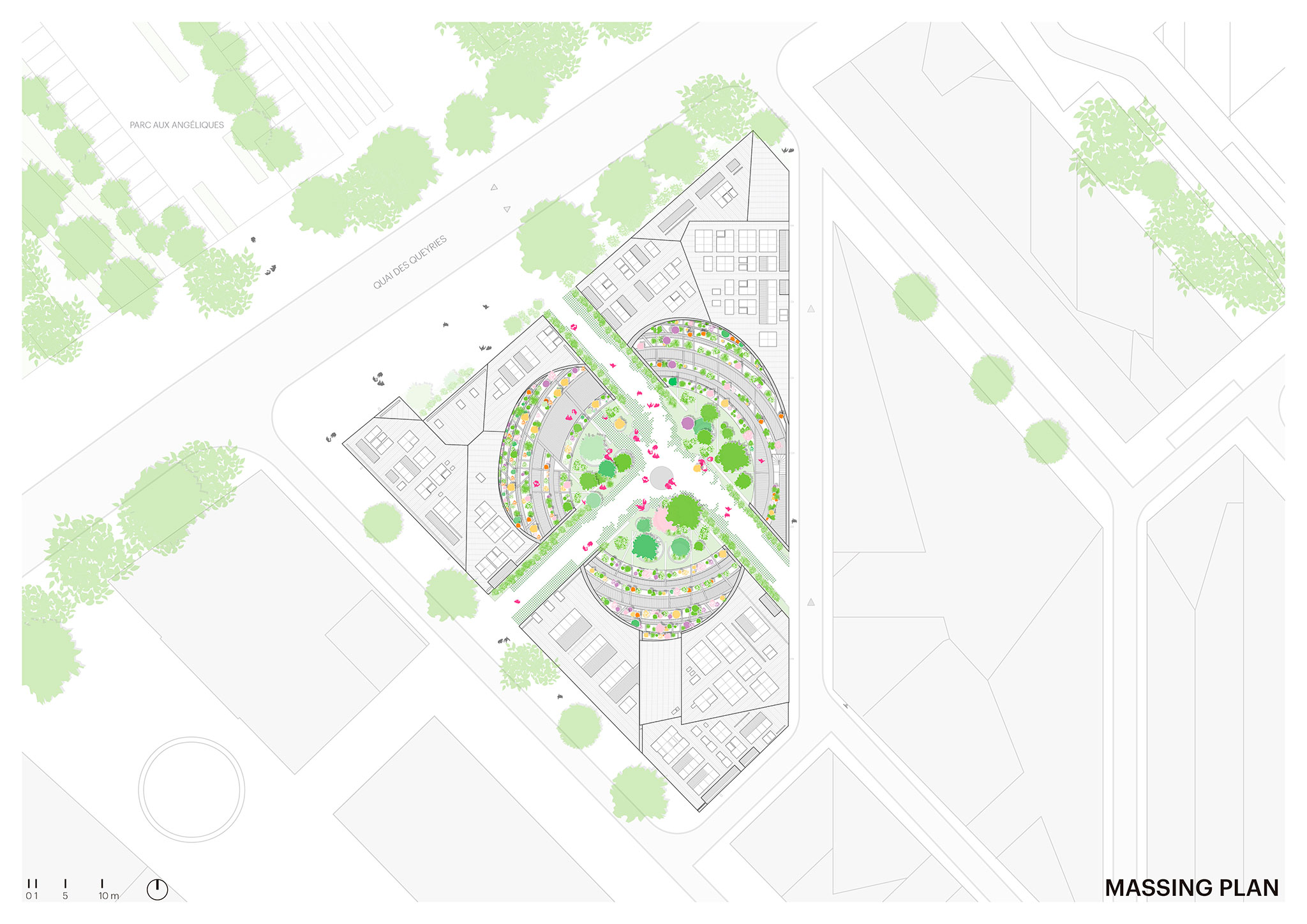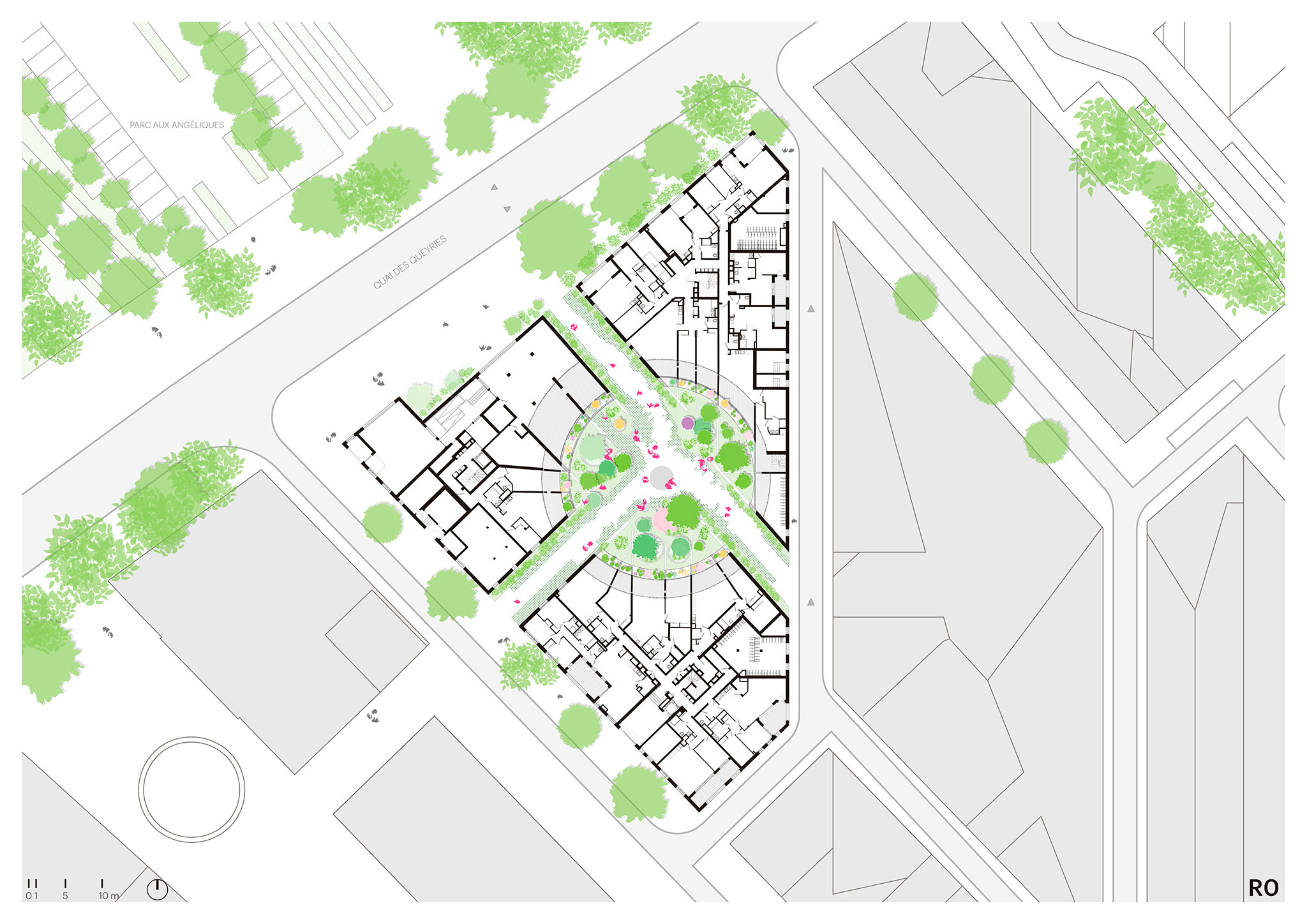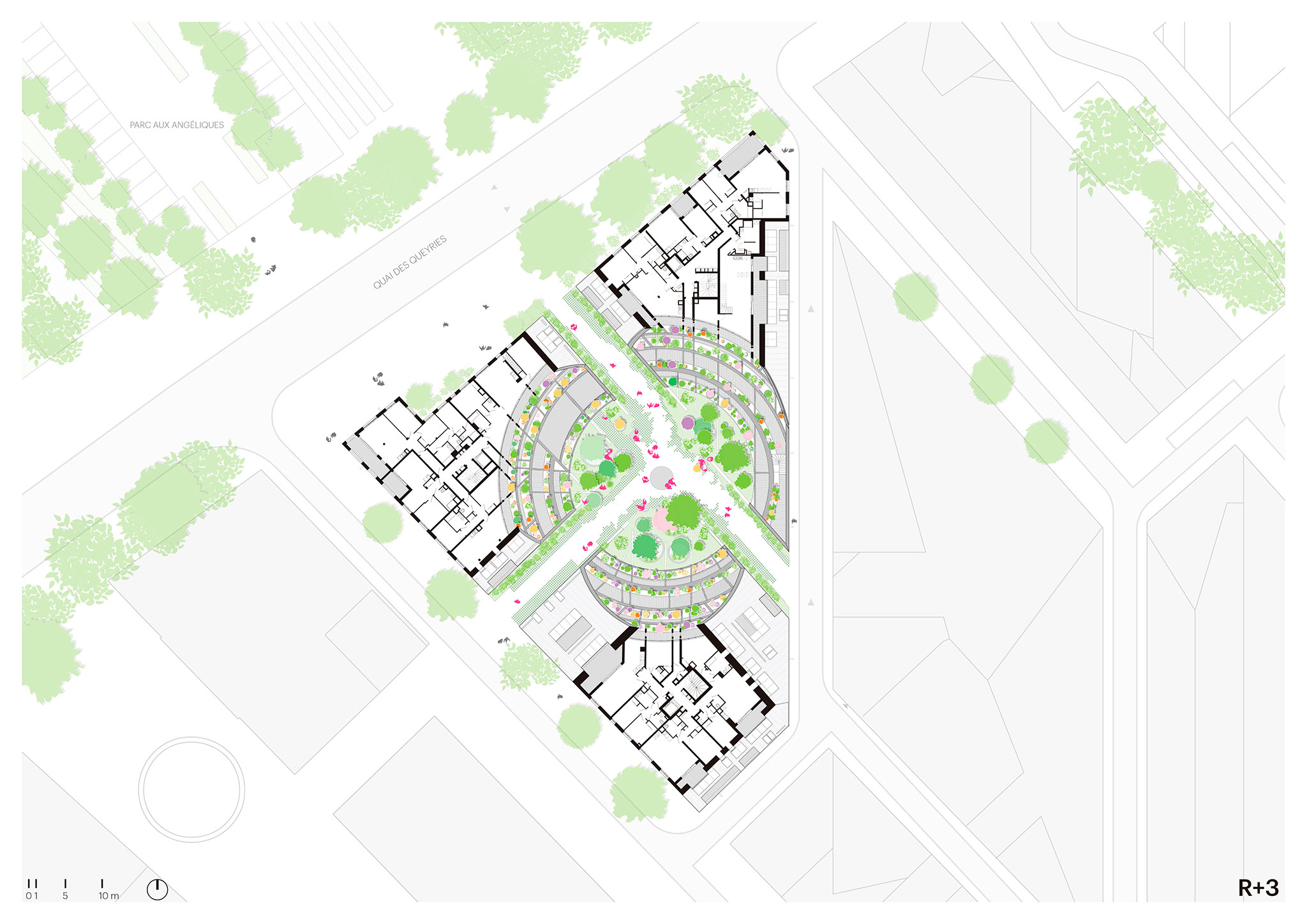
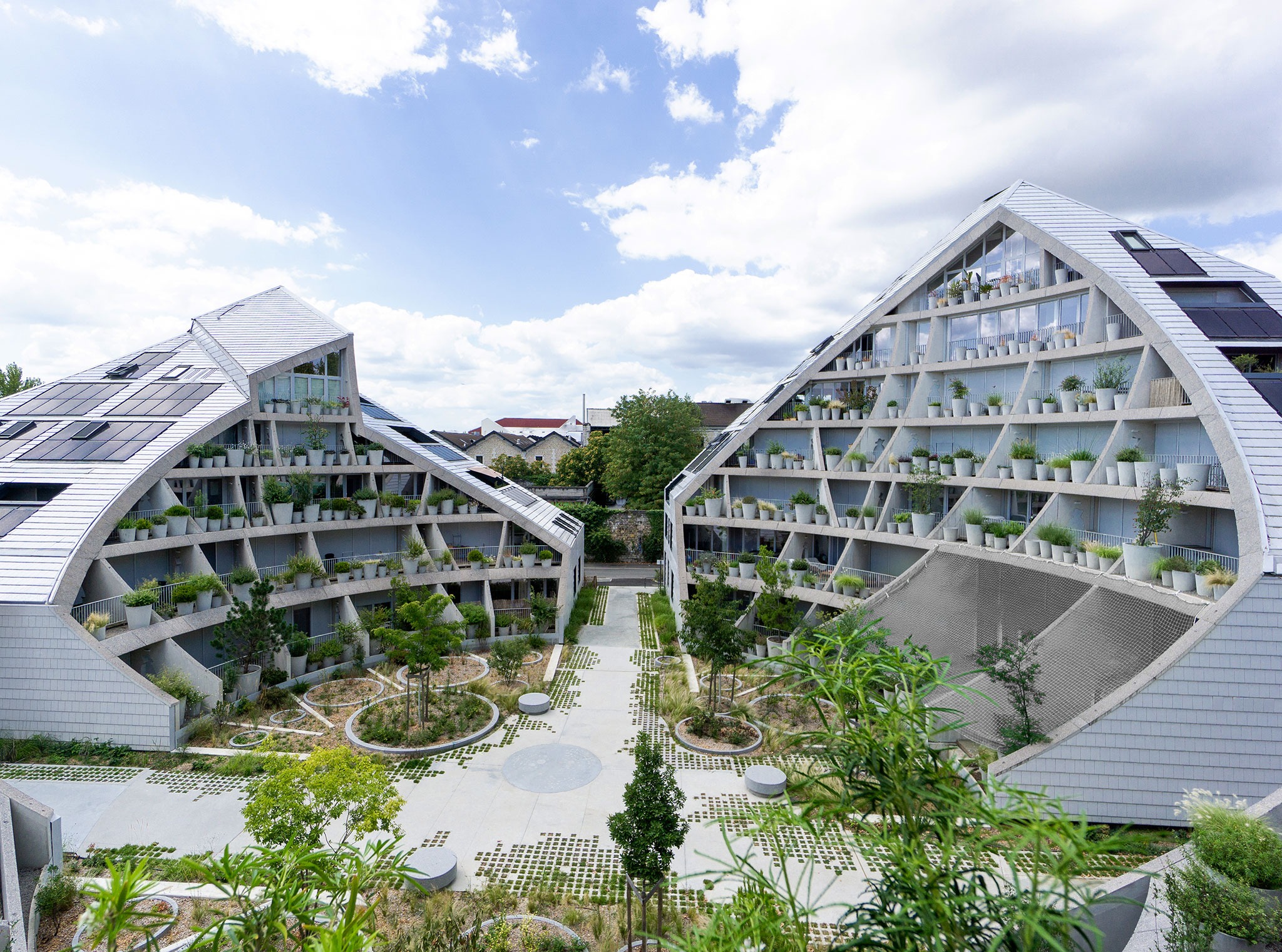
At the margin of the Garona river in Burdeos, in the district of Bastide Niel, MVRDV has finalized a residential project of 70 living spaces which, through a series of apartments of different families, promoted the cohesion of a diversity of users. Below the number of “Vallée Verte” / (Green Valley), the property consists of three buildings that are built into an integral plan (designed by MVRDV) that proposes the rehabilitación of an ancient industrial zone and four military zones, to convert into an attractive urban district.

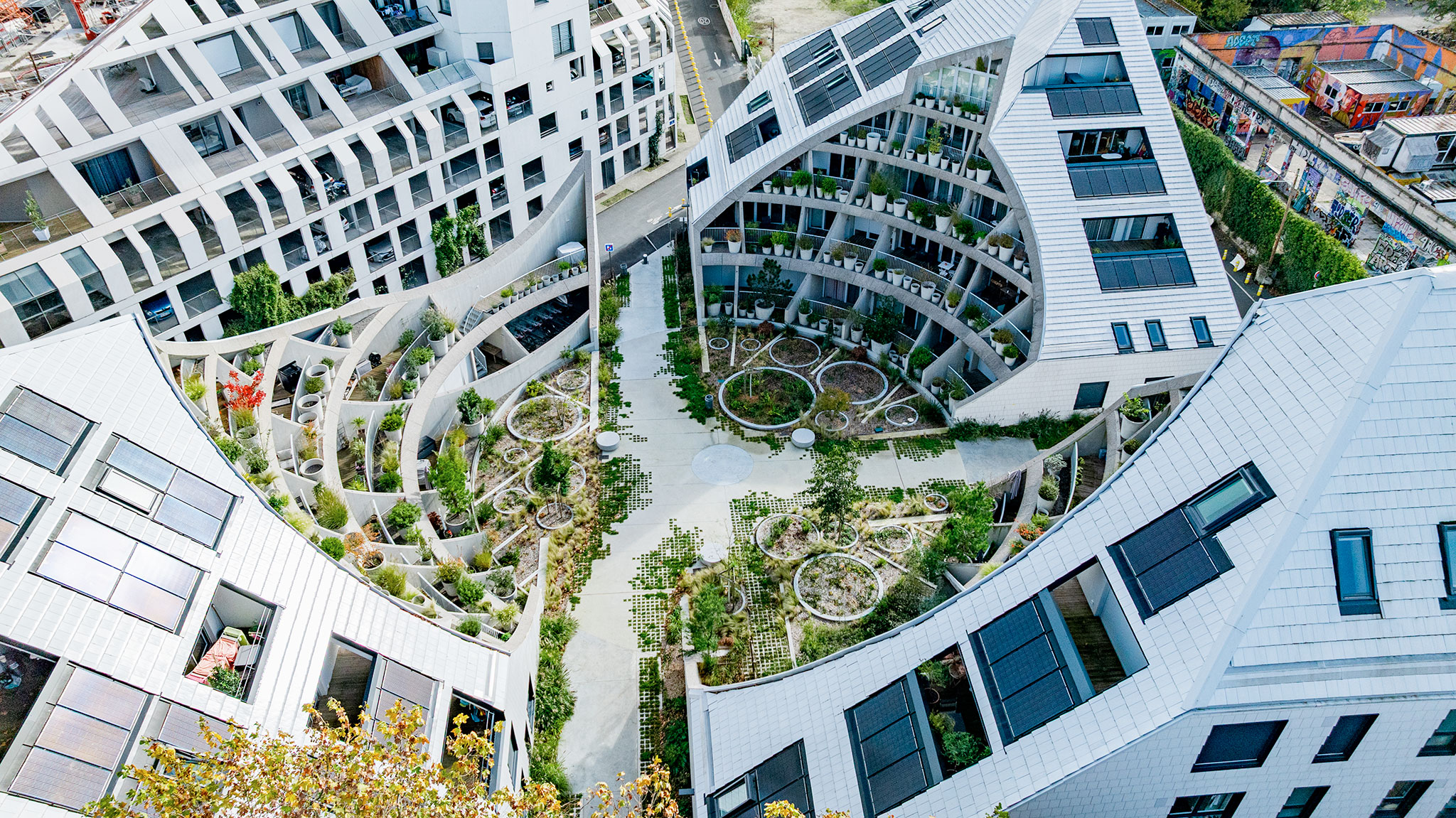
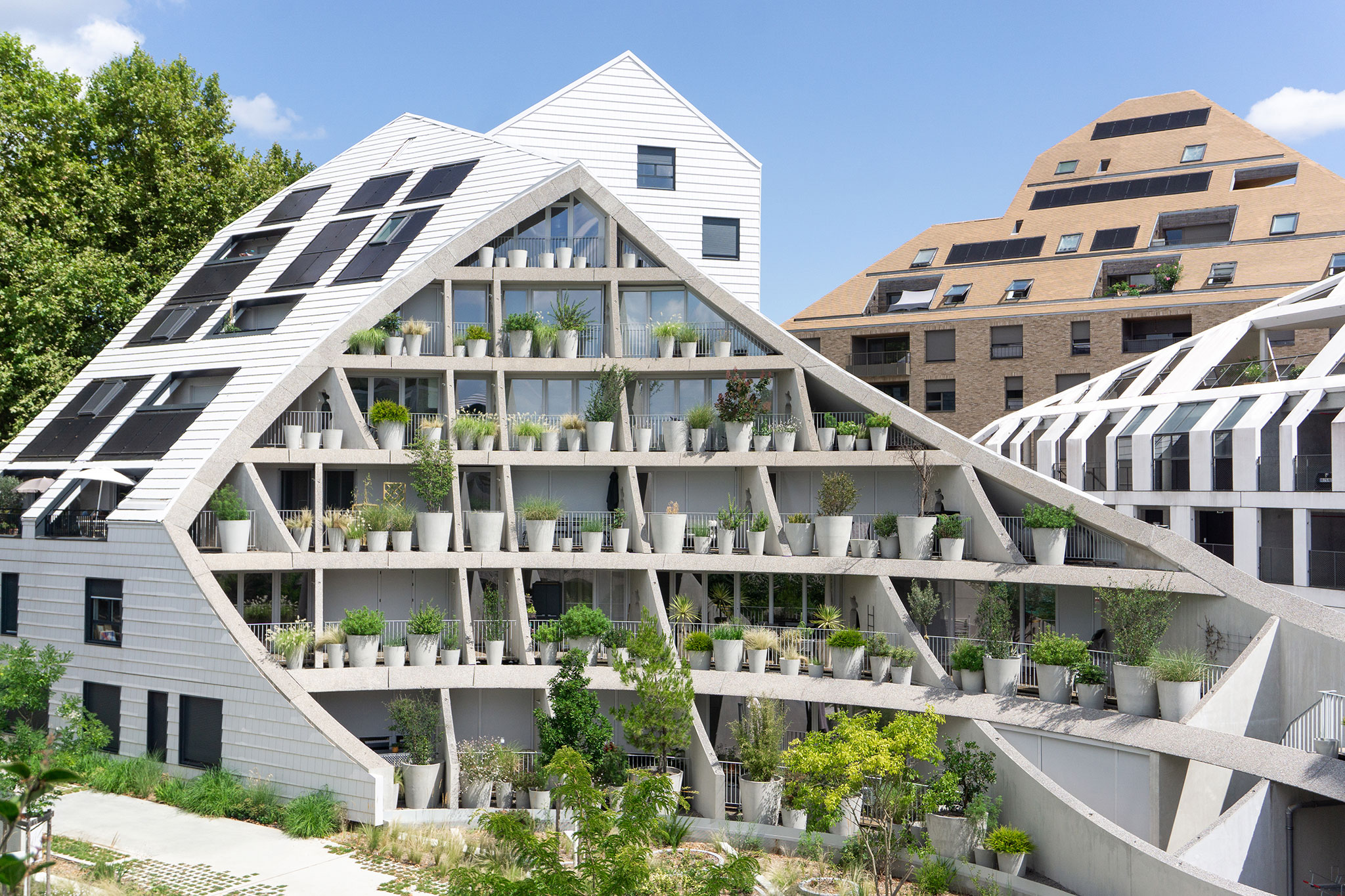
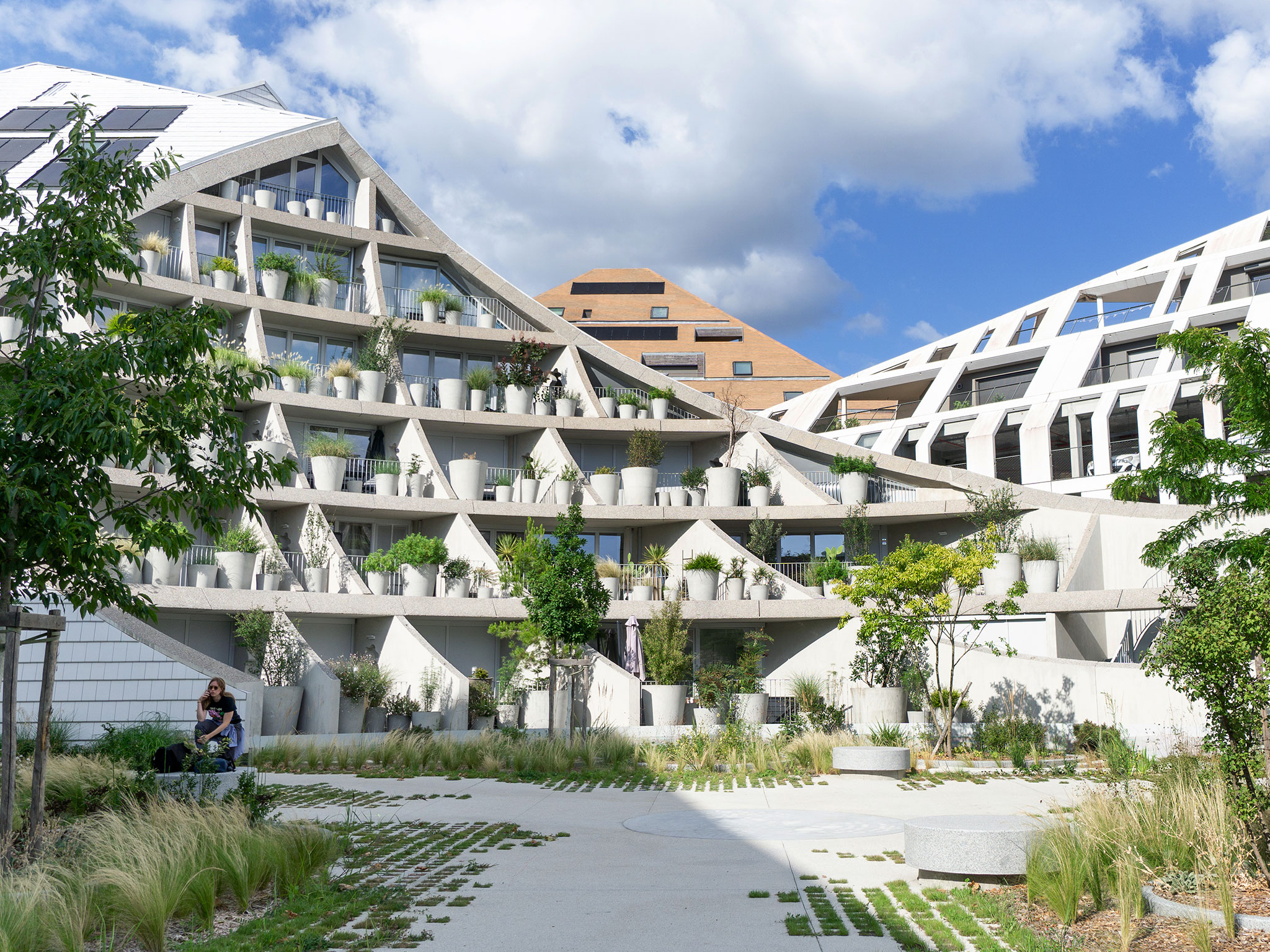
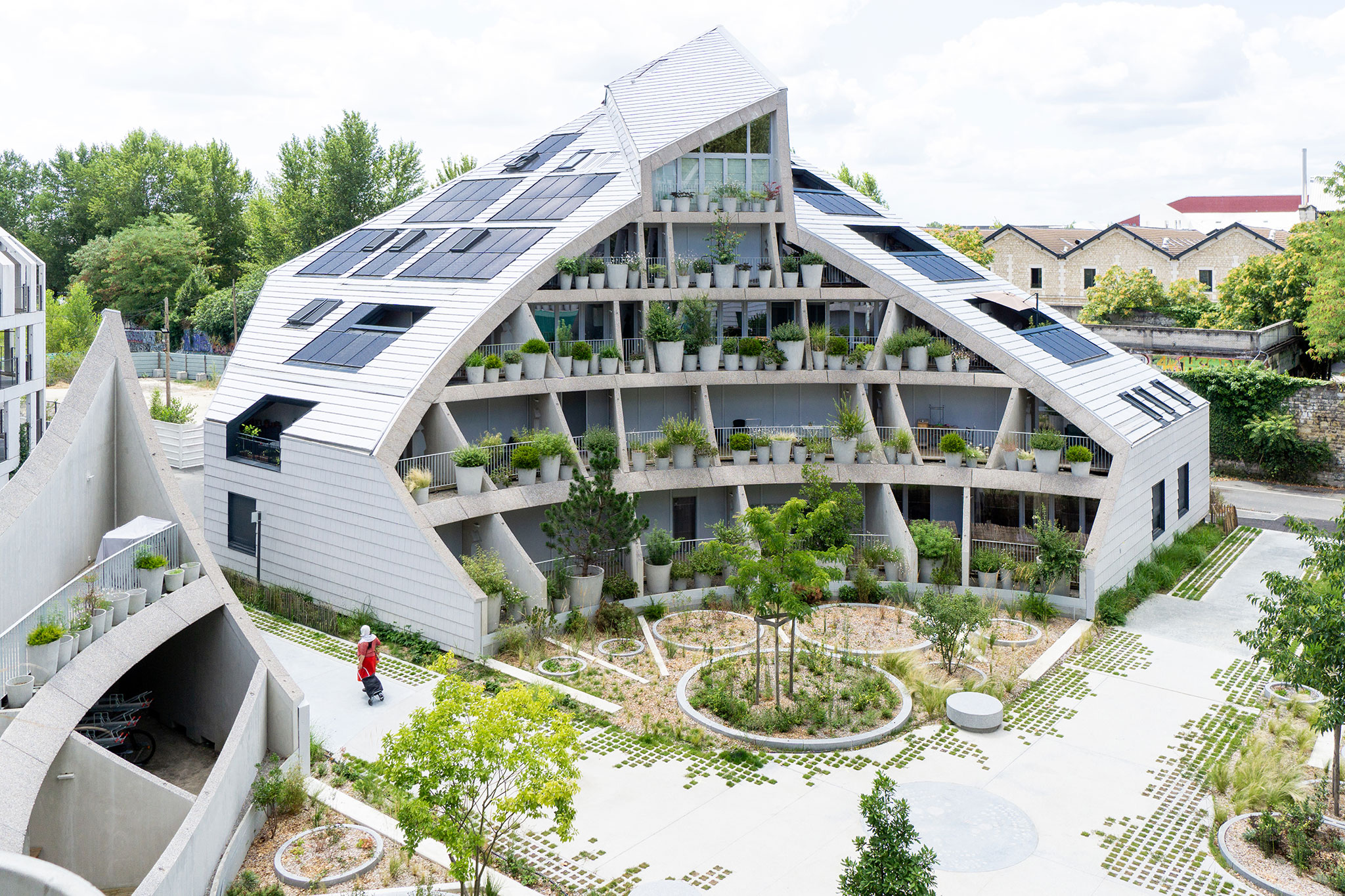
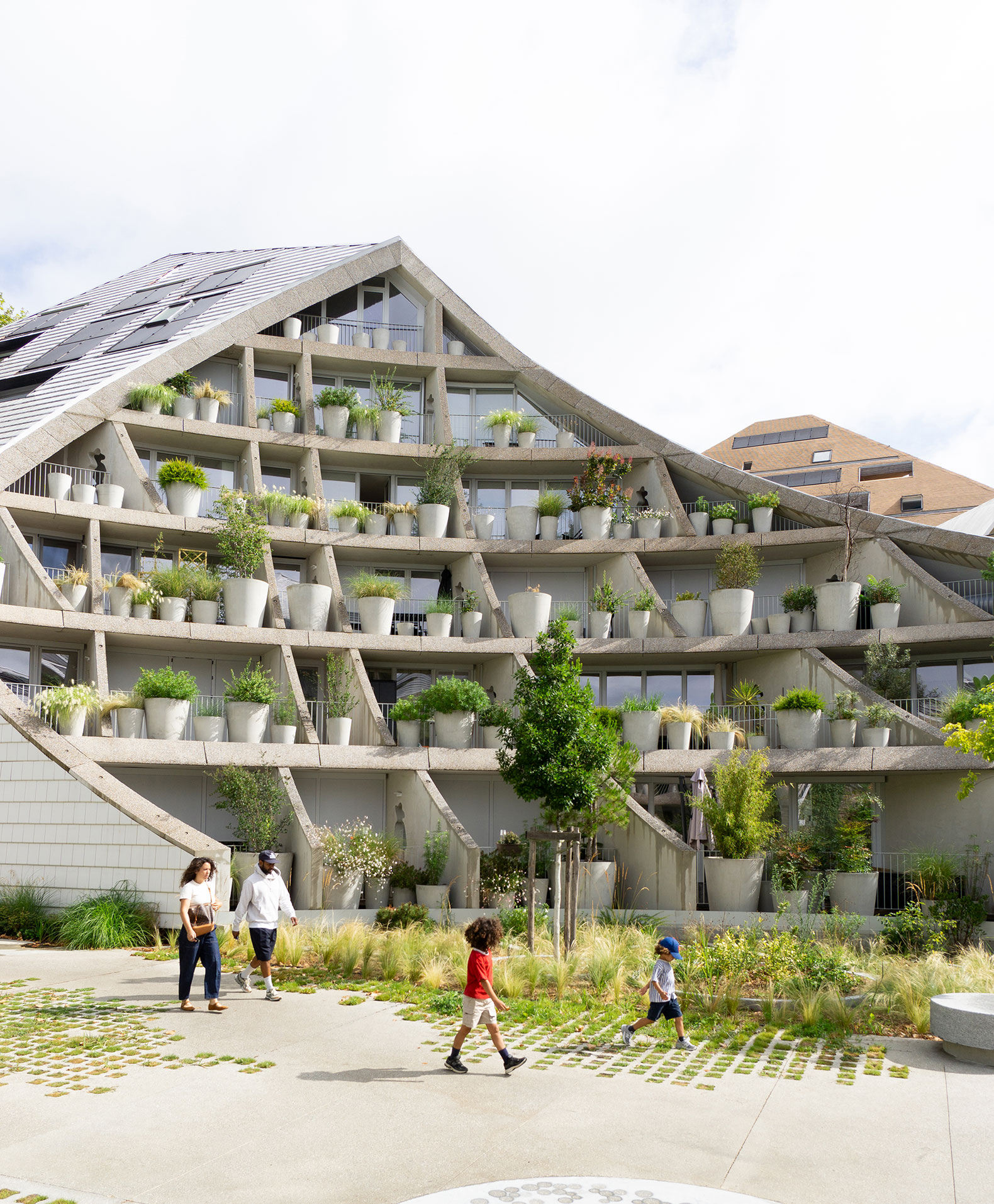
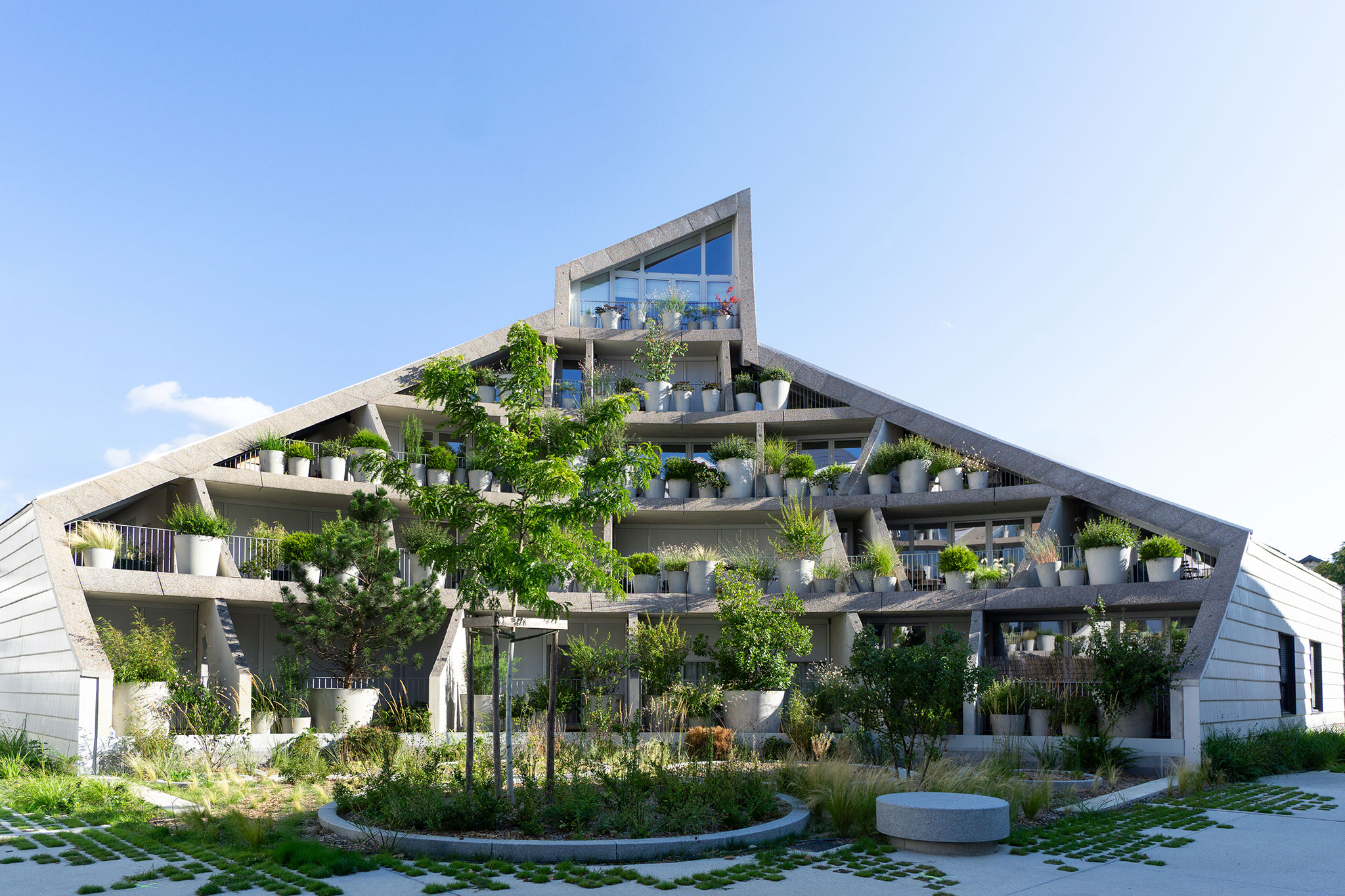
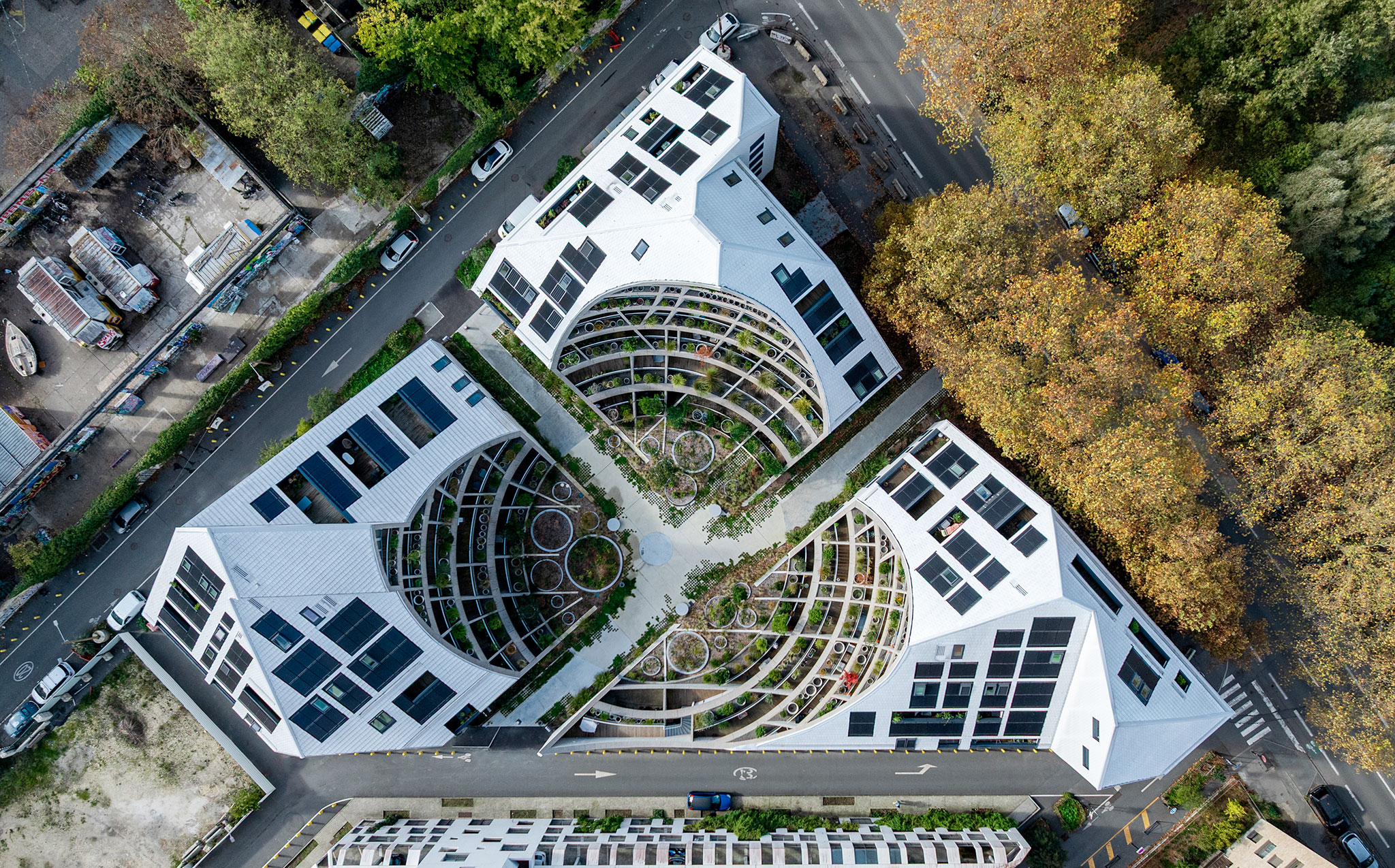
Of unique morphology, the intervention swings between the precise and regular order of its exterior image and the dynamics and escalonadas terraces that compose its heart in the interior. For one, the fachadas and the tejados that in the street show solidity and planes, respond opportunely to the strategy planted by the director plan that busca reduce the effect isla de calor urbano. Adjacent doors, a circular patio with exuberant vegetation, offers a tranquil and serene atmosphere.

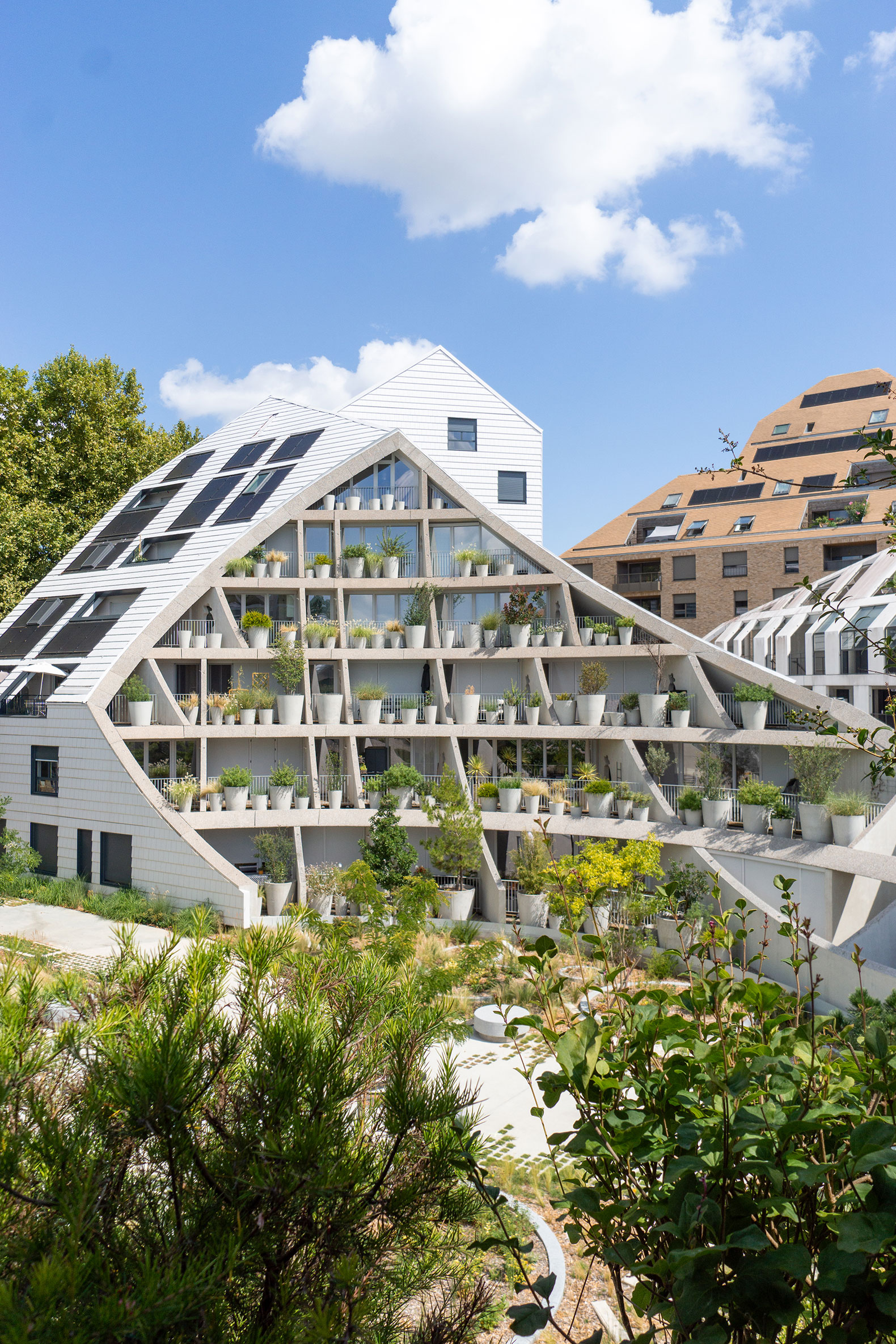
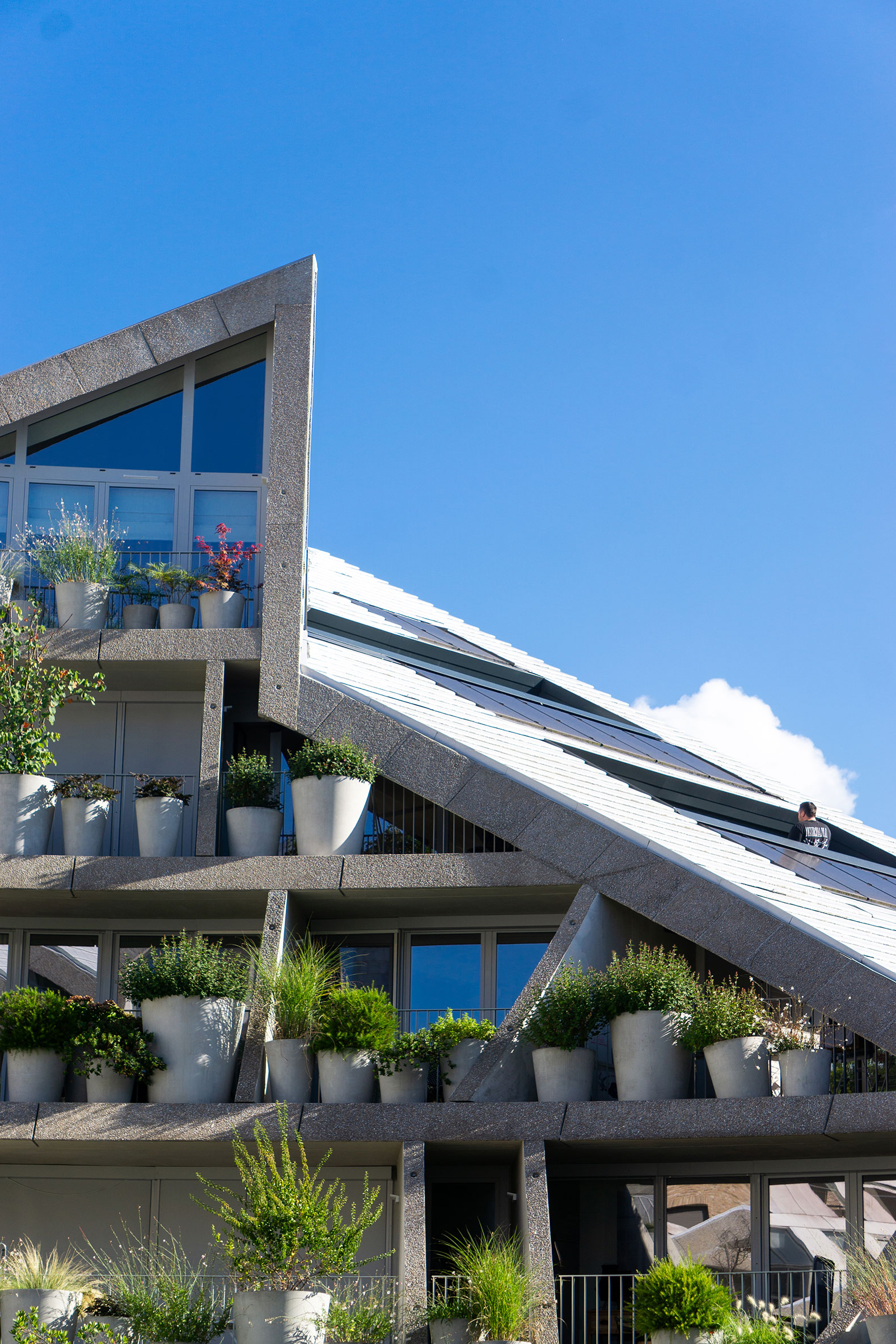
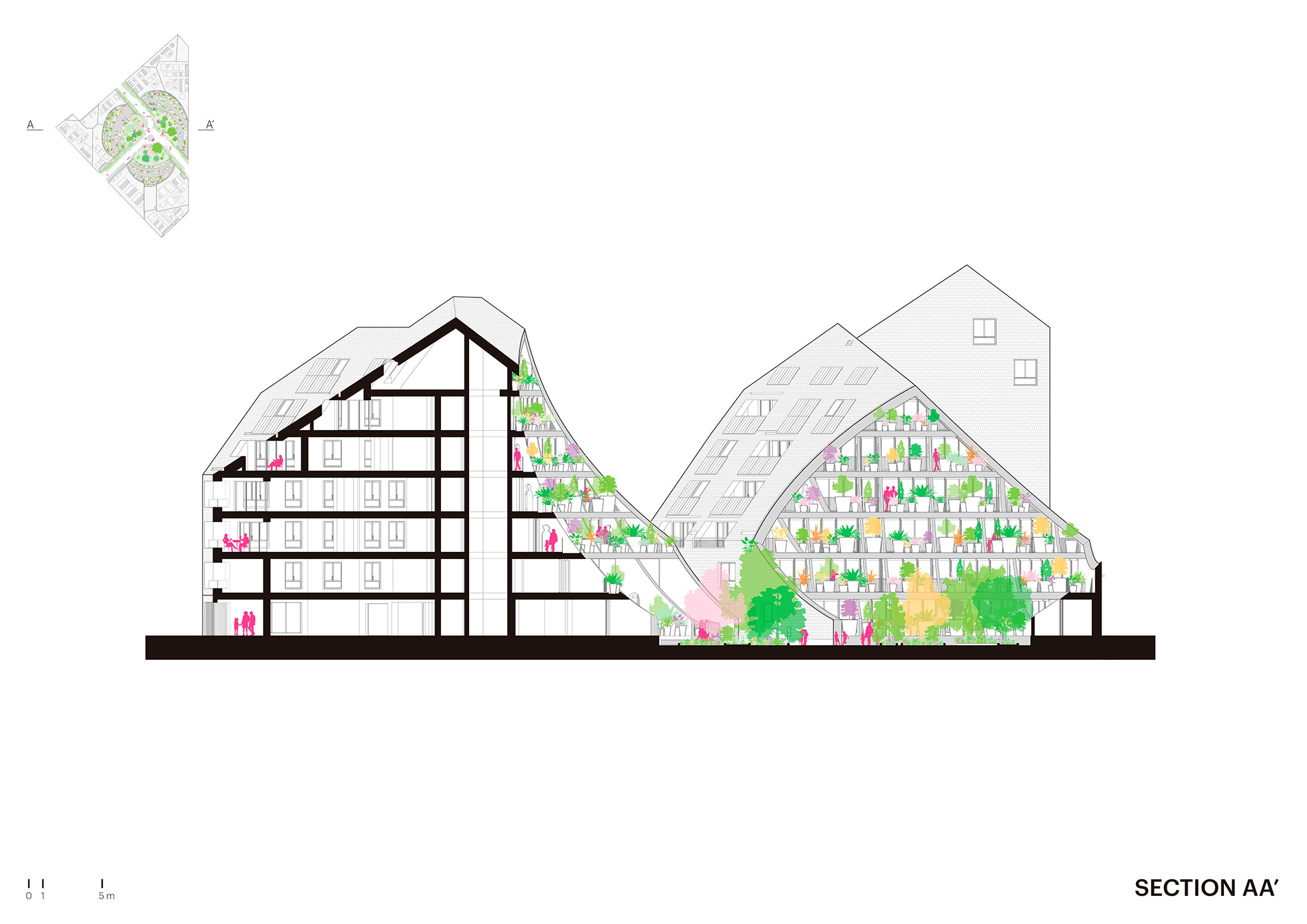
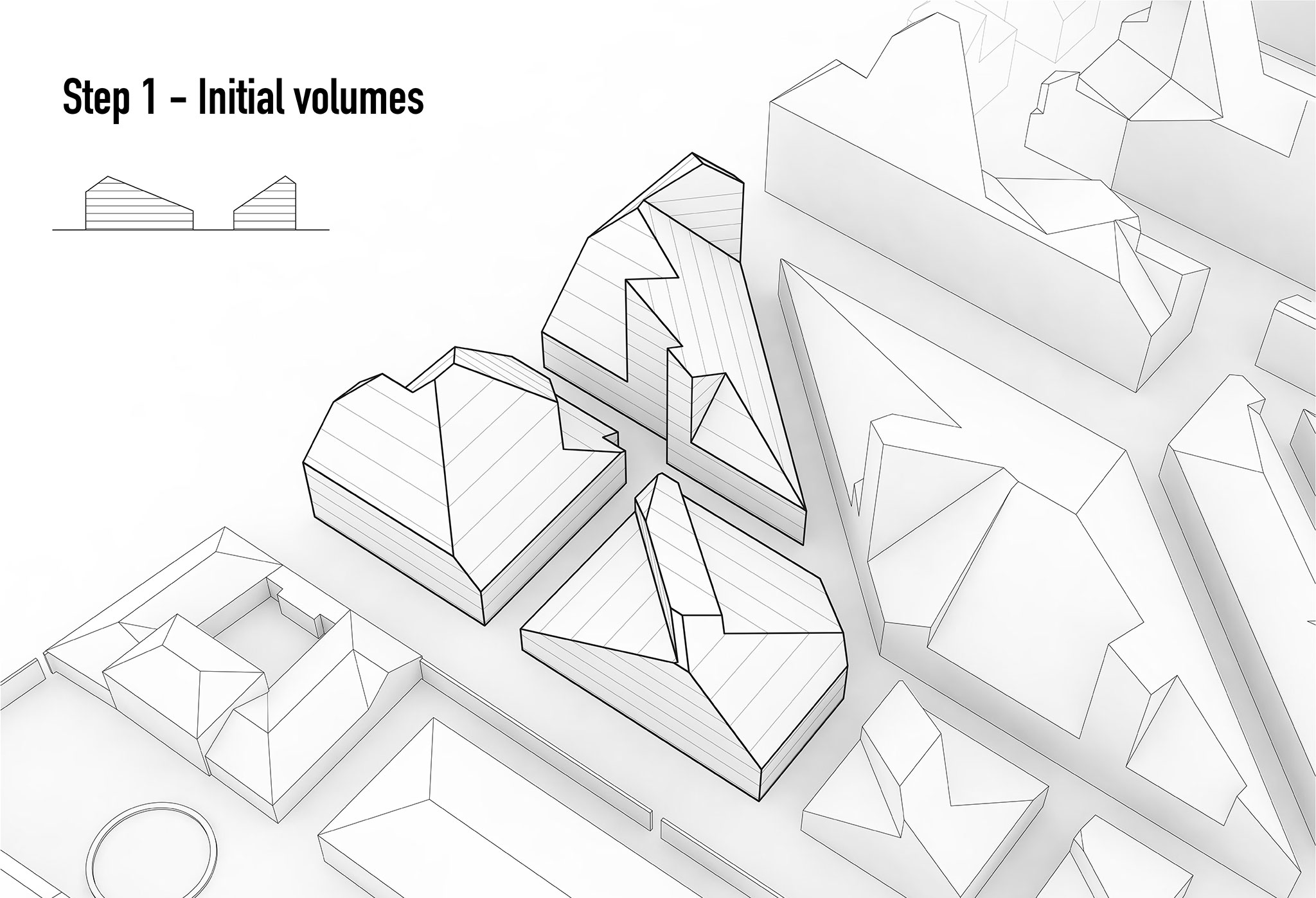
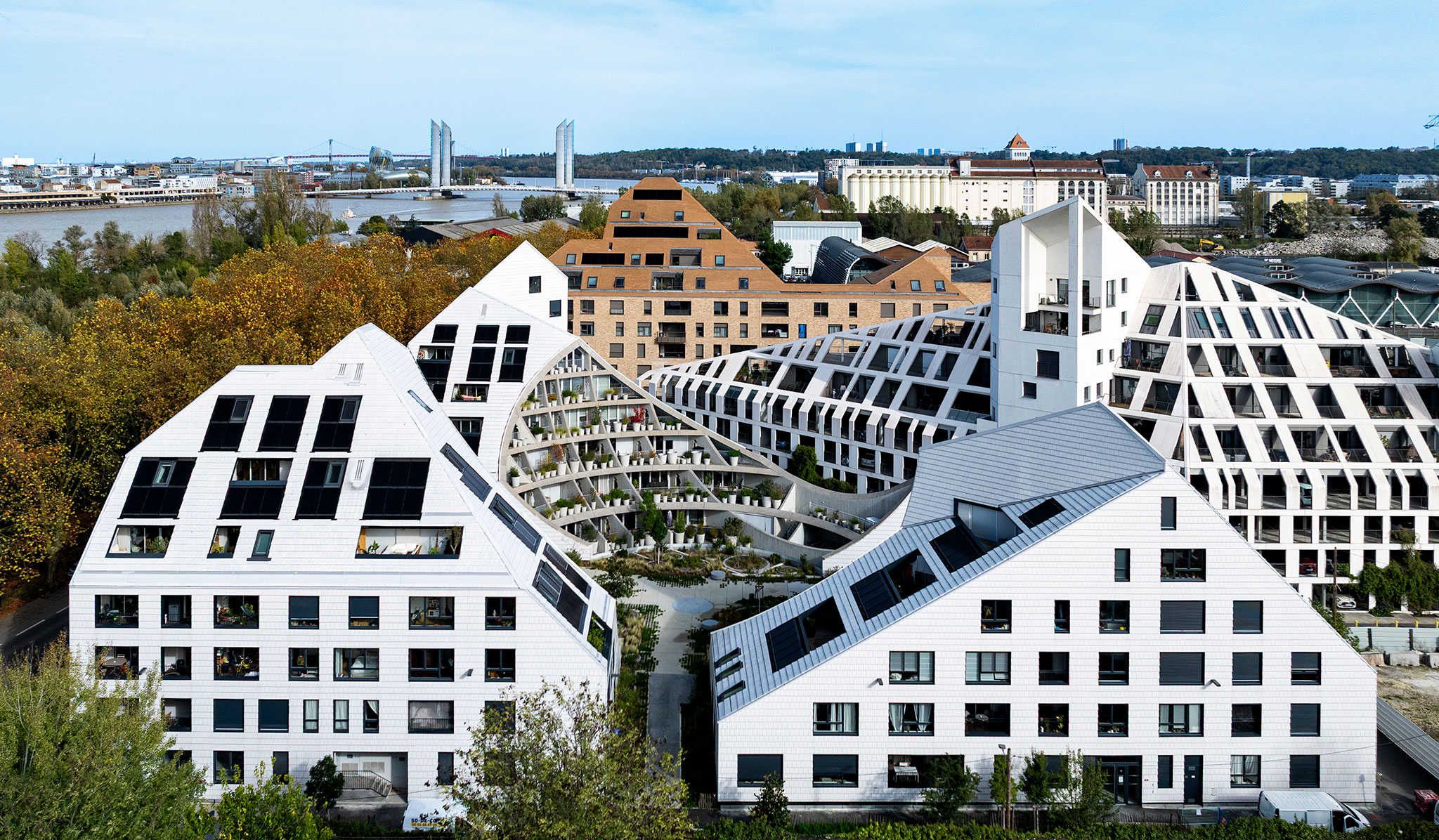
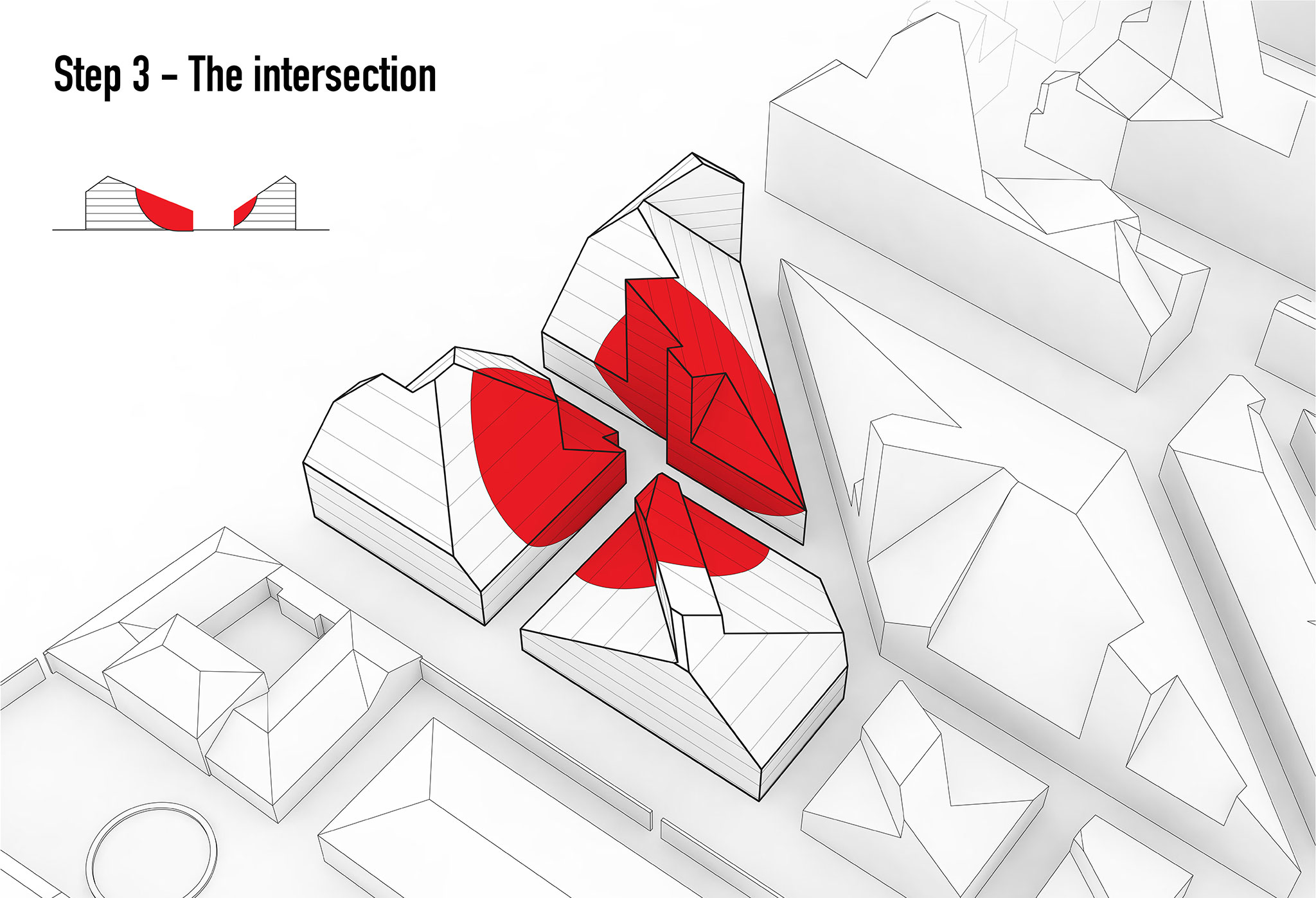
In the solar center of triangular shape, the three blocks proposed by MVRDV are removed from the bottom plant with the upper floors expected to have a parametric setting known as "solar measurements": the unusual angles and the angular shapes adopted guarantee that all the buildings have a certain determination cantidad minimum of direct solar light throughout the year.

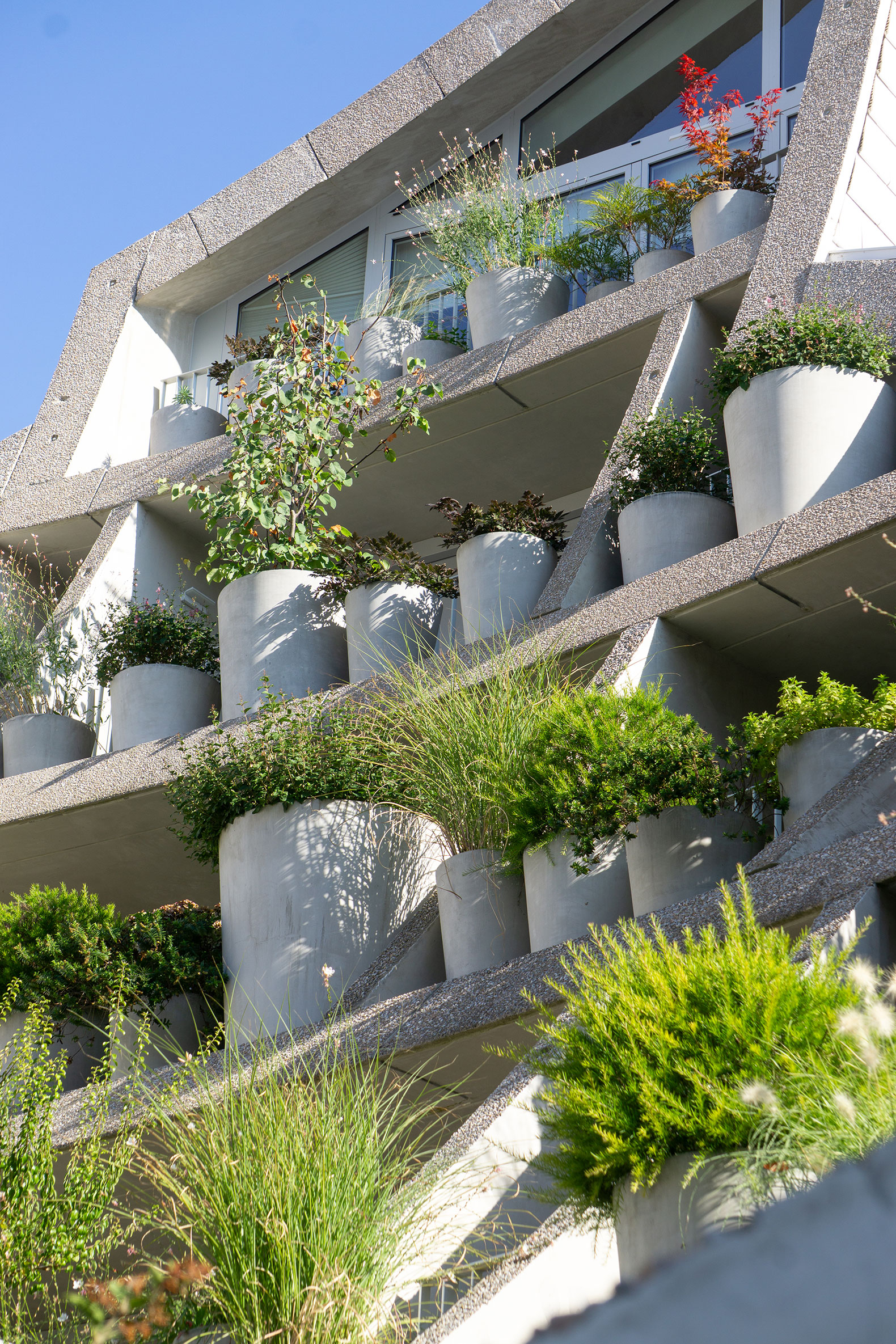
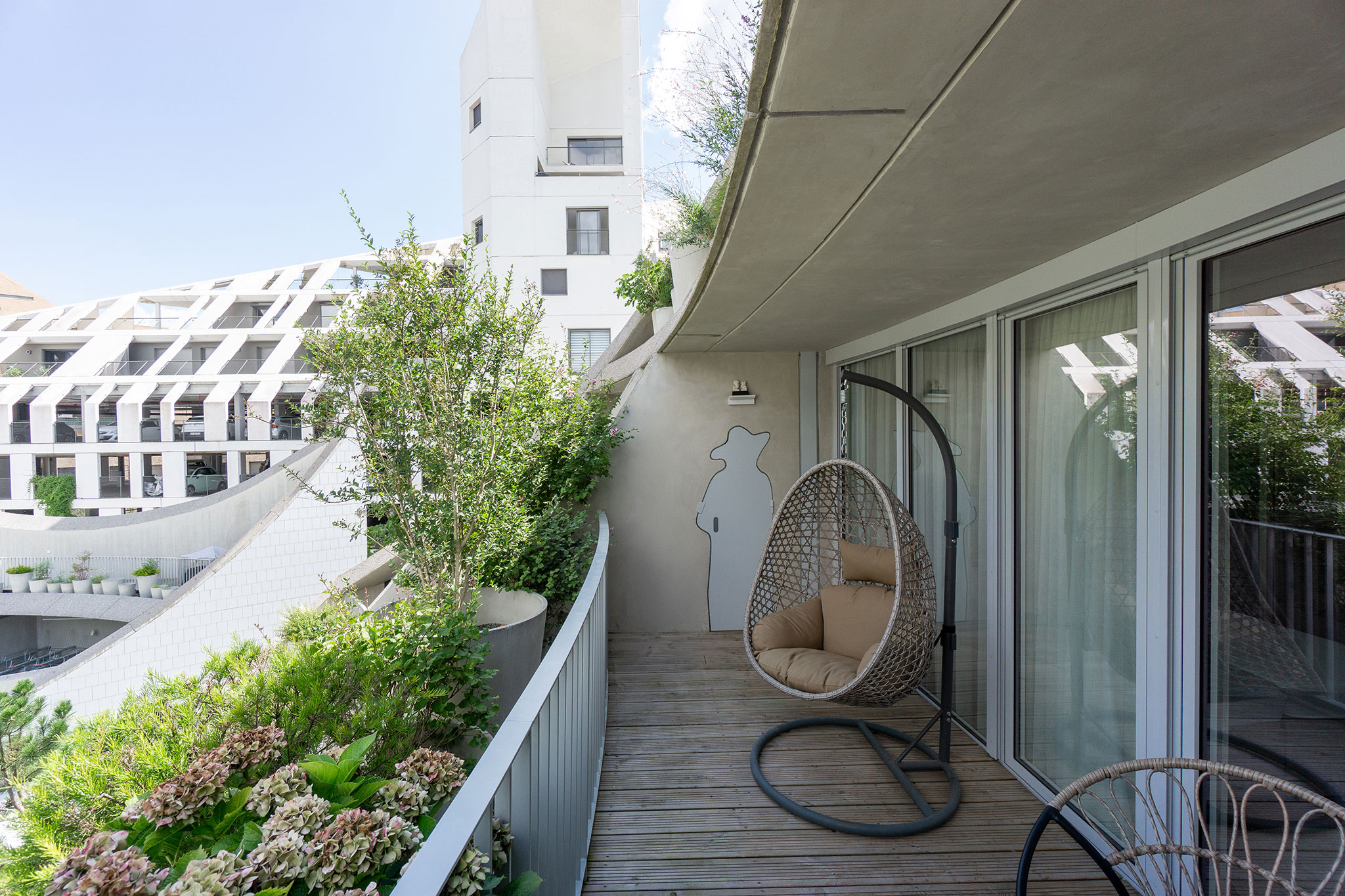
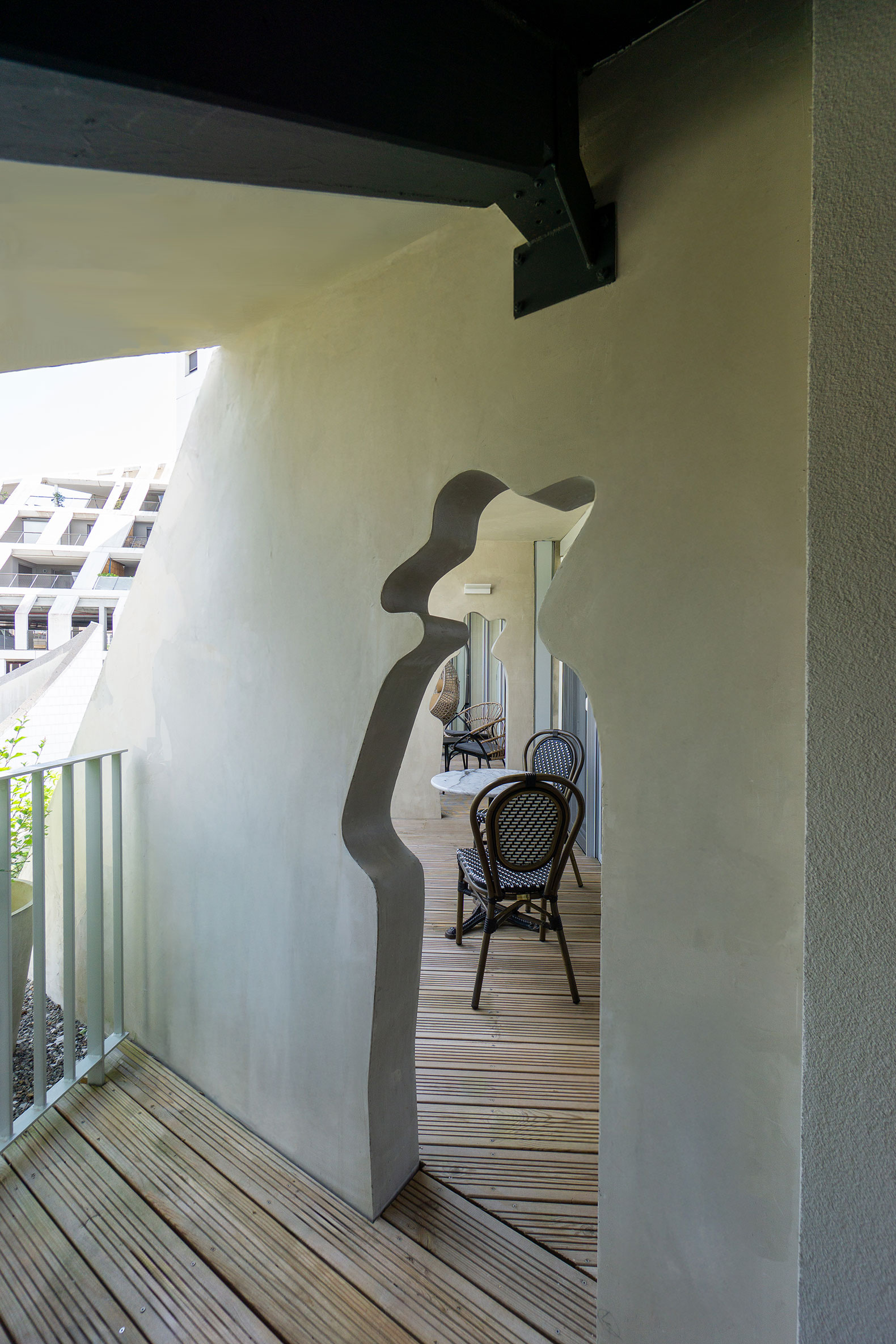
One of the fundamental points of the project consists of the conservation of the abundant vegetation of the project. It is required that the exterior steps incorporate the silhouette of a garden with a sombrero in access mode, so that professionals can freely access the balconies to carry out periodic maintenance.

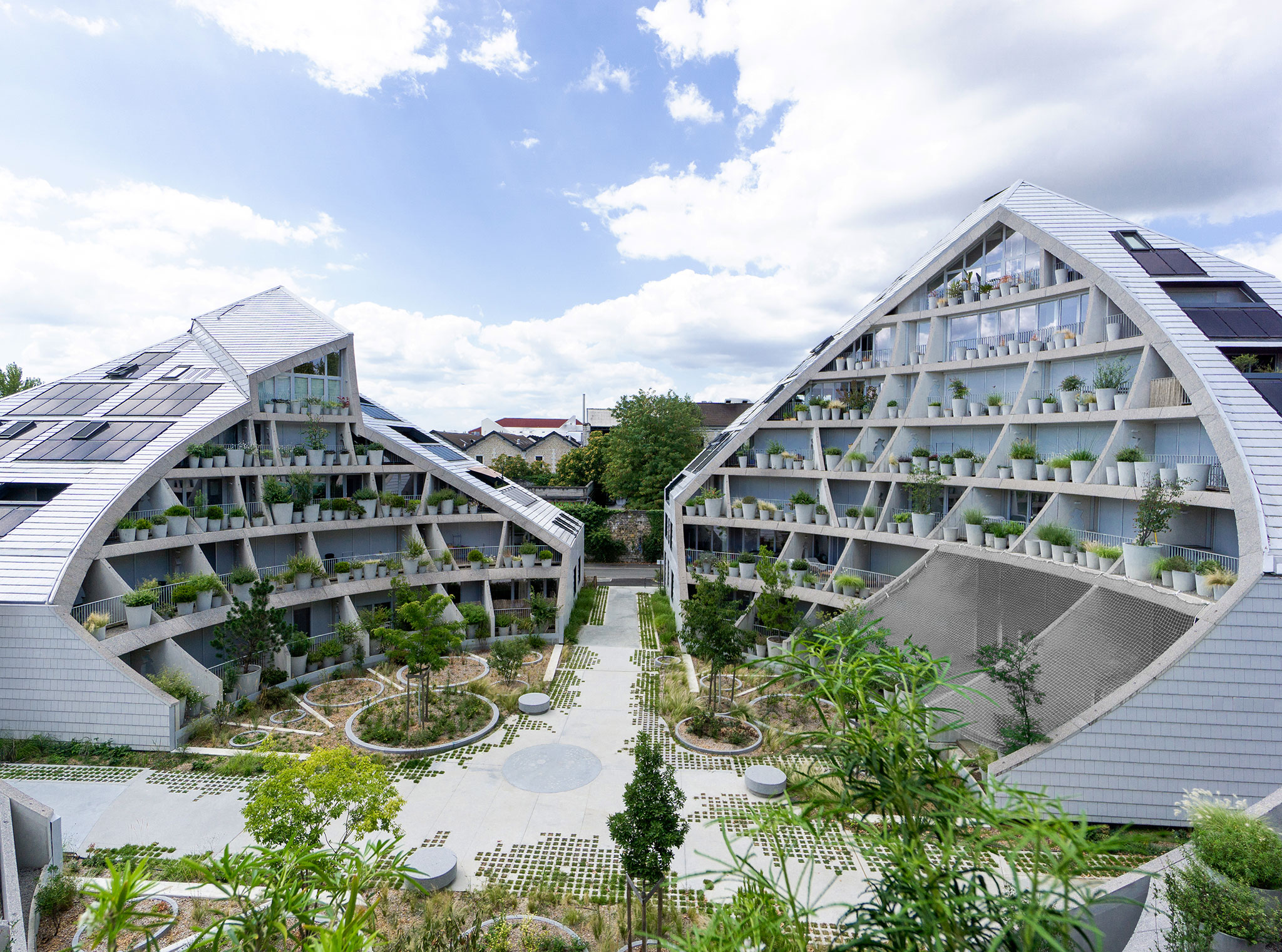
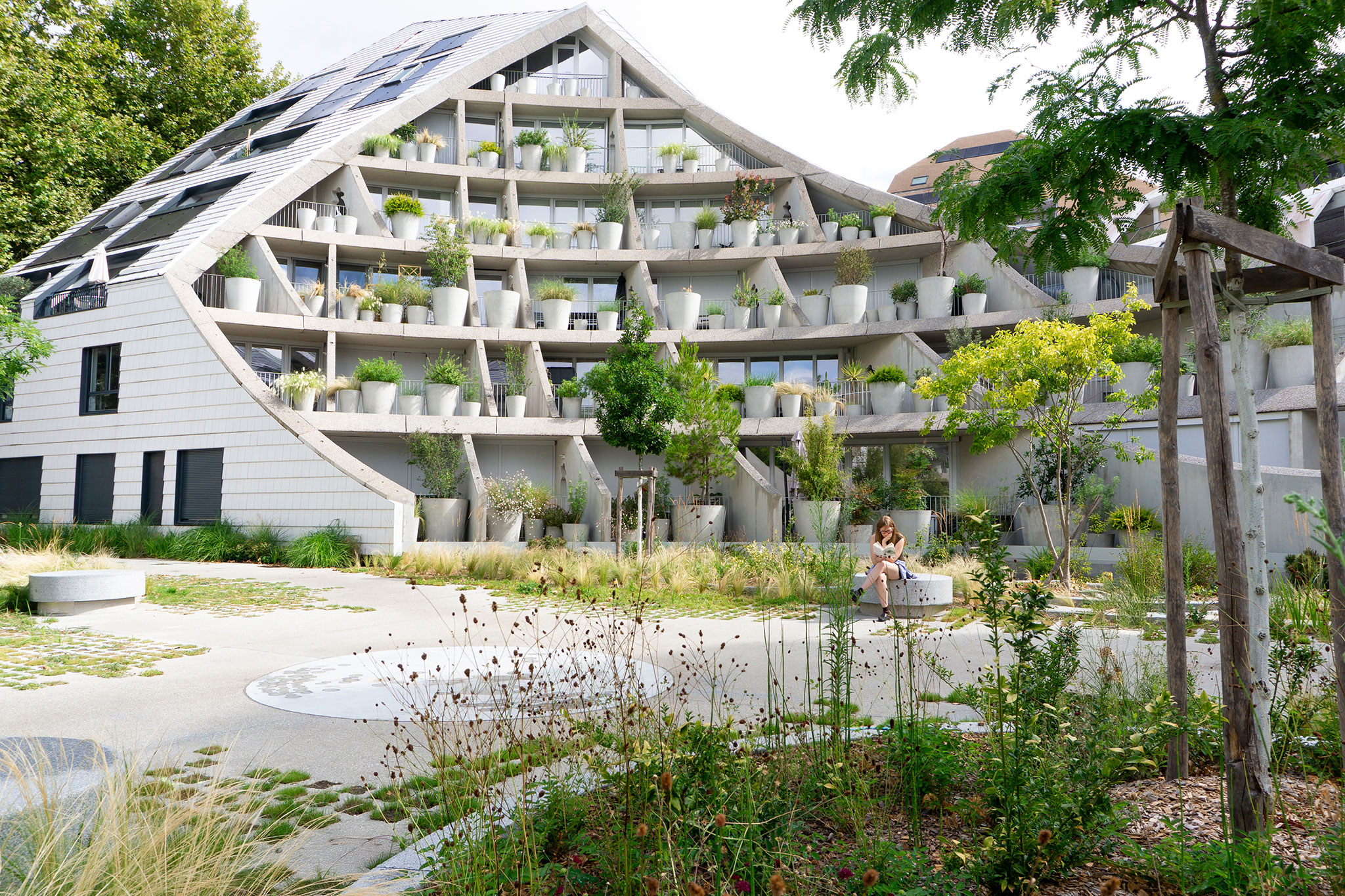
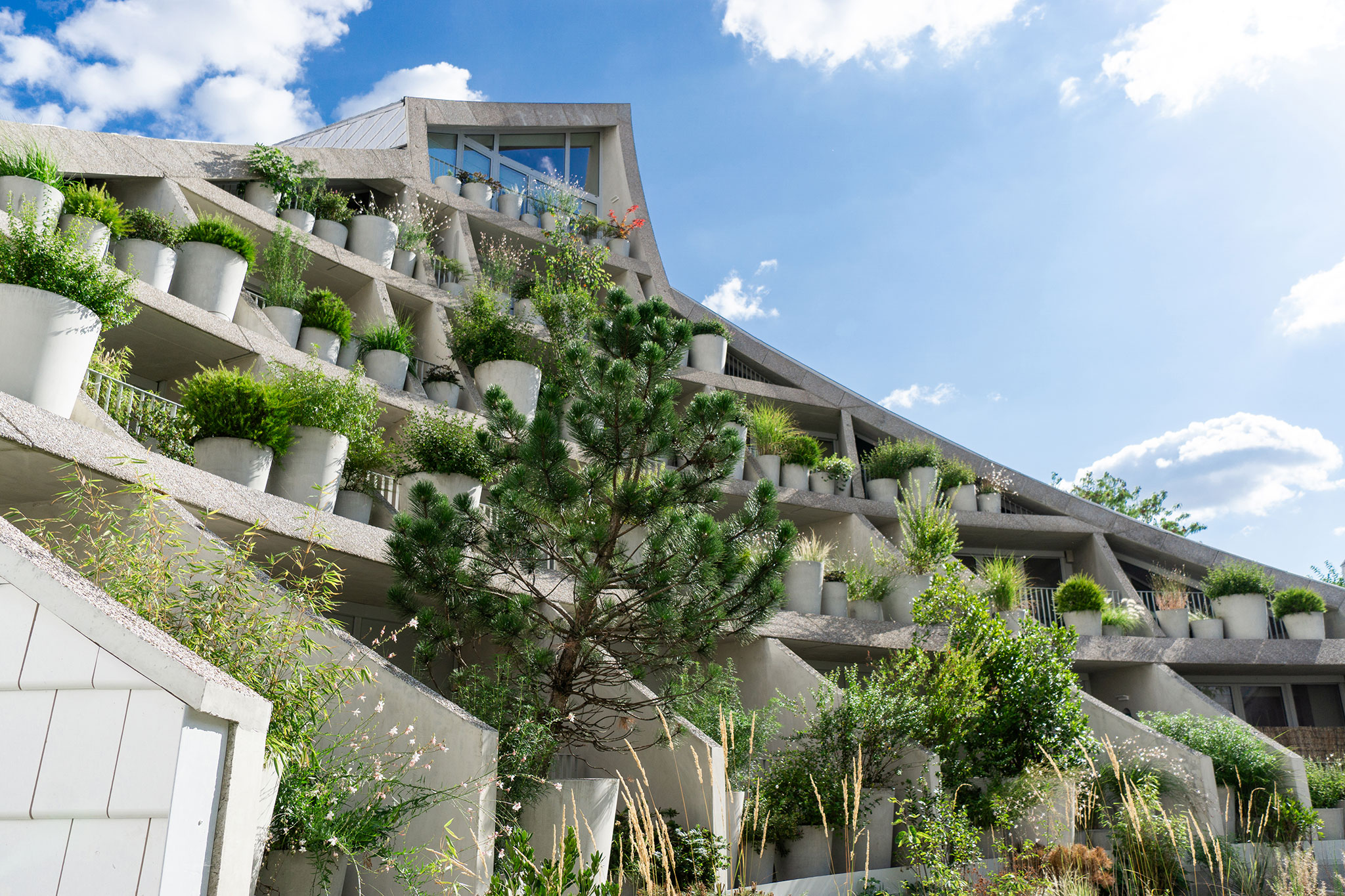
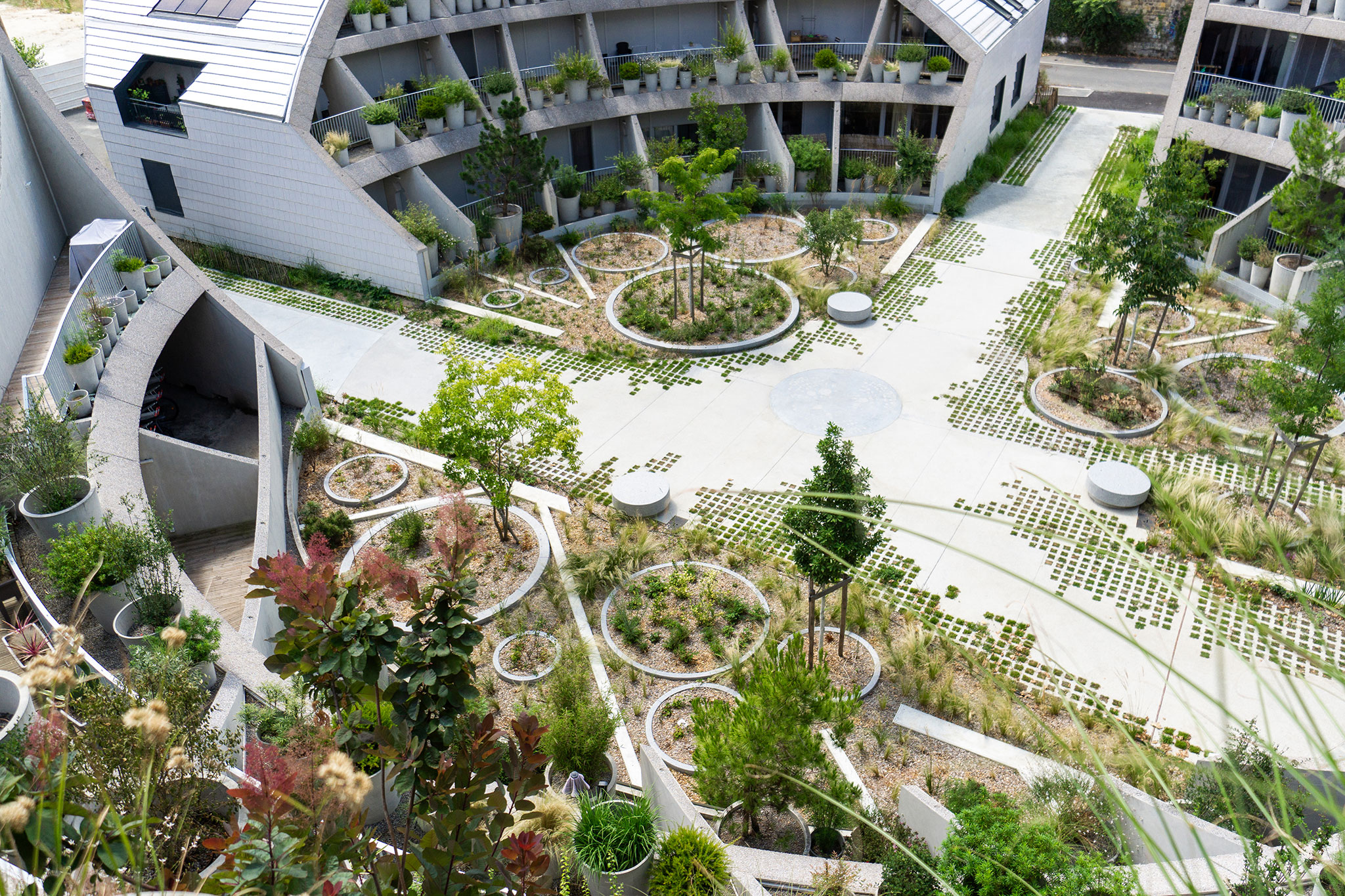
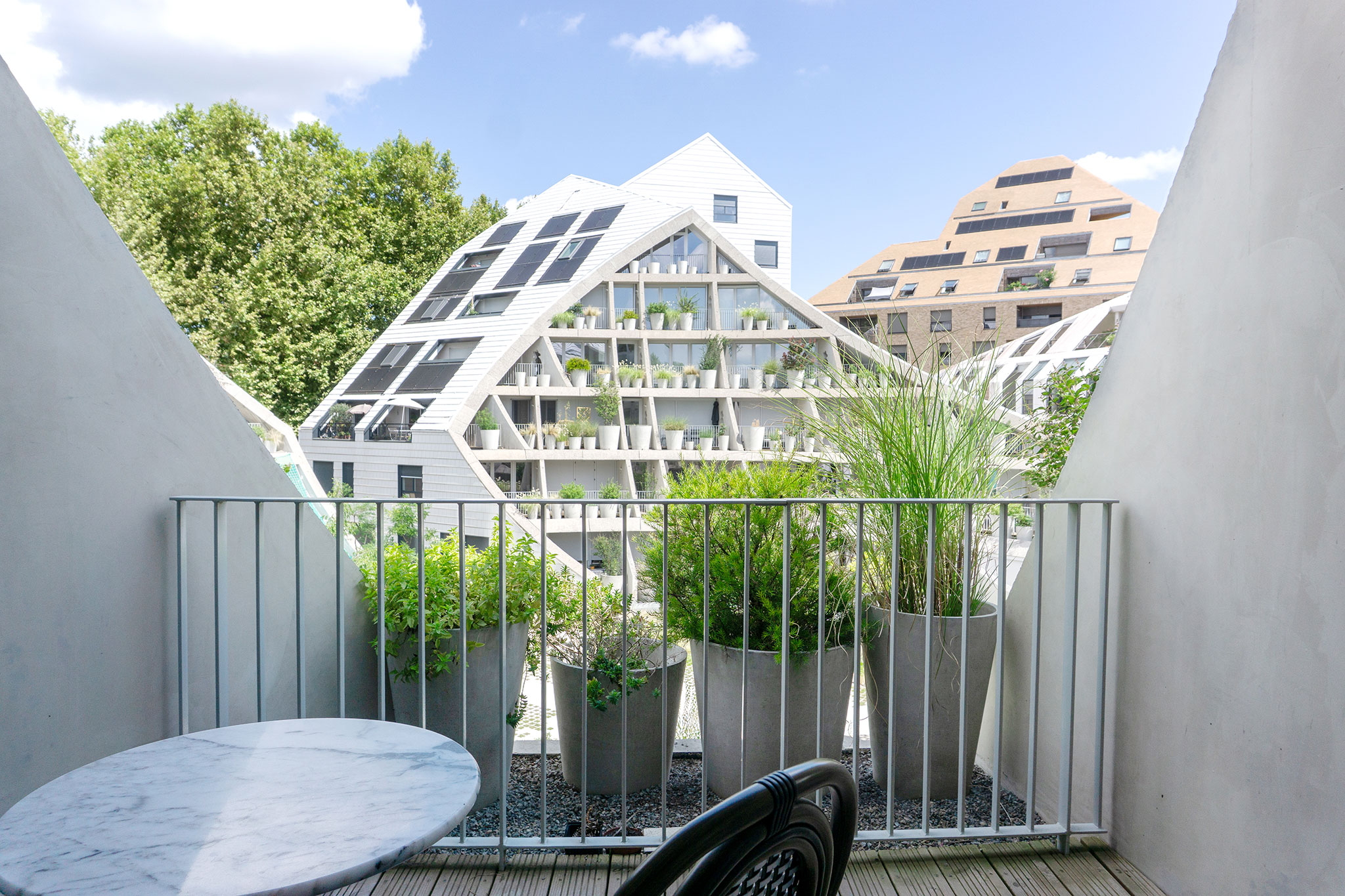
The Green Valley is configured as an oasis, an explosion of vegetation, which invites the resident to enjoy the intimidation of a secret world in the middle of an urban environment centered on sustainability, habitability and historical character.
"Vallée Verte" by MVRDV. Photograph by Paul Lefevre, courtesy by MVRDV Winy Maas, Jacob van Rijs, Nathalie de Vries.

"Vallée Verte" by MVRDV. Photograph by Matthieu Lecouvey, courtesy by MVRDV Winy Maas, Jacob van Rijs, Nathalie de Vries.

Project description by MVRDV

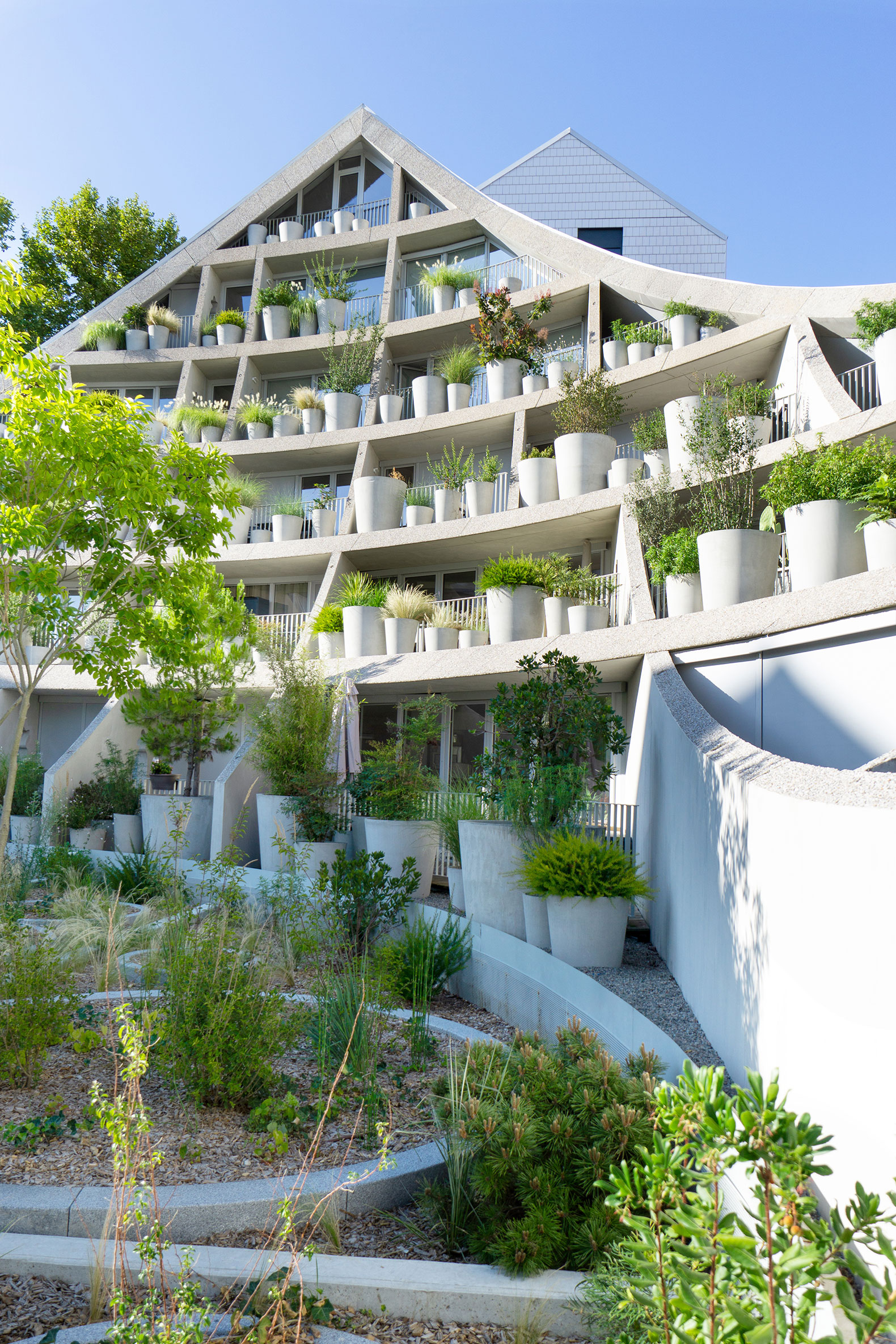
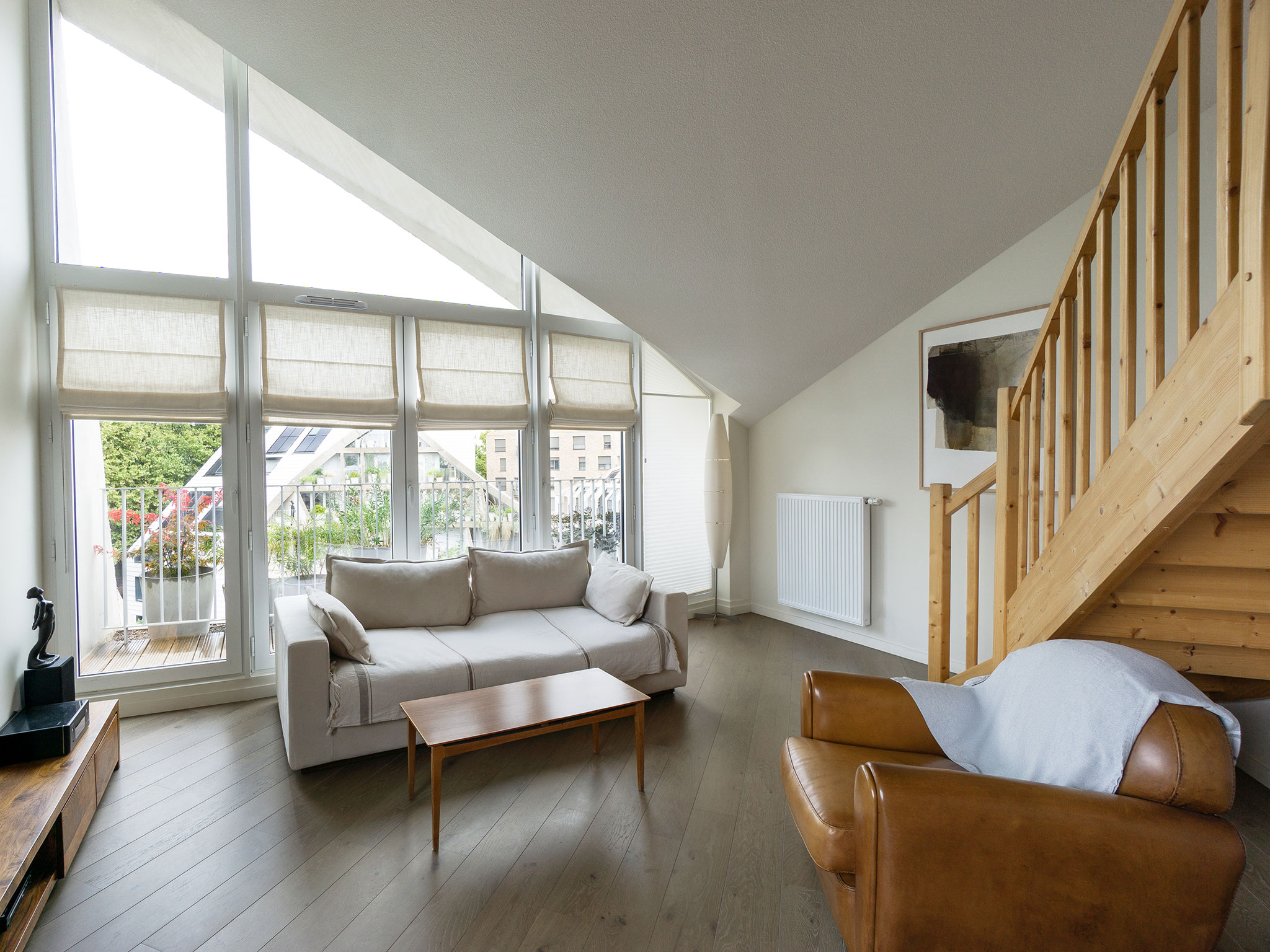
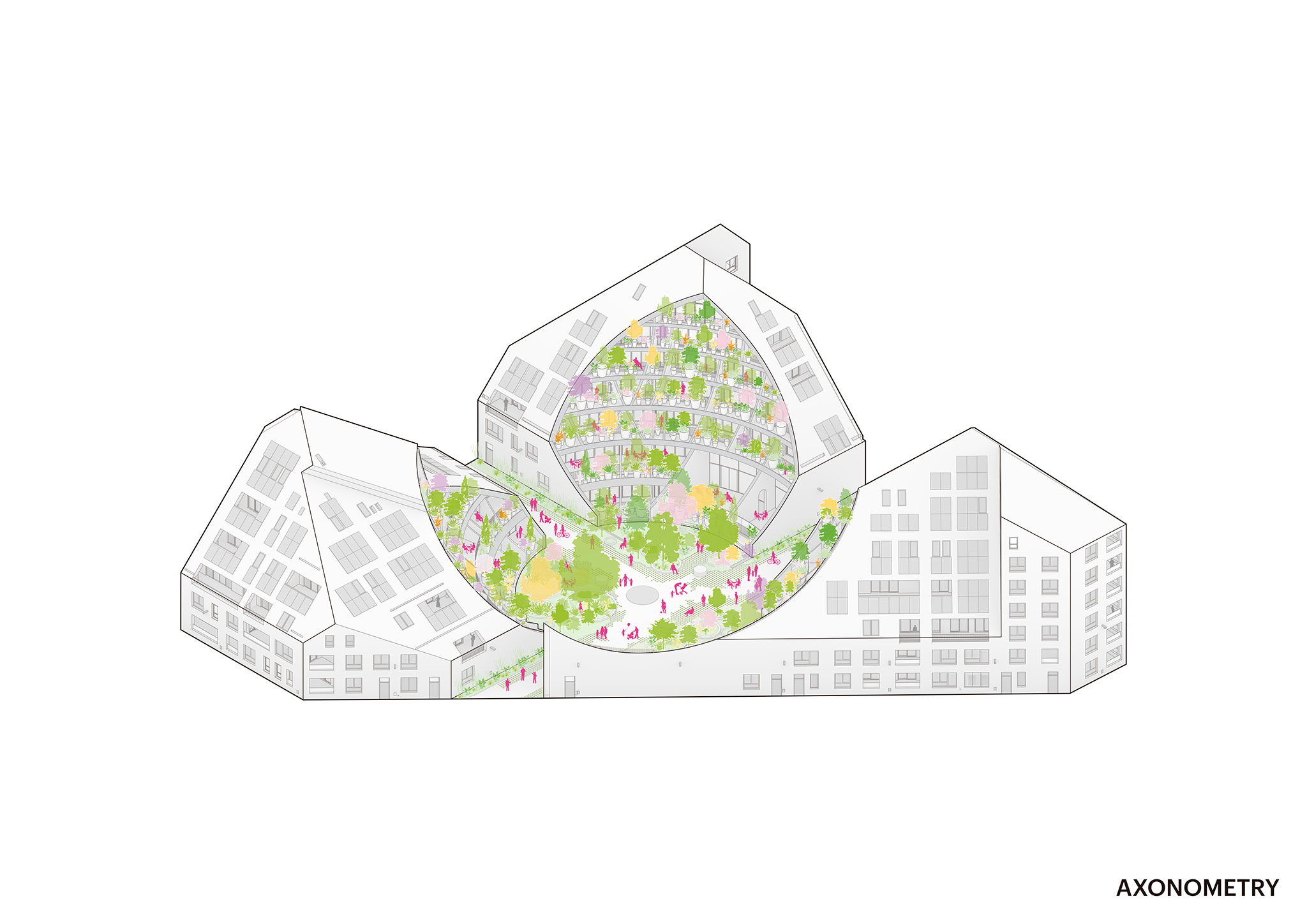
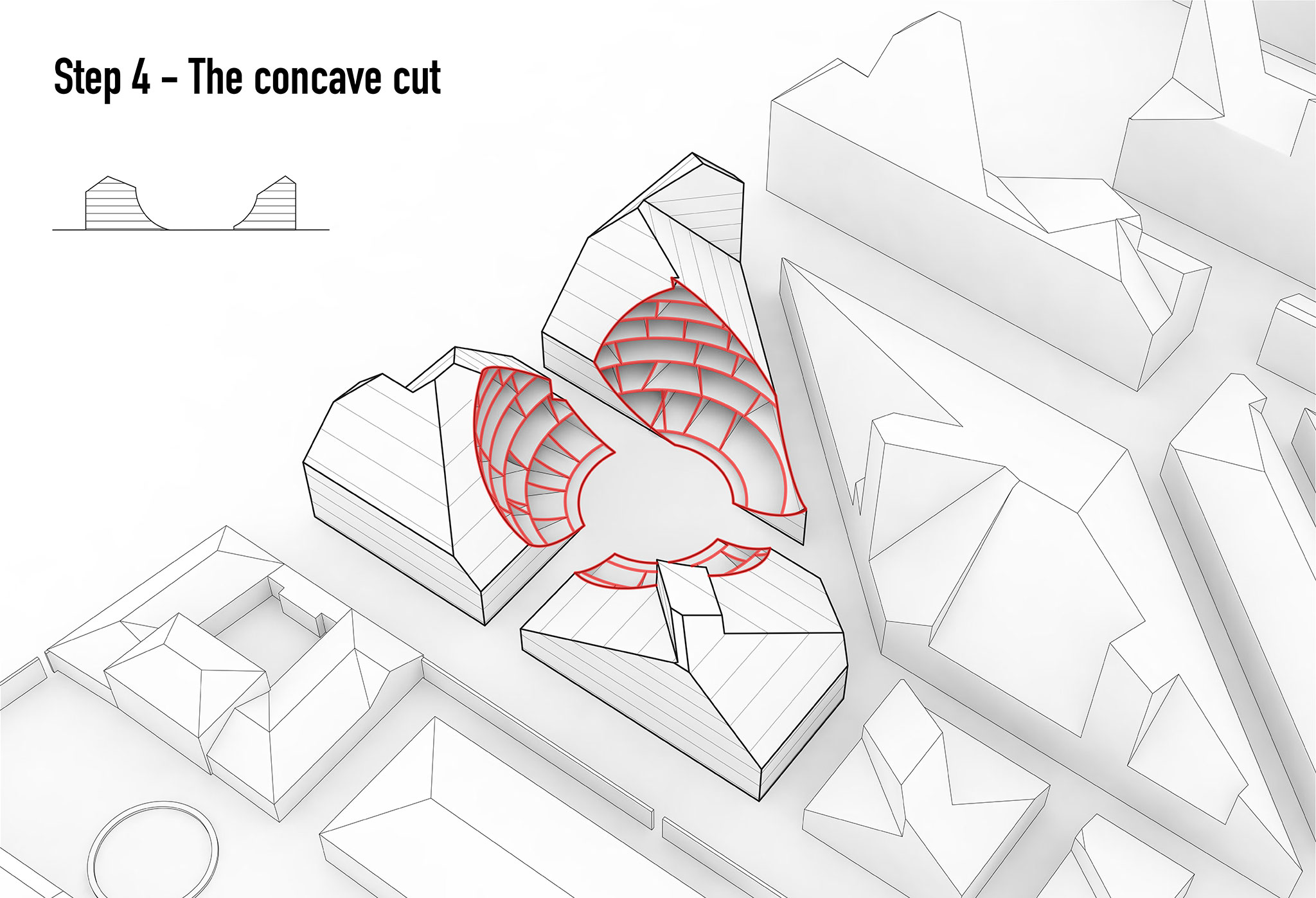
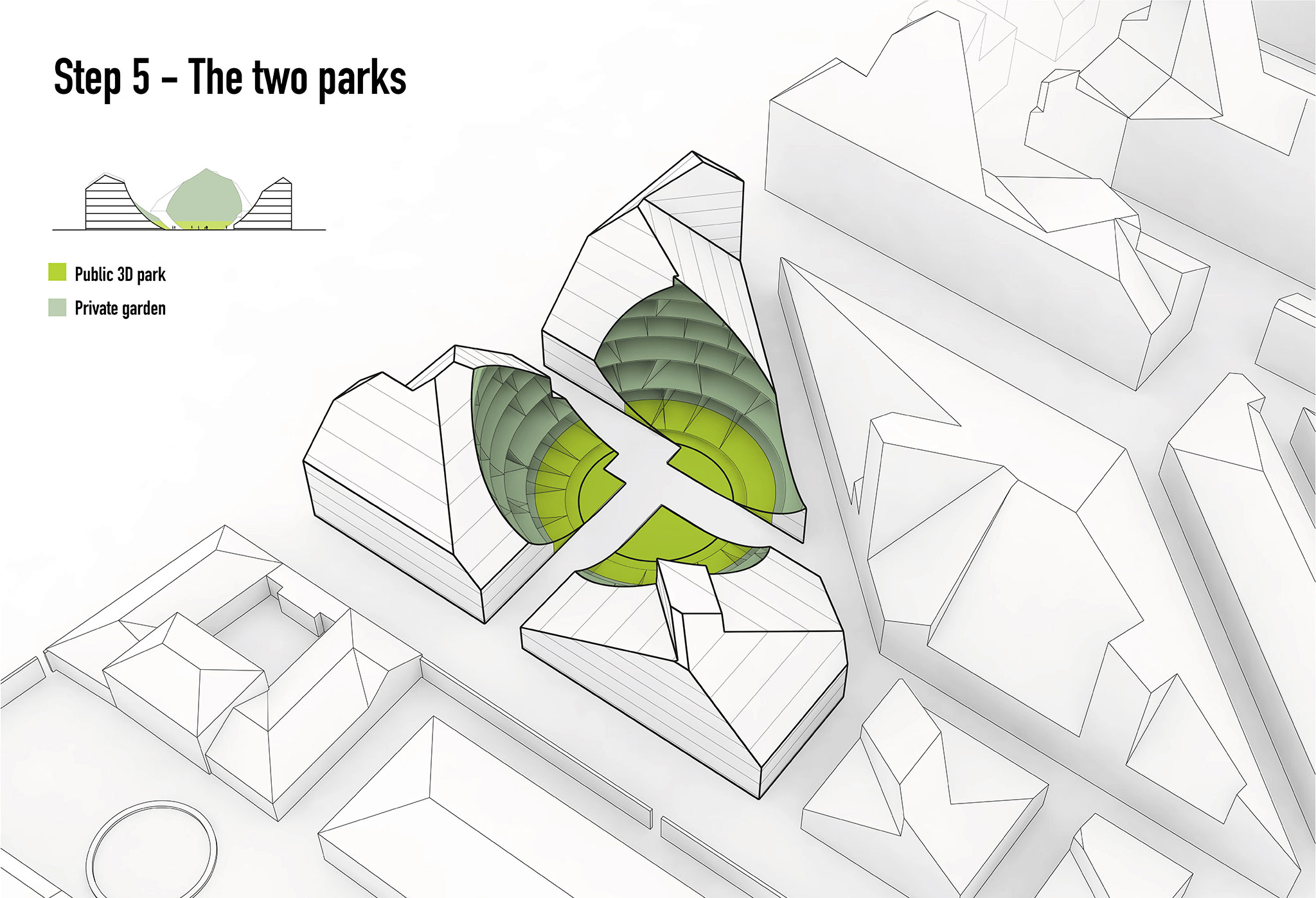
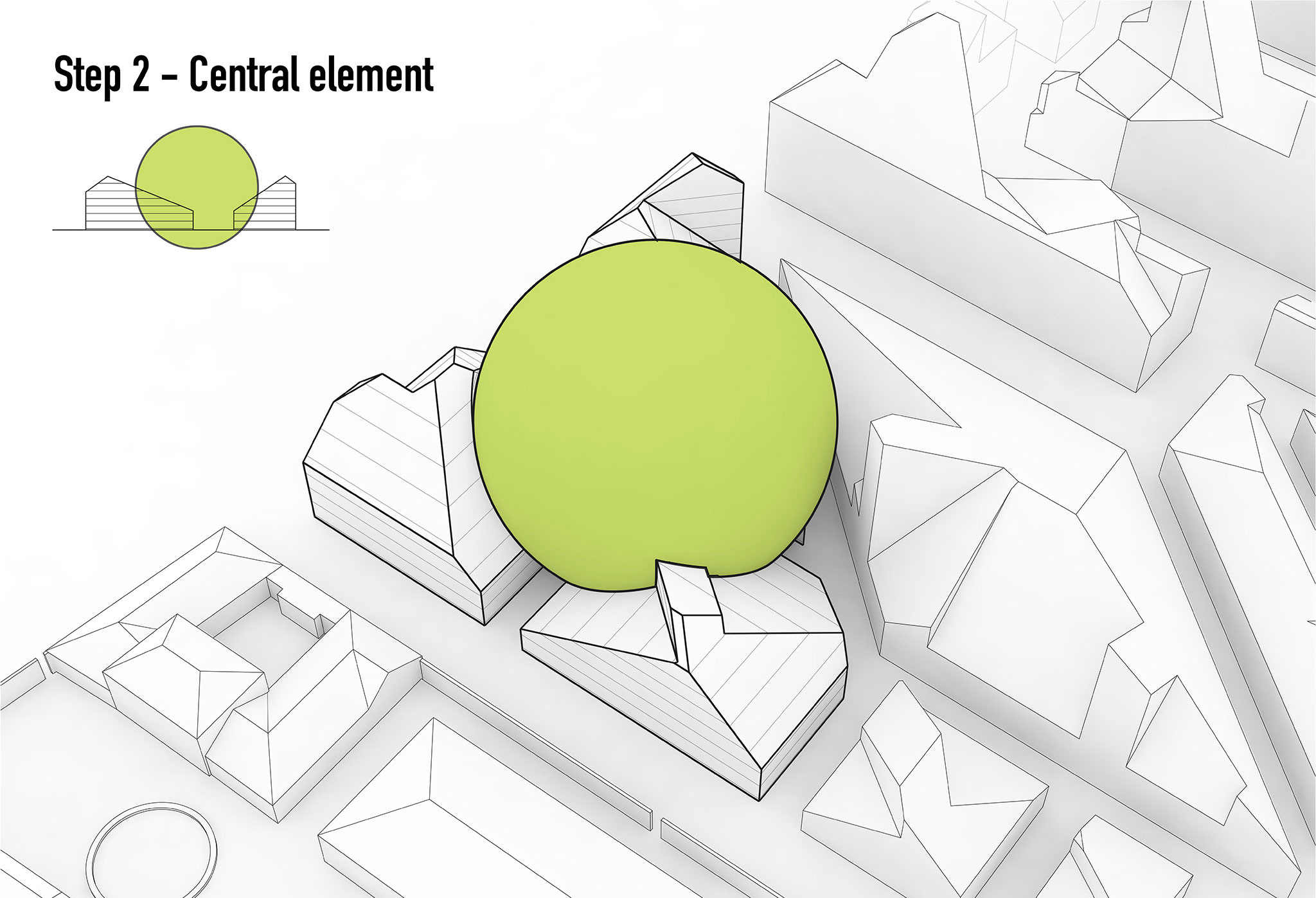
MVRDV has completed construction of La Vallée Verte, a residential project within the Bastide Niel district of Bordeaux. Situated between the shaded streets and former railway tracks of MVRDV’s own Bastide Niel masterplan, the project combines the angled forms of the masterplan’s “suncuts” with a verdant “crater”: a circular internal courtyard with an intense abundance of plants adorning generous terraces. Providing 70 new homes of varying sizes to attract residents in all stages of life, the project’s sleek white exterior blends in as part of this brand new, innovative urban district, while the inner courtyard offers a distinctive and secluded park-like space in which residents and visitors can relax.

MVRDV’s Bastide Niel masterplan creates a new district on the right bank of the Garonne River in Bordeaux, redeveloping a former industrial area and military barracks. The plan retains the historic structures and layout of the district, surrounding these elements with narrow streets for shade and intimacy.

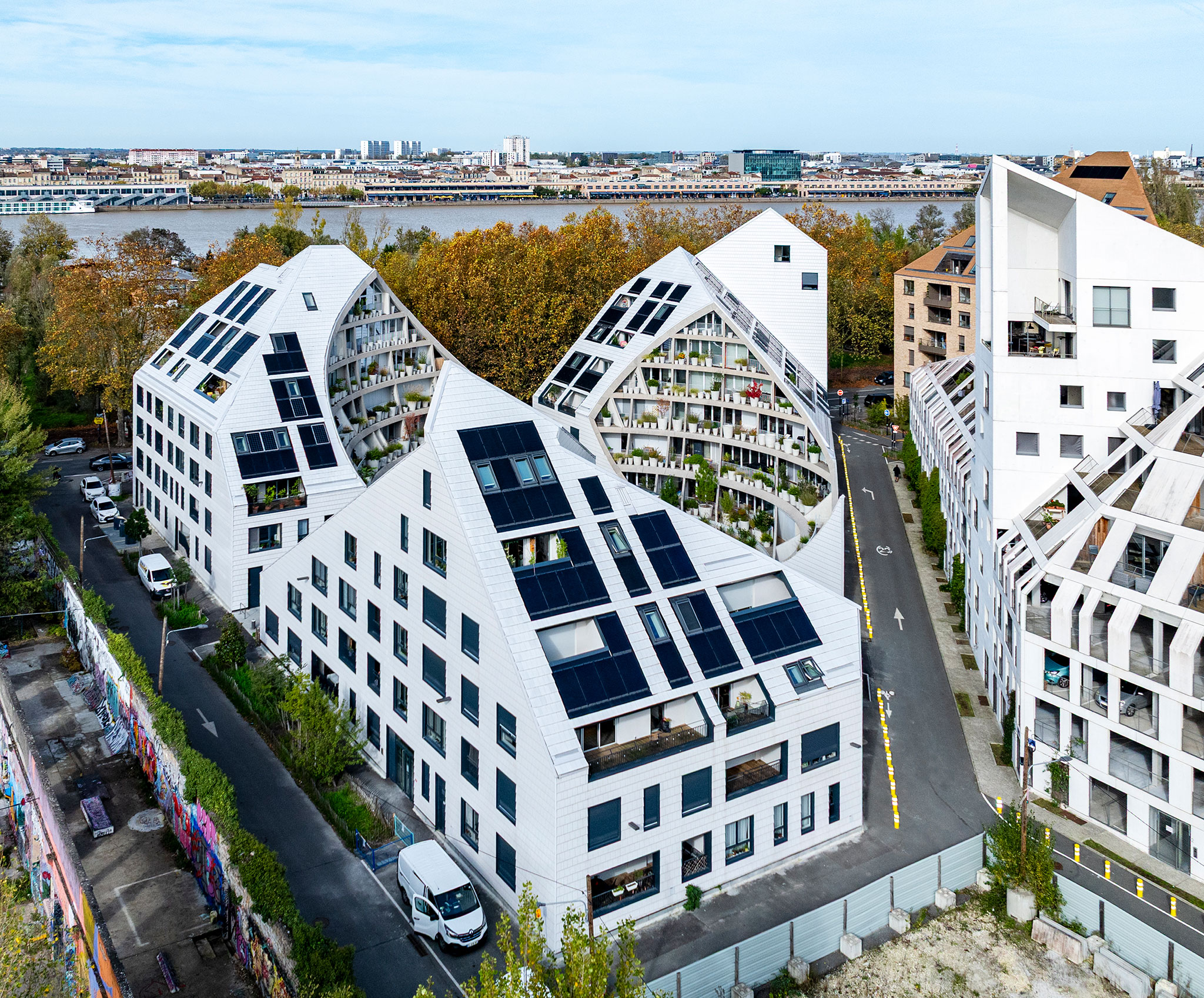
The unusual slopes and angled shapes of the buildings were determined using a parametric approach known as “suncuts” that ensures all buildings receive a minimum amount of direct sunlight throughout the year; no building is overshadowed by its neighbour. With its 144 plots being developed by a wide variety of local, national, and international designers, the result is a district with a focus on sustainability, liveability, and historic character – a vibrant update to the urban tradition of the European city.

"Vallée Verte" by MVRDV. Photograph by Paul Lefevre, courtesy by MVRDV Winy Maas, Jacob van Rijs, Nathalie de Vries.

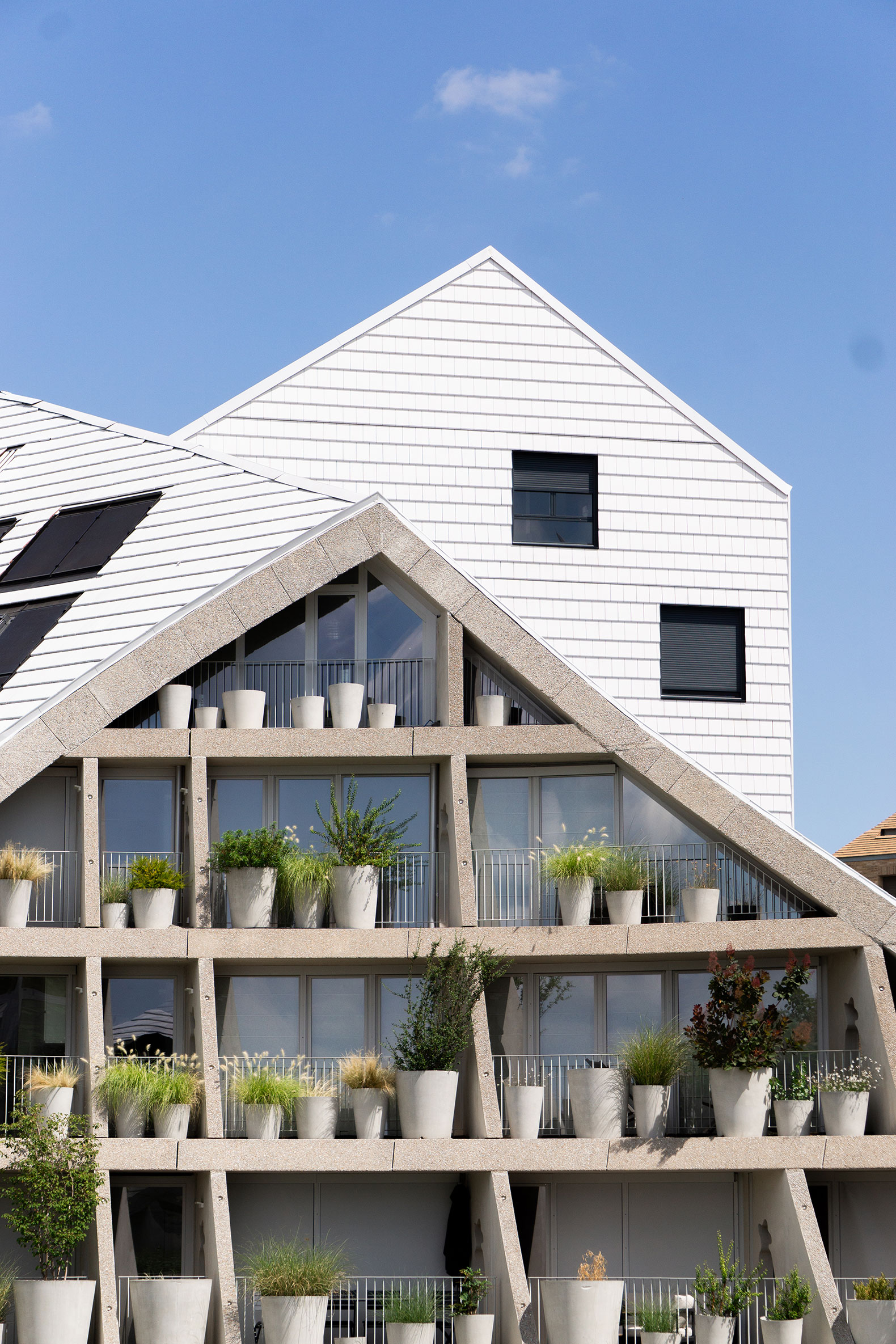
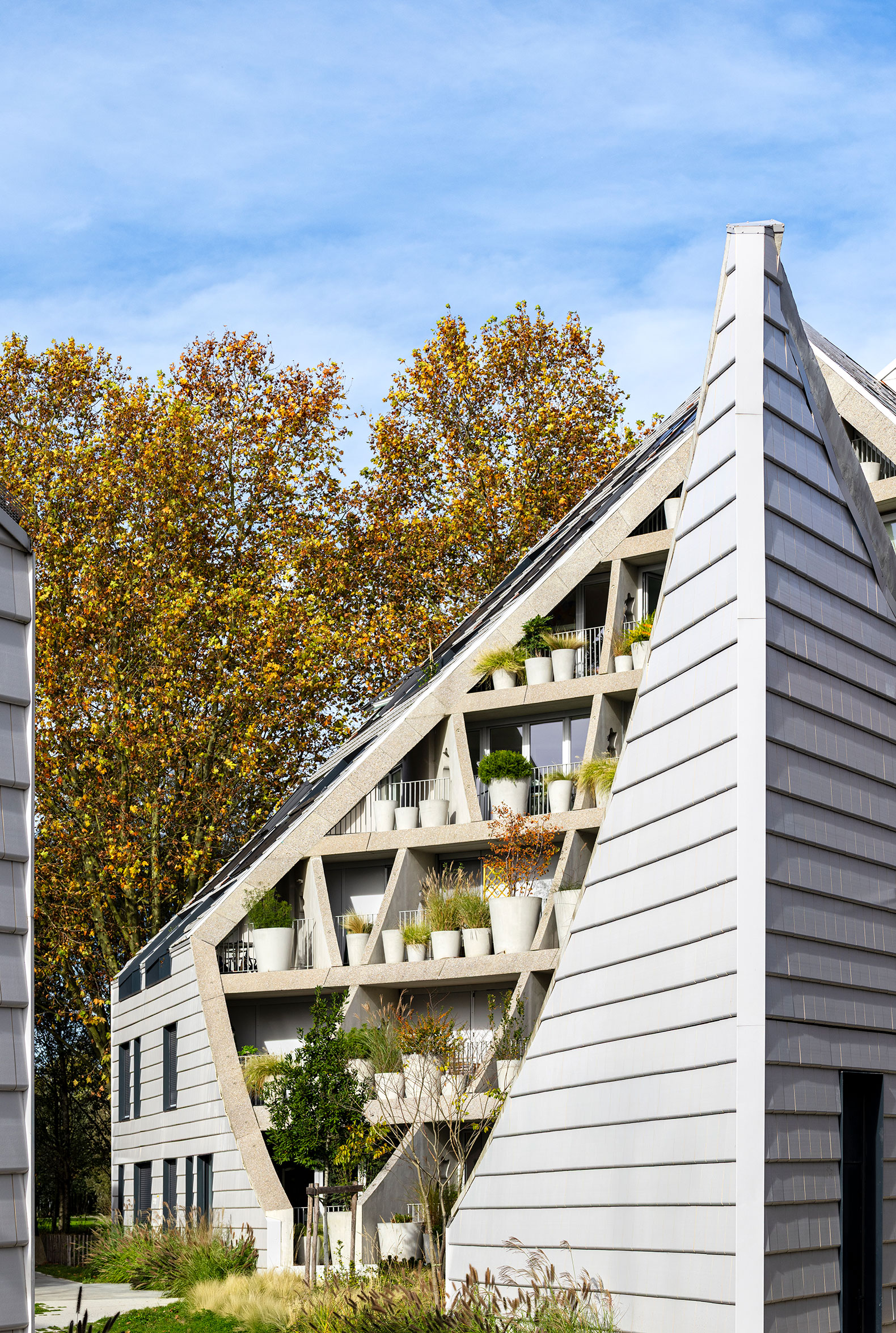
Positioned at the north-western edge of Bastide Niel on the Quai des Queyries, La Vallée Verte serves as an exemplary project following the principles of the masterplan. Made up of three buildings on a triangular plot, the street-side façades and roofs are smooth – adhering to the shapes of the masterplan and its daylighting requirements – and are clad in light grey tiles, following the masterplan’s approach to reduce the urban heat island effect.

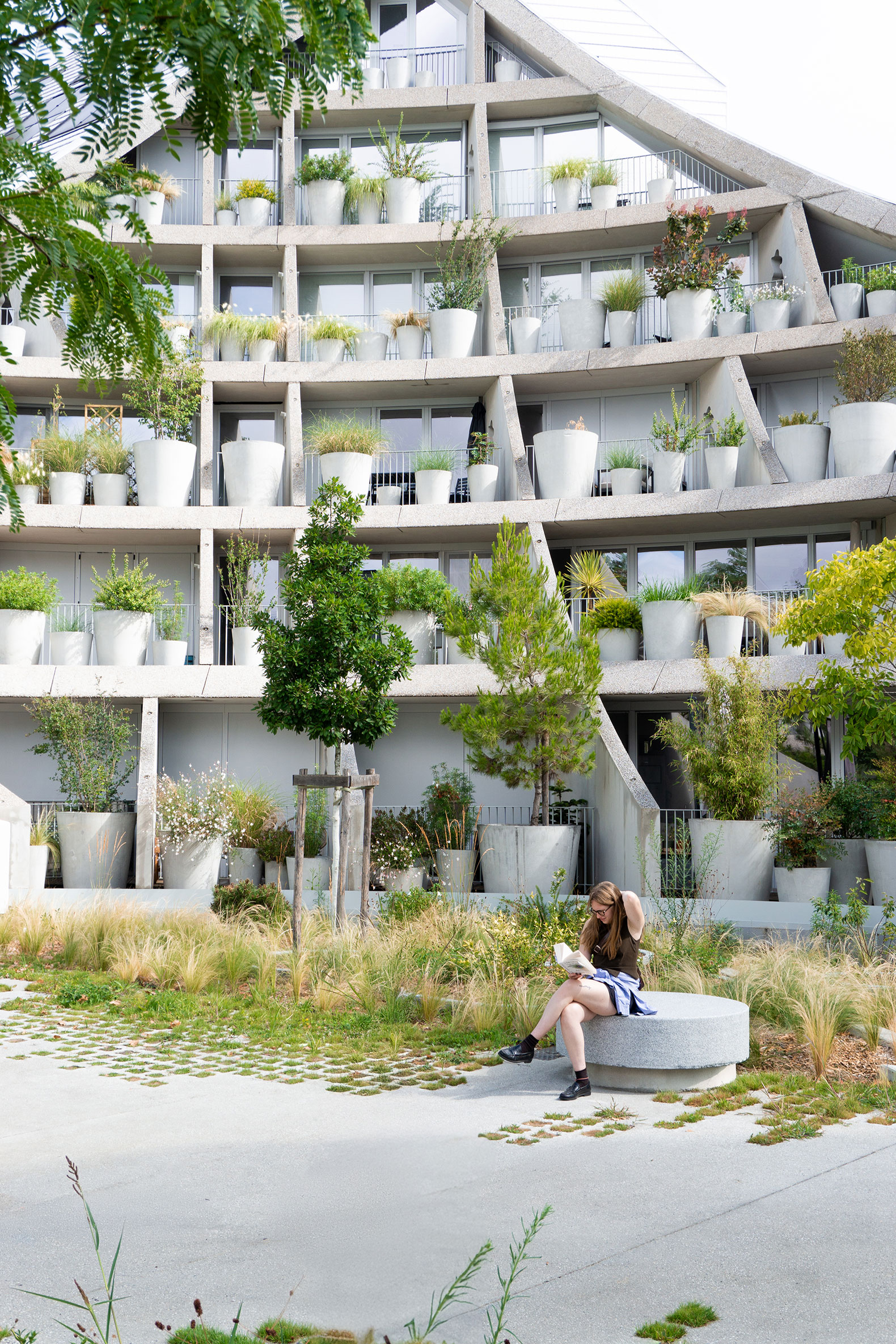
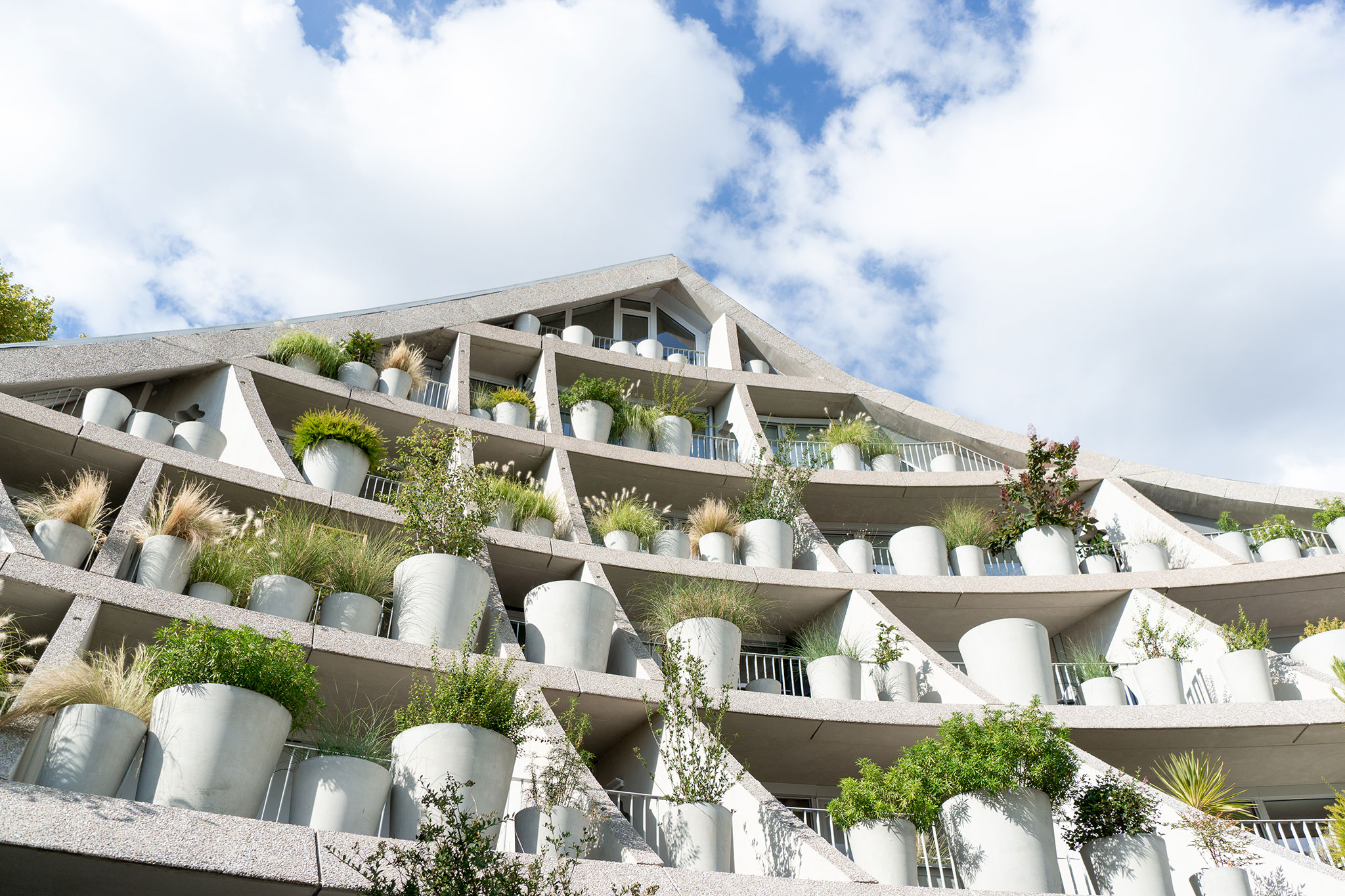
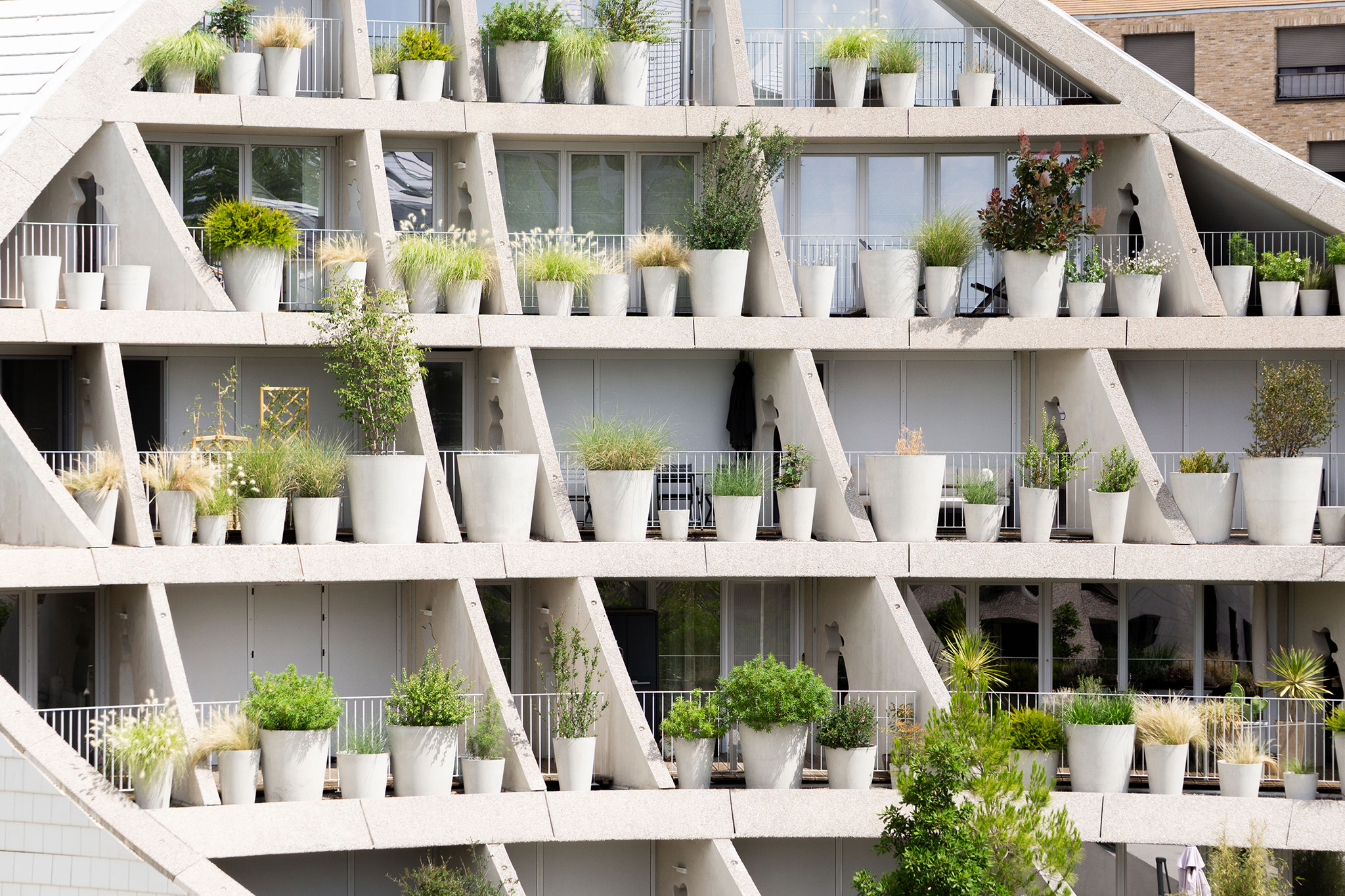
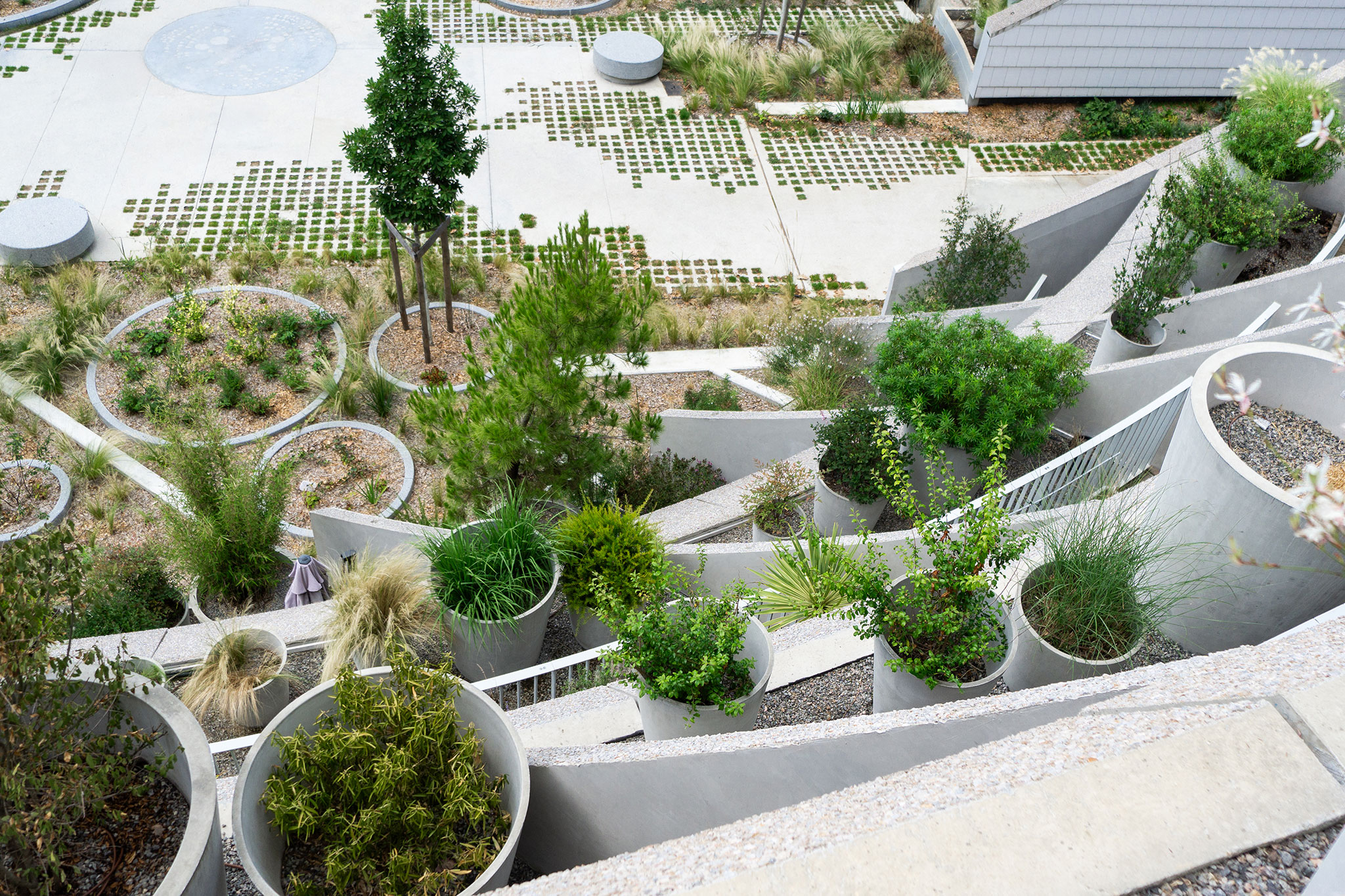
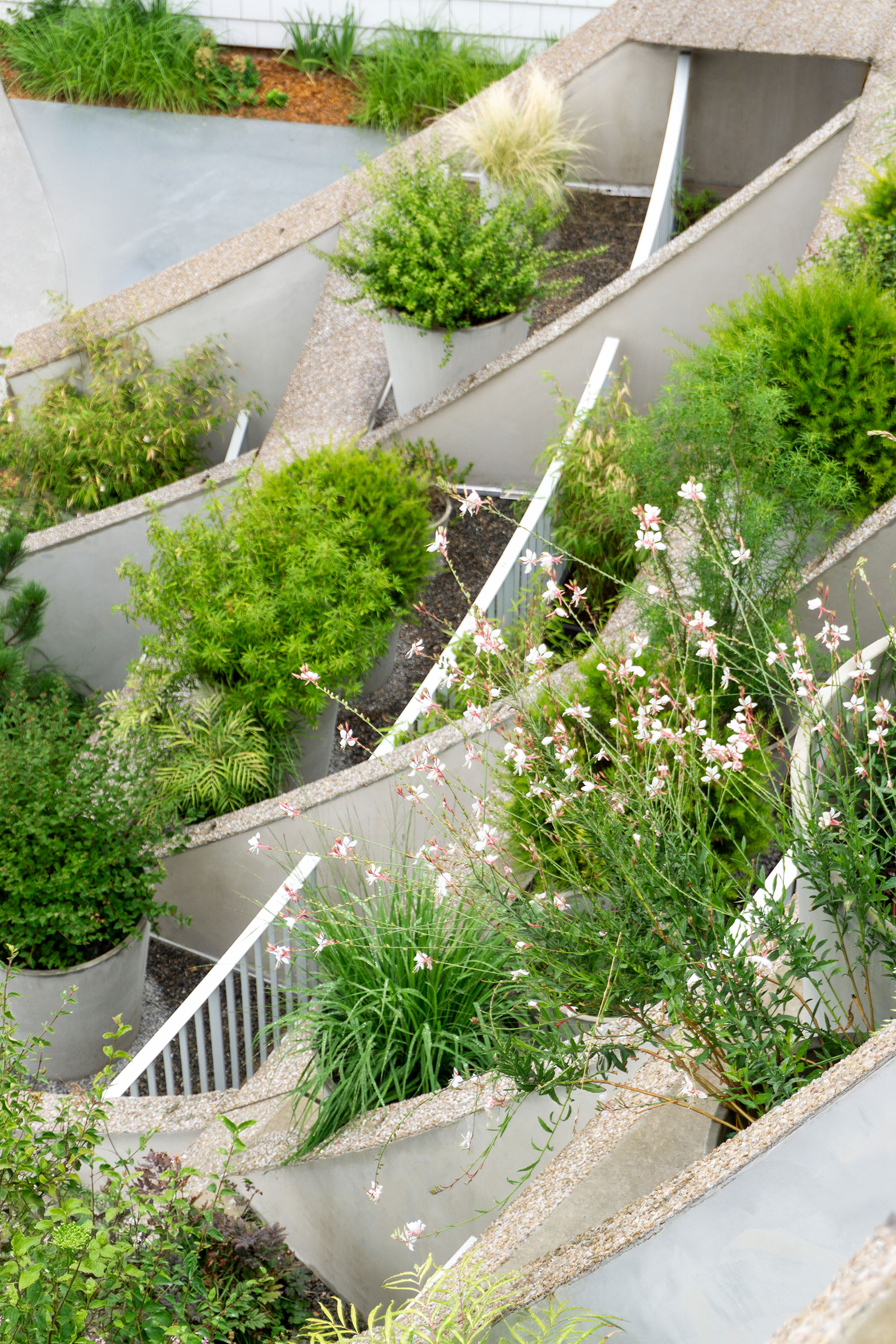
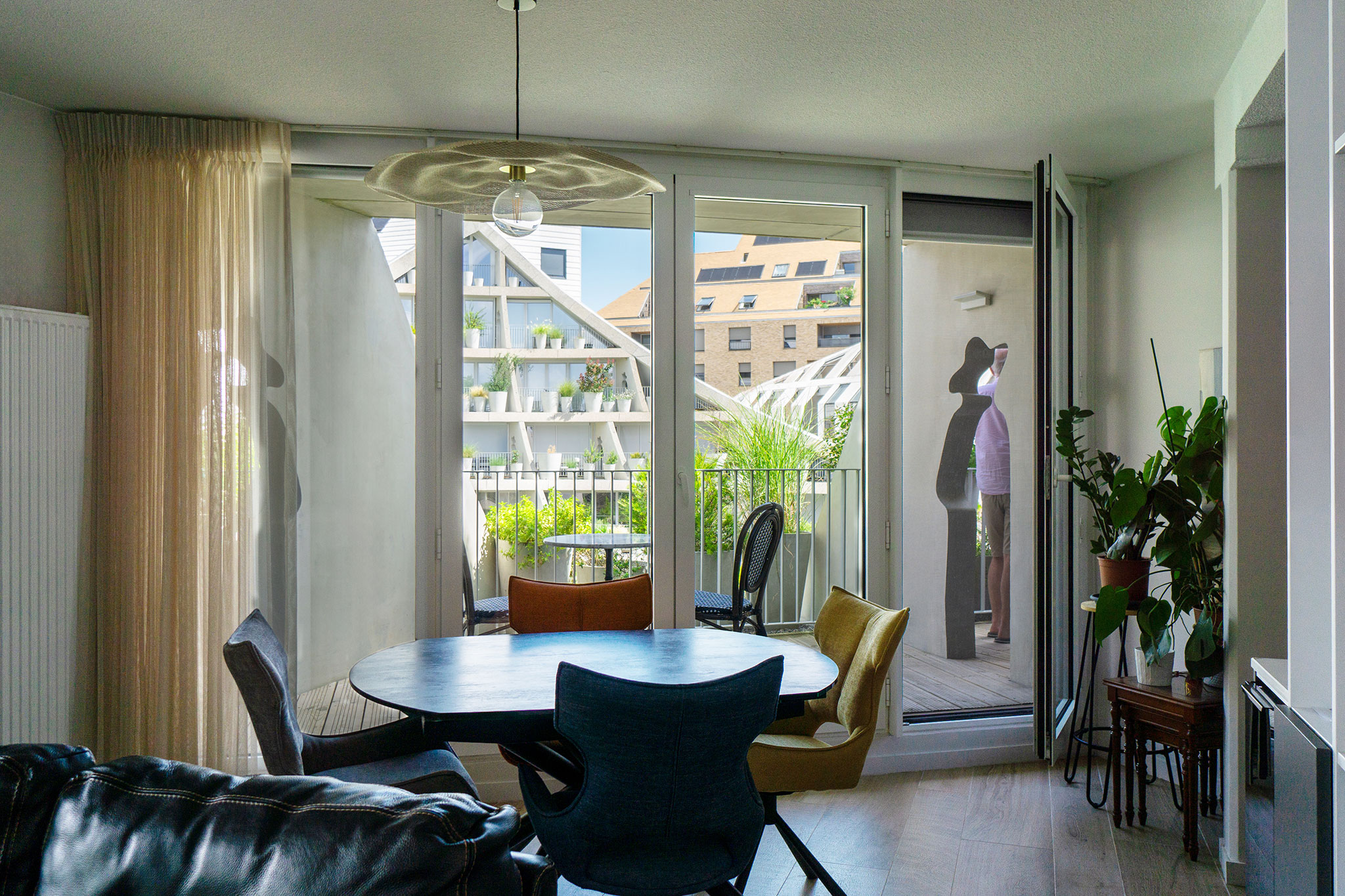
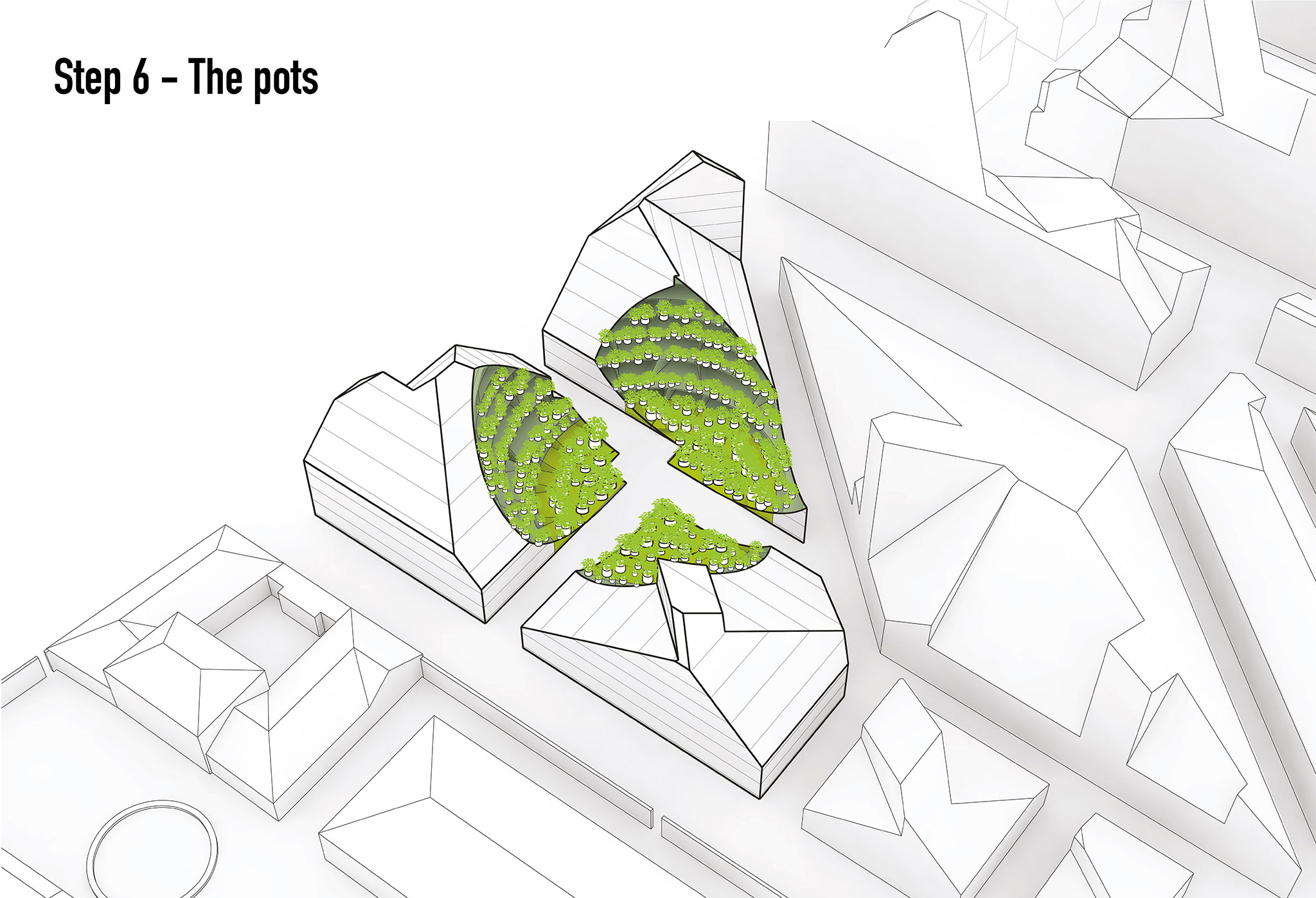
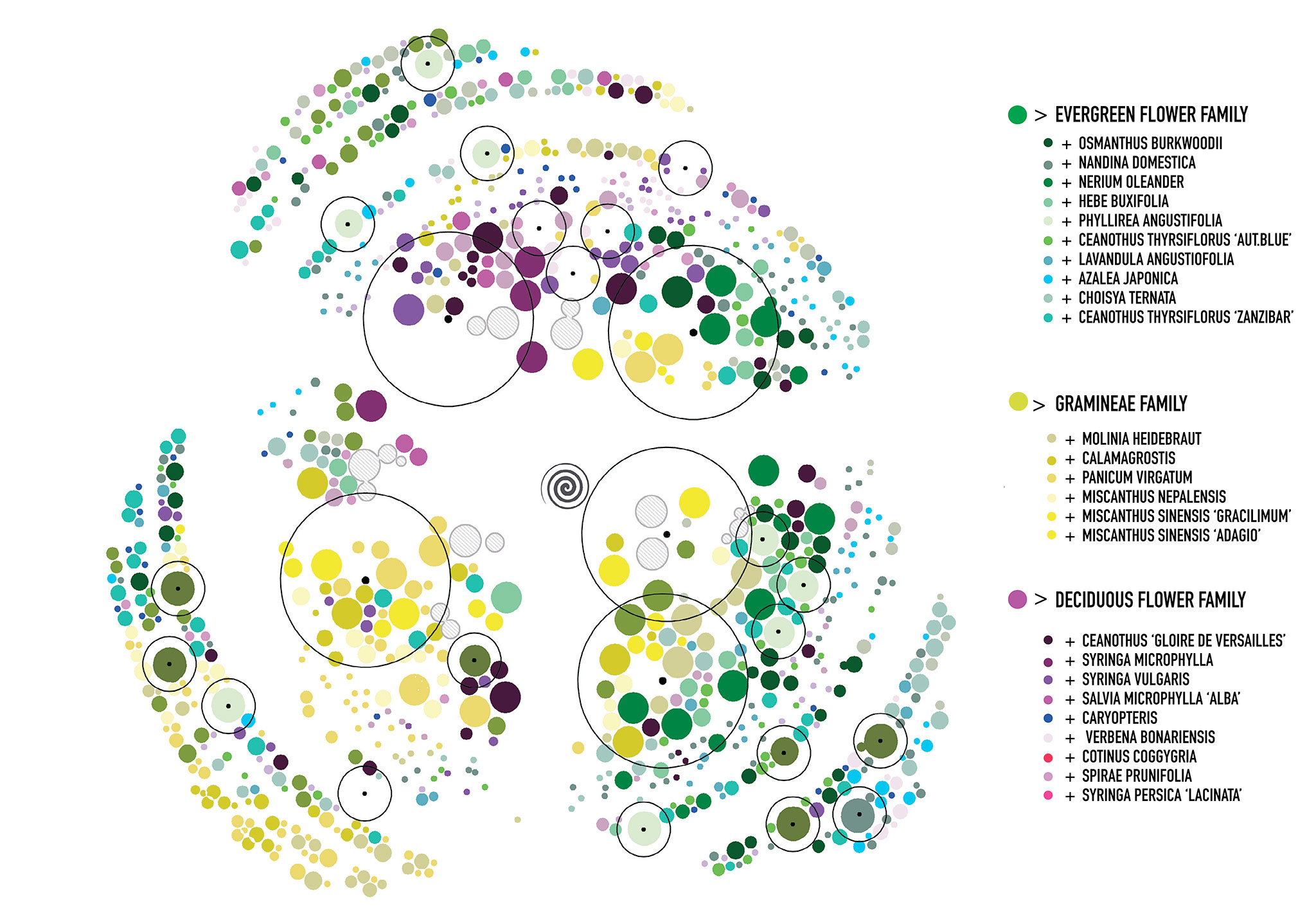
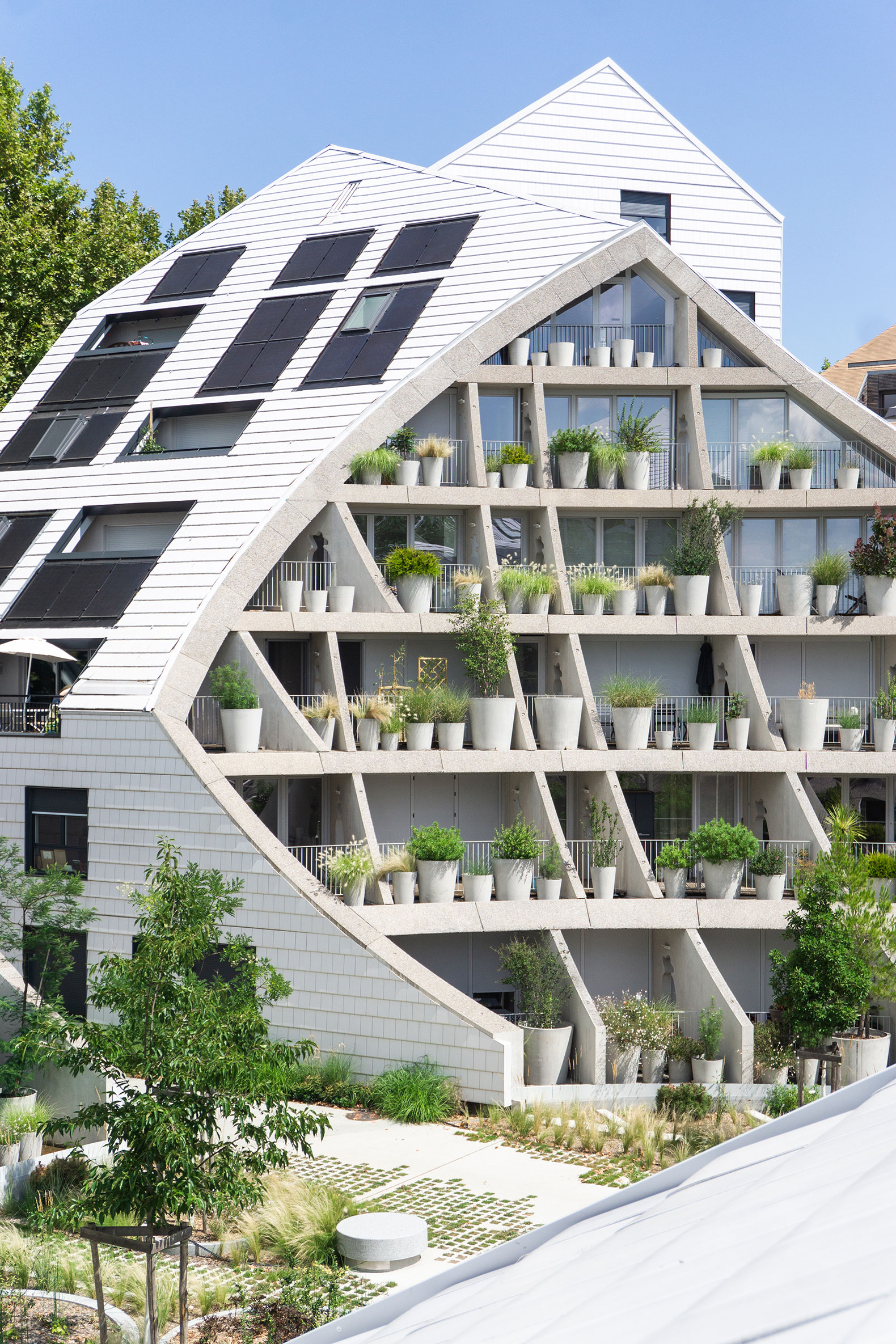
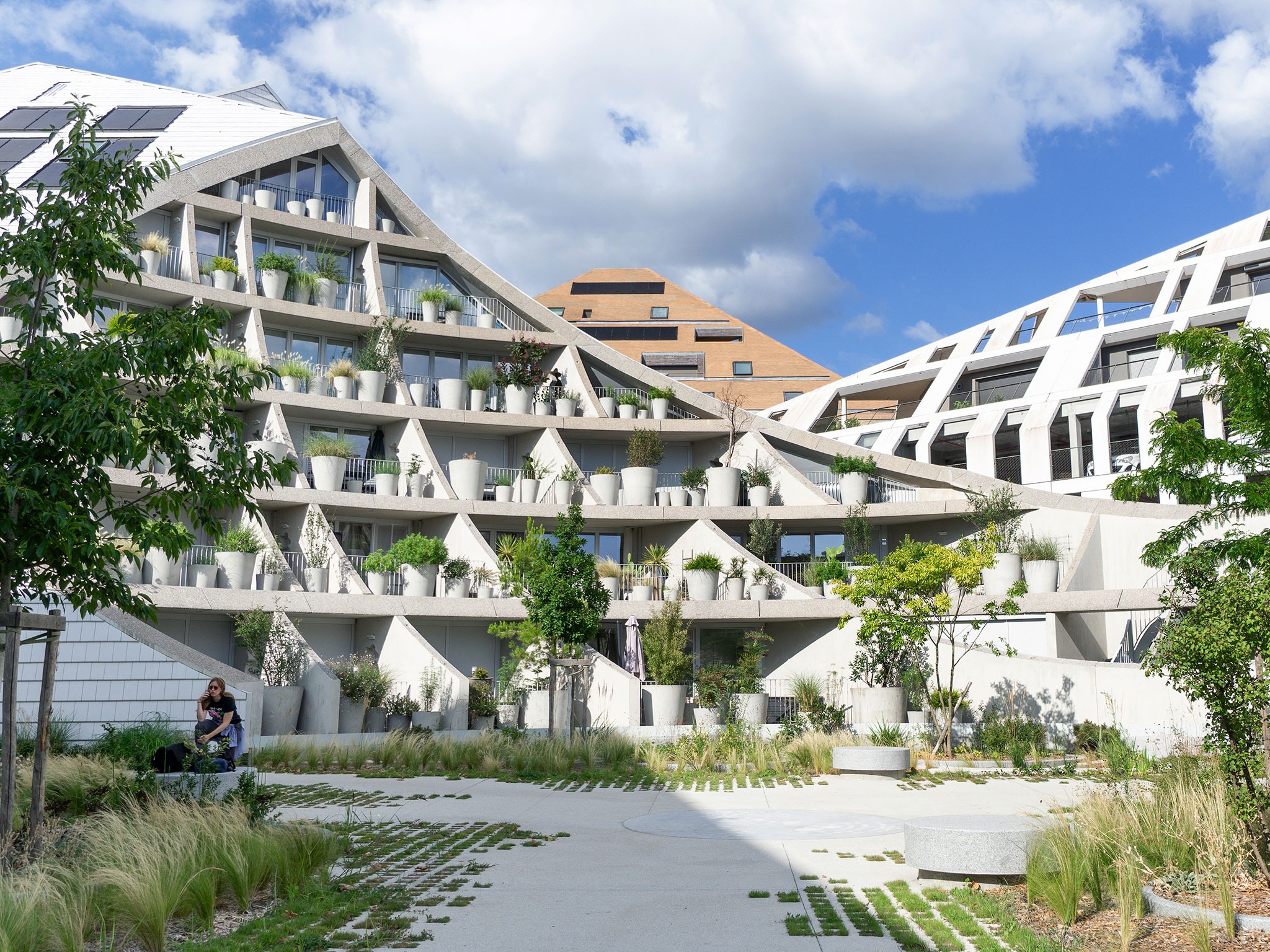
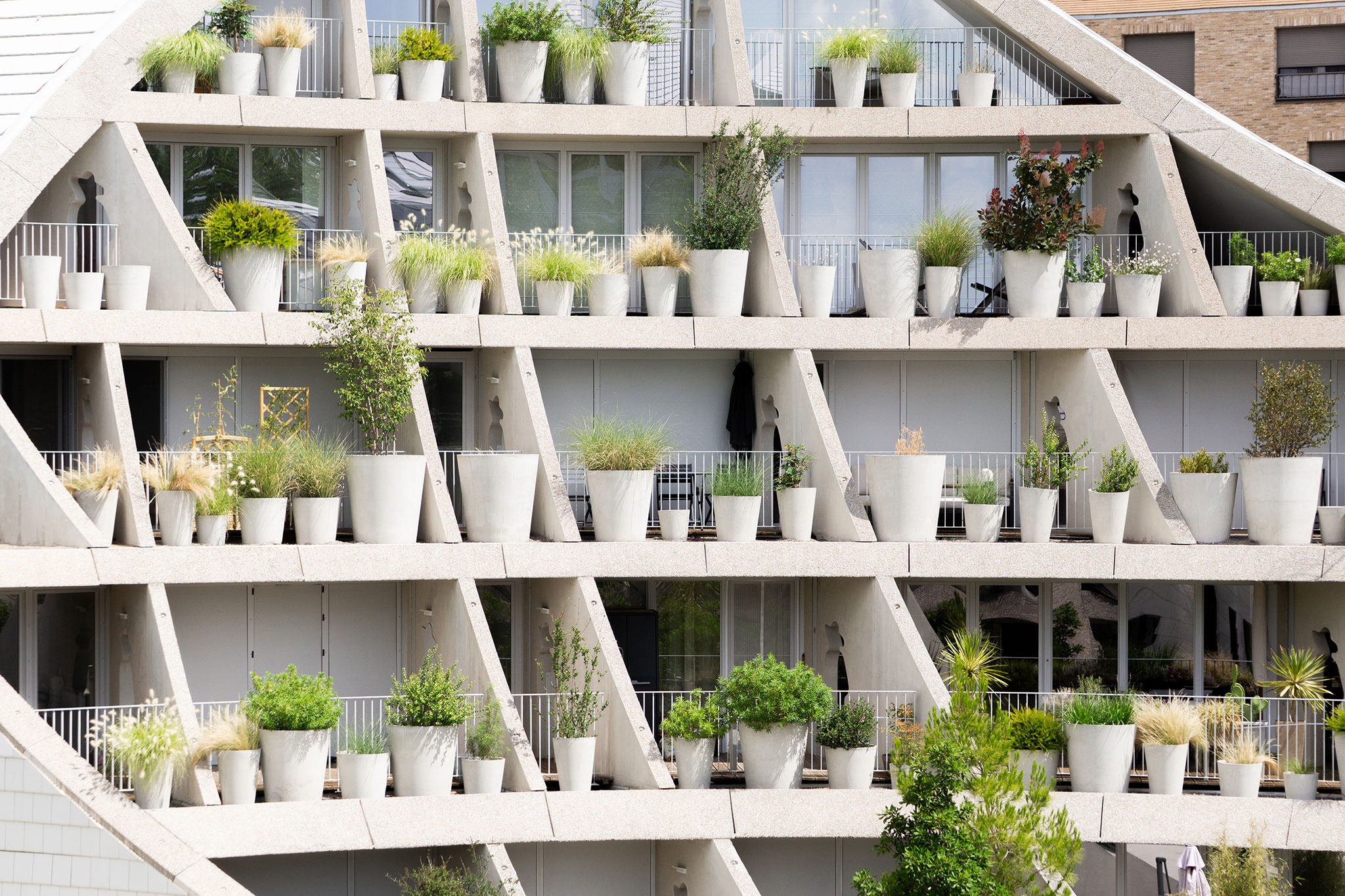
In contrast, at the centre of the site the three blocks are hollowed out into a circular courtyard covered in greenery from the ground to the topmost floors. Where the outward-facing façades are solid and flat, those facing the courtyard have full-height openings that face onto private loggias. Plant pots of various sizes line the edges of these loggias, supporting plants of all types – from flowering shrubs to small trees, and from evergreen to deciduous plants. The project replicates a natural valley landscape, with different plants at different levels, to enable a diversity of species.
"Vallée Verte" by MVRDV. Photograph by Paul Lefevre, courtesy by MVRDV Winy Maas, Jacob van Rijs, Nathalie de Vries.

To ensure the continued health of the project’s greenery, the design provides a route for professional gardeners to access the length of the balconies and provide regular maintenance, with openings placed in the structural walls and steel doors separating the balconies of different neighbours. In a playful acknowledgement of their purpose, these openings and doors take the shape of a person, with a wide-brimmed hat clearly hinting at the silhouette of a gardener.

“One of the key motivations of our Bastide Niel masterplan was to give this new piece of the city a sense of intimacy, shaping the district around historic traces to form a surprising network of cute streets, while the buildings are cut to give access to sunlight. This leads to a roofscape like icebergs that echo the old city. Each architect should add their own interpretation, while staying within the rules”

“With La Vallée Verte we cut the three blocks and added an explosion of greenery, achieving intimacy in another way: the green courtyard is like a secret world, almost separate from the rest of the neighbourhood; being there becomes a moment shared between the visitors and the residents.”

Winy Maas, MVRDV founding partner.
"Vallée Verte" by MVRDV. Photograph by Paul Lefevre, courtesy by MVRDV Winy Maas, Jacob van Rijs, Nathalie de Vries.

By providing a mix of apartments of different sizes, La Vallée Verte allows for a diverse mix of residents, ranging from single first-time buyers to large families. The design includes a day-care centre on the ground floor of one of the buildings, providing a secluded external space for the children within the courtyard that brightens up the daily life of the neighbourhood.

The entire Bastide Niel district has been certified as part of France’s EcoQuartier initiative. In keeping with the rest of the neighbourhood’s sustainability strategy, La Vallée Verte is connected to a district heating system, while photovoltaic panels provide a portion of its electrical energy needs.

It also conforms to Bastide Niel’s principles of a porous streetscape, allowing for the absorption of rainwater and floods – an important consideration due to the project’s location in the Garonne River floodplain. Parking for the surrounding community is consolidated in an adjacent above-ground structure, both reducing the risk of flood damage and reducing the embodied carbon emissions of the project, while ground-floor apartments are elevated to allow water to pass through.
More information

Label
Architects Arquitectos
Text

MVRDV. Lead Architects.- Winy Maas, Jacob van Rijs, Nathalie de Vries.
Founding Partner in charge.- Winy Maas.
Partner.- Bertrand Schippan.

+ + copy Created with Sketch.
- + copy Created with Sketch.
Label
Project team
Text

Antoine Muller, Nicolas Land, Charlotte Kientz, Kamile Malinauskaite, Marie Saladin, Nils Christa, Sylvain Totaro, Mickael Pors, Davide Salamino, Javier Cuenca Solana, Quentin Aubry, Karolina Szostkiewicz, Chiara Cappelluti, Erik Obando, Gabrielle Evain, Sabin Andrei Zapareniuc, Céline Haghbin.

+ + copy Created with Sketch.
- + copy Created with Sketch.
Label
Collaborators
Text

Co-architect.- ADVENTO, Bordeaux, France.
Project coordination, Structural engineer, MEP, Cost calculation.- ECOTECH.
Landscape architect.- A+R Paysage (Rémi Salles).
Environmental advisor.- ADER ECO.

+ + copy Created with Sketch.
- + copy Created with Sketch.
Label
Client
Text

PICHET Promotion.

+ + copy Created with Sketch.
- + copy Created with Sketch.
Label
Contractor
Text

Ramery, Pyrenees Charpentes, Labastère, ATE Alu, Bers33.

+ + copy Created with Sketch.
- + copy Created with Sketch.
Label
Business Development
Text

Jan Knikker.

+ + copy Created with Sketch.
- + copy Created with Sketch.
Label
Area
Text

5,250 sqm.- 70 housing units, restaurant, retail.

+ + copy Created with Sketch.
- + copy Created with Sketch.
Label
Dates
Text

2016-2024.

+ + copy Created with Sketch.
- + copy Created with Sketch.
Label
Location
Text

100 Quai des Queyries, 33100 Bordeaux, France.

+ + copy Created with Sketch.
- + copy Created with Sketch.
Label
Photography
Text

Paul Lefevre, Matthieu Lecouvey.

+ + copy Created with Sketch.
- + copy Created with Sketch.

MVRDV was founded in 1993 by Winy Maas, Jacob van Rijs and Nathalie de Vries in Rotterdam, the Netherlands. The practice engages globally in providing solutions to contemporary architectural and urban issues. A highly collaborative, research-based design method involves clients, stakeholders and experts from a wide range of fields from early on in the creative process. The results are exemplary, outspoken projects, which enable our cities and landscapes to develop towards a better future.

The products of MVRDV’s unique approach to design vary, ranging from buildings of all types and sizes, to urban plans and visions, numerous publications, installations and exhibitions. Built projects include the Netherlands Pavilion for the World EXPO 2000 in Hannover; the Market Hall, a combination of housing and retail in Rotterdam; the Pushed Slab, a sustainable office building in Paris’ first eco-district; Flight Forum, an innovative business park in Eindhoven; the Silodam Housing complex in Amsterdam; the Matsudai Cultural Centre in Japan; the Unterföhring office campus near Munich; the Lloyd Hotel in Amsterdam; the Ypenburg housing and urban plan in The Hague; the Didden Village rooftop housing extension in Rotterdam; the music centre De Effenaar in Eindhoven; the Gyre boutique shopping center in Tokyo; a public library in Spijkenisse; an international bank headquarters in Oslo, Norway; and the iconic Mirador and Celosia housing in Madrid.

Current projects include a variety of housing projects in the Netherlands, France, China, India, and other countries; a community centre in Copenhagen and a cultural complex in Roskilde, Denmark, a public art depot in Rotterdam, the transformation of a mixed use building in central Paris, an office complex in Shanghai, and a commercial centre in Beijing, and the renovation of an office building in Hong Kong. MVRDV is also working on large scale urban masterplans in Bordeaux and Caen, France and the masterplan for an eco-city in Logroño, Spain. Larger scale visions for the future of greater Paris, greater Oslo, and the doubling in size of the Dutch new town Almere are also in development.

MVRDV first published a manifesto of its work and ideas in FARMAX (1998), followed by MetaCity/Datatown (1999), Costa Iberica (2000), Regionmaker (2002), 5 Minutes City (2003), KM3 (2005), Spacefighter (2007) and Skycar City (2007), and more recently The Vertical Village (with The Why Factory, 2012) and the firm’s first monograph of built works MVRDV Buildings (2013). MVRDV deals with issues ranging from global sustainability in large scale studies such as Pig City, to small, pragmatic architectural solutions for devastated areas such as New Orleans.

The work of MVRDV is exhibited and published worldwide and has received numerous international awards. One hundred architects, designers and urbanists develop projects in a multi-disciplinary, collaborative design process which involves rigorous technical and creative investigation. MVRDV works with BIM and has official in-house BREEAM and LEED assessors.

Together with Delft University of Technology, MVRDV runs The Why Factory, an independent think tank and research institute providing an agenda for architecture and urbanism by envisioning the city of the future.

Read more
Published on: June 5, 2026
Cite:
metalocus, AGUSTINA BERTA
"A green oasis in the Bastide Niel neighbourhood. "Vallée Verte" by MVRDV" METALOCUS. Accessed
<https://www.metalocus.es/en/news/green-oasis-bastide-niel-neighbourhood-vallee-verte-mvrdv> ISSN 1139-6415
Loading content ...
Loading content ...
Loading content ...
Loading content ...
Loading content ...
Loading content ...
Loading content ...
Loading content ...
Loading content ...
Loading content ...
Loading content ...
Loading content ...
Loading content ...
Loading content ...
Loading content ...
Loading content ...
Loading content ...
Loading content ...
Loading content ...
Loading content ...
Loading content ...
Loading content ...
Loading content ...
Loading content ...
Loading content ...
Loading content ...
Loading content ...
Loading content ...
Loading content ...
Loading content ...
Loading content ...
Loading content ...
Loading content ...
Loading content ...
Loading content ...
Loading content ...
Loading content ...
Loading content ...
Loading content ...
Loading content ...
Loading content ...
Loading content ...
Loading content ...
Loading content ...
Loading content ...
Loading content ...
Loading content ...
Loading content ...
Loading content ...
Loading content ...
Loading content ...
Loading content ...
Loading content ...
Loading content ...