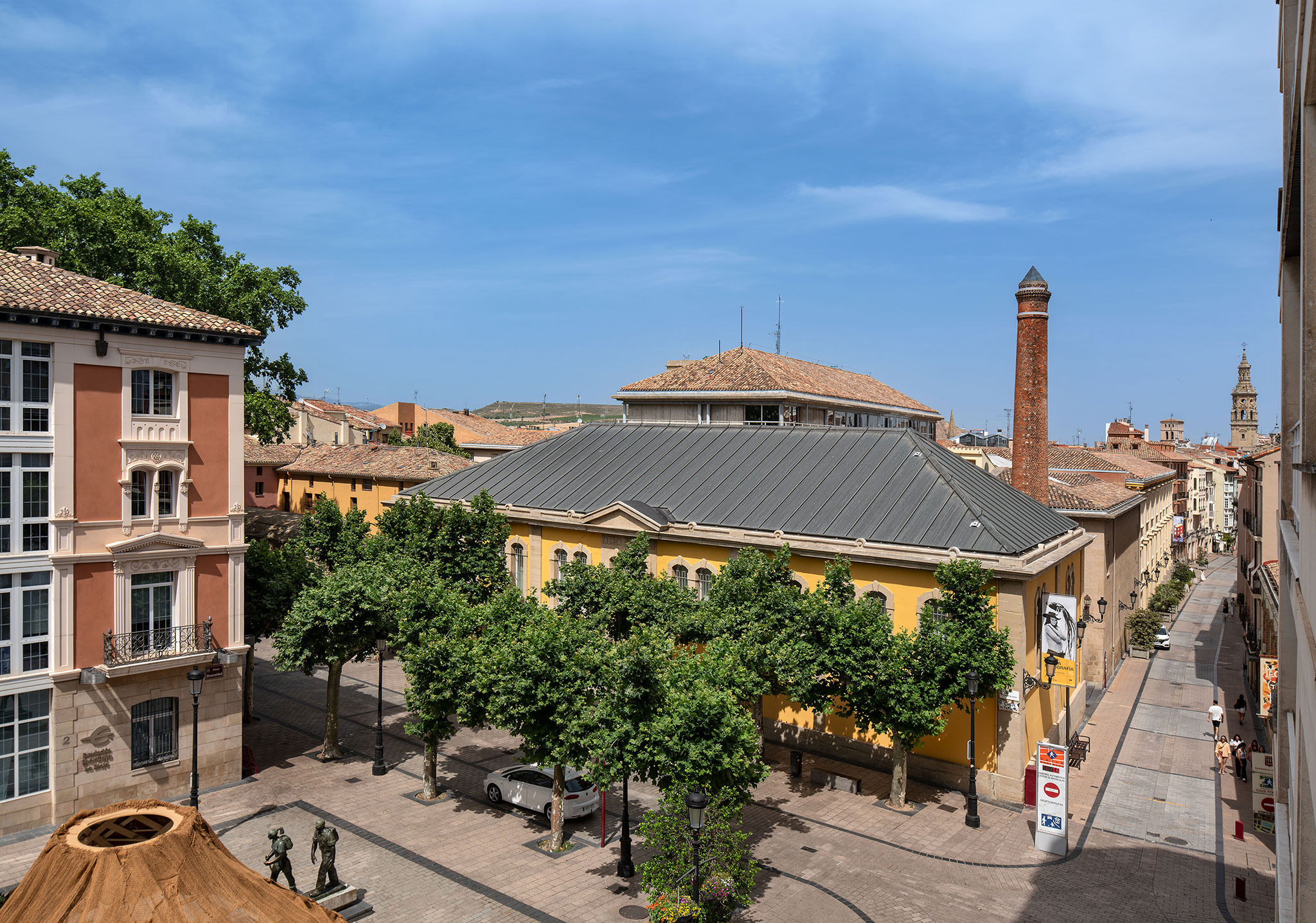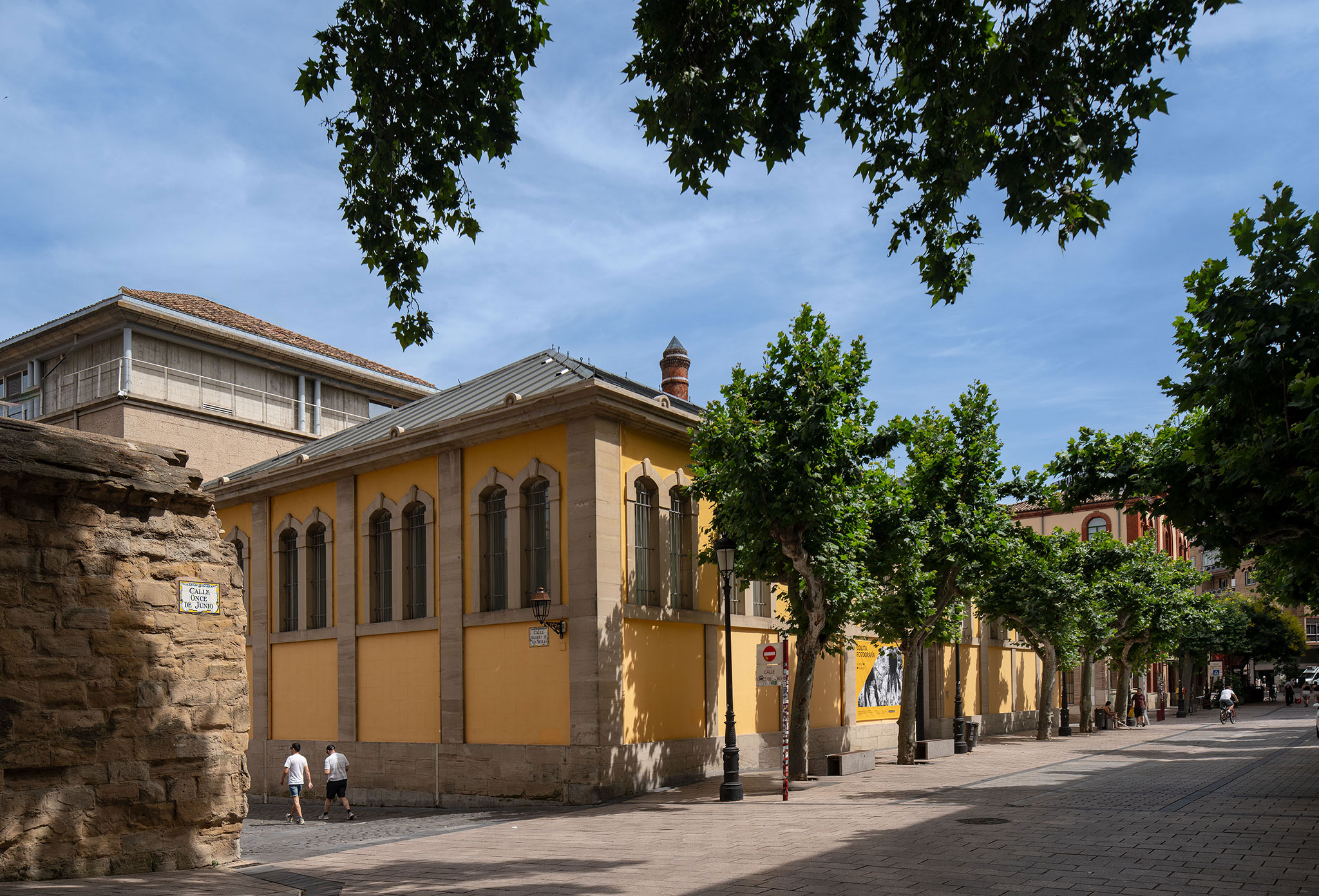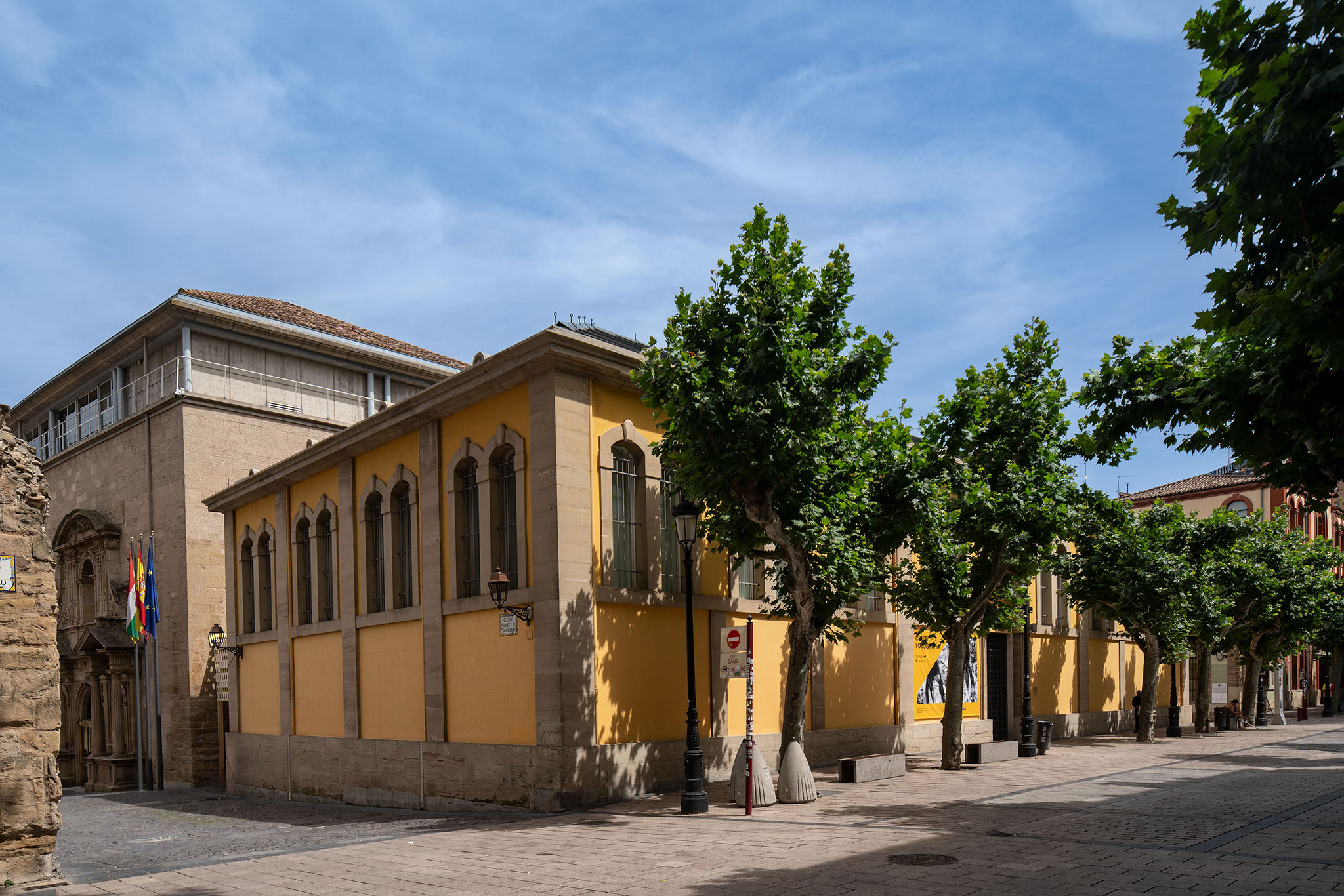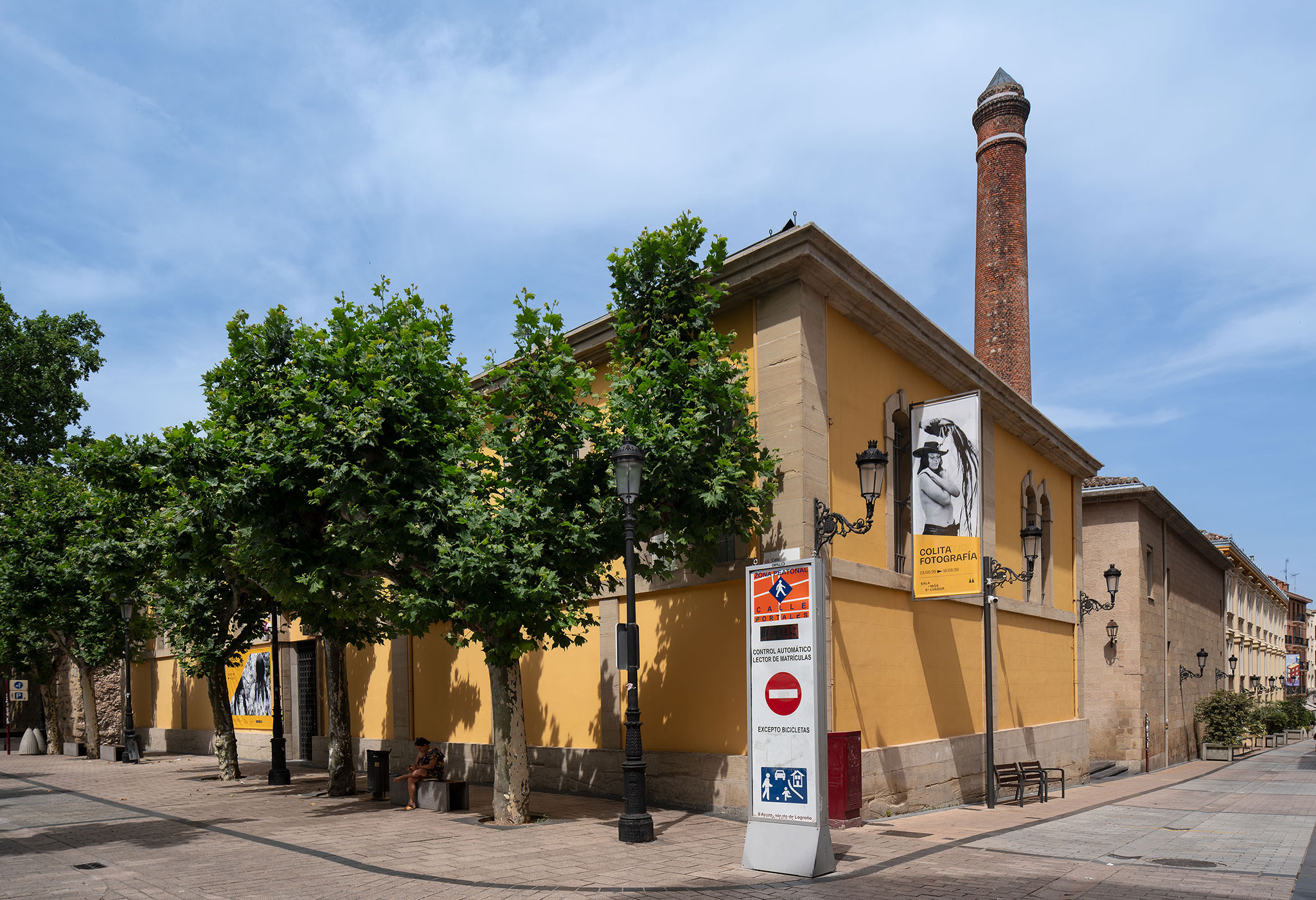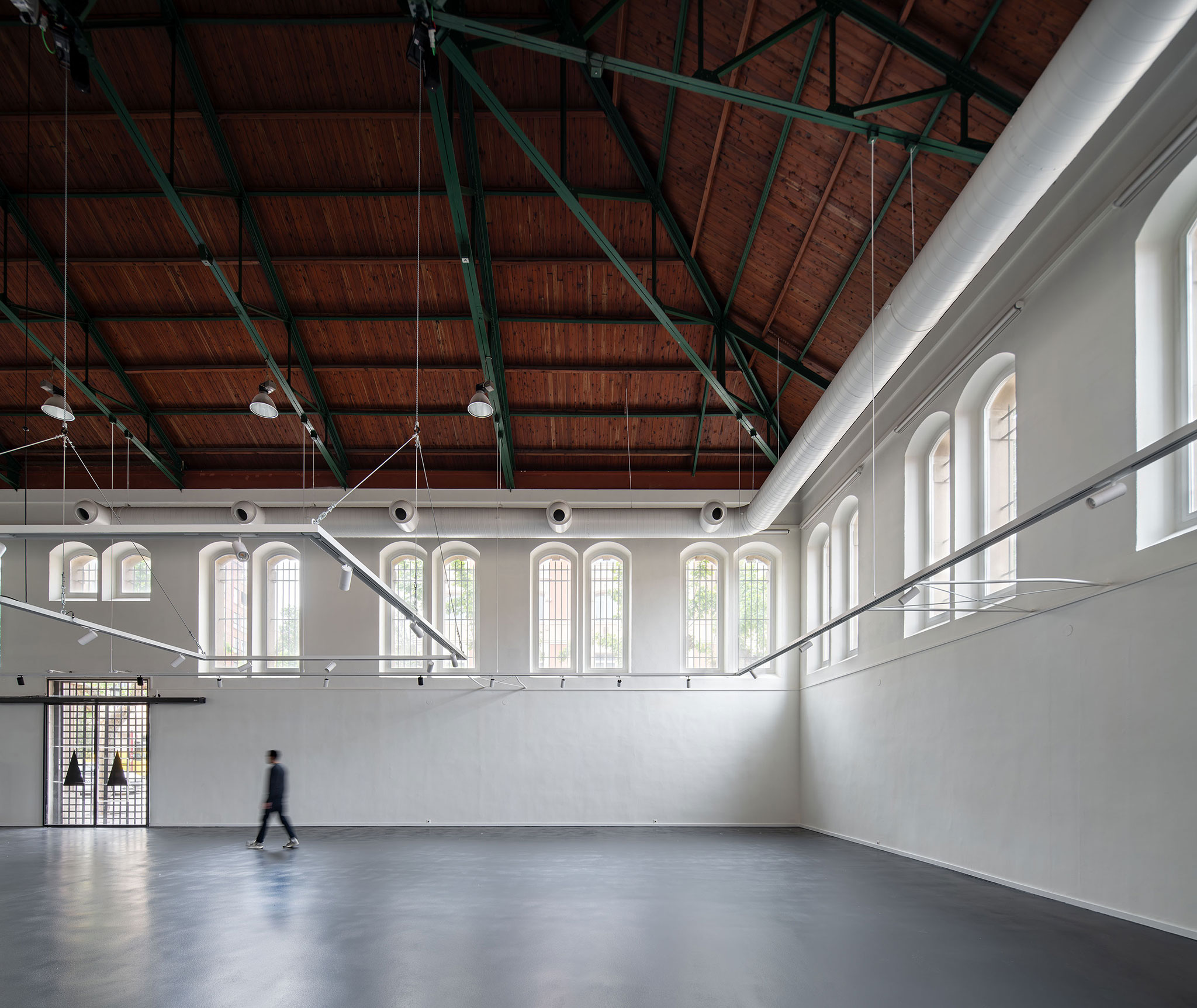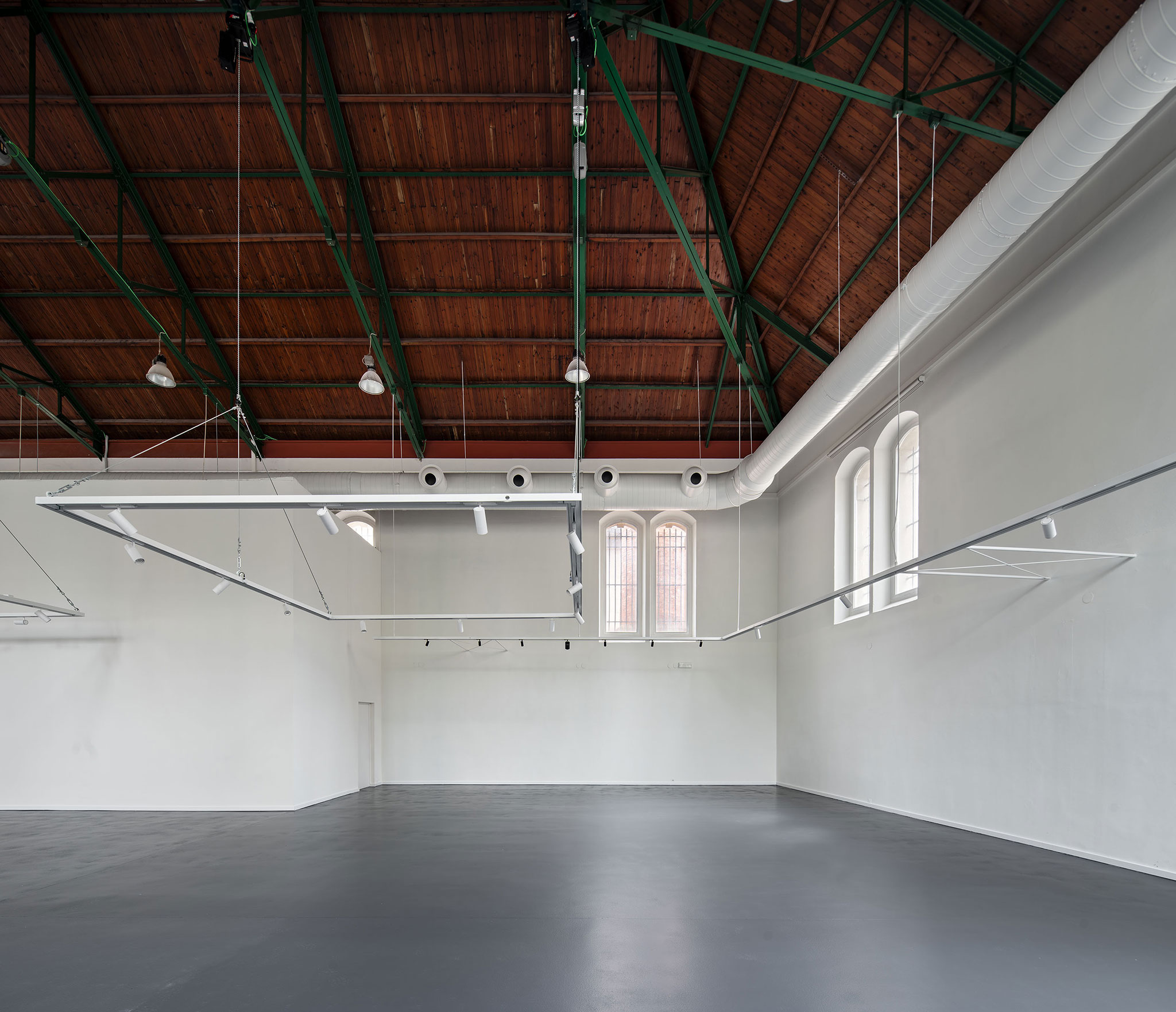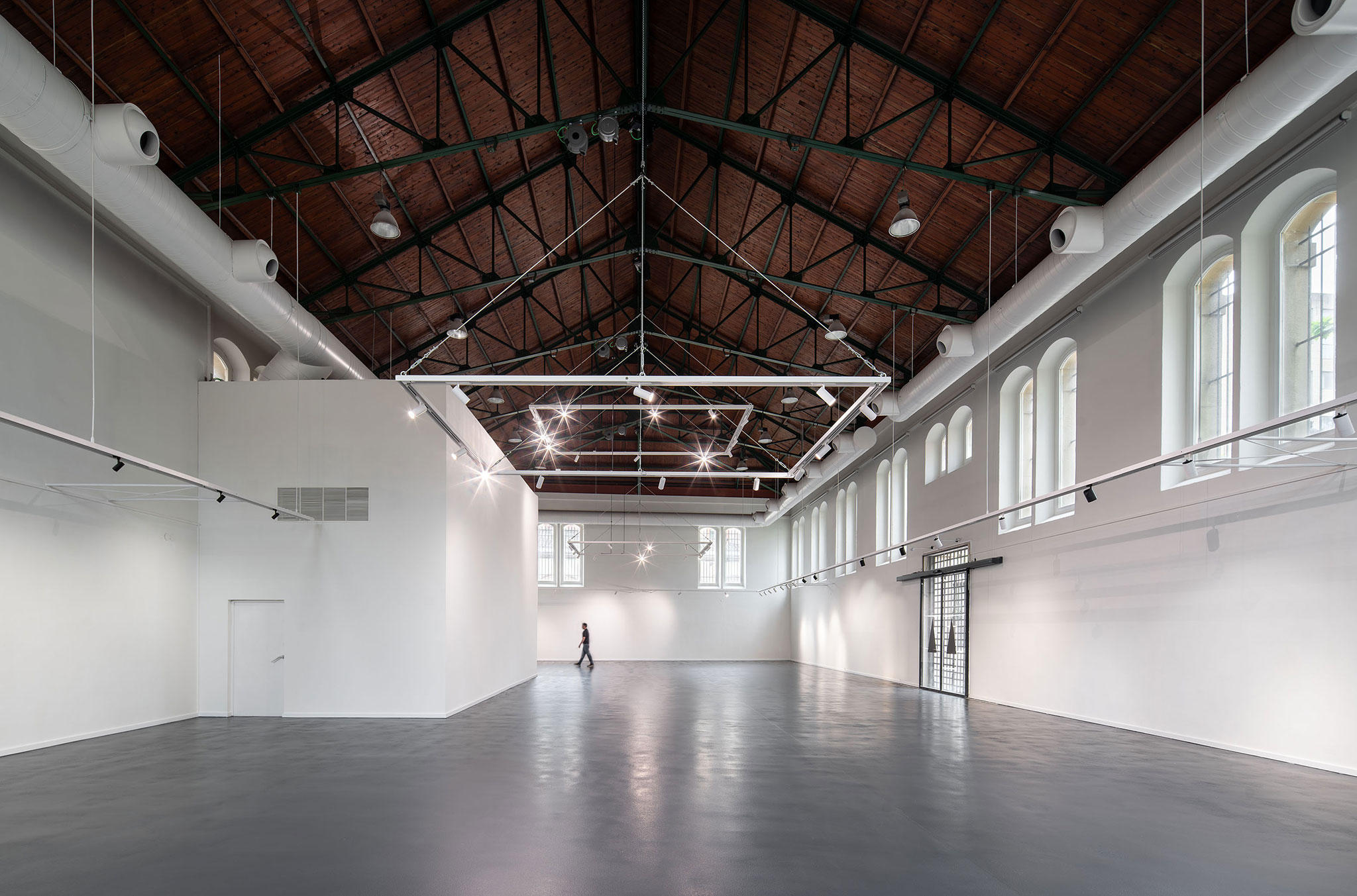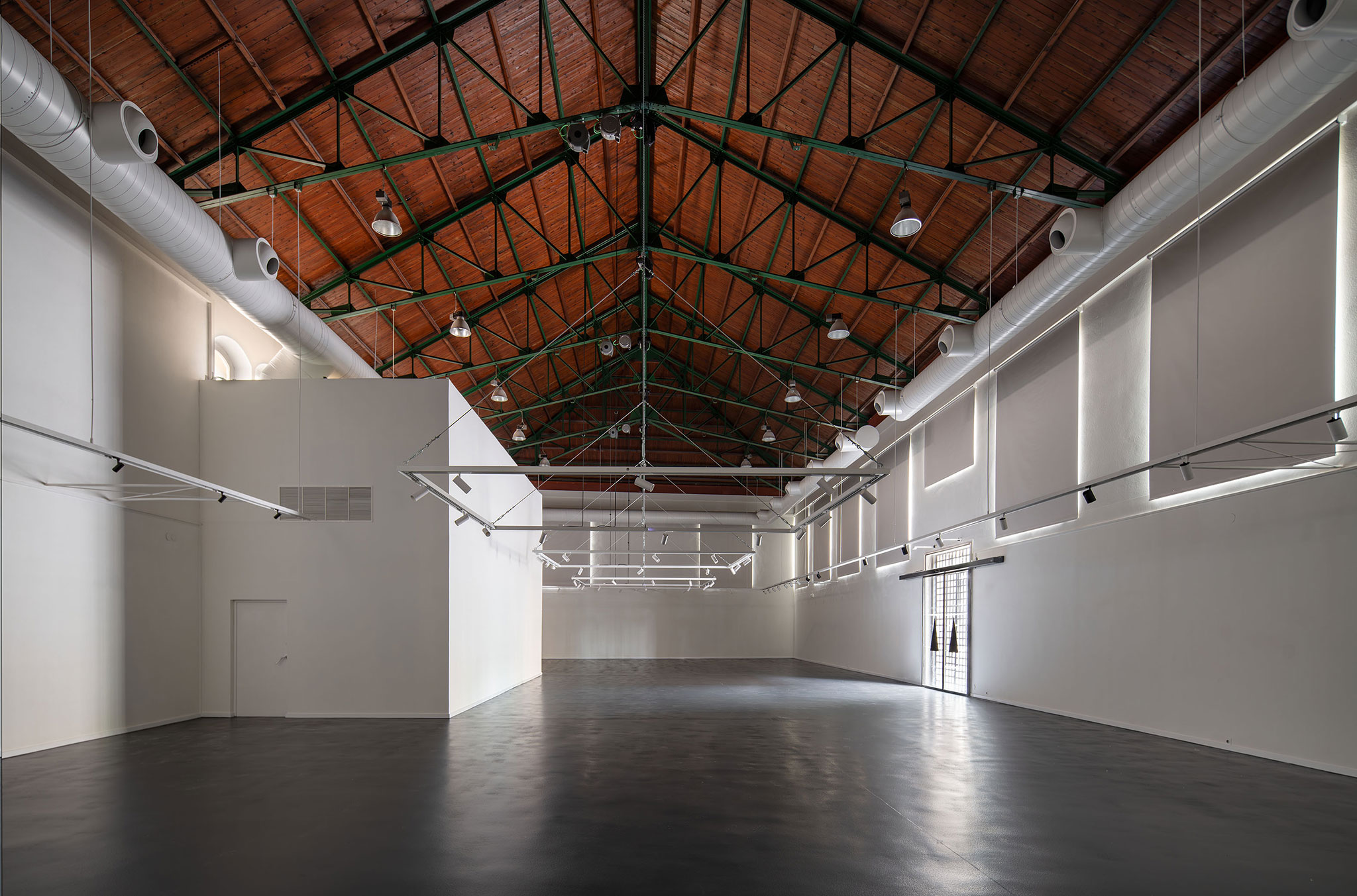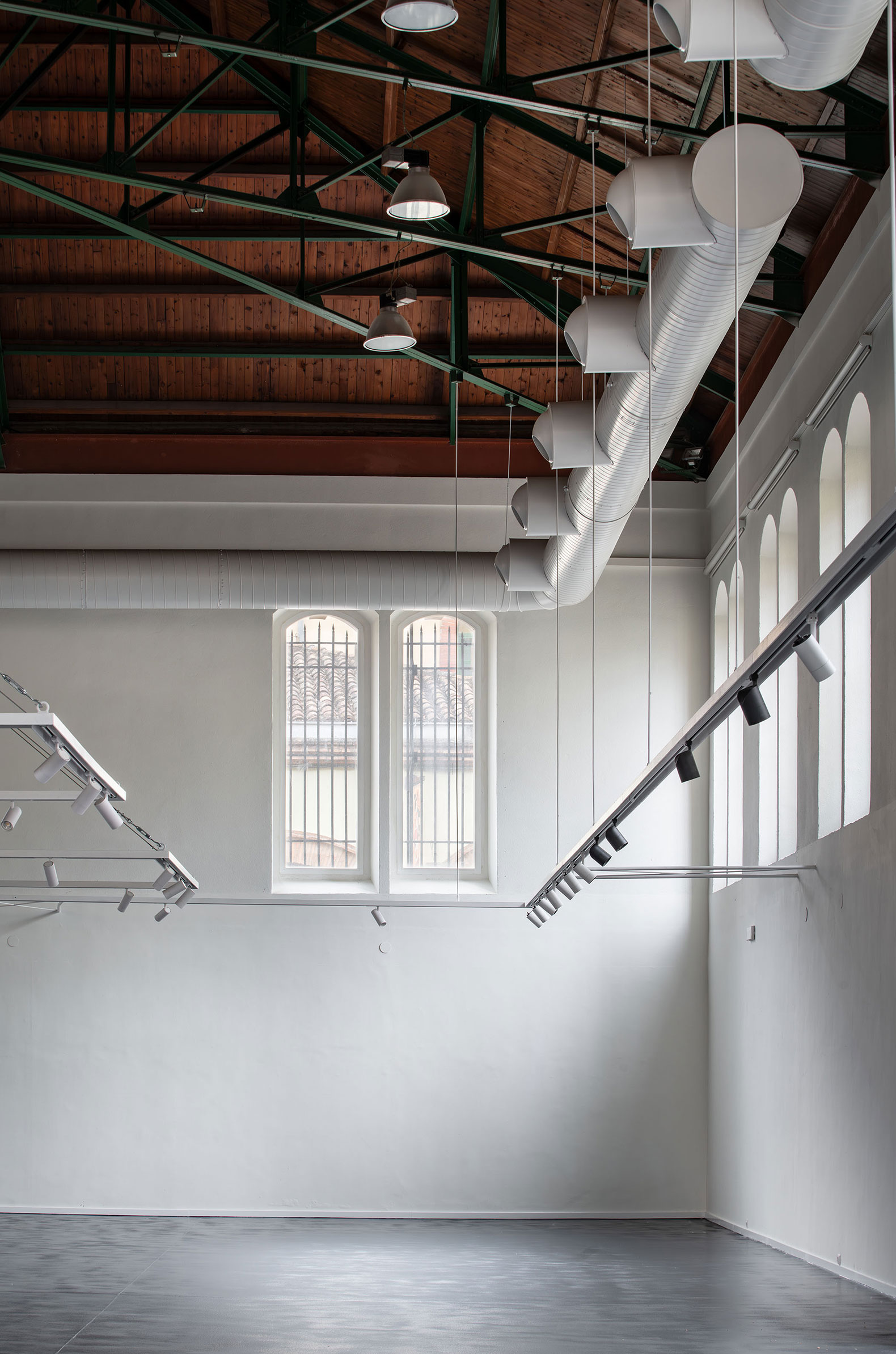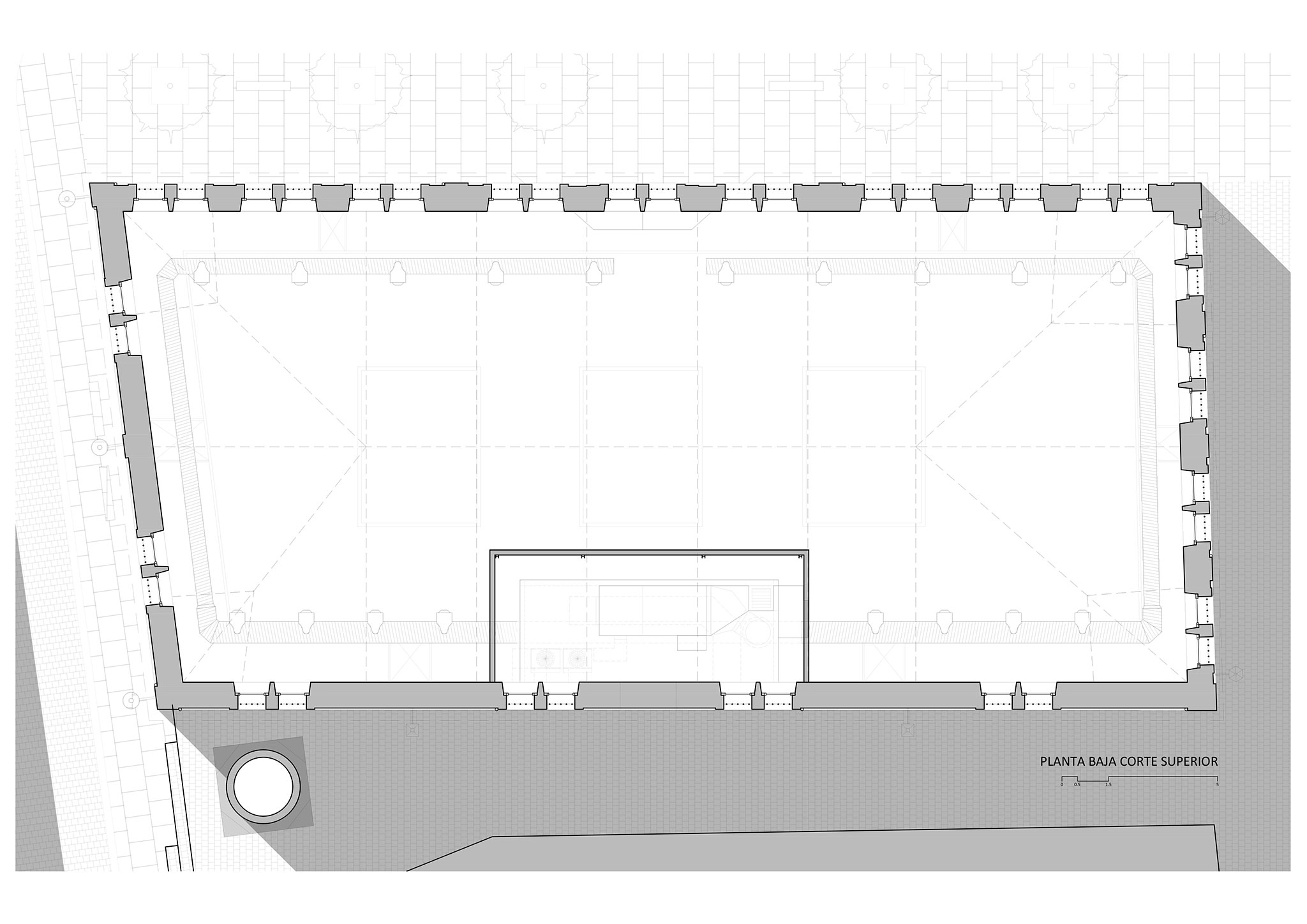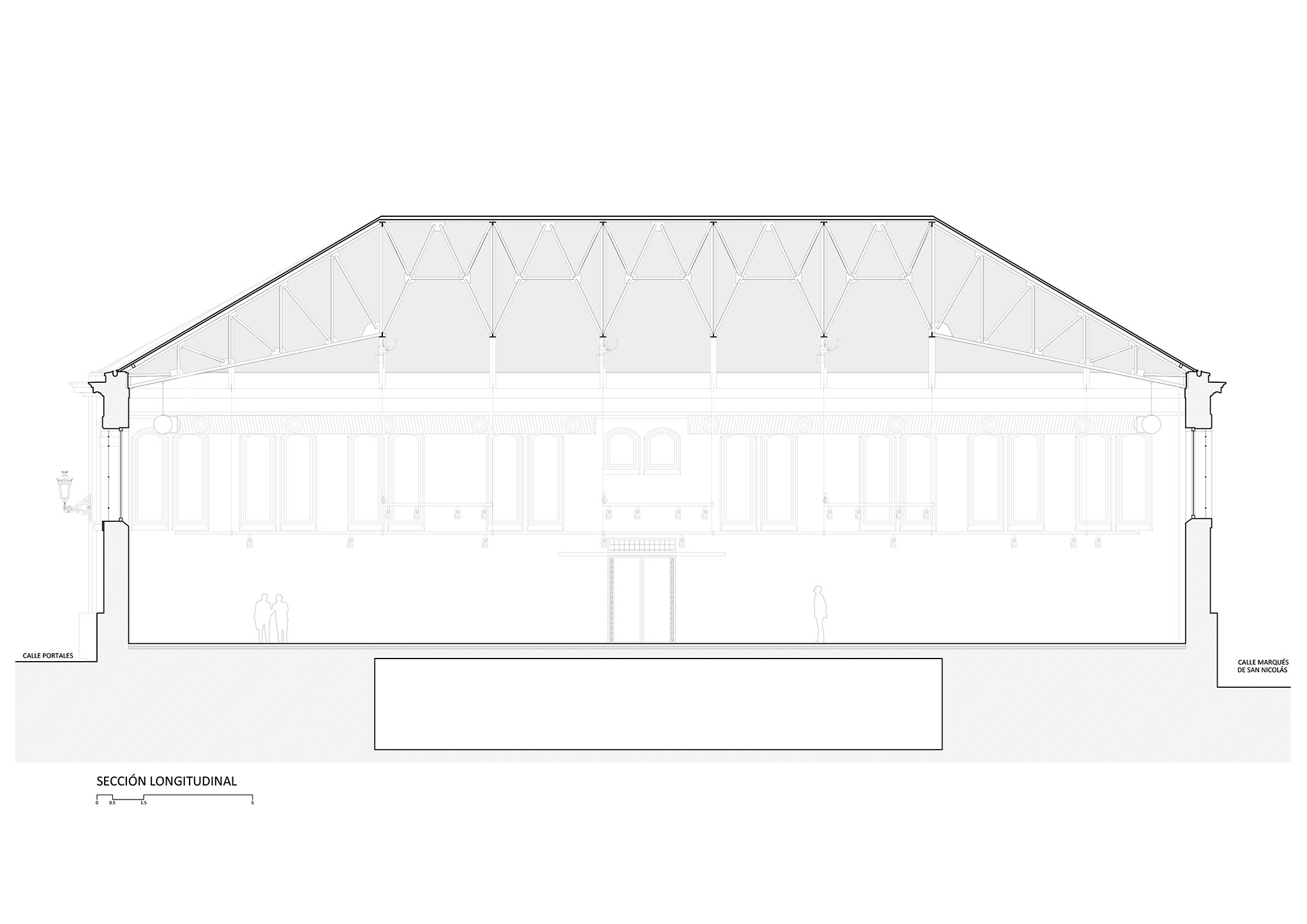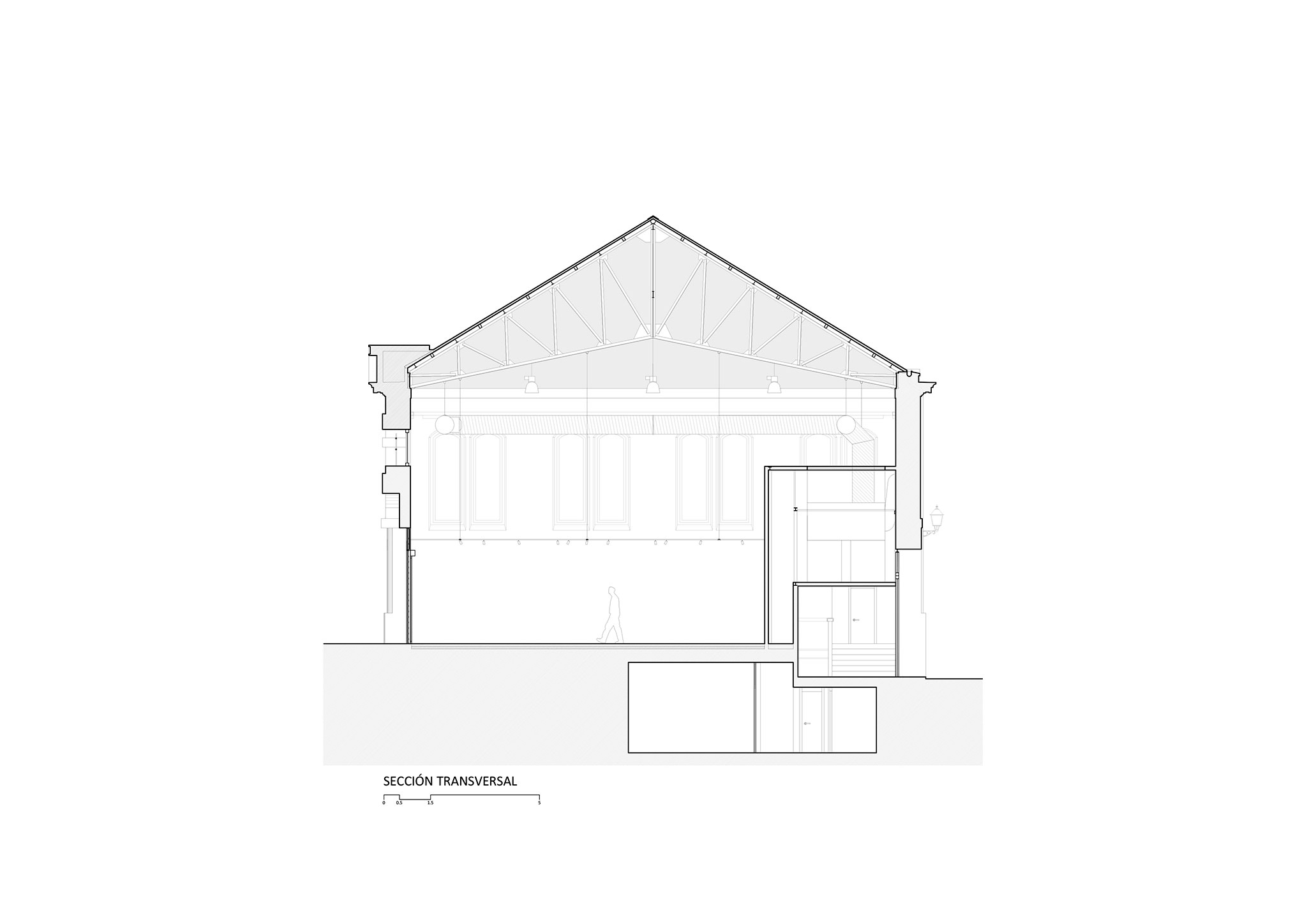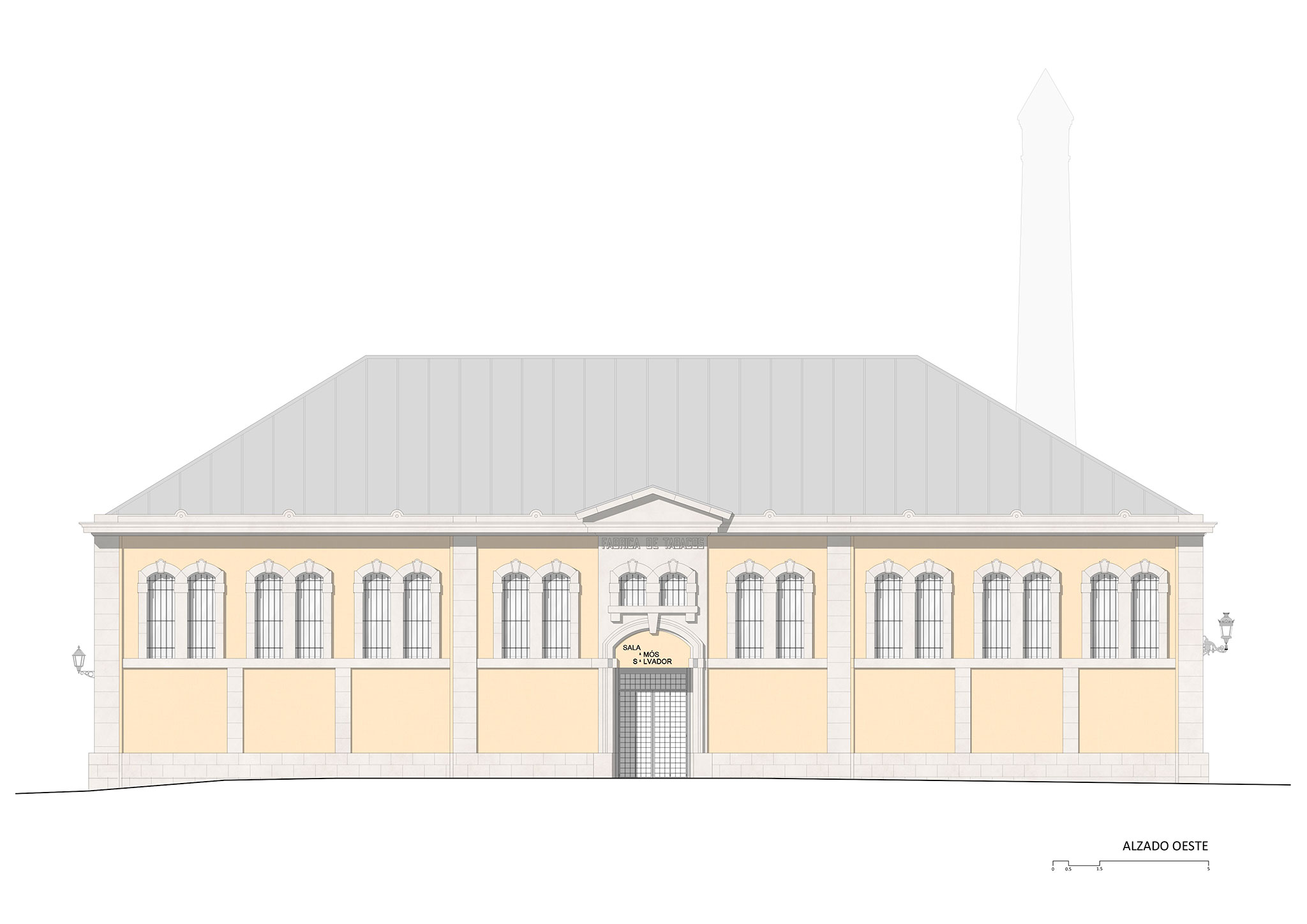
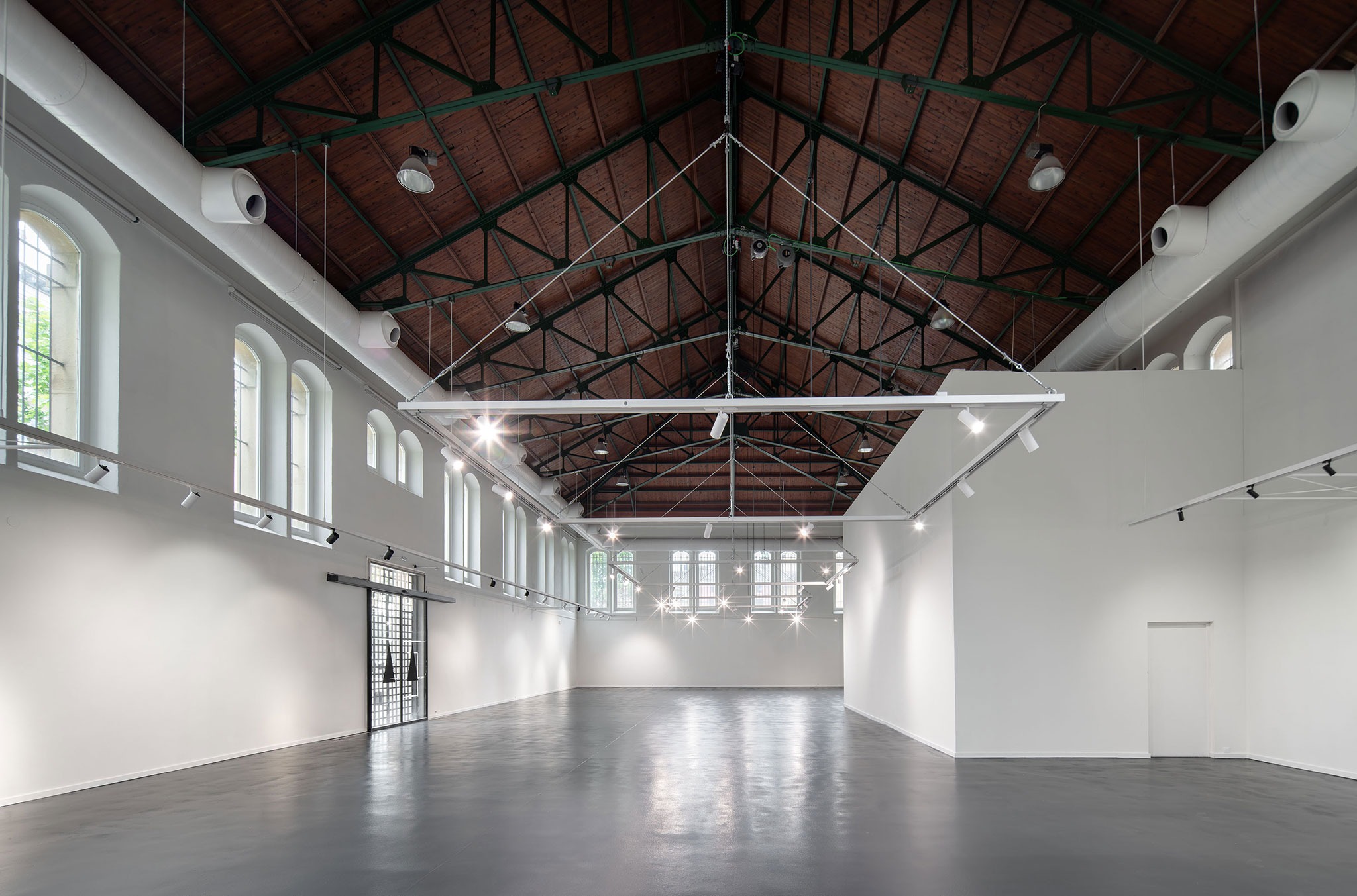
For the renovation and digitization of the Amós Salvador Hall, Sergio Rojo restores the architecture while modernizing the facilities, including aerothermal heating and the implementation of a digital twin developed using BIM methodology, allowing the building to be adapted to its actual usage patterns.
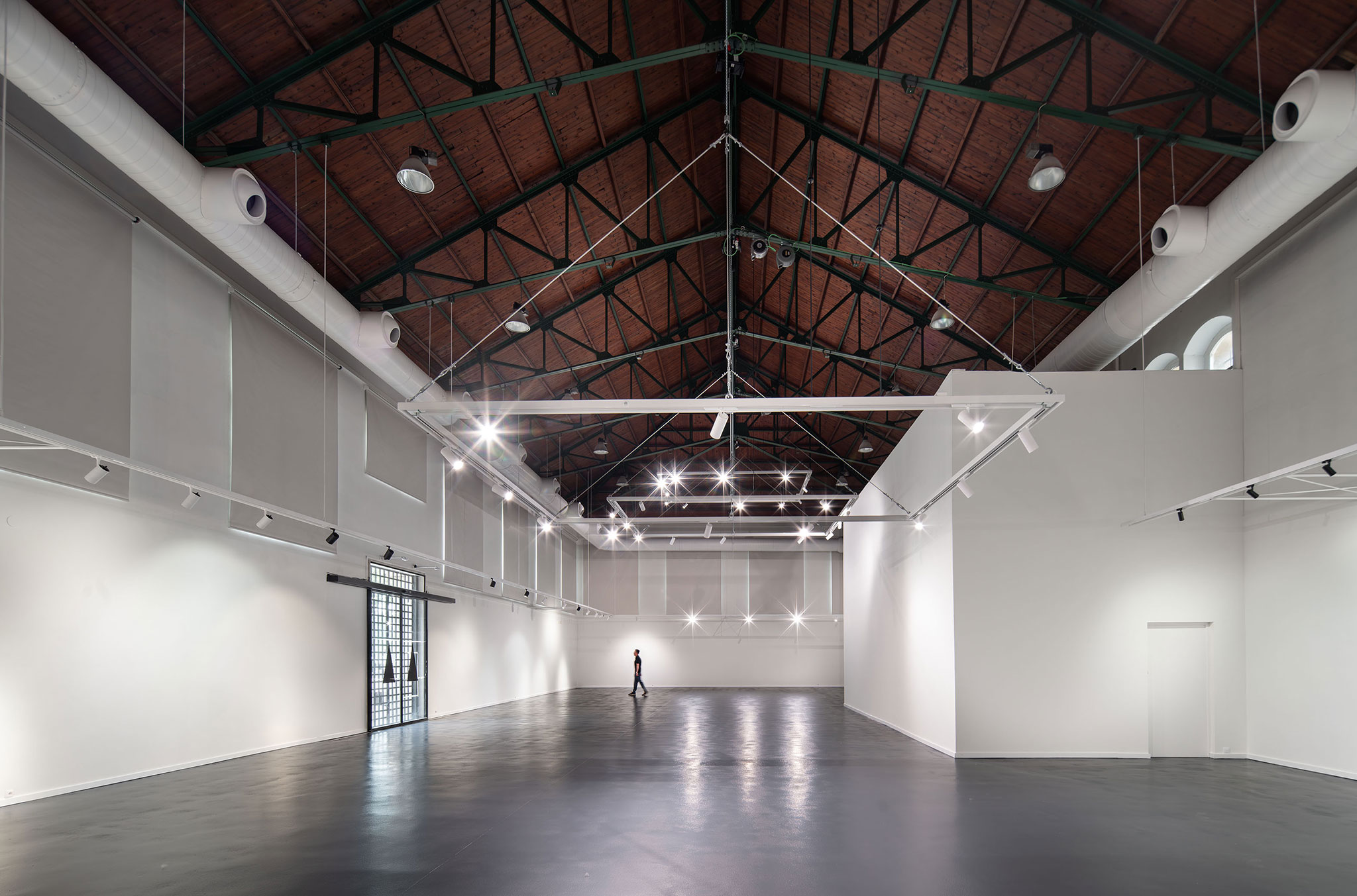
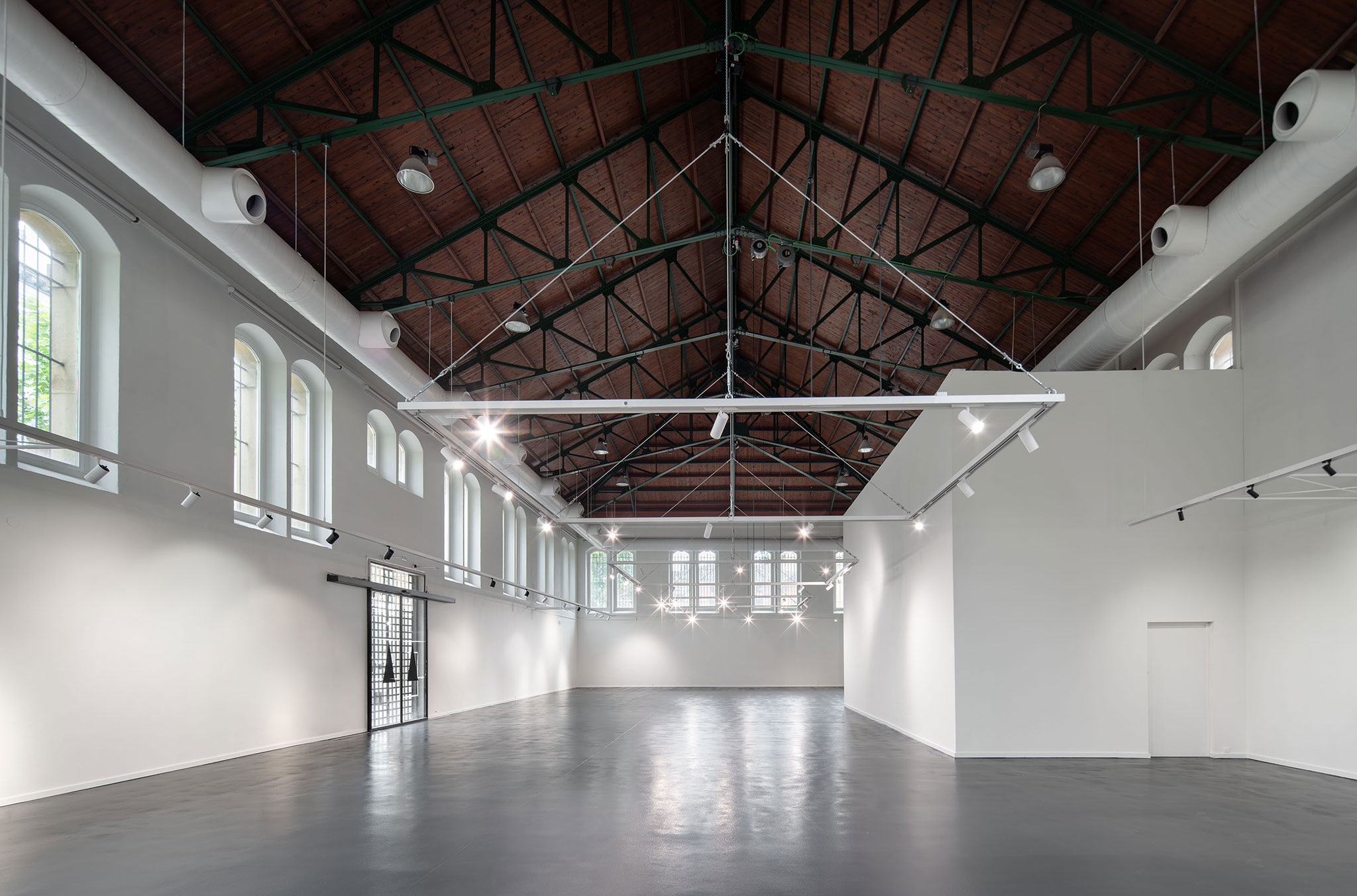
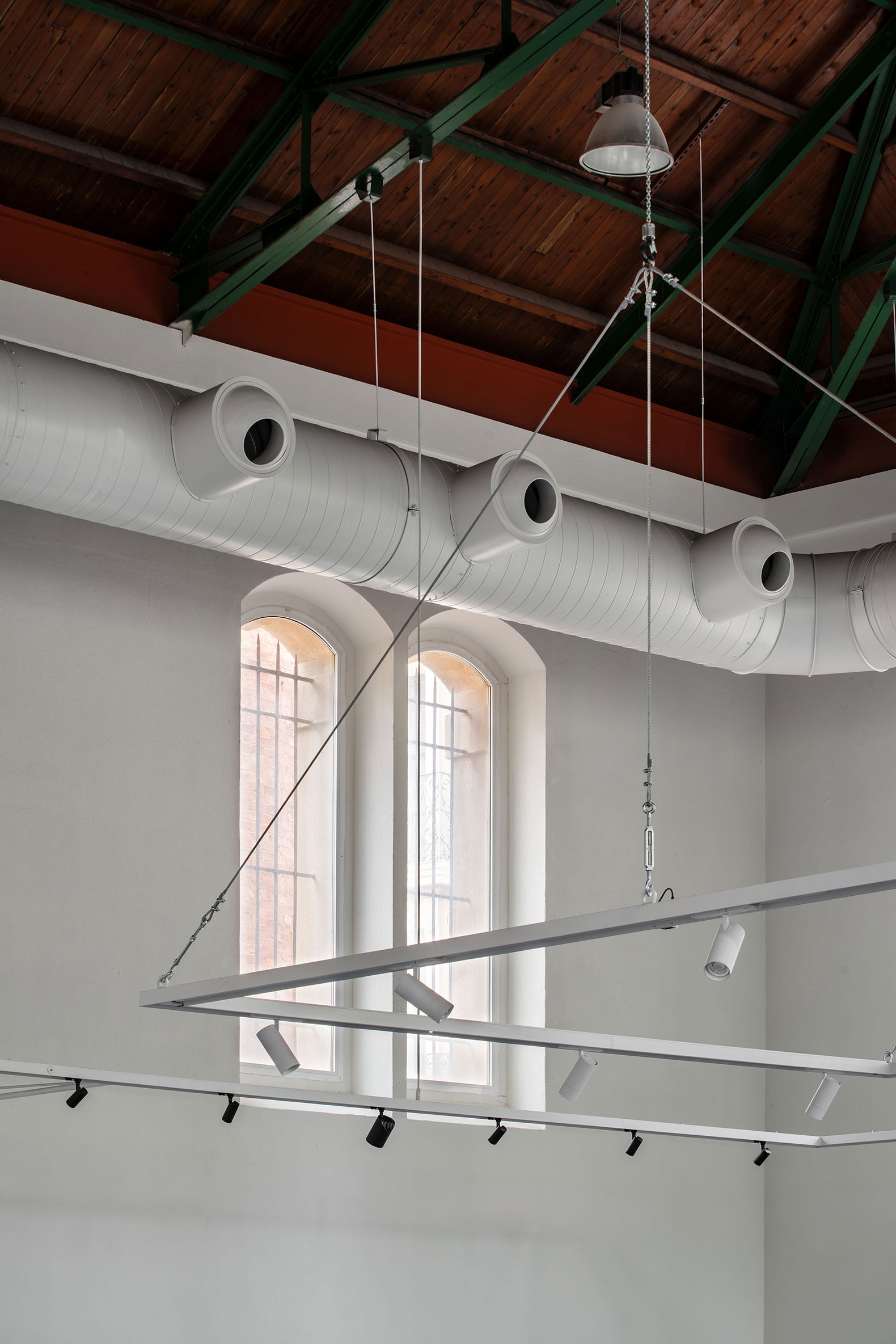
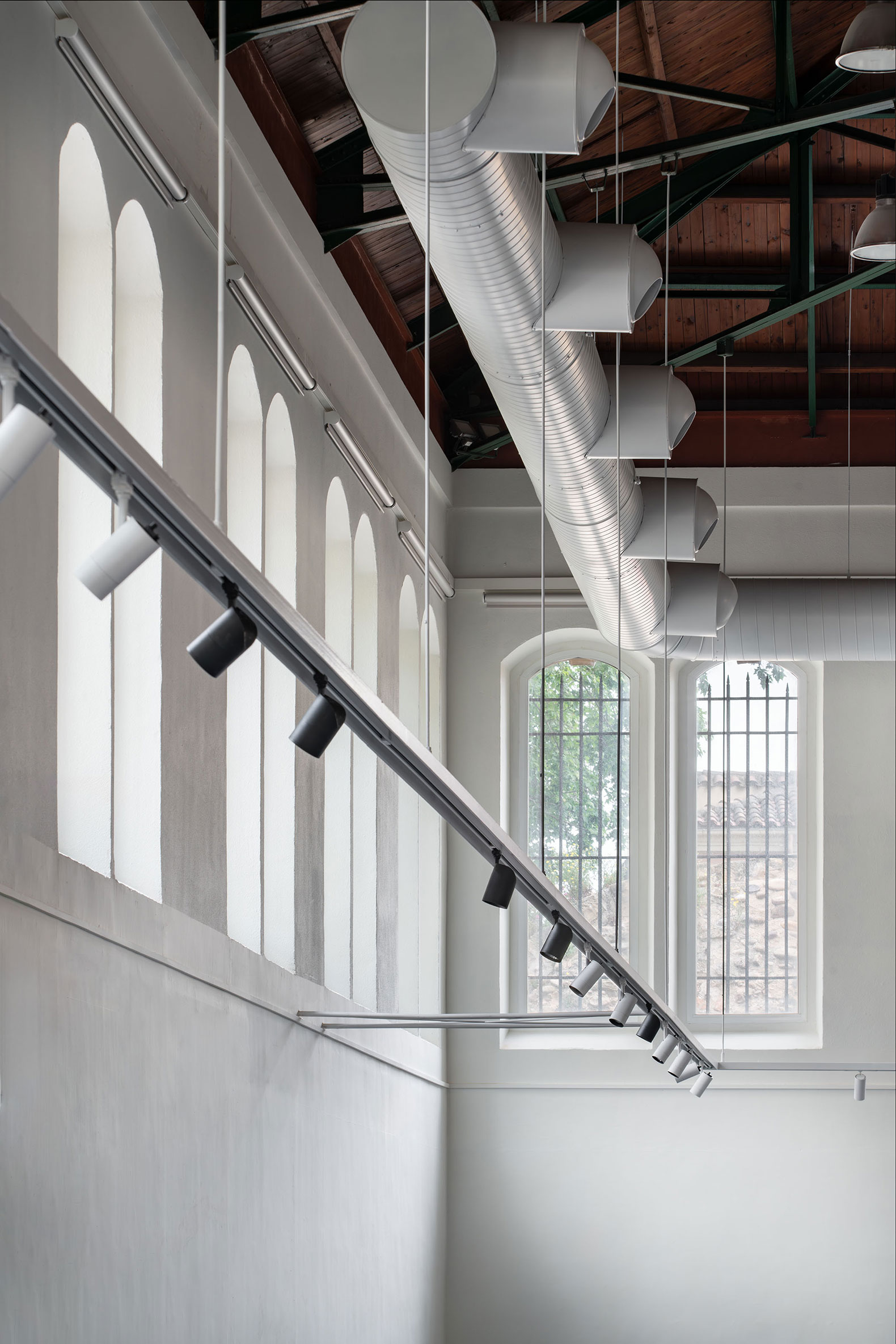
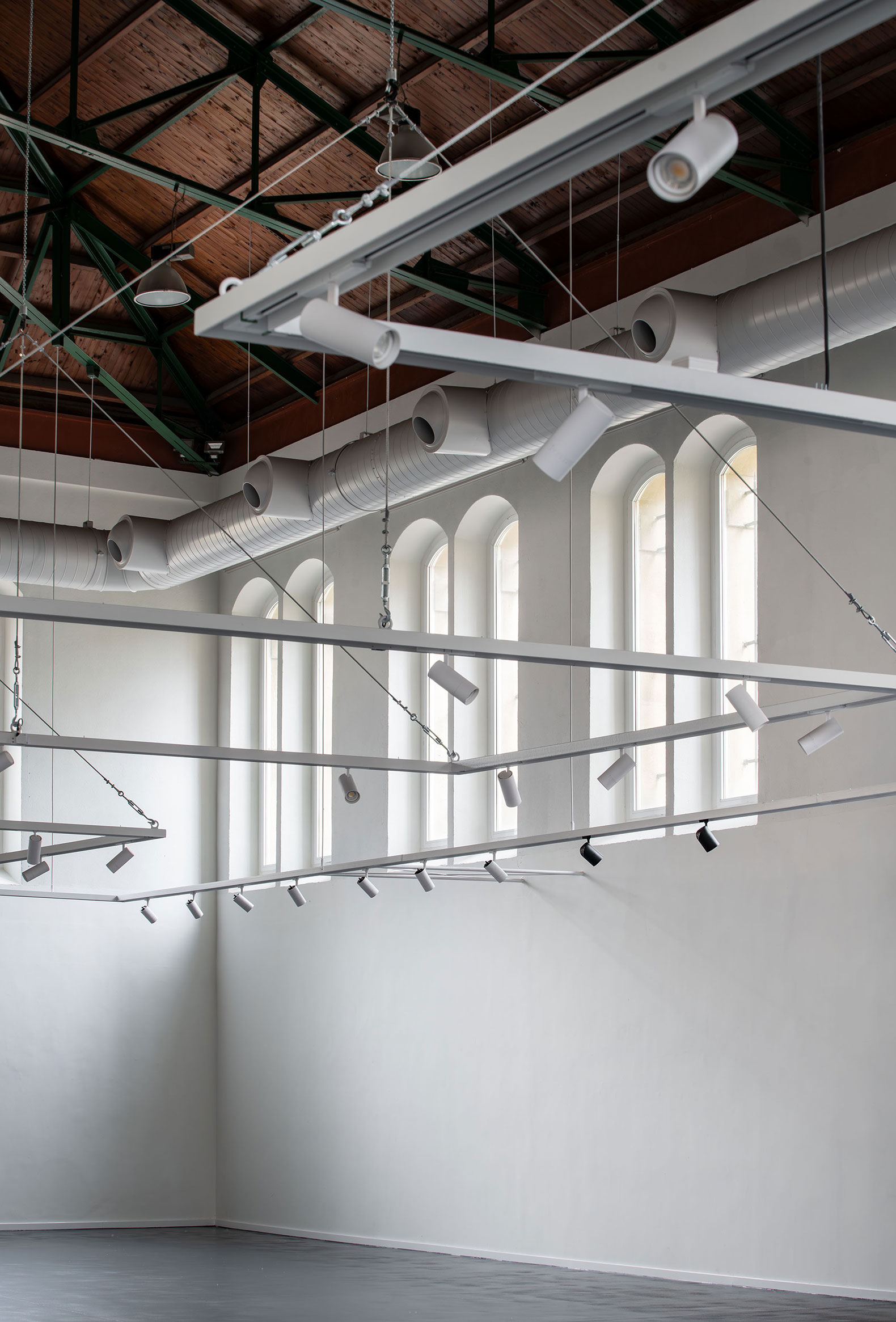
Various resources are used to expand the space's potential as an exhibition area, such as motorized blinds, suspended lamps with remotely adjustable height, and spotlights with varying color temperatures and beam angles.
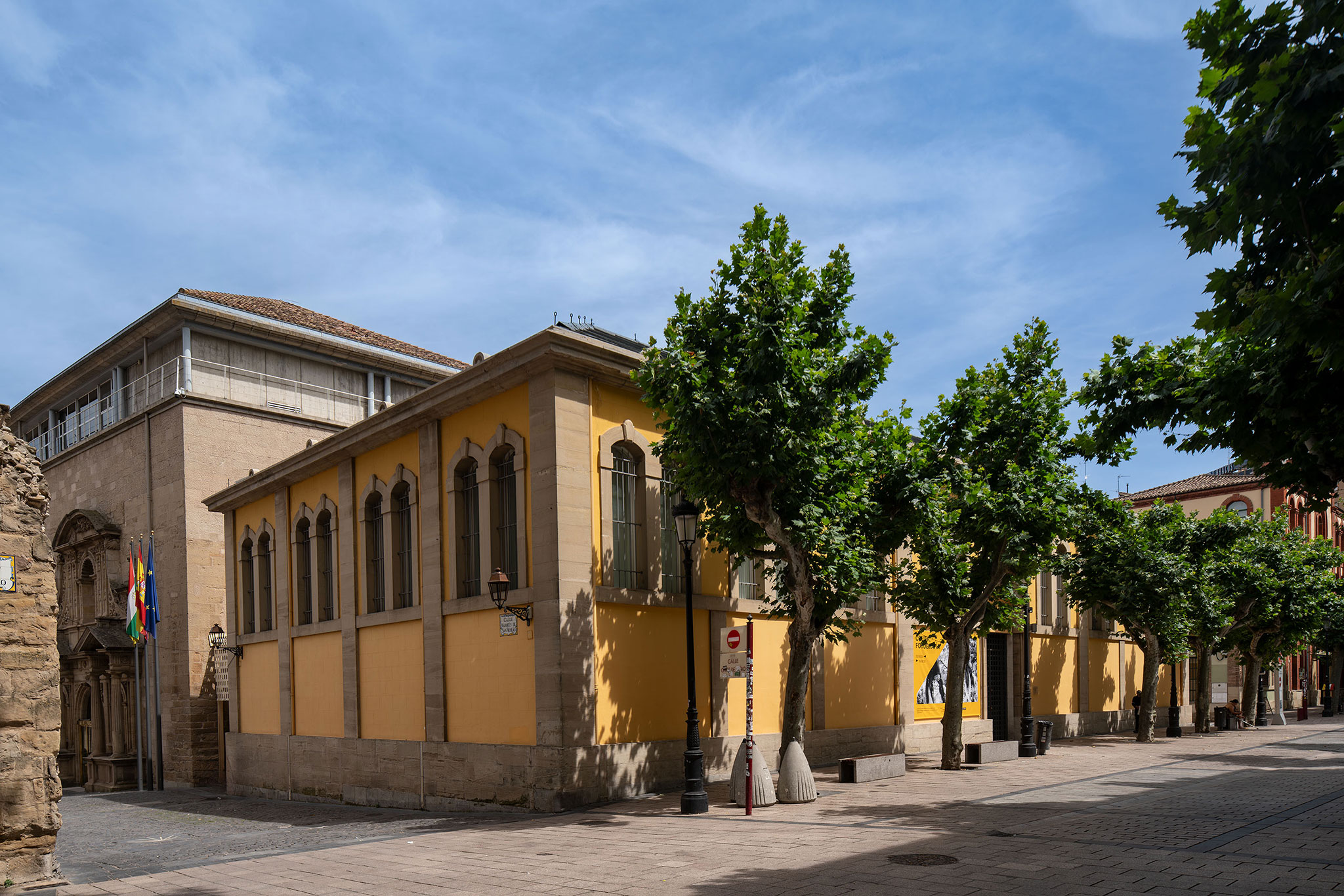
Renovation and digitization Sala Amós Salvador by Sergio Rojo. Photograph by Josema Cutillas.
Project description by Sergio Rojo
Over the last decades, contemporary art has played a key role in the reuse of obsolete industrial buildings within European cities. Former slaughterhouses and tobacco factories have been transformed into museums, cultural centres and exhibition venues. Once stripped of the machinery that defined their original function, these spaces reveal the spatial qualities of buildings whose scale had long remained hidden behind the activity of industrial production.
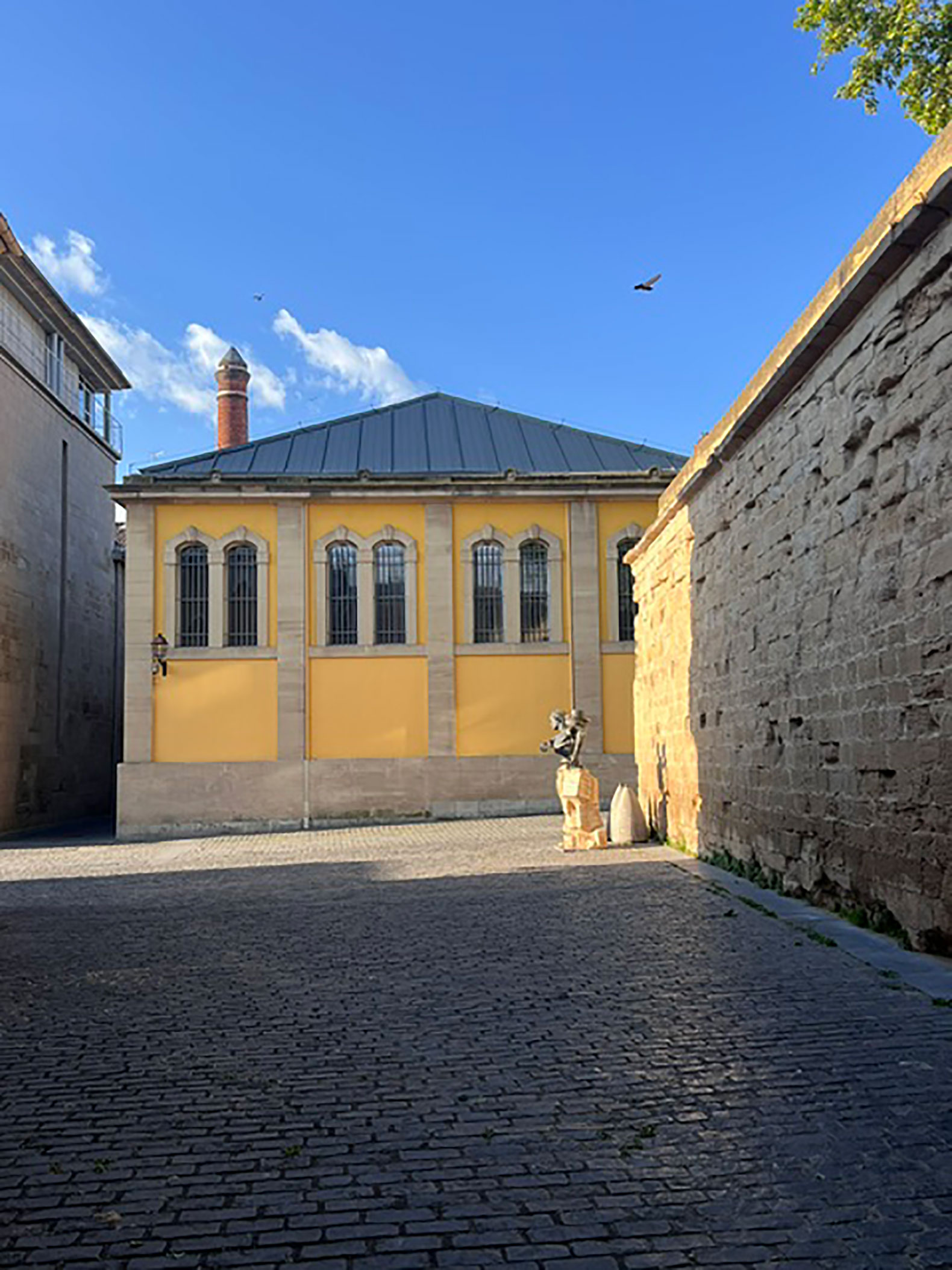
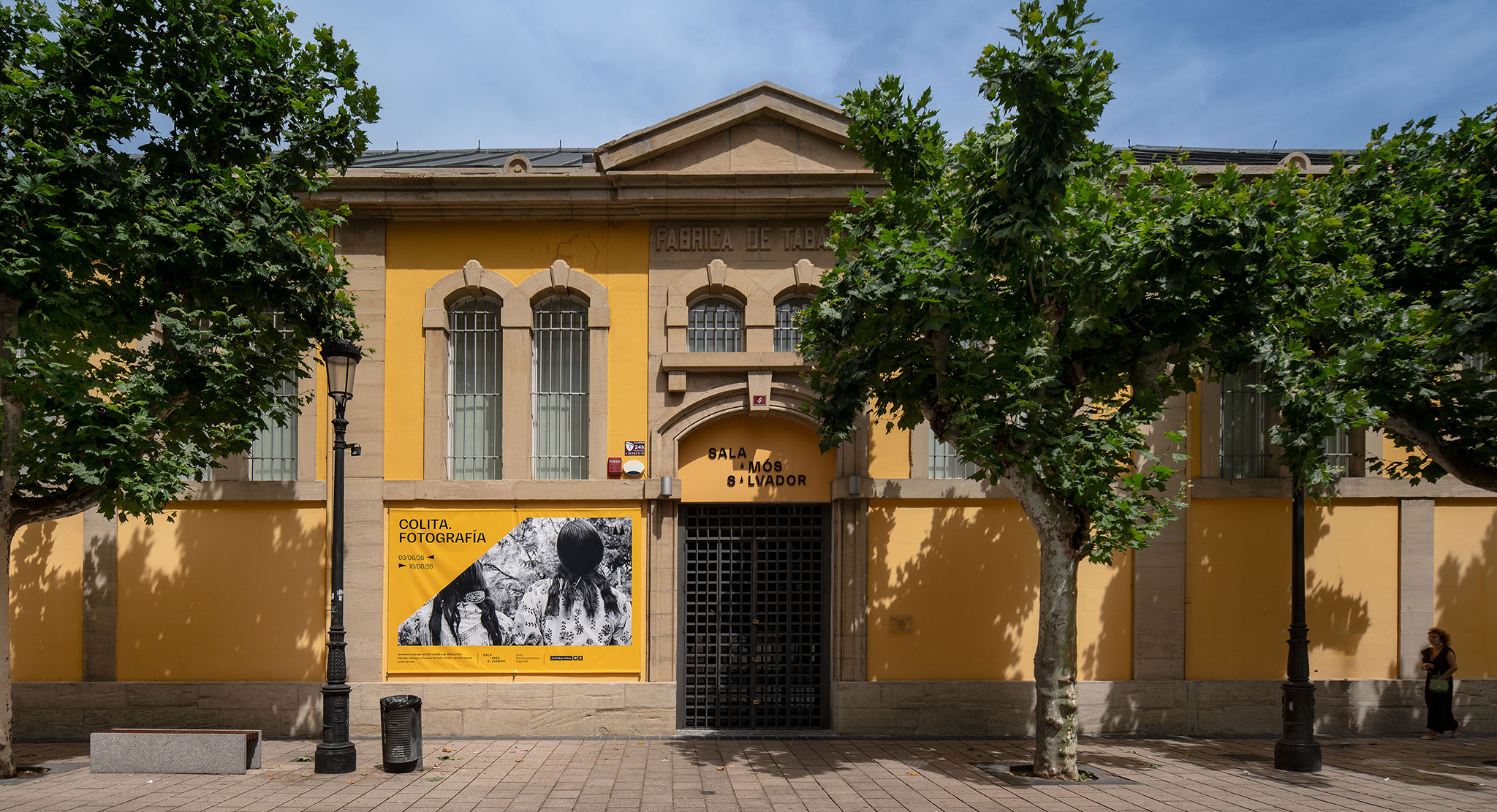
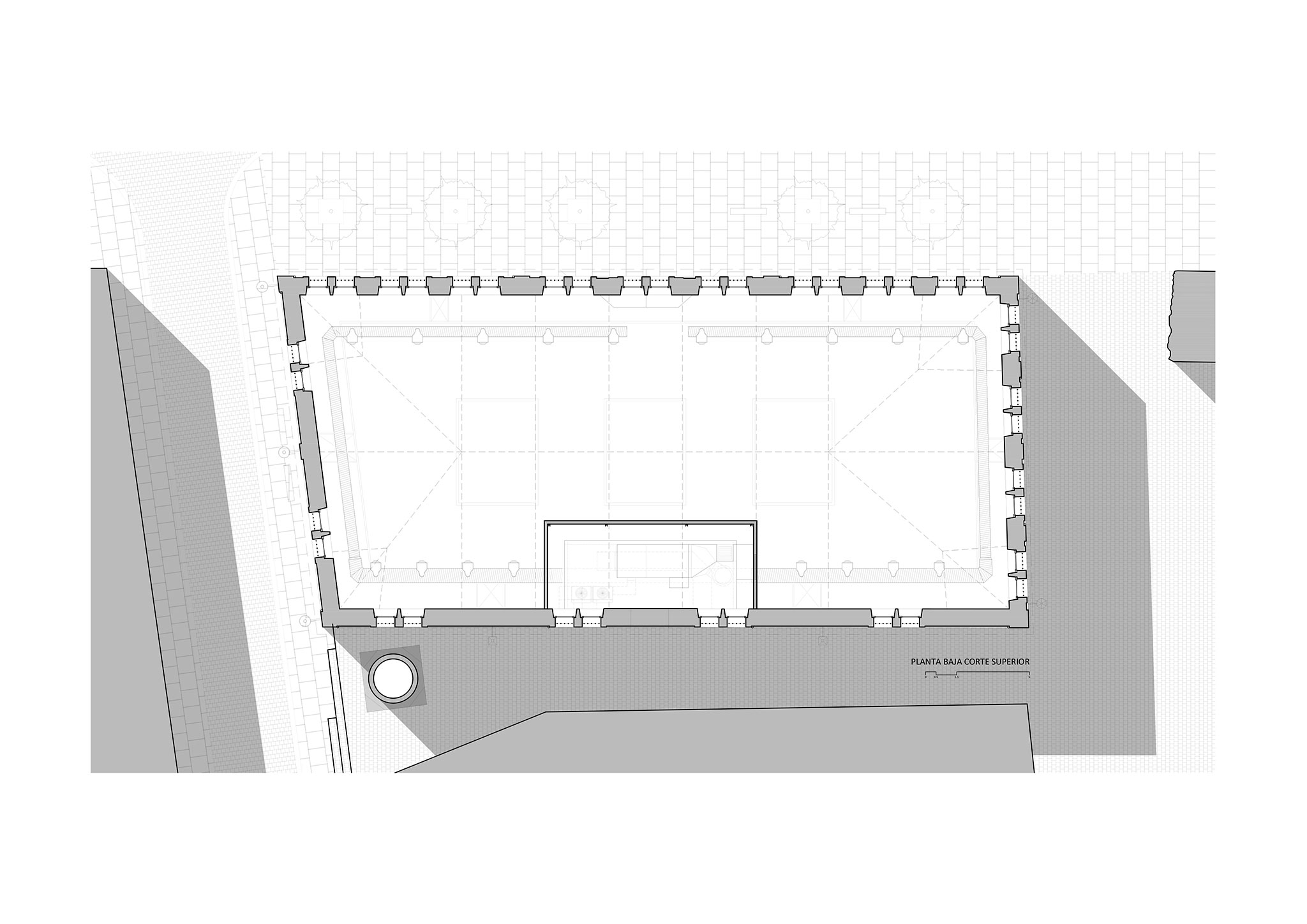
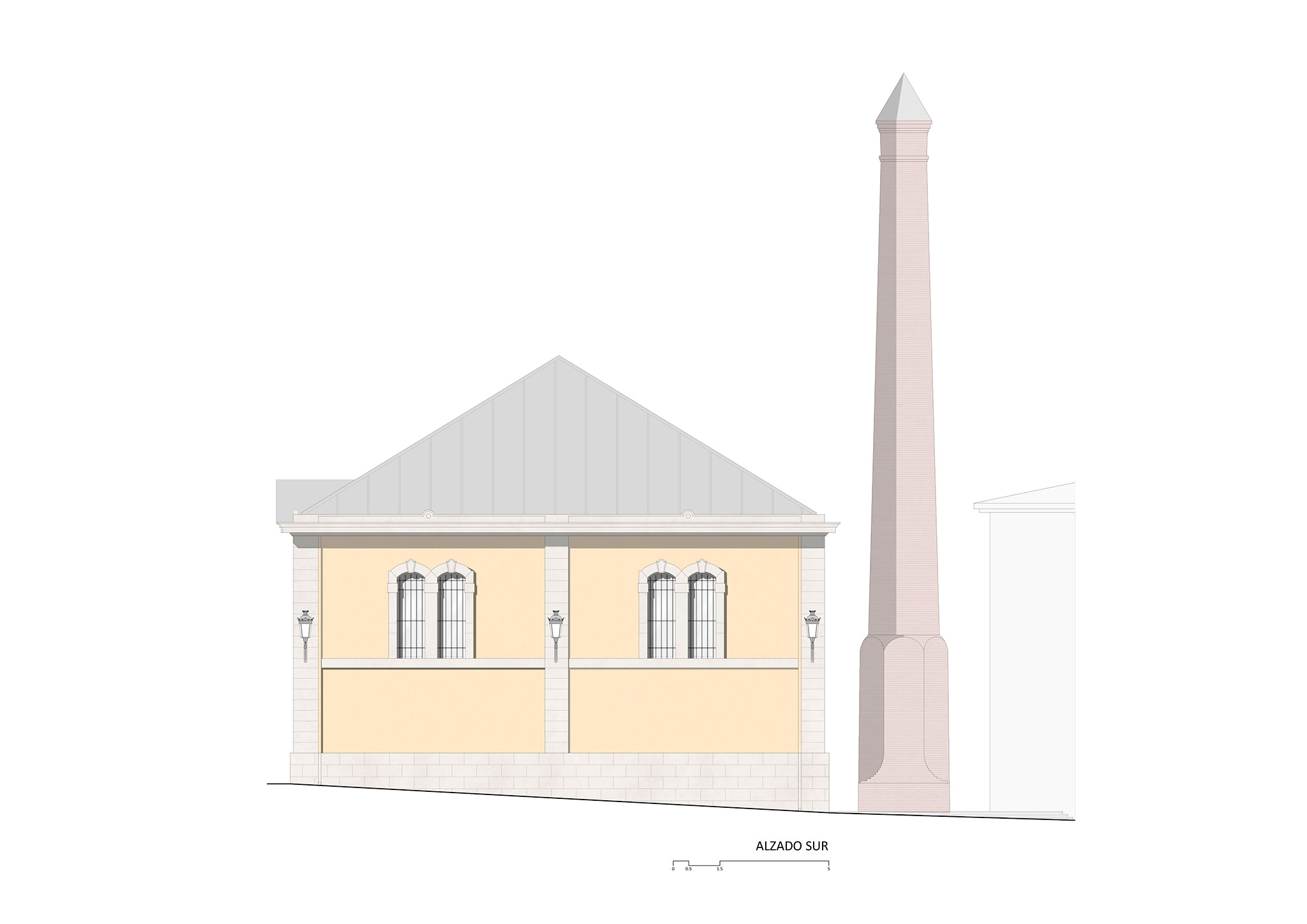
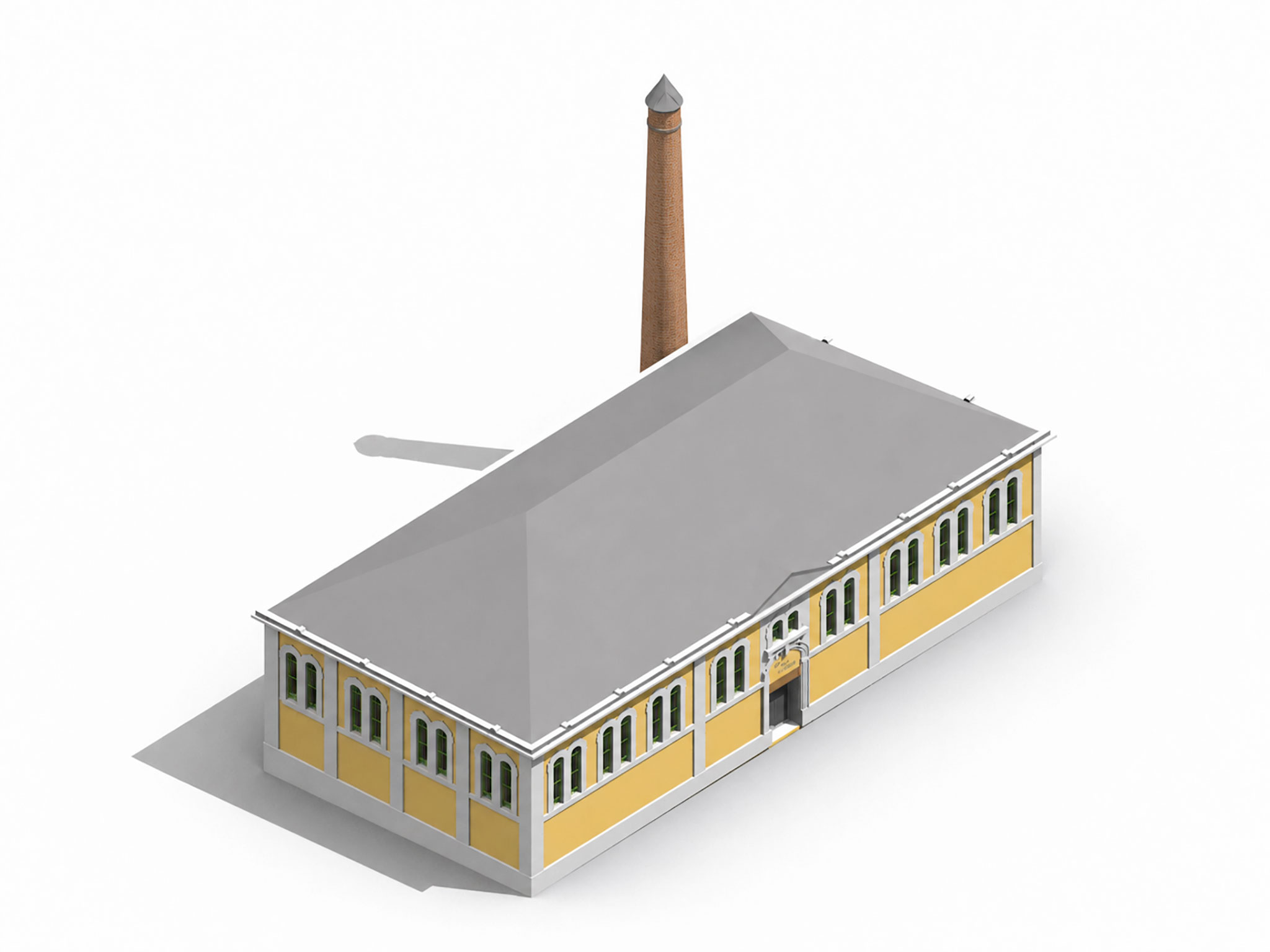
This is the case of the former western warehouse of the Logroño Tobacco Factory, now Sala Amós Salvador, built in the early twentieth century by architect Luis Barrón as a tobacco-drying facility.
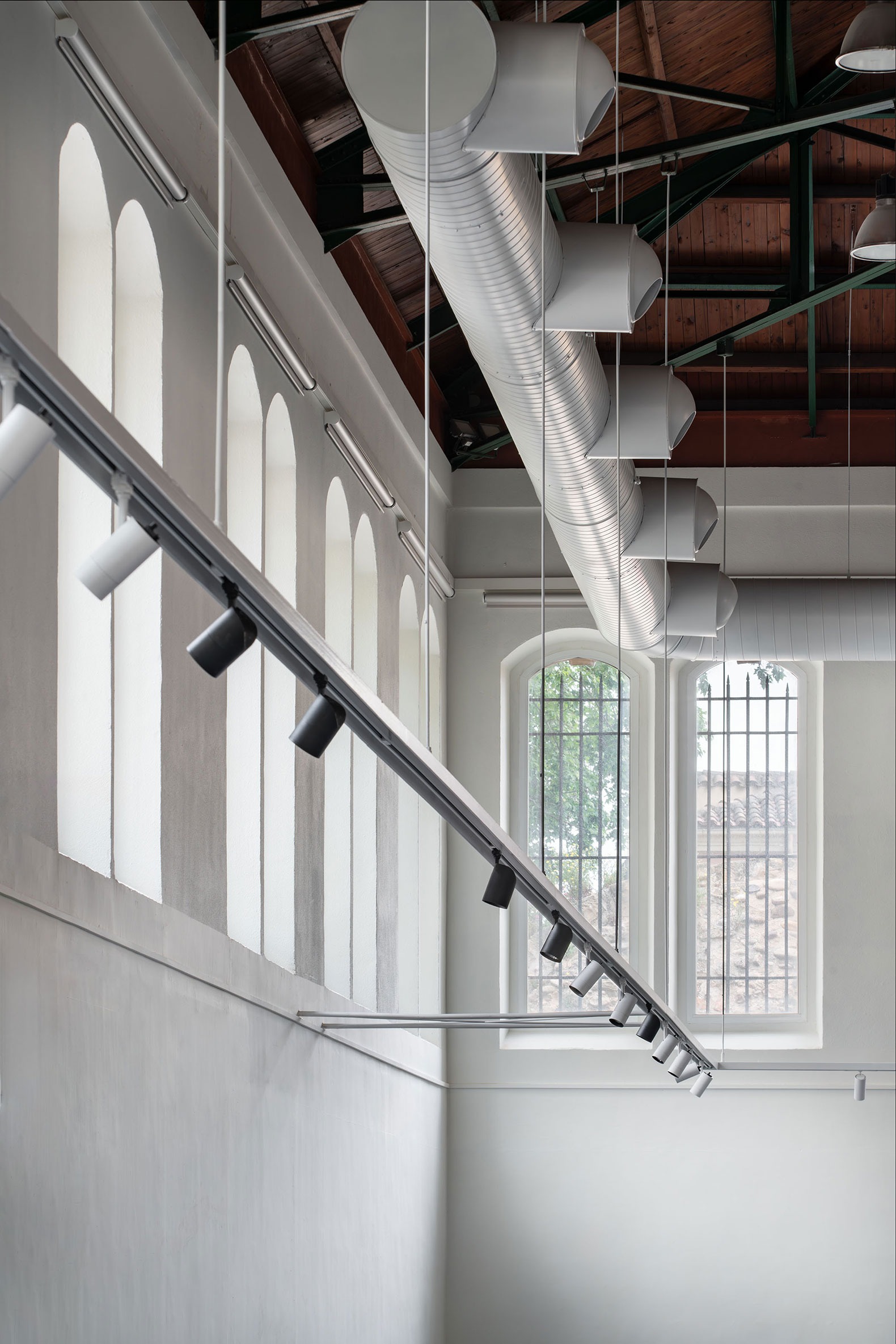
The project combines the recovery of the building’s architectural character with the modernization of its technical systems. On the one hand, the installation of an aerothermal system significantly reduces carbon dioxide emissions. On the other, the implementation of a digital twin developed using BIM methodologies will provide the building owner with a vast amount of data, enabling the building to be adapted to its actual patterns of use.
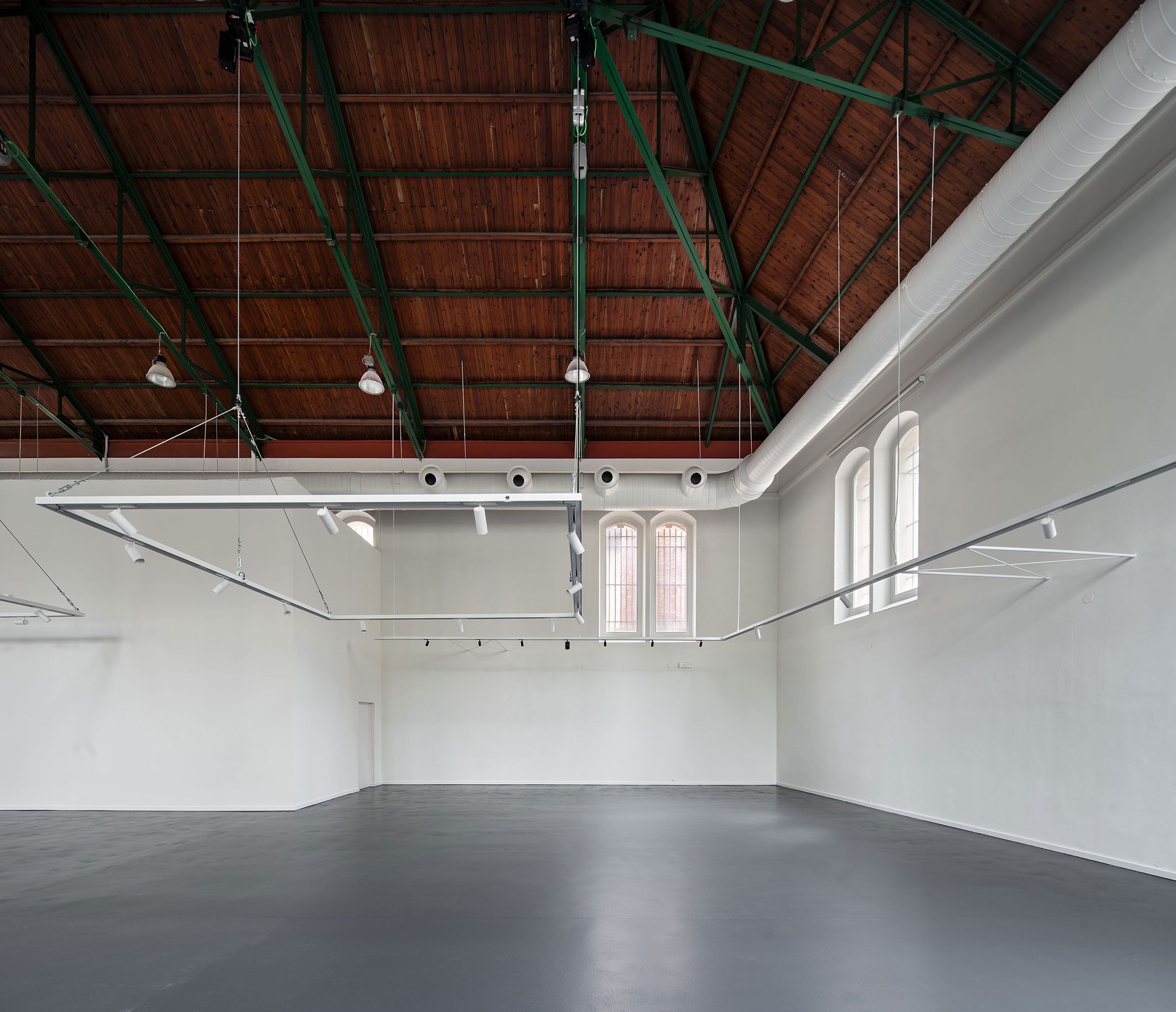
This digital transformation has also introduced new resources that expand its possibilities as an exhibition space. Motorized blinds allow natural light to enter the building; suspended luminaires can be remotely adjusted in height; and spotlights offer different colour temperatures and beam angles, adapting to the specific requirements of each exhibition.