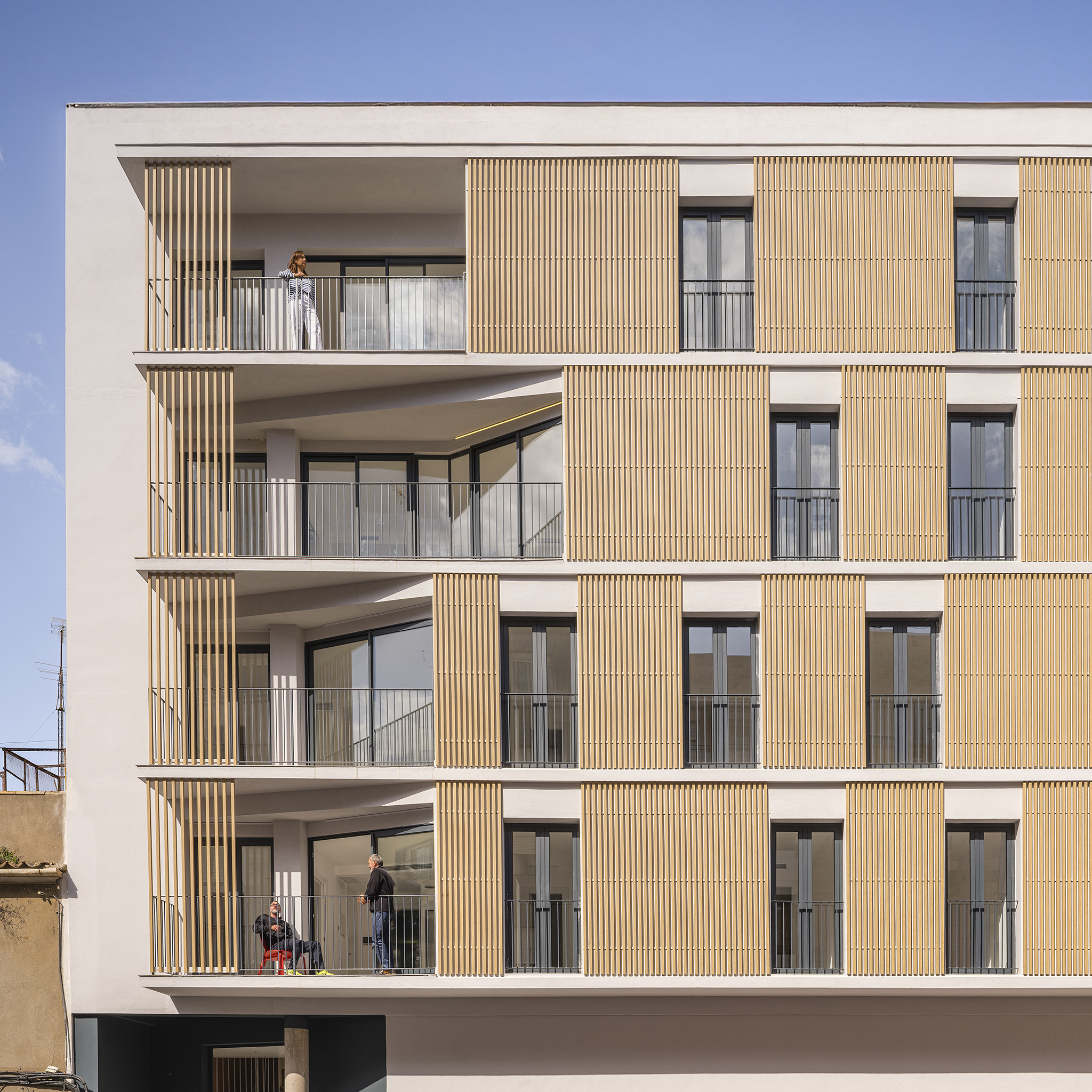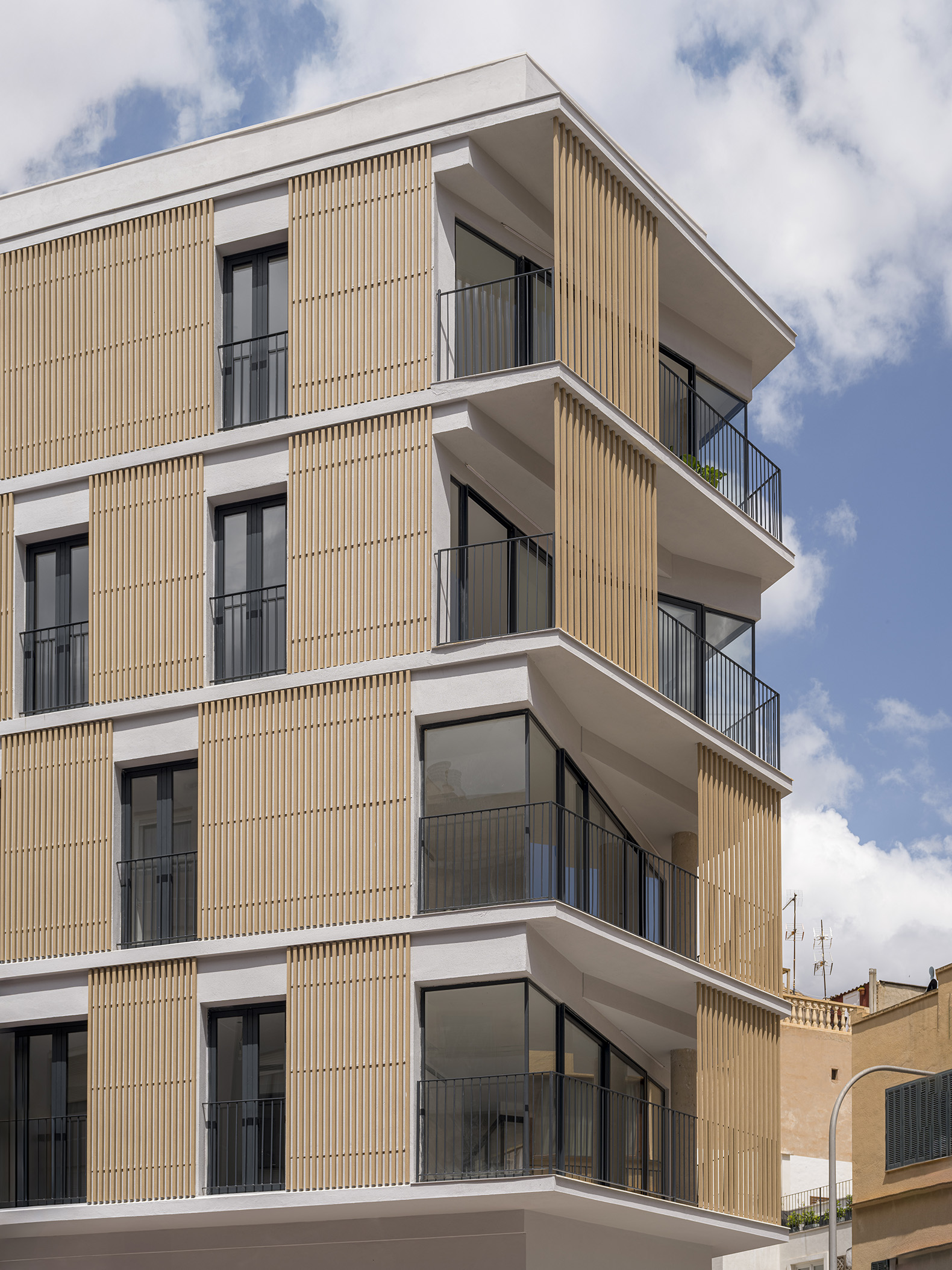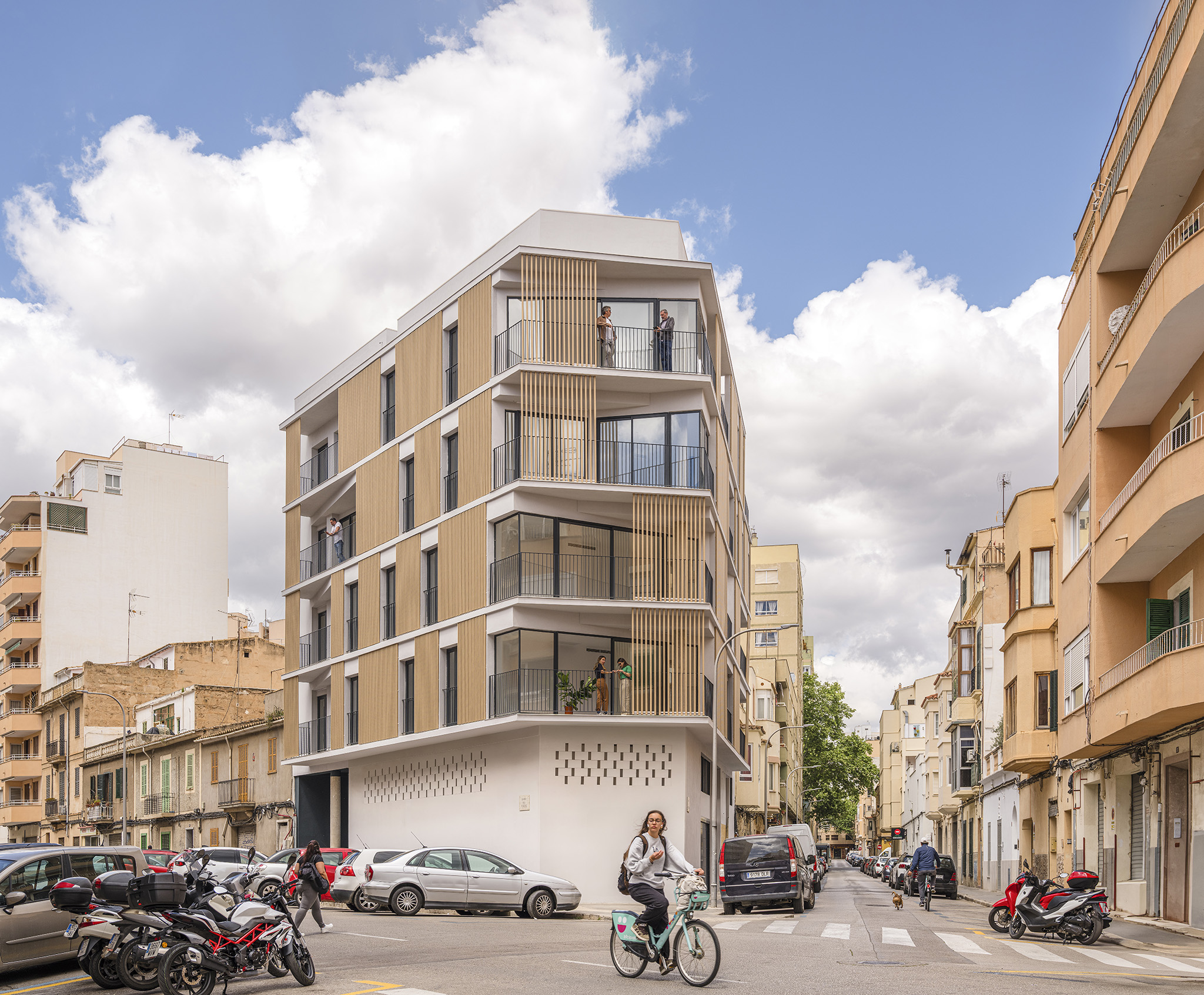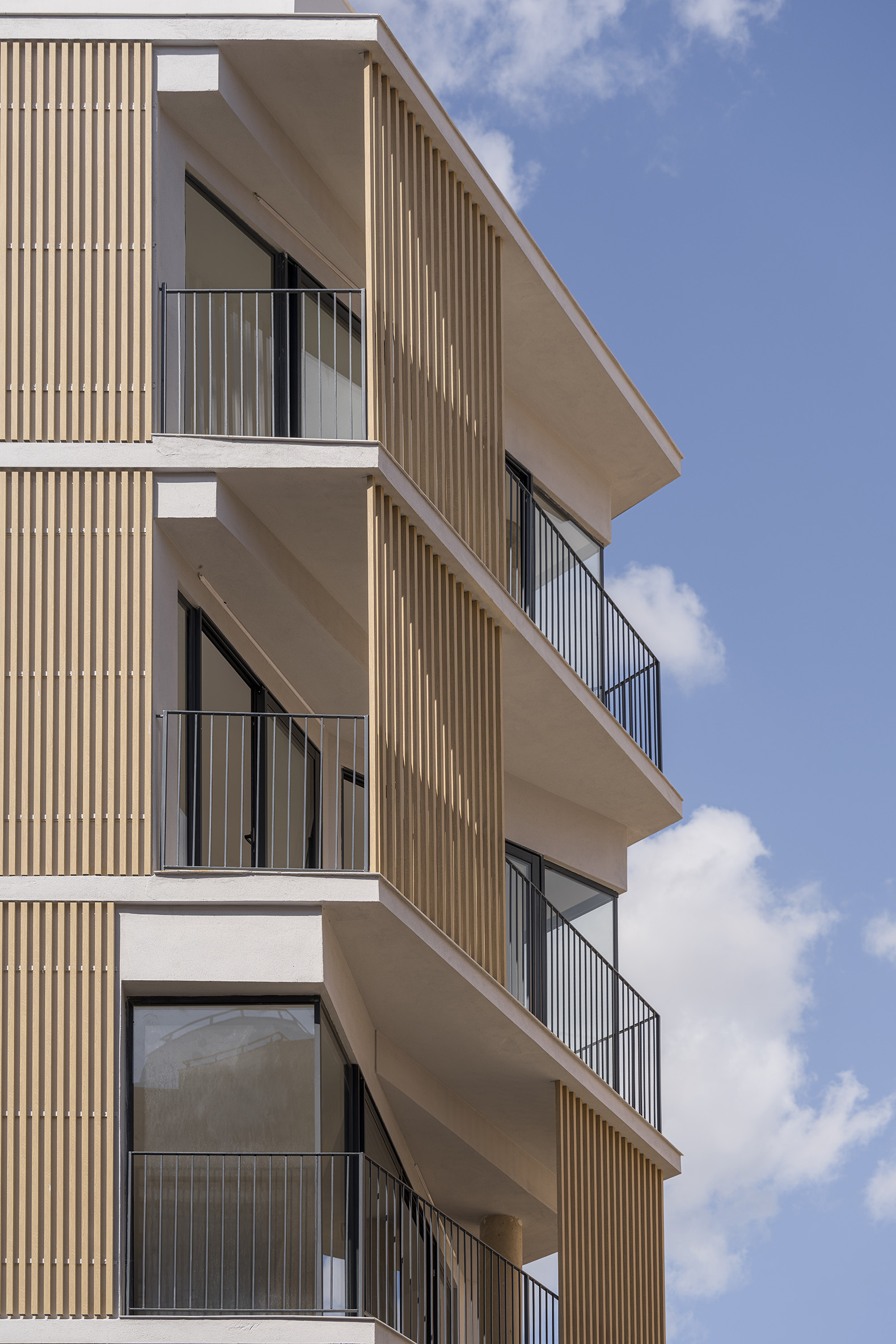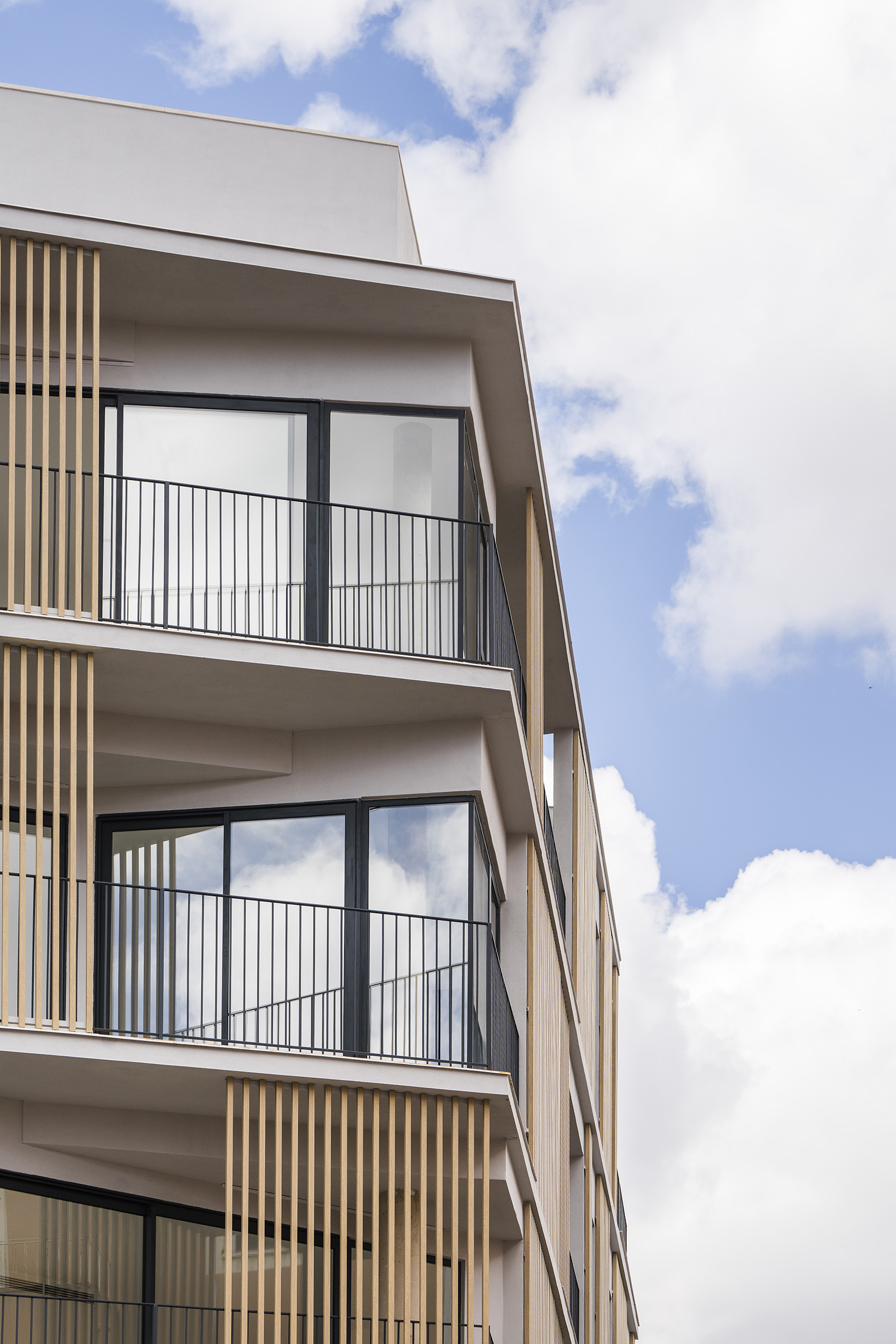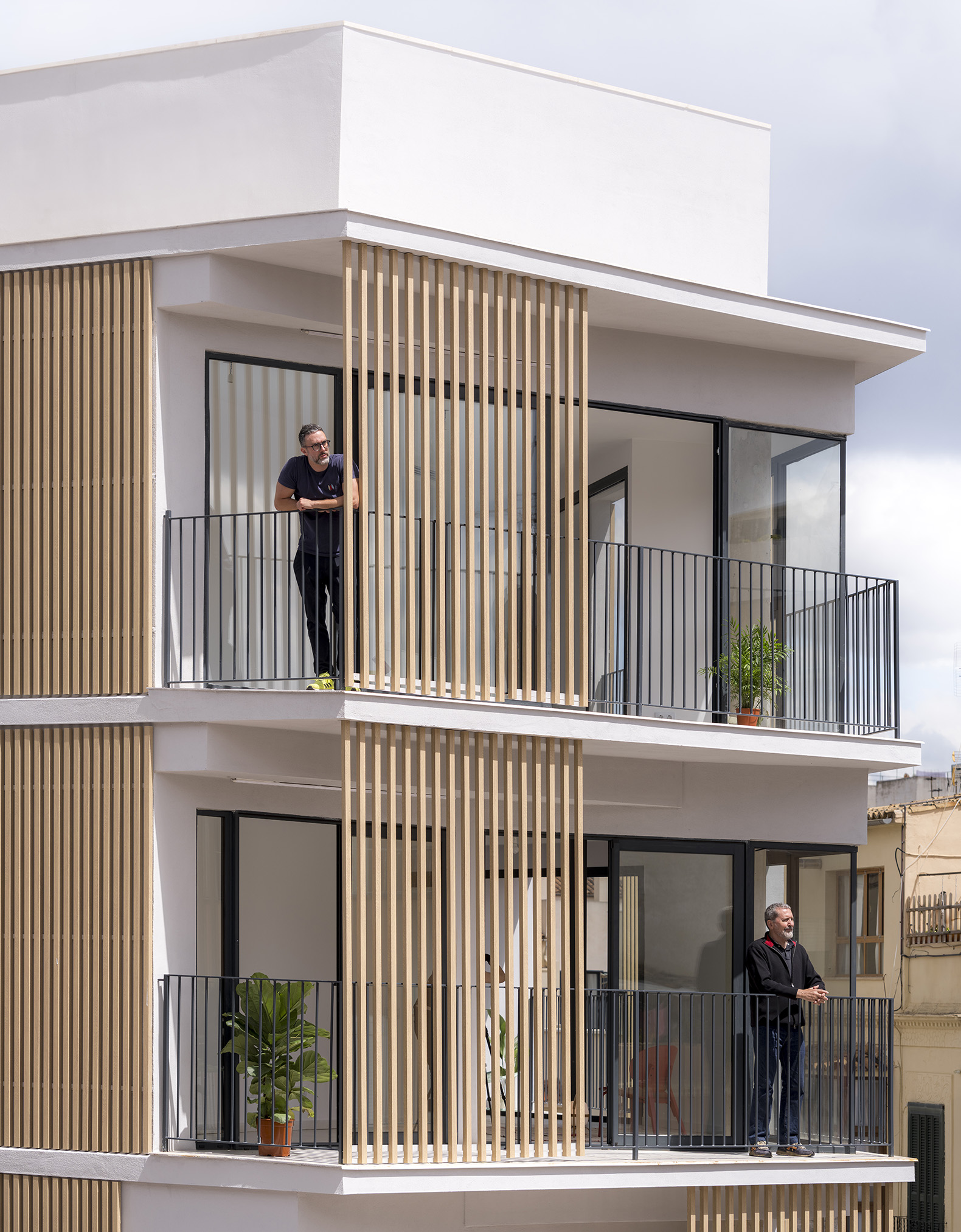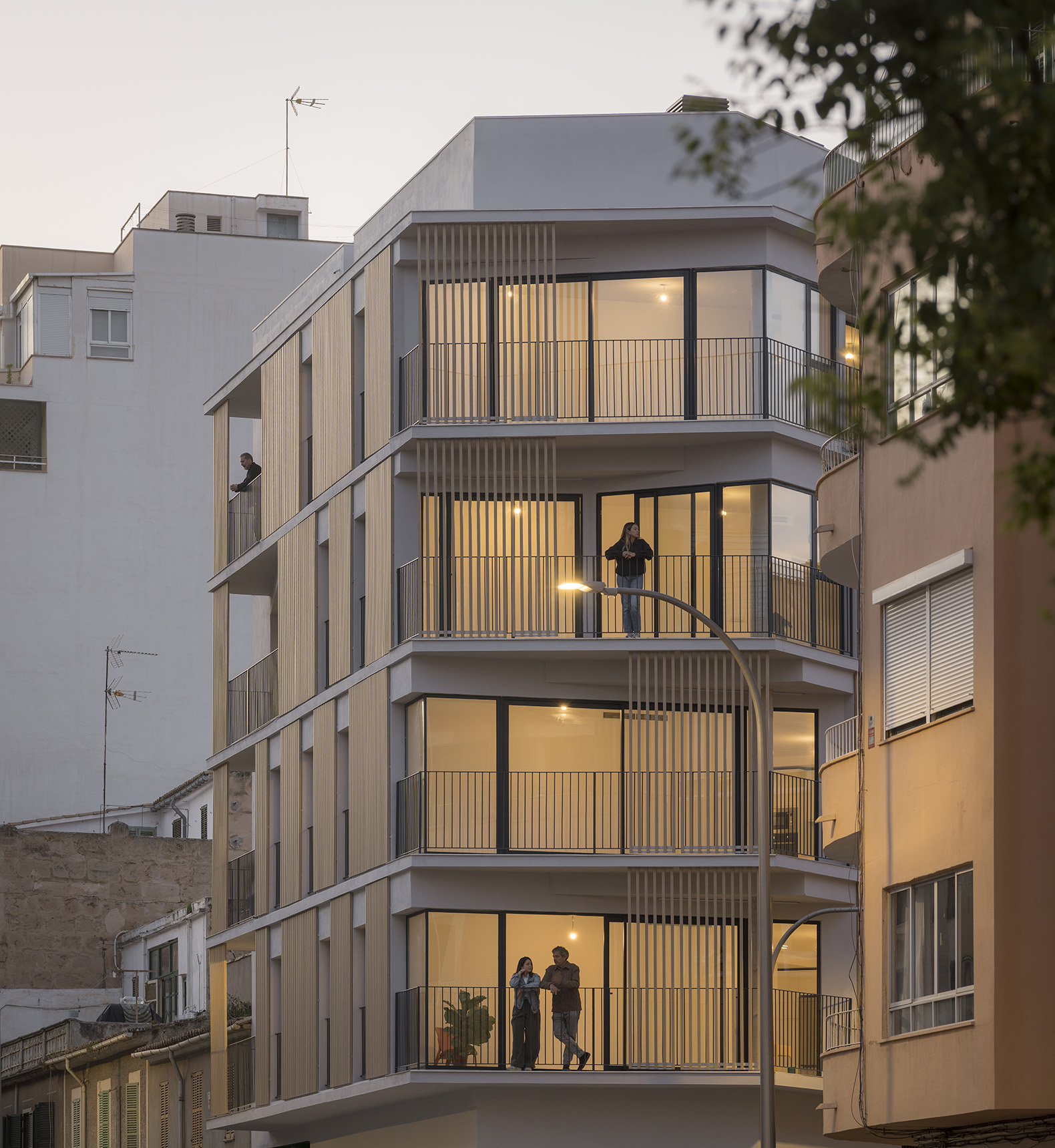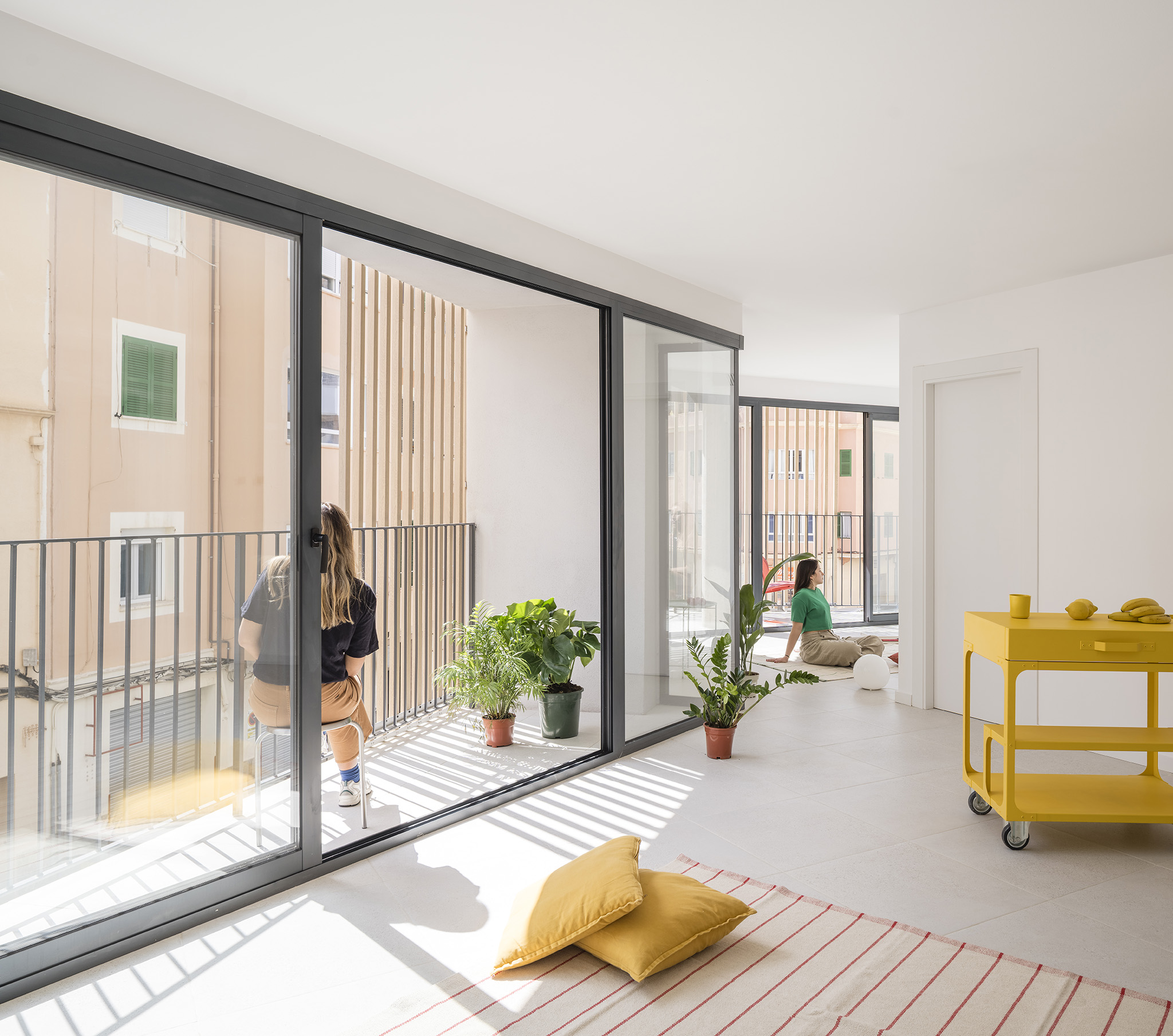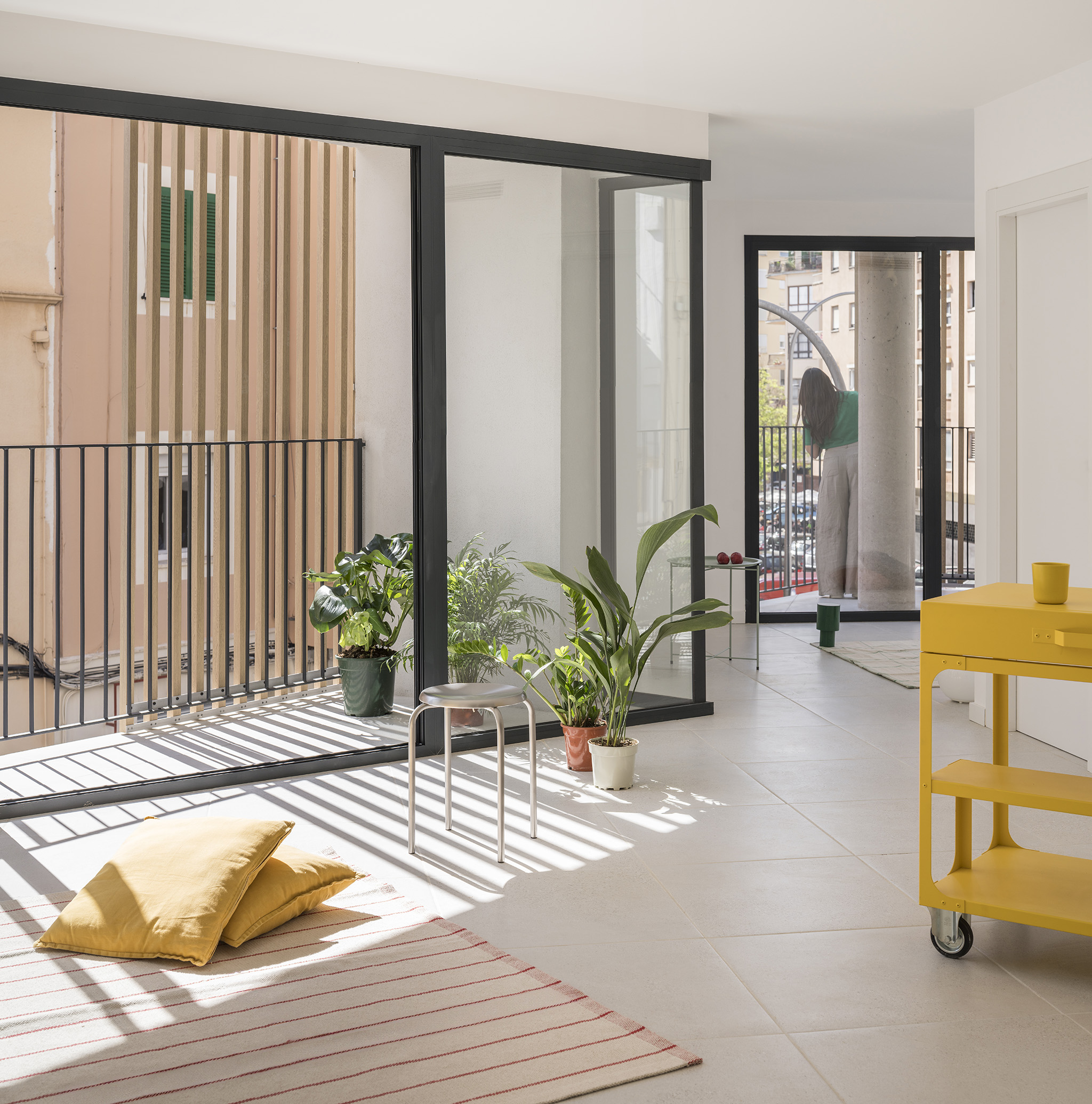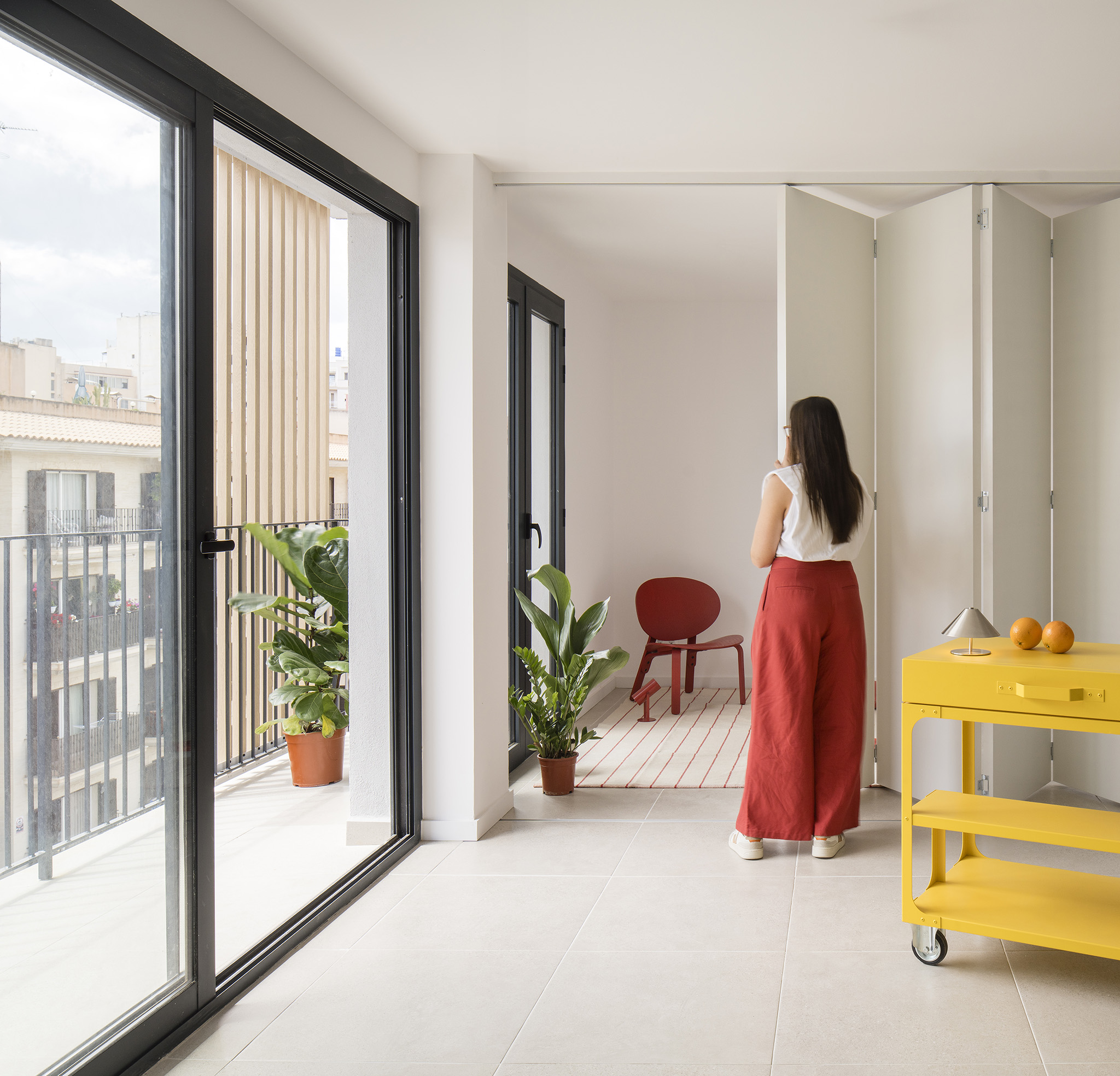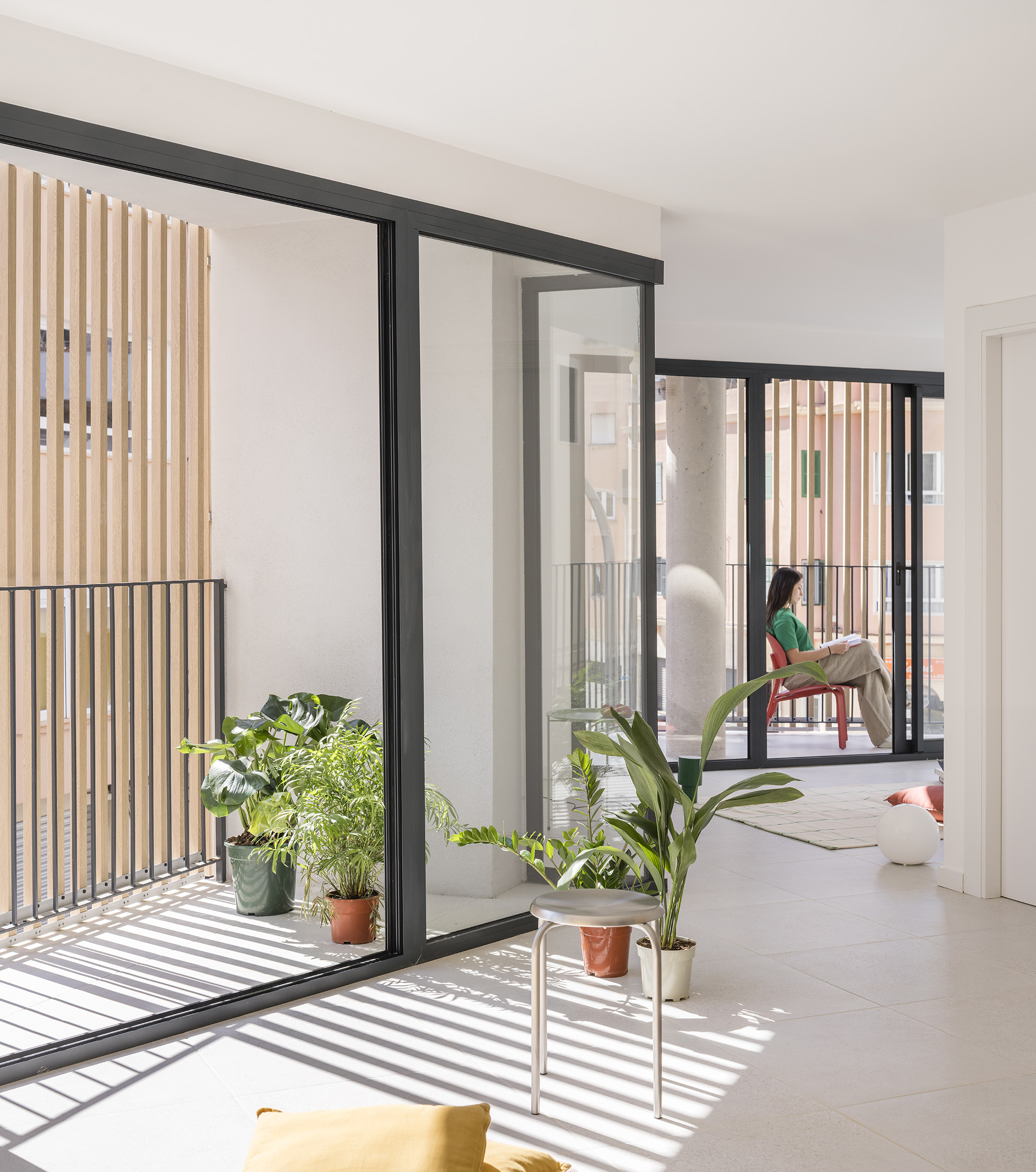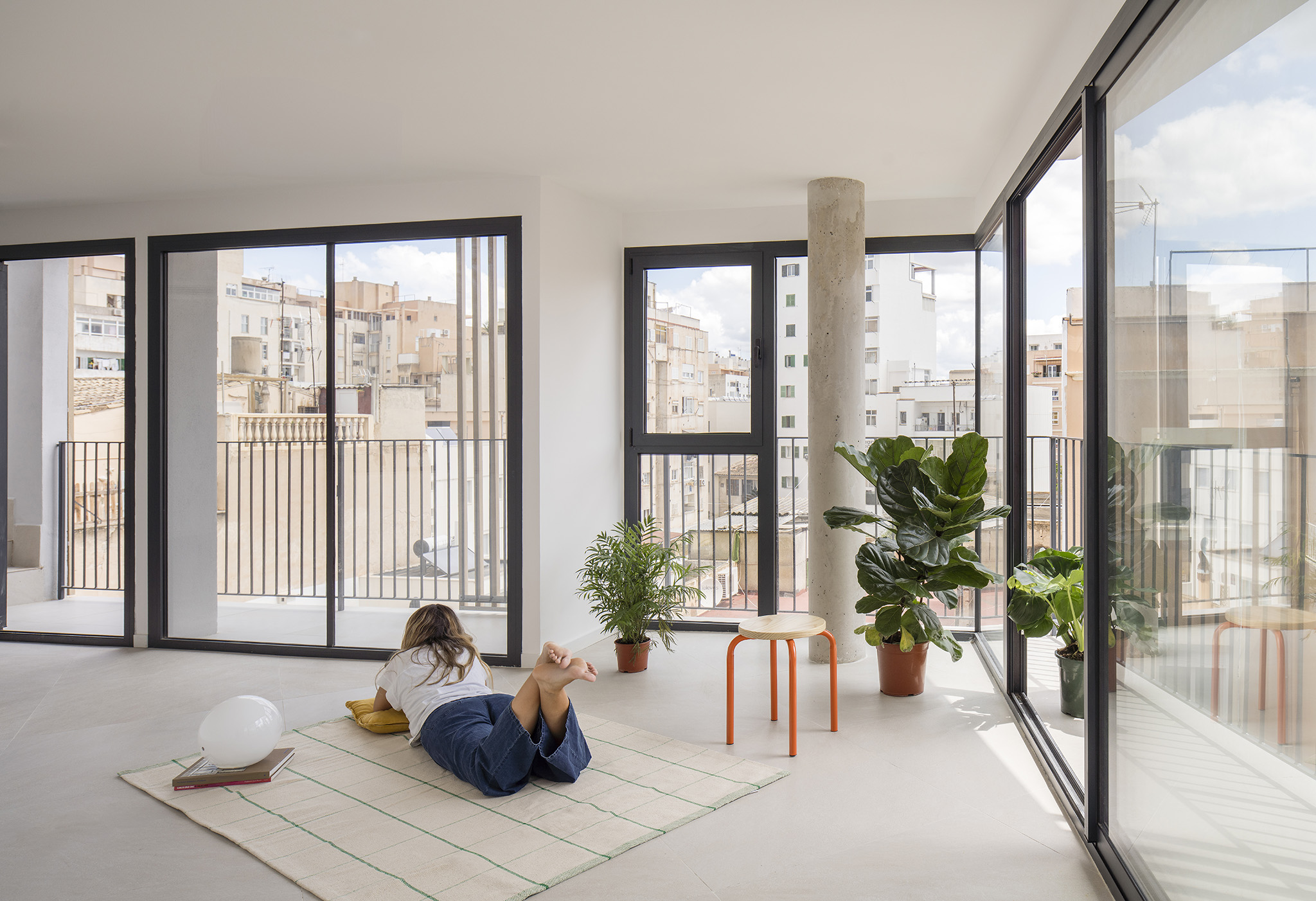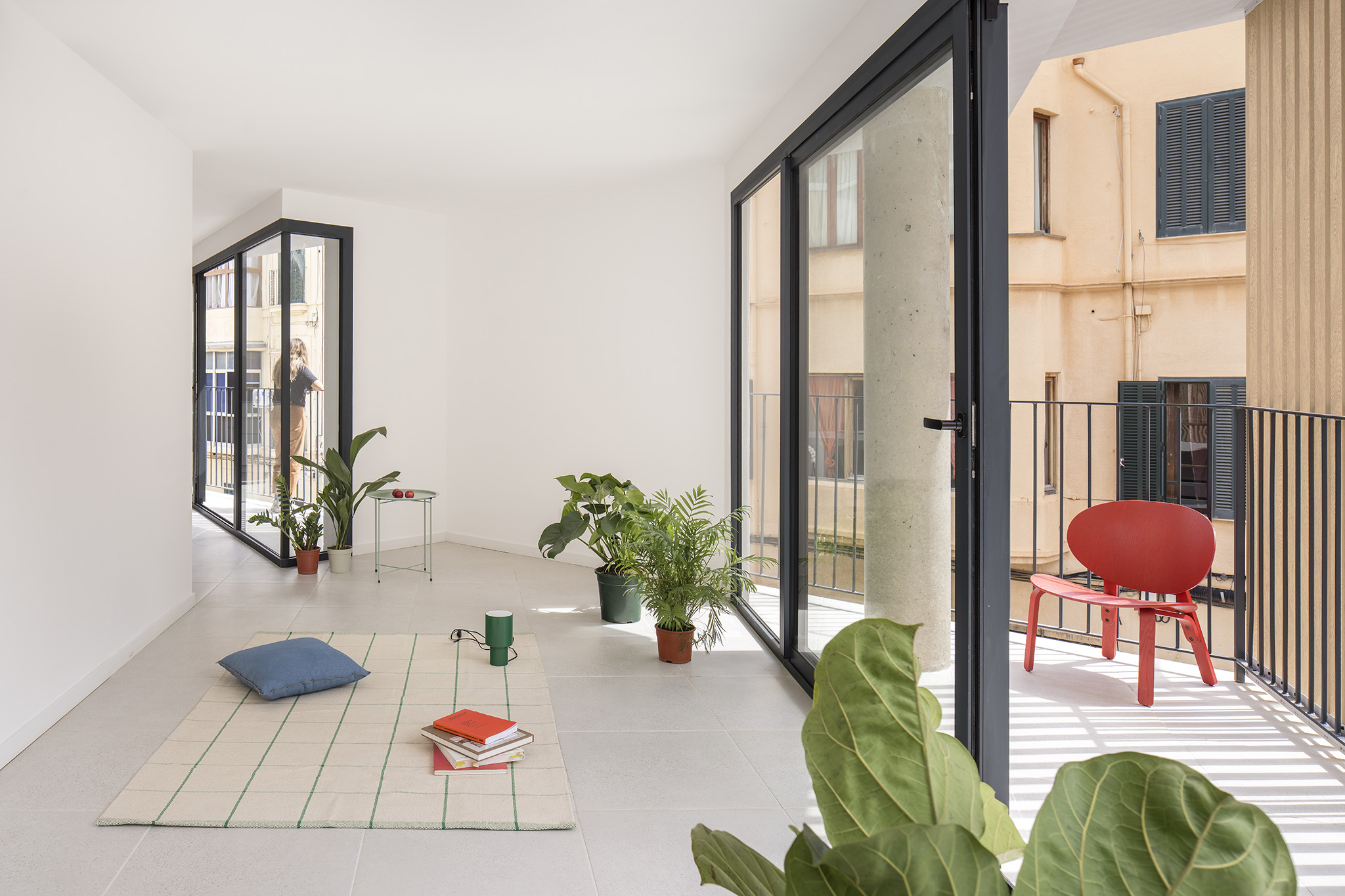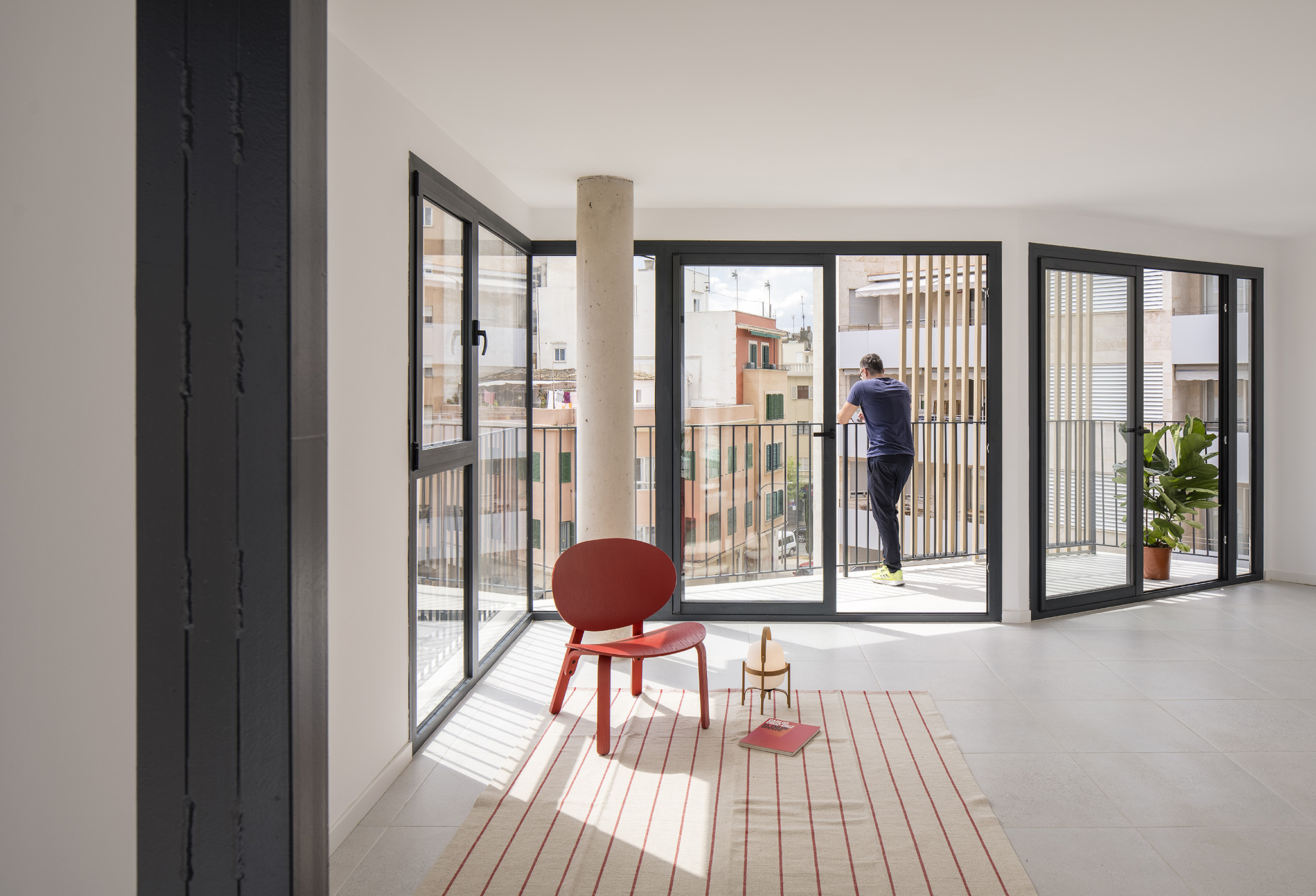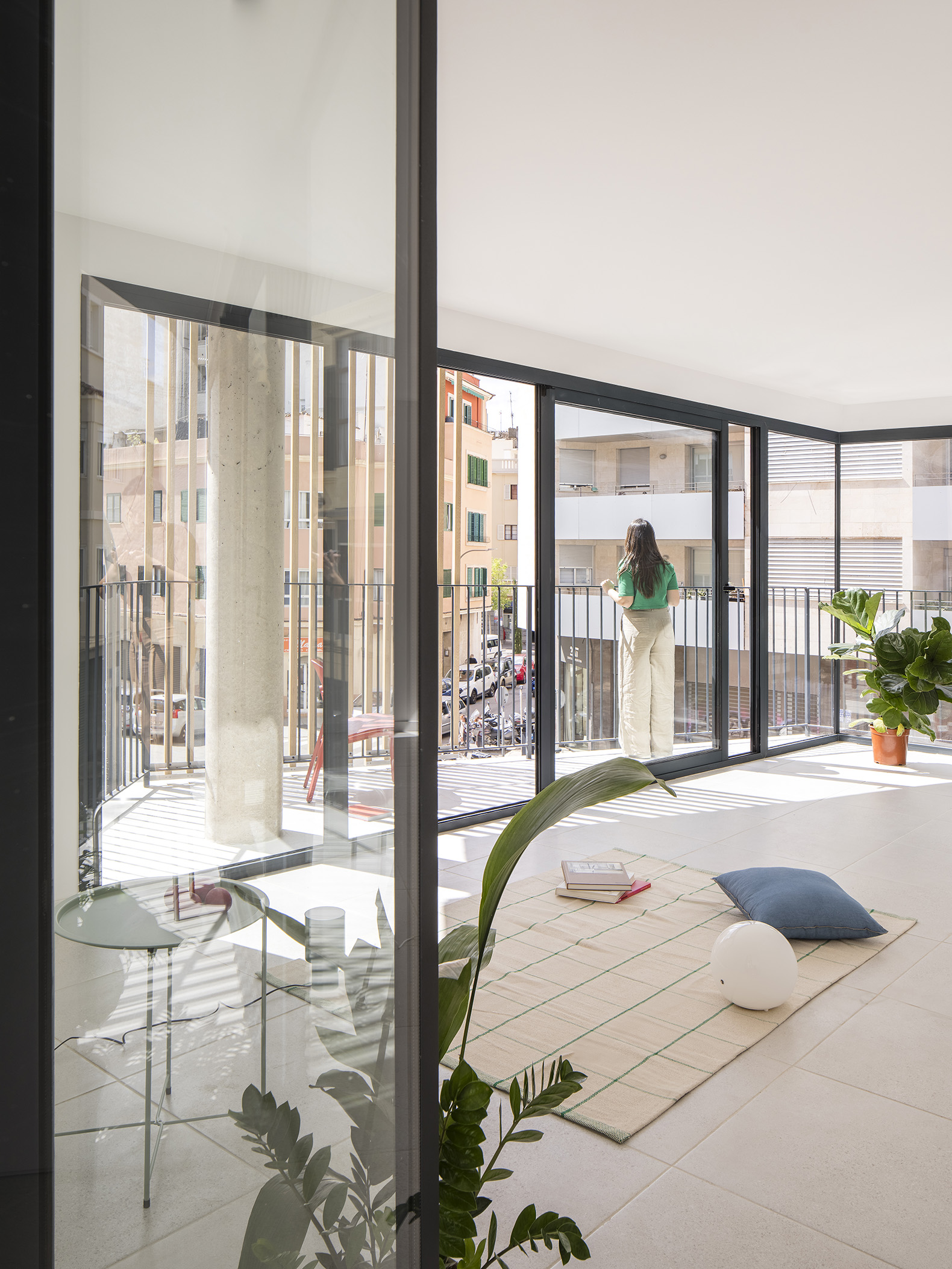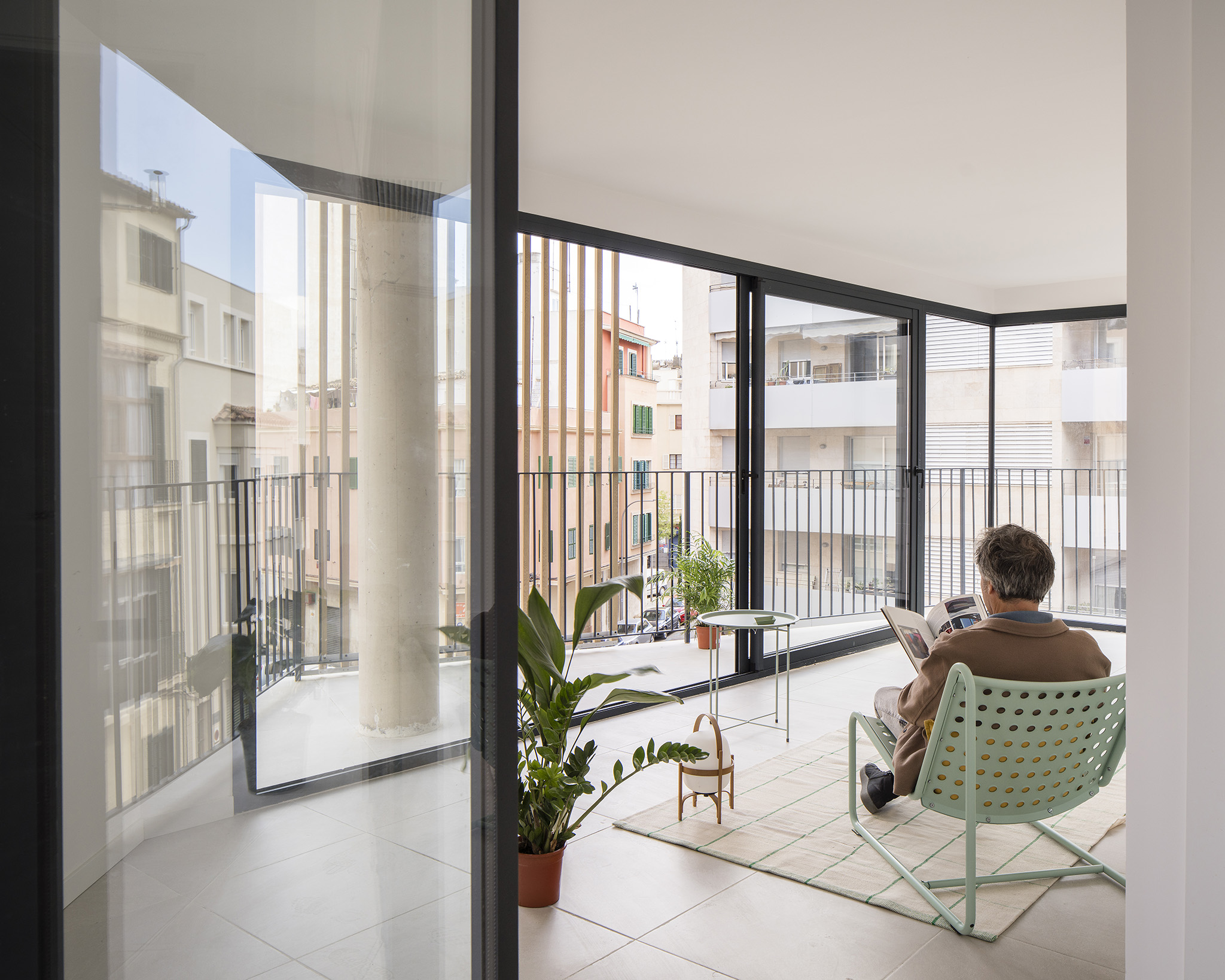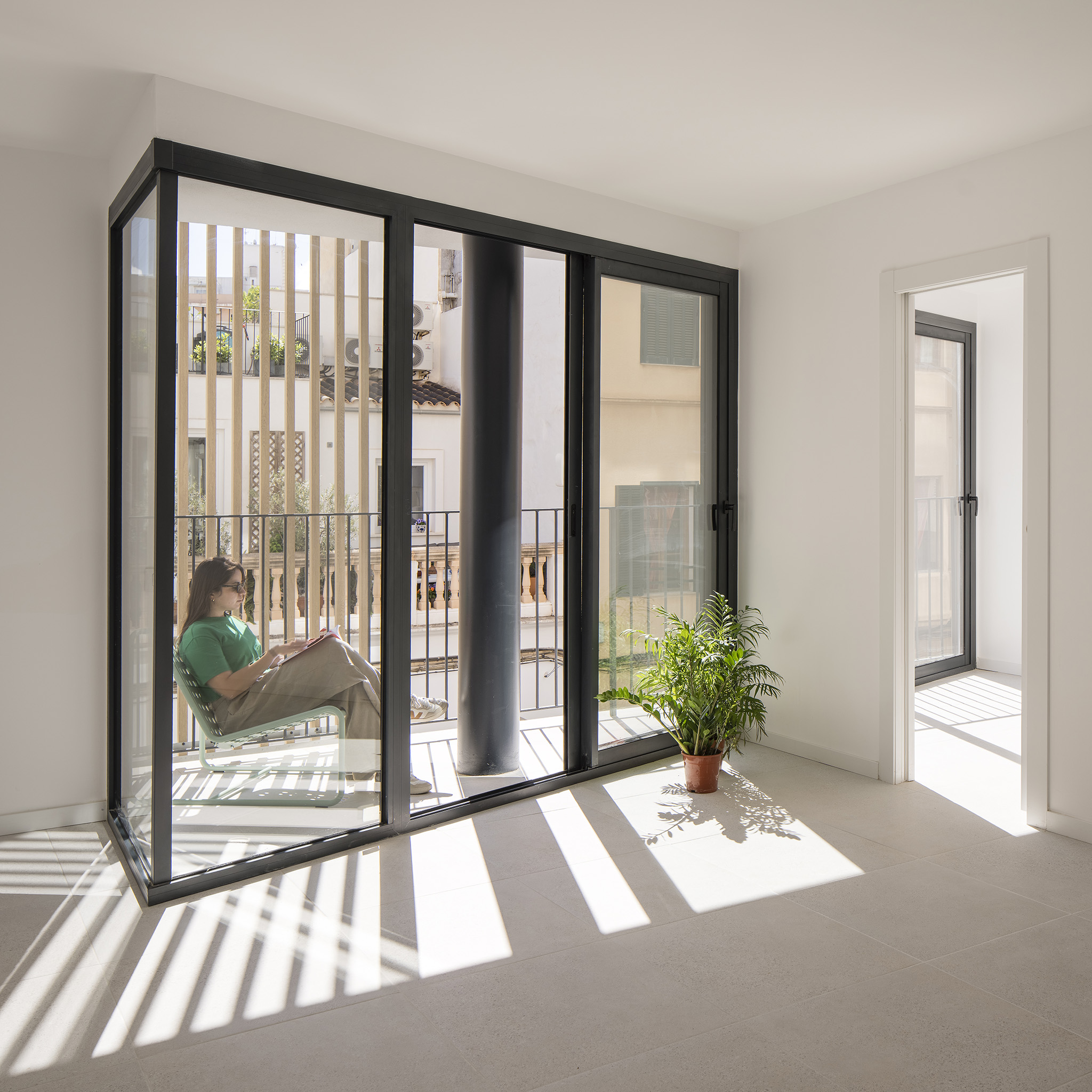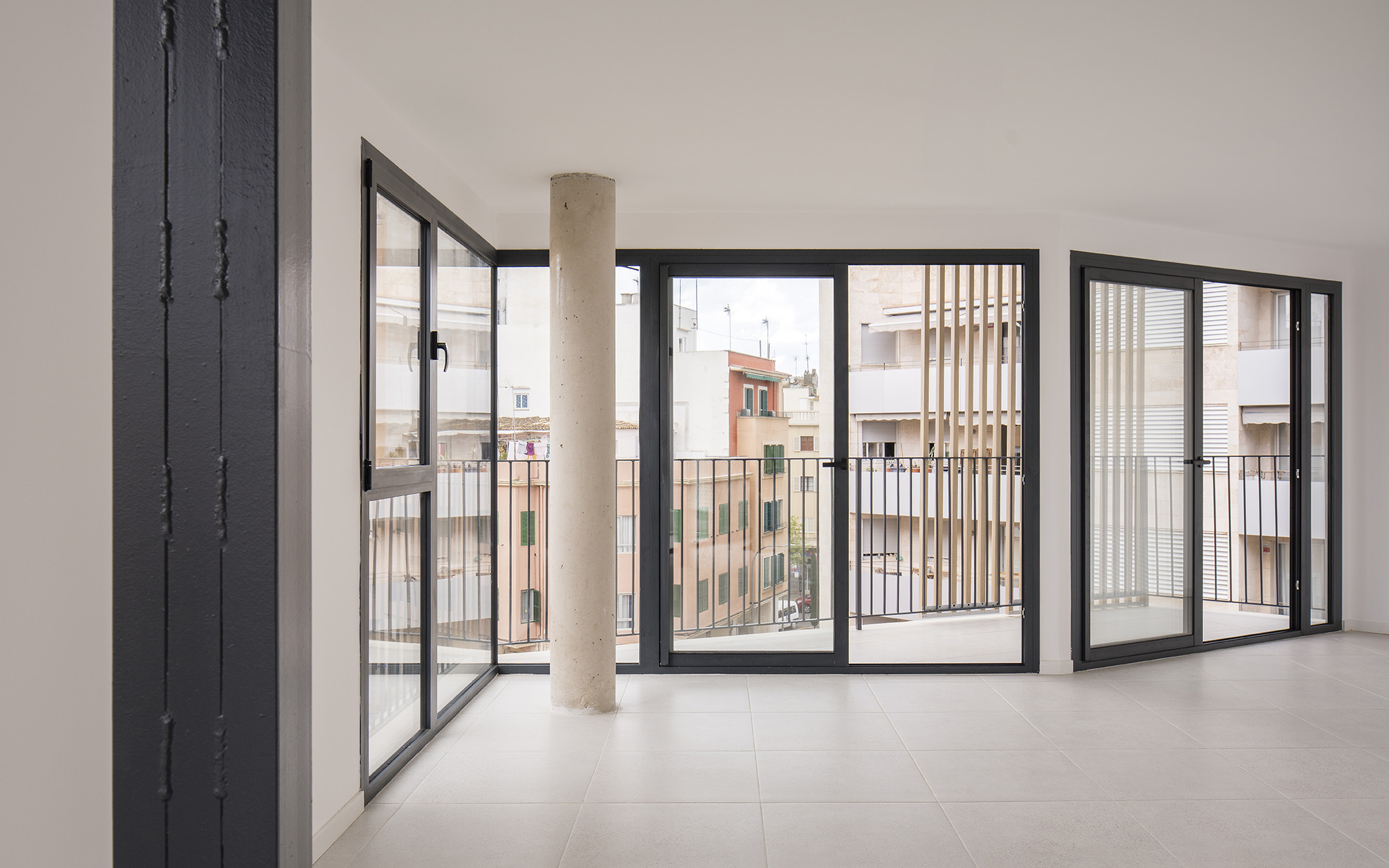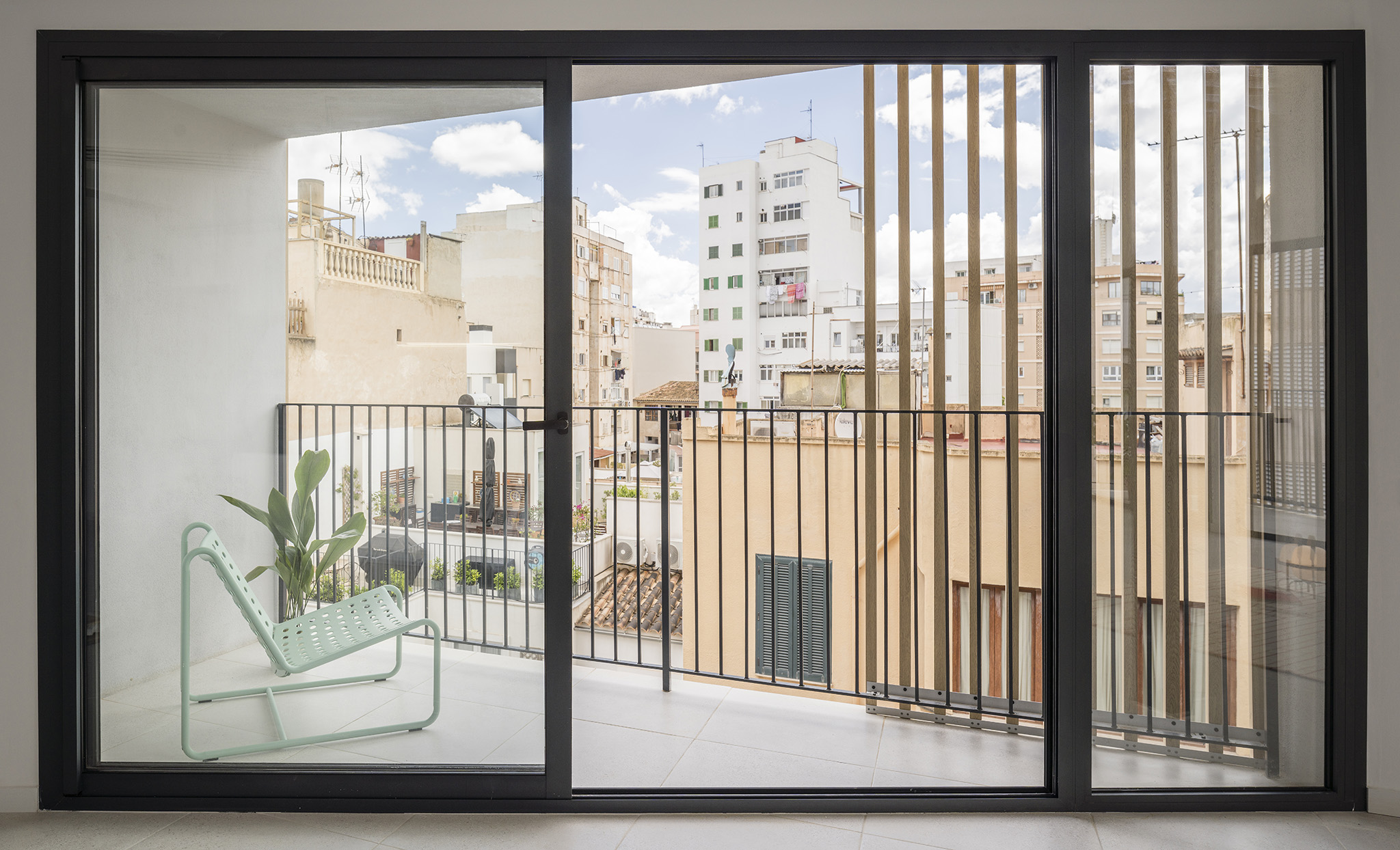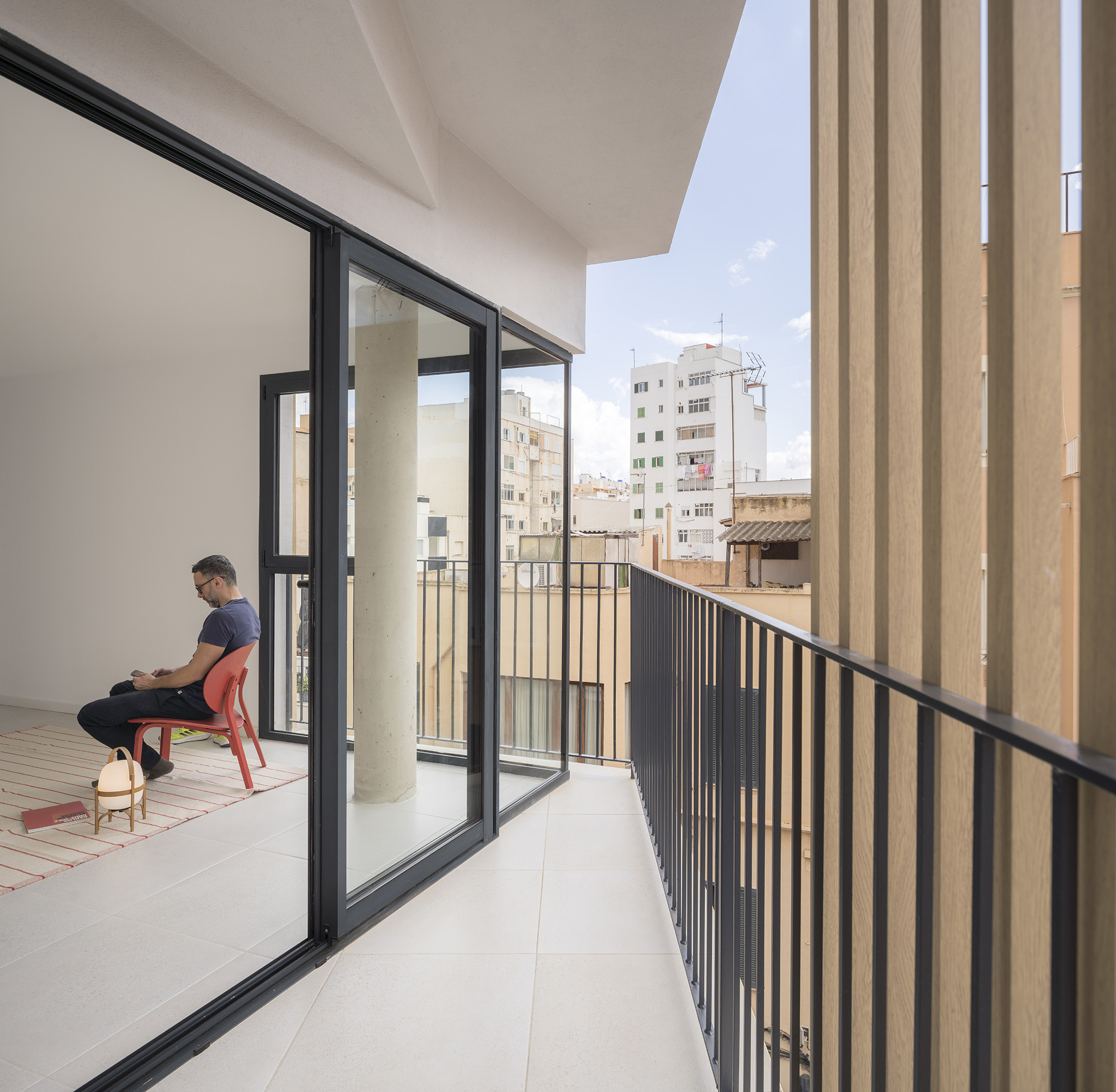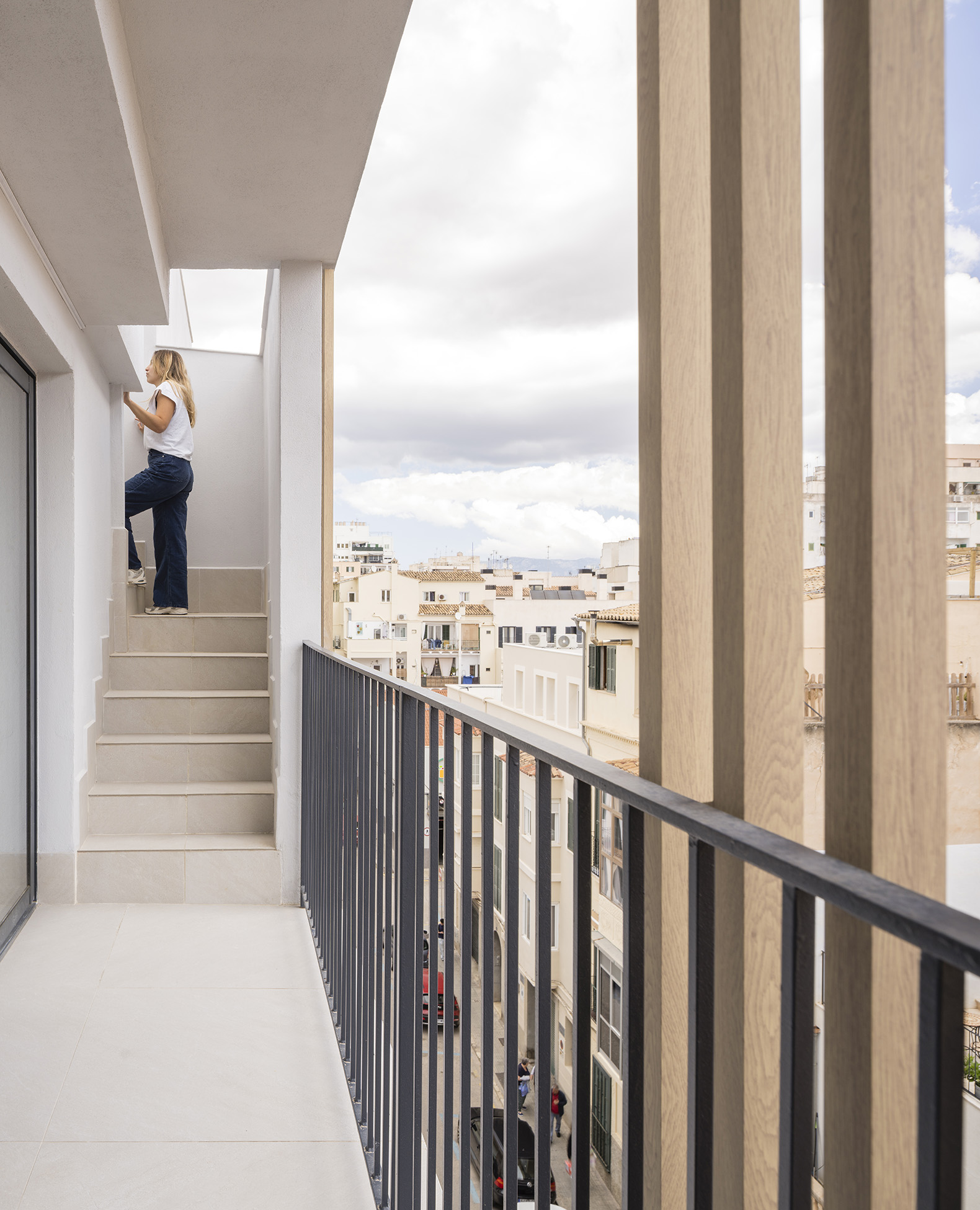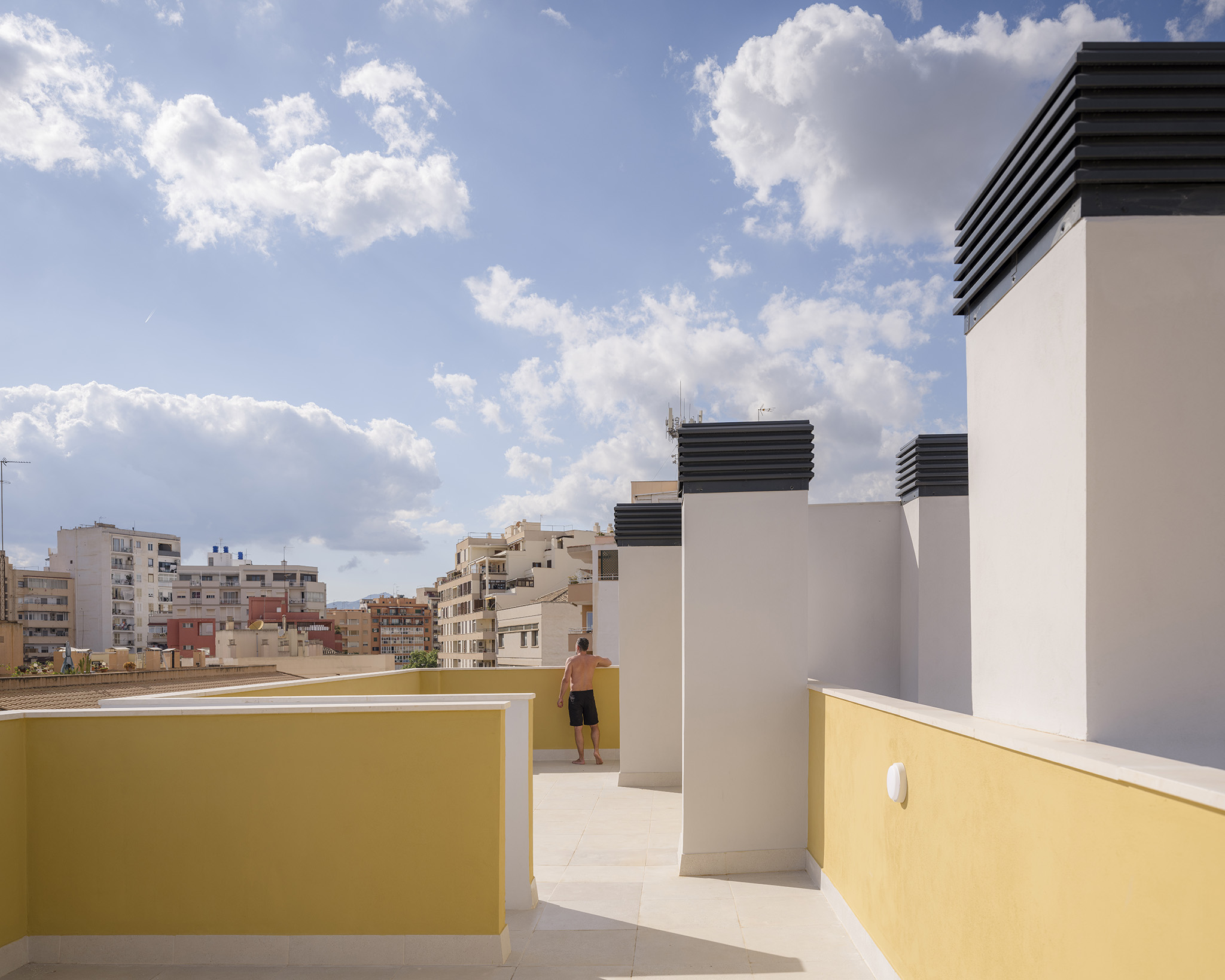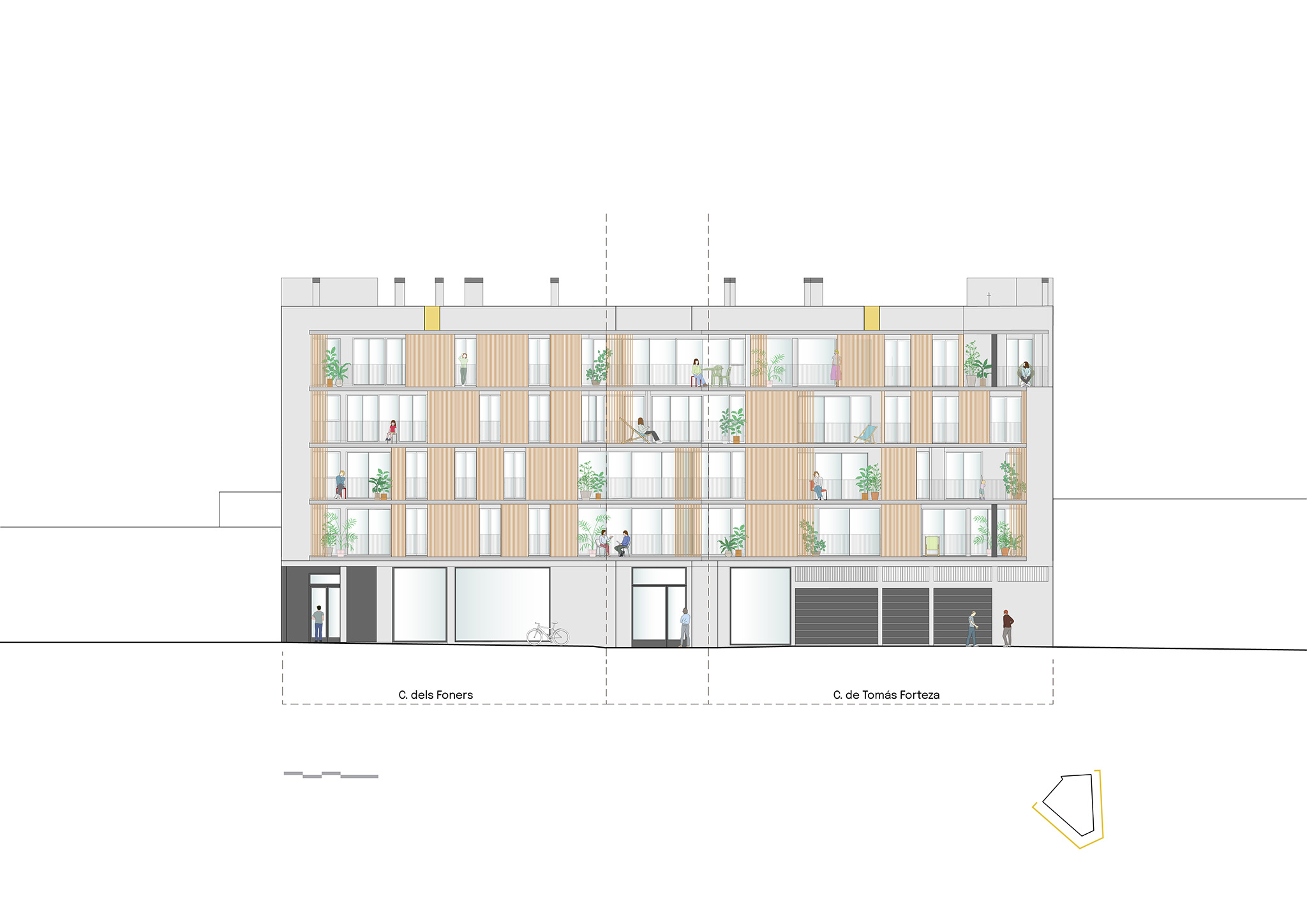
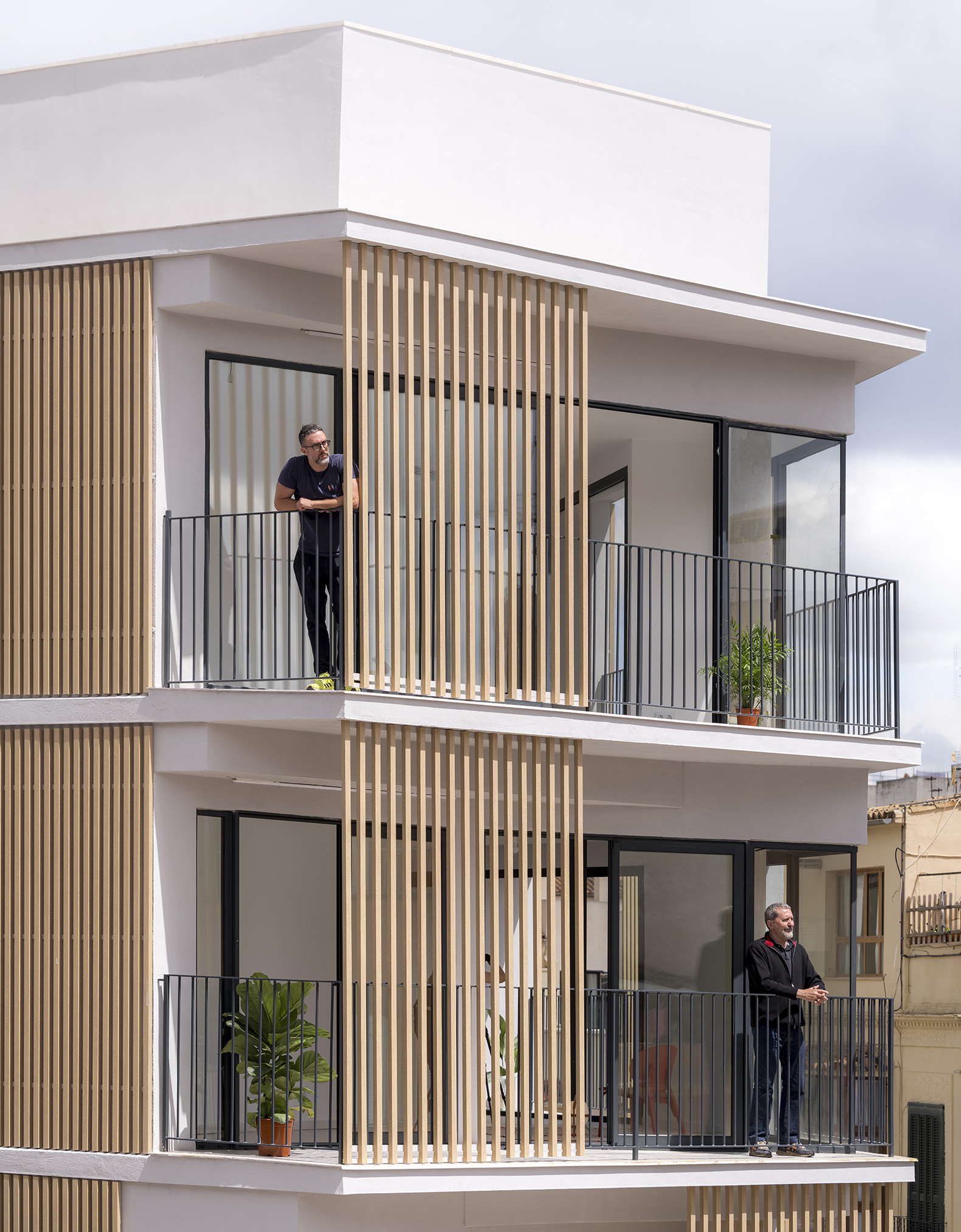
From the outside, the residential building designed by gon architects presents itself as a fragmented, small-scale volume that engages with its immediate surroundings and establishes a harmonious relationship with the city. Far from appearing as a closed and static object, a series of subtle setbacks and shifts between levels lend dynamism, porosity, and depth to the façade.
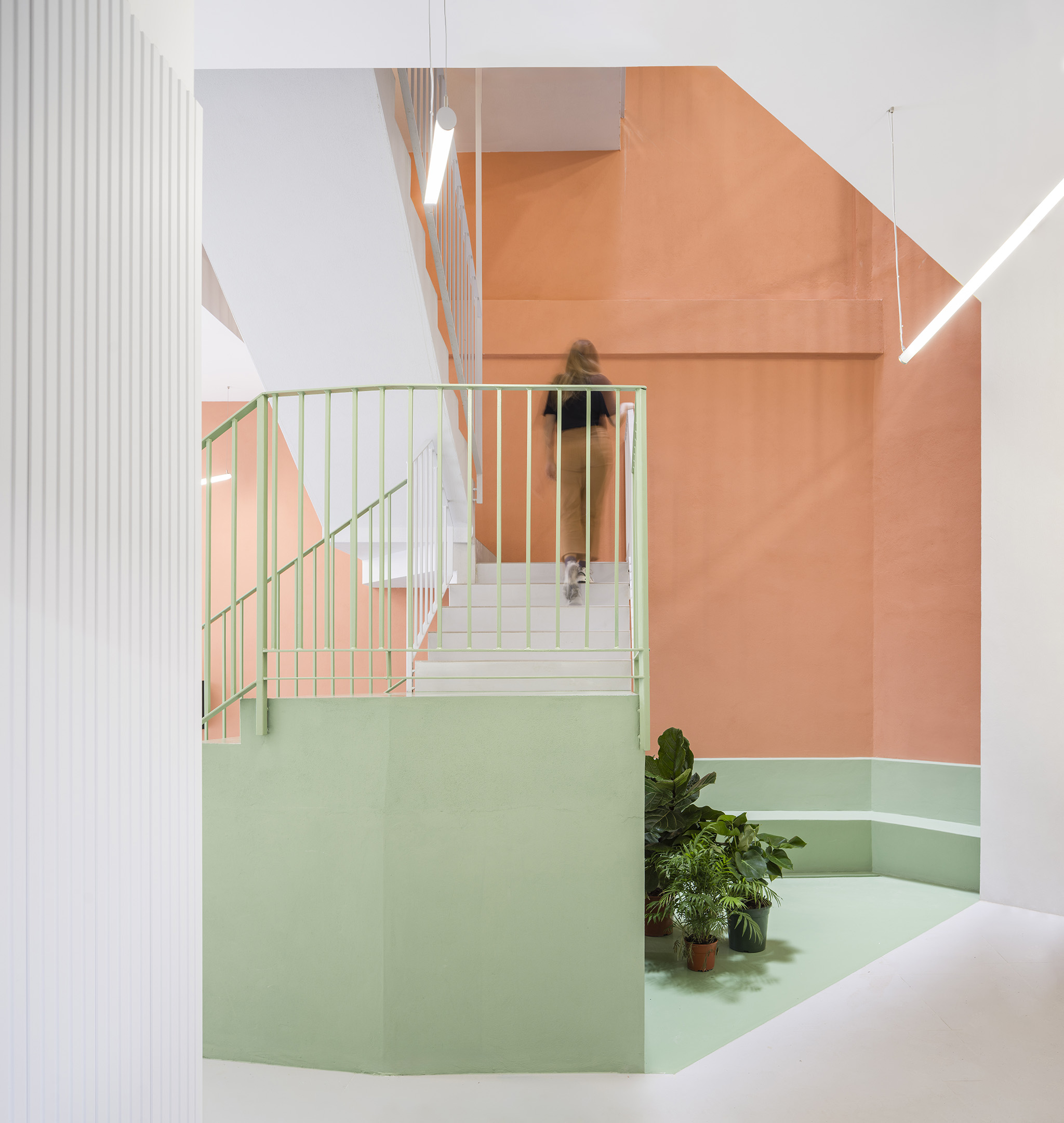
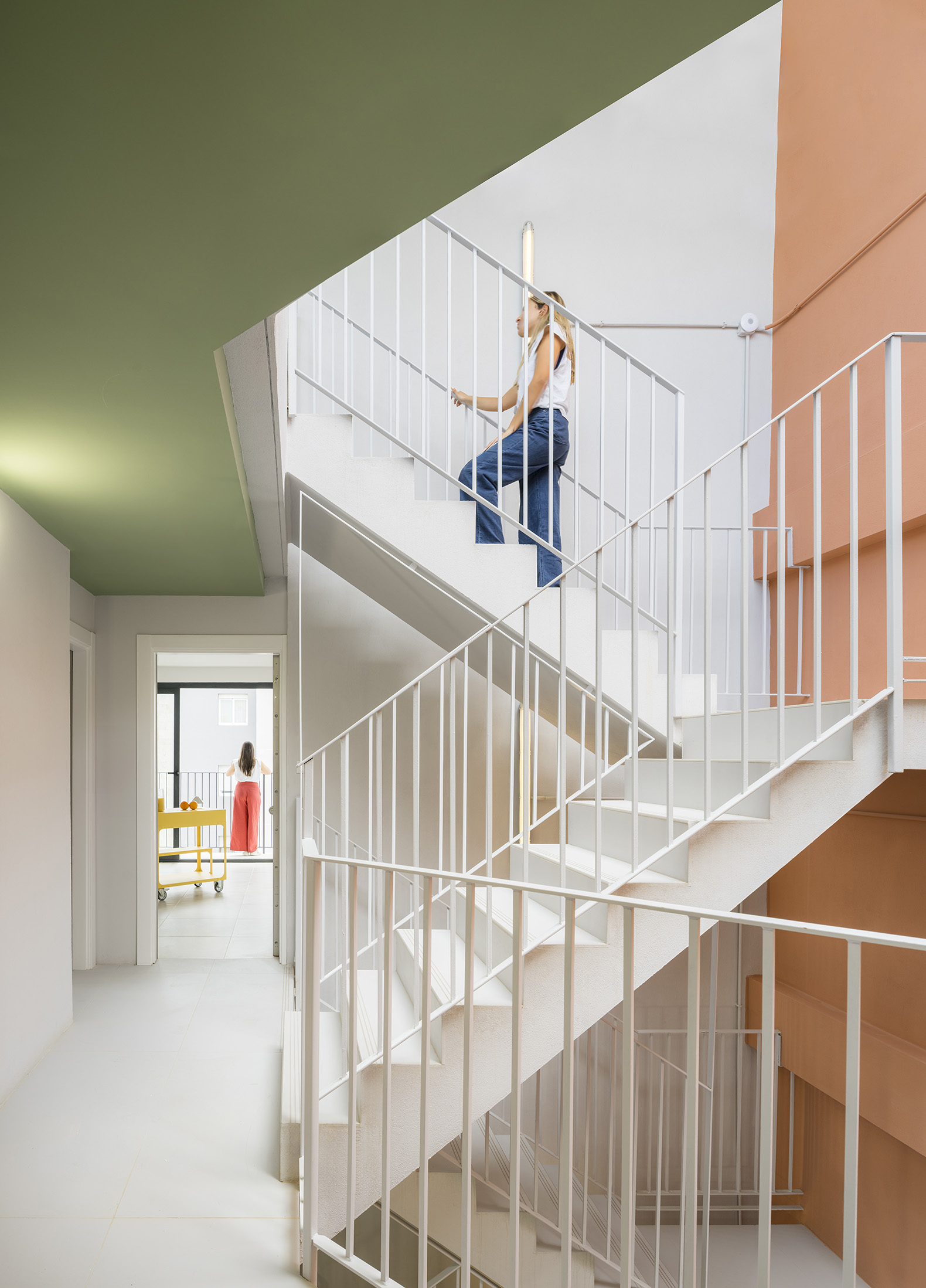
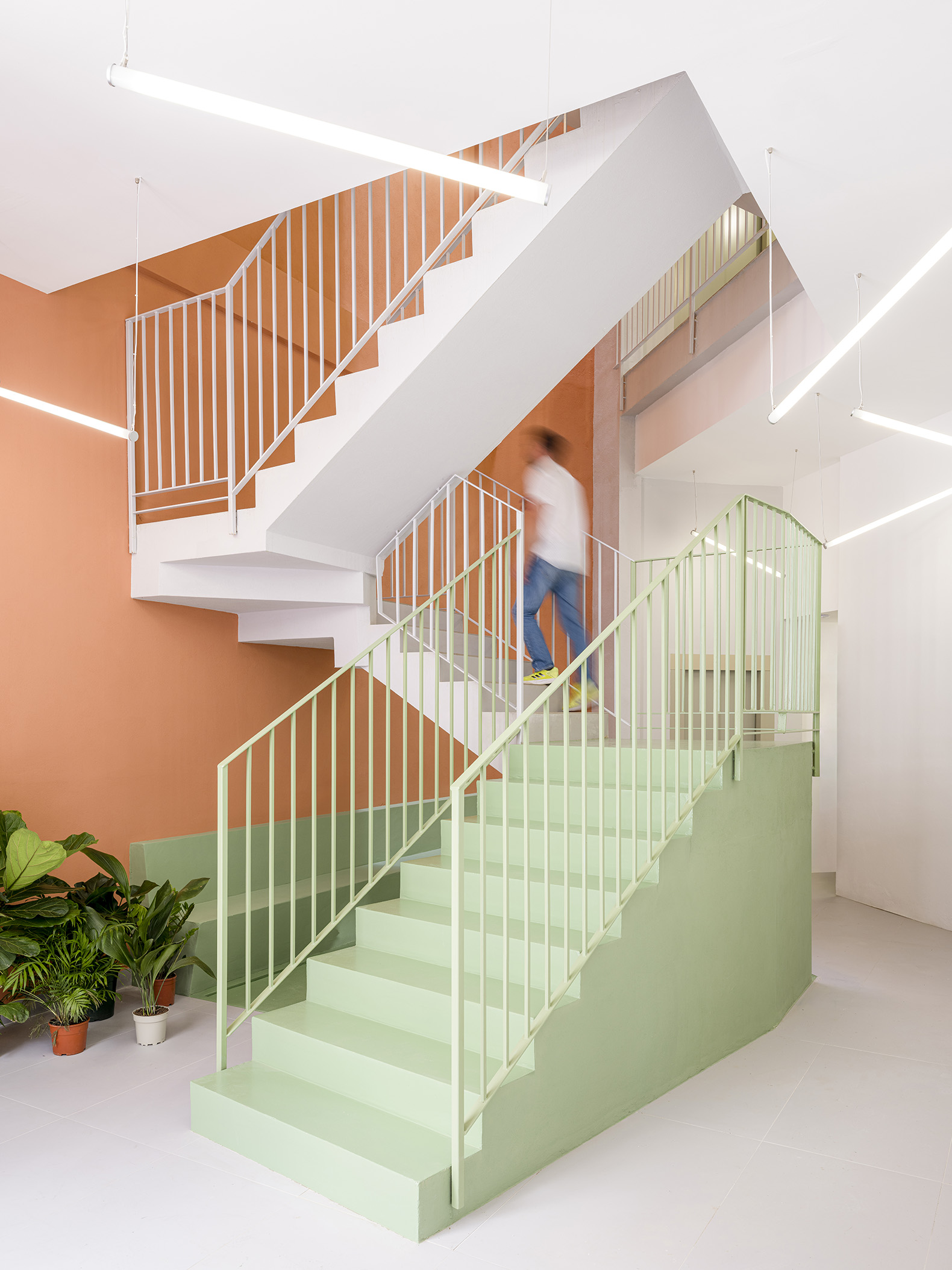
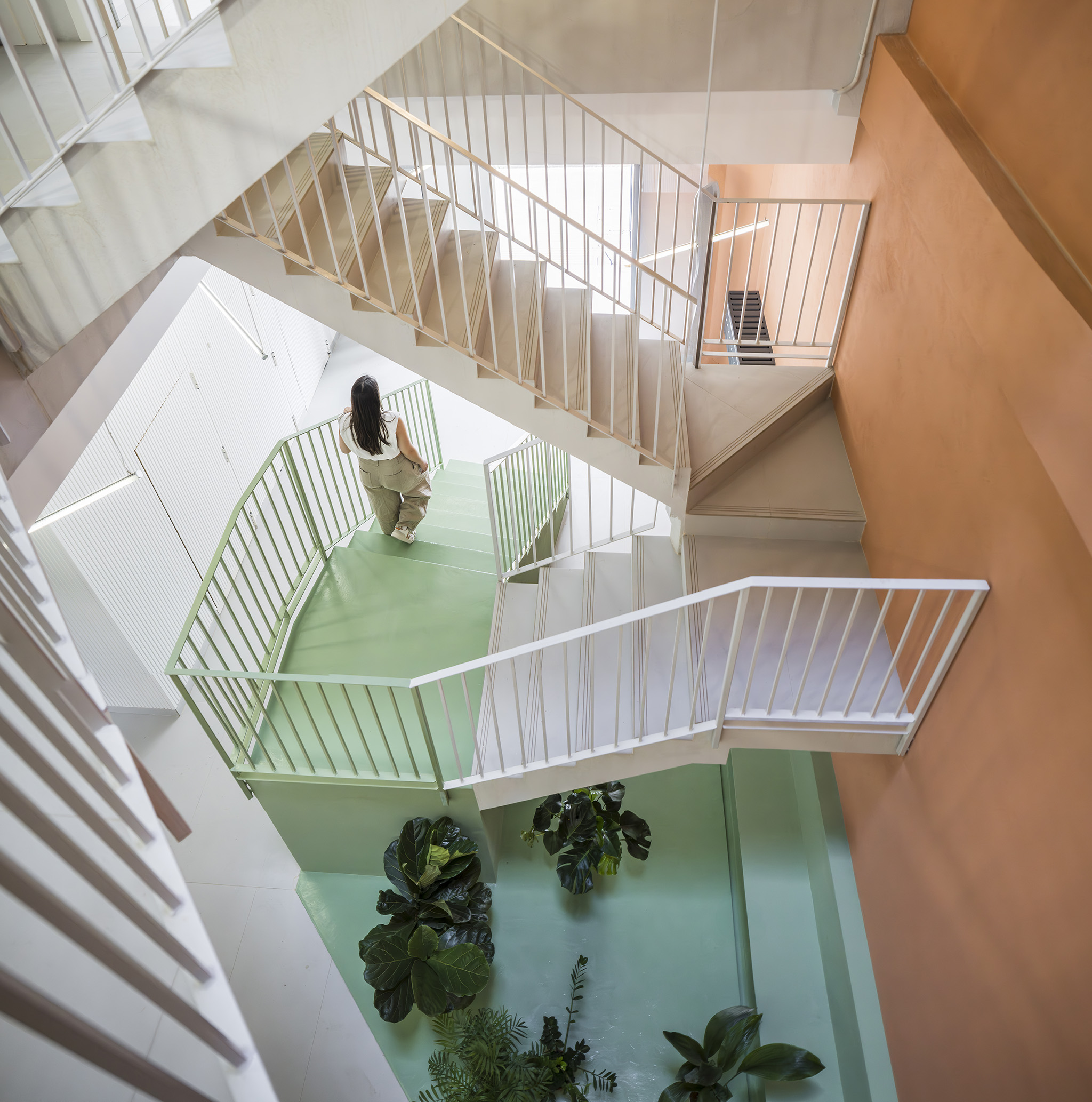
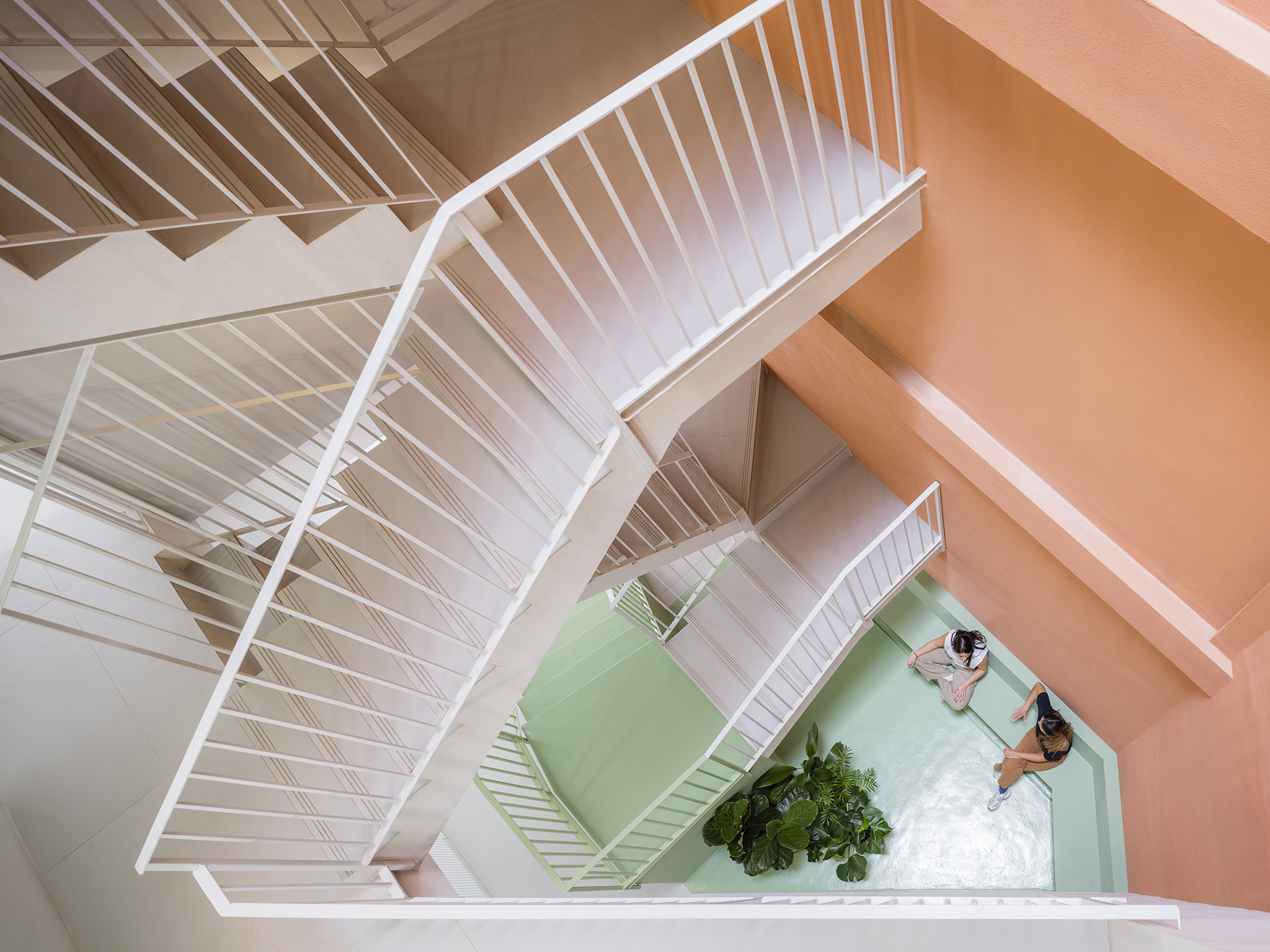
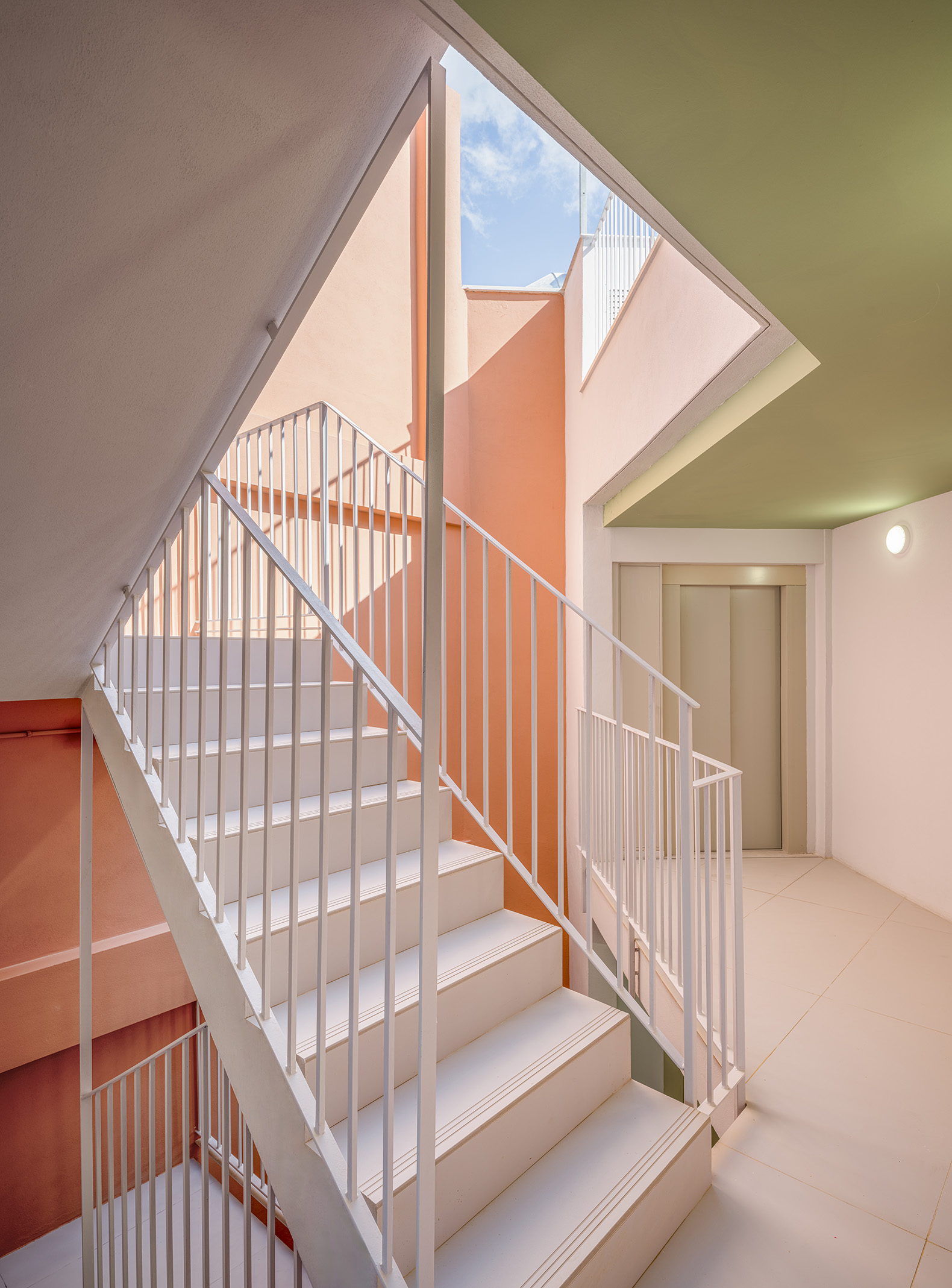
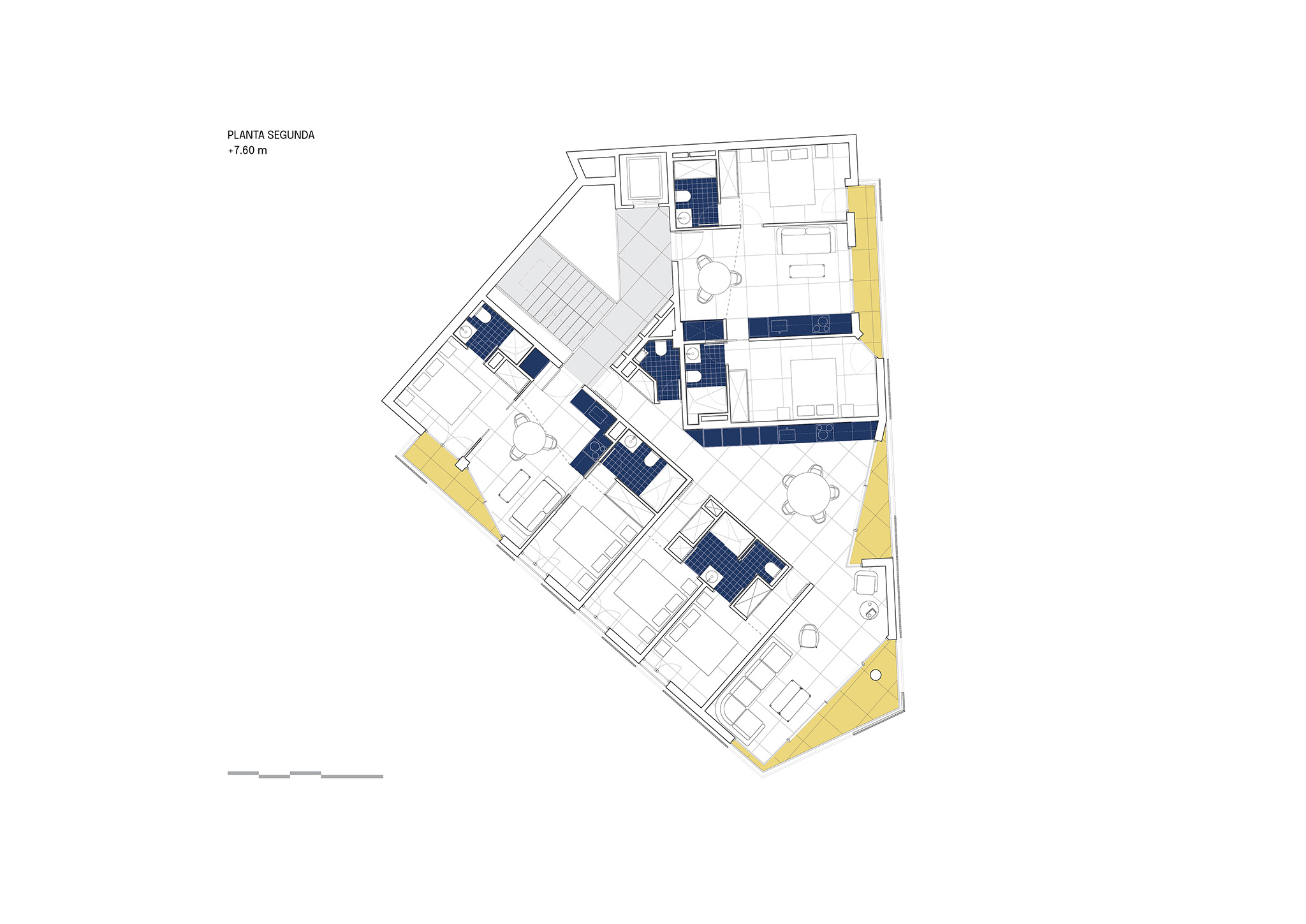
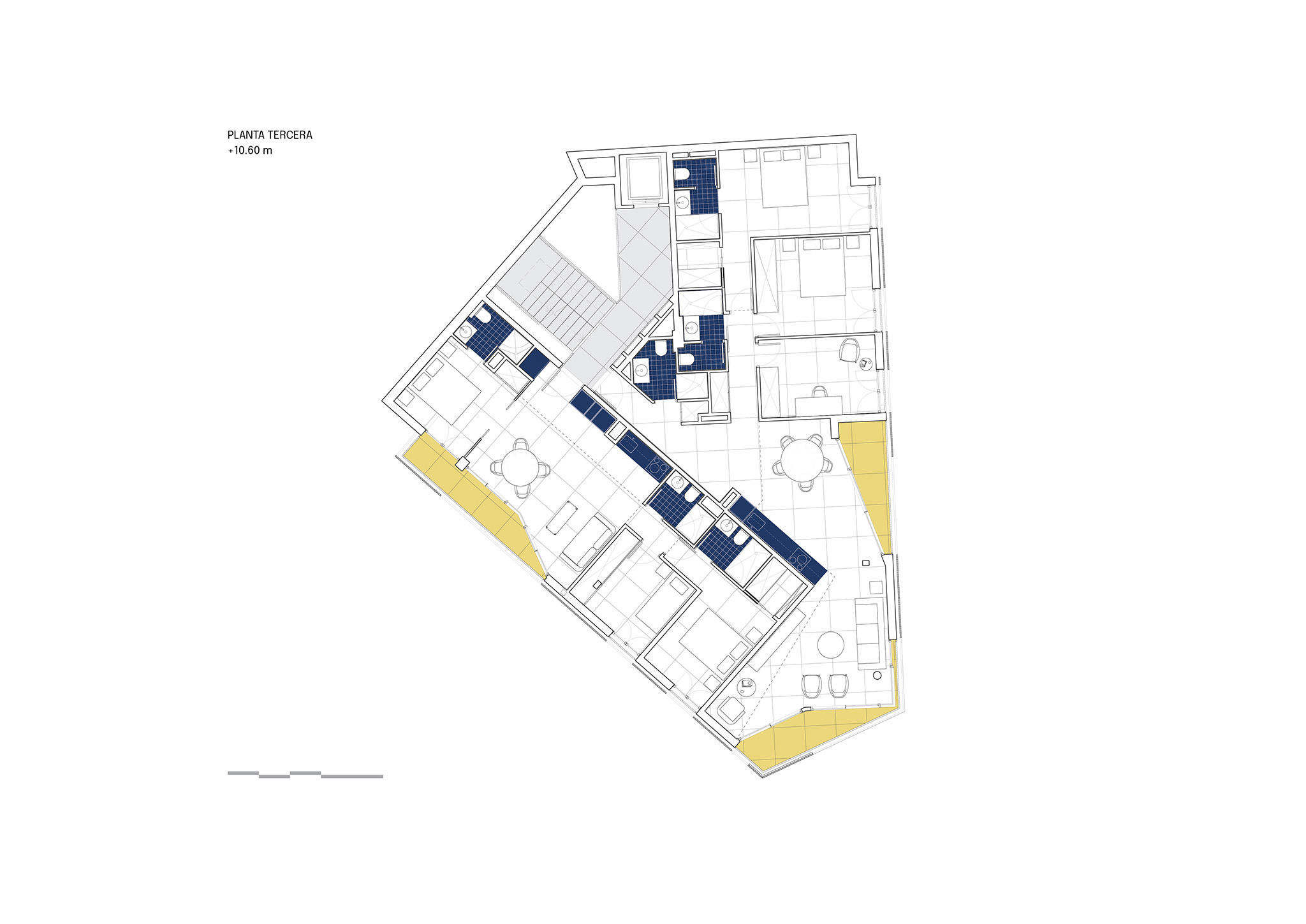
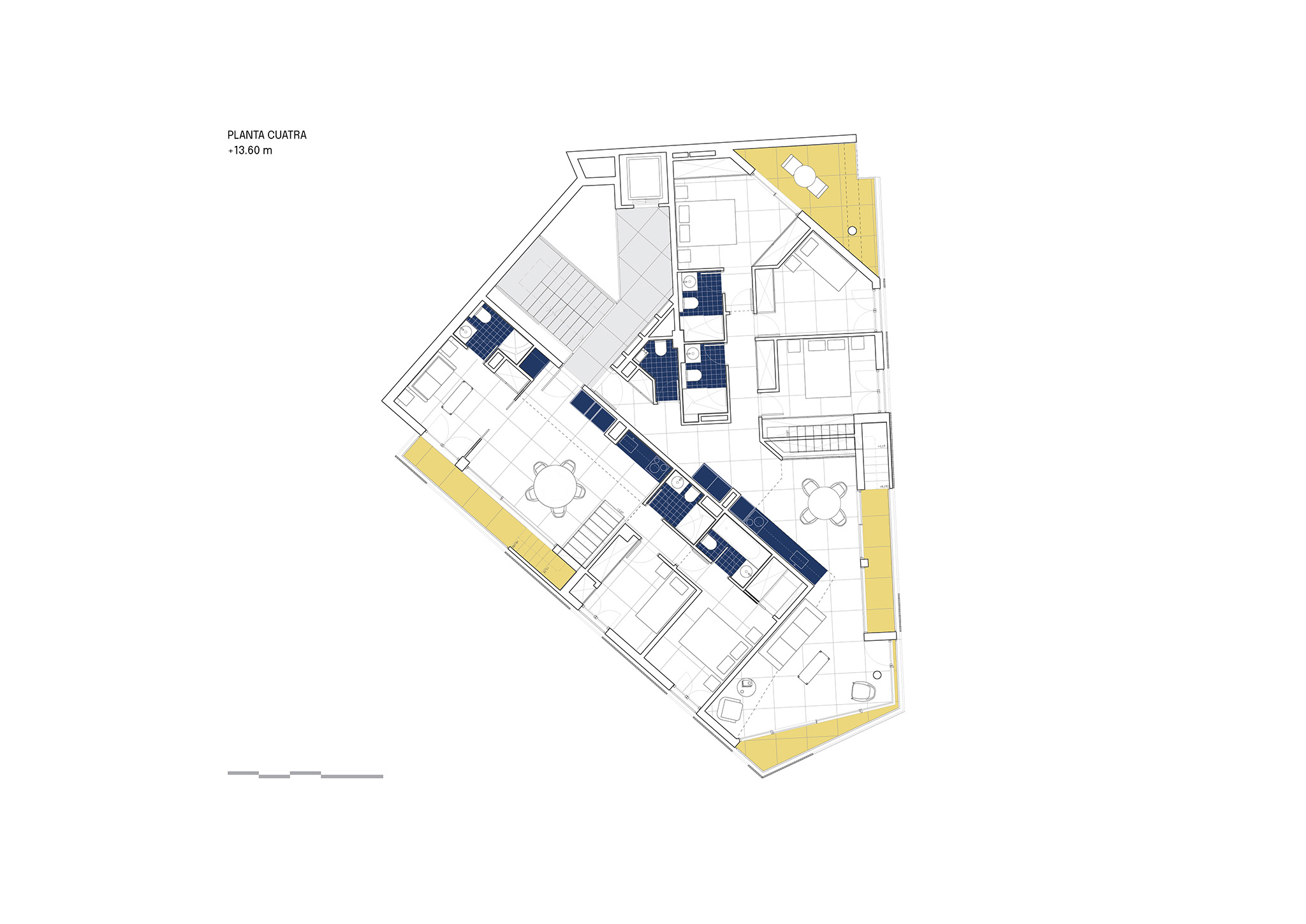
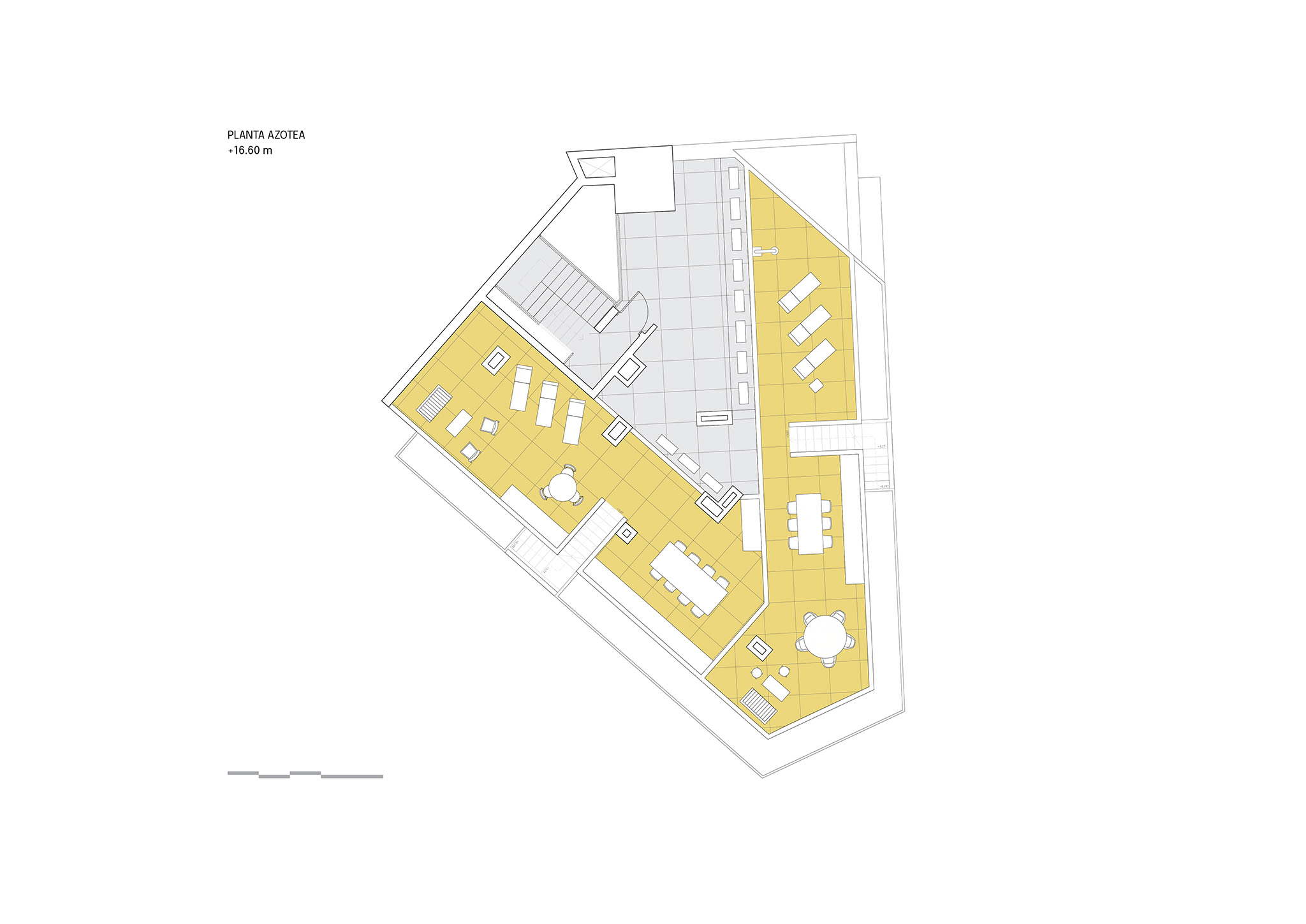
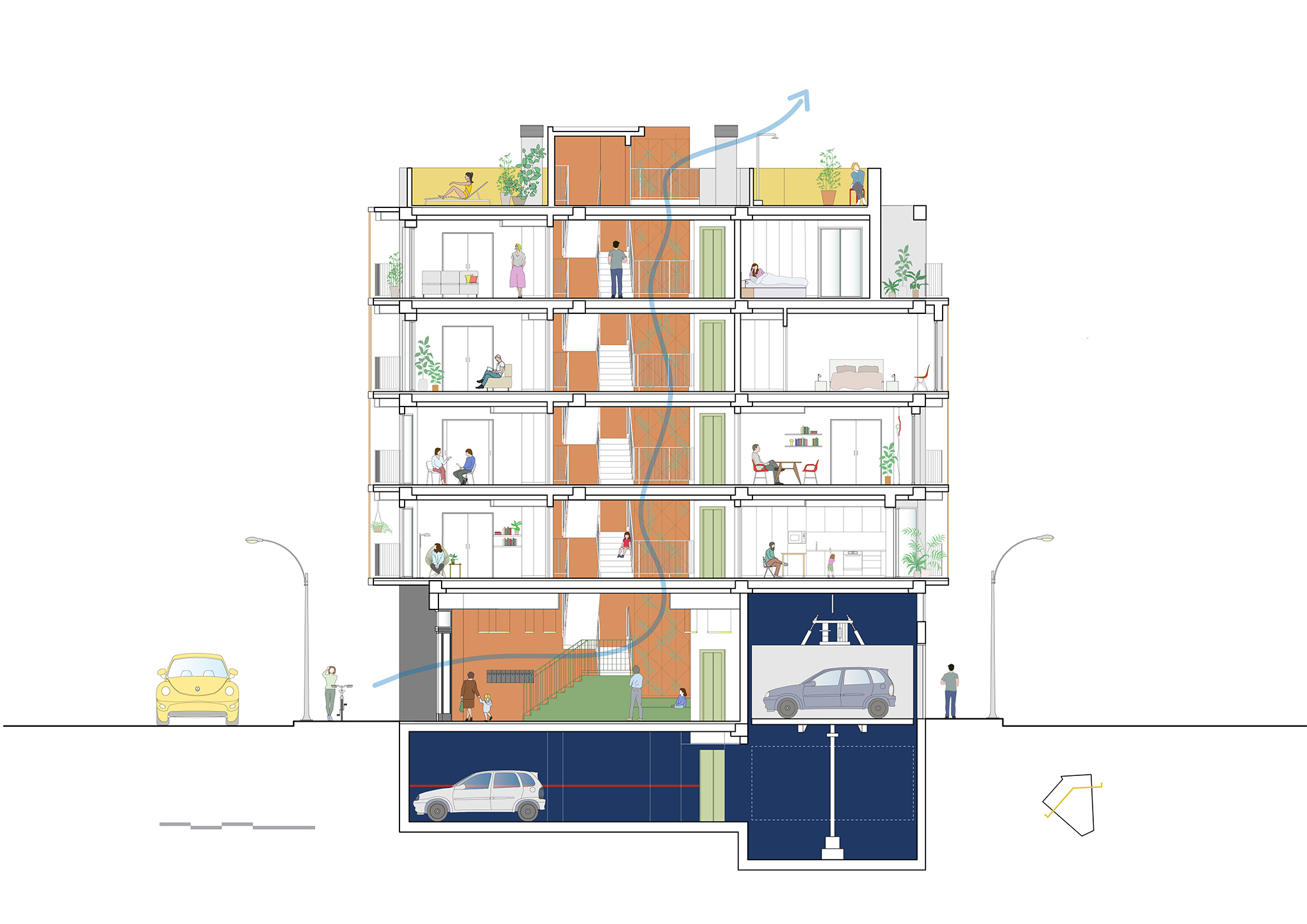
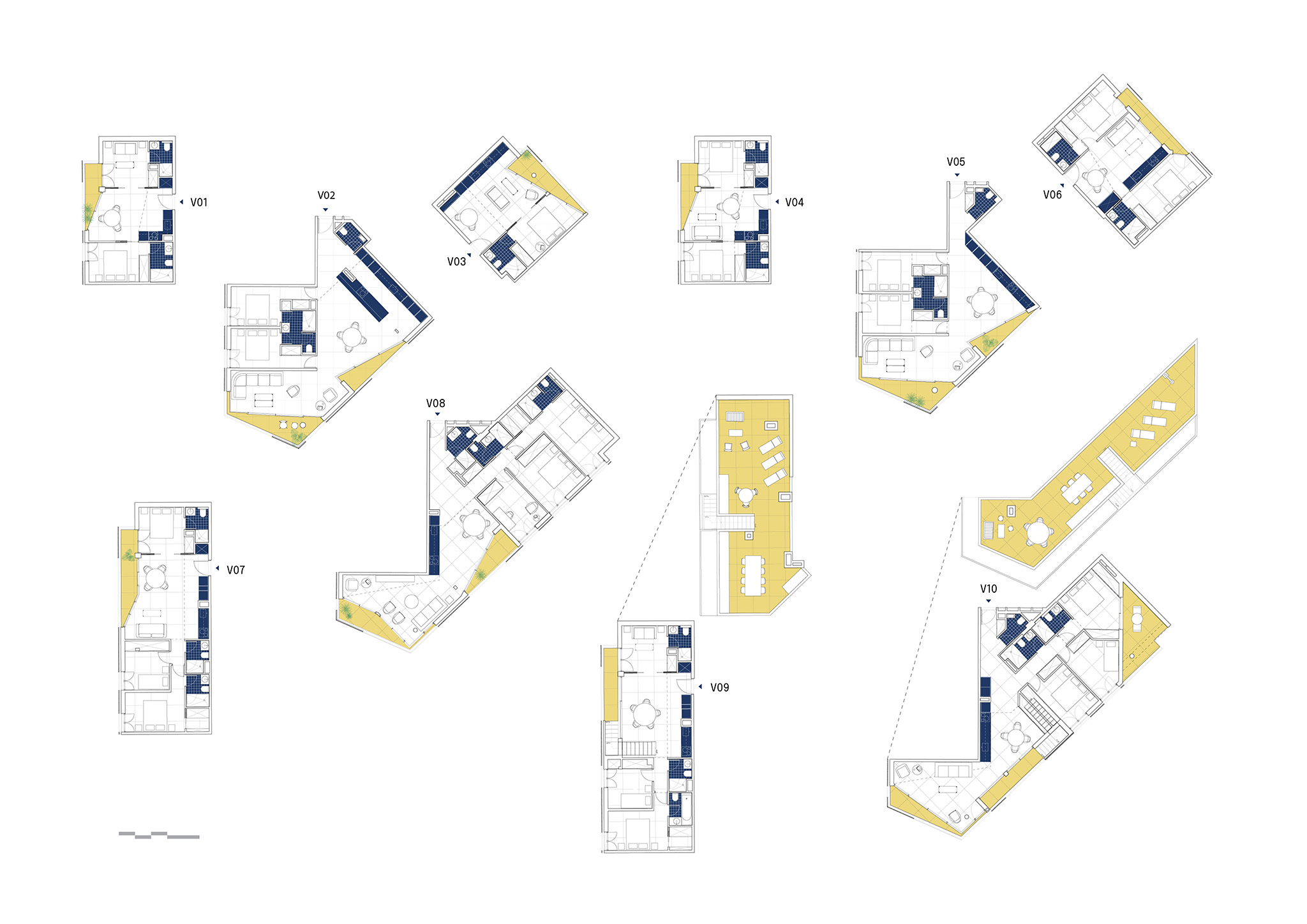
At the heart of the design, an open vertical courtyard articulates the five floors and ensures proper ventilation of the common areas. The diverse apartment layouts, with floor areas ranging from 45 to 110 square meters, explore new ways of living based on open spaces, programmatic flexibility, and a close connection with the outdoors.
Foners thus establishes itself as a new landmark for the neighborhood, marking the beginning of the transformation of this historic enclave in the city of Palma de Mallorca.
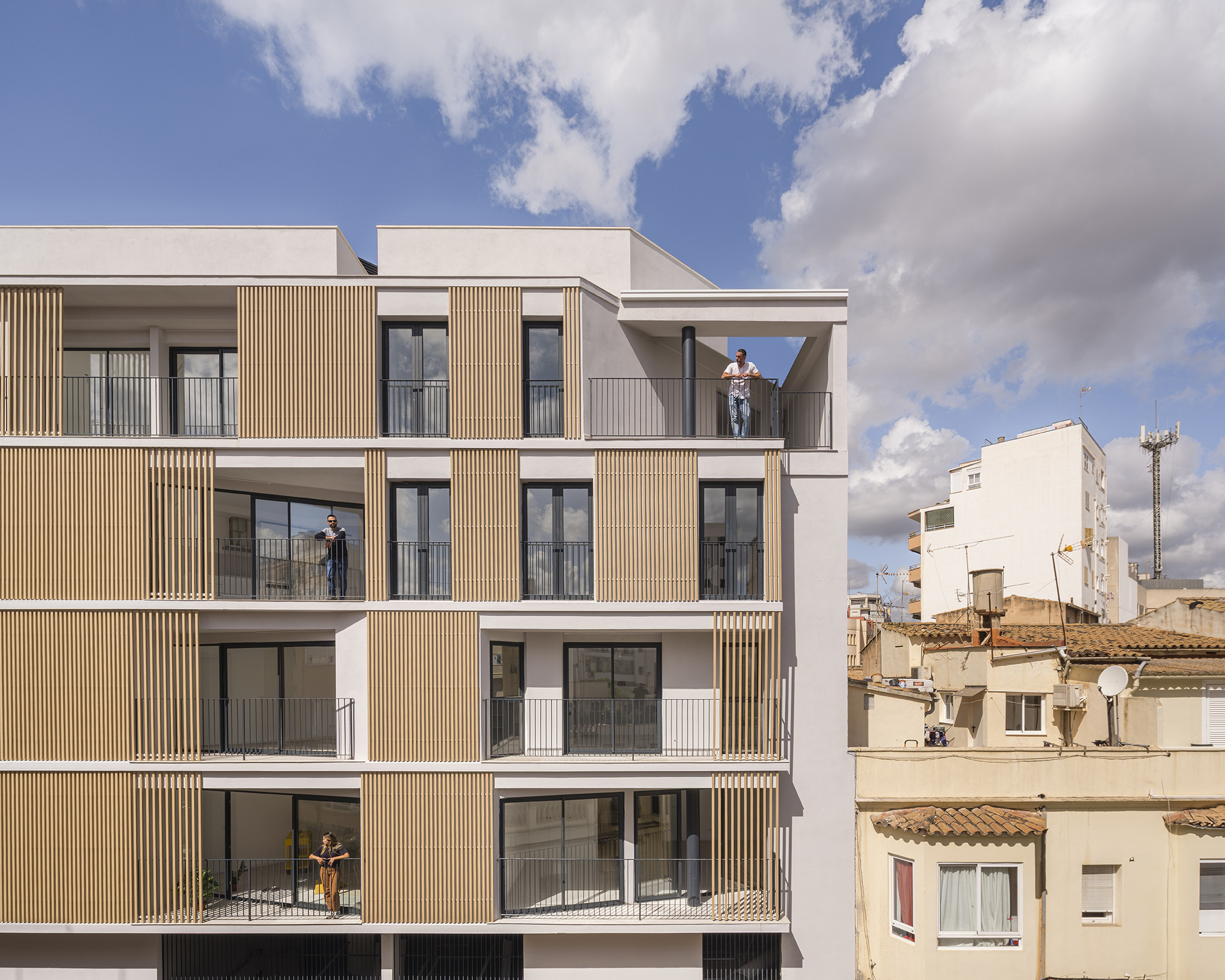
Foners, ten homes in Palma de Mallorca by gon architects. Photograph by Imagen Subliminal (Rocío Romero + Miguel de Guzmán).
Project description by gon architects
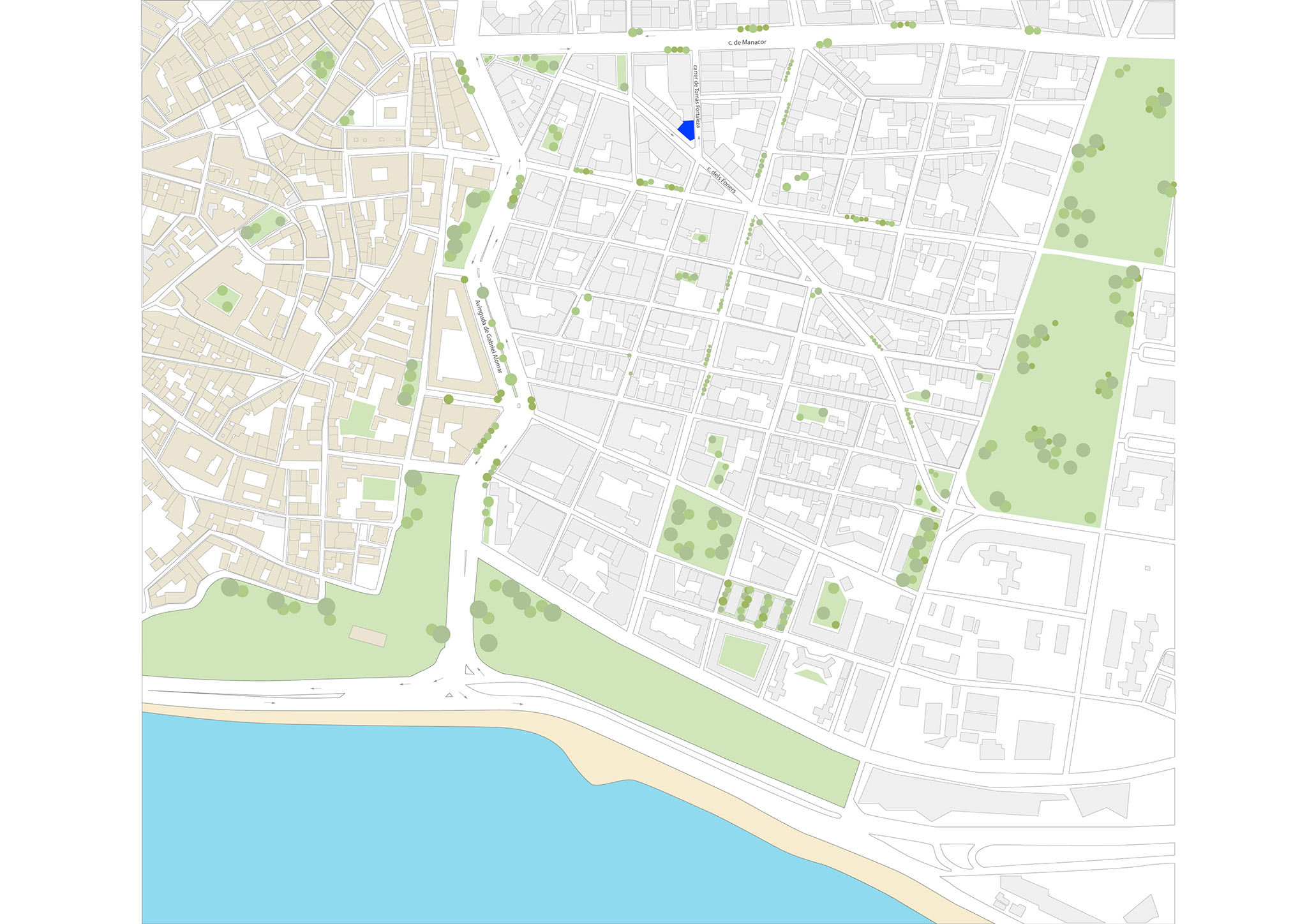
The Foners neighborhood - named after the ancient honderos, or stone-throwers - located next to Palma's bustling old town, on the island of Mallorca, is an area that has deteriorated over time, both socially and architecturally, and is currently undergoing a process of urban regeneration.
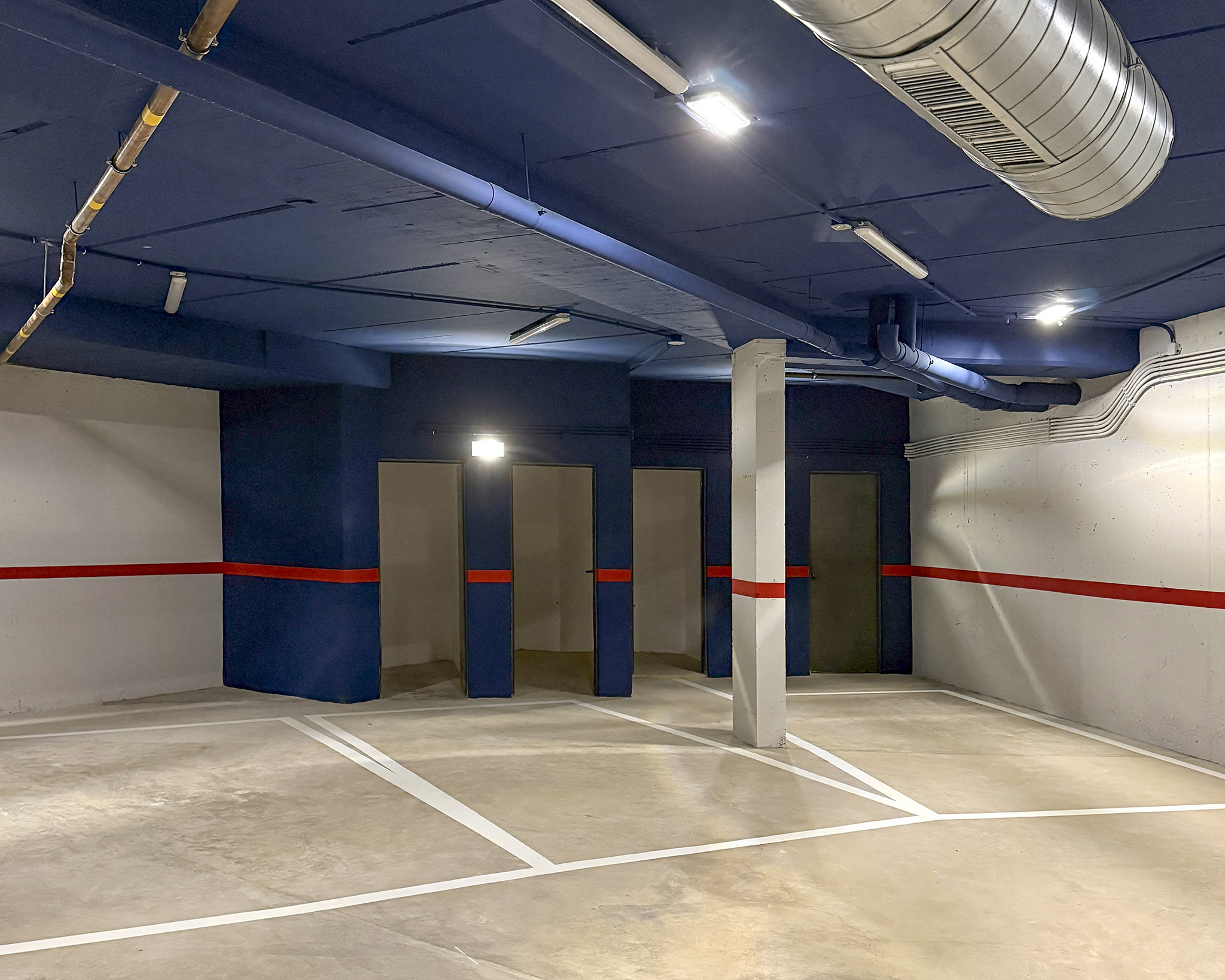
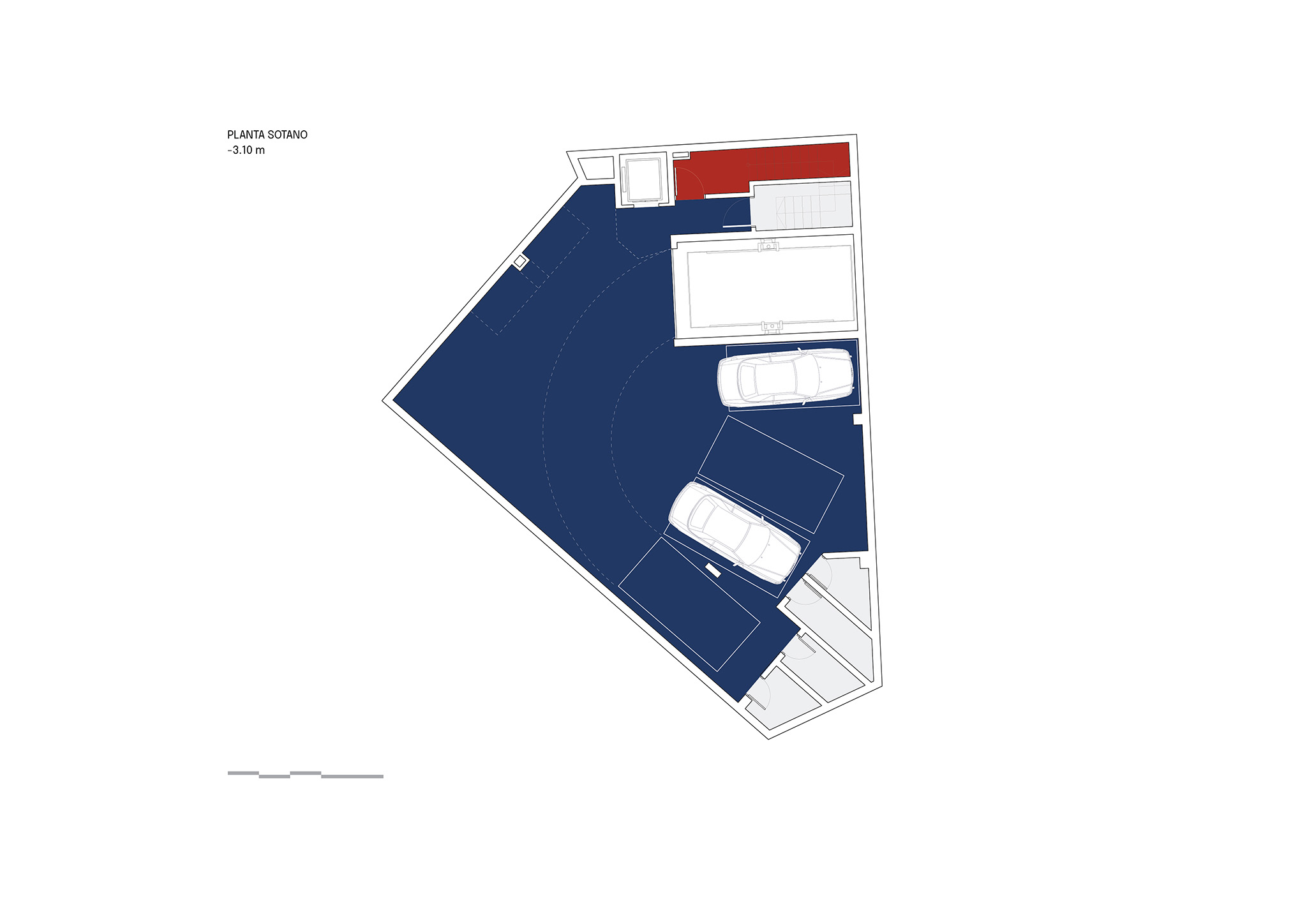
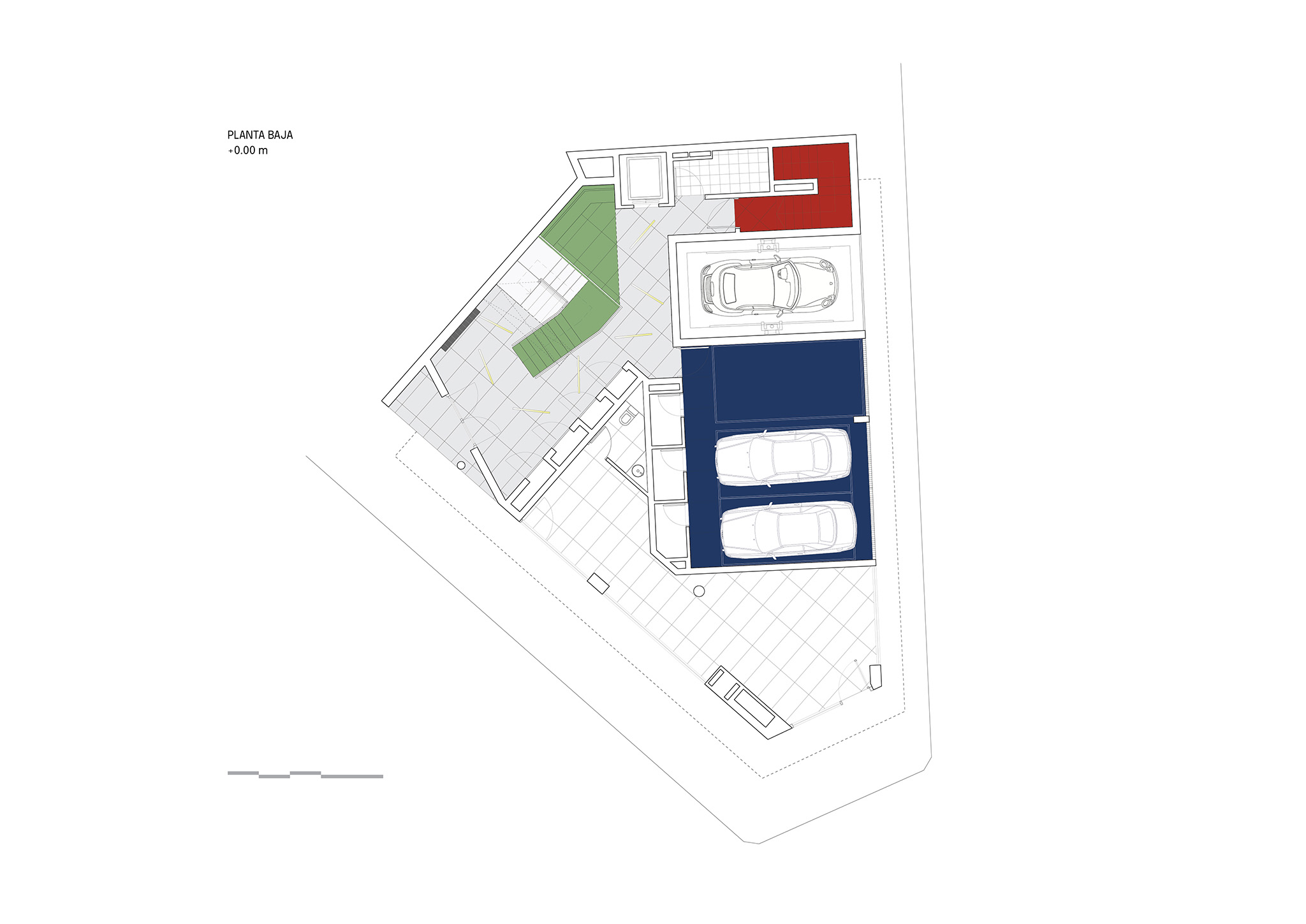
At the heart of this neighborhood stands one of the first residential buildings - and the first by gon architects - contributing to the recovery of the urban fabric. The building comprises a ground floor plus four upper levels and contains ten apartments, surface-level parking, underground parking, and a commercial space yet to be developed.
The project, which has taken six years to complete, was carried out under significant economic and technical constraints resulting from the 2020 pandemic and the subsequent material shortages caused by the war in Ukraine. Despite this, the building was completed at a construction cost of less than 1,200 euros per square meter.
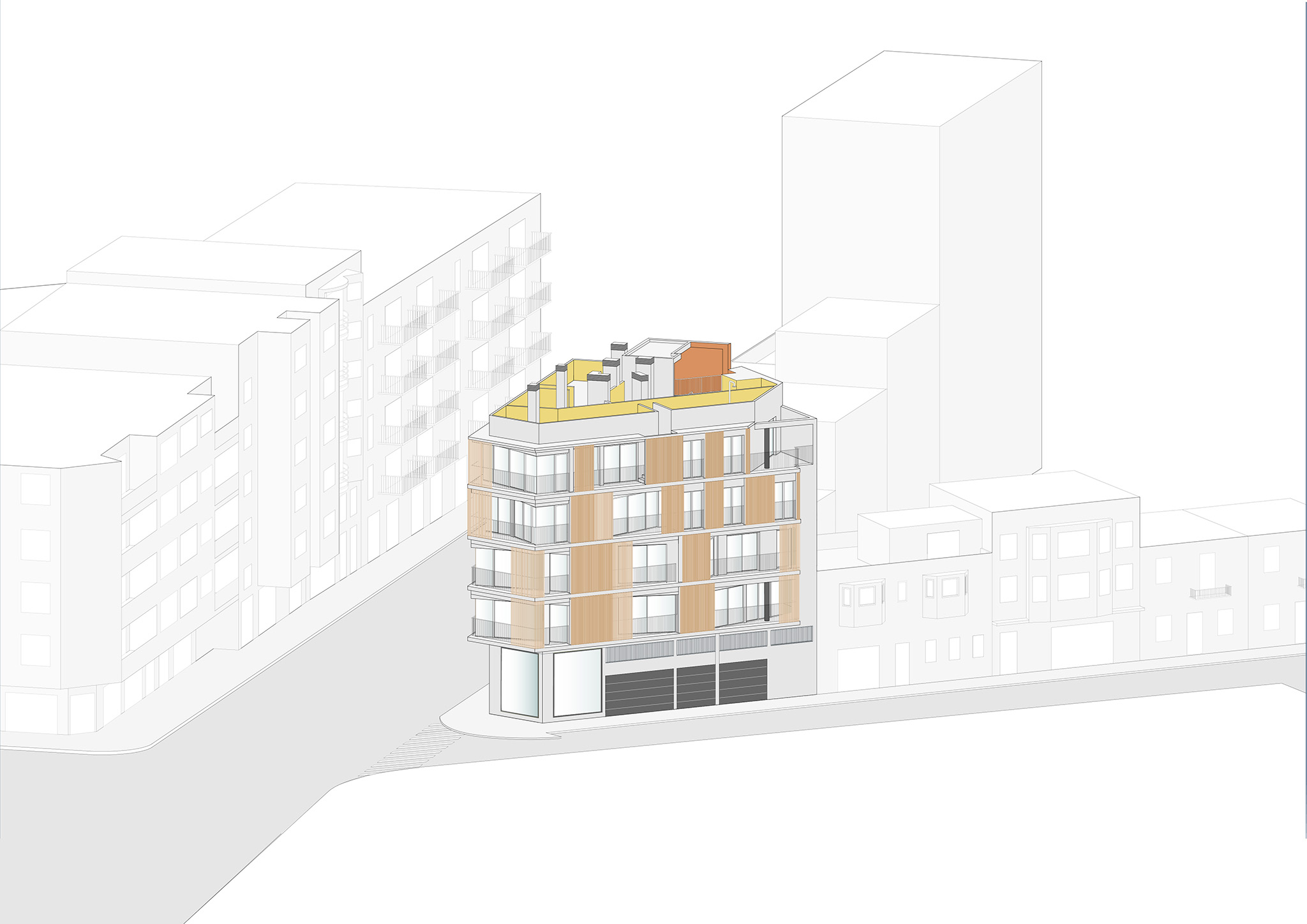
Far from being conceived as a closed or self-referential volume, this architecture is born with the explicit ambition of city-making. It does so through restraint and strategic thinking: fragmenting its mass into a layered volume that reduces its scale to engage in dialogue with its surroundings, establishing a more welcoming, domestic, and approachable relationship with the neighborhood and its inhabitants.
The most distinctive feature of the site is its privileged corner location, marked by a sharply angled chamfer, within a dense and irregular residential block. The footprint - an irregular pentagon of just 201 square meters - opens onto three orientations (east, south, and west), and its layout was undoubtedly one of the main challenges of the project.
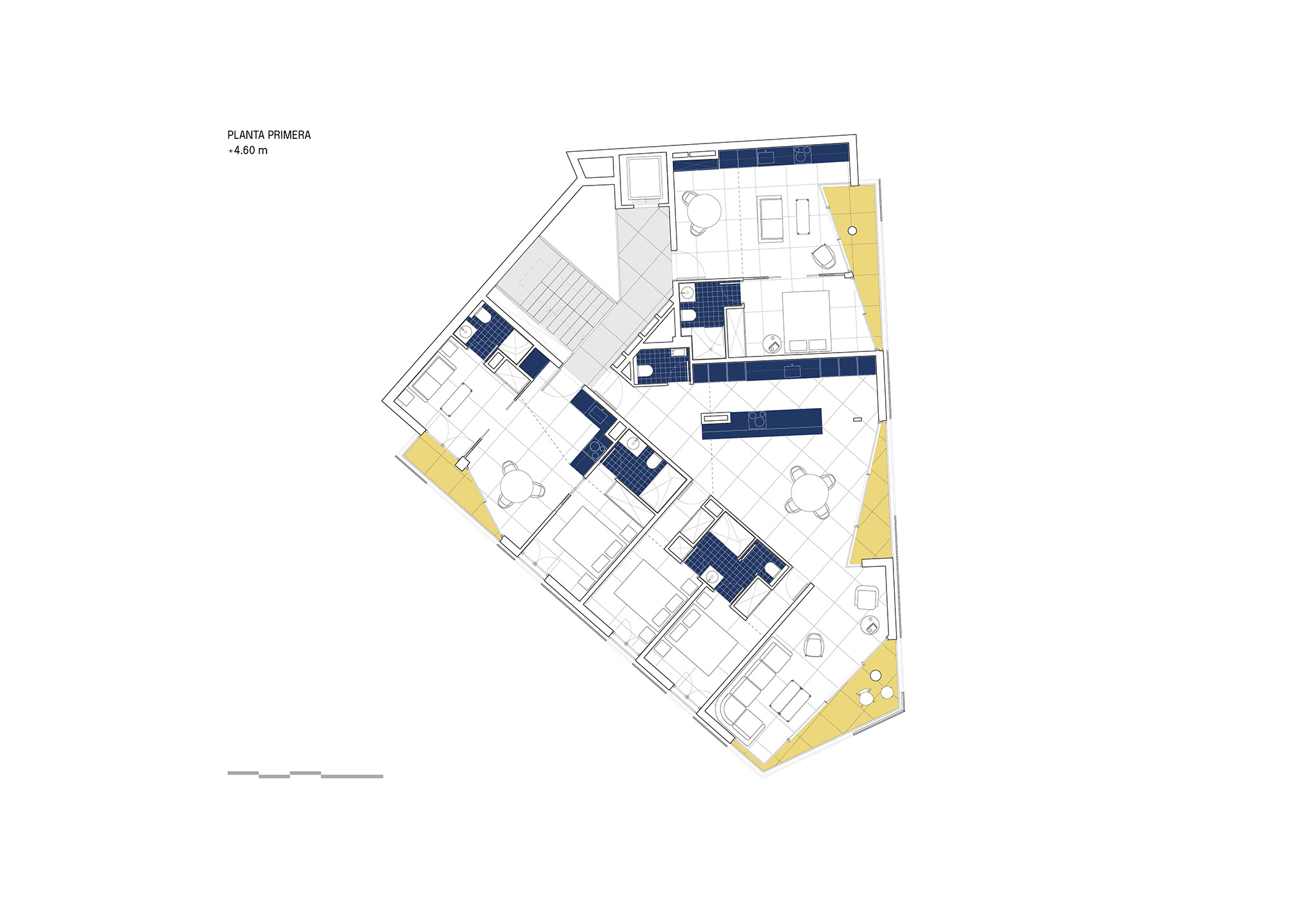
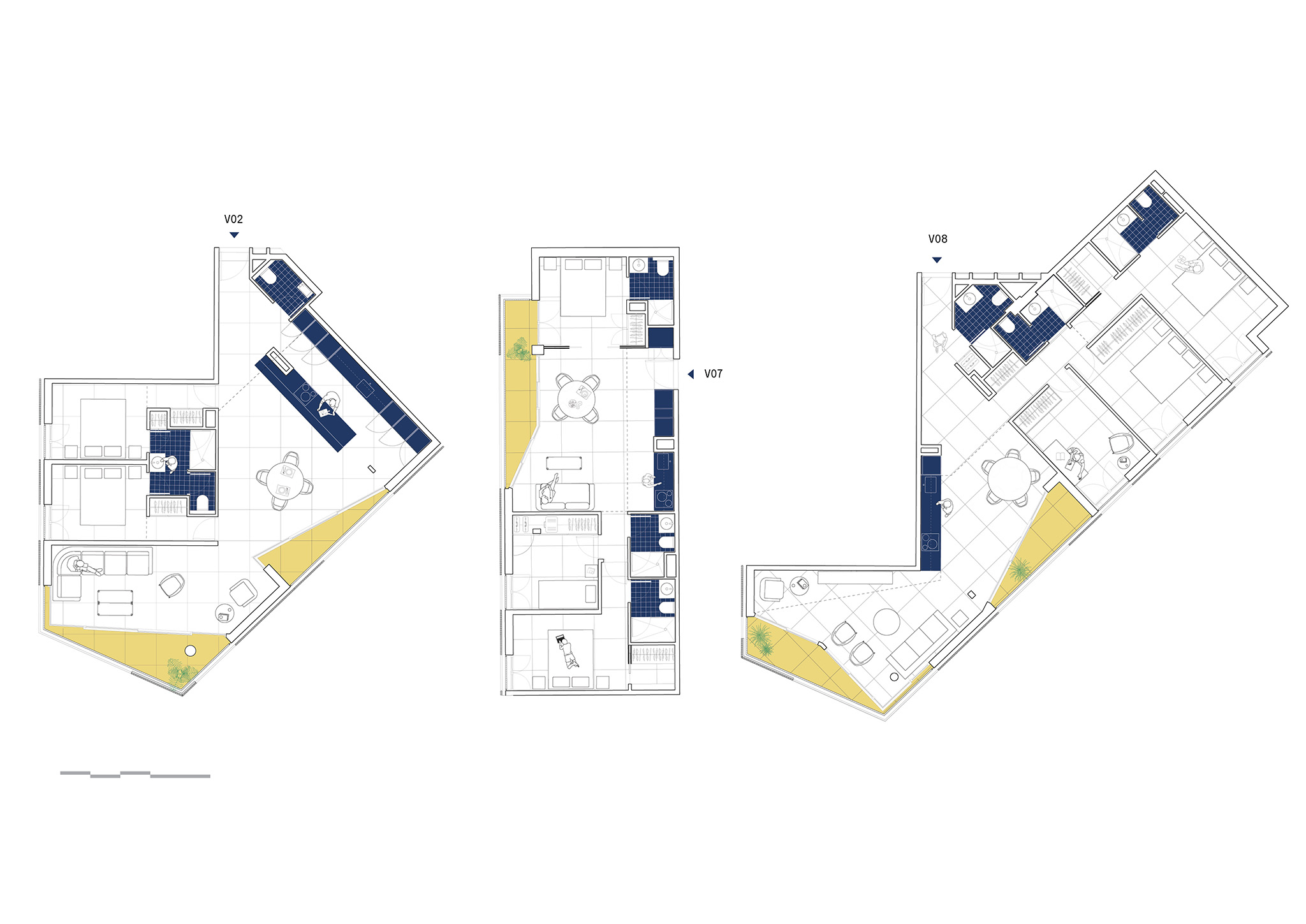
With the aim of making the most of the plot’s footprint and obtaining the maximum possible number of units within the buildable volume, a compact organizational system was devised. This is structured through walls laid parallel to the façades, set back by 4.5 or 6 meters depending on orientation and the intended use (bedrooms or living rooms) of each space. Service areas - kitchens and bathrooms - are grouped into central bands, forming the functional and technical core of each floor.
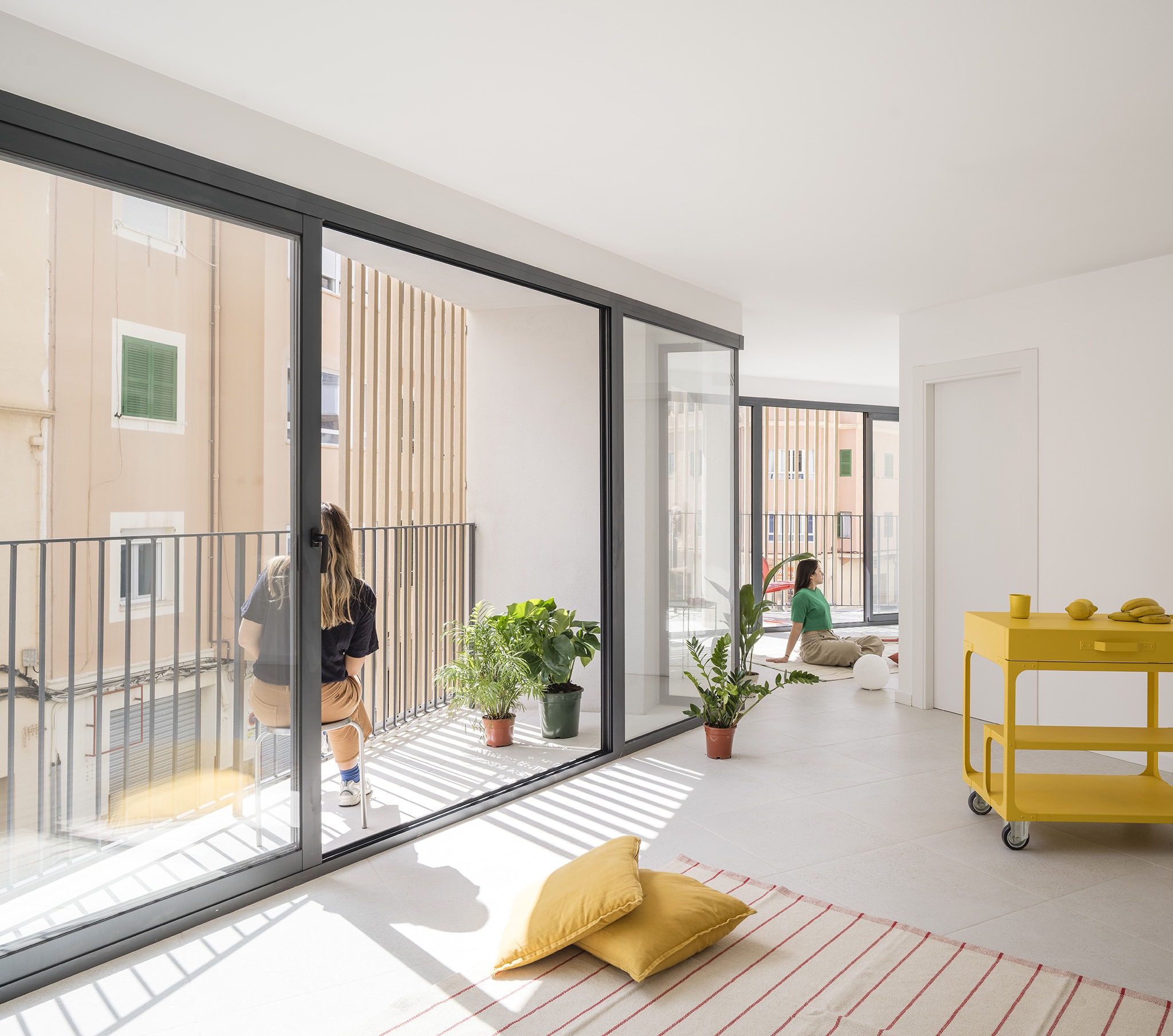
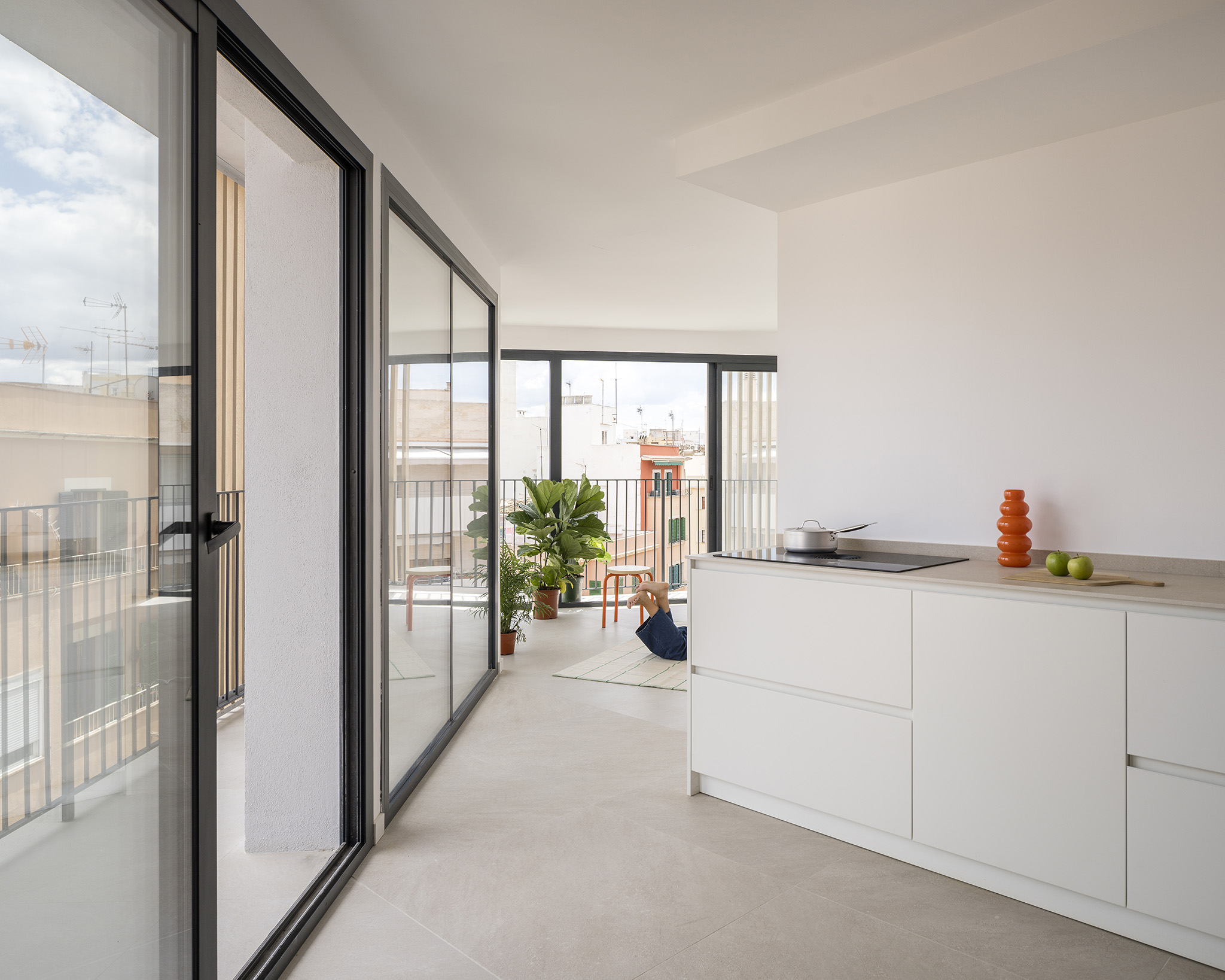
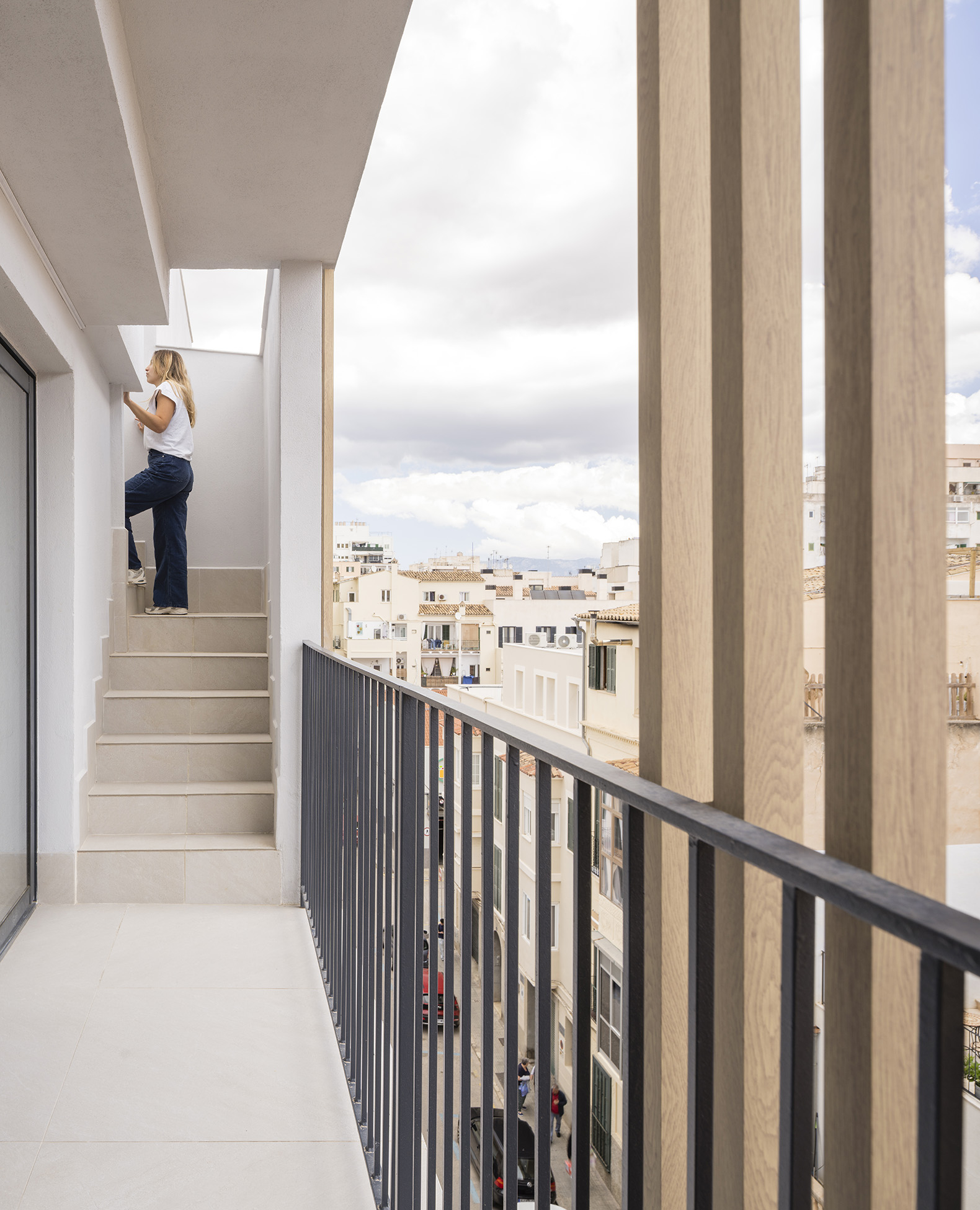
The result is ten irregular dwellings, all different yet similar. Ten housing units ranging from 45 to 110 square meters, all sharing a focus on spatial quality and the inclusion, in every case, of at least one integrated outdoor space. This internal articulation is reflected externally through a porous and dynamic façade. Subtle setbacks and shifts between floors create rhythm and movement, giving the building a changing appearance depending on the viewer’s perspective and the angle of the light.
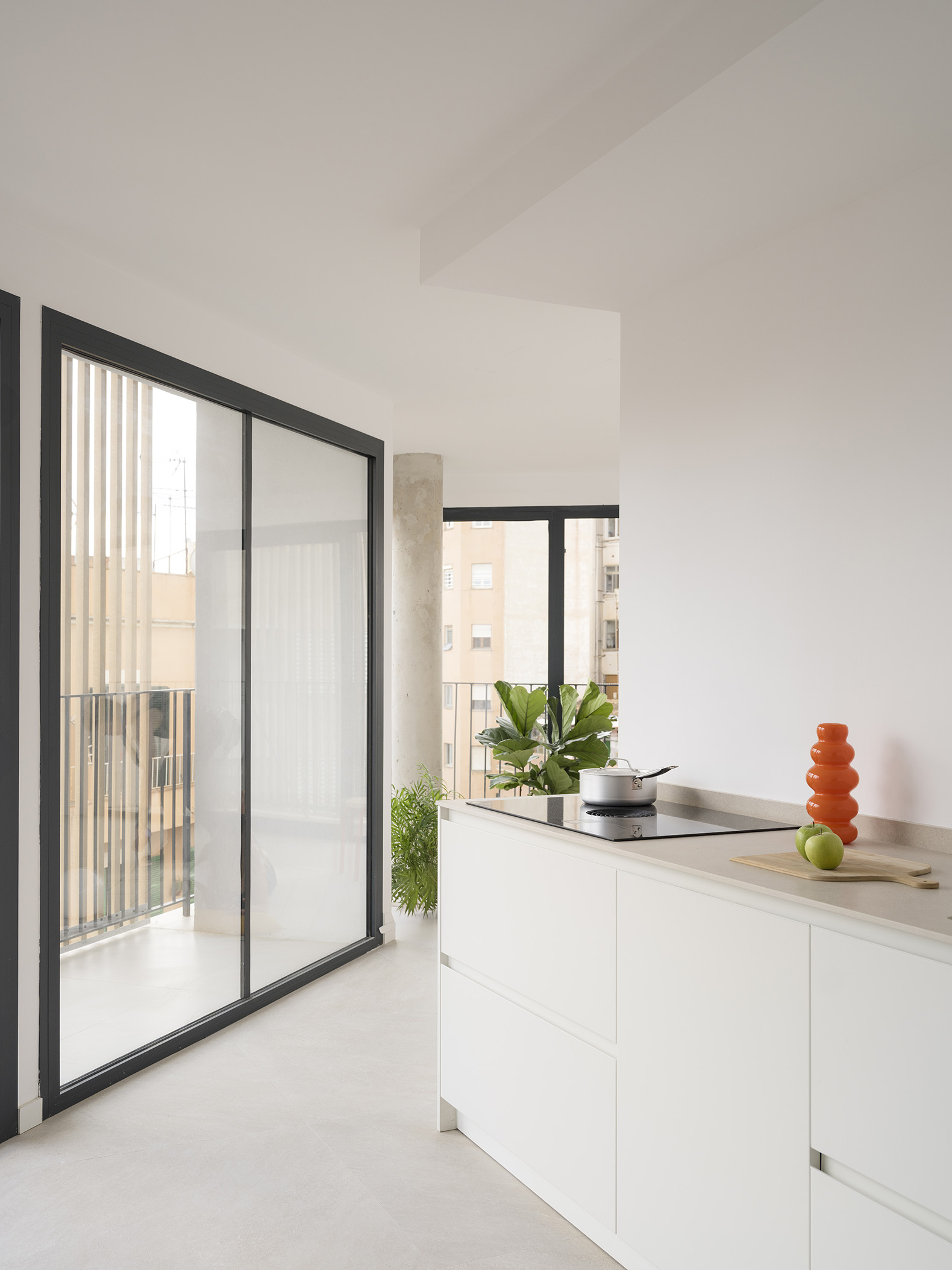
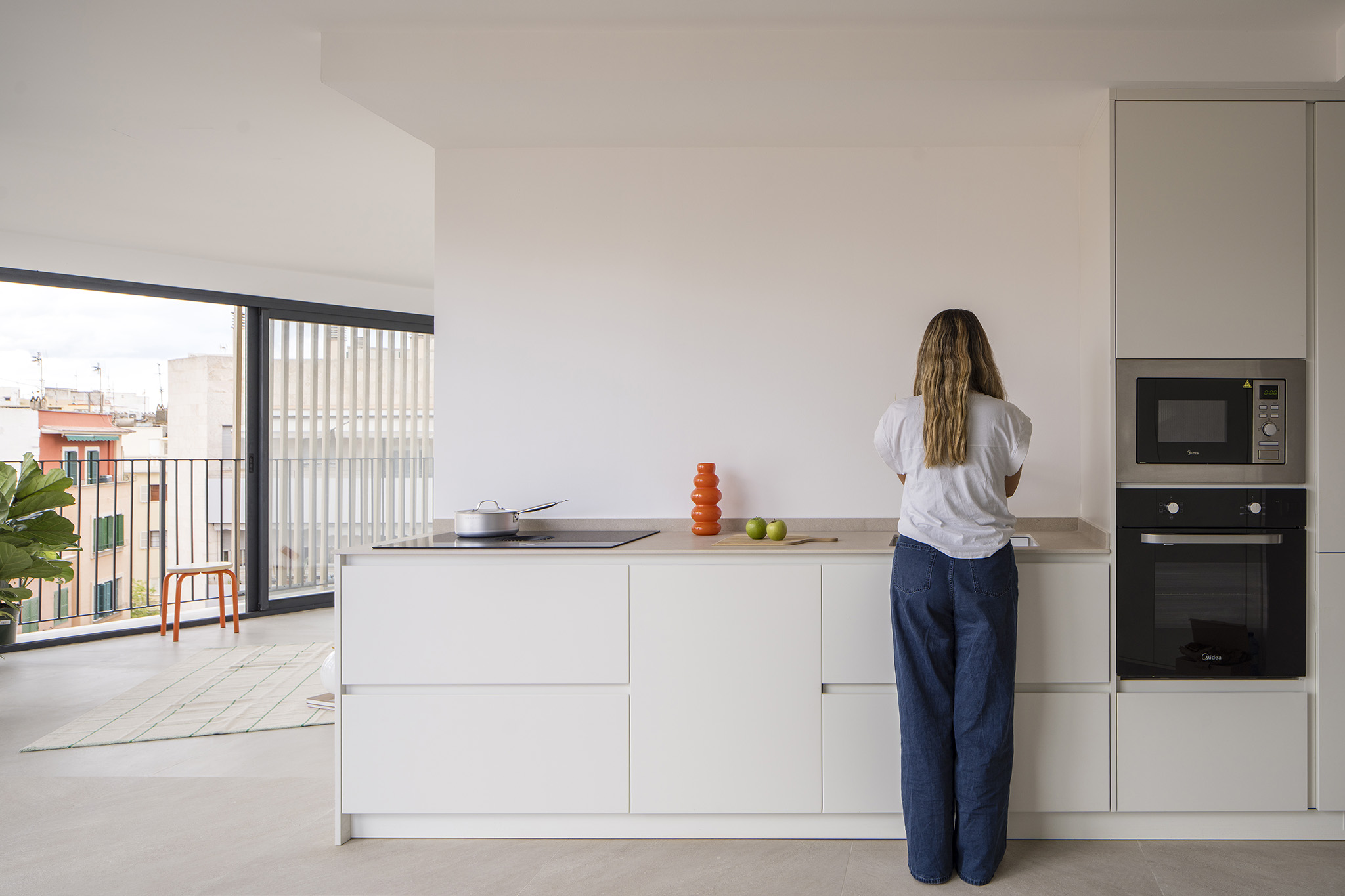
Beyond their physical layout, all the dwellings share a critical perspective that questions and expands the traditional notion of domesticity. Four core concepts underpin this exploration: the kitchen as the home’s vital center, flexibility as a design material, the atomized bathroom, and the “nameless room”—an indeterminate space open to diverse and future uses.
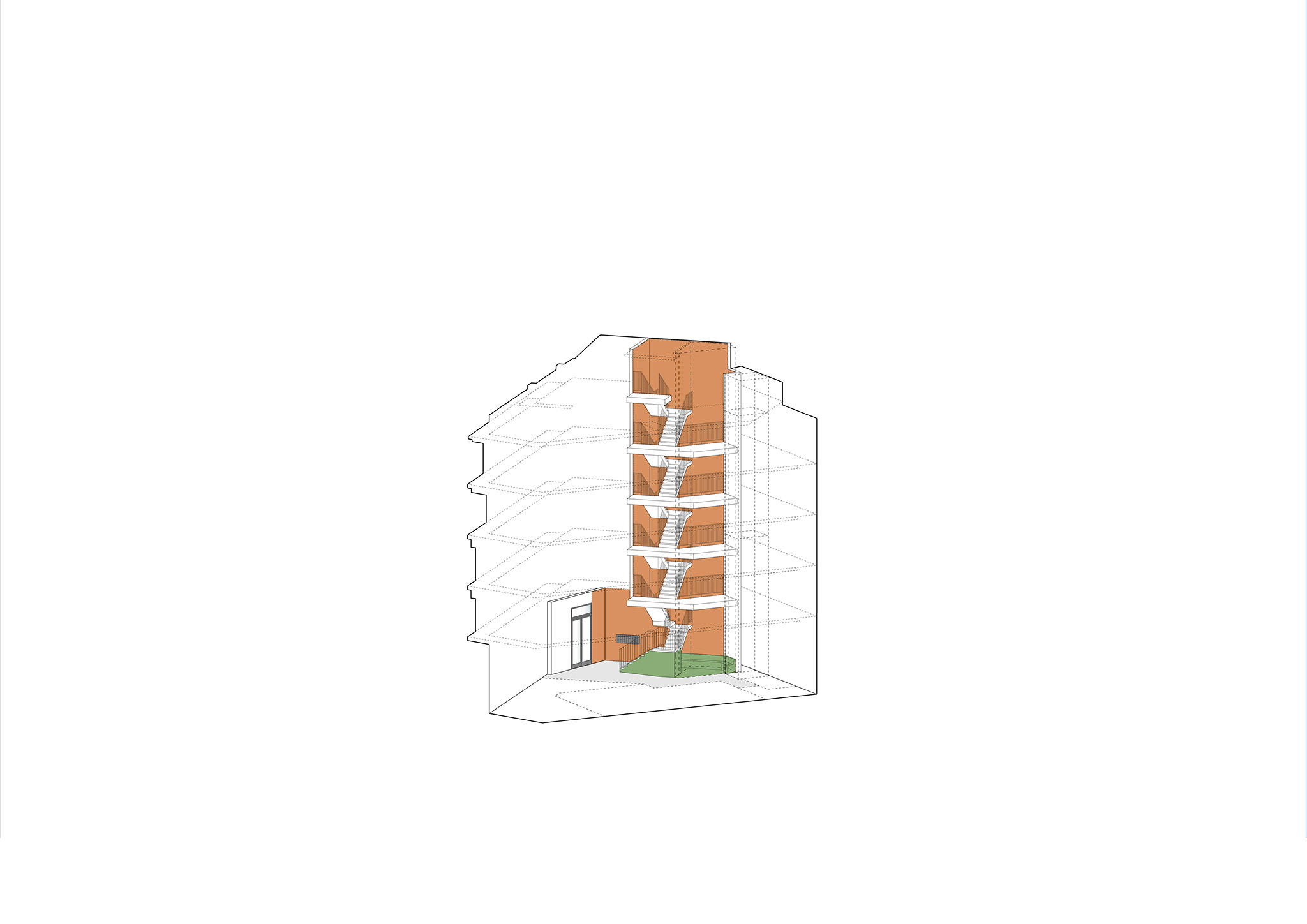
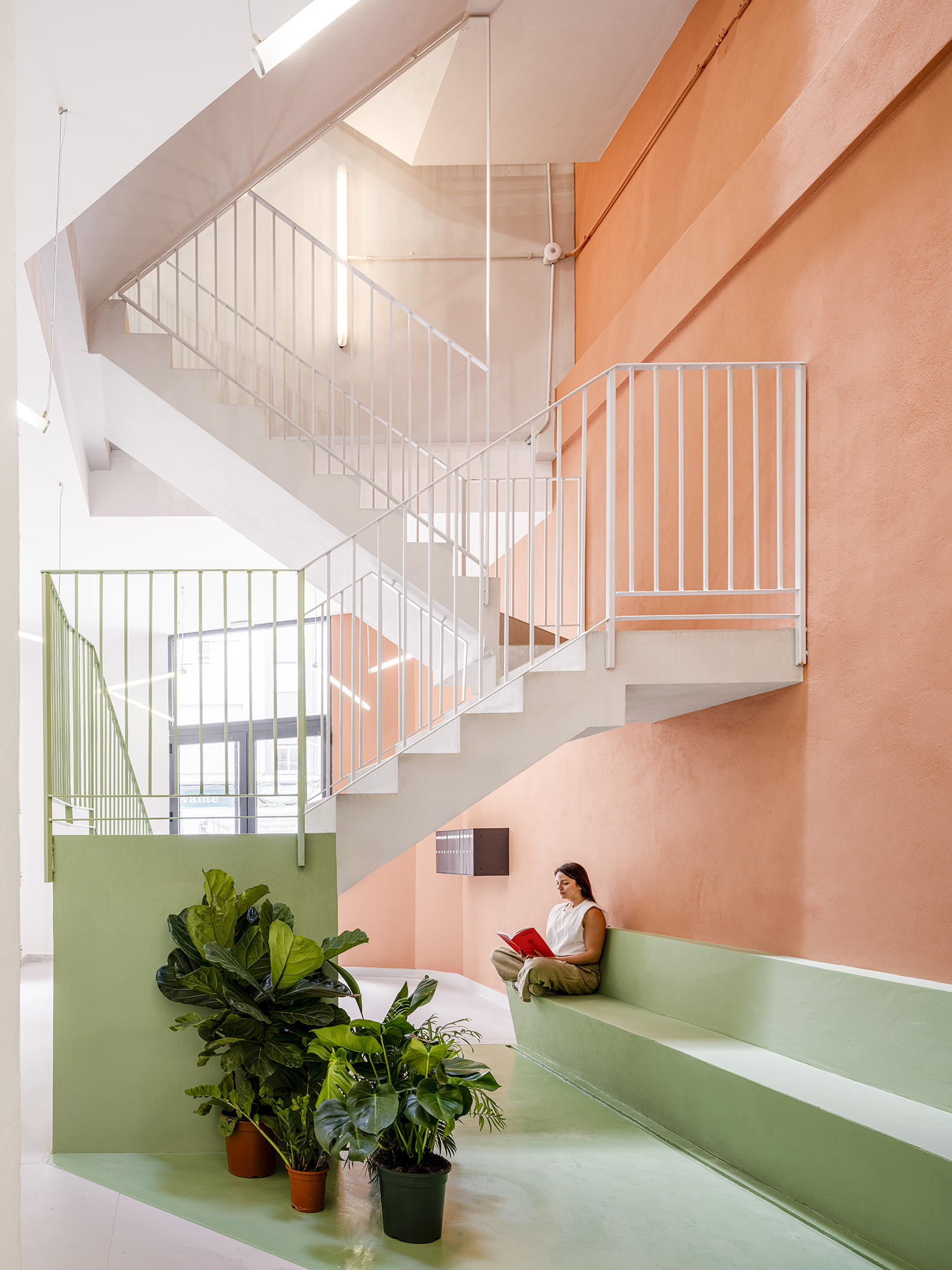
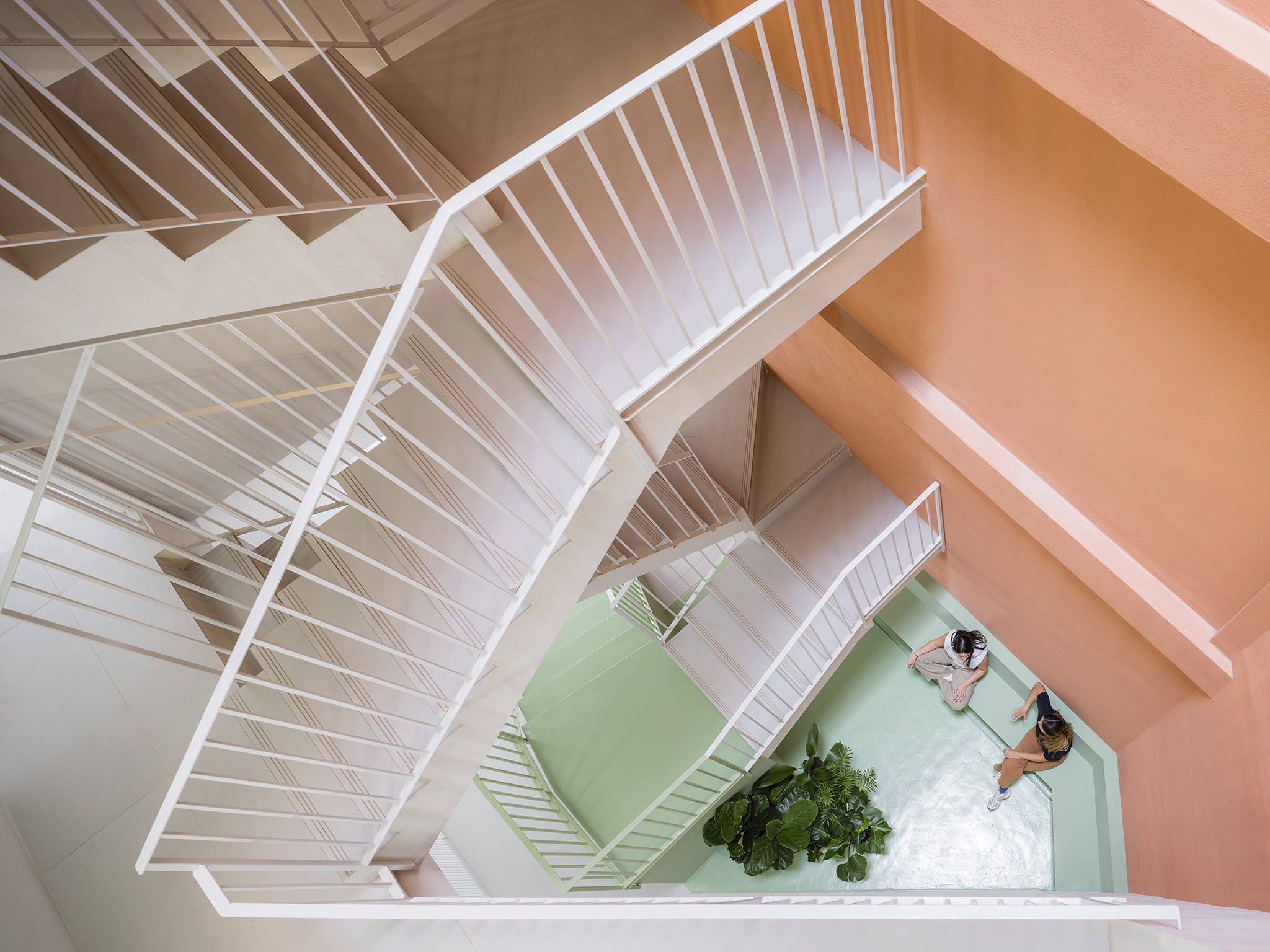
The building’s shared public space is structured around a vertical courtyard open to the sky, located on the northern side of the plot. This void connects all five floors and becomes a true lung: enhancing cross-ventilation in communal areas, passively regulating temperature, and above all, acting as a meeting place—an interior landscape that evokes the colors and textures of the island of Mallorca, the Tramuntana mountain range, or the cultivated fields.
Foners is a residential building that, due to its prominent and privileged location, becomes a landmark for the neighborhood—a structure that, like the sling of the ancient stone-throwers, marks the beginning of a place’s transformation. A project whose complexity lies in having successfully addressed a polygonal site with a tight initial budget, without compromising the clarity and sensitivity needed to resolve the fundamental scales in this type of intervention: the building scale, the communal space scale, and the domestic scale.