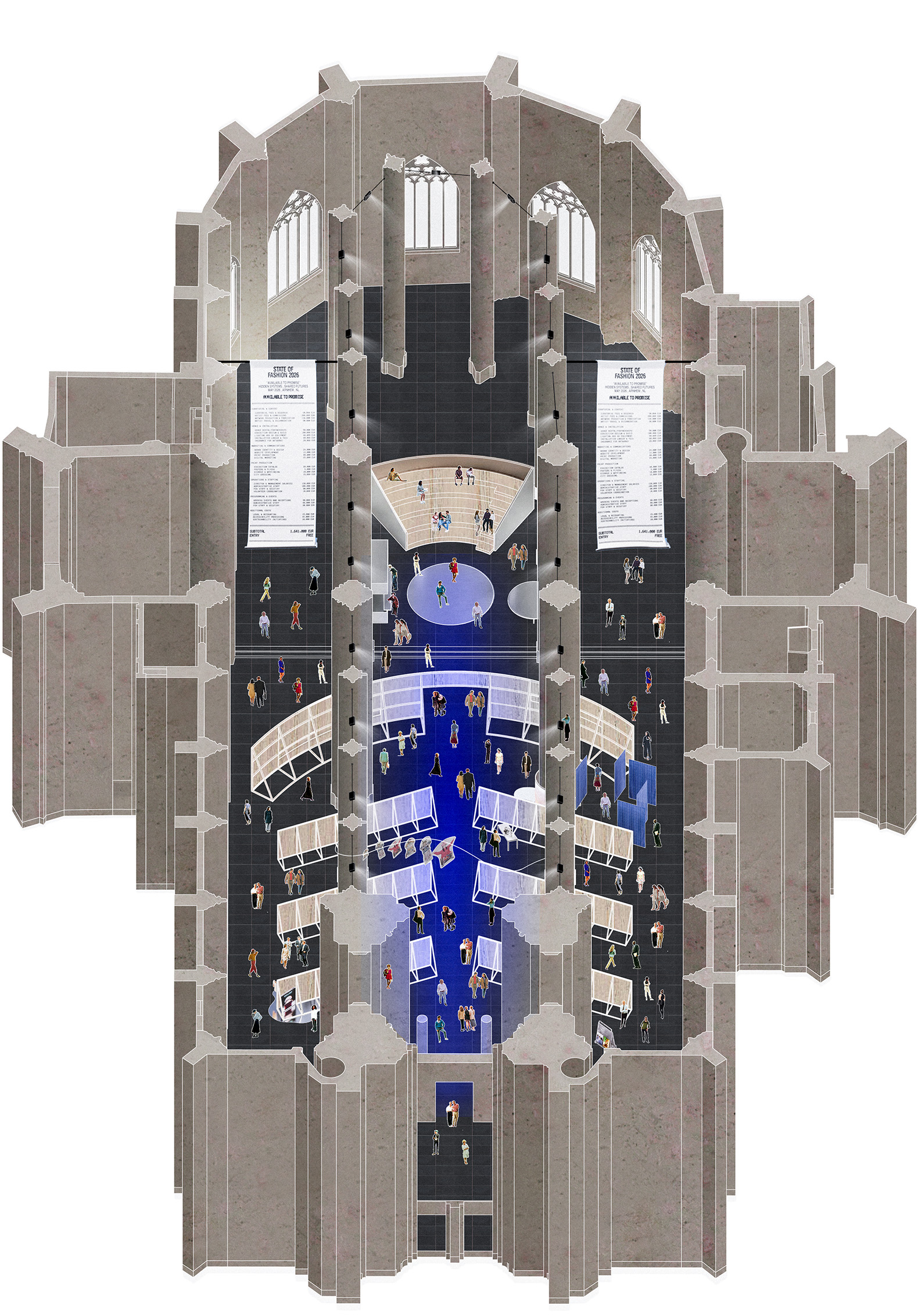
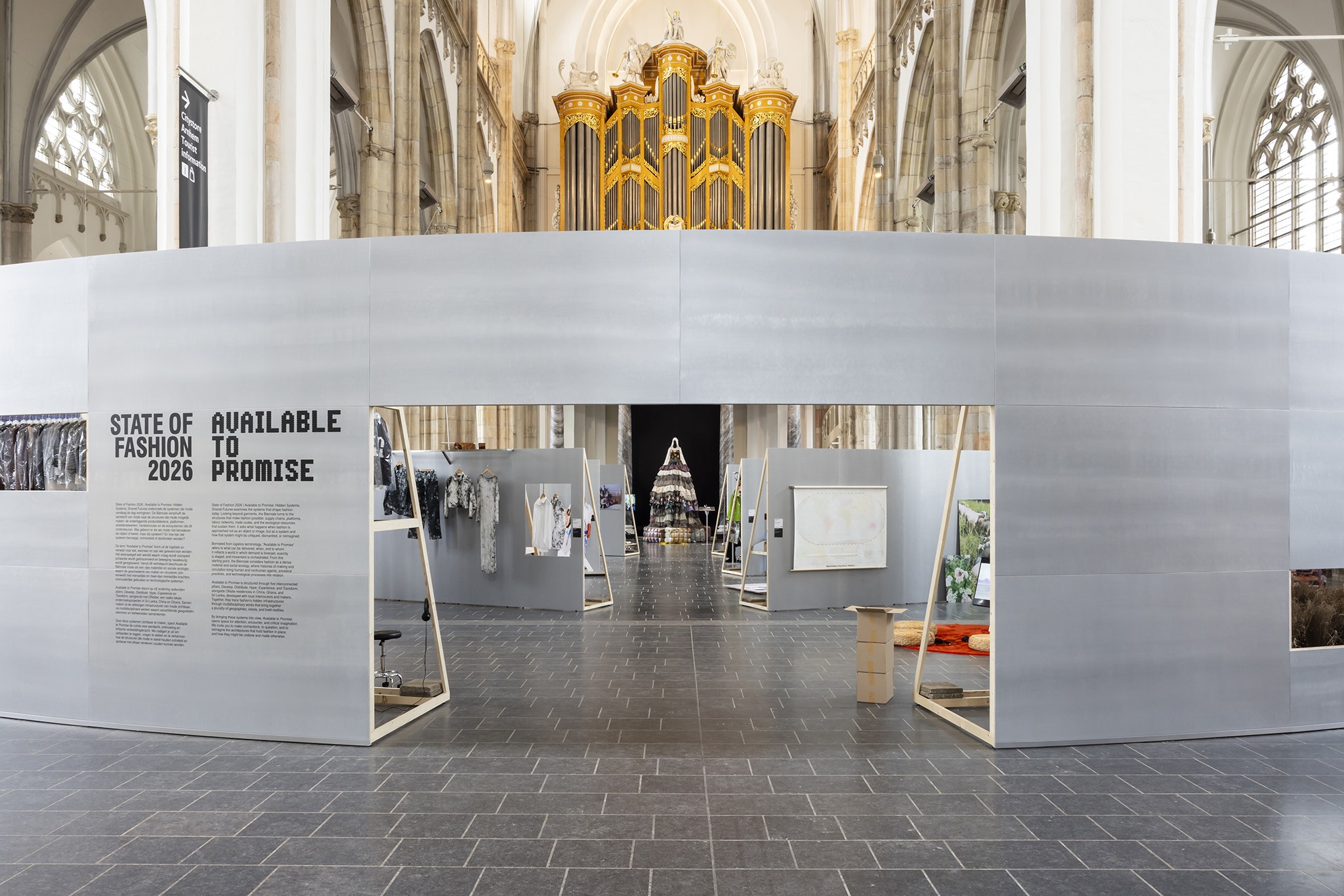
The proposal by OMA for the State of Fashion Biennale: "Available to Promise" seeks to uncover and illuminate the stories behind garments. The Biennale examines fashion not only as a collection of finished objects, but as a broader, often invisible ecosystem that shapes its culture and influences society.
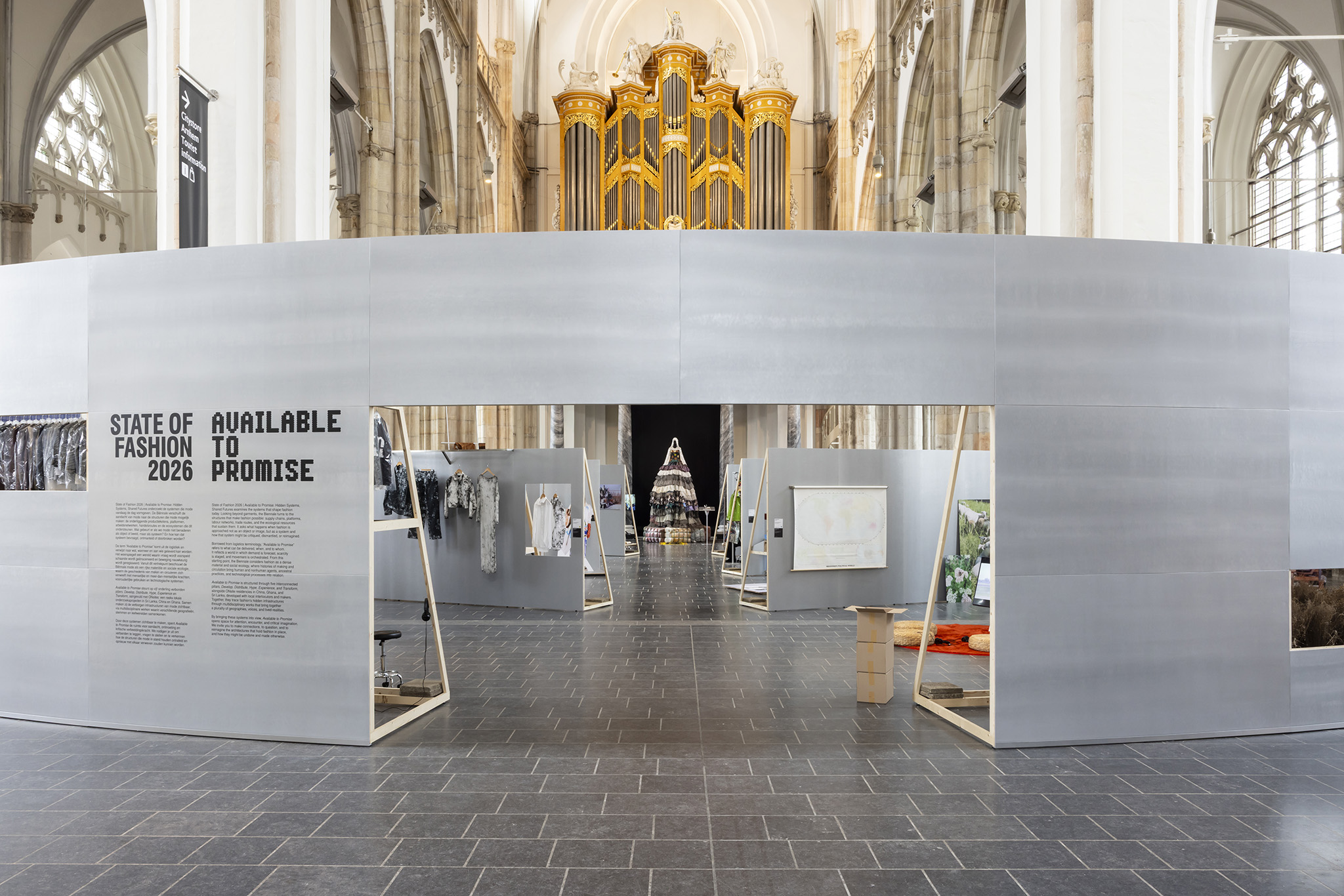
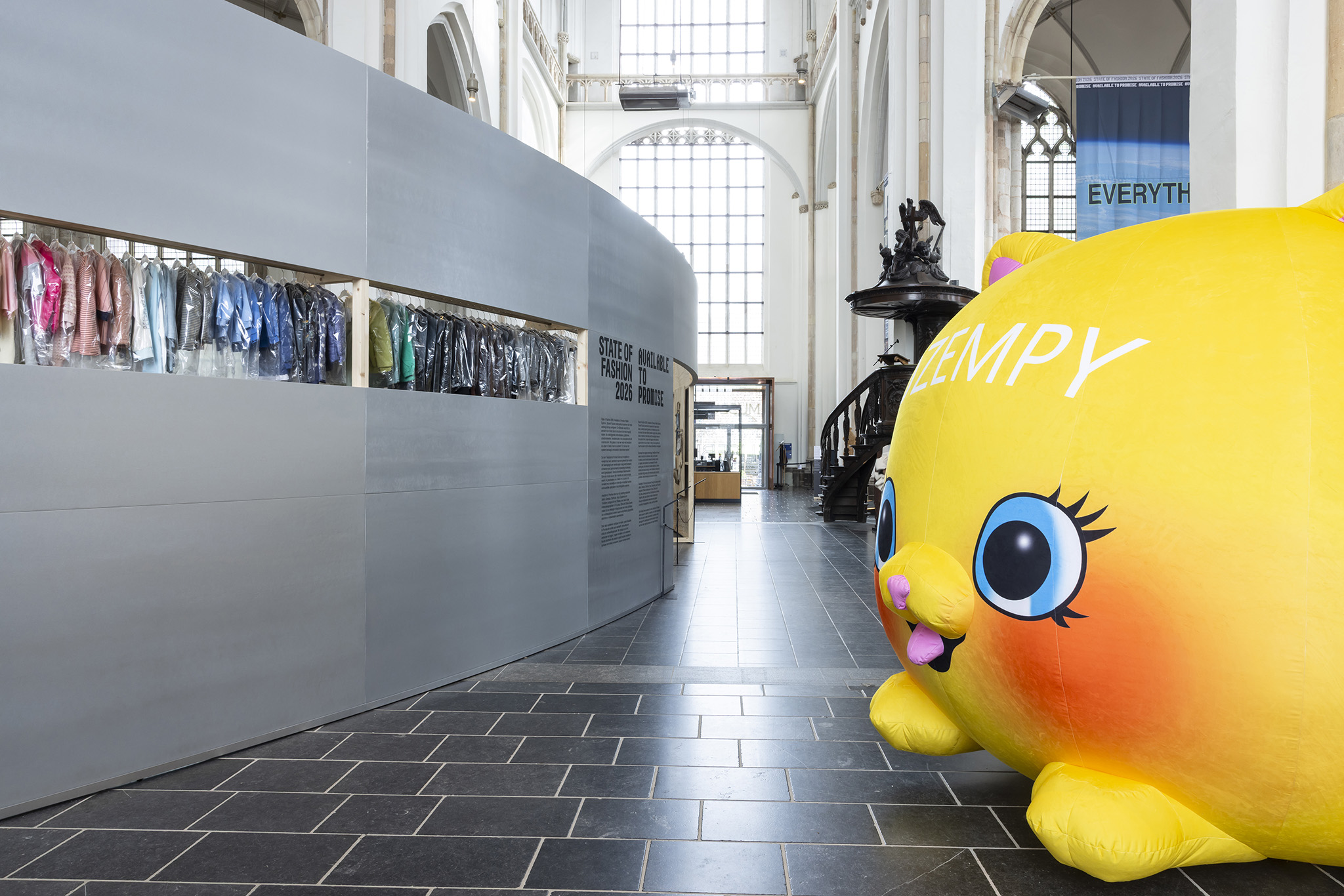
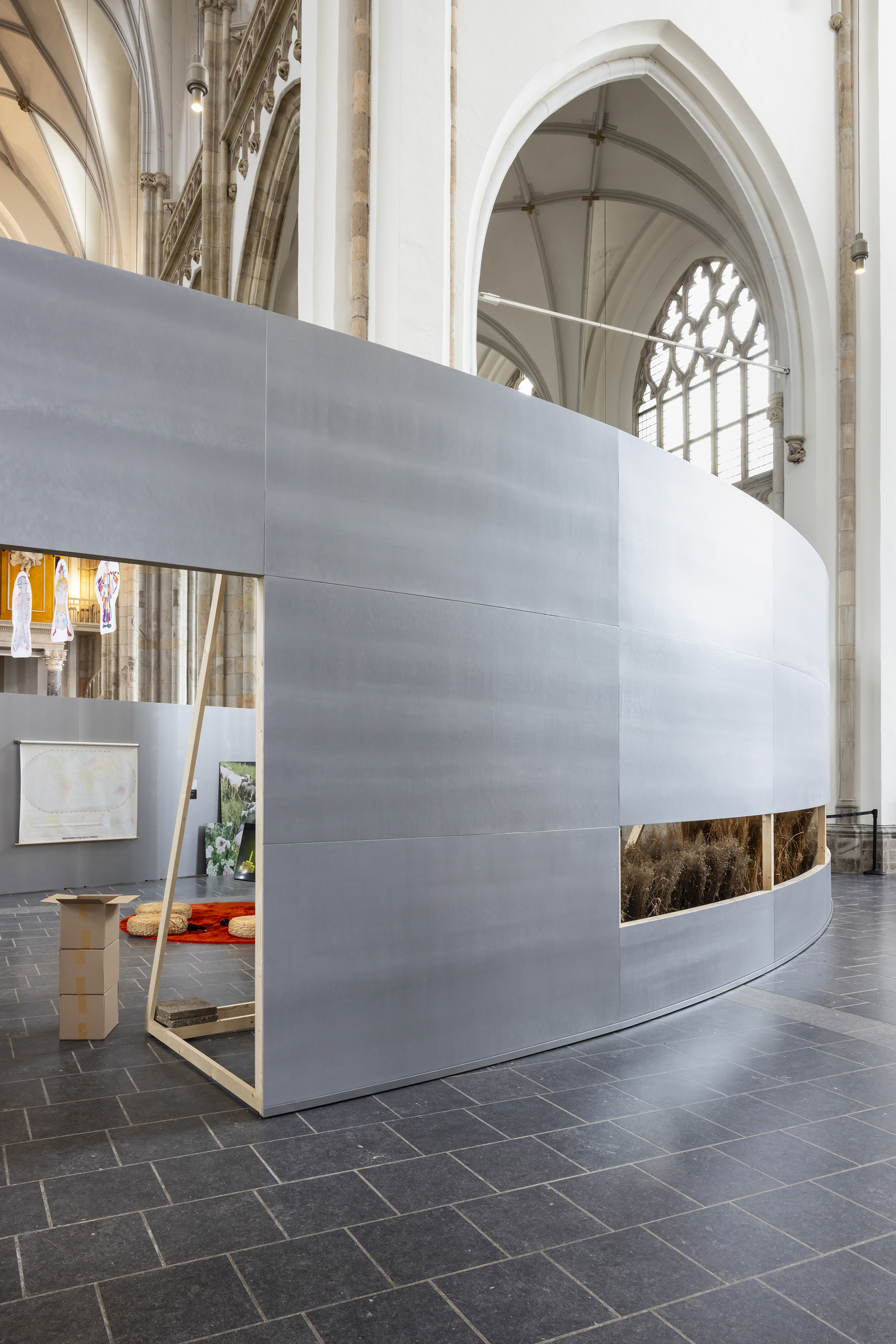
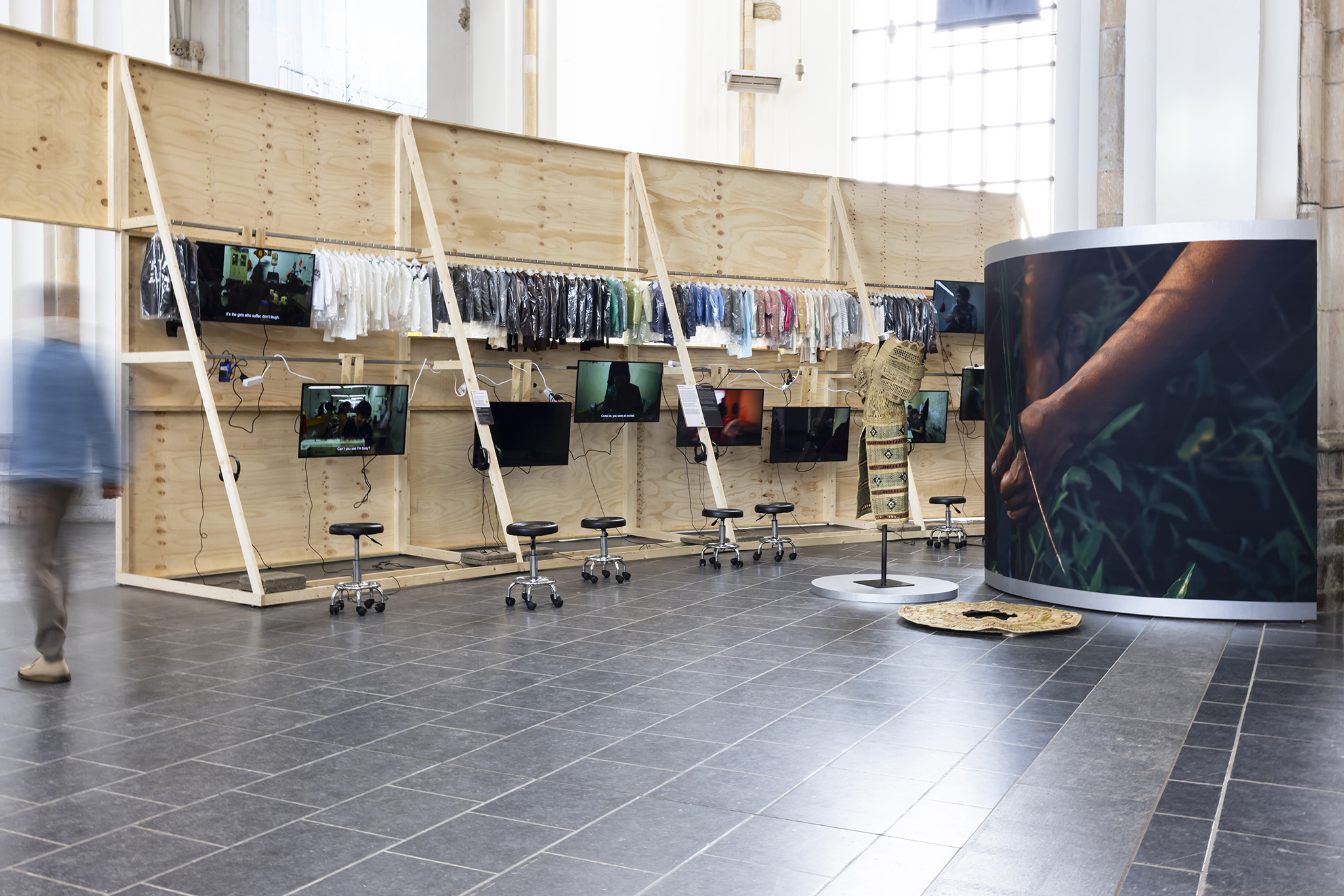
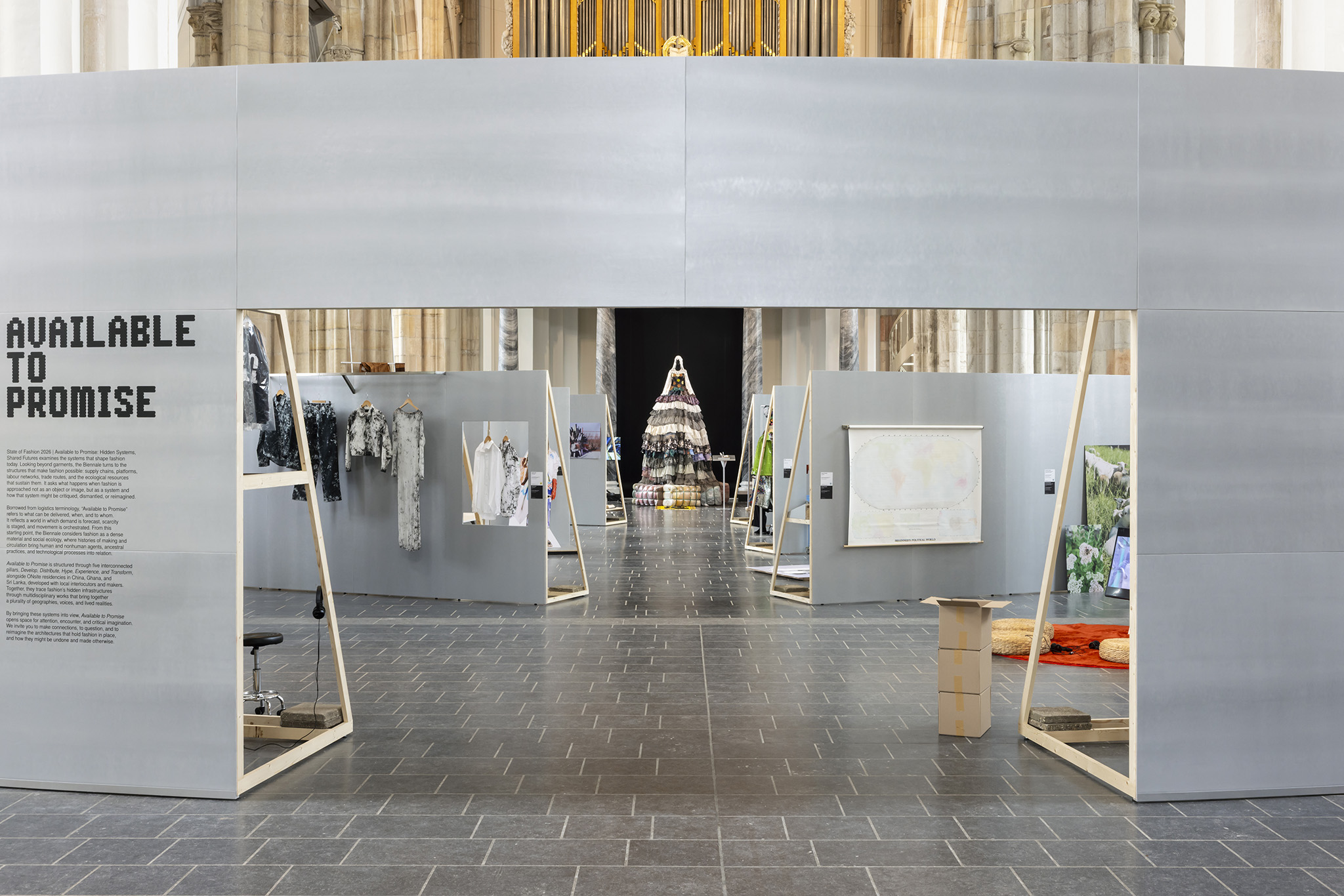
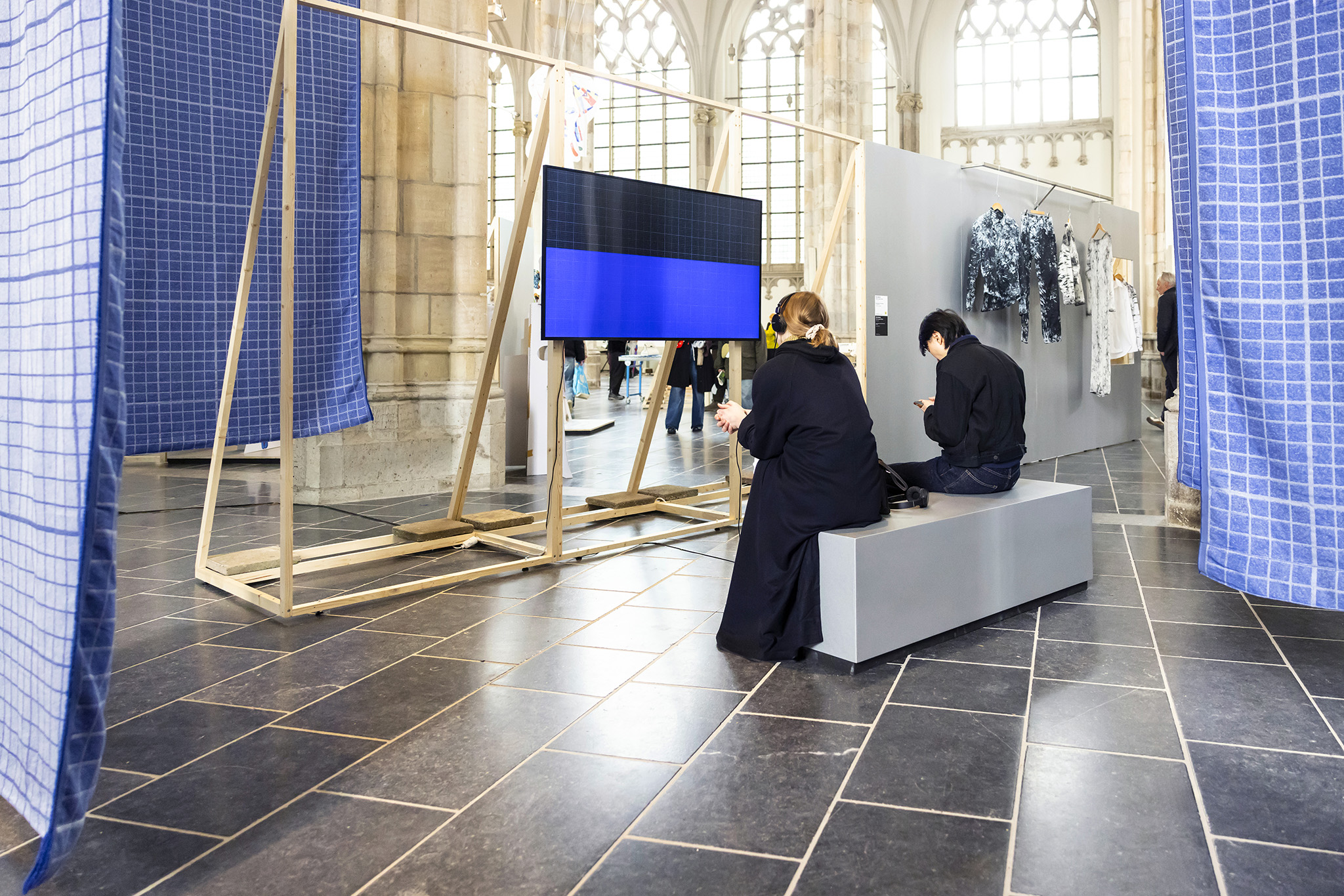
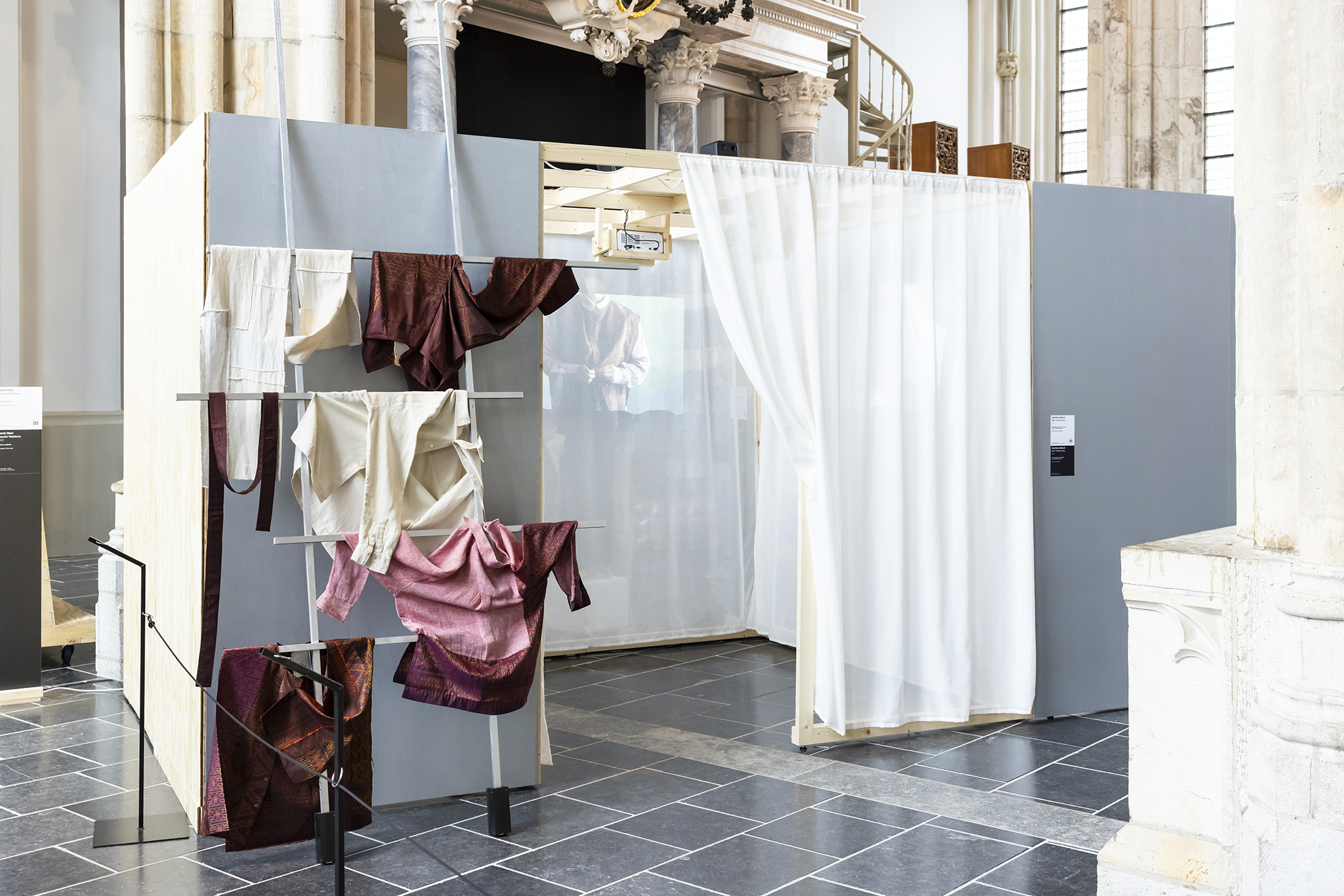
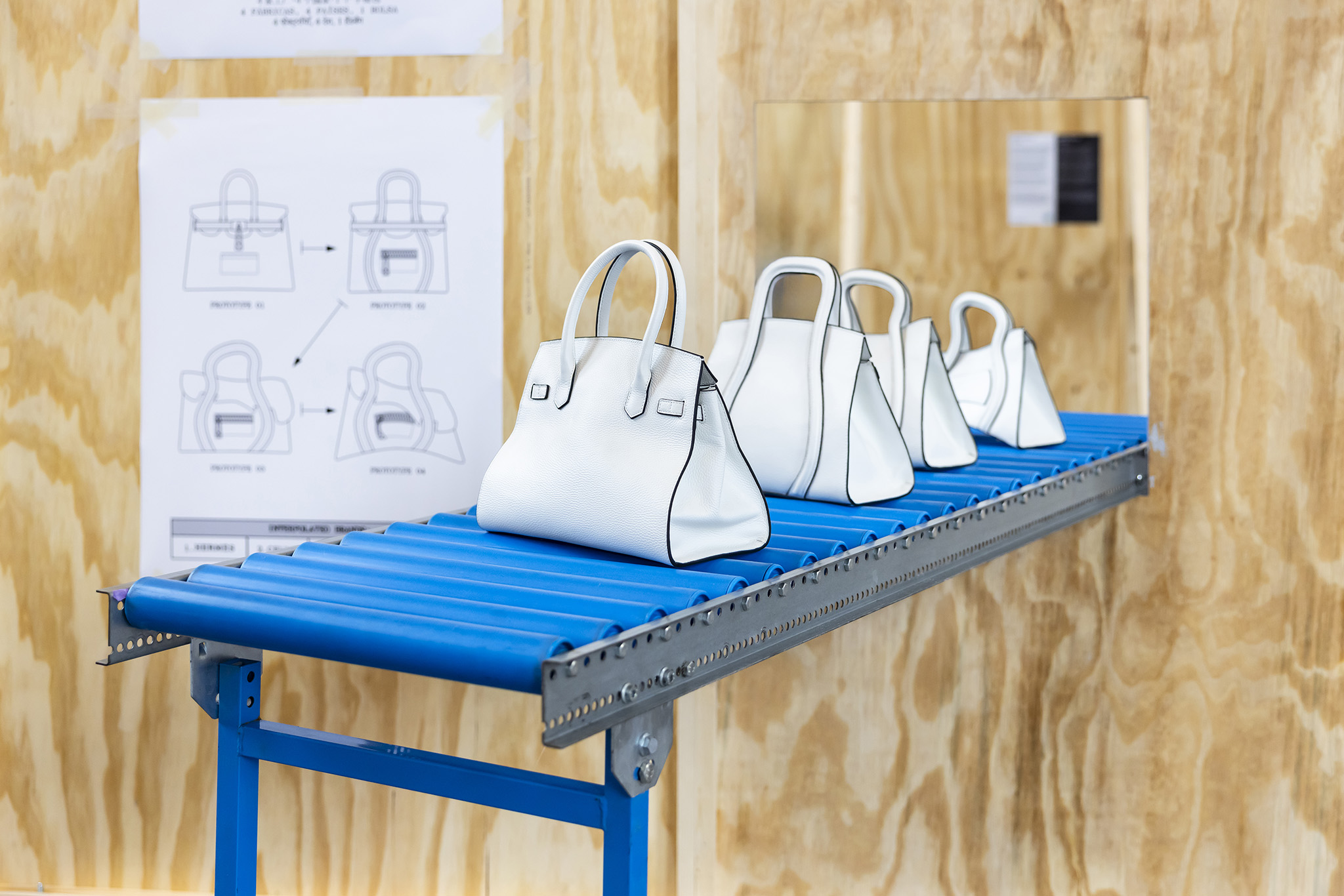
Reflective metal panels are introduced to define the exhibition backdrop, while their exposed wooden reverse sides reveal the internal structure, where narratives related to resources, labour, and production are unfolded.
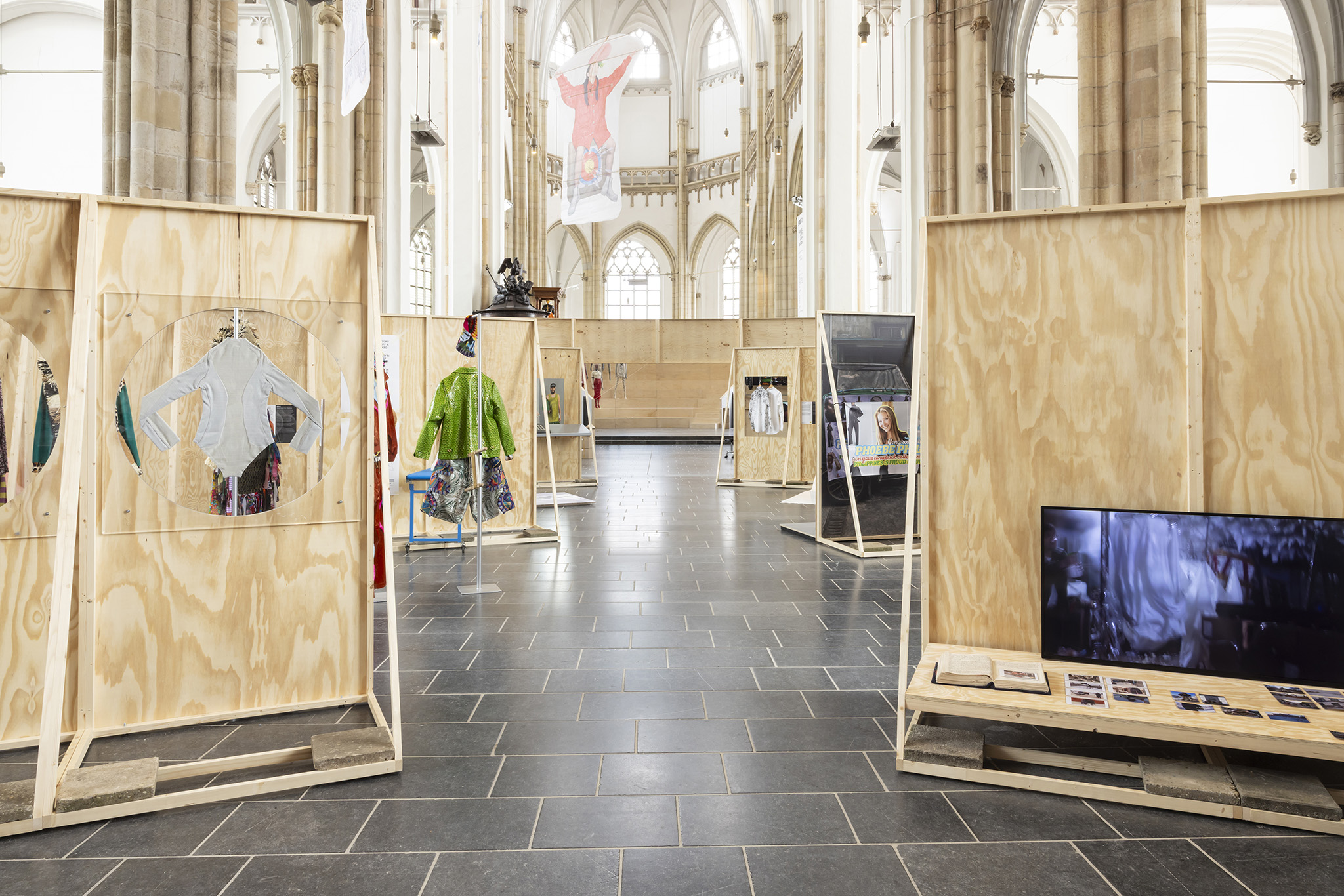
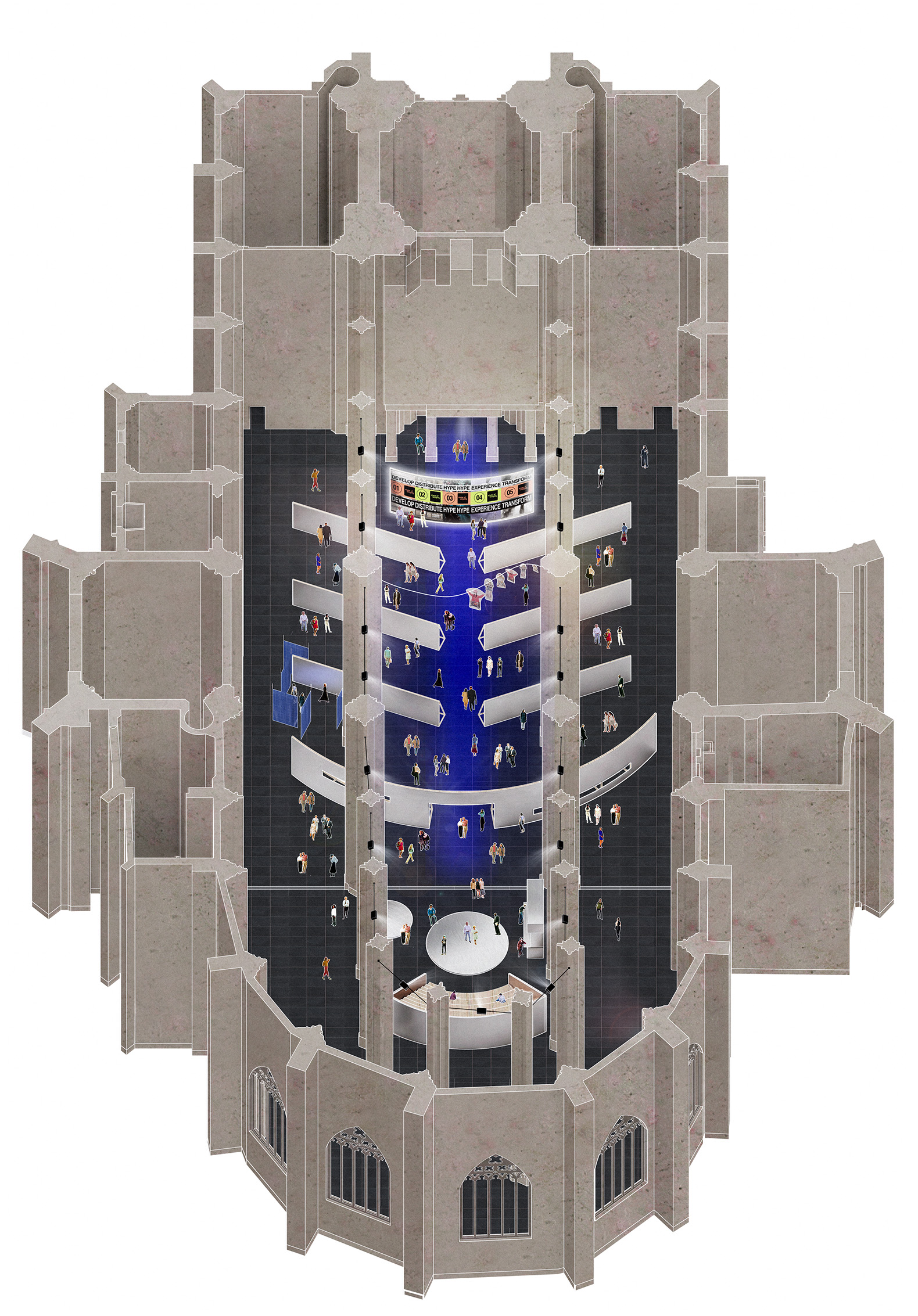
The project adopts a layered approach that articulates two modes of experience: the frontal reading of the exhibition and the reverse reading of its hidden structures.
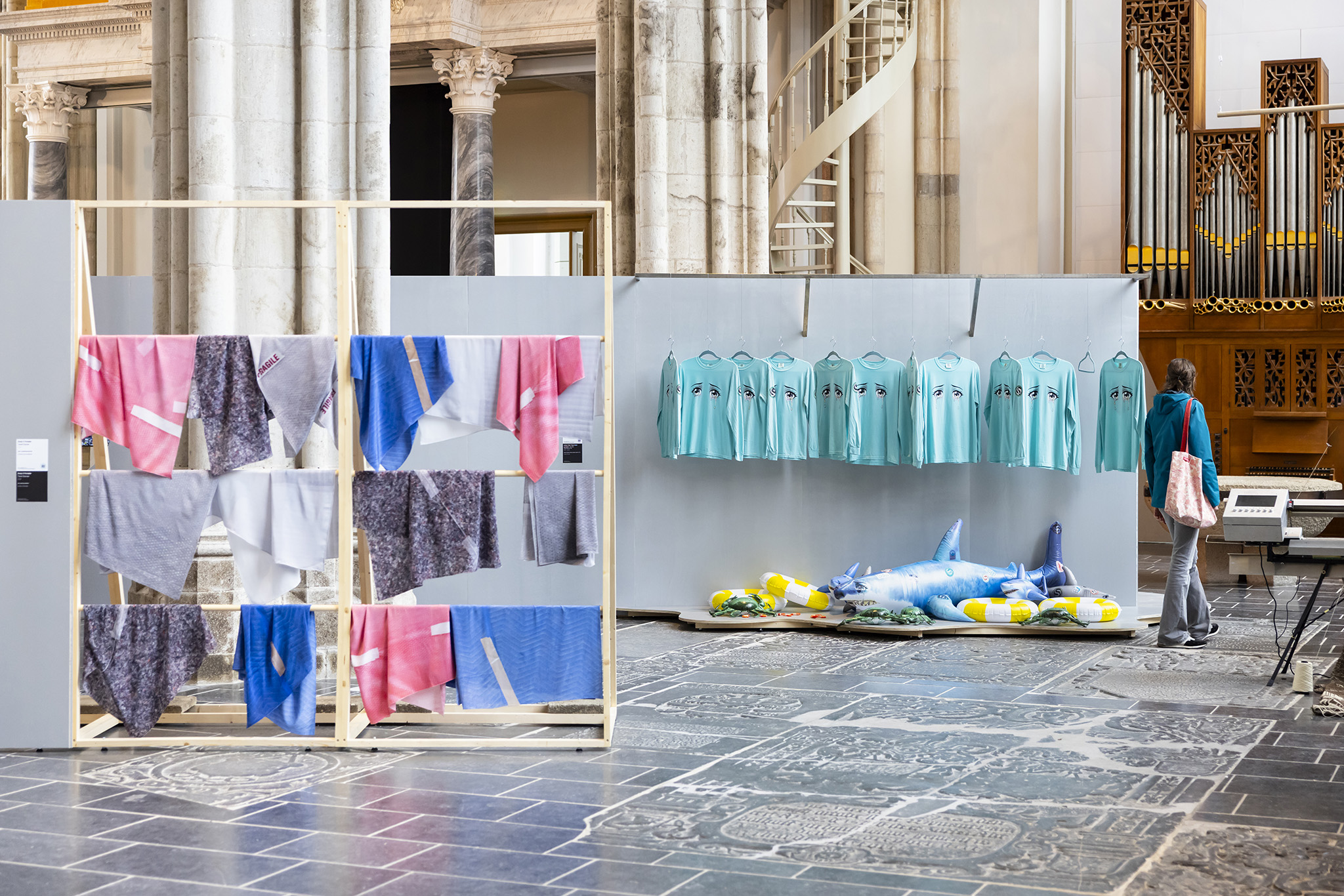
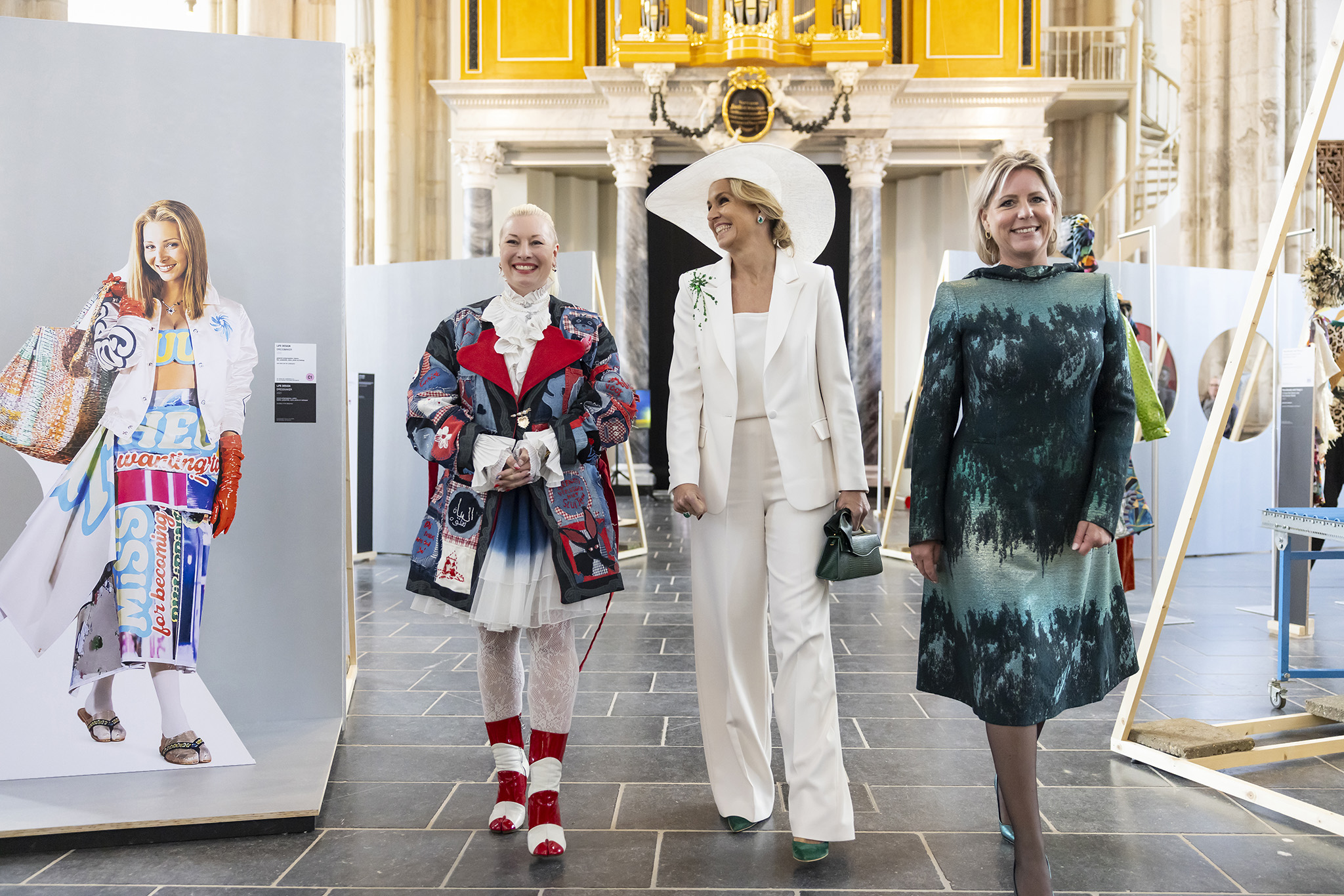
A central axis aligned with the altar organises the spatial sequence. On both sides, rows of panels are arranged, each combining a reflective metal front and an exposed wooden structure at the back.
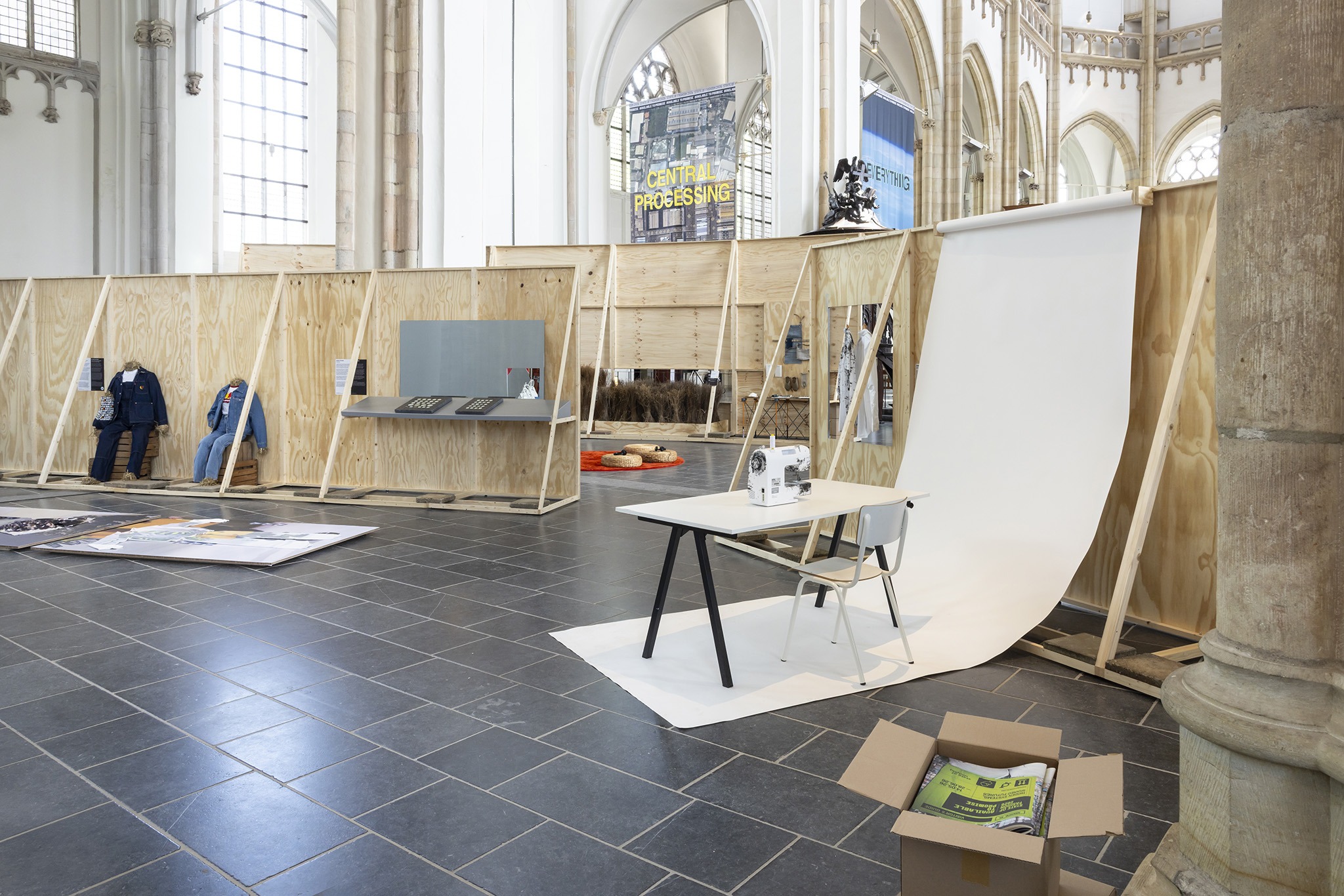
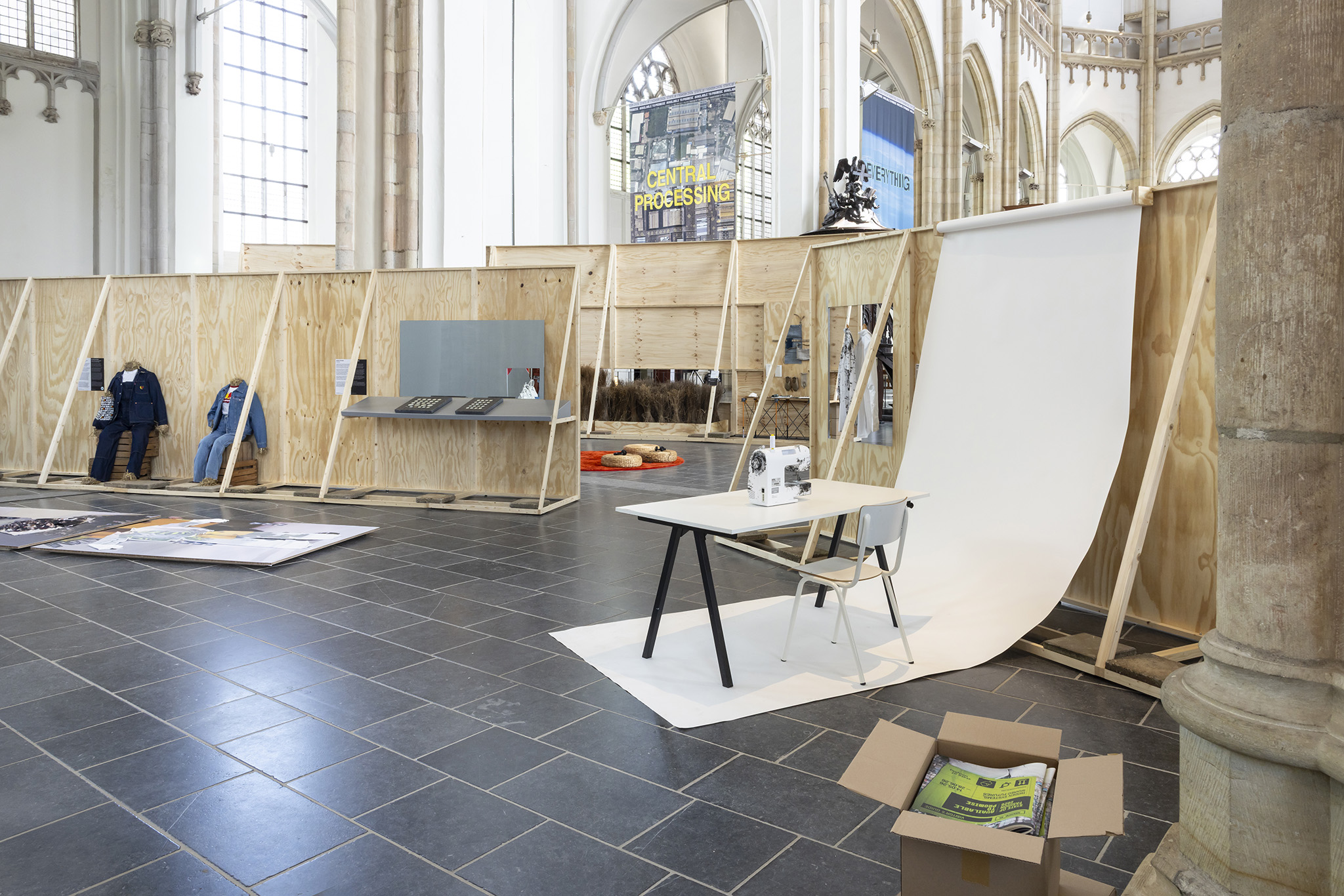
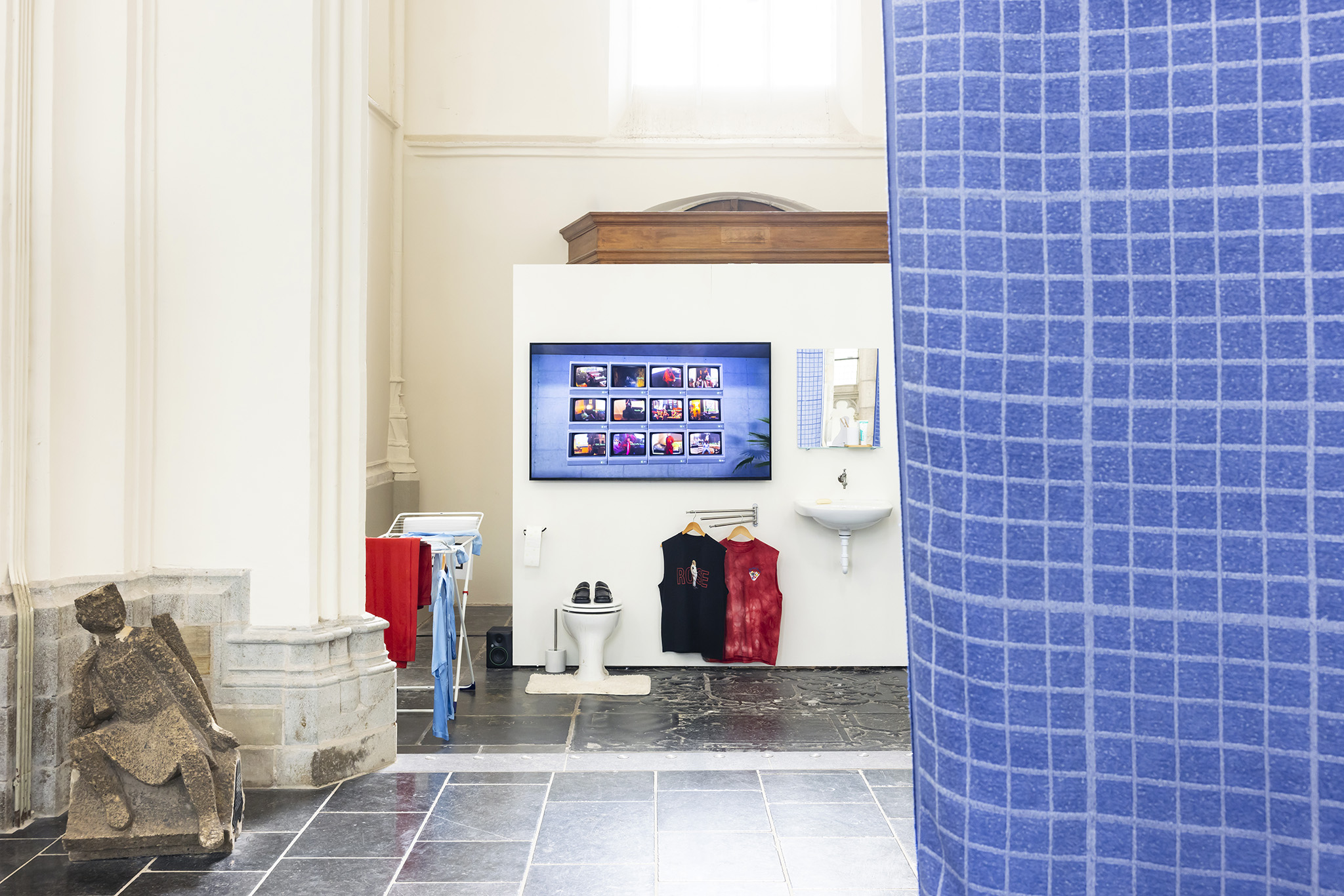
The metal surfaces act as a backdrop for the displayed garments. The reverse sides, left exposed, evoke the Gothic architecture of the church and operate as a back-of-house layer where processes of production, resources, and logistics are presented.
Visitors can follow the main axis or move behind the panels, where the underlying narratives are revealed. Openings within the panels enable visual connections between both layers.
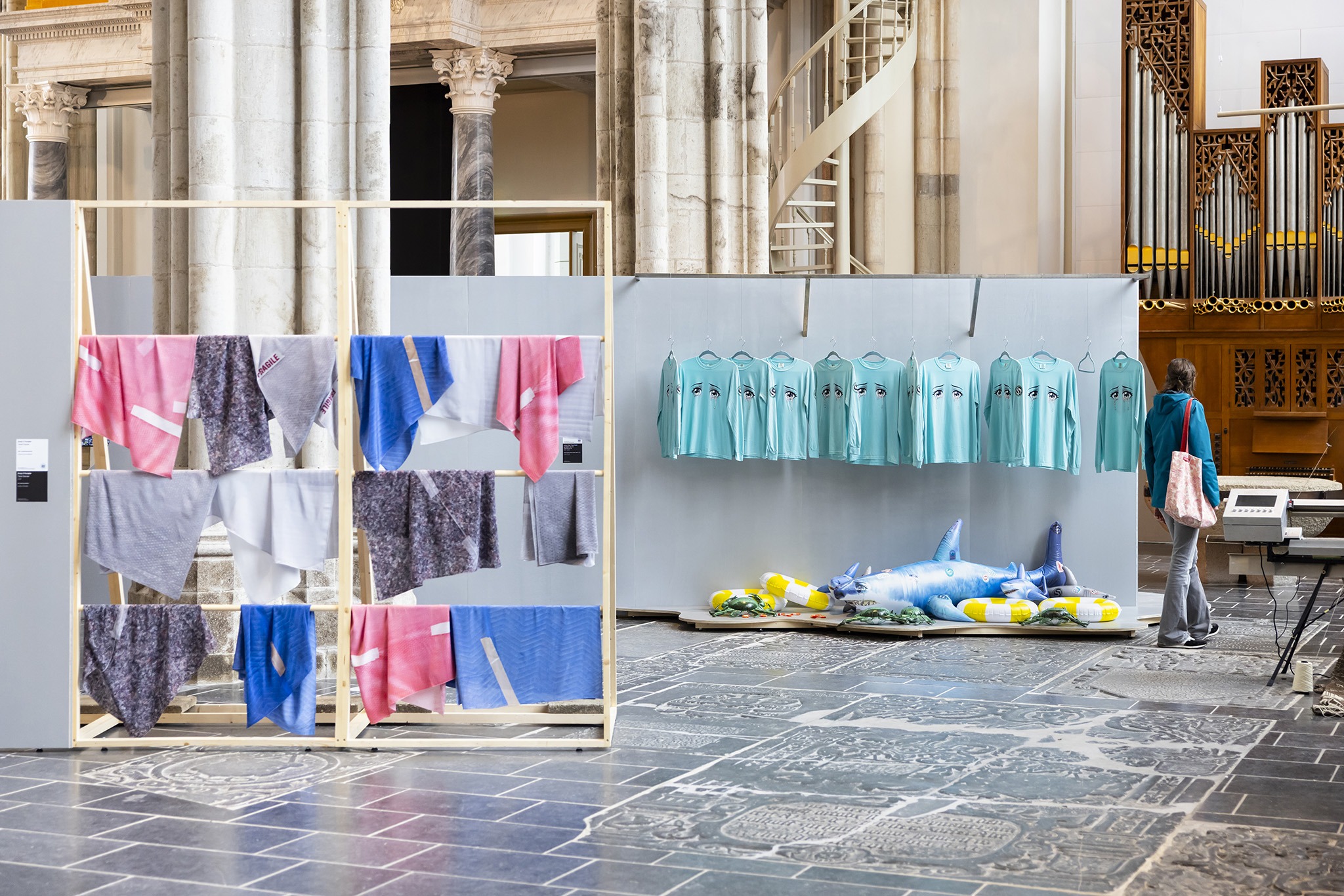
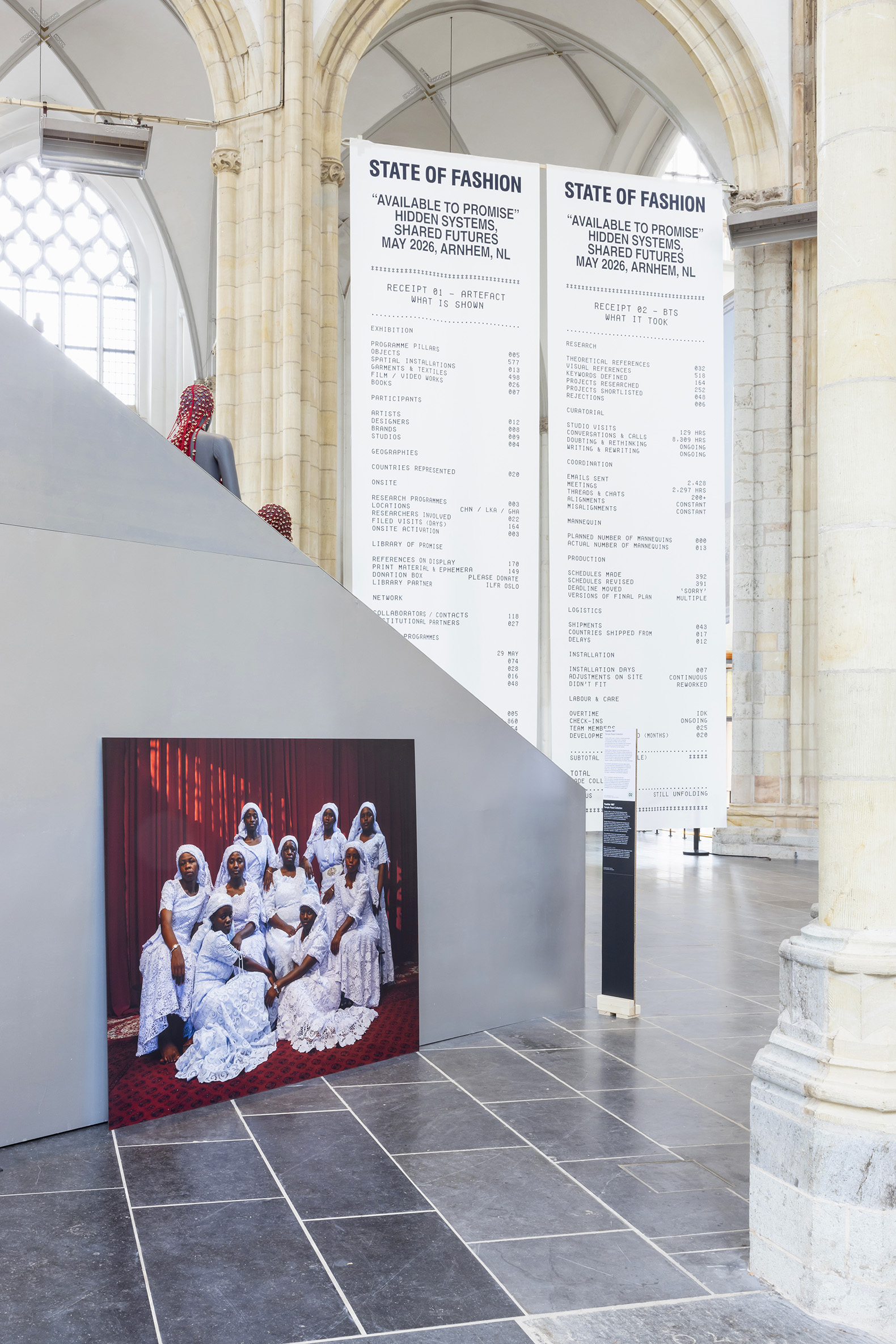
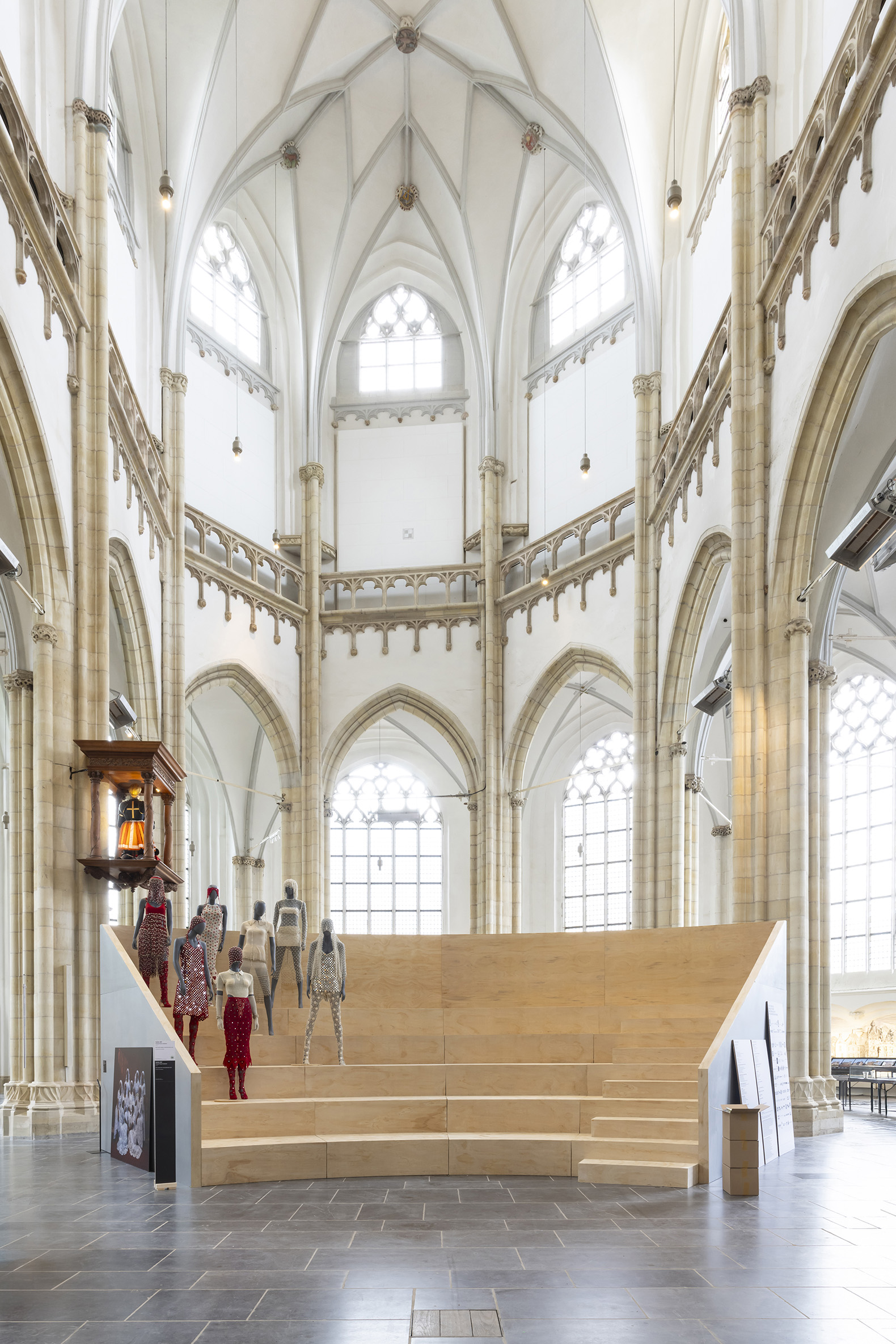
The panels are organised into five thematic bands: develop, distribute, promote, experience, and transform. In the narthex, a raised tribune and a library define a space for rest and reflection.
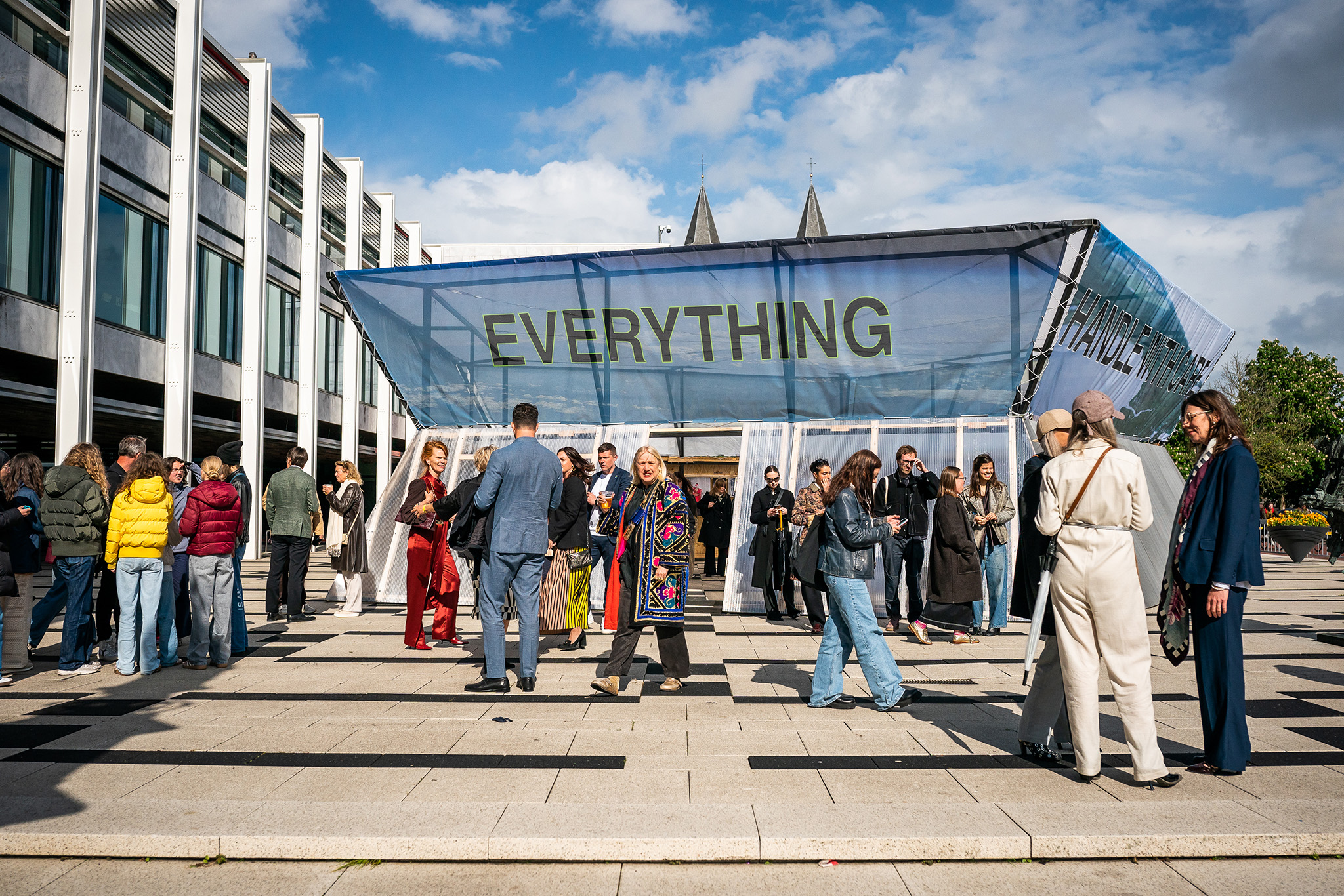
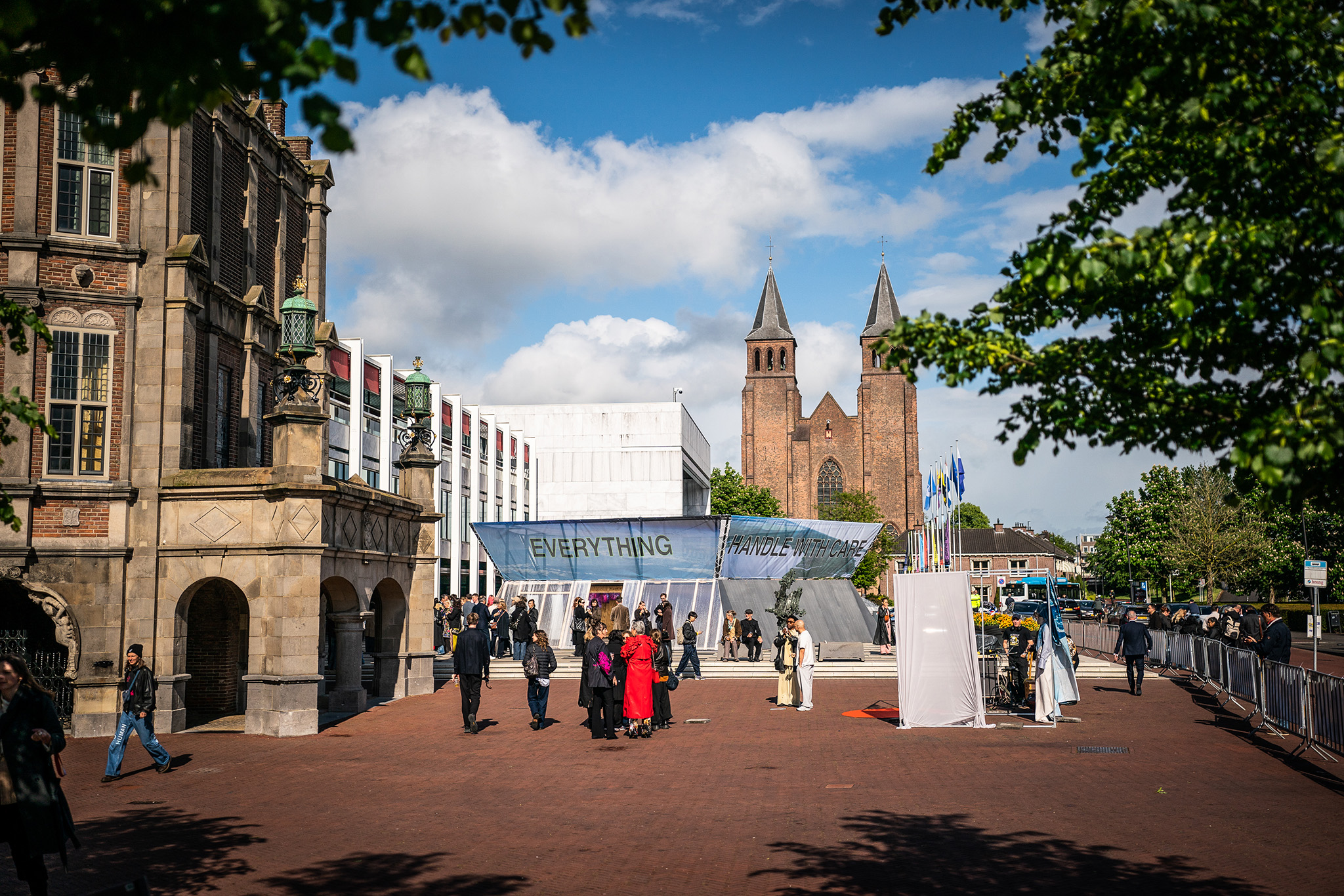
Outside, in the municipal square adjacent to the church, a pentagonal pavilion extends the exhibition into the public realm. Its structure replicates the interior system and maintains continuity with the main axis. The pavilion incorporates five screens linked to the five themes and accommodates talks, film screenings, and runway shows through flexible mobile seating.