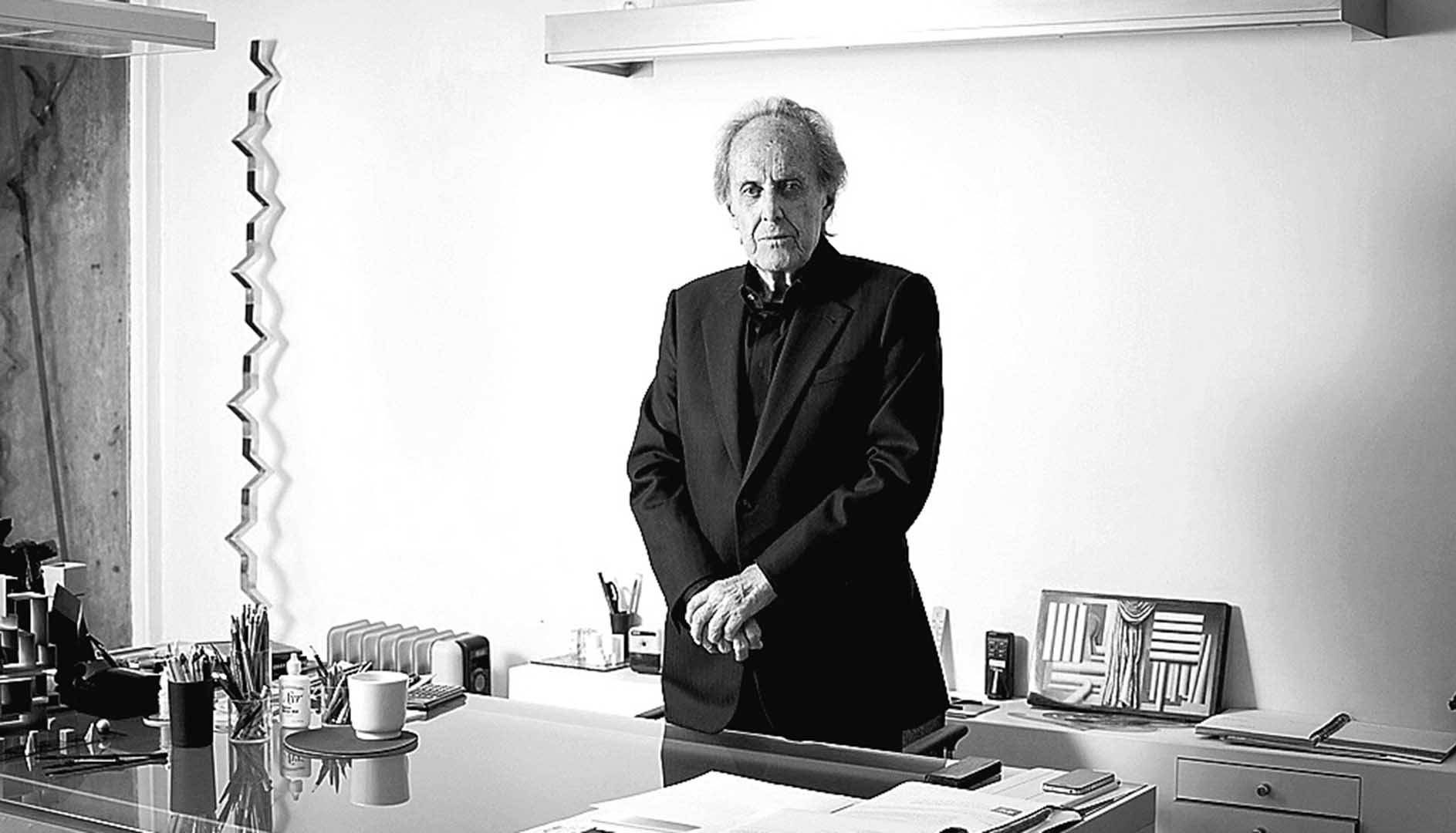
On May 28 was of Teodoro Gonzalez de Leon's birthday of 90 years old, a vital journey that began in the suburbs of Mexico City in a modest house with unpaved streets. On Friday he died with his boots on in his studio located front of his house, an elegant house in the center of the capital, with bright white walls, with a narrow pool, as good swimmer, where he swam every morning 45 minutes.
Teodoro Gonzalez de Leon, was born in the post-revolutionary Mexico and died due to cardiac arrest, the day when every year is celebrated the Mexican independence in one of the largest metropolises in the world is held, a city he helped transform, the place where are the majority of its projects and whose work have left an indelible mark.
 
"I have over 80 years learning how to live, how to be. I have not learned disciplines, I have become ways of life; reading is a way of life, drawing, painting, sculpture, are a way of life; visit the cities, listen to music and architecture are forms of life; no religion is my way of life."
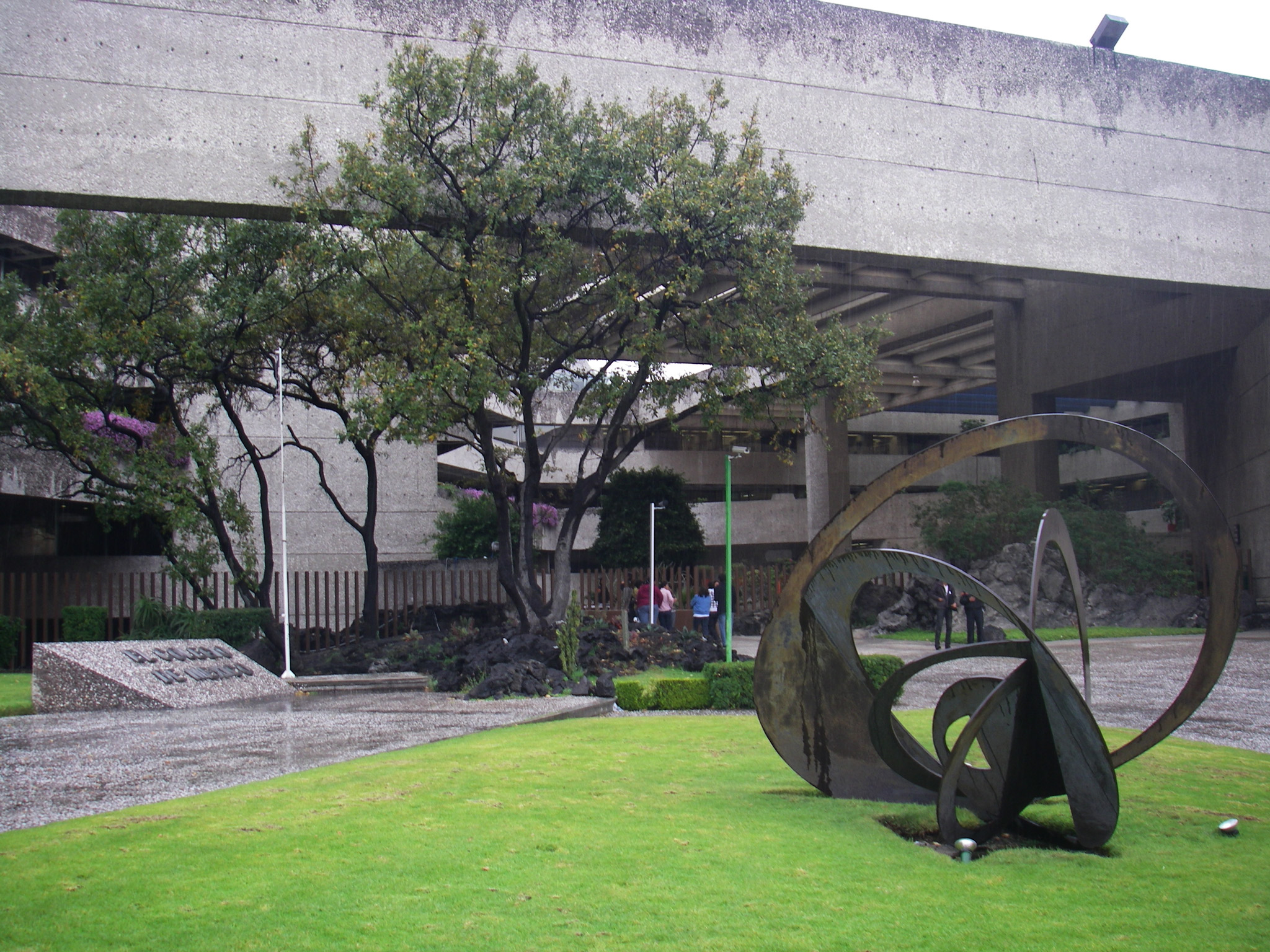
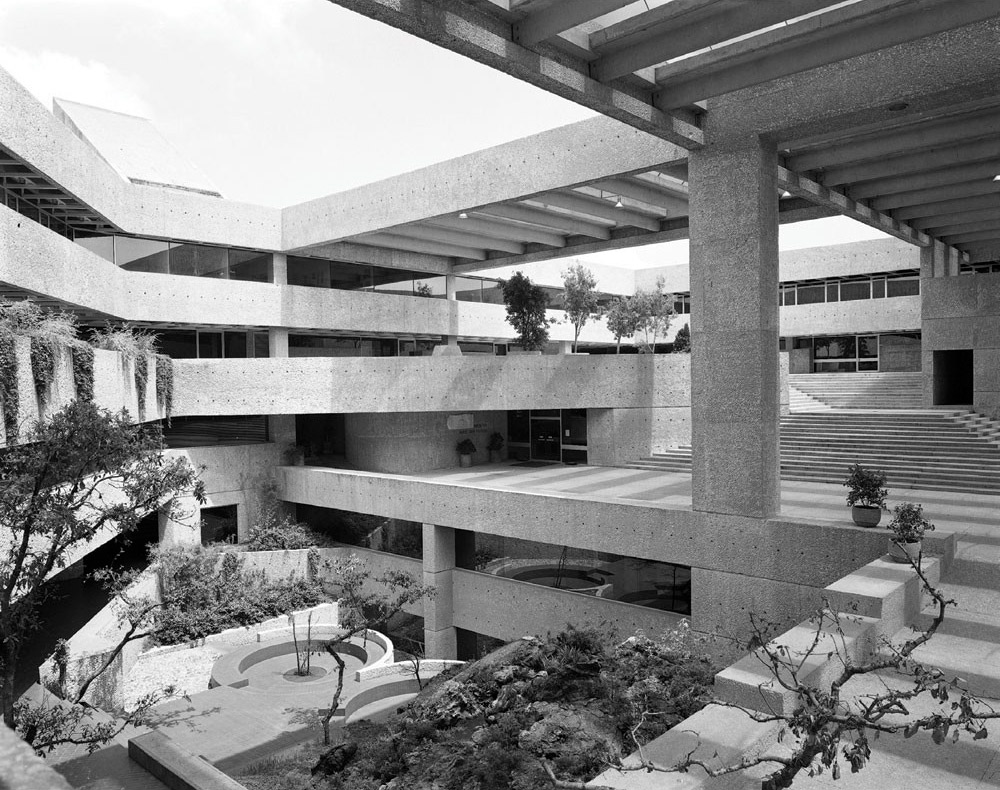
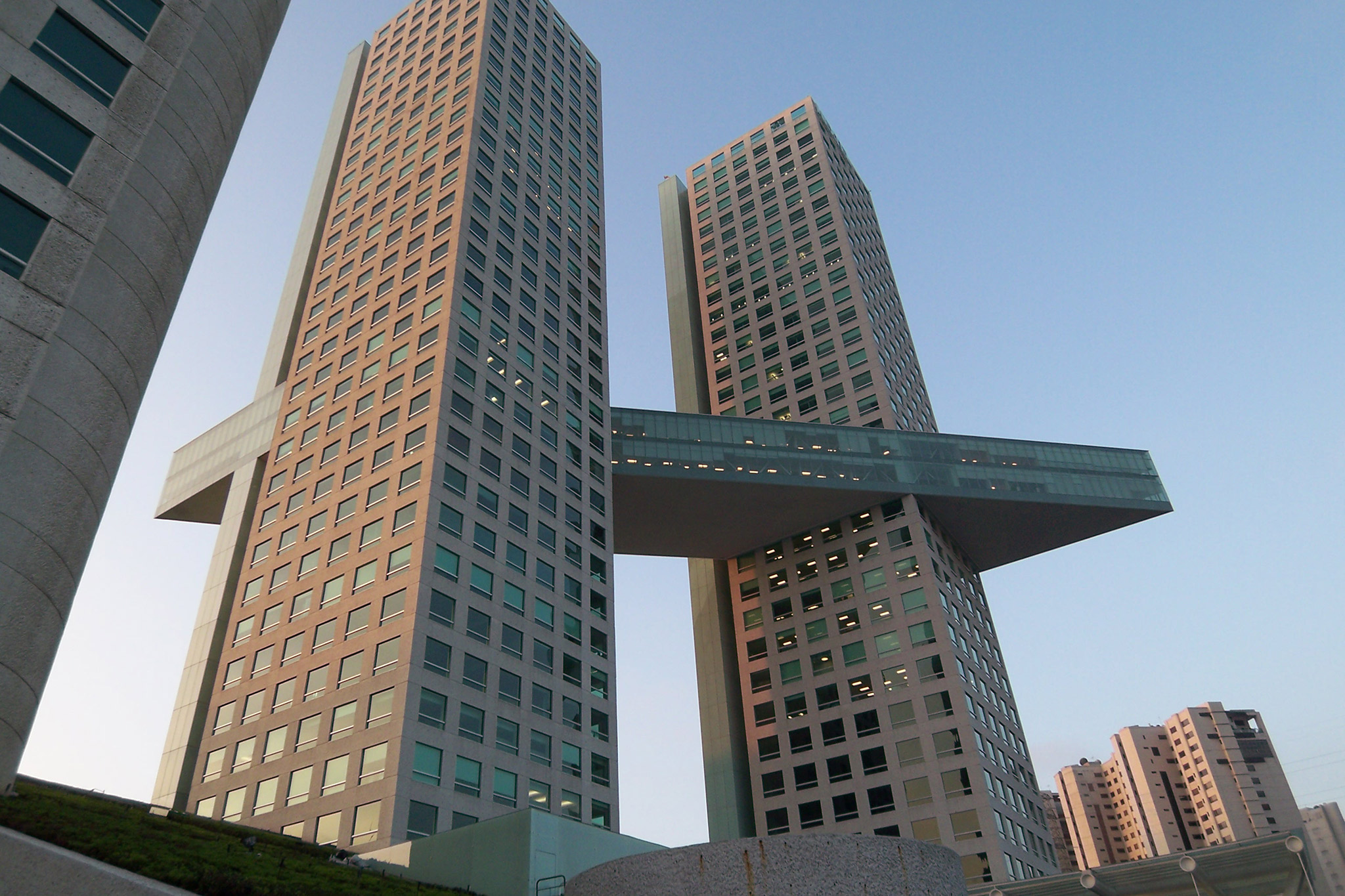
On Friday he was working, -in his architectural studio located across the street where is located his house-, in new projects such as the expansion of the library of the Colegio de Mexico, a classic of architecture built in 1976 or Manacar tower 22 floors, a project south of the citya complex program,  with housing building and shopping center.

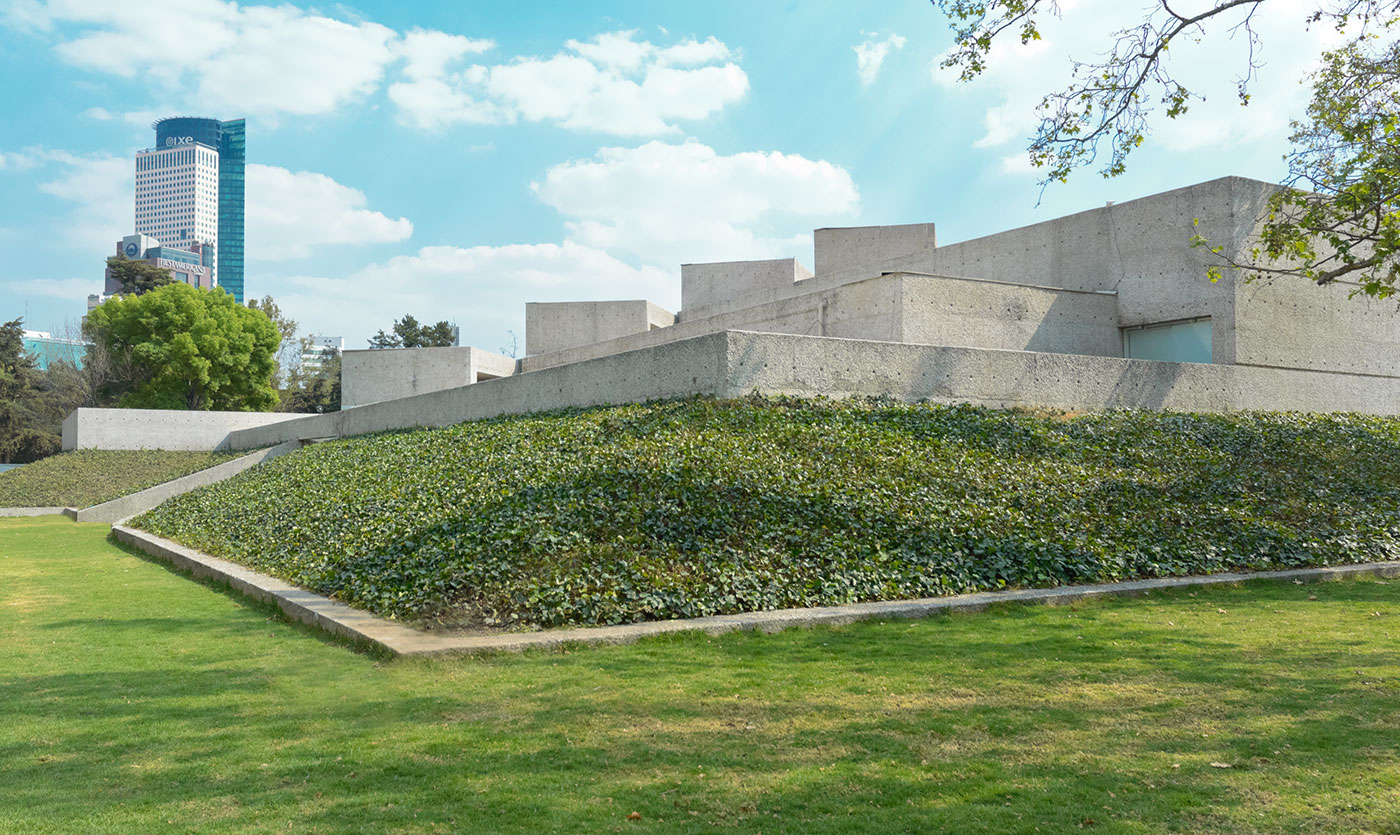
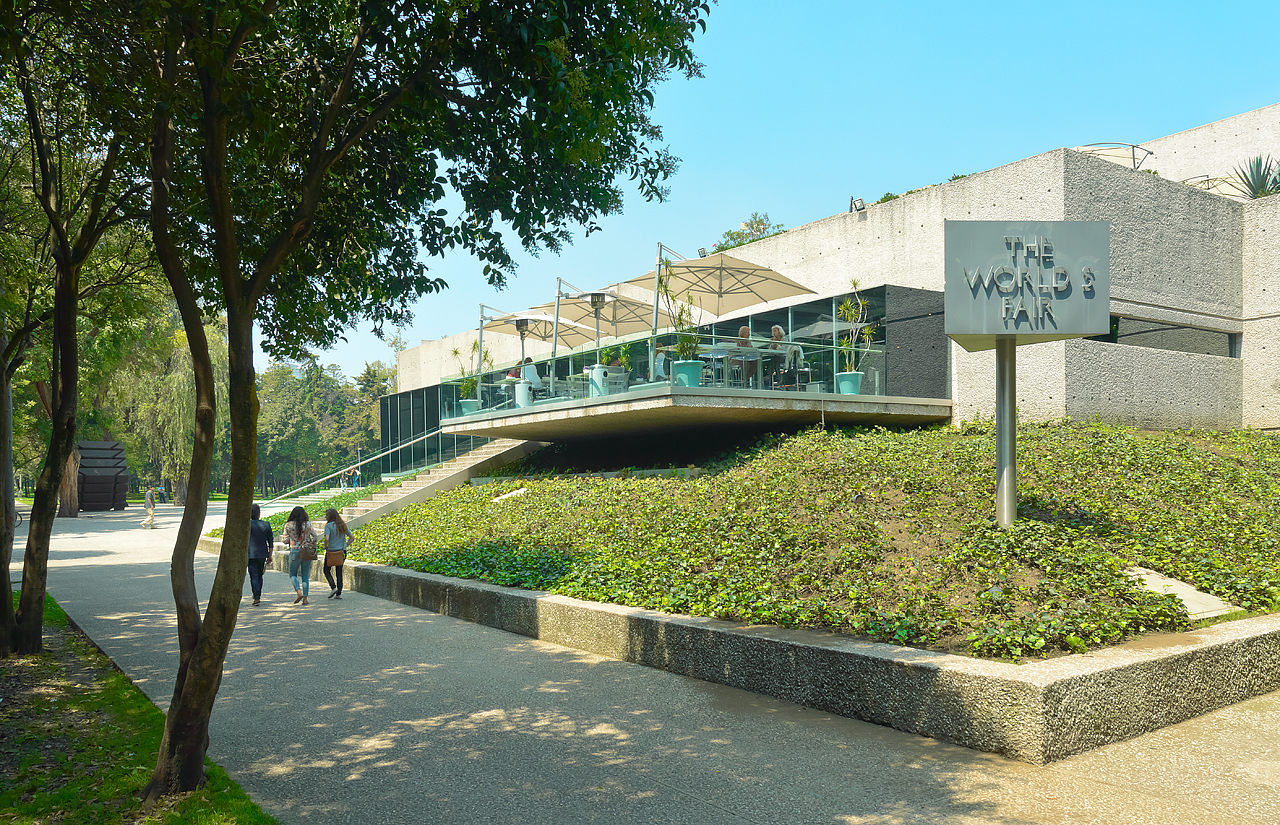
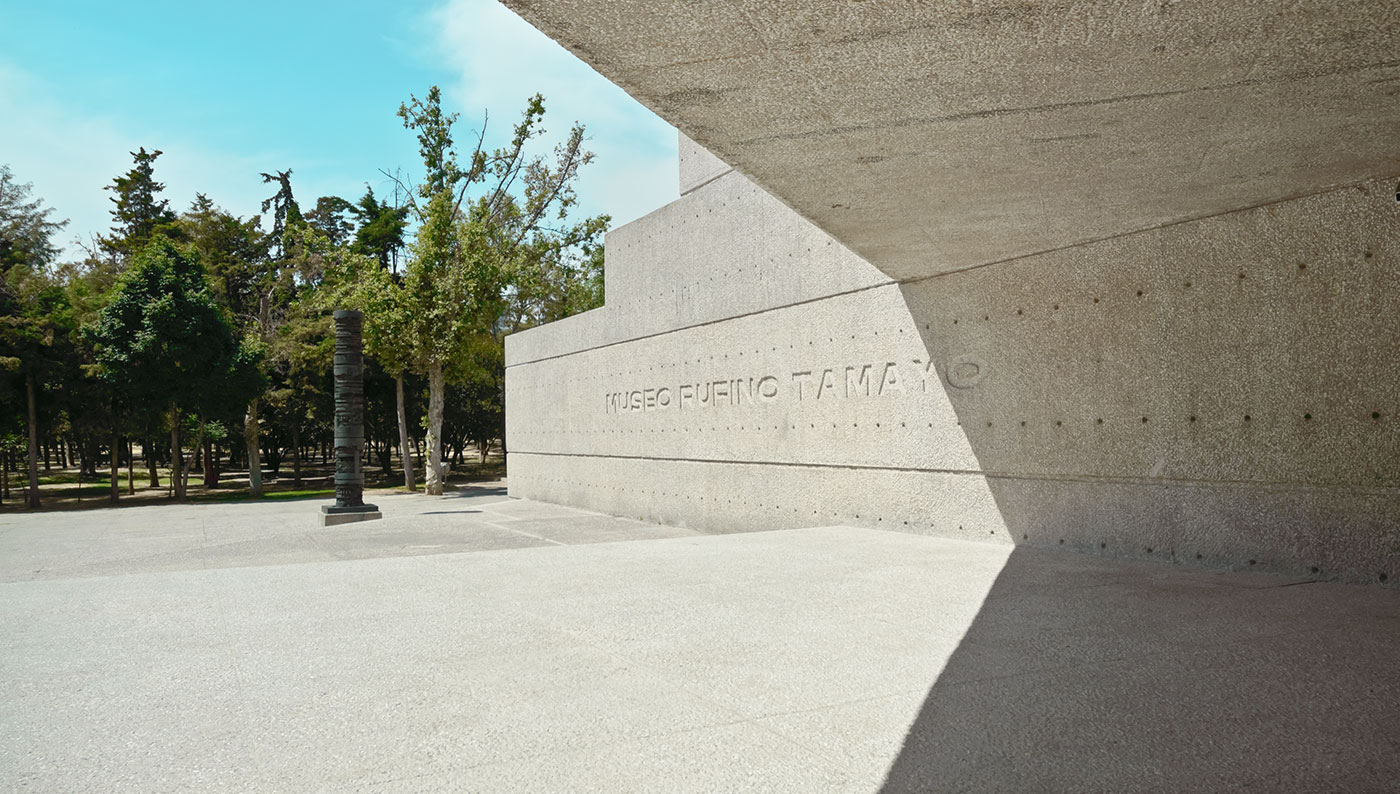
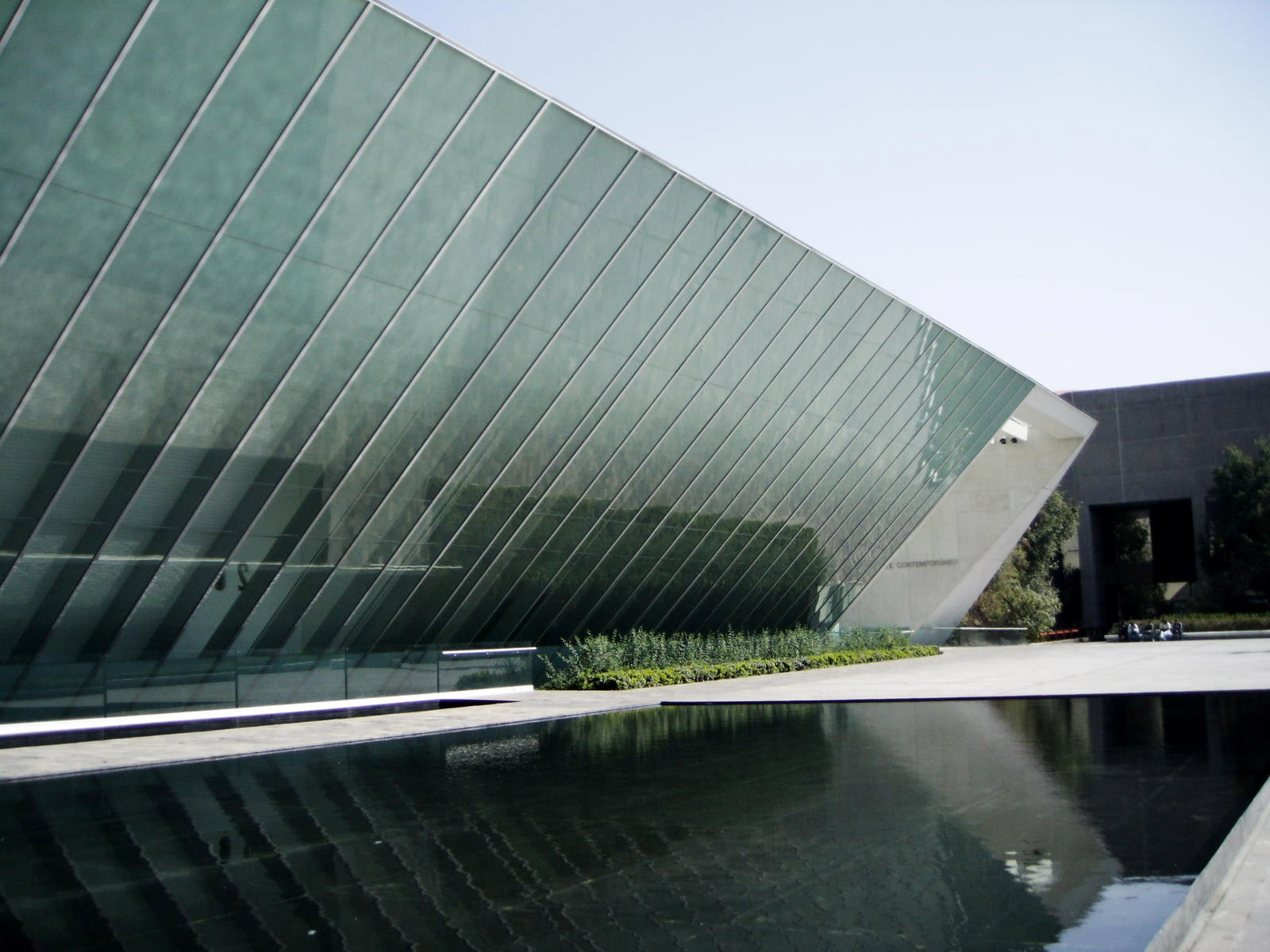
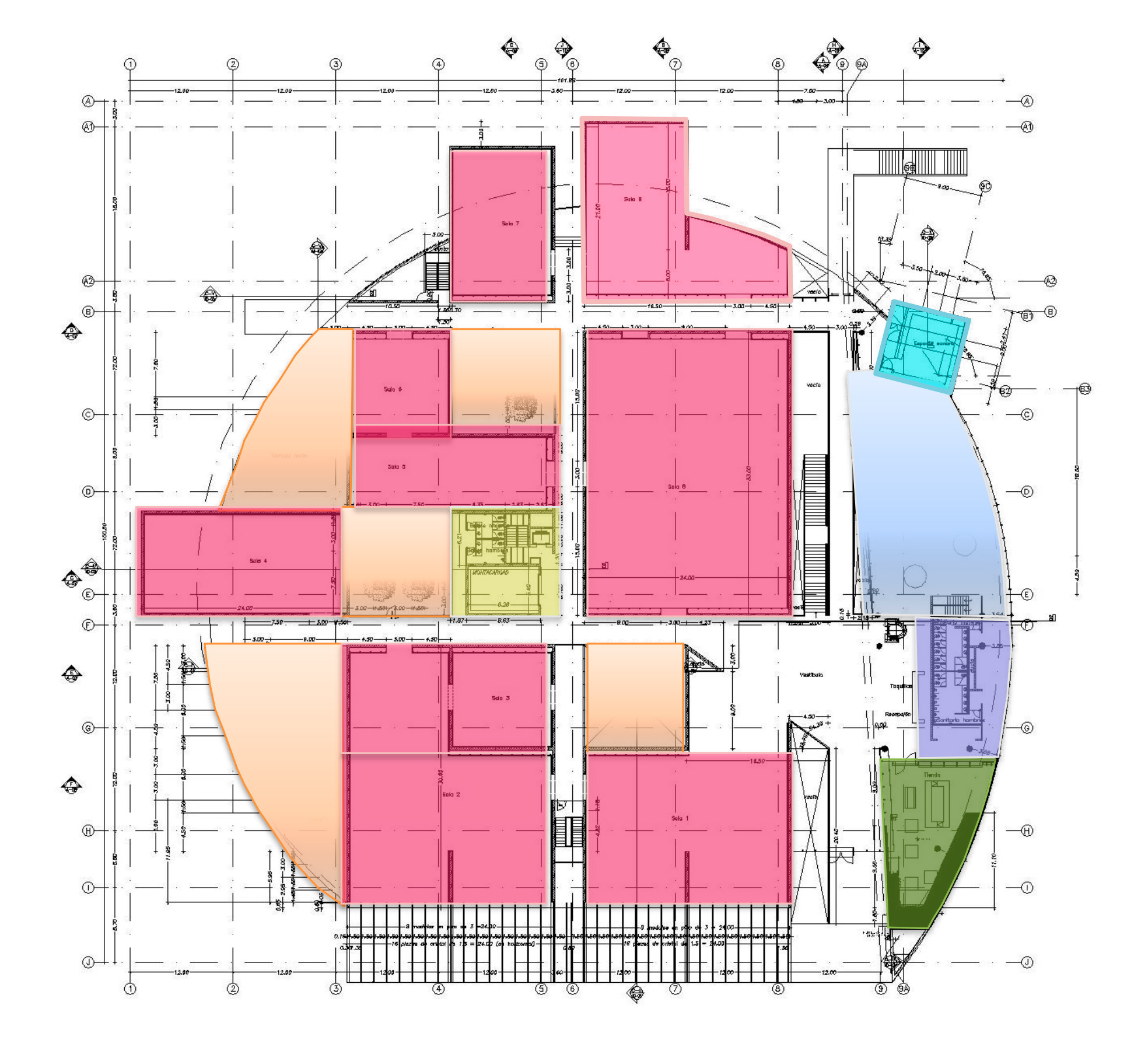
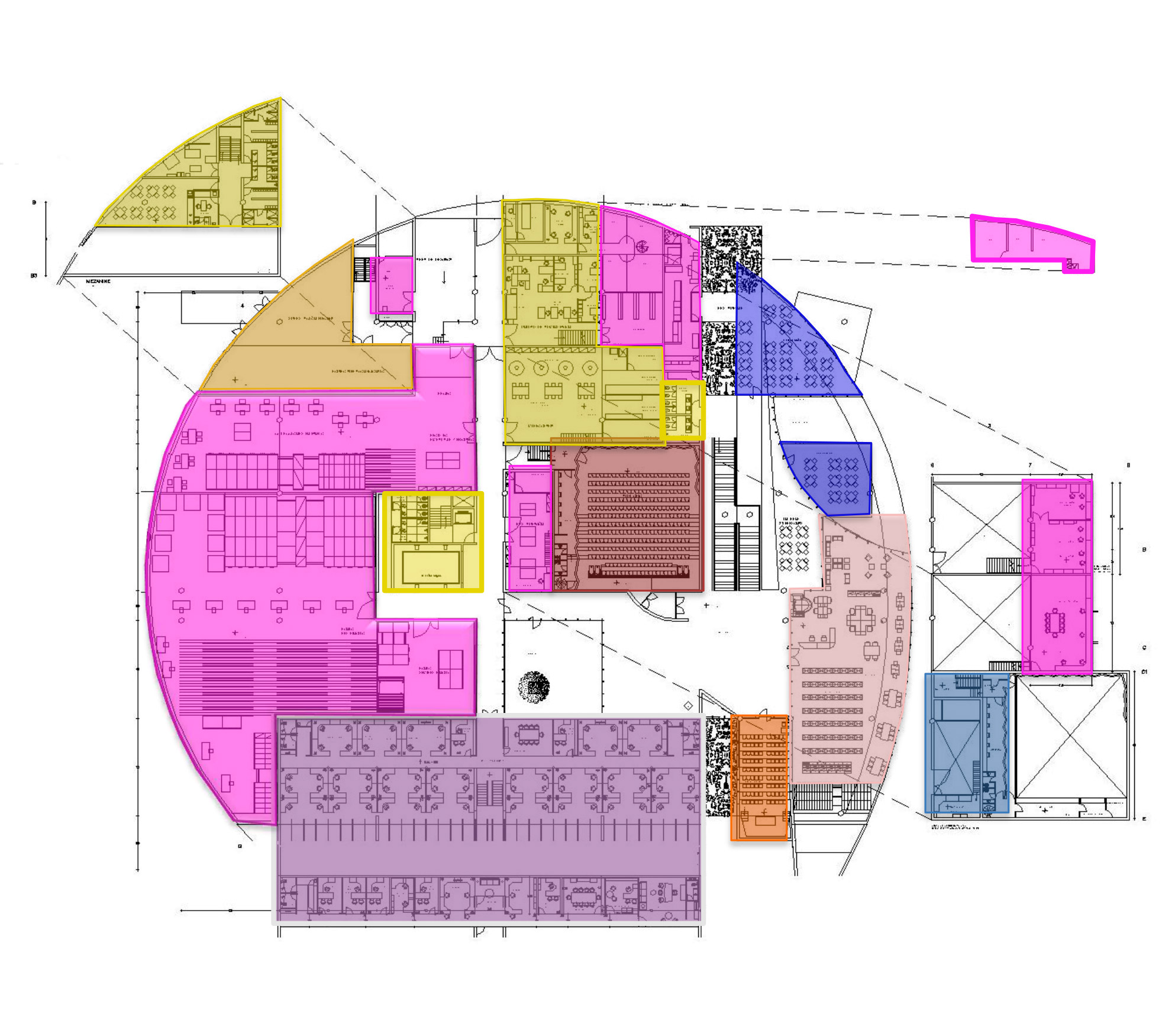
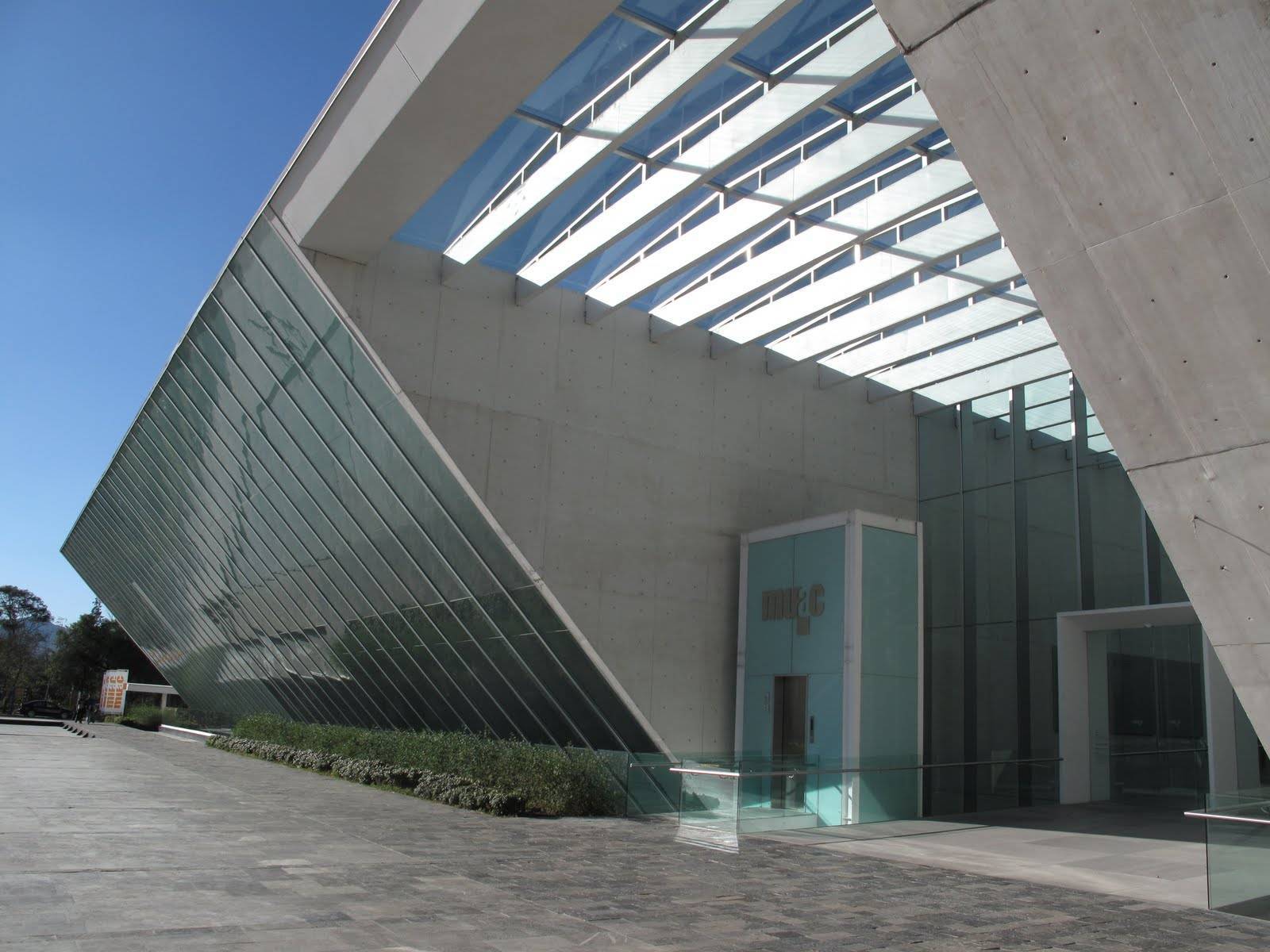
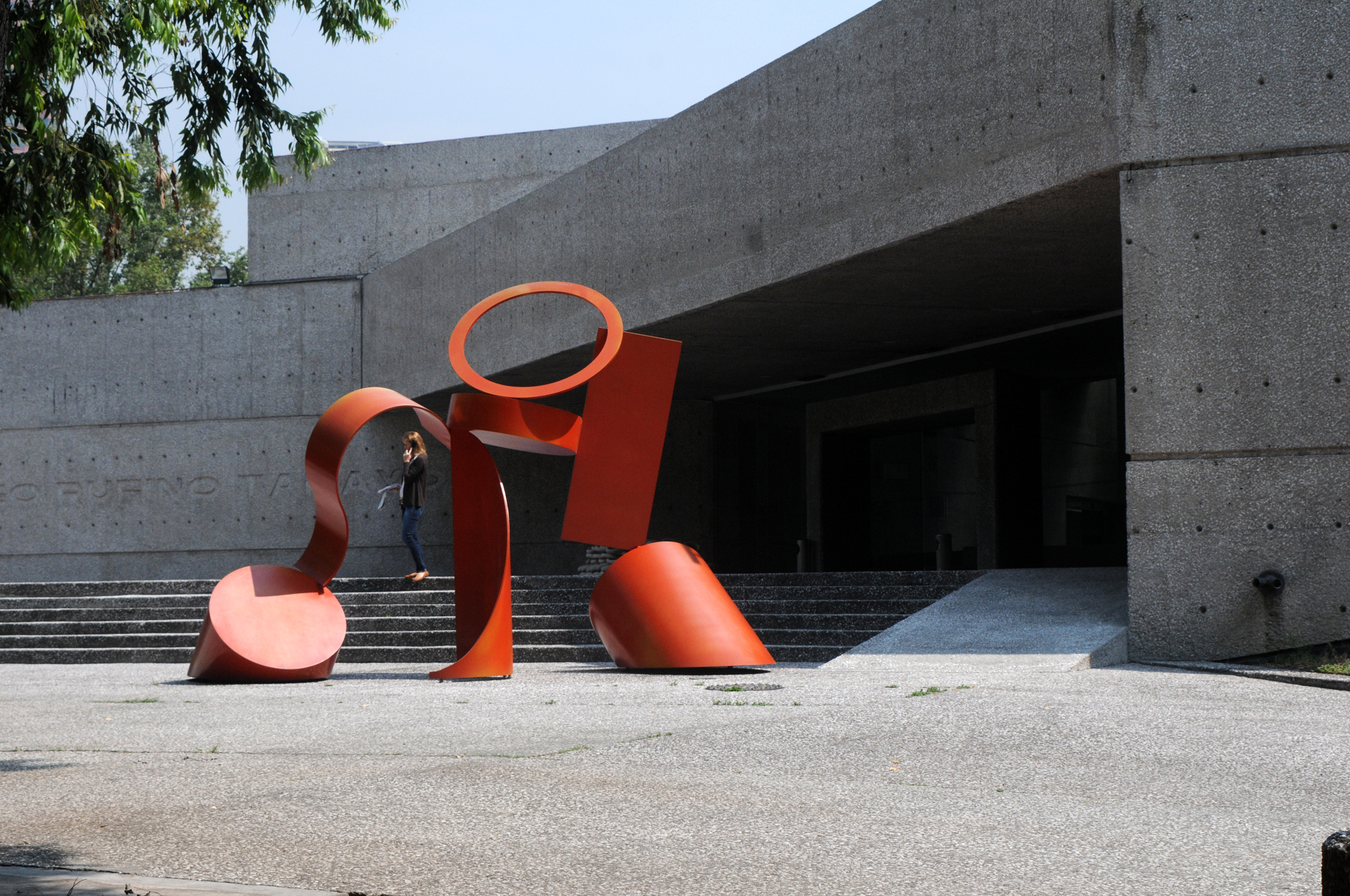
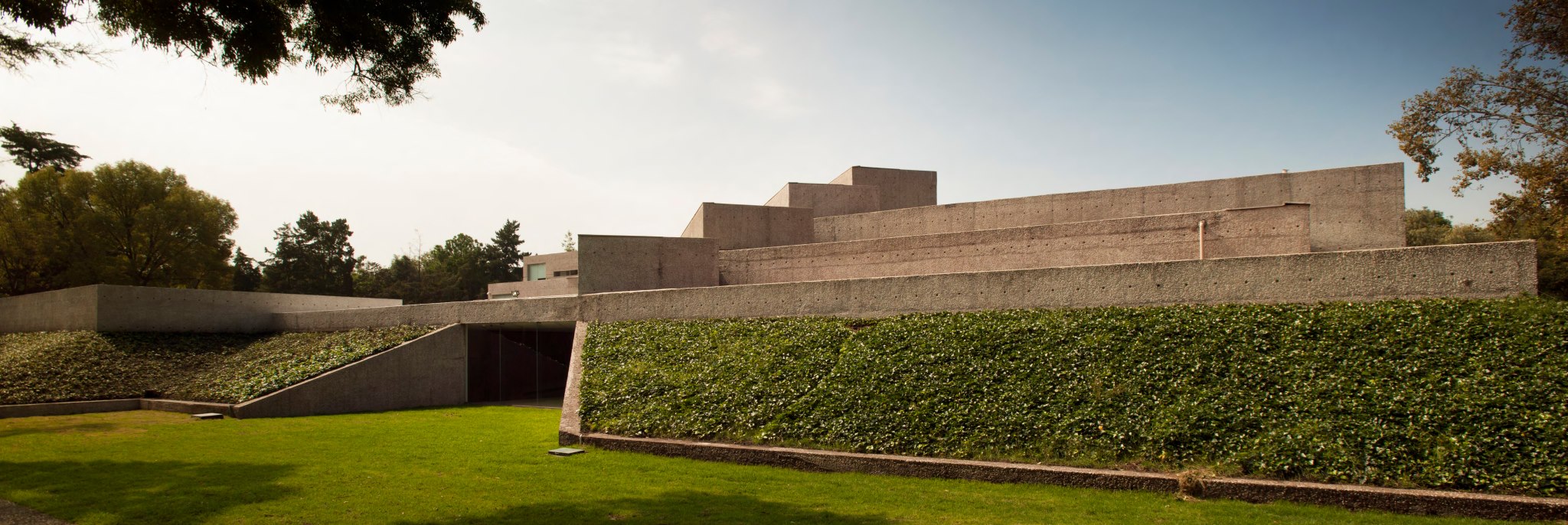
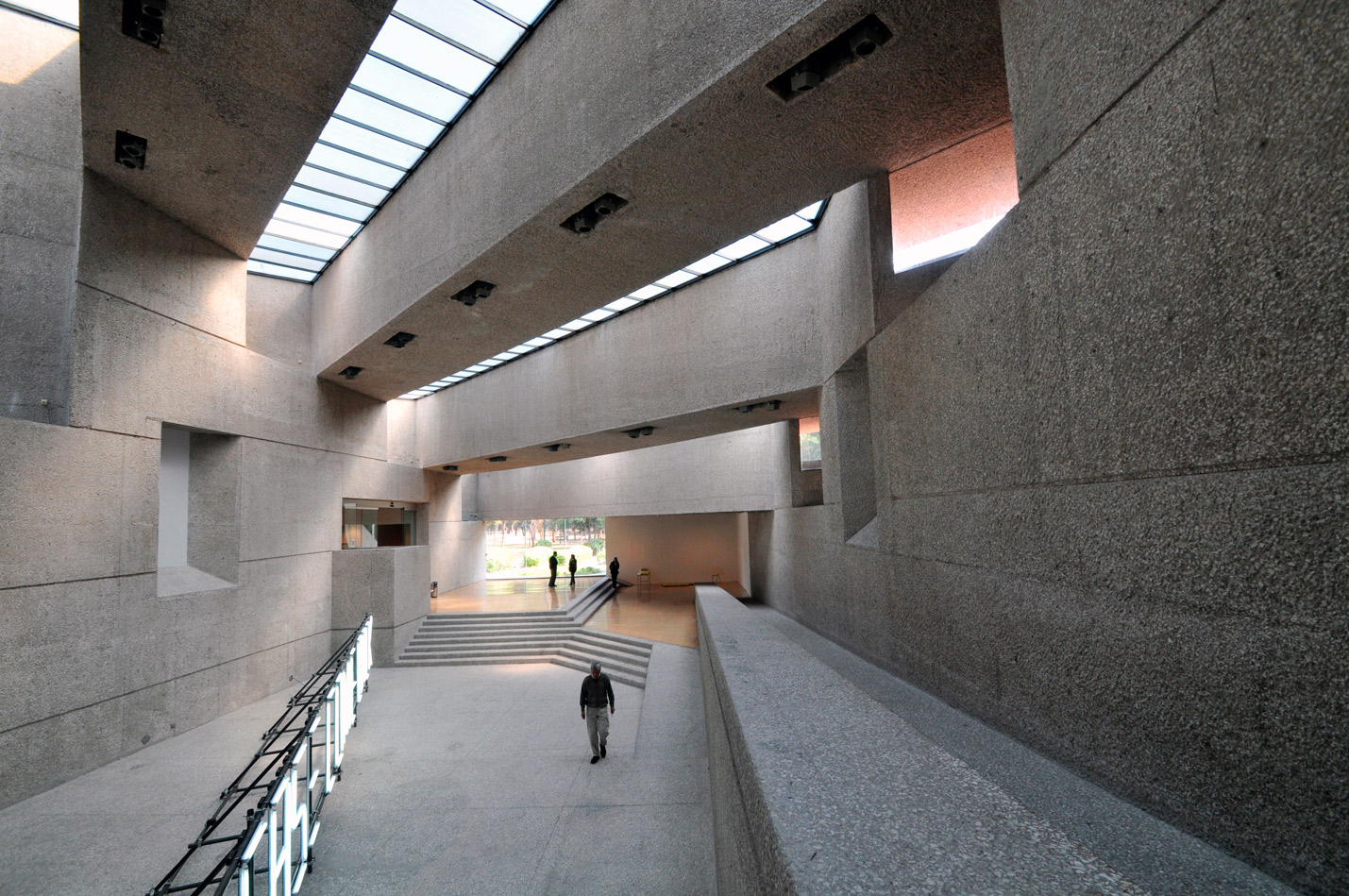
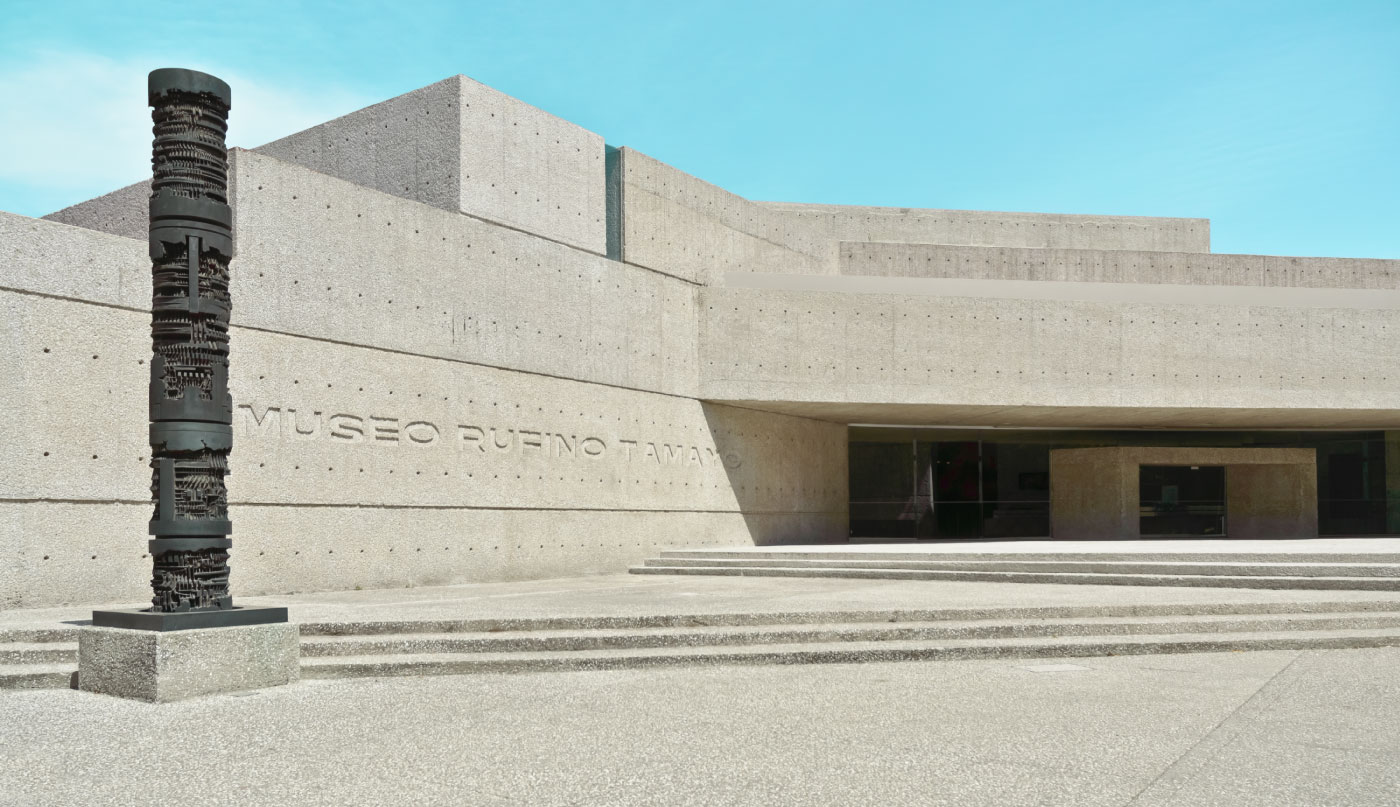
His tenure, in the 1940s, as a pupil in the studio of Le Corbusier, -as other so many, it leaves a clear mark of the Swiss architect in the way they work, whose influences defined the vision of its architecture along seven decades, a work characterized by the use of concrete as main material, used on buildings as the Museo Rufino Tamayo de Arte Contempóraneo, the expansion of the National Auditorium, and other as, the Embassy of Mexico in Berlin and the Museo Universitario de Arte Contemporáneo (MUAC), the latter a work of 2008 he designed at 82 years old.

His early work, -after studying at the Escuela Nacional de Arquitectura de la Universidad Nacional Autónoma de México (UNAM) and spend 18 months by the French government in the studio of Le Corbusier, came from the hand of architects and consolidated as Carlos Obregón Santacilia, Carlos Lazo Barreiro and Mario Pani Darqui.

His work began to stand out thanks to its partnership and collaboration with another great master of Mexican architecture, Abraham Zabludovsky (1924-2003). Resulting of this collaboration buildings like the National Auditorium or the Tamayo Museum designed in the Bosque de Chapultepec, where it appears synthesized much of its architectural, monumental, a kind of Mexican architectural brutalism, characterized by the expression of large geometric gestures and structural as well as the characteristic use of concrete.

His work was a sintexis between modernity and abstract reinterpretation of prehispanic architecture, (it is a constant reference to the great examples of that architecture as the nearby city of Teotihuacan) influenced by artists such as Juan Gris and Fernand Léger, reflecting his love of painting, sculpture and photography.

The architect cumplia 90 on May 28 and was present at the tribute was paid at the Palace of Fine Arts in the Mexican capital and said the following.
 
"I have over 80 years learning how to live, how to be. I have not learned disciplines, I have become ways of life; reading is a way of life, drawing, painting, sculpture, are a way of life; visit the cities, listen to music and architecture are forms of life; no religion is my way of life."
Read more
Read less

More information

José Juan Barba (1964) is an architect, graduated from ETSA Madrid (1991), and holds a Doctorate in Architecture from ETSA Madrid, awarded Cum laude for his thesis Inventions: New York vs. Rem Koolhaas, Bernard Tschumi, Piranesi (2004). He received a special mention in the National Awards for Completion of Studies (1991) and served as an advisor to various NGOs until 1997. He founded his studio in Madrid in 1992 (www.josejuanbarba.com). 

Barba is an architecture critic and has been the director of METALOCUS magazine since 1999. Since 1998, he has directed the International Architecture Magazine METALOCUS (bilingual, Spanish/English), which has been recognized with multiple national and international awards.

He is a Full Professor at the University of Alcalá, leading the project line of the Habilitation Master's Architecture and City, responsible for several courses in Theory and Criticism, heading the Urban Planning area of the Department of Architecture, and participating in the research group Architecture, History, City, and Landscape at UAH. He has been invited to numerous architecture and urbanism forums, including the II Forum of Mexican Cities World Heritage: Urban Development, History, and Modernity, organized by the Pan-American Committee for Urban Development and Historical Heritage, and the World Urban Development Forum (FMDU) in Culiacán, Sinaloa, Mexico. He has also participated in the International Architecture and Urbanism Conferences from the perspective of women architects, and has lectured at prestigious national and international universities, including the National Building Museum (Washington, DC), Roma TRE, Politecnico di Milano, UPMF Grenoble, ETSA Madrid, ETSA Barcelona, University of Thessaly (Volos), UNAM Mexico, the Faculty of Architecture Montevideo, schools of architecture in Medellín, Quito-Ecuador, Alicante, Málaga, Granada, Seville, A Coruña, Zaragoza, Valladolid, Universidad Iberoamericana Mexico, IE School, Universidad Europea Madrid, UCJC Madrid, ESARQ-UIC Barcelona, or Università Degli Studi di Genova.

Barba has extensive professional experience in architecture, urban planning, landscape design, and territorial recovery. He has received numerous awards, including the First Prize for Gran Vía Posible for Delirious Gran Vía (Madrid), the River Interpretation Center (Zamora), exhibited at the World Architecture Festival (Barcelona 2008), Santa Bárbara Park (Toledo), the Erich Degner Architecture Prize 1995 promoted by the BBVA Foundation, and his Day Care Center for the Elderly project, featured in Volume 3 of the COAM Madrid Architecture Guide (2007). His work has been published in numerous national and international books and magazines.

He was also Maître de Conférences at IUG-UPMF Grenoble (2013–14), in a position obtained through a European competition. His work has been published internationally. He regularly serves on academic juries, including the editorial competition of Quaderns magazine (2011), as a selector for the Mies van der Rohe Awards (2007–2026), as juror for EUROPAN13 Spain (2015–16), TRANSFER in Zurich (2019), and was invited to participate in the Venice Biennale 2016 as part of the exhibition Spaces of Exception / Spazi d’Eccezione.

He has published several books, including The Dark Line. michele&miquel, dA Vision Design (2024), CONGRESO ANYWAY. The City of Cities (2020), #Positions (2016), and Inventions: New York vs. Rem Koolhaas, Bernard Tschumi, Piranesi (2015). He has contributed to other publications such as Public Space Gran Vía. The Tourism City (2020), Spaces of Exception / Spazi d’Eccezione (2016), La mansana de la discordia (2015), and Contemporary Architecture of Japan: New Territories (2015), as well as chapters in numerous books including Architects: A Professional Challenge (2009), 21st Century Architectures (2007), Ruta de la Plata, New Conquerors of Space (2019), and The Tourism City (2020).

Selected awards include:

- “PIERRE VAGO” ICAC. International Committee of Art Critics Award, London, 2005
- “PANAYIOTI MIXELI AWARD,” SADAS-PEA, award for the promotion of architecture, Athens, 2005
- “SANTIAGO AMÓN” AWARD, award for the promotion of architecture, COAM Madrid, 2000
- FAD Award 07, Ephemeral Interventions, First Prize, M.C. Escher Exhibition, Arquin-FAD, Barcelona, 2007
- World Architecture Festival, Center for Research and Interpretation of the Rivers, Tera, Esla, and Órbigo, Finalist, Barcelona, 2008
- Gran Vía Posible, First Prize, Delirious Gran Vía, Madrid, 2010
- Reform of the Río Segura Surroundings, Award, Murcia, 2010

Read more
Published on: September 18, 2016
Cite:
metalocus, JOSÉ JUAN BARBA
"Teodoro Gonzalez de Leon, master of Mexican architecture" METALOCUS. Accessed
<https://www.metalocus.es/en/news/teodoro-gonzalez-de-leon-master-mexican-architecture> ISSN 1139-6415
Loading content ...
Loading content ...
Loading content ...
Loading content ...
Loading content ...
Loading content ...
Loading content ...
Loading content ...
Loading content ...
Loading content ...
Loading content ...
Loading content ...
Loading content ...
Loading content ...
Loading content ...
Loading content ...
Loading content ...
Loading content ...
Loading content ...
Loading content ...
Loading content ...
Loading content ...
Loading content ...
Loading content ...
Loading content ...
Loading content ...
Loading content ...
Loading content ...
Loading content ...
Loading content ...
Loading content ...
Loading content ...
Loading content ...
Loading content ...
Loading content ...
Loading content ...
Loading content ...
Loading content ...
Loading content ...
Loading content ...
Loading content ...
Loading content ...
Loading content ...
Loading content ...
Loading content ...
Loading content ...
Loading content ...
Loading content ...
Loading content ...
Loading content ...
Loading content ...
Loading content ...
Loading content ...
Loading content ...