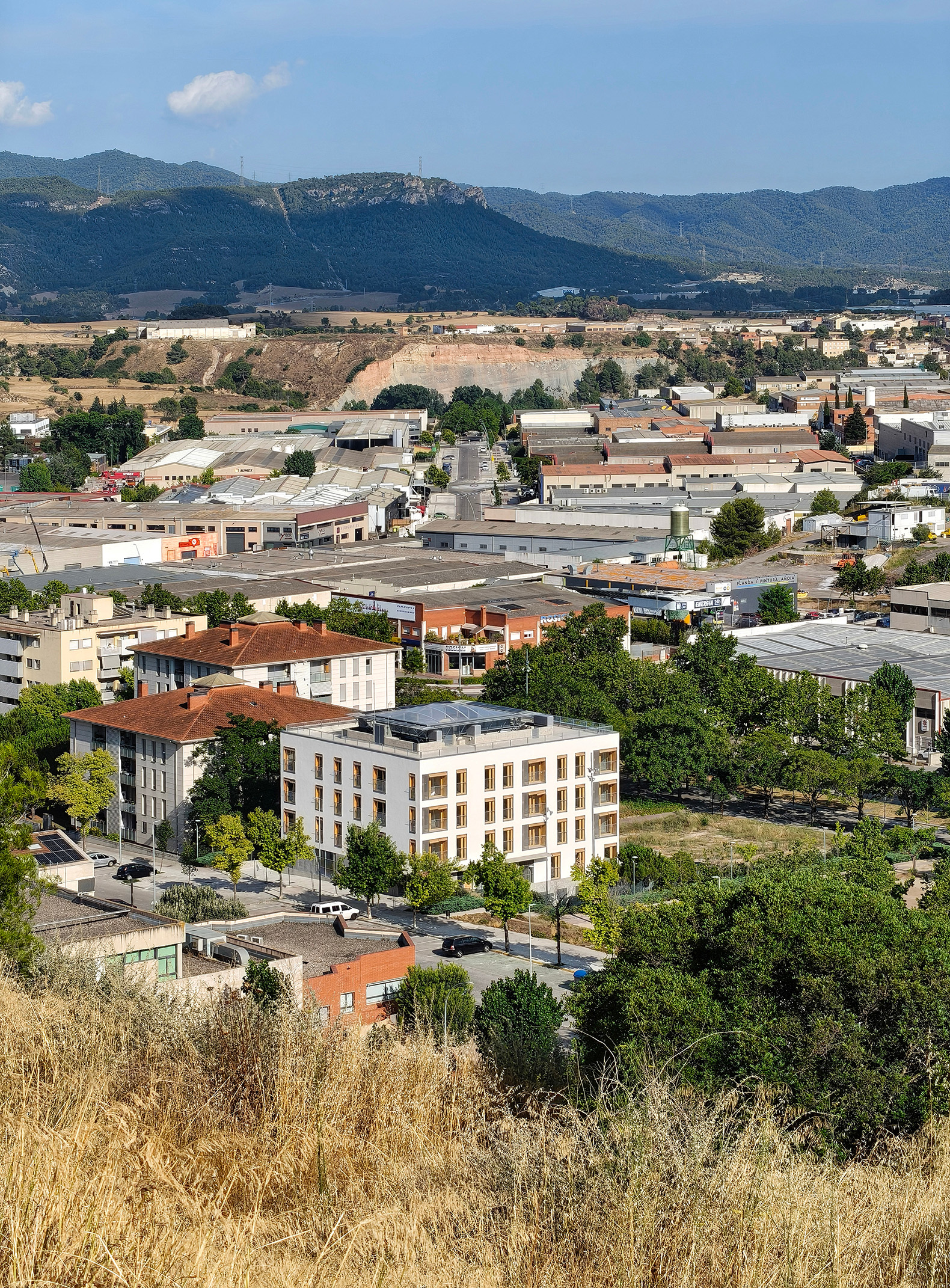
The UTE formed by the architecture practices MBM Arquitectes + 4RQ Arquitectura was commissioned to design this 24-unit apartment building, located on a plot of land subject to unfavourable urban planning regulations in the Les Comes neighbourhood of Igualada, northwest of Barcelona. 

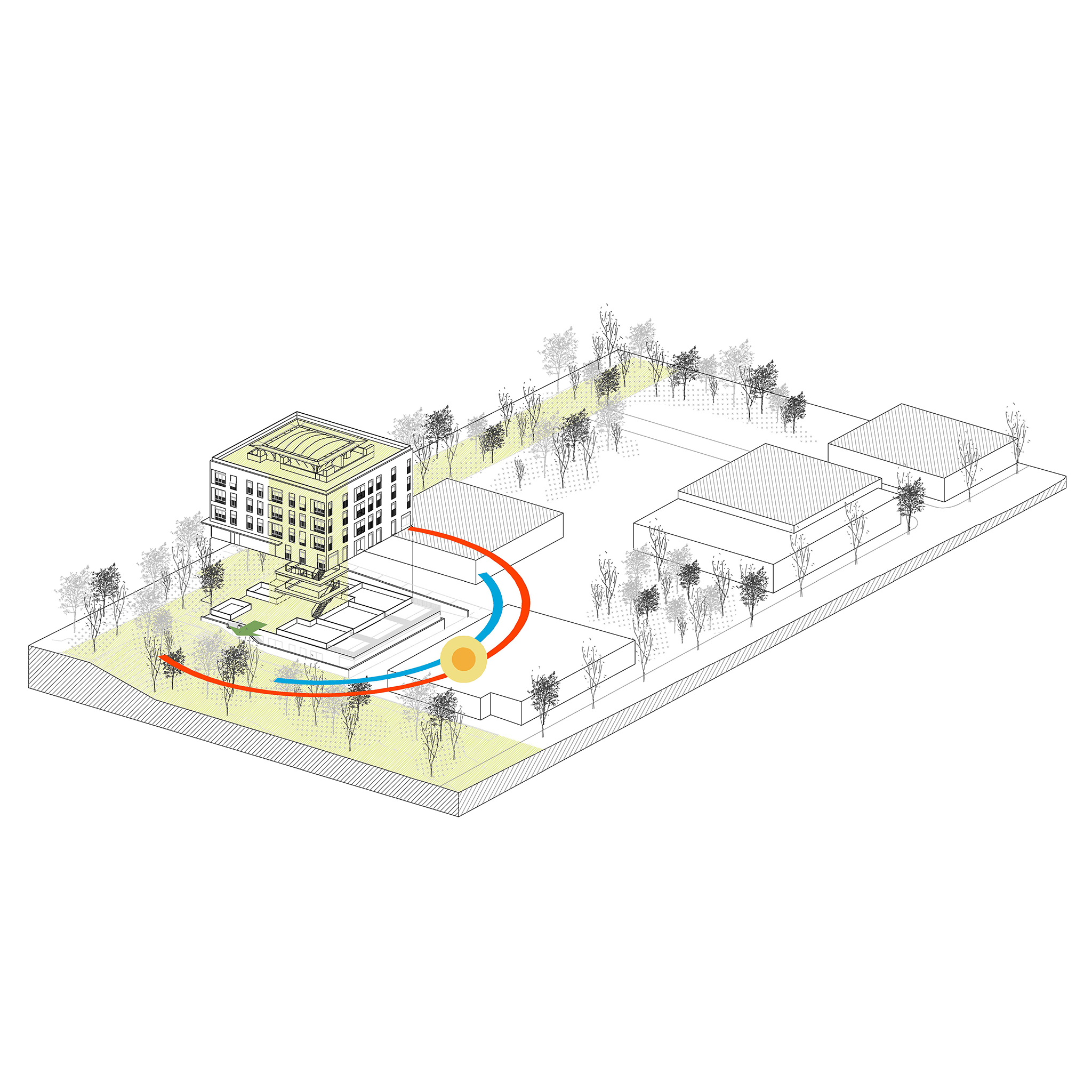
The architects embraced these challenges as an opportunity for formal and programmatic exploration, creating a transitional element that connects the existing building facade with the adjacent urban park.

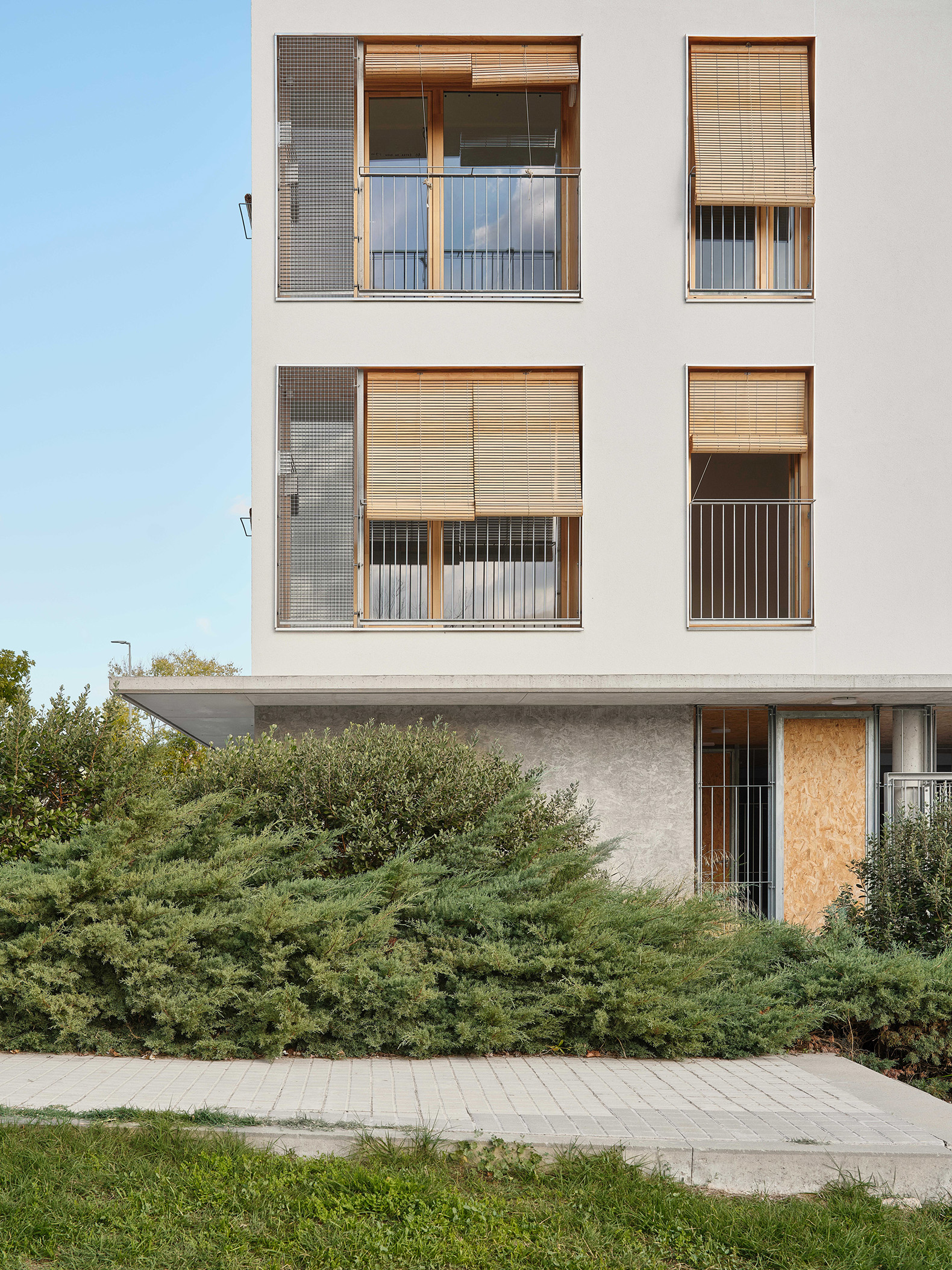
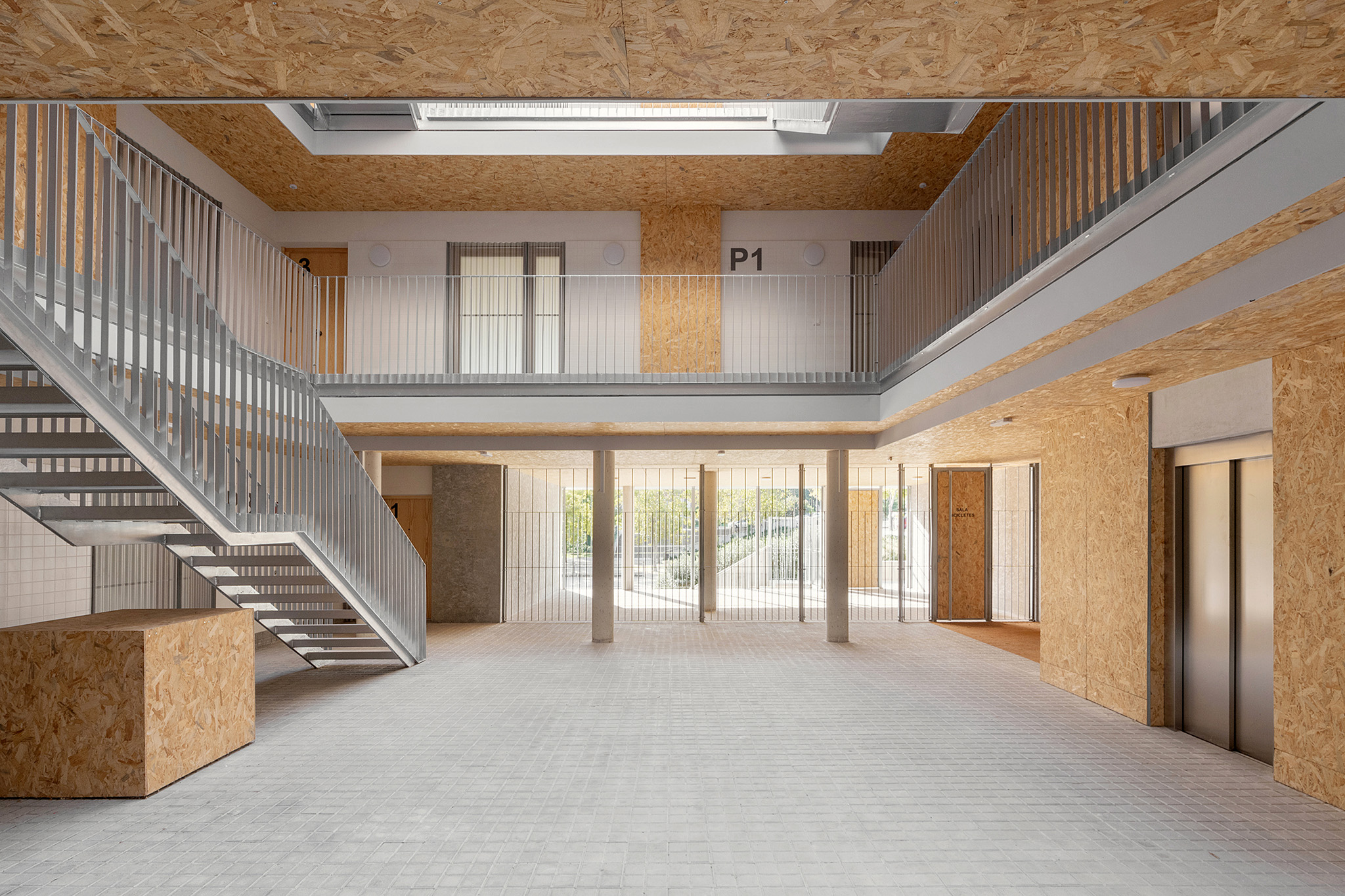
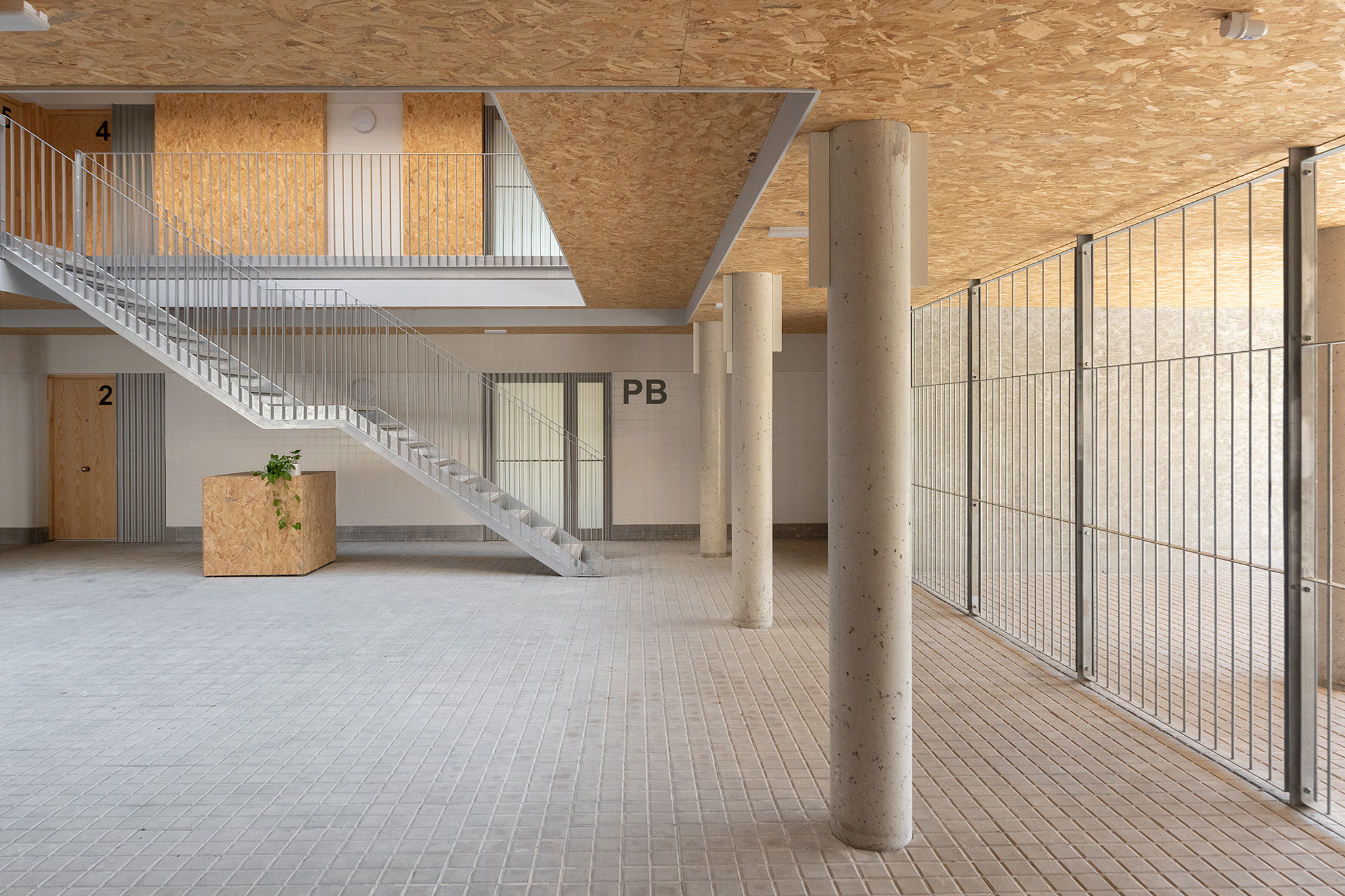
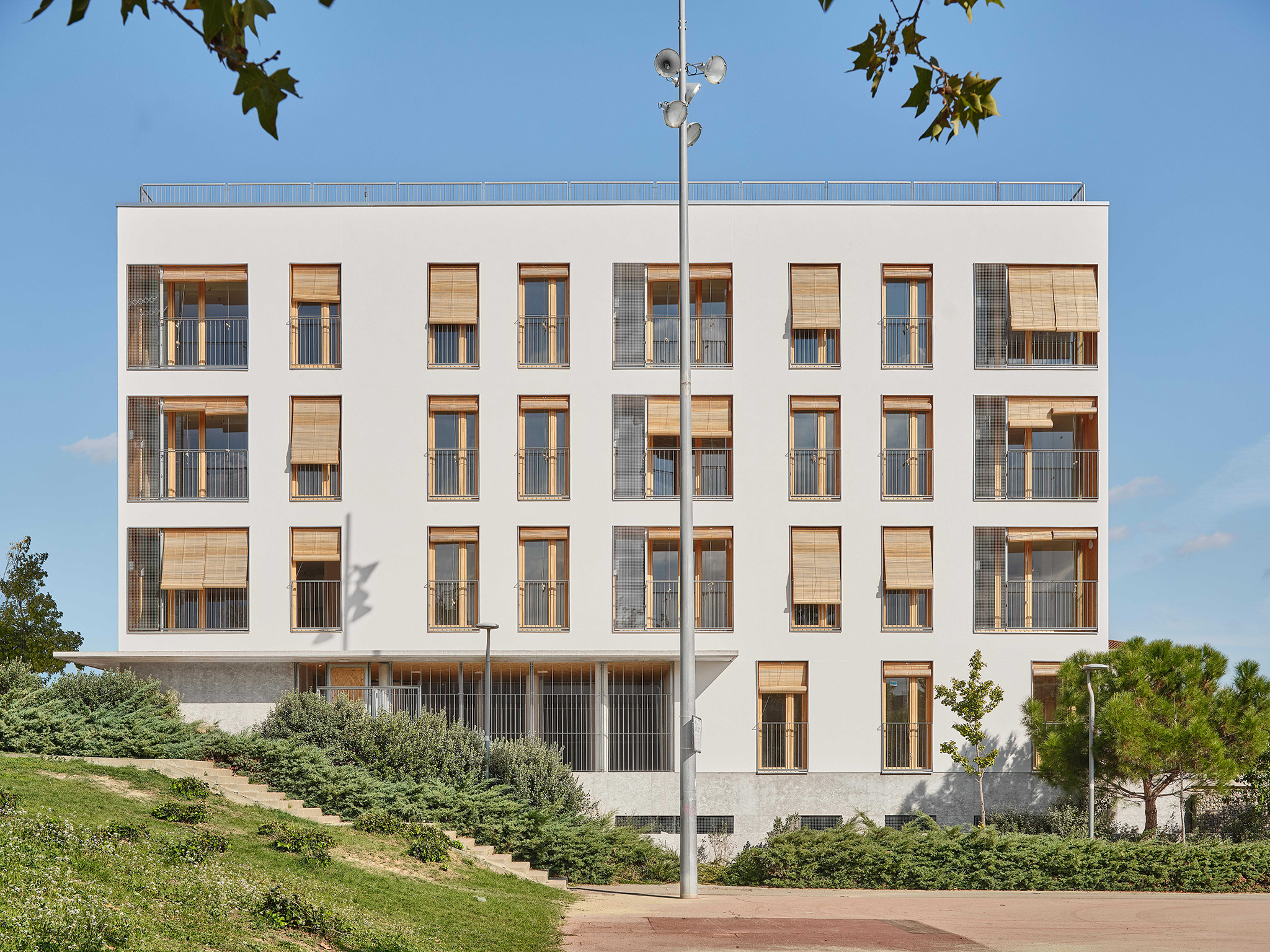
The 24-unit housing project, developed by MBM Arquitectes + 4RQ Arquitectura, creates a volume with two distinct perspectives: compact towards the street frontage and open towards the park, proposing new, sustainable relationships between community life and the natural environment. The design frees up the ground floor and concentrates the entrances, technical spaces, and communal areas on this level, connecting them to the park and the neighbourhood. 

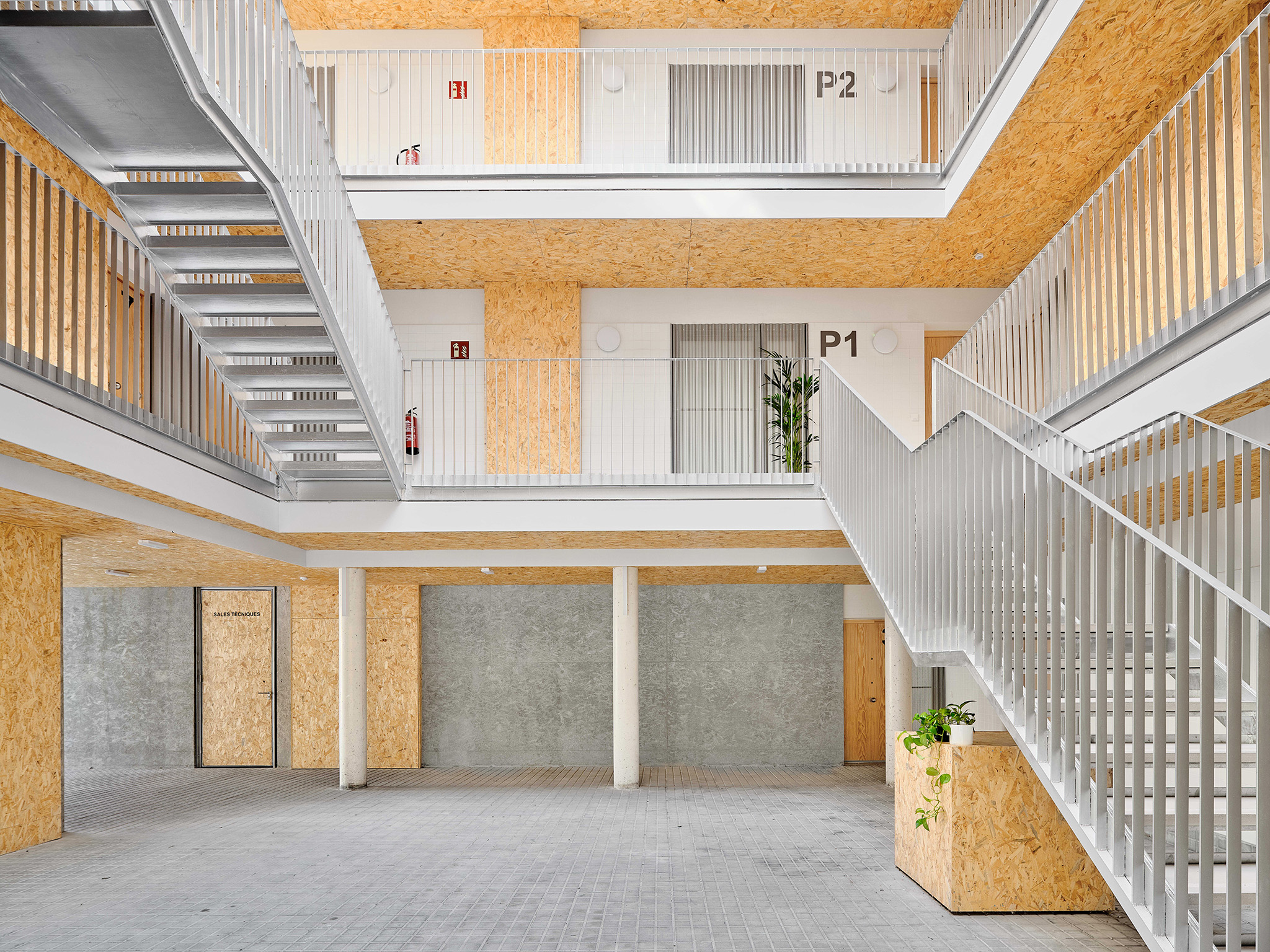
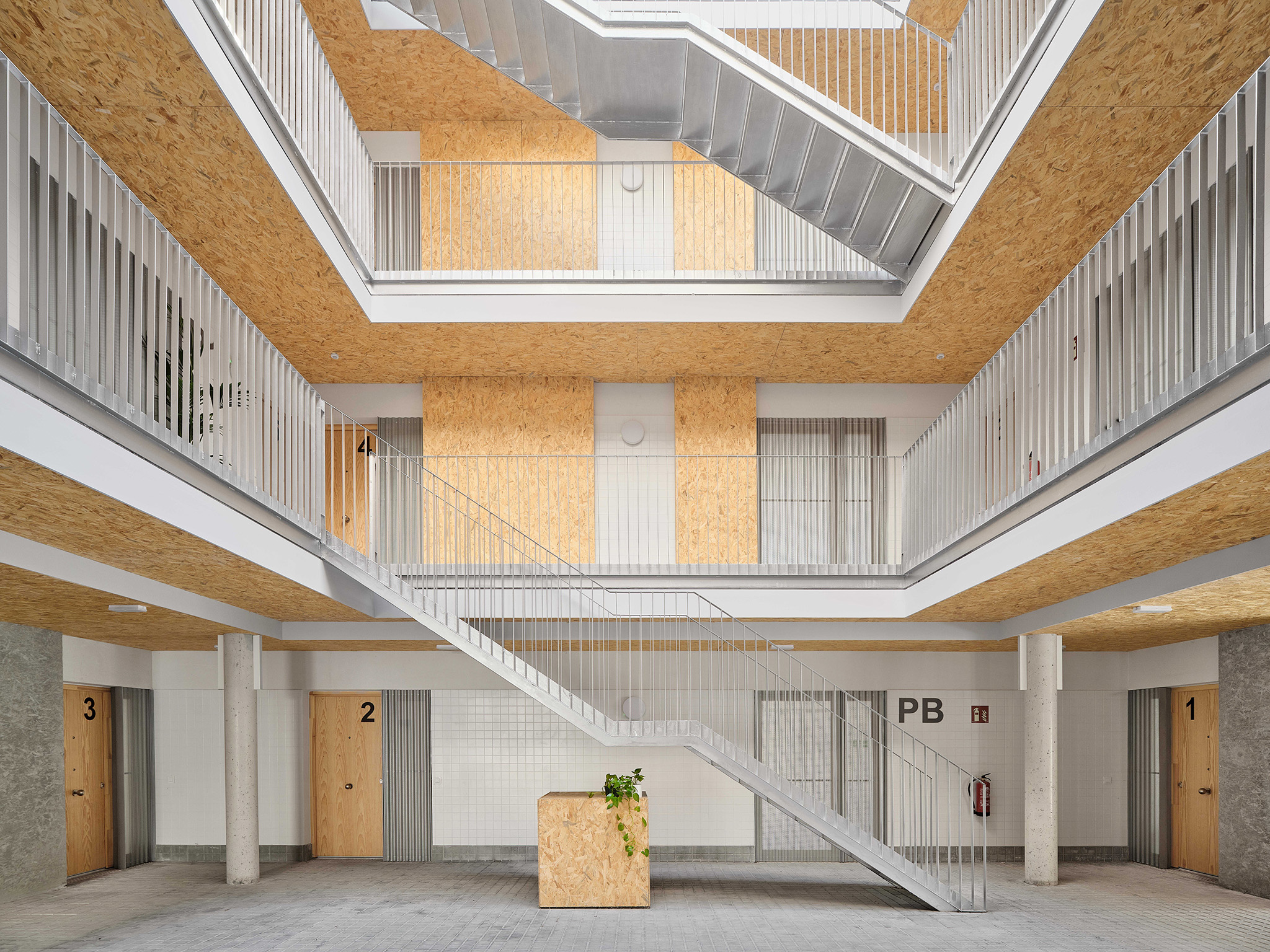
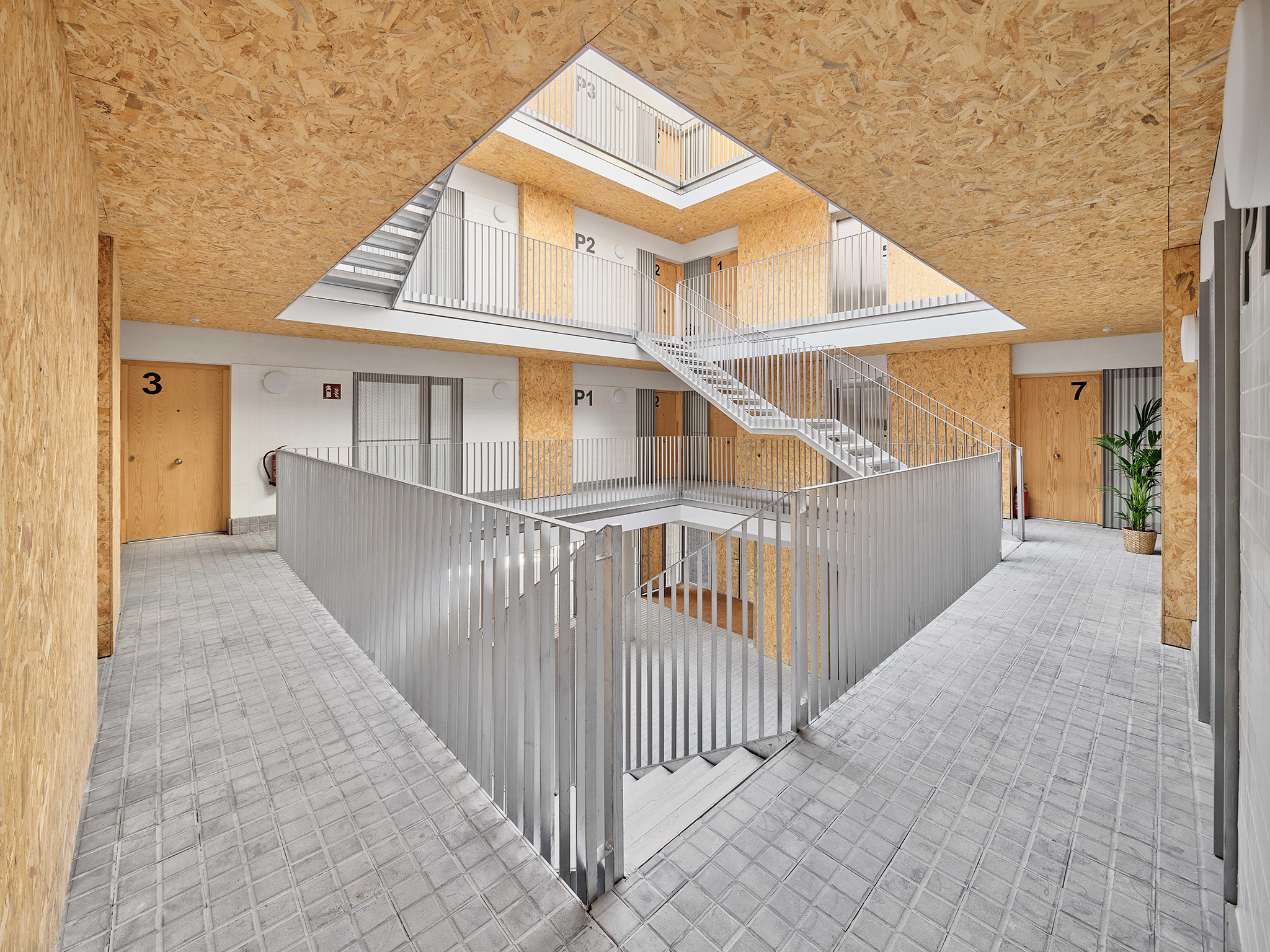
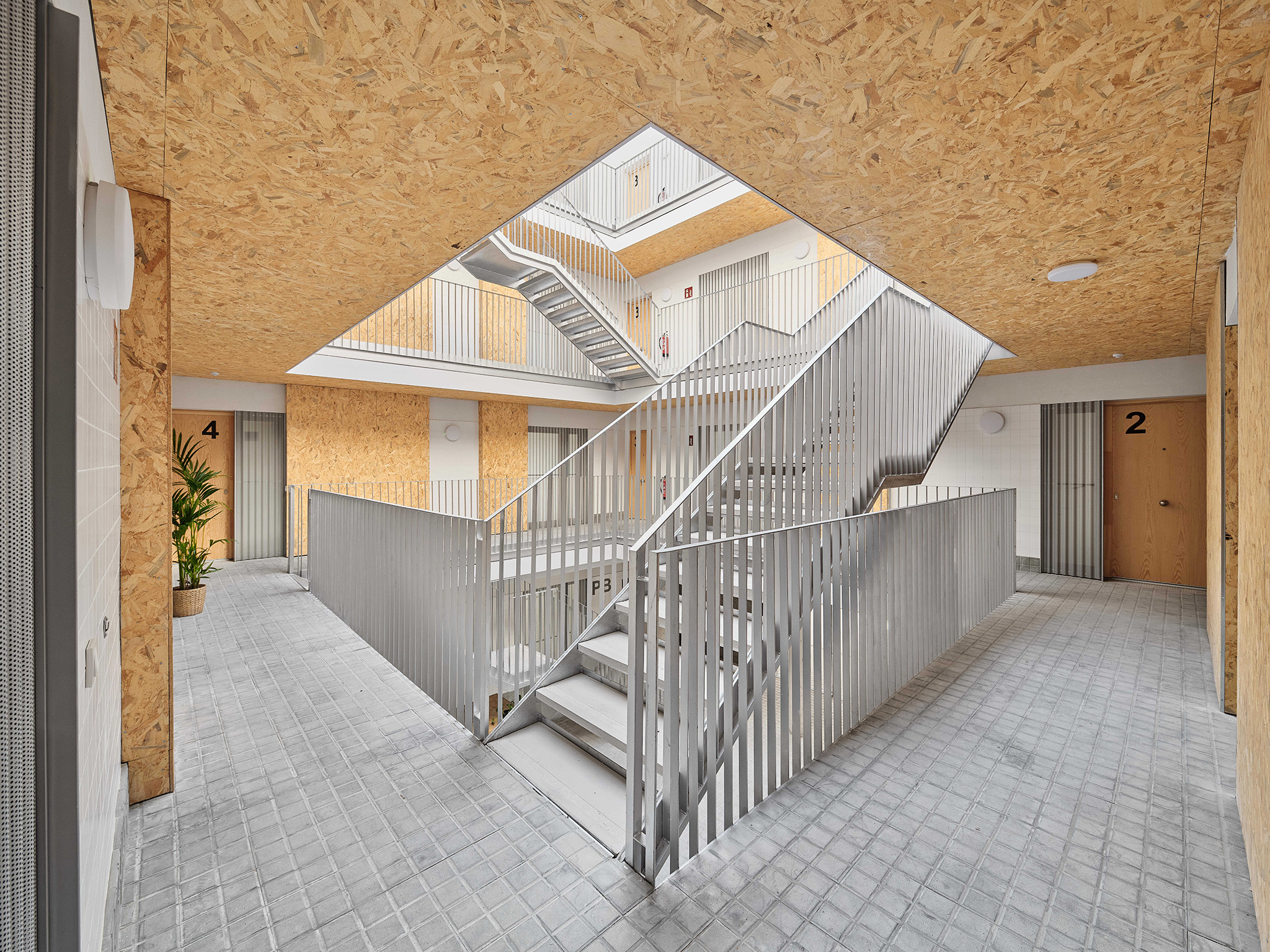
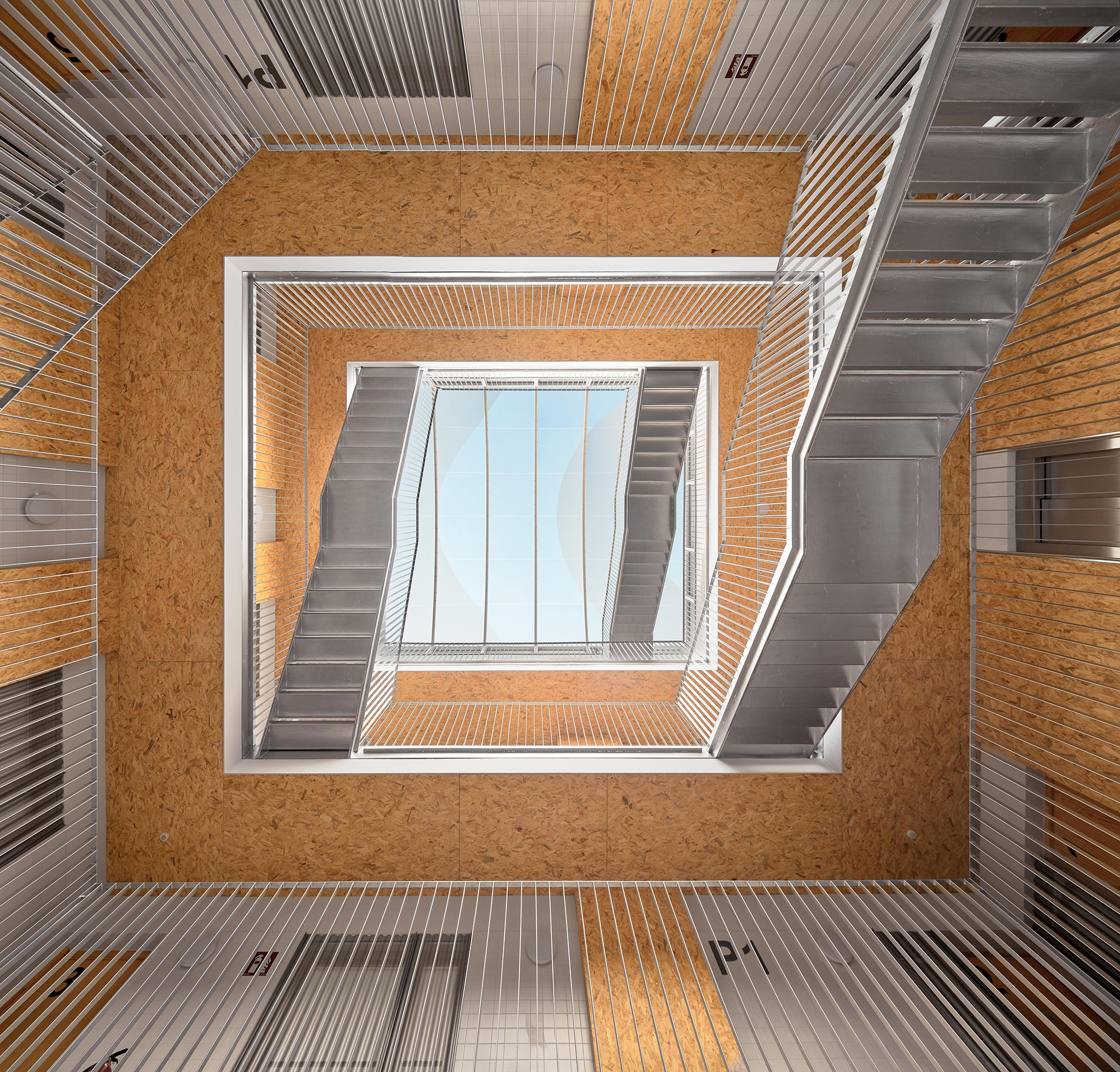
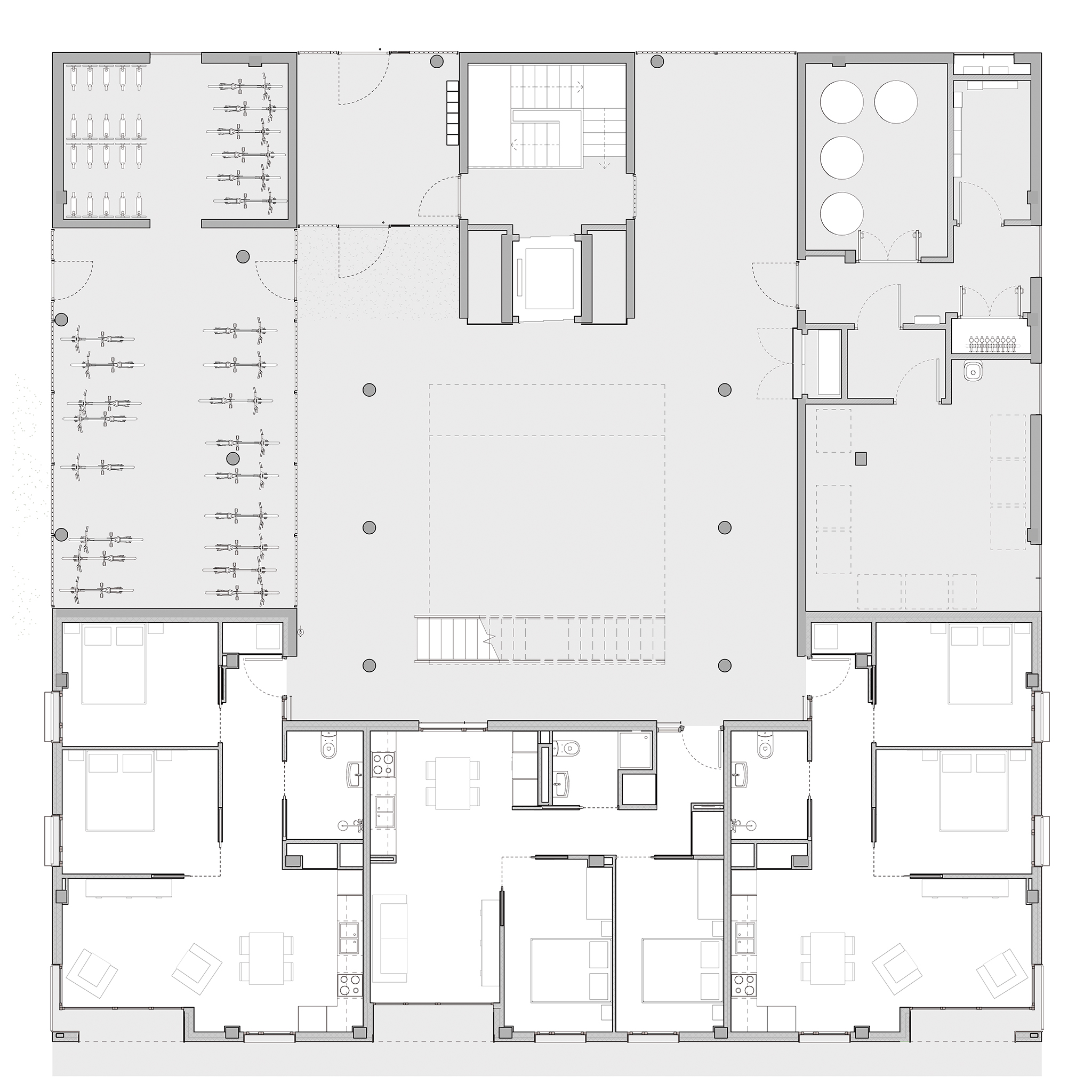
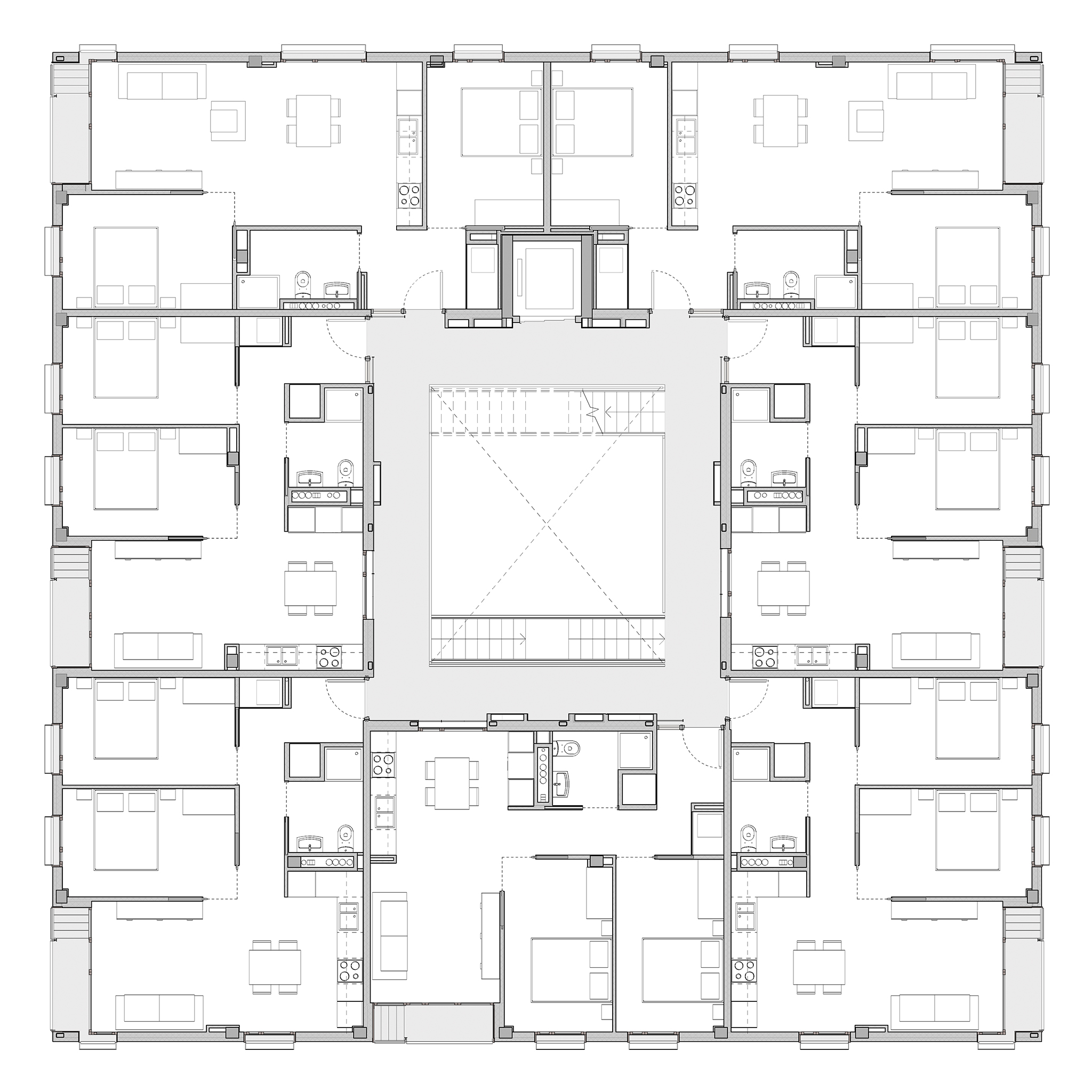
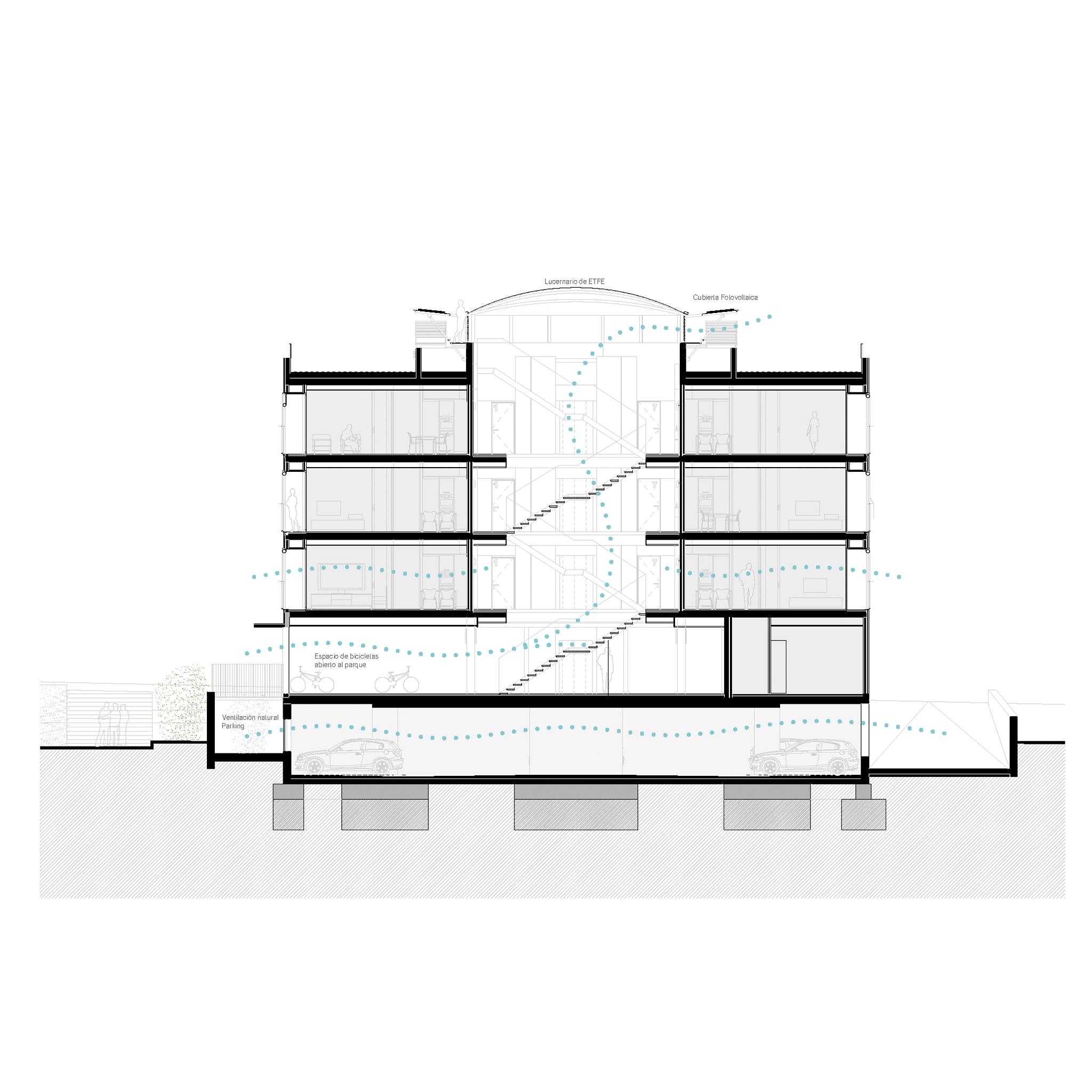
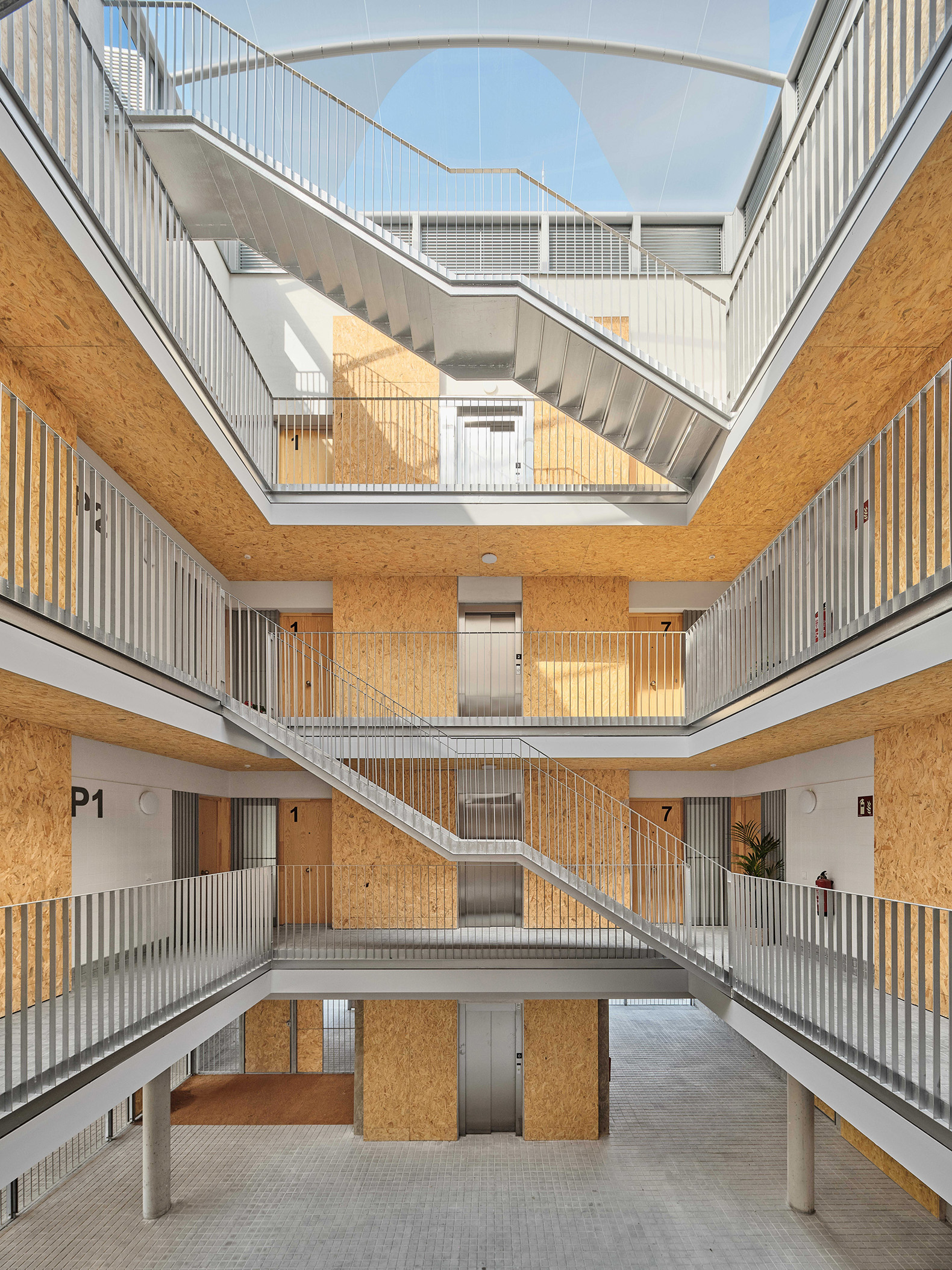
At the heart of the project, a central courtyard, open and ventilated, rises from the ground floor to the roof, allowing the street space to permeate the building's interior. As a design and structural tool that organizes the entire complex, the courtyard becomes a social, spatial, and climatic organizing element, establishing a hybrid space between interior and exterior.

In a neighborhood historically distanced from the city center by industrial areas, the design incorporates ample bicycle parking, conceived as a strategic infrastructure that promotes active mobility and strengthens daily connections with the city. Seven apartments per typical floor, along with three units on the ground floor, complete the design.
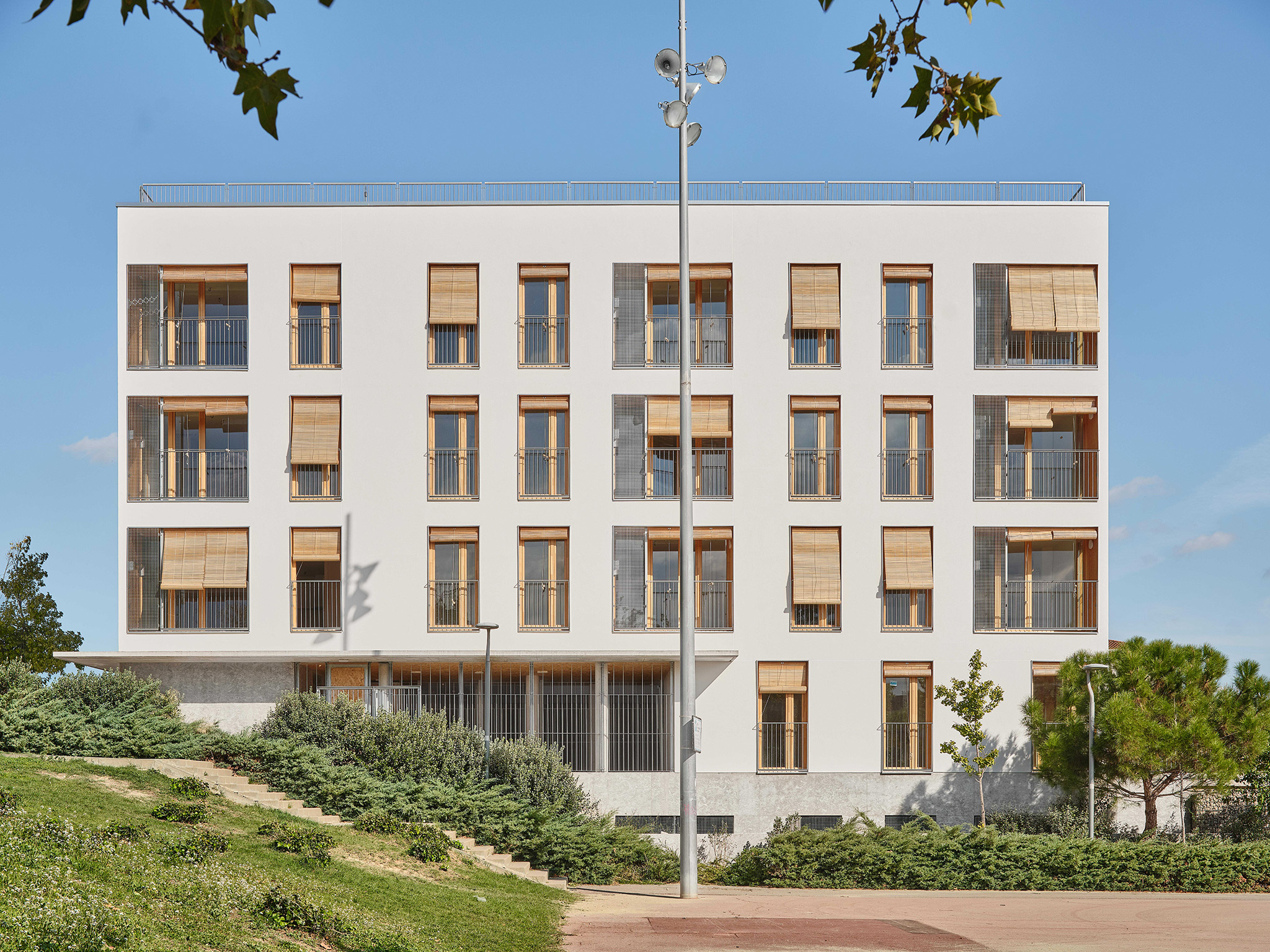
Vivienda social y espacio colectivo en Igualada por UTE MBM arquitectes + 4RQ arquitectura. Fotografía por Adrià Goula.

Social housing and collective space in Igualada by UTE MBM arquitectes + 4RQ arquitectura. Photograph by Adrià Goula.

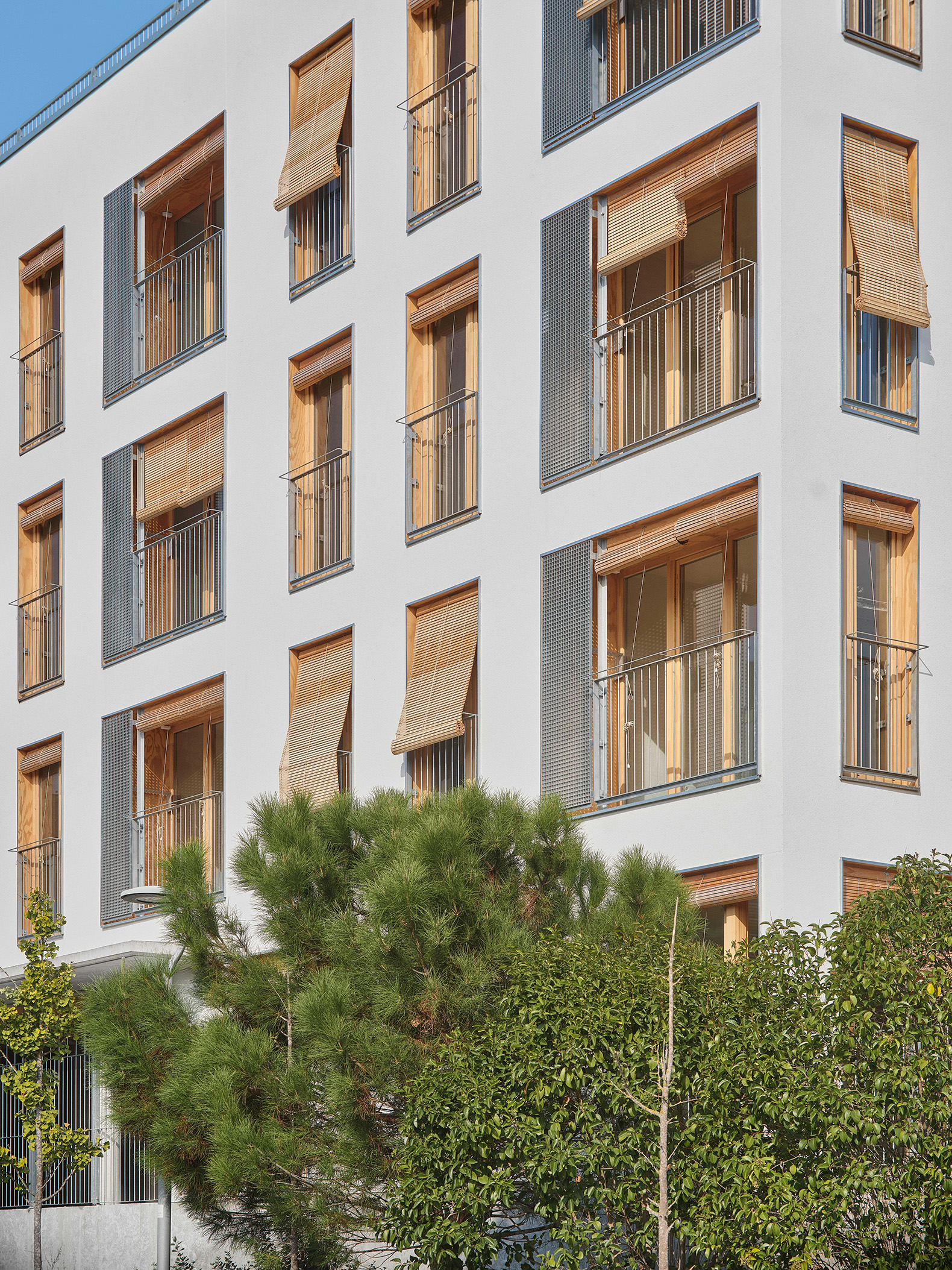
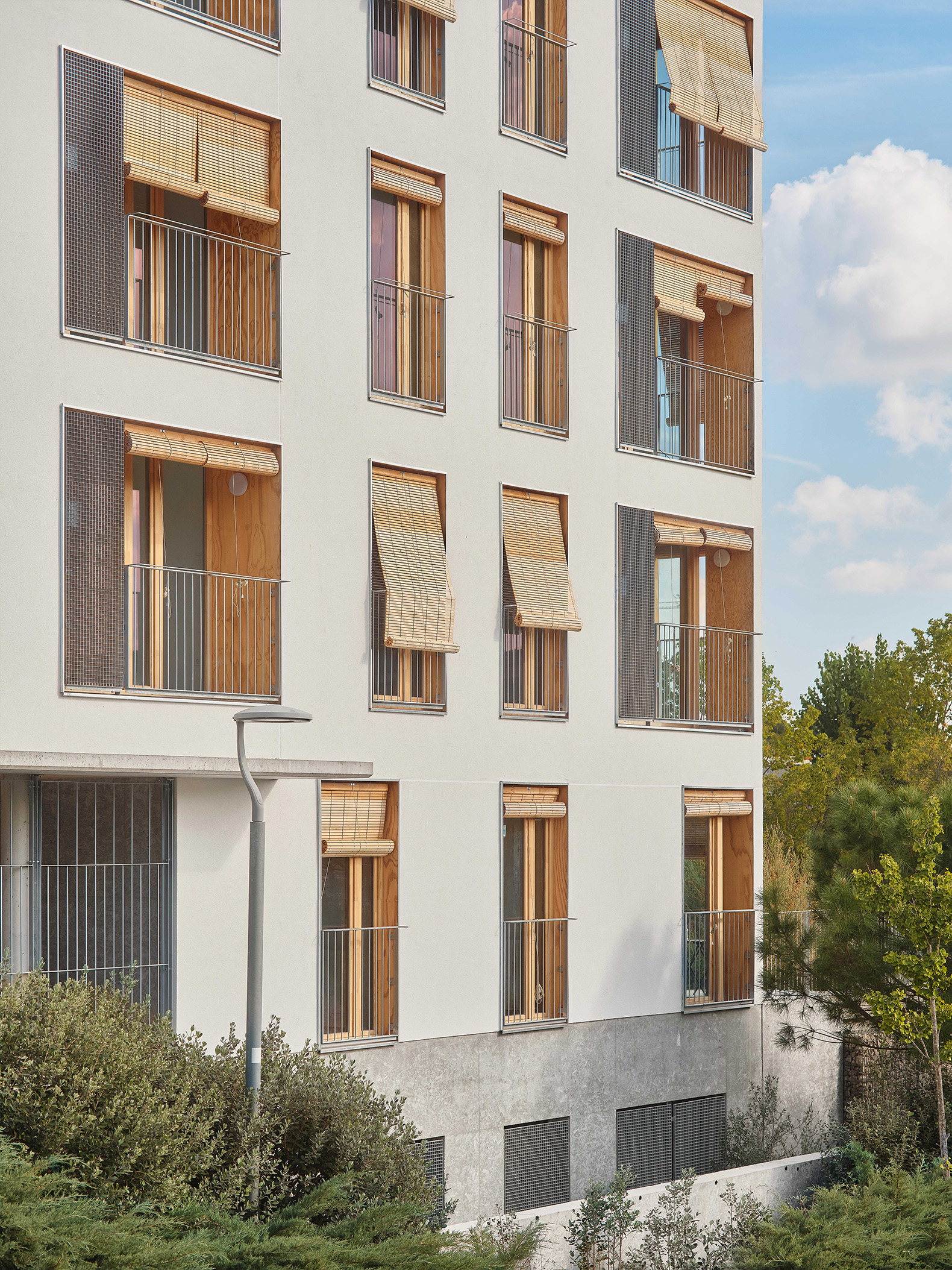
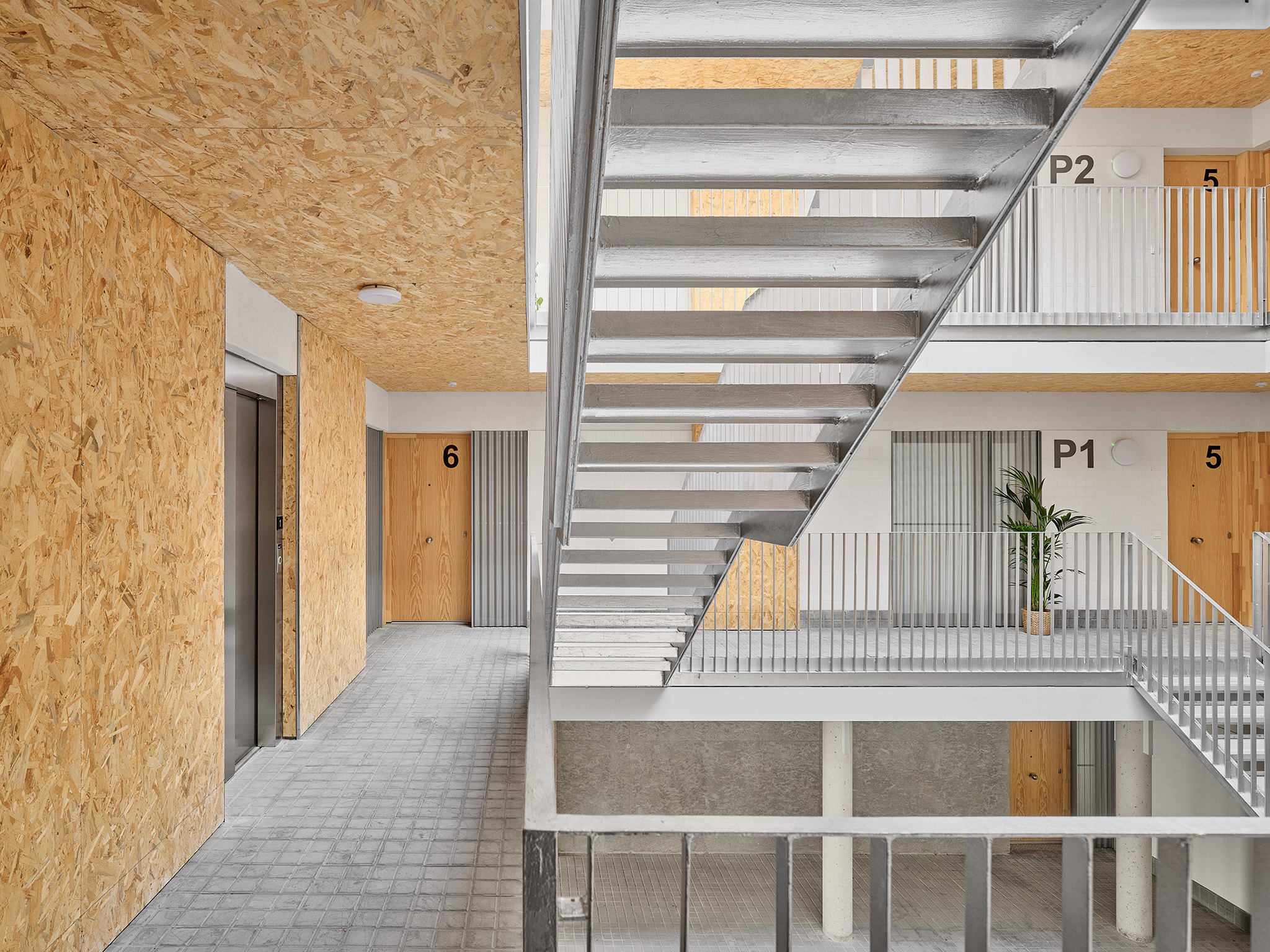
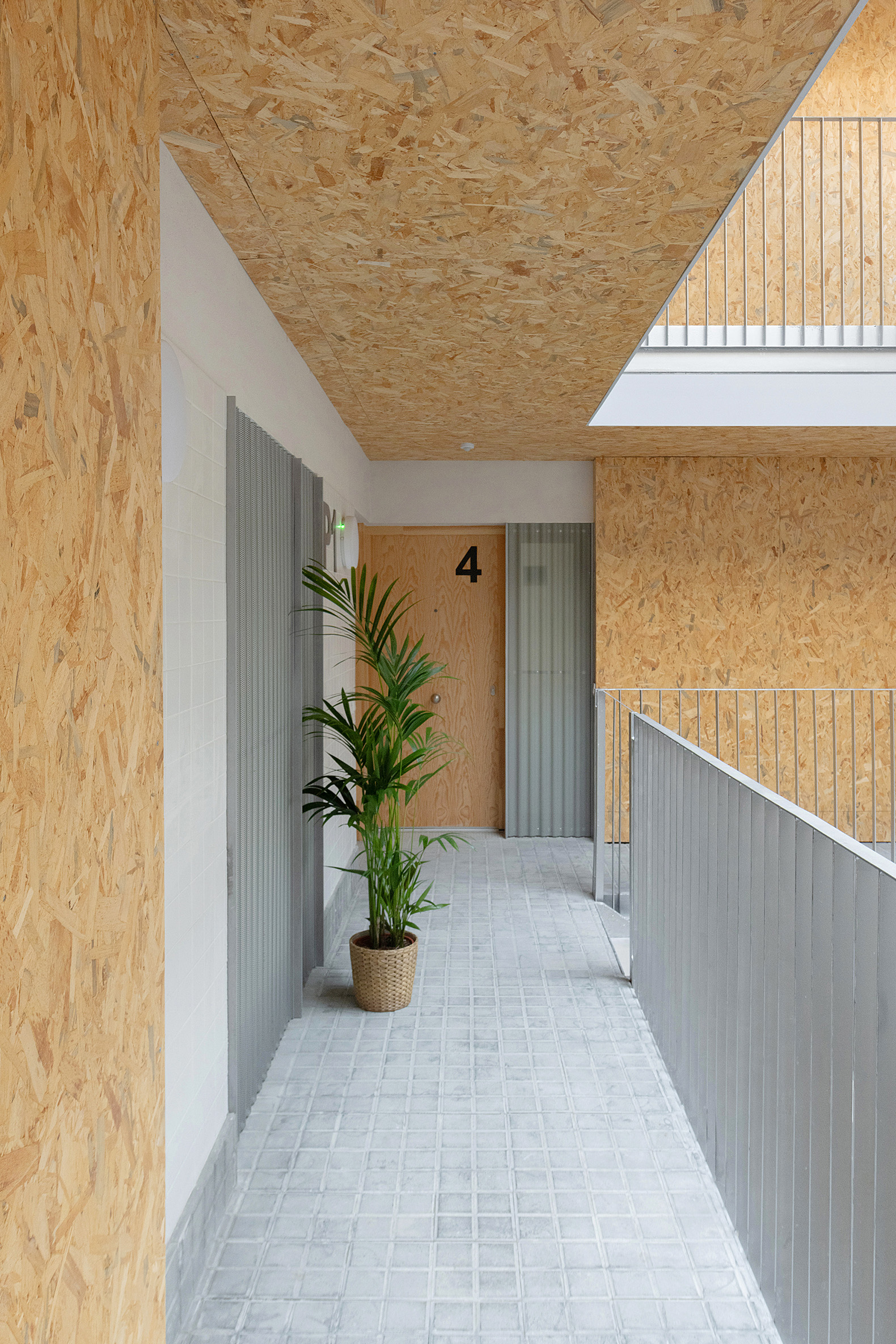
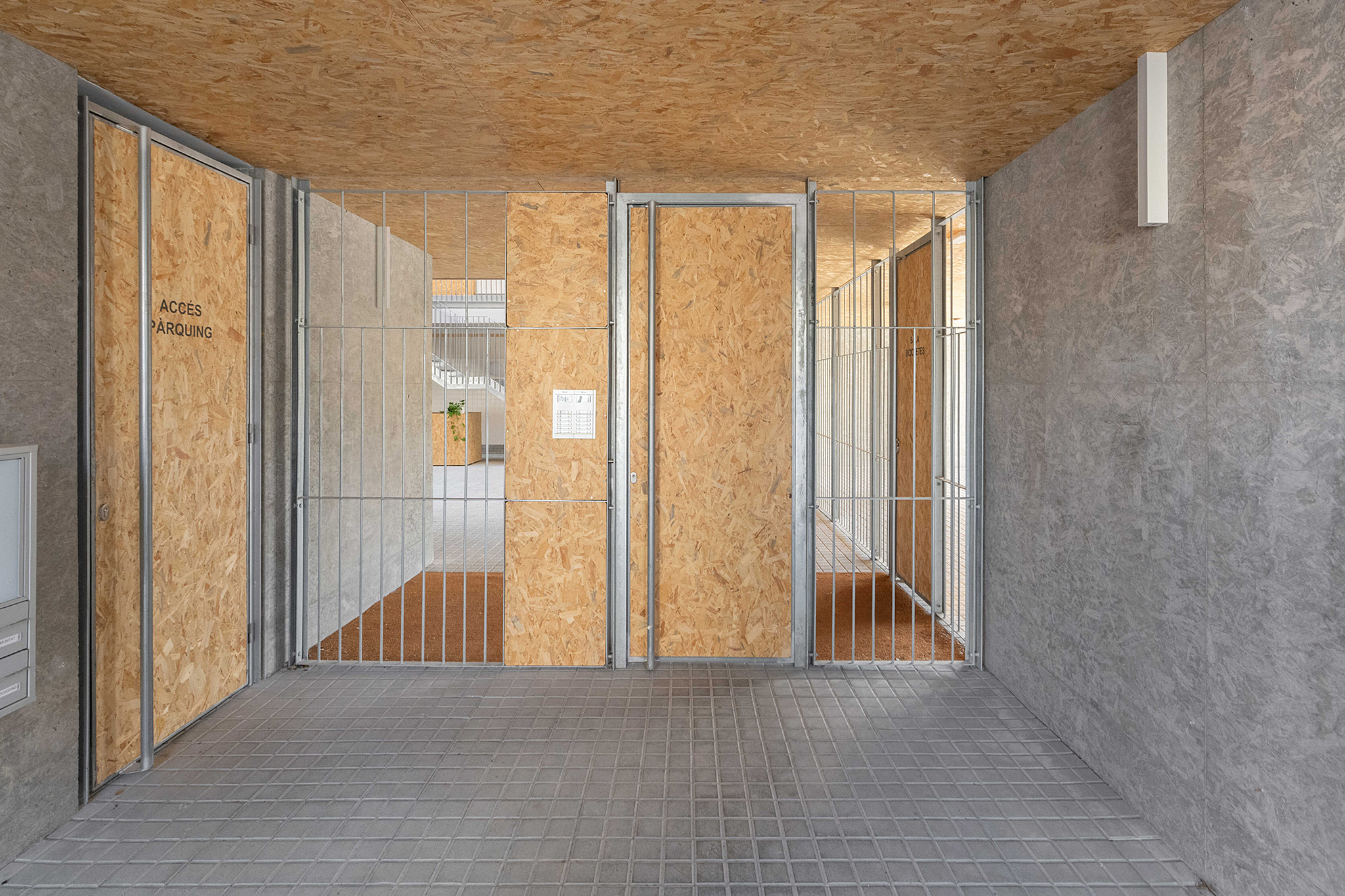
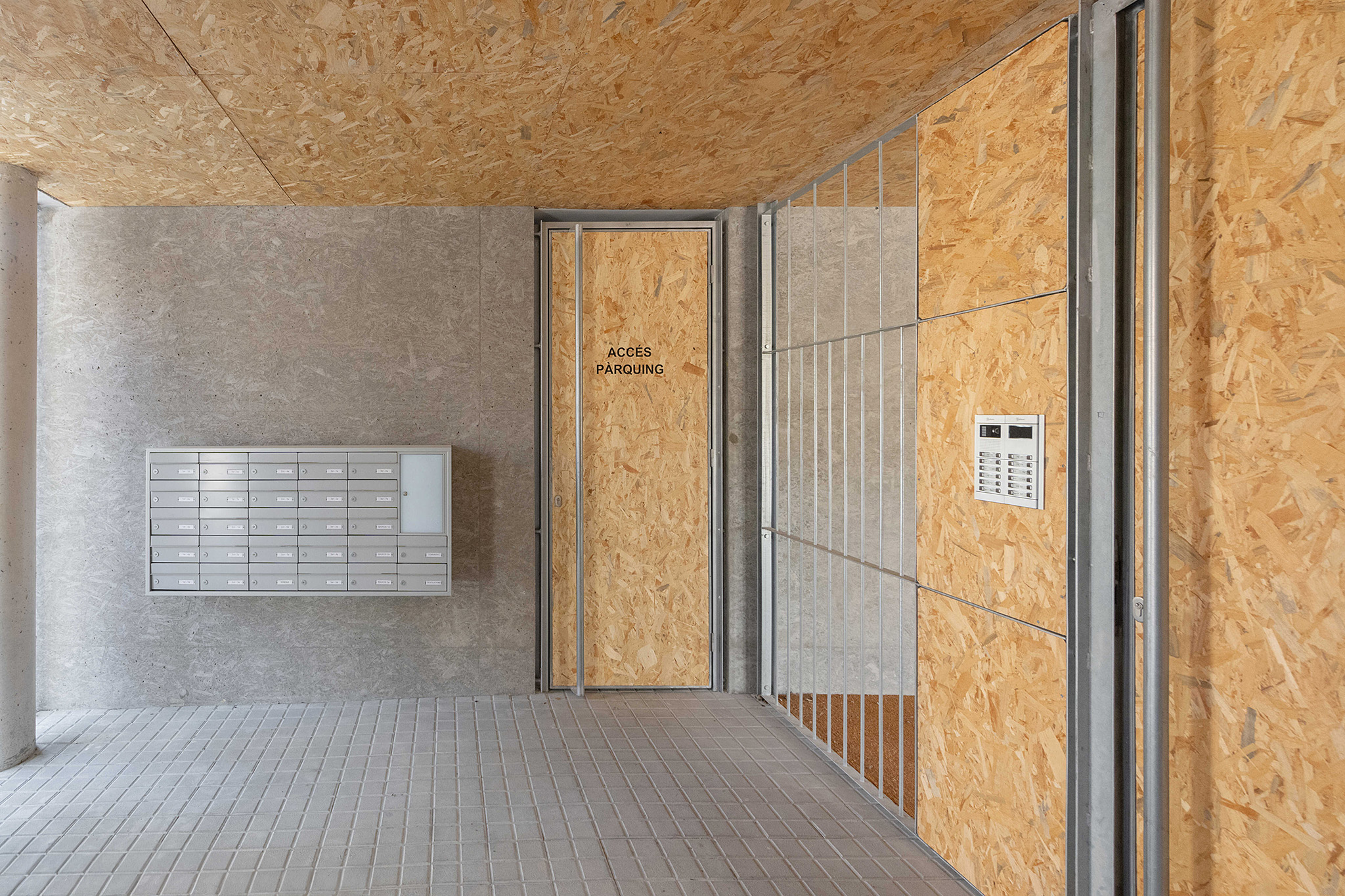
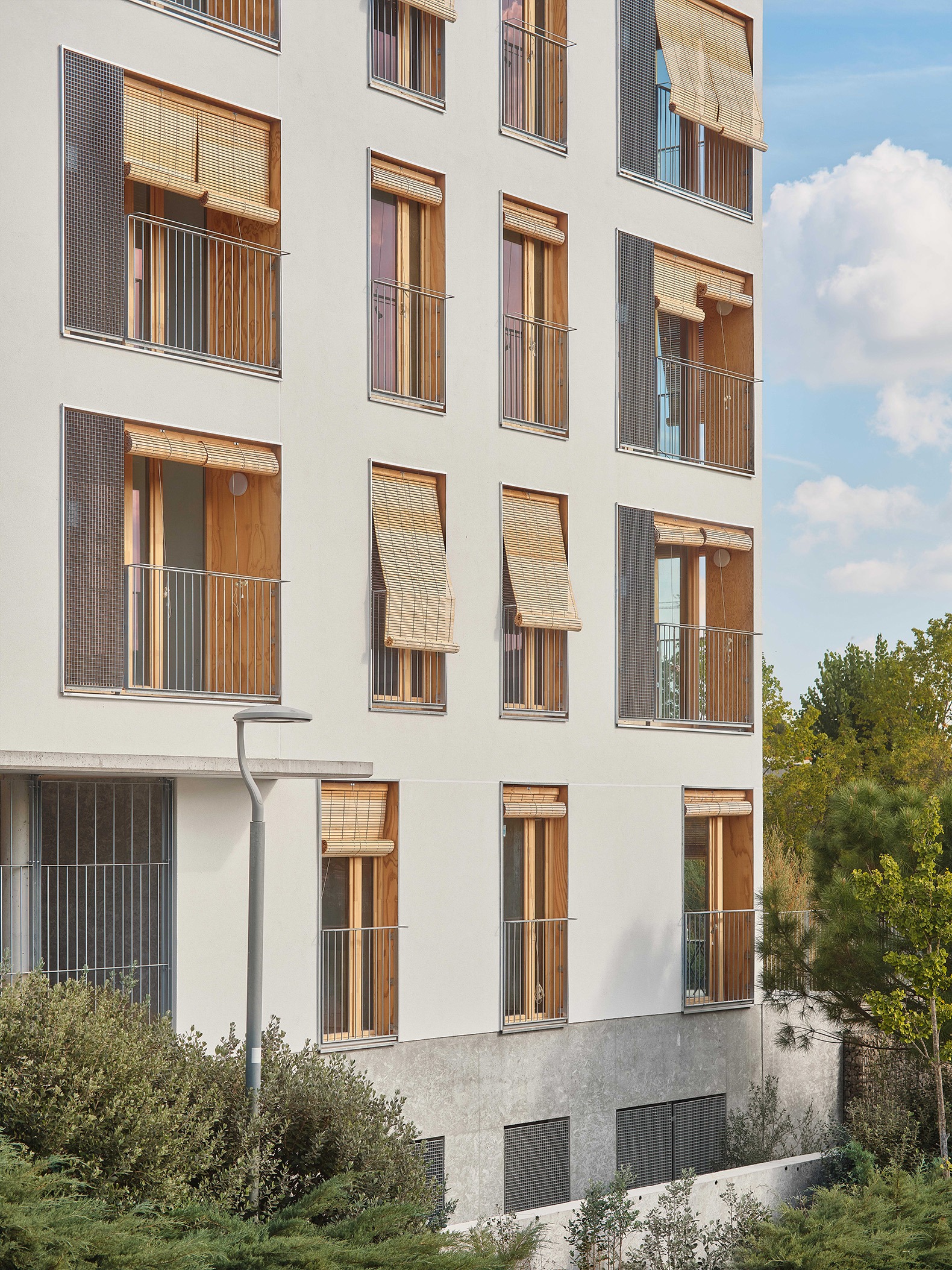
For its construction, the building embraces industrialization and the circular economy. The project's visual language is built upon a contemporary reinterpretation of Igualada's industrial past. Drywall systems, modular openings, prefabricated metalwork, and large laser-cut steel pieces engage with an industrial aesthetic that is balanced by the warmth provided by materials such as recycled OSB, present in the common areas, reinforcing the collective and welcoming nature of the complex.

Beyond simply fulfilling a public housing program, this complex of 24 social housing units proposes an architecture capable of building community, revitalizing public space, and offering high-quality living. On a complex site, a building emerges conceived as an opportunity to explore new relationships between collective housing, public space, sustainability, and community life.
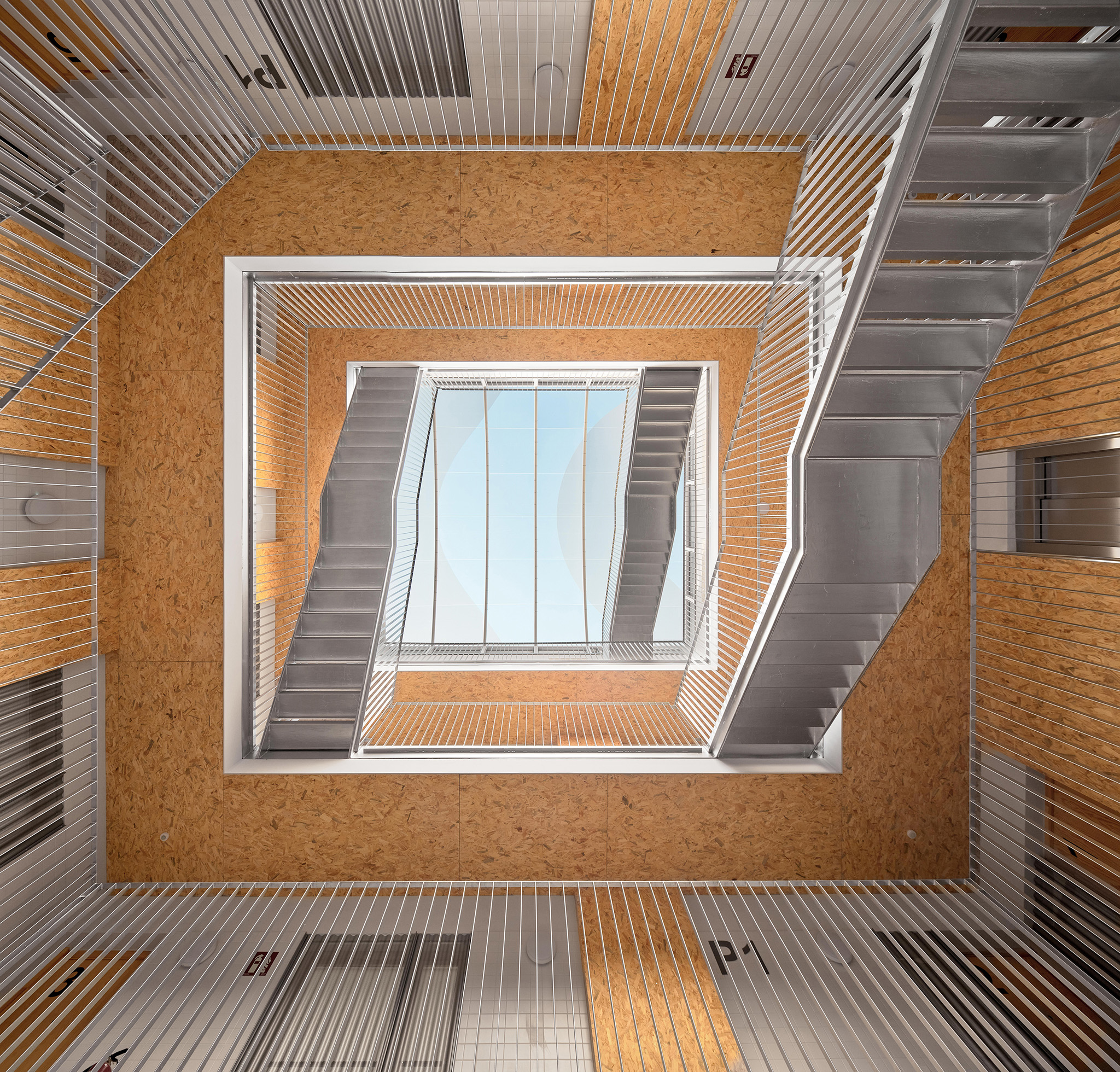
Social housing and collective space in Igualada by UTE MBM arquitectes + 4RQ arquitectura. Photograph by Adrià Goula.

Social housing and collective space in Igualada by UTE MBM arquitectes + 4RQ arquitectura. Photograph by Adrià Goula.

Project description by UTE MBM Arquitectes y 4RQ Arquitectura

On a site shaped by unfavorable urban constraints, the 24-unit social housing building in the Les Comes neighborhood of Igualada proposes an architecture that refuses to surrender to regulatory or programmatic limitations. The project is conceived as a transitional piece between an existing residential complex and an adjacent urban park, exploring new relationships between collective housing, public space, sustainability, and community life.

Beyond addressing a residential brief, the building acts as urban infrastructure, capable of activating its surroundings, promoting sustainable mobility, and testing circular economy strategies applied to public housing.

Social housing and collective space in Igualada by UTE MBM arquitectes + 4RQ arquitectura. Photograph by Adrià Goula.

The volume completes the existing built frontage while simultaneously opening toward the park, reinforcing the continuity of public space. An open, naturally ventilated central courtyard organizes the ensemble and allows urban space to penetrate into the heart of the building, rising visually from the ground floor to the roof. This void functions as a climatic, spatial, and social mediator, establishing a direct dialogue between interior and exterior.

The ground floor is deliberately freed to become the true heart of the project. Rather than adopting a conventional layout, this level concentrates access points, technical spaces, communal areas, and a large bicycle parking facility, shaping a collective domain connected to both the park and the neighborhood. To make this possible, the housing typology was rethought: the six dwellings initially planned per floor were increased to seven on the typical levels, while the ground floor accommodates only three units, prioritizing shared space over strictly quantitative efficiency.
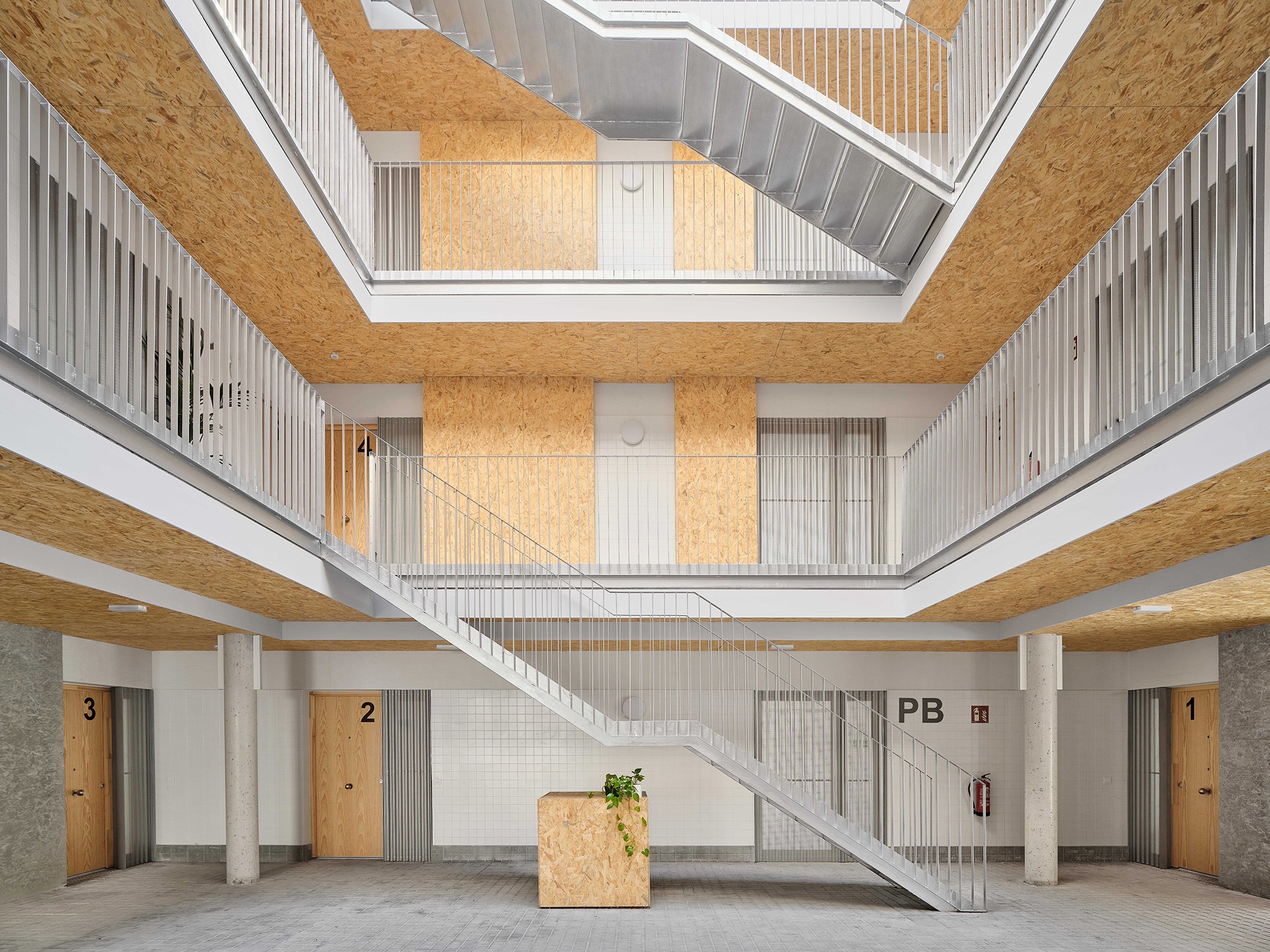
Social housing and collective space in Igualada by UTE MBM arquitectes + 4RQ arquitectura. Photograph by Adrià Goula.

Within this context, the bicycle assumes a leading role. In a neighborhood historically separated from the city center by industrial areas, the project incorporates a generous bicycle parking facility conceived not as a residual service, but as strategic infrastructure that promotes active mobility and strengthens everyday connections with the city. Facing the park, this element acts as a hinge, filtering and mediating between the domestic scale and the green space.

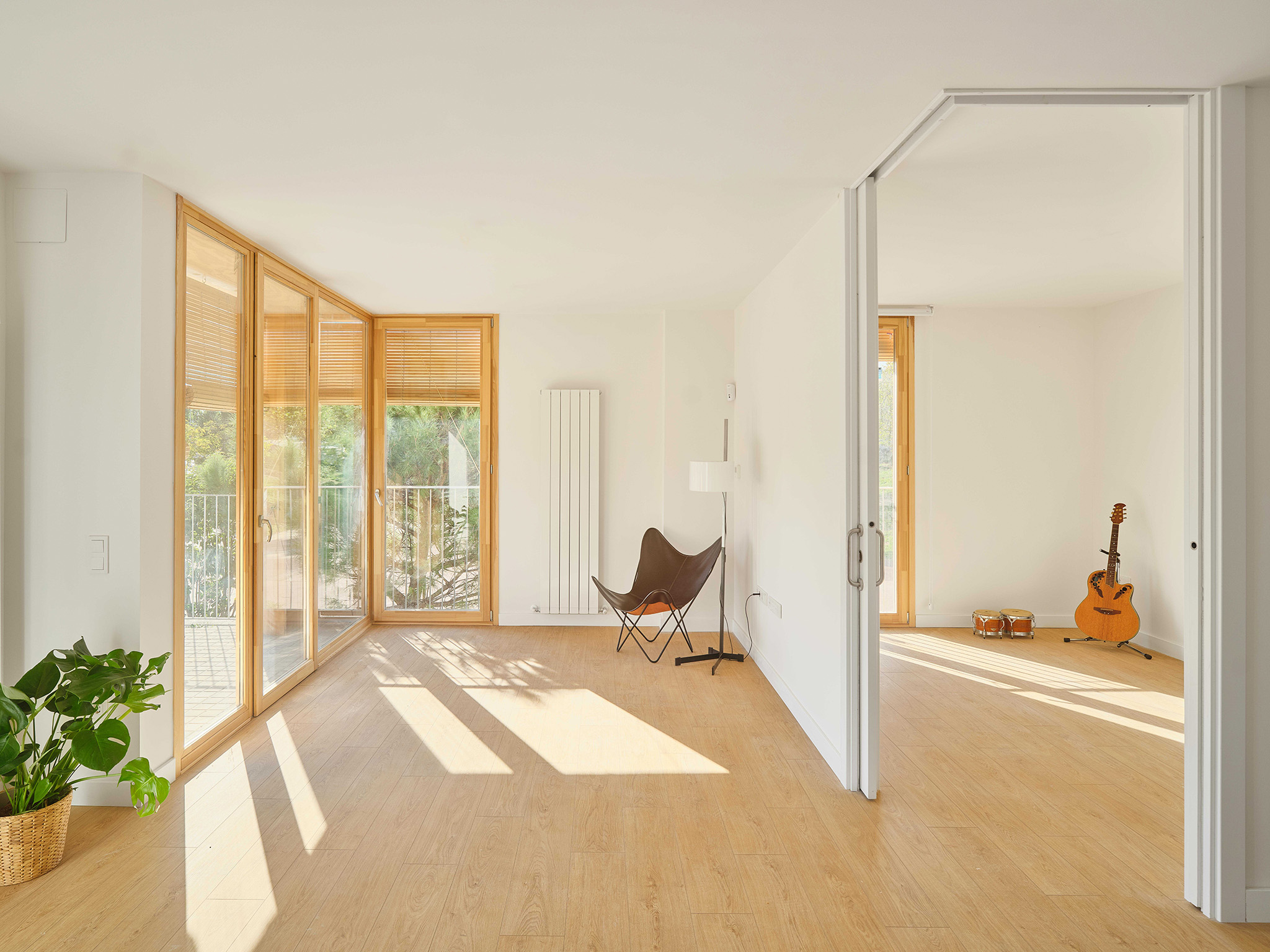
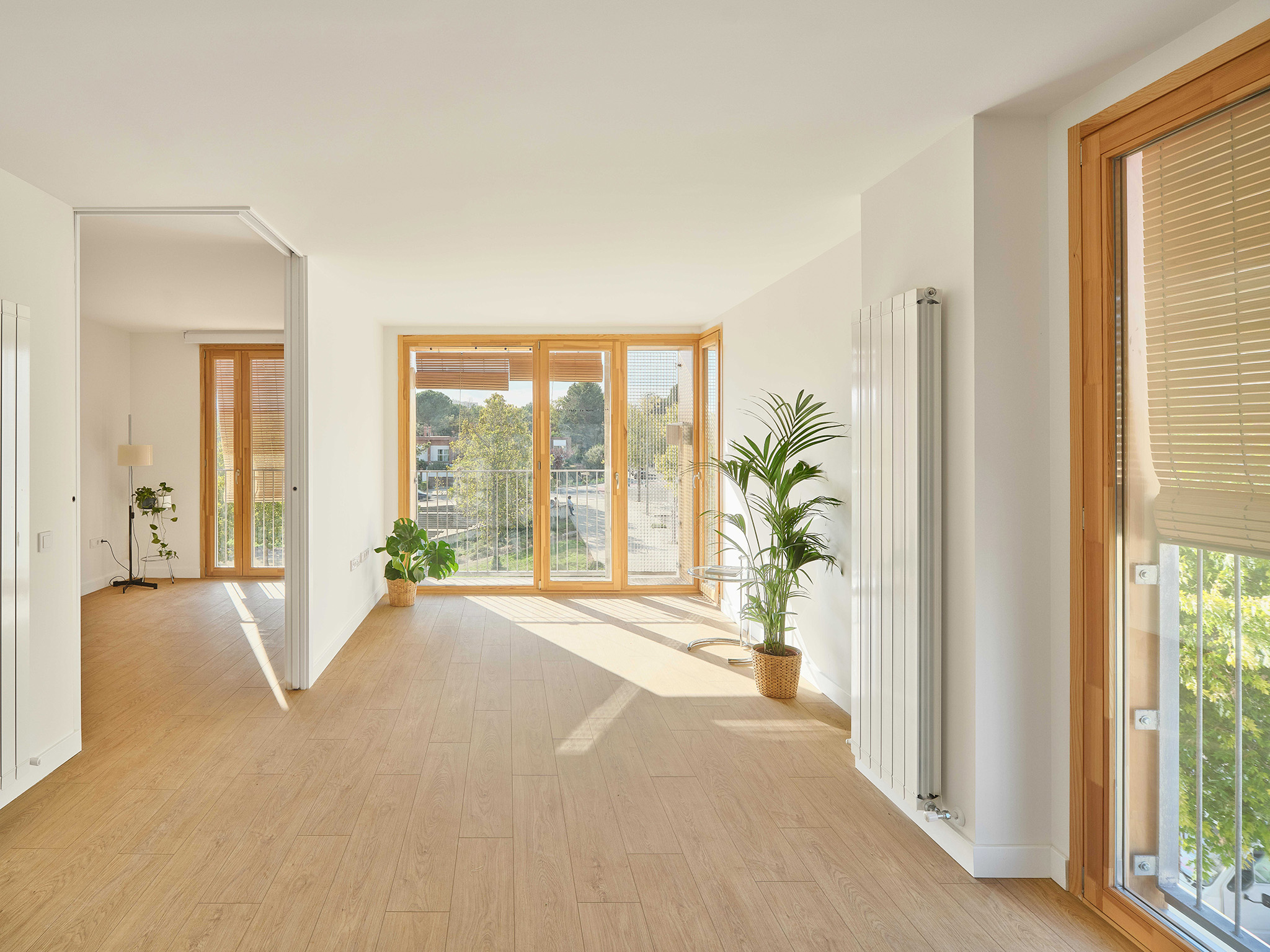
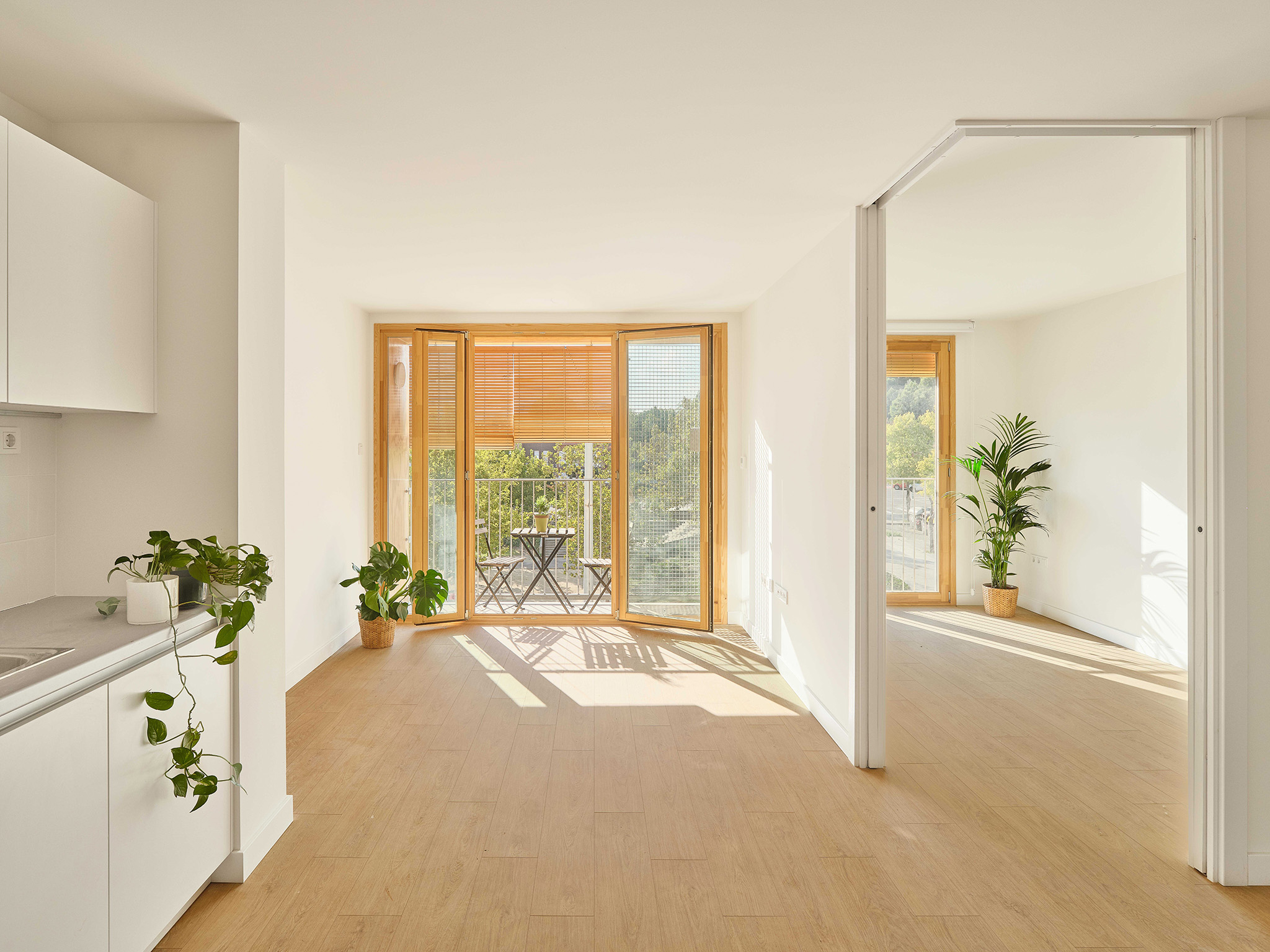
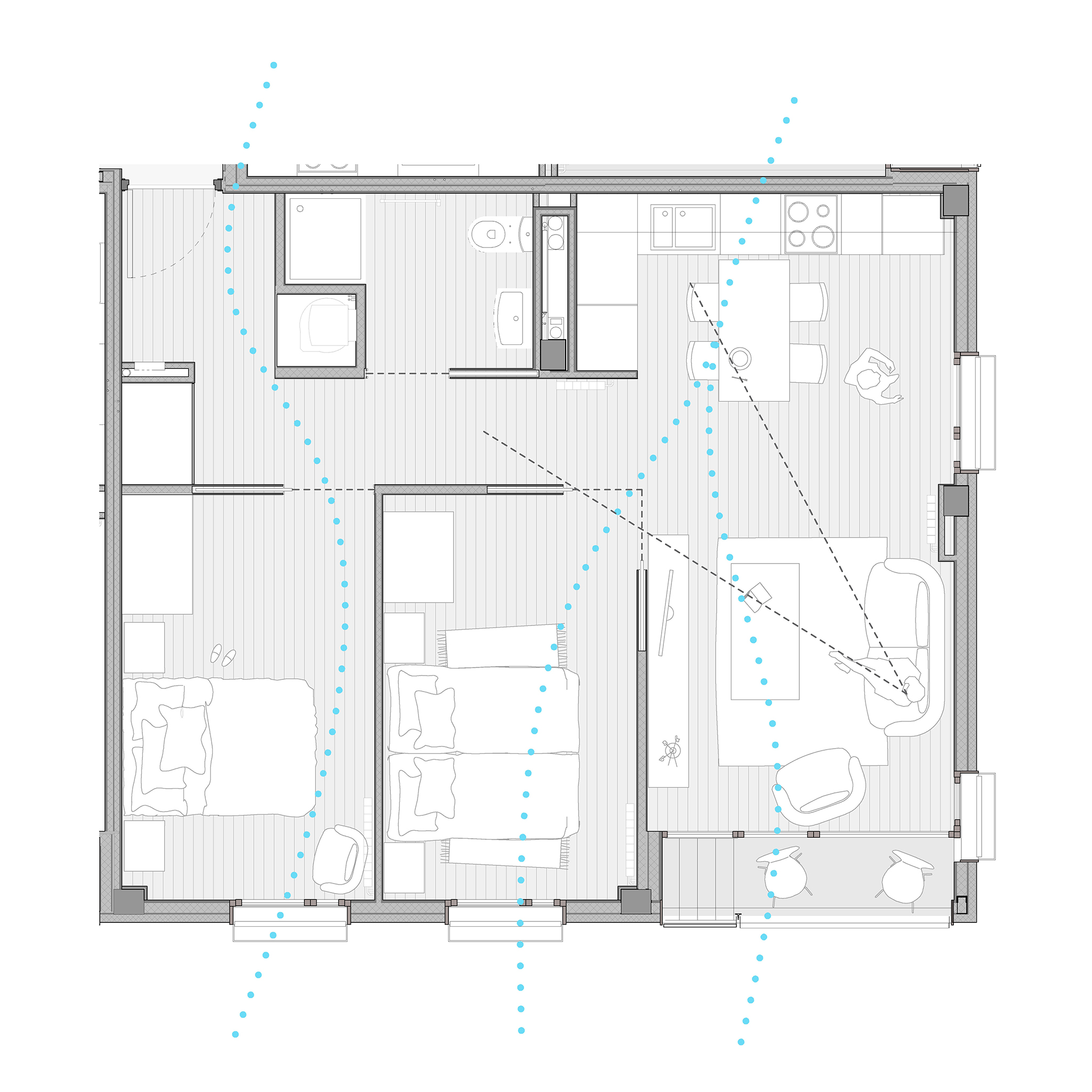
The resulting dwellings are compact yet seek to transcend dimensional limitations through precise spatial strategies. The “destroyed corner” approach breaks conventional visual boundaries, expands interior perspectives, and enhances spatial continuity, generating bright and flexible homes despite their limited surface area.
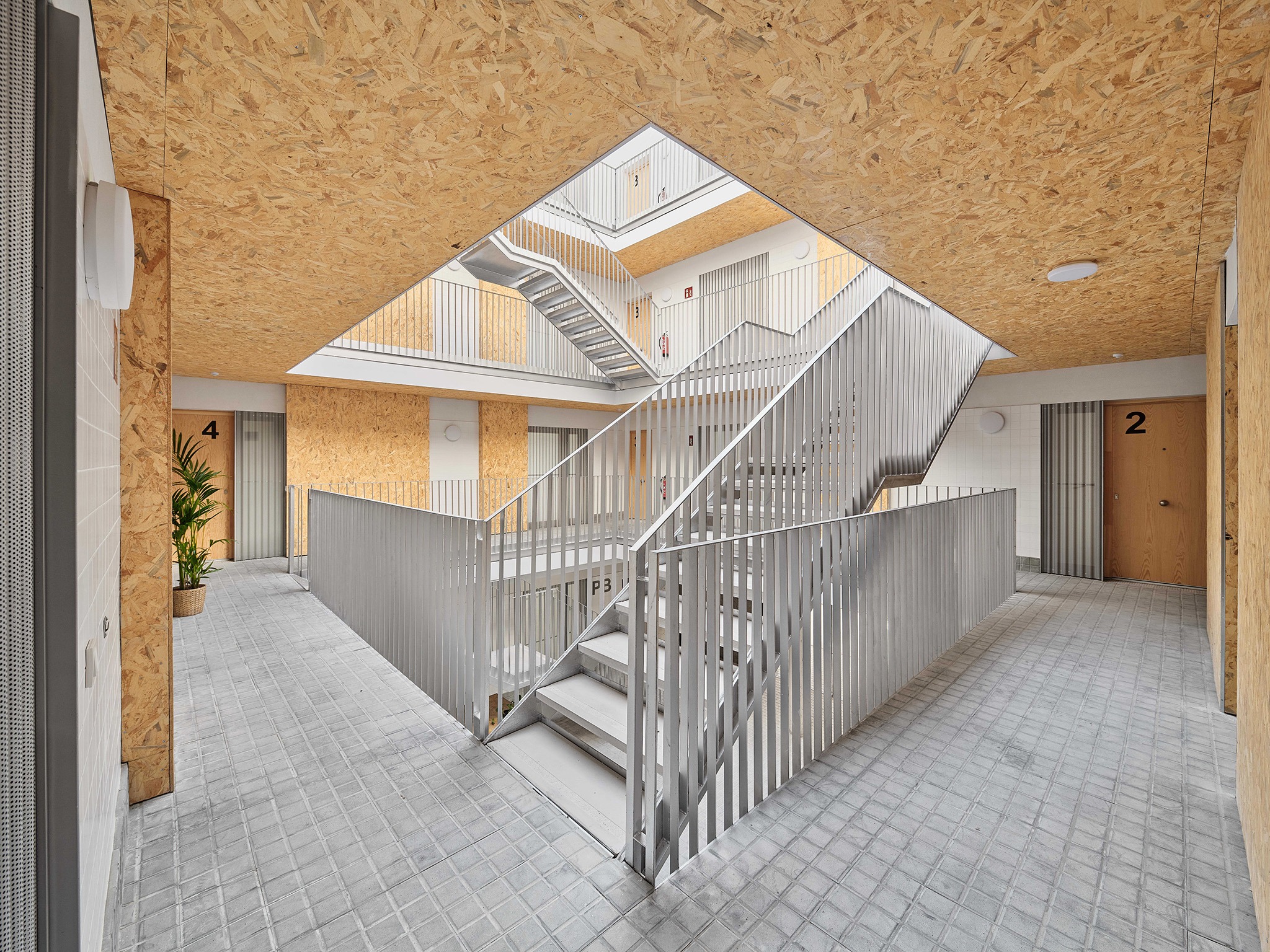
Social housing and collective space in Igualada by UTE MBM arquitectes + 4RQ arquitectura. Photograph by Adrià Goula.

The building’s architectural identity emerges from a contemporary reinterpretation of Igualada’s industrial past. Exposed metalwork, prefabricated systems, and dry construction methods engage in dialogue with a technological aesthetic reminiscent of the hi-tech imagination of the 1970s and 1980s. This industrial character is balanced with the domestic warmth of materials such as recycled OSB, used in common areas to reinforce the collective and habitable nature of the ensemble.

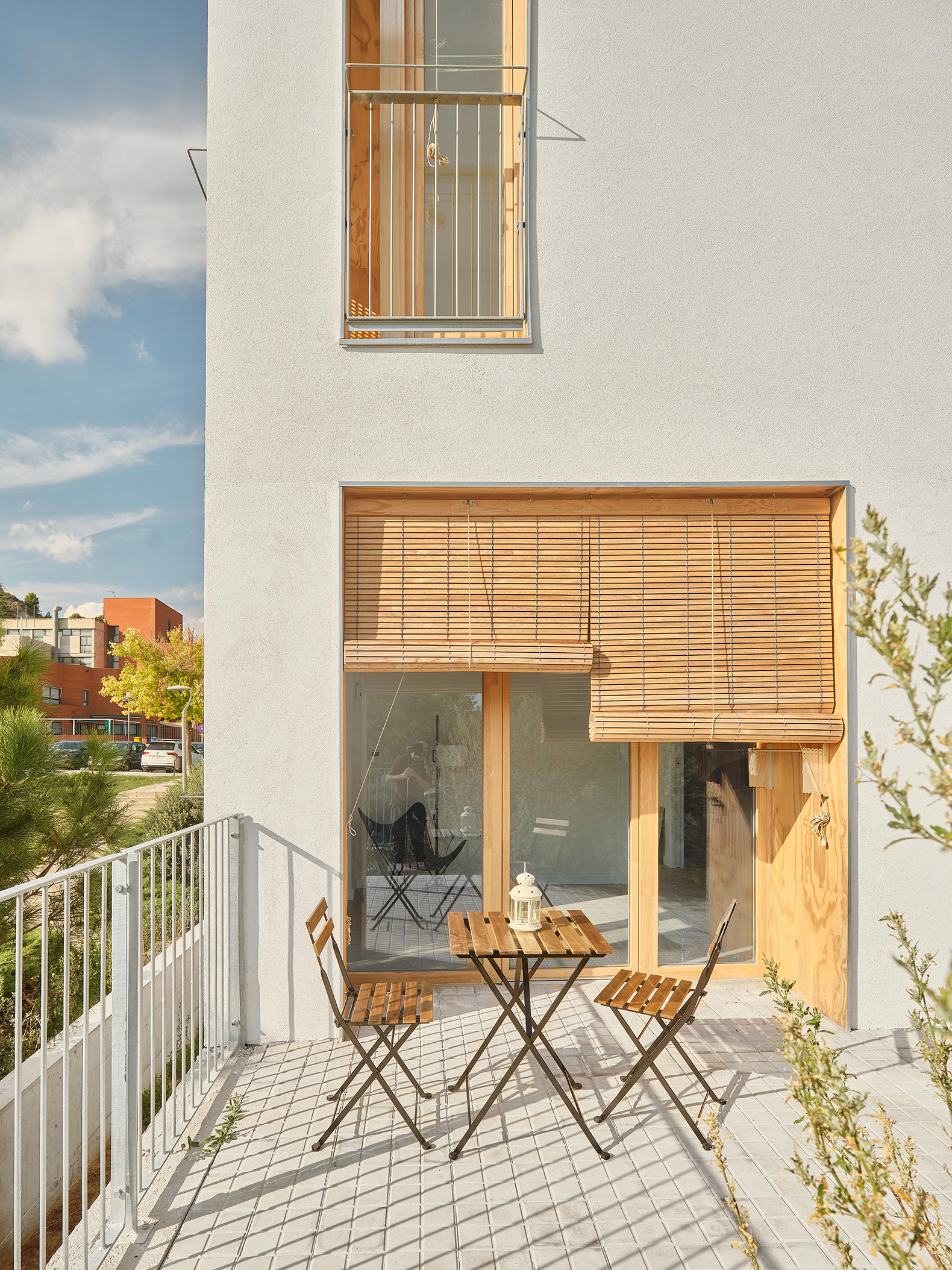
Sustainability informs every project decision. Reduced energy demand is achieved through a high-performance envelope with very low thermal transmittance values, advanced insulation, passive solar protection, low-emissivity glazing, and cross ventilation supported by the central courtyard. The building completely eliminates fossil-fuel-based thermal systems.
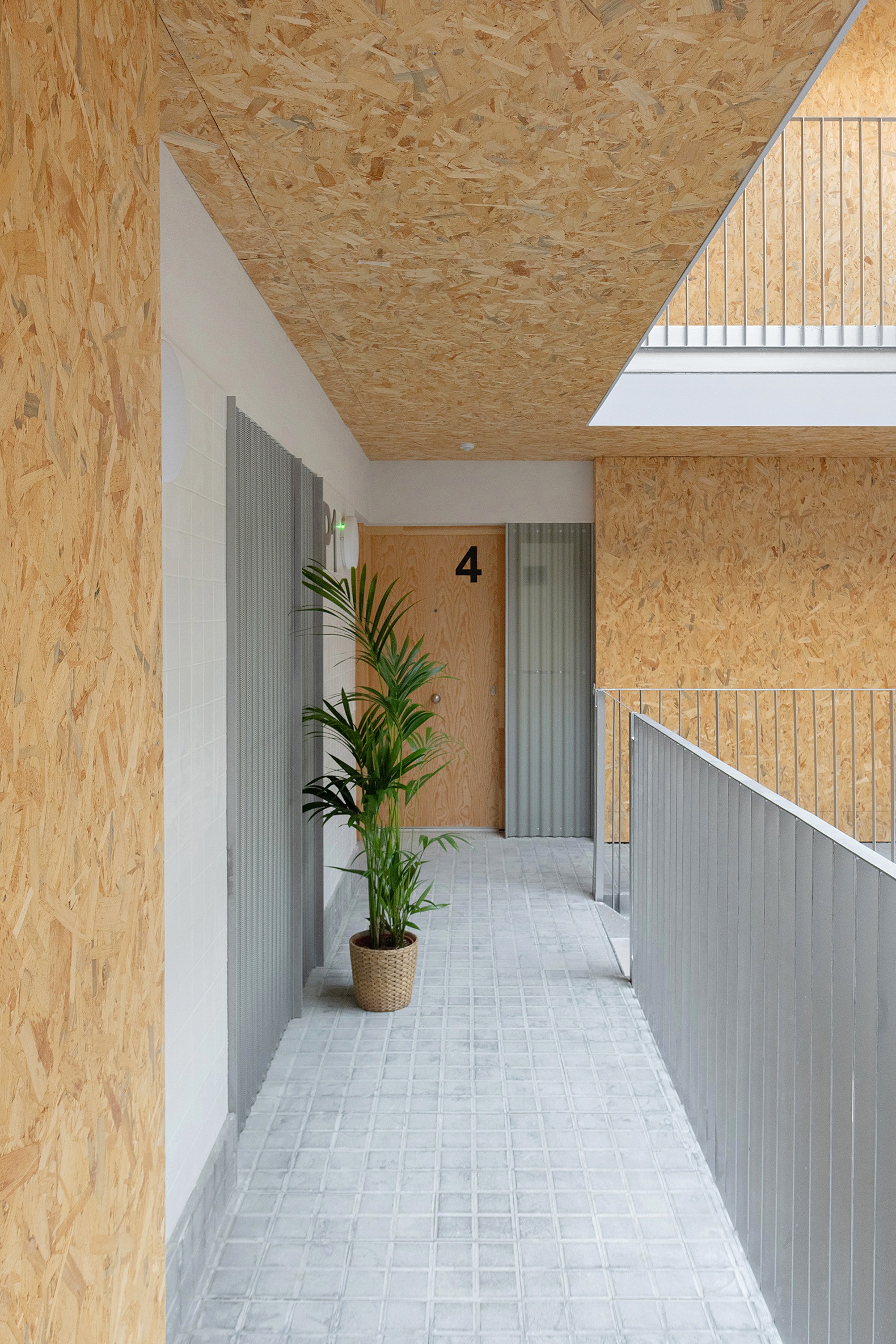
Social housing and collective space in Igualada by UTE MBM arquitectes + 4RQ arquitectura. Photograph by Bea Schulze.

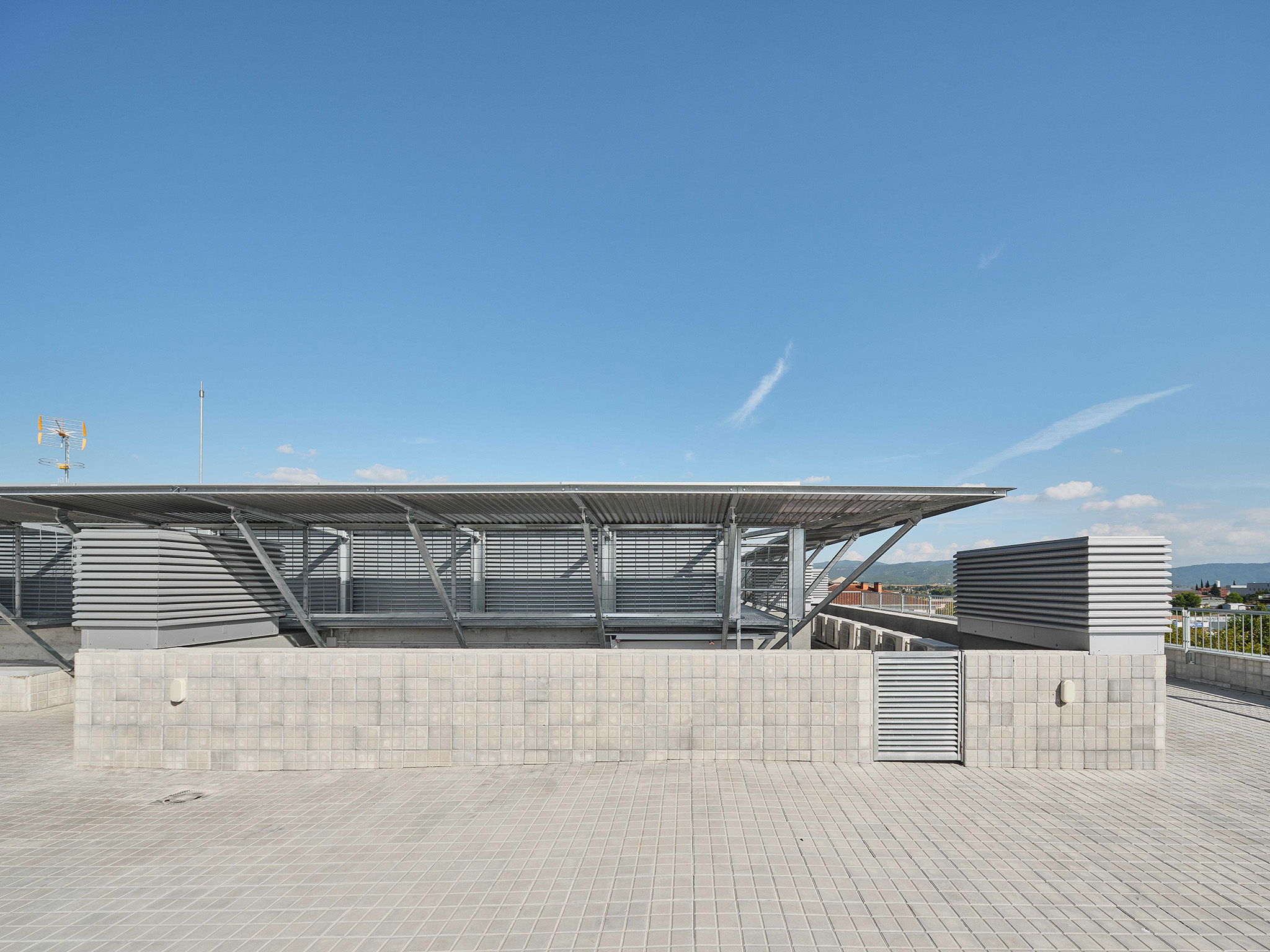
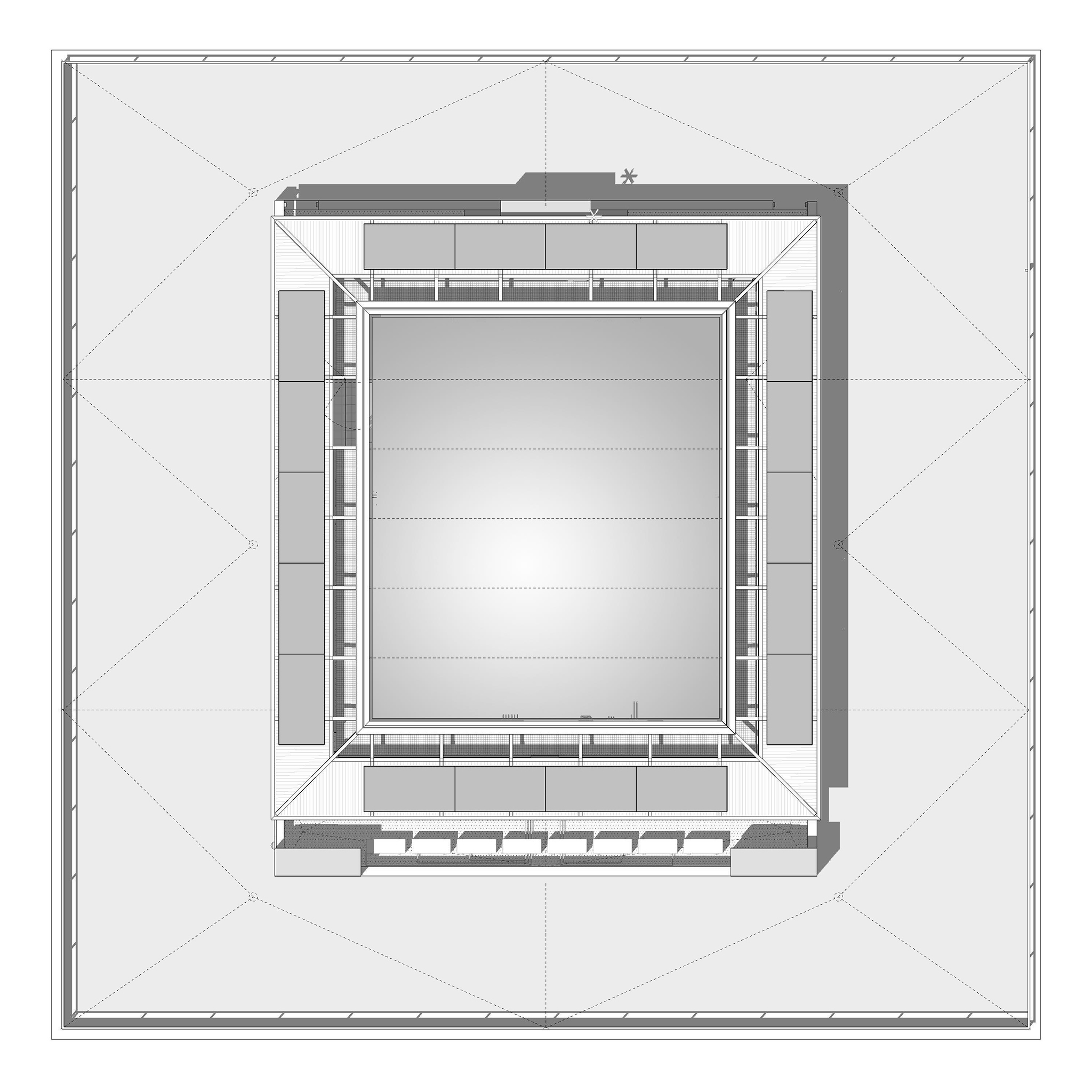
The roof is conceived as an active plane: a photovoltaic pergola and a large central skylight crown the building and define its silhouette, making the project’s energy dimension visible. The installation reaches an annual production of 11,153 kWh, sufficient to cover the entire communal energy demand.

Water management follows a circular logic, incorporating a greywater reuse system that collects water from showers and washing machines to supply toilet cisterns, along with permeable exterior paving and a separate drainage network prepared for future urban-scale rainwater reuse strategies.
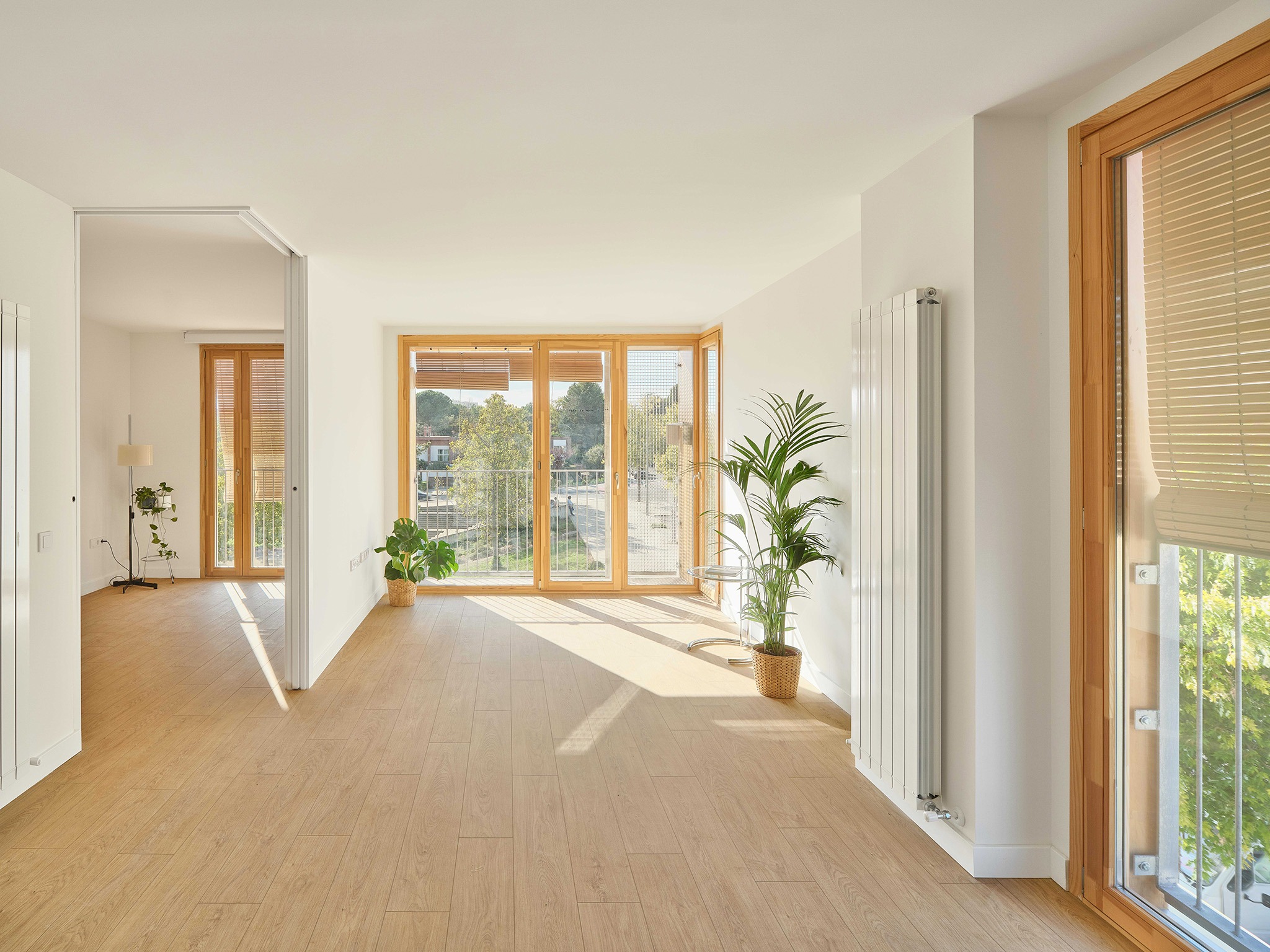
Social housing and collective space in Igualada by UTE MBM arquitectes + 4RQ arquitectura. Photograph by Adrià Goula.

The construction process embraces industrialization and circular economy principles: dry systems, modular openings, workshop-fabricated metalwork, and large laser-cut steel components reduce construction time, minimize waste, and facilitate future adaptation. More than 70% of non-hazardous waste generated is recovered, reinforcing a responsible life-cycle approach.

Far from merely fulfilling a public housing program, the project proposes an architecture capable of adding to the city, activating public space, and delivering high domestic quality. Where there was once a challenging plot, there now stands a building that understands social housing as an opportunity to construct community, landscape, and sustainability.
More information

Label
Architects
Text

MBM arquitectes. Lead Architect.- Oriol Capdevila.
4RQ arquitectura. Lead Architects.- Marta Camañes, Gerard Torrent.

+ + copy Created with Sketch.
- + copy Created with Sketch.
Label
Collaborators
Text

Project Management.- Beth Bacardit
Budgeting and Quality Control.- Jordi Arboix, Joan Just Caro
Installations.- Santi Velasco
Structures.- Alfredo Pérez, Josep Nel·lo

+ + copy Created with Sketch.
- + copy Created with Sketch.
Label
Builder
Text

Arnó e Hijos. (Miquel Cano, Timur Tomas, Roger Torres).

+ + copy Created with Sketch.
- + copy Created with Sketch.
Label
Promotor
Text

INCASOL.

+ + copy Created with Sketch.
- + copy Created with Sketch.
Label
Area
Text

2,632.28 sqm.

+ + copy Created with Sketch.
- + copy Created with Sketch.
Label
Dates
Text

2025.

+ + copy Created with Sketch.
- + copy Created with Sketch.
Label
Location
Text

c/.Joan Serra i Constançó, 2 Igualada, Spain.

+ + copy Created with Sketch.
- + copy Created with Sketch.
Label
Manufacturers
Text

ETFE skylight.- IASO.
Exterior wood joinery.- CARMAVE.
Aquapanel dry facade system.- KNAUF.
Exterior Insulation and Finish System (EIFS).- GECOL.
Rock wool thermal insulation.- URSA.

+ + copy Created with Sketch.
- + copy Created with Sketch.
Label
Photography
Text

Adrià Goula, Bea Schulze, Gerard Torrent.

+ + copy Created with Sketch.
- + copy Created with Sketch.

MBM Arquitectes is an architecture and urban planning firm founded in 1962 in Barcelona by Oriol Bohigas (1925–2021), Josep Maria Martorell (1925–2011), and the Englishman David Mackay (1933–2014). Its origins date back to 1951, when Bohigas and Martorell began collaborating after graduating. Initially, they joined the R Group and later became part of the so-called Barcelona School, which combined rationalism with Italian neorealism and a concern for the urban context.

During the 1950s and 1970s, MBM carried out numerous residential and public projects, including the Escorial housing estate (1952-55), the Mutua Metalúrgica de Seguros (1959), the building at Pallars 301-319 (1960), the Augusta Clinic (1968-75), schools such as Thau (1972-75) and Sant Jordi, and residential complexes such as Milans del Bosch and Vall-Roig.

The studio won several FAD awards (1959, 1962, 1966, 1979) and the City of Barcelona Award in 2000. During the Olympic period (1985-1992), following the arrival of Albert Puigdomènech, MBM was responsible for key projects in Barcelona: the Olympic Village, the Olympic Port, the Sailing School, associated parks, the Creueta del Coll, the Palau Nou de la Rambla, and the renovation of the El Corte Inglés building.

Since 2000, Oriol Capdevila and Francesc Gual have joined as partners. Recent projects include the Disseny Hub Barcelona (2008-2013), the RBA headquarters (2011), the Tecnocampus in Mataró (2011), the Torre Blanca in L'Hospitalet, and the headquarters of the UGT (General Union of Workers' Unions). Internationally, they have designed a hotel in Puerto Vallarta, buildings in Berlin, Maastricht, and Parma, and coastal developments in Italy.

Their historical archive, with approximately 1,200 projects, was donated in 2018 to the College of Architects of Catalonia, where the MBM COAC Archive was created, partially digitized. It is currently part of the National Archive of Catalonia, with exhibition plans for the centenary of Oriol Bohigas.

MBM maintains a pragmatic, functional, and contextual approach, combining tradition and modernity. It has maintained operational continuity for more than seven decades, adapting to changes through the incorporation of new partners and collaborators, and has grown internationally.

Oriol Capdevila (1955) is an architect and partner at MBM Arquitectes since 2000. He has extensive experience in teaching and international dissemination, particularly in Italy. He has lectured in cities such as Syracuse, Venice, Parma, Milan, and Messina, presenting MBM’s urban and strategic projects related to waterfronts, railway stations, and urban regeneration. He has participated in architecture festivals and laboratories, international exhibitions, conferences on urban and industrial space, and has served on juries for international urban redevelopment competitions.

Read more

4RQ arquitectura is a Barcelona-based studio founded by Marta Camañes Fàbregas and Gerard Torrent Izquierdo in 2003.

Marta Camañes Fàbregas is an architect (ETSAB, 2000) and founding partner of 4RQ Arquitectura (2003). She develops projects and construction management in housing, public facilities, public space, and rehabilitation, with particular attention to urban quality, sustainability, and construction feasibility. She has worked for public administrations and agencies (Generalitat, Provincial Council, AMB, Infraestructures.cat, BSM, and INCASOL), as well as in technical assistance for public procurement. She combines professional practice with university teaching and continuing education in energy performance, regulations, and BIM.

Gerard Torrent Izquierdo is an architect (ETSAB, 1997), holds a Master’s degree in Sustainability and Environmental Control Systems (UPC), and is a founding partner of 4RQ Arquitectura (2003). He develops projects and construction management in housing, public facilities, rehabilitation, and public space, integrating energy-efficiency criteria from the earliest design stages. He has worked for public administrations and public entities (Generalitat, Barcelona Provincial Council, AMB, Infraestructures.cat, BSM, and INCASOL). He combines professional practice with university teaching at UPC and ETSAB, as well as ongoing training in energy performance and BIM.

Read more
Published on: March 10, 2026
Cite:
metalocus, SARA GENT, AGUSTINA BERTA
"A transitional piece. Social housing and collective space by MBM arquitectes + 4RQ arquitectura" METALOCUS. Accessed
<https://www.metalocus.es/en/news/transitional-piece-social-housing-and-collective-space-mbm-arquitectes-4rq-arquitectura> ISSN 1139-6415
Loading content ...
Loading content ...
Loading content ...
Loading content ...
Loading content ...
Loading content ...
Loading content ...
Loading content ...
Loading content ...
Loading content ...
Loading content ...
Loading content ...
Loading content ...
Loading content ...
Loading content ...
Loading content ...
Loading content ...
Loading content ...
Loading content ...
Loading content ...
Loading content ...
Loading content ...
Loading content ...
Loading content ...
Loading content ...
Loading content ...
Loading content ...
Loading content ...
Loading content ...
Loading content ...
Loading content ...
Loading content ...
Loading content ...
Loading content ...
Loading content ...
Loading content ...
Loading content ...
Loading content ...
Loading content ...
Loading content ...
Loading content ...
Loading content ...
Loading content ...
Loading content ...
Loading content ...
Loading content ...
Loading content ...
Loading content ...
Loading content ...
Loading content ...
Loading content ...
Loading content ...
Loading content ...
Loading content ...