The new edition of the Urban Architecture Festival, TAC! 2026, after studying the 156 projects submitted, has announced the winners of the design competition for the two temporary pavilions of its fifth edition:

In Sestao, FERRUM will be installed in Labea Garaia Park, beneath Blast Furnace No. 1, one of the most iconic landmarks of the city’s industrial heritage. Drawing on steel and by-products from the steelmaking industry, the project reactivates the memory of the municipality’s productive past and reinterprets it as a symbol of urban regeneration.

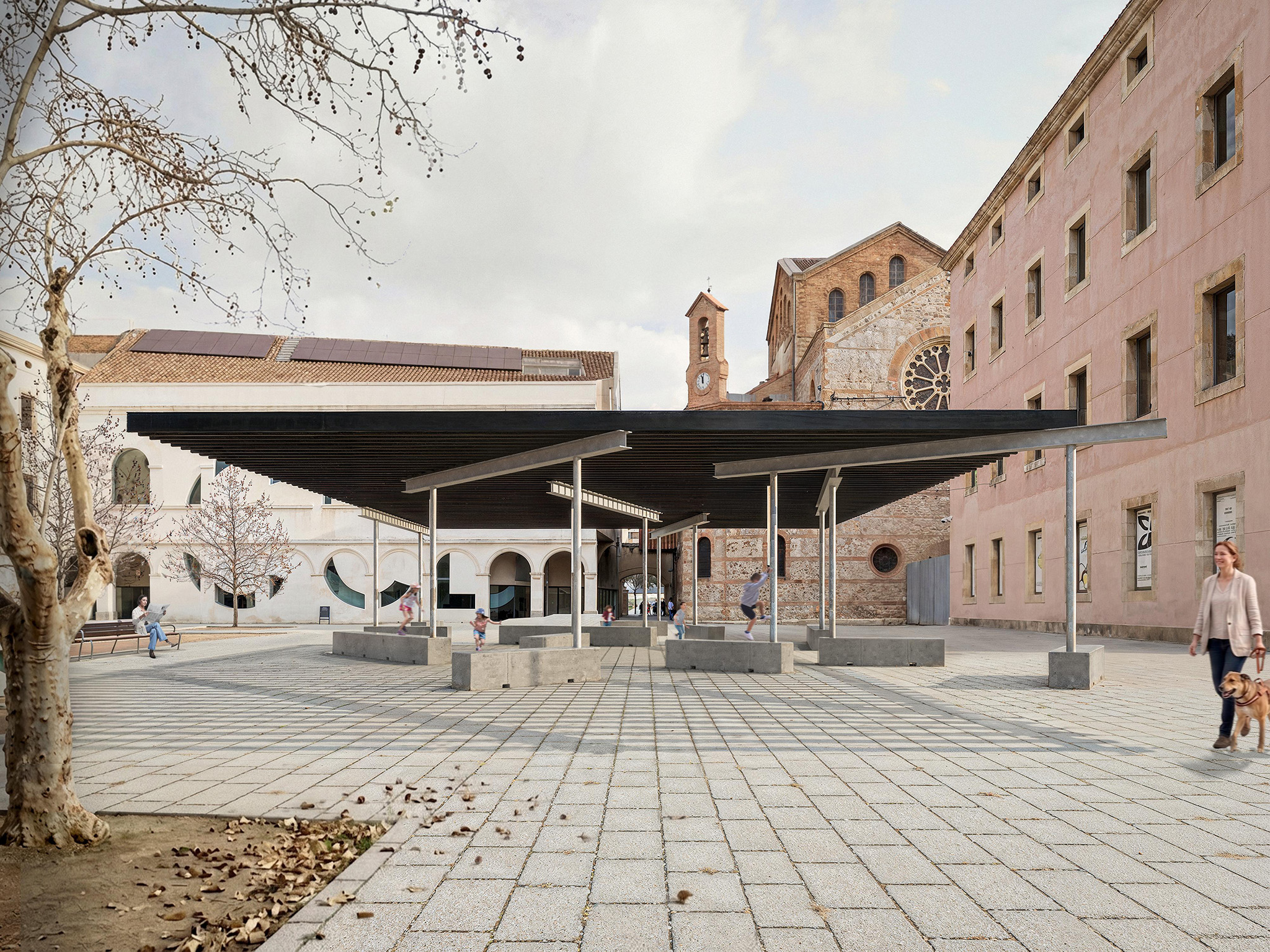
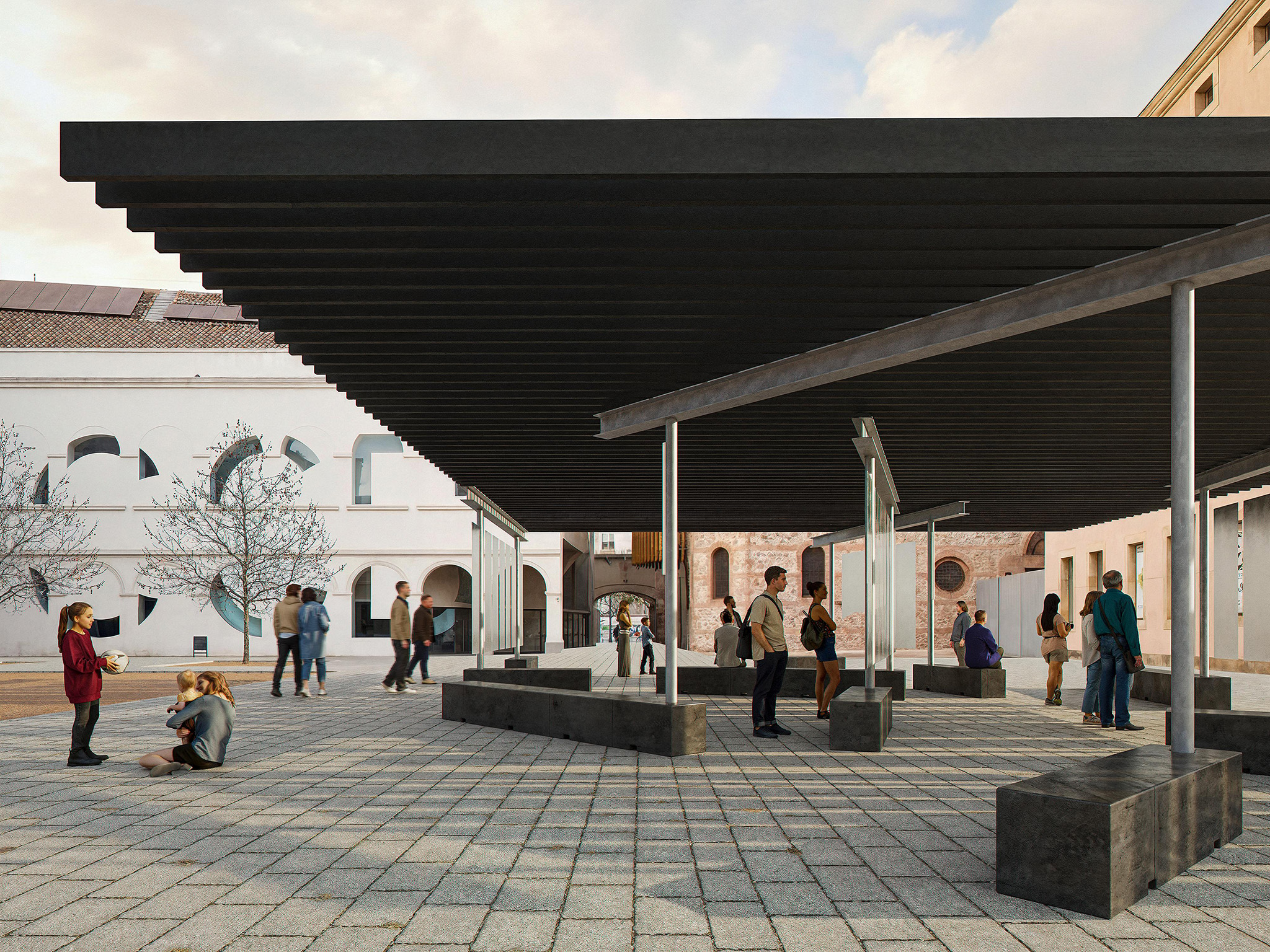
Meanwhile, in Barcelona’s Joan Coramine Square, in a city that this year holds the designation of World Capital of Architecture 2026, the proposal Una Sombra Improbable will engage with the cultural setting of the CCCB through a lightweight and adaptable structure. Here, shade, rest, and play become catalysts for transforming the square into an open space for gathering, social interaction, and collective activity.
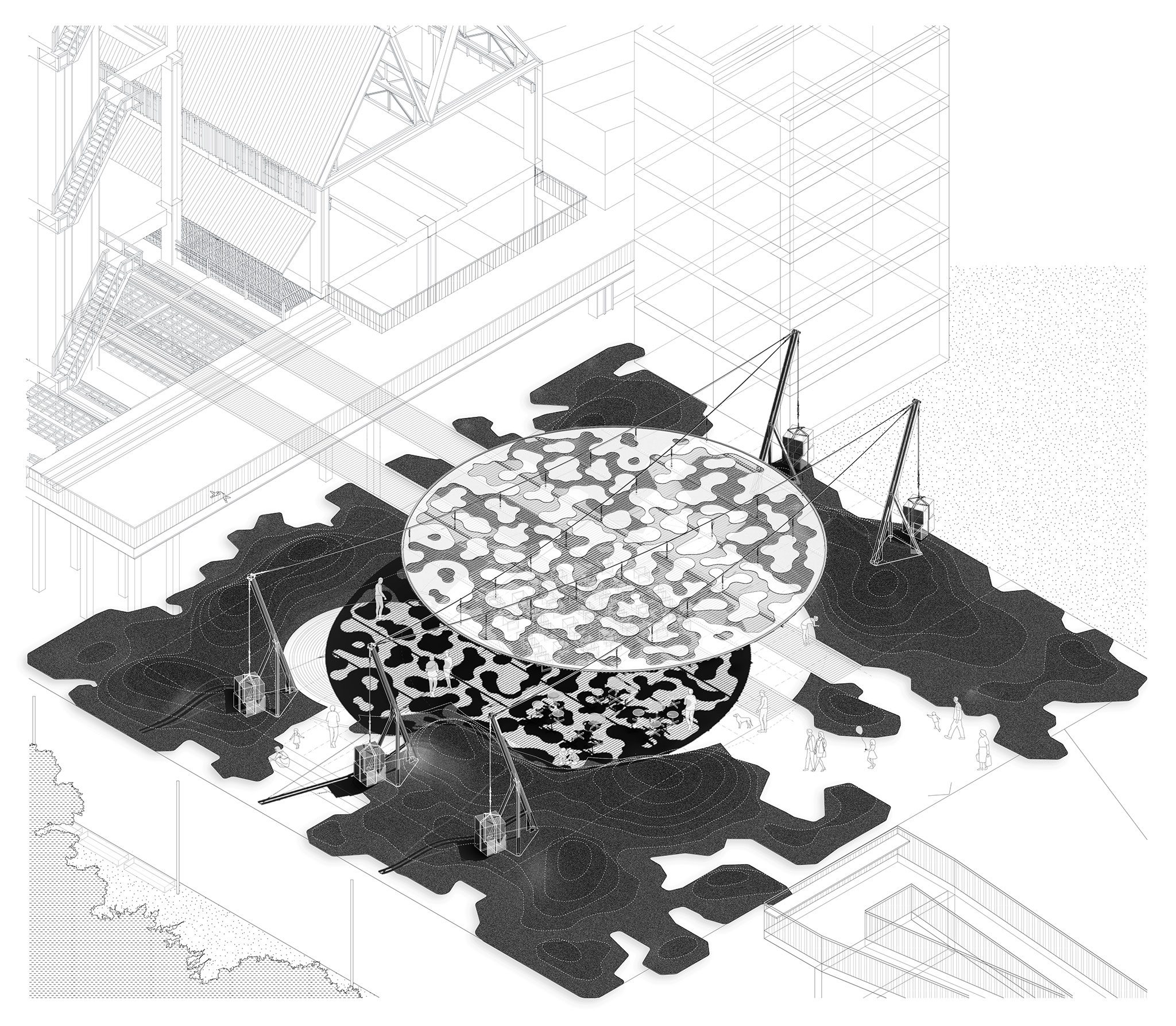
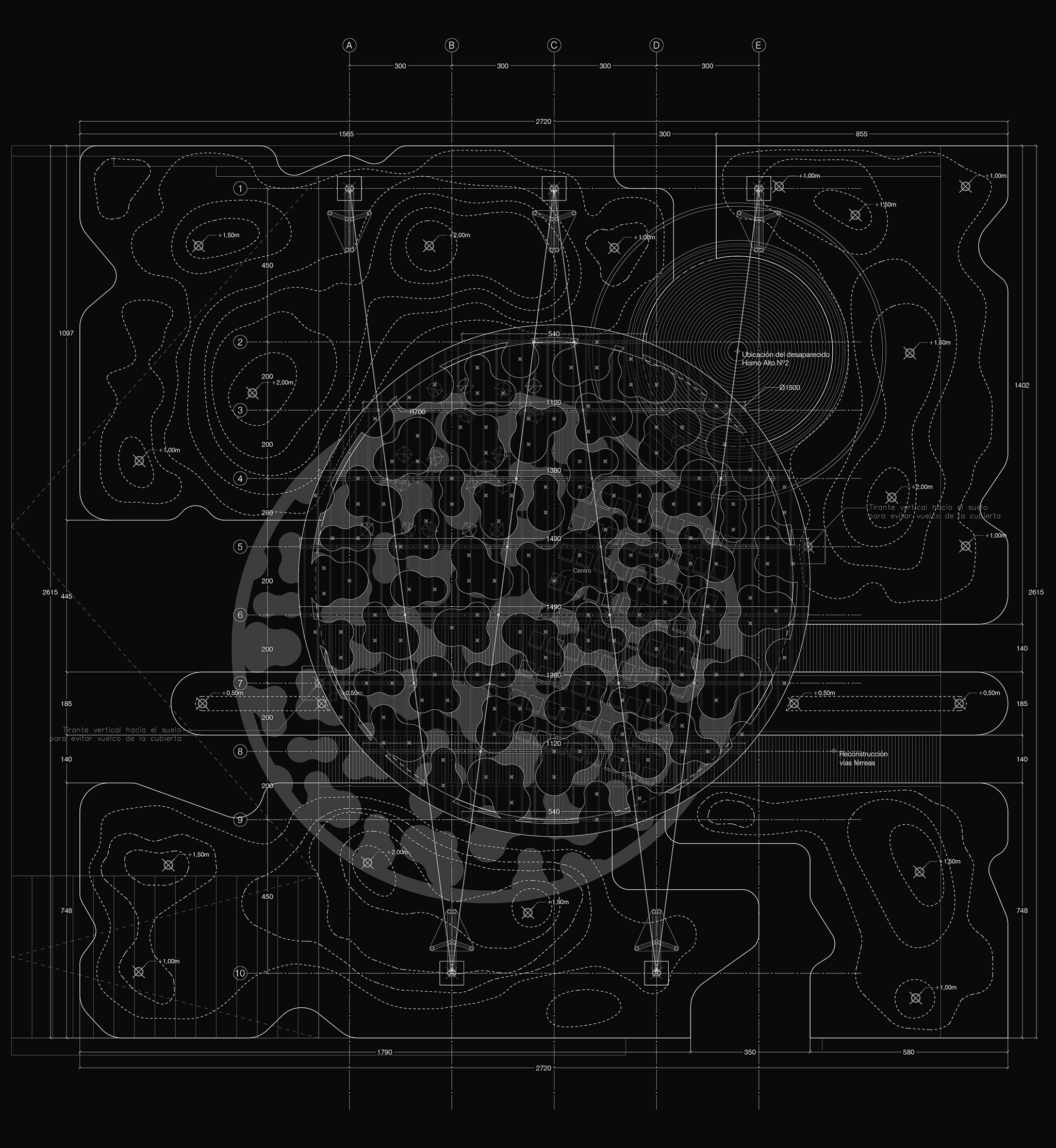
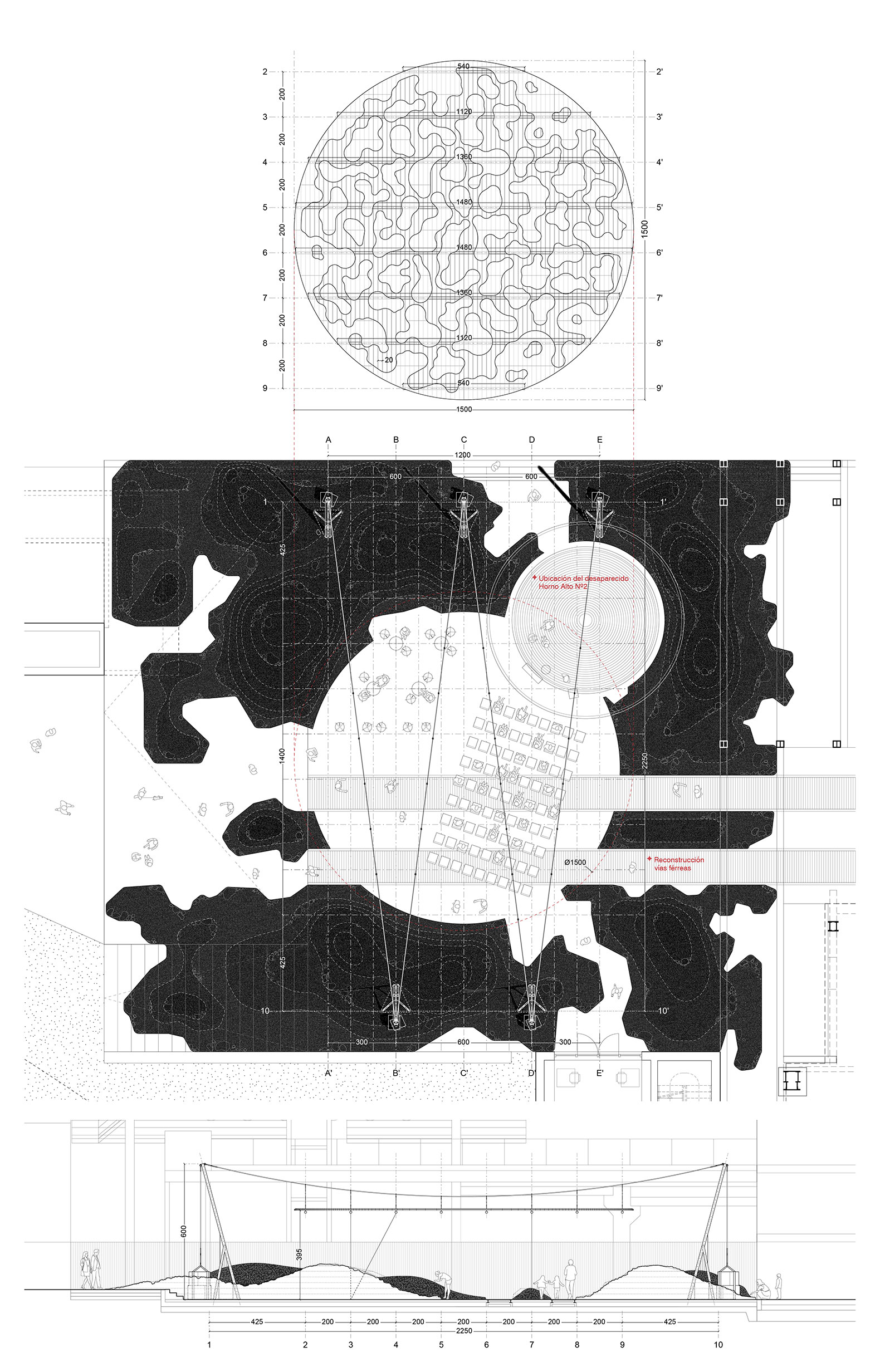
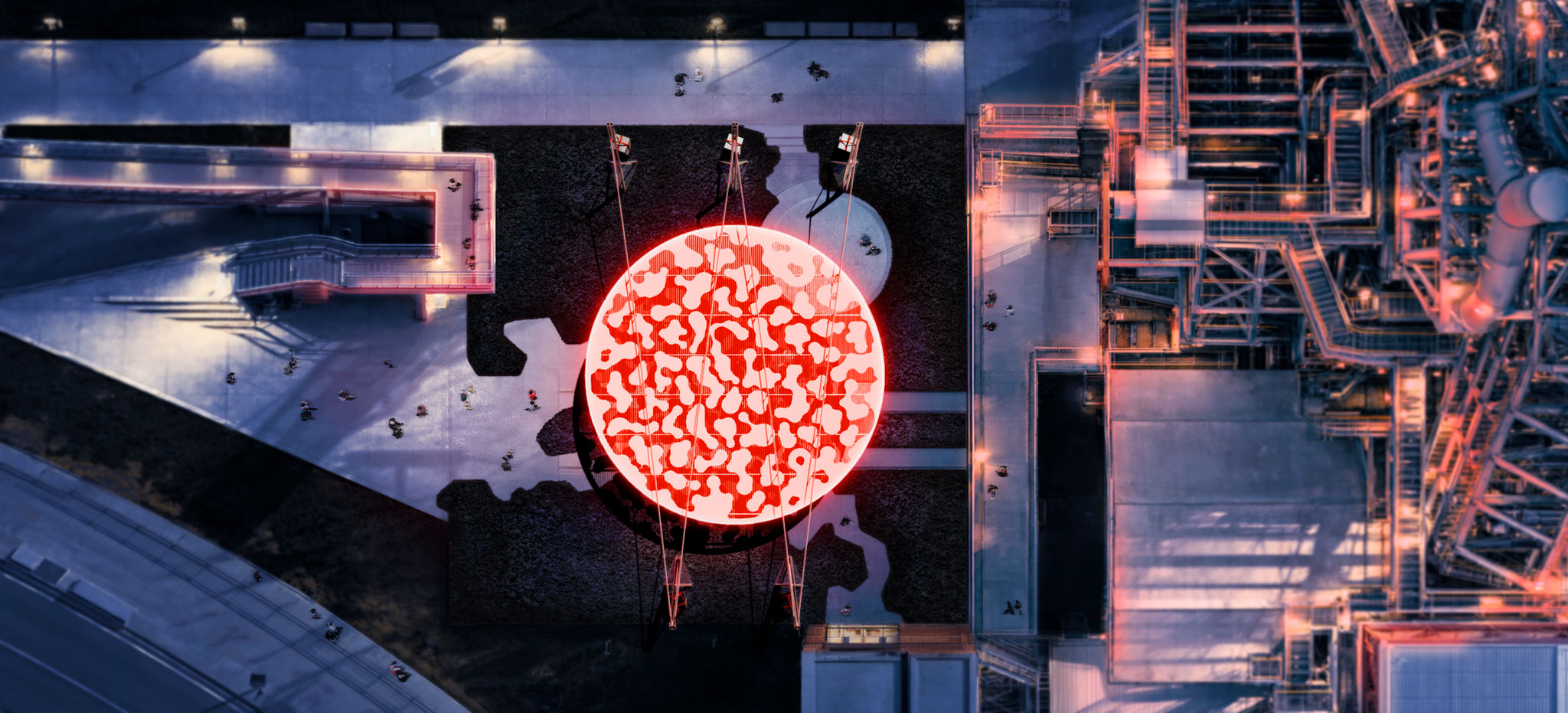
FERRUM, a proposal by architect Juan Mateos Corona, will be located in Labe Garaia Park in Sestao (Vizcaya - Bizkaia), next to the former Blast Furnace No. 1.

FERRUM, a proposal by architect Juan Mateos Corona, will be located in Labe Garaia Park in Sestao (Vizcaya - Bizkaia), next to the former Blast Furnace No. 1.

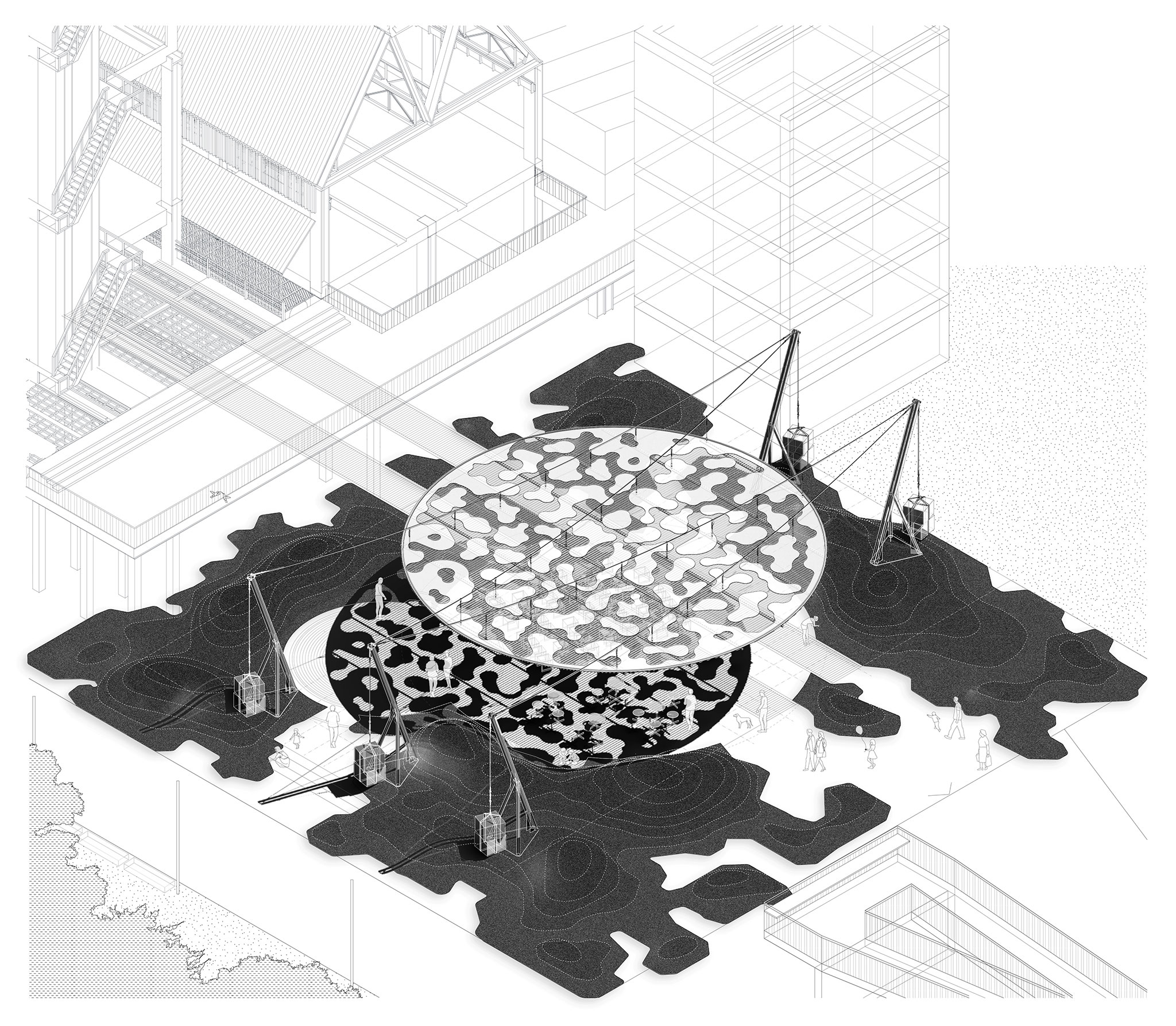
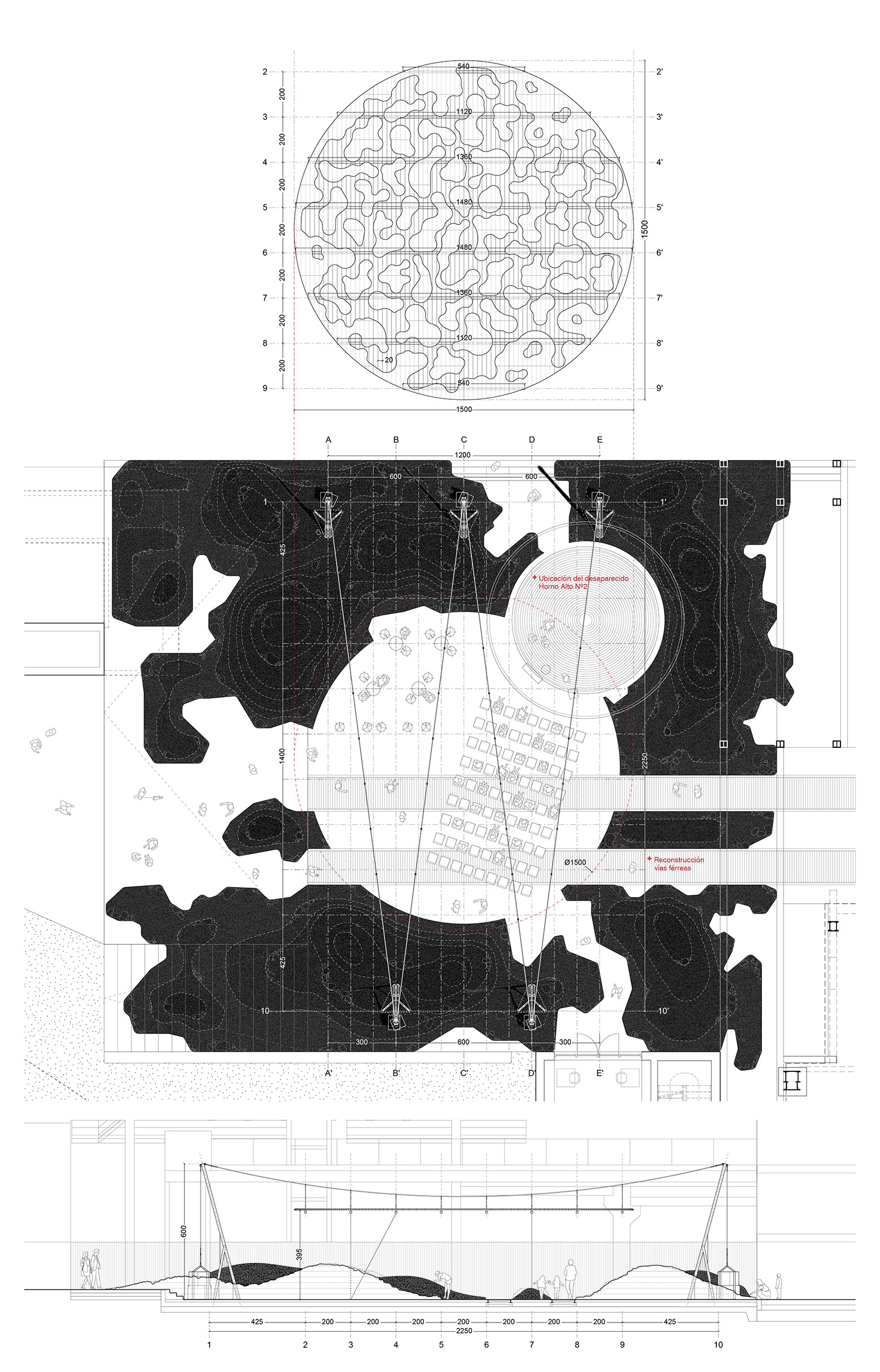
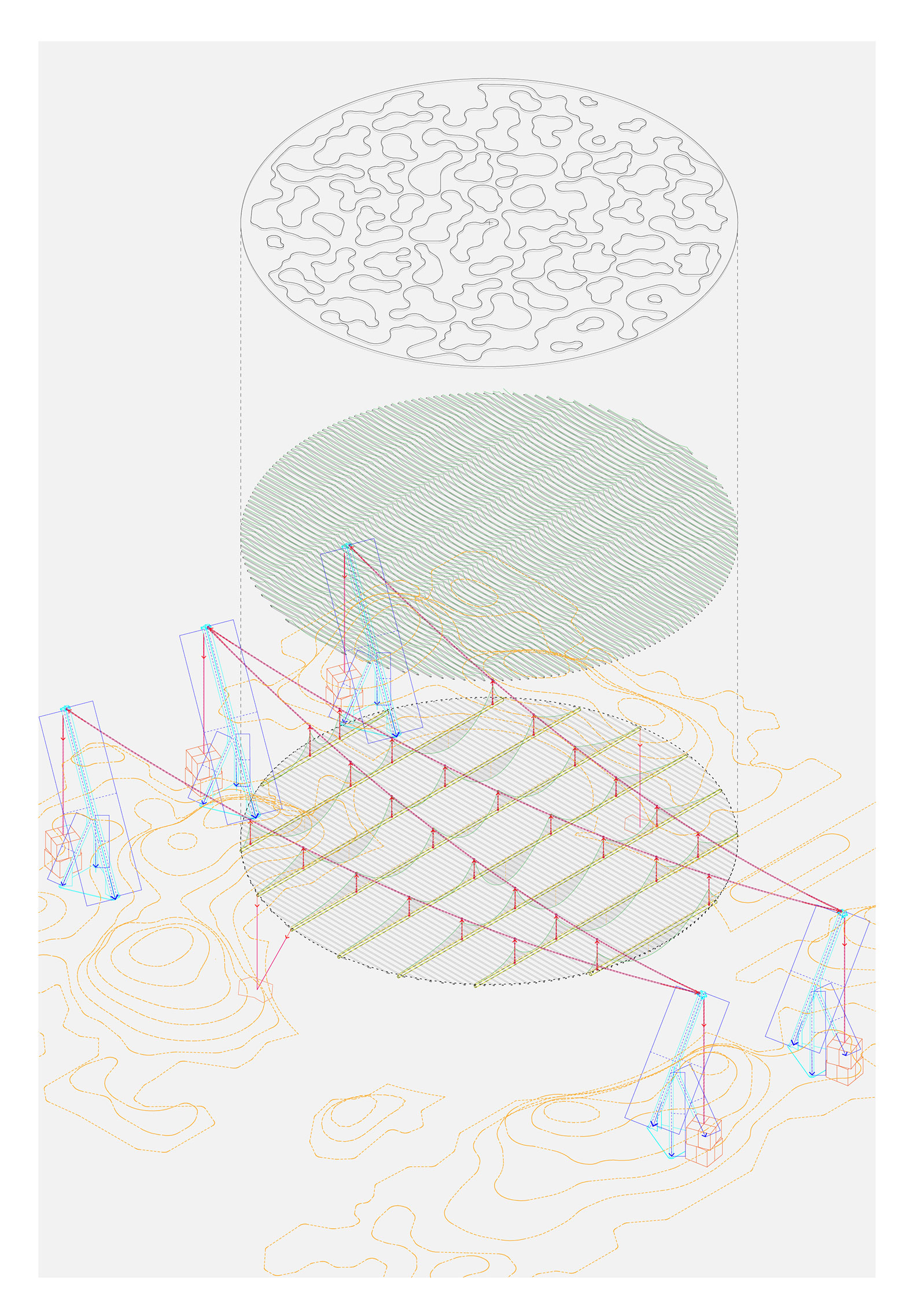
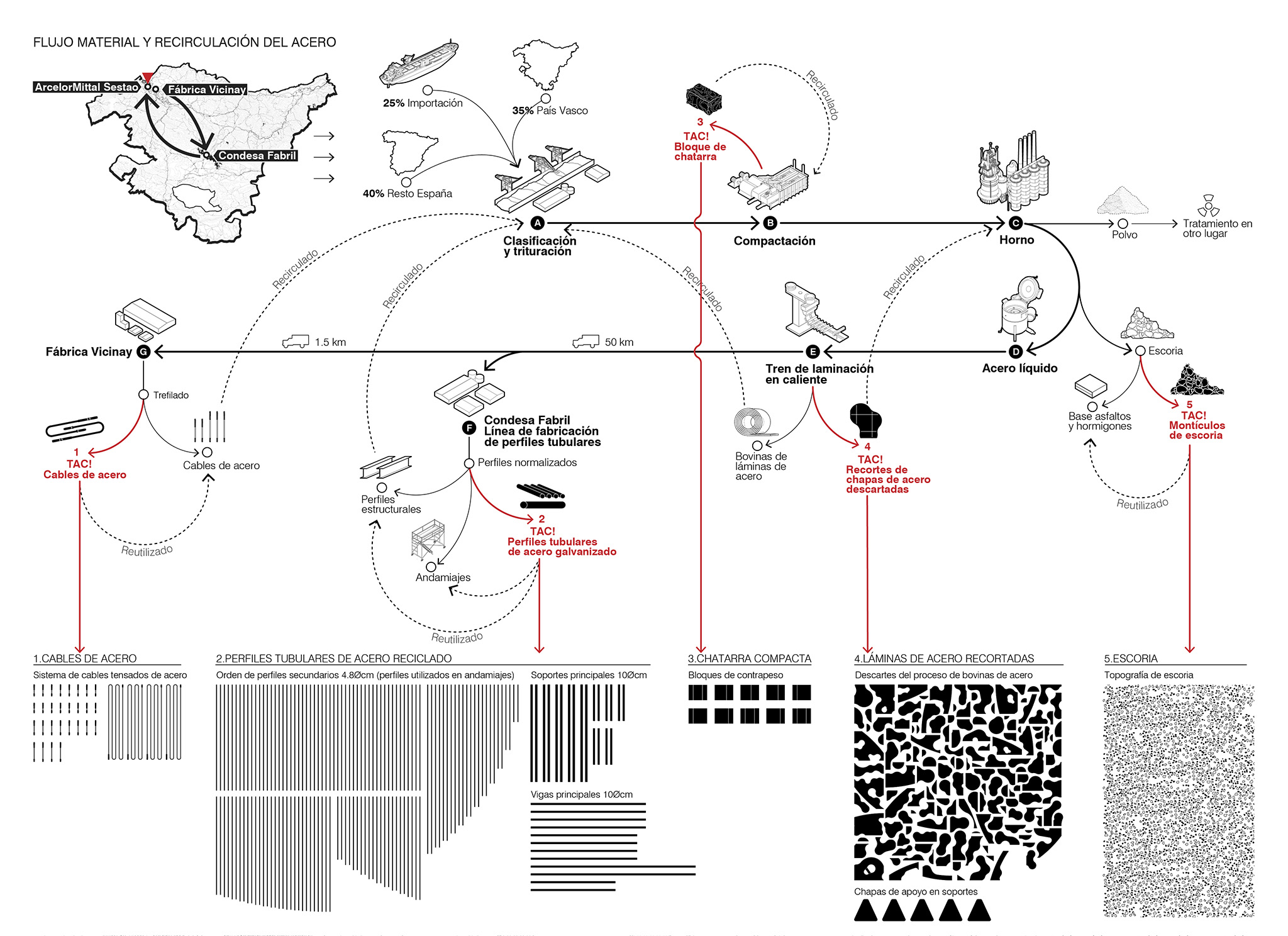
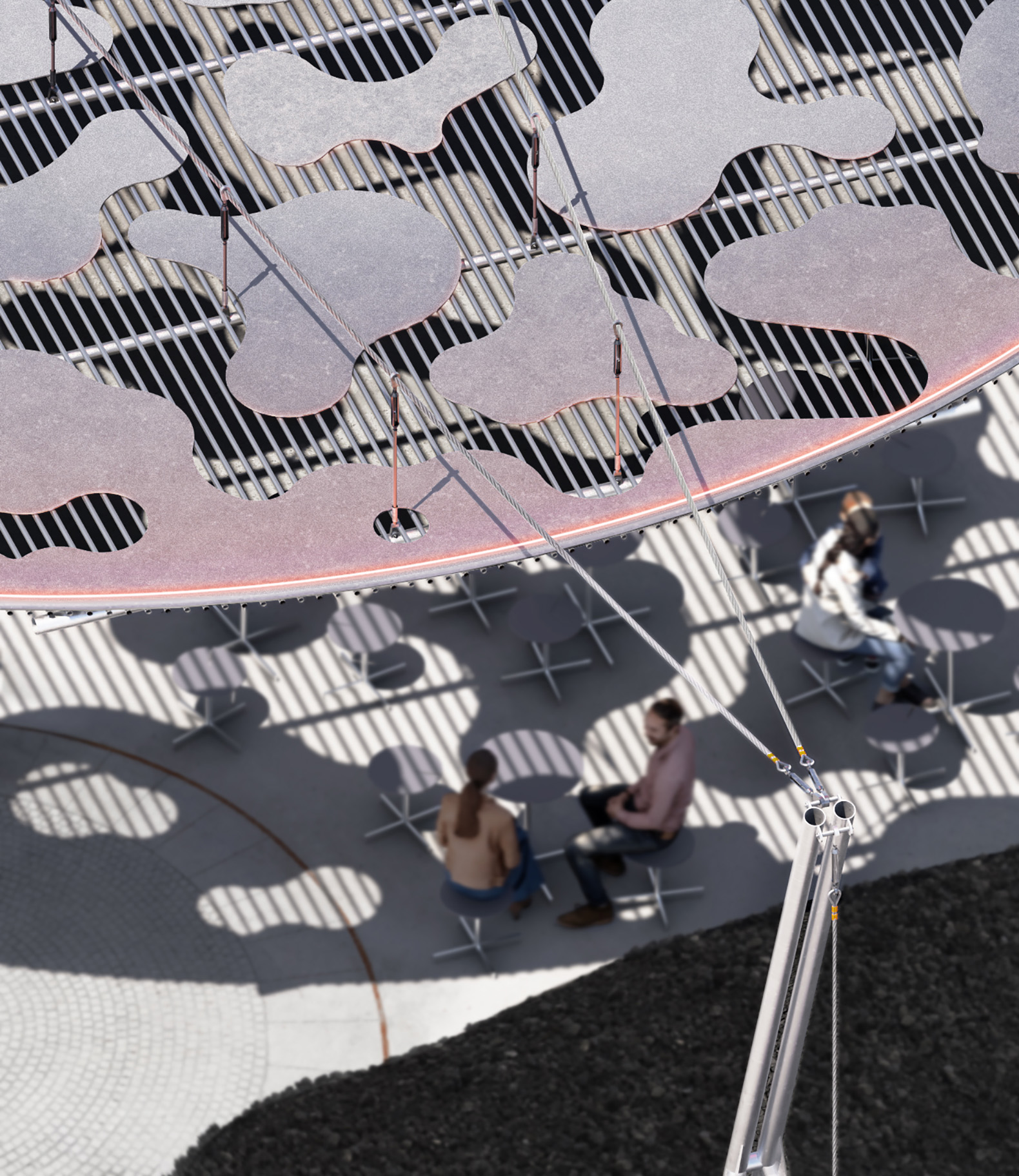
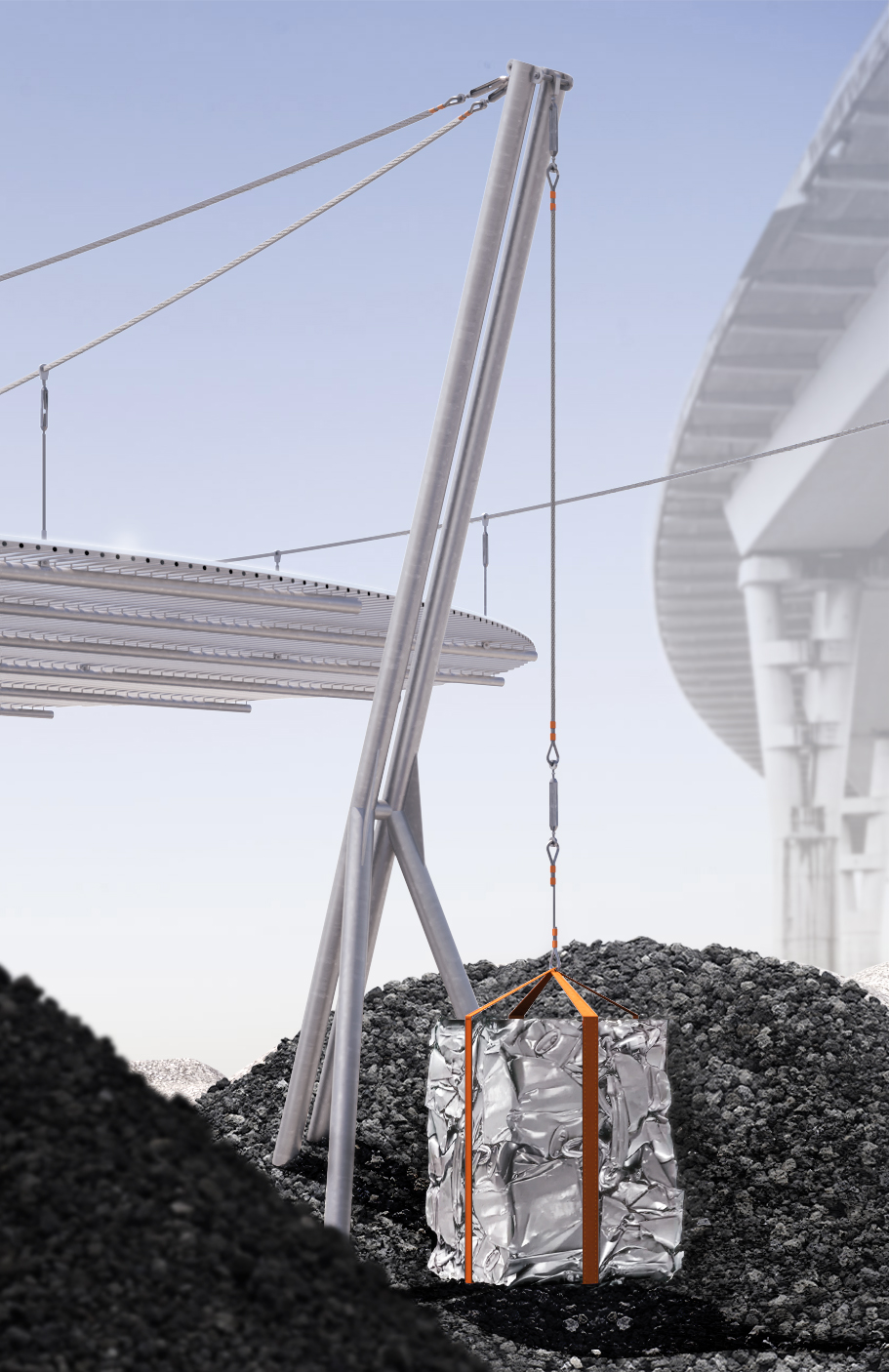
FERRUM emerges in a context shaped by industrial transformation and a growing commitment to material responsibility. Juan Mateos Corona’s proposal reconsiders the life cycle of steel, bringing the by-products of steel production into focus as active components of the contemporary landscape.

Through a lightweight structure designed for disassembly and future reuse, the project creates a circular canopy that casts a red glow across the surroundings of Blast Furnace No. 1. The intervention recalls Sestao’s industrial past, evoking the incandescent atmosphere once associated with steelmaking and reinterpreting it as a symbol of urban regeneration, collective use, and awareness of material cycles. The pavilion will be open to the public at Labea Garaia Park from 15 October to 14 November 2026.
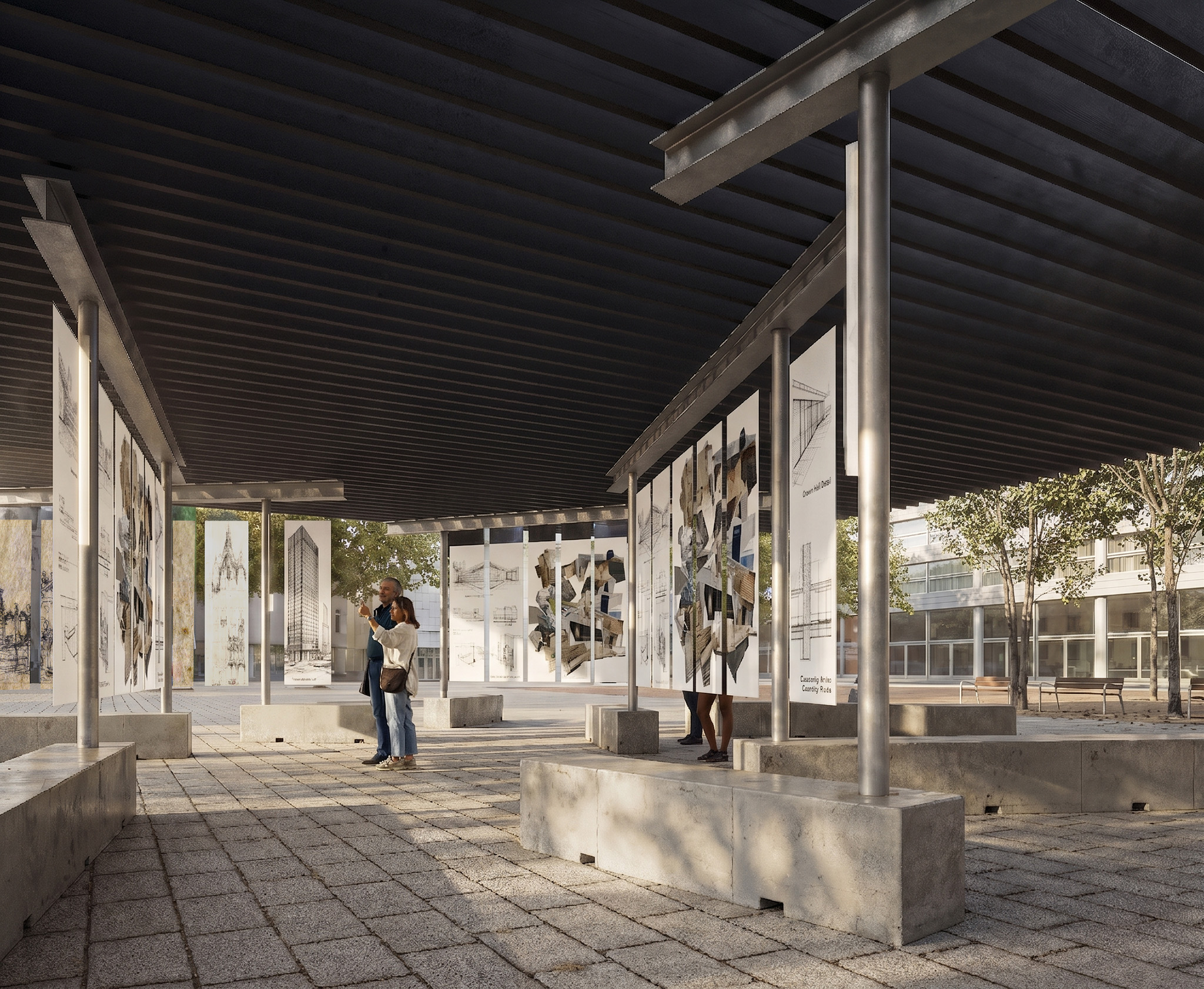
Una sombra improbable, by Pablo Schmidt Kamp, Rodrigo Pérez Vásquez, and Santiago Rodríguez Prada, will be the temporary pavilion located in Joan Coromines Square, near the CCCB Barcelona.

Una sombra improbable, by Pablo Schmidt Kamp, Rodrigo Pérez Vásquez, and Santiago Rodríguez Prada, will be the temporary pavilion located in Joan Coromines Square, near the CCCB Barcelona.

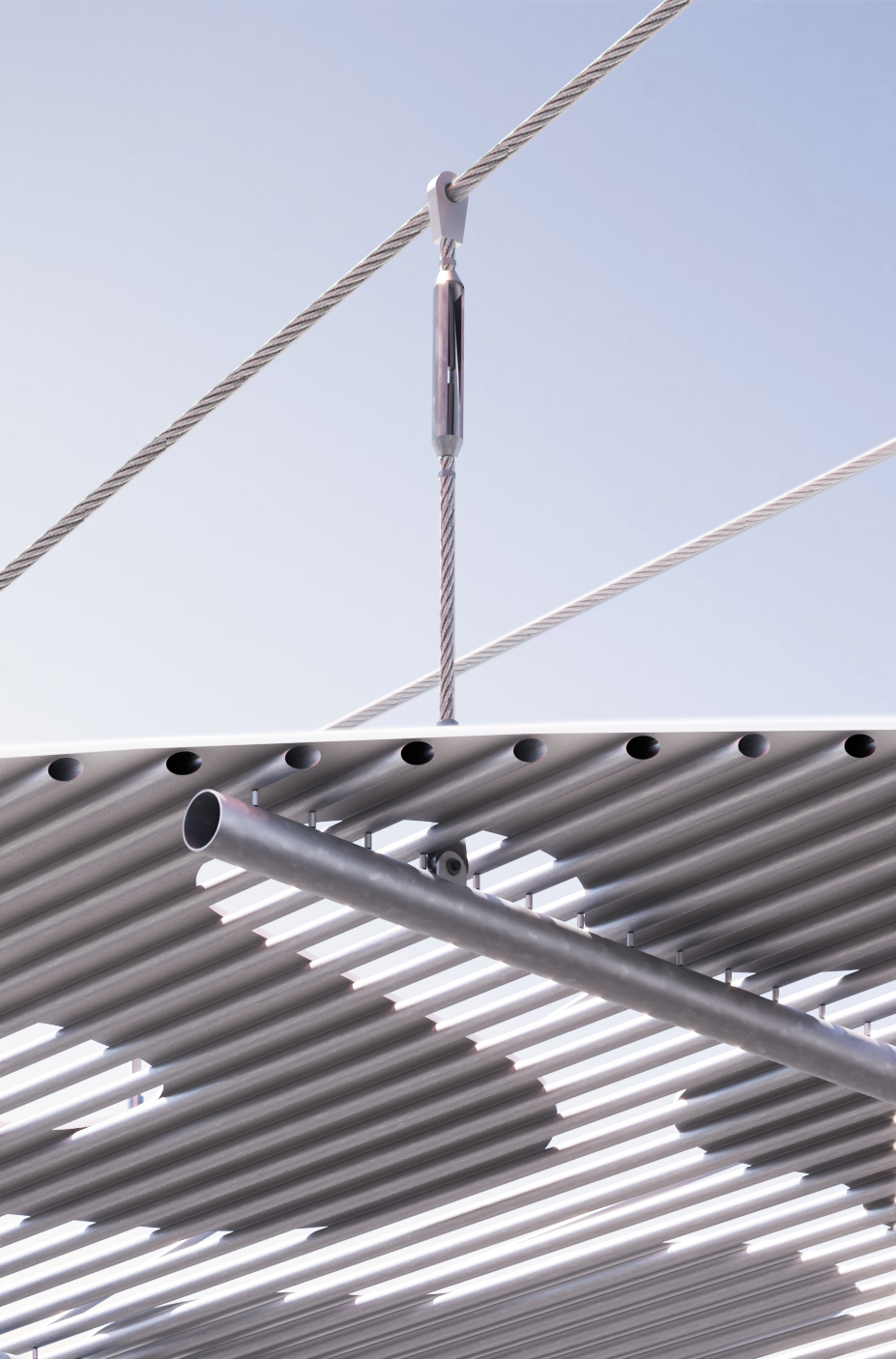
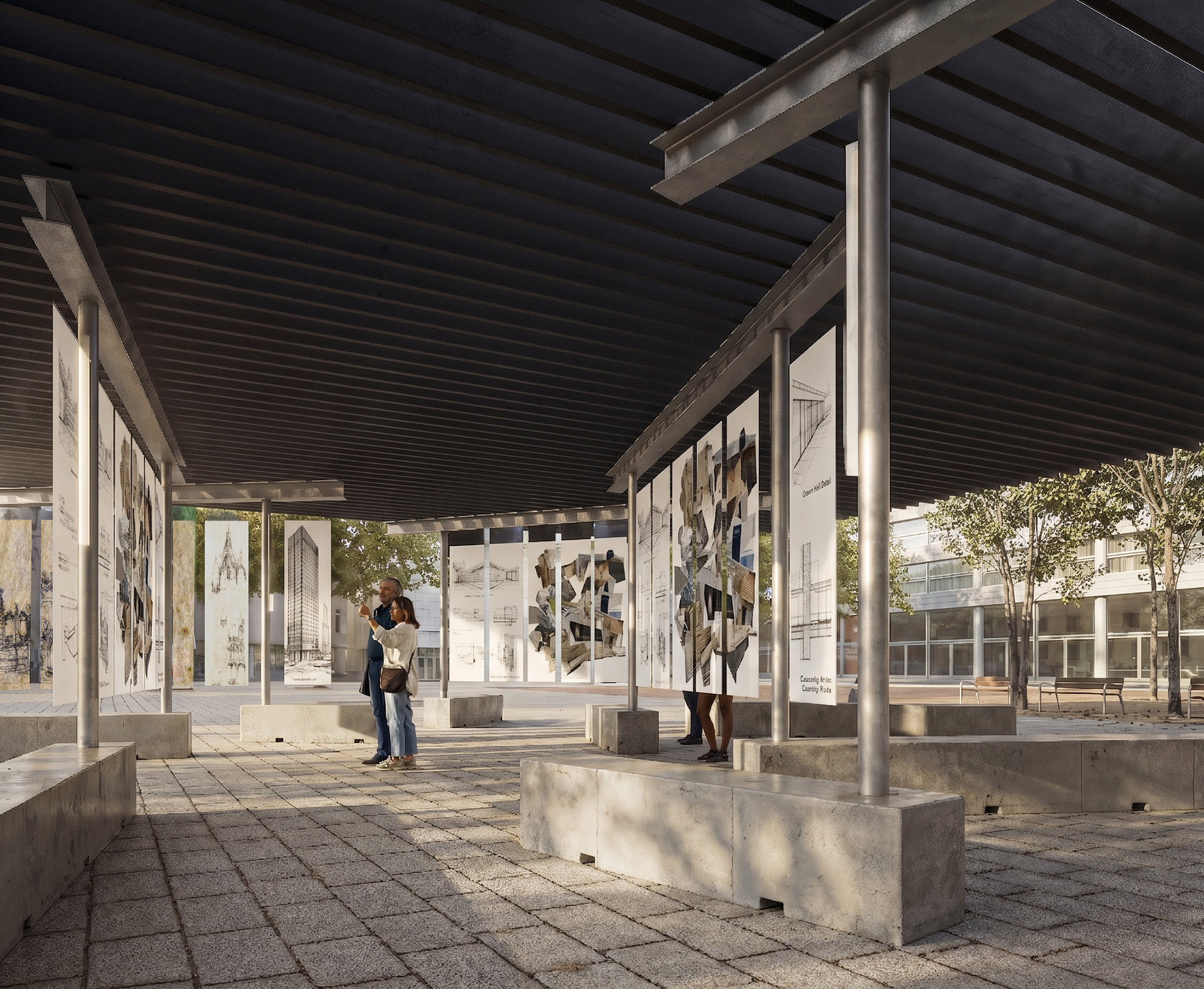
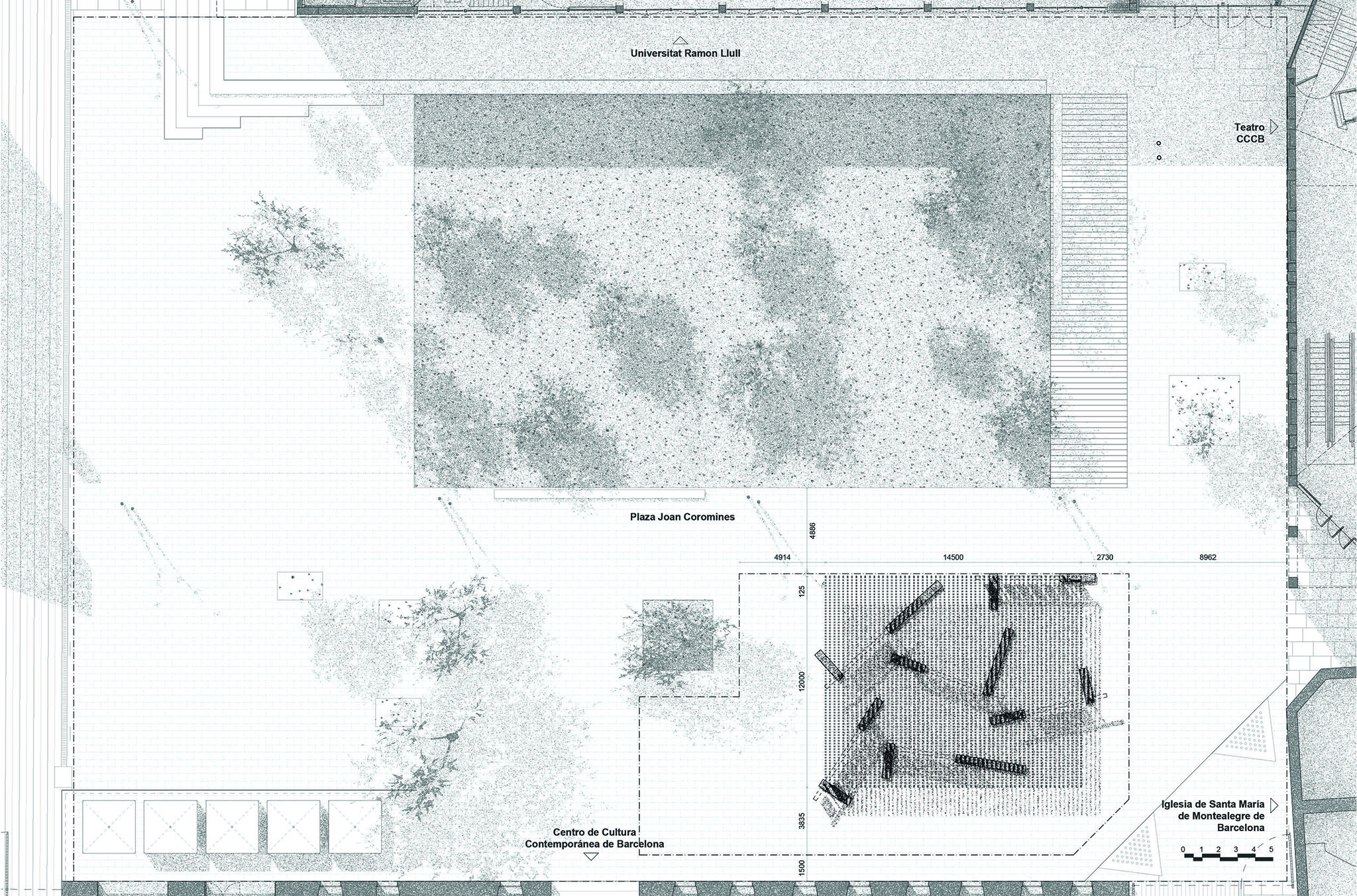
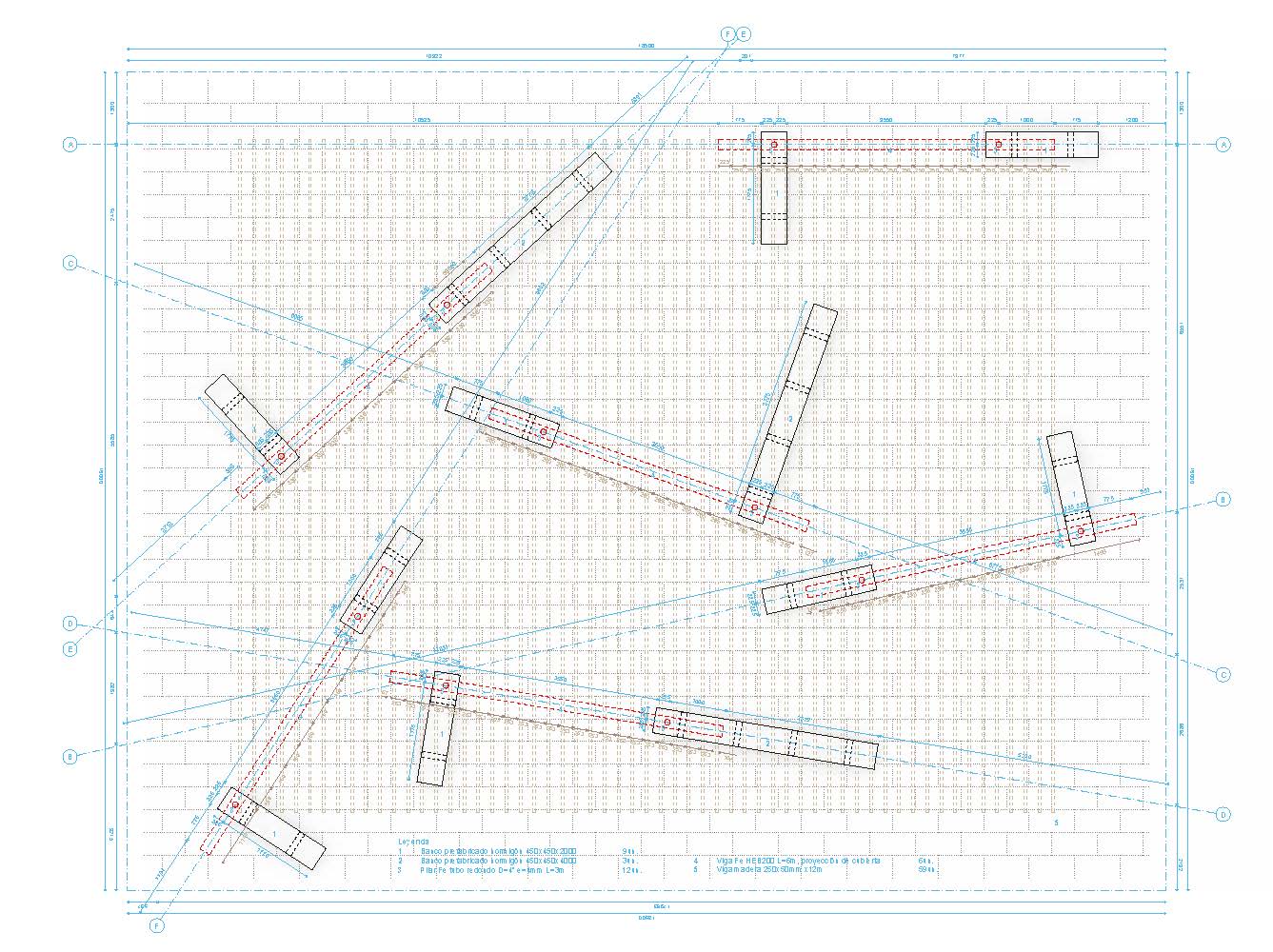
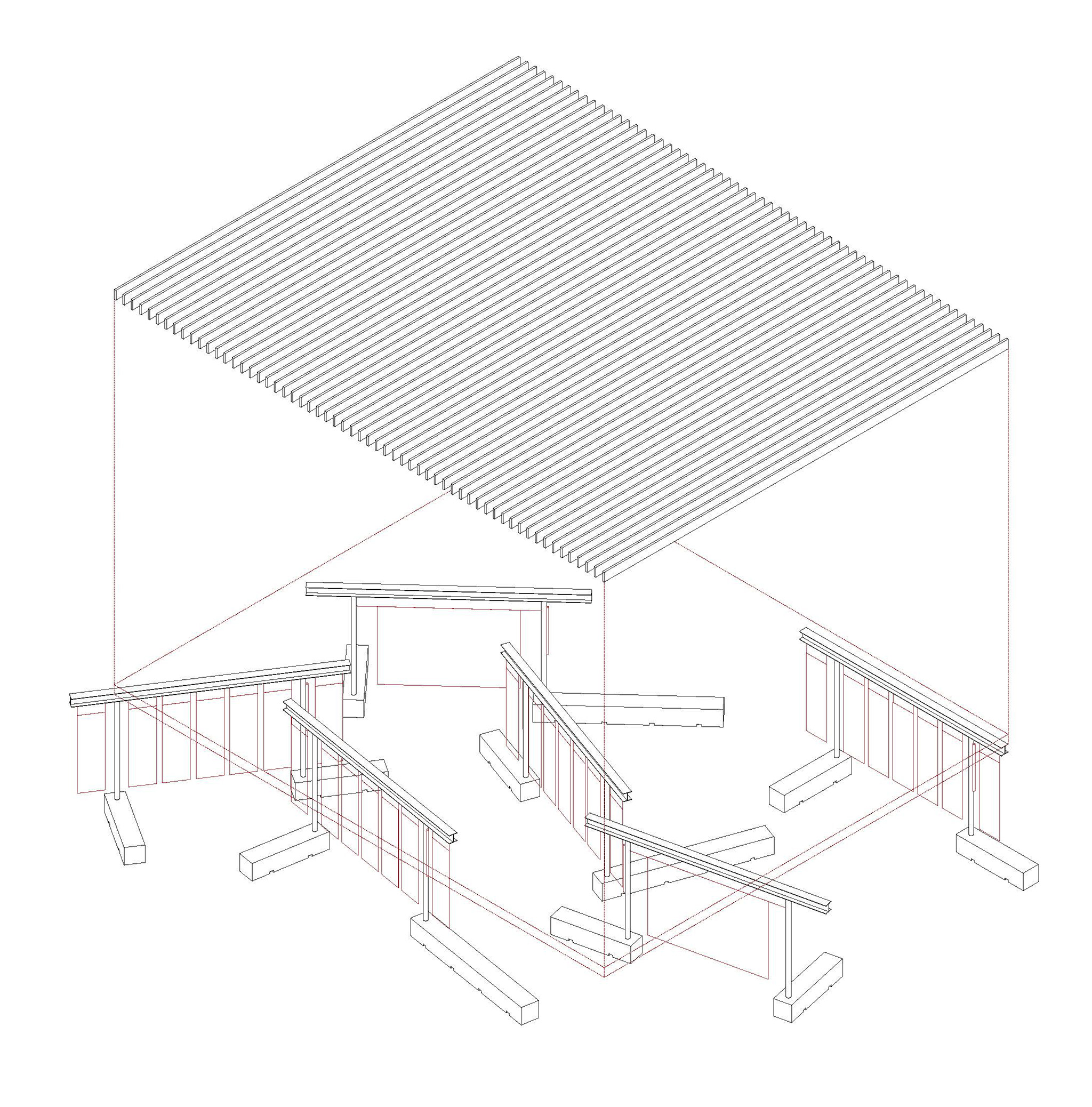
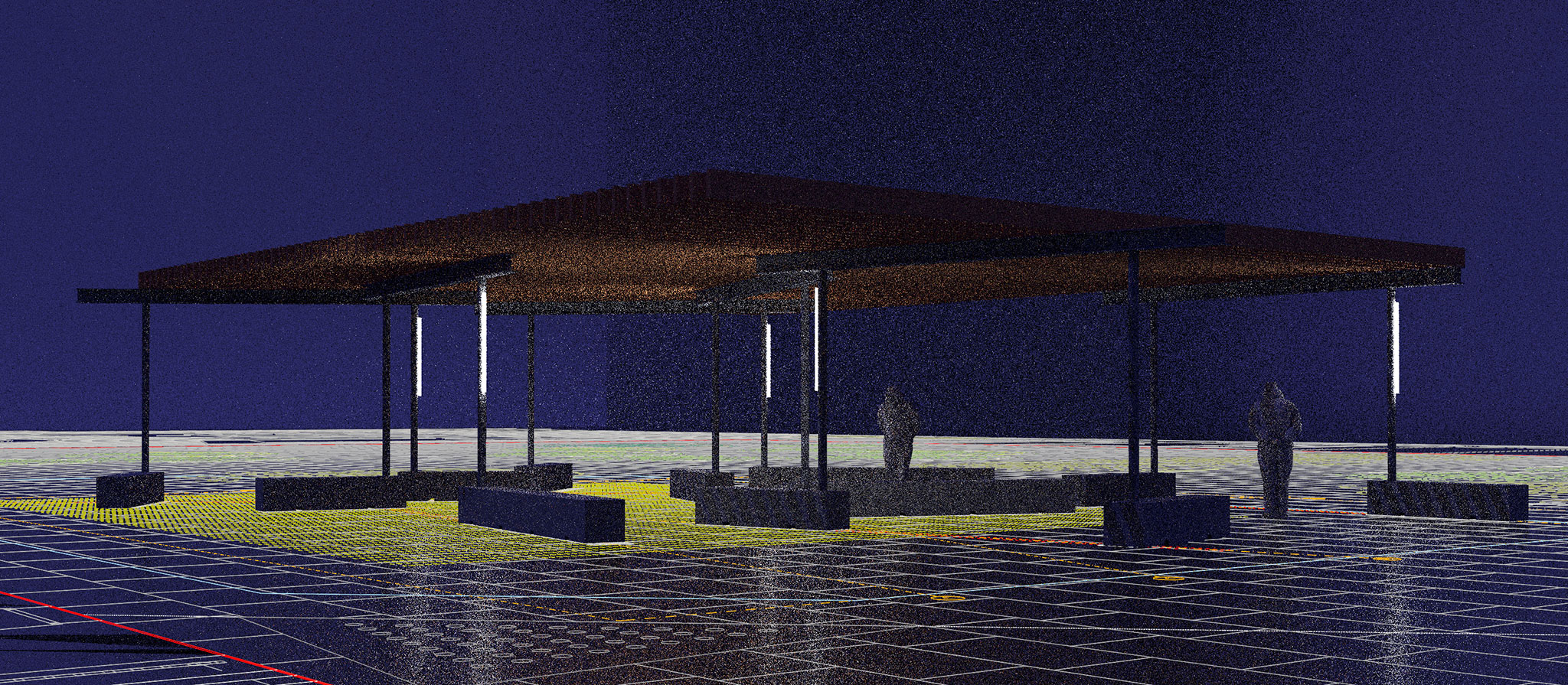
Meanwhile, Una Sombra Improbable proposes a temporary, adaptable, and reusable infrastructure conceived to activate urban public space. Designed by Pablo Schmidt Kamp, Rodrigo Pérez Vásquez, and Santiago Rodríguez Prada, the project is based on standardized industrial components, demountable connections, and a modular system composed of six self-supporting structures. This construction strategy allows the pavilion to be assembled, disassembled, relocated, and adapted to different sites without altering the existing pavement.

Its architecture is reduced to a minimal set of elements: plinths that combine structural and seating functions, steel frames, and an overhead timber lattice that casts a shifting pattern of shade across the square. Rather than imposing a fixed form, the pavilion creates an open and flexible environment capable of accommodating a wide range of activities, from cultural events and public gatherings to play and informal occupation. The pavilion will be on view in Plaça Joan Corominas, Barcelona, from 23 October to 1 December 2026.

The first prize of TAC! includes an award of €15,000 for each winning team, together with an estimated base budget of €90,000 for the construction of each pavilion.
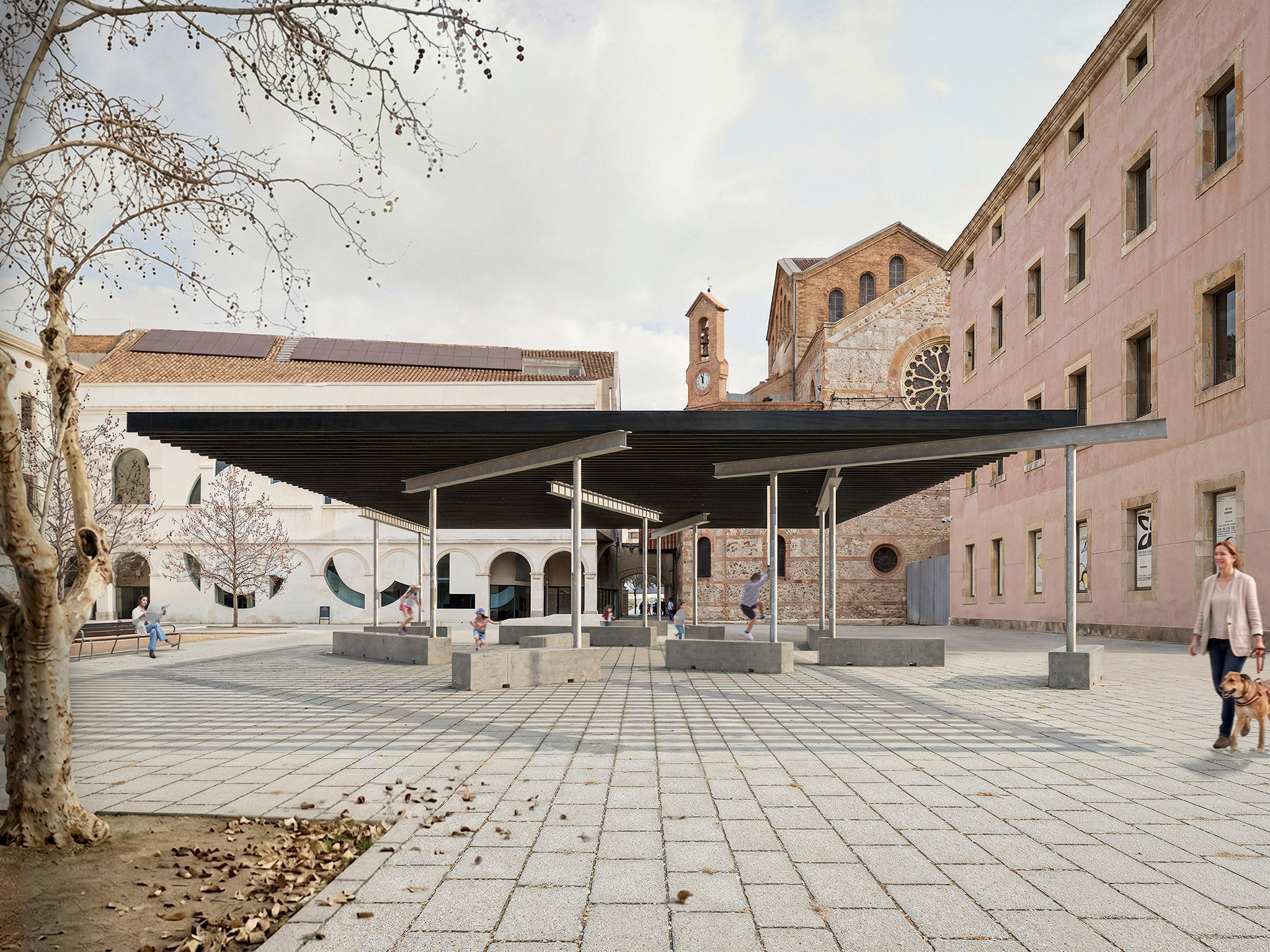
Una sombra improbable, de Pablo Schmidt Kamp, Rodrigo Pérez Vásquez y Santiago Rodríguez Prada, será el pabellón temporal que se ubicará en la plaza Joan Coromines, en las inmediaciones del CCCB Barcelona.

Una sombra improbable, by Pablo Schmidt Kamp, Rodrigo Pérez Vásquez, and Santiago Rodríguez Prada, will be the temporary pavilion located in Joan Coromines Square, near the CCCB Barcelona.

In addition to the winners, two second prizes of €3,000 each and two third prizes of €2,000 each were awarded for the projects in Sestao and CCCB Barcelona. Five honorable mentions were also given by the jury.

In Sestao, the second prize was awarded to the project "Ni refugio ni jardín," by Alejandro Miñarro Puerta, Maxime Nicolas Charles Mangold, and Tomás de Melo Breyner Roquette Rodrigues; an intervention that uses the climate as an active agent to reveal the atmosphere of the place, filtering humidity, rain, and fog without isolating itself from them.

The third prize for this site went to ESBIO, by Carmen Povedano Olleros, Pablo Navas Díaz, and Javier Garuz Gimeno, a proposal that transforms the entrance to Blast Furnace No. 1 into a public threshold through the use of local materials, reversible cycles, filtered light, water, air, and local vegetation.

At this venue, the jury also awarded special mentions to the projects ODA, by Pablo Castillo Luna and Fernando Garrido Carreras; Horizontree, by Jorge Cobo Susperregui and COBO – DONOSO Arquitectos; and Espacio con cubos de acero, by Arturo Lopez Ayala and Yuiko Shigeta.

For CCCB Barcelona, ​​the second prize went to Bajo un mismo sol, by Juan María Barcia Mas, Jonathan Levine, Marc Bielsa Mas, and Marta Roig Echegaray; an architectural project designed to embrace the sun, using standard Barcelona cobblestones as thermal mass and a reusable surface.

At this location, the third prize was awarded to Mari i Cel, by Guillermo de Alfonso Sánchez and Josep Sayós Artisó, a proposal that reinforces the urban continuity between the Pati de les Dones (Women's Courtyard) and Plaça Terenci Moix (Terenci Moix Square) through a pavilion inspired by the cloister typology.

The list of special mentions at CCCB Barcelona is completed with Rent a landscape, by Albert Alexandre López Palazón; and A-CERCAR, by Ángel Lezaun Ripa and Paula Natividad de la Peña Garayoa.
More information

Label
Pavilion / Architect
Text

FERRUM. Architect.- Juan Mateos Corona.
Una sombra improbable. Architects.- Pablo Schmidt Kamp, Rodrigo Pérez Vásquez, and Santiago Rodríguez Prada.

+ + copy Created with Sketch.
- + copy Created with Sketch.
Label
Venue / Location
Text

Pavilion. FERRUM. Parque Labe Garaia Parkea, Sestao, Bizkaia / Vizcaya.
Pavilion. Una sombra improbable. CCCB, Plaza Joan Coromines, Barcelona. 

+ + copy Created with Sketch.
- + copy Created with Sketch.
Label
Dates
Text

Pavilion. FERRUM. Parque Labe Garaia Parkea, Sestao, Bizkaia / Vizcaya.
Pavilion. Una sombra improbable. Arquitectos.- CCCB, Plaza Joan Coromines, Barcelona. 

+ + copy Created with Sketch.
- + copy Created with Sketch.

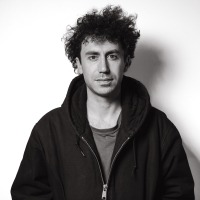
Juan Mateos Corona has been an architect since 2020, having graduated from the Madrid School of Architecture (ETSAM). His professional practice is carried out through @corma.archstudio, to develop an architectural stance critical of its context, select commissions and competitions that allow for the simultaneous exploration of theory and practice.

In the academic sphere, he received the highest distinction for his Master's thesis in Architecture and has completed the Master's in Advanced Architectural Projects (MPAA), both at ETSAM. His training has been complemented by a research grant from the Polytechnic University of Madrid (UPM) and by his participation, as a guest, in the "Imagining Futures" think tank of the Norman Foster Foundation.

Professionally, his work has been recognized in various architectural competitions, including first prize in the competition for 31 public housing units in Carabanchel, promoted by EMVS, as well as several awards in different editions of the Europan program.

Read more

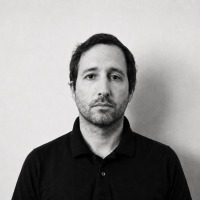
Pablo Schmidt Kamp (Quillota, 1995) is a Chilean architect and graduate of the University of Chile. Between 2019 and 2020, he was part of Smiljan Radić's office, and since 2023, he has been an adjunct professor in Workshop 1 at the University of Chile. In 2022, he founded the firm otraprácticaambigua, where he has developed and built diverse projects, including collaborating on the design and construction of the inflatable pavilion for the 2023 Chilean Architecture Biennial.
 

Read more

Rodrigo Pérez Vásquez (Maule, 1993) is a Chilean architect and holds a Master's degree in Architecture from the Pontifical Catholic University of Chile (2019). He completed part of his studies at Roma Tre University in Rome (2016). He worked for over four years at the office of Smiljan Radić and, since 2023, has been an adjunct professor in Workshop I at the University of Chile. In 2023, he began his independent practice and founded his own architecture studio in Santiago, Chile.

Read more

Santiago Rodríguez Prada (Buenos Aires, 1987) is an architect, having graduated from Universidad San Pablo CEU (2013). He also holds an academic degree from Universidad del Desarrollo (2010) and an MSc in Sustainable Building Technology from the University of Nottingham (2025). His professional career has spanned Spain, Chile, and the United Kingdom, combining architectural practice, construction management, energy efficiency consulting, and university teaching, including as a professor of structures and seismic design at Universidad del Desarrollo. He has worked on residential projects, tenders, technical coordination, and environmental assessments of buildings. His recent work focuses on sustainability, energy performance, and passive strategies applied to architectural design.

Read more
Published on: June 9, 2026
Cite:
metalocus, ANTONIO GRAS
"Winners of the TAC! 2026 pavilions in Sestao and Barcelona" METALOCUS. Accessed
<https://www.metalocus.es/en/news/winners-tac-2026-pavilions-sestao-and-barcelona> ISSN 1139-6415
Loading content ...
Loading content ...
Loading content ...
Loading content ...
Loading content ...
Loading content ...
Loading content ...
Loading content ...
Loading content ...
Loading content ...
Loading content ...
Loading content ...
Loading content ...
Loading content ...
Loading content ...
Loading content ...
Loading content ...
Loading content ...
Loading content ...
Loading content ...
Loading content ...
Loading content ...
Loading content ...
Loading content ...
Loading content ...
Loading content ...
Loading content ...
Loading content ...
Loading content ...
Loading content ...
Loading content ...
Loading content ...
Loading content ...
Loading content ...
Loading content ...
Loading content ...
Loading content ...
Loading content ...
Loading content ...
Loading content ...
Loading content ...
Loading content ...
Loading content ...
Loading content ...
Loading content ...
Loading content ...
Loading content ...
Loading content ...
Loading content ...
Loading content ...
Loading content ...
Loading content ...
Loading content ...
Loading content ...