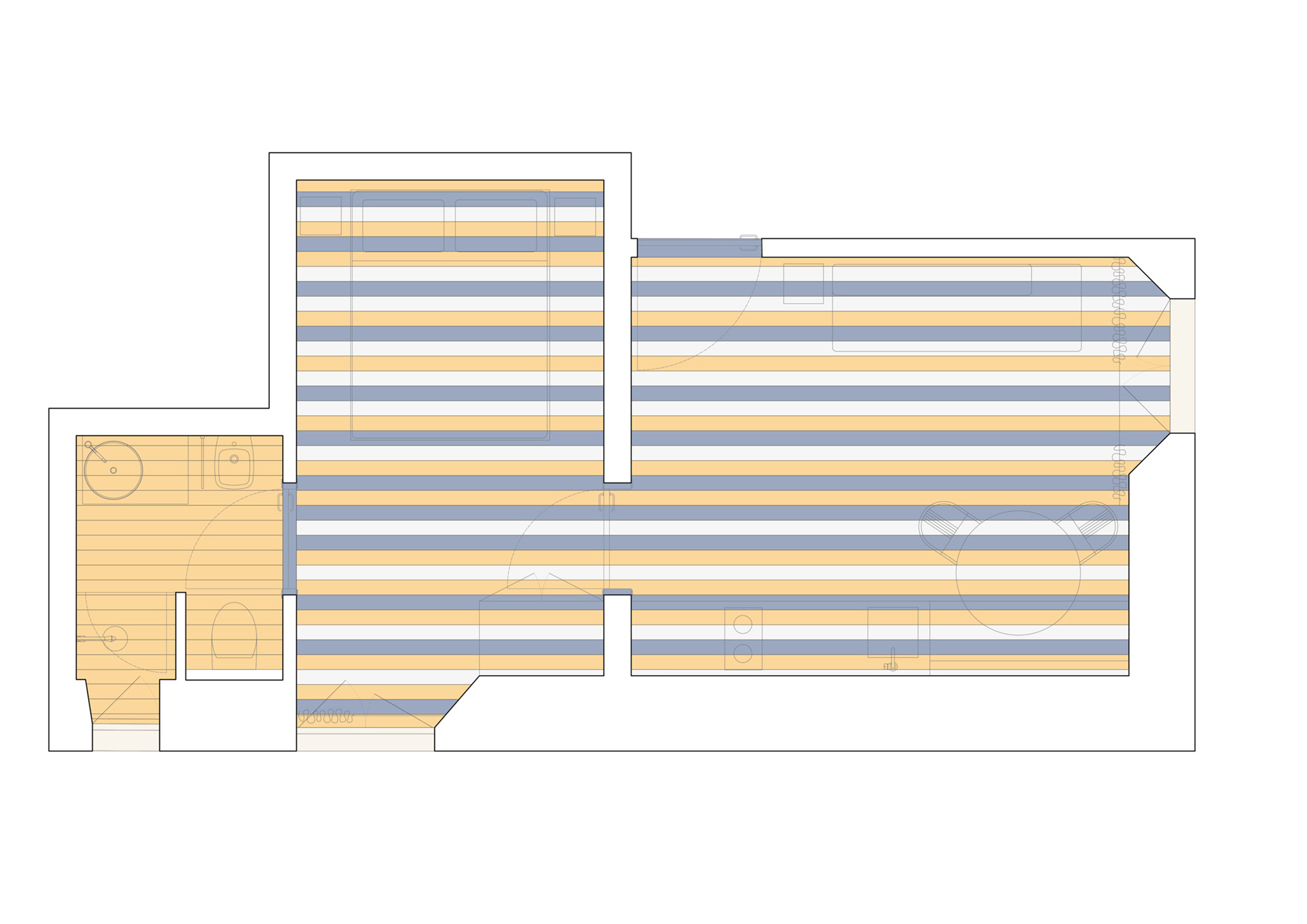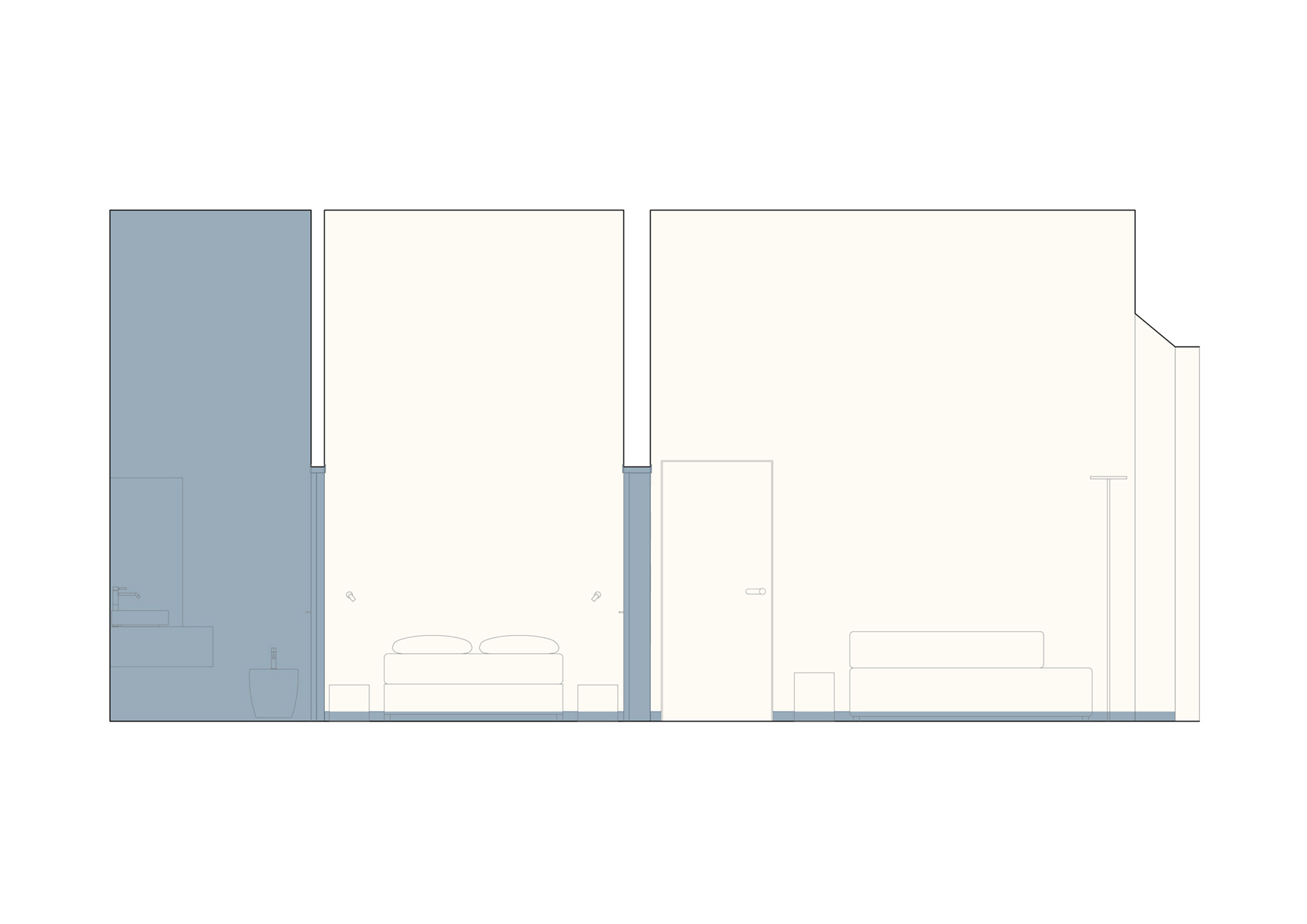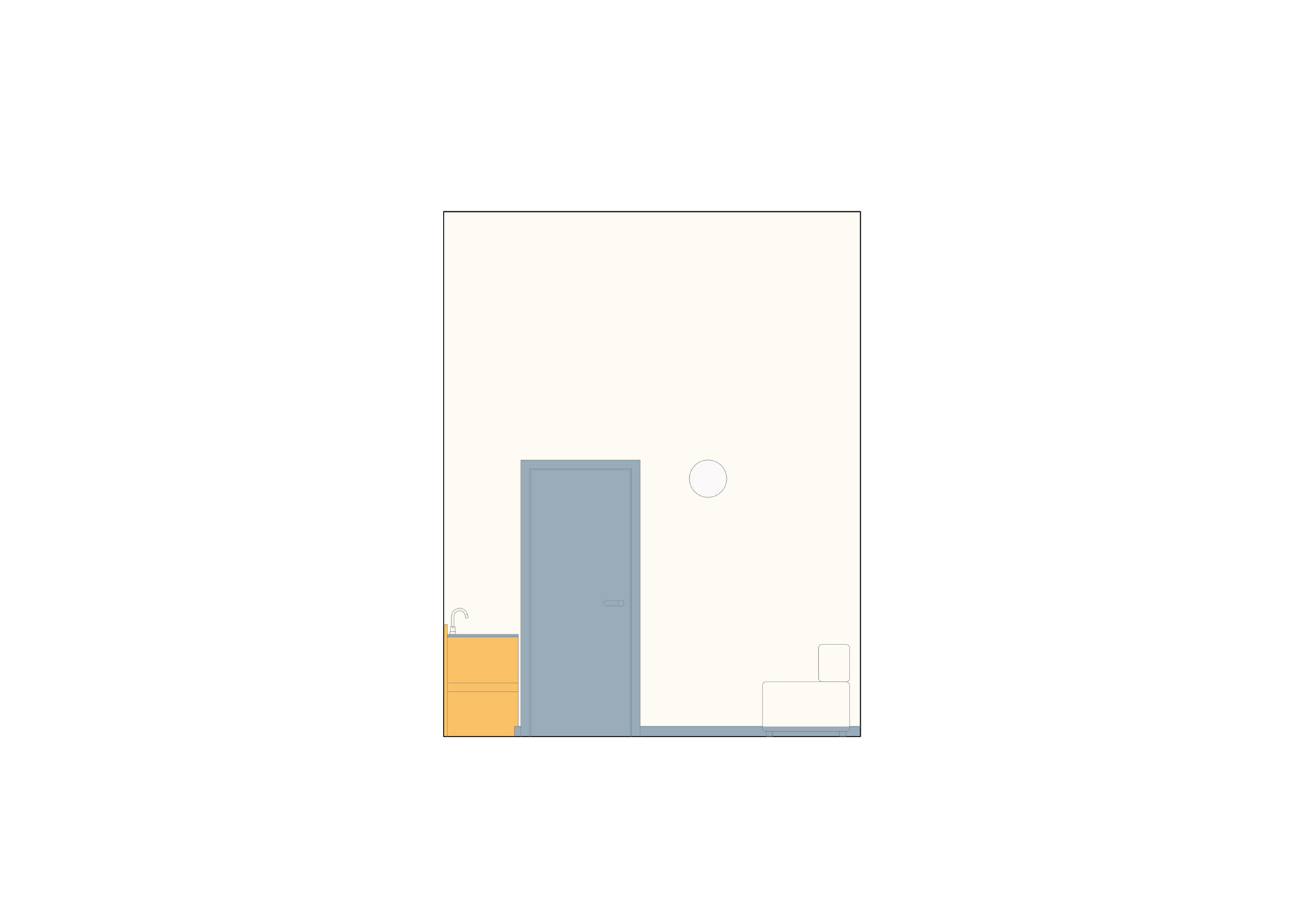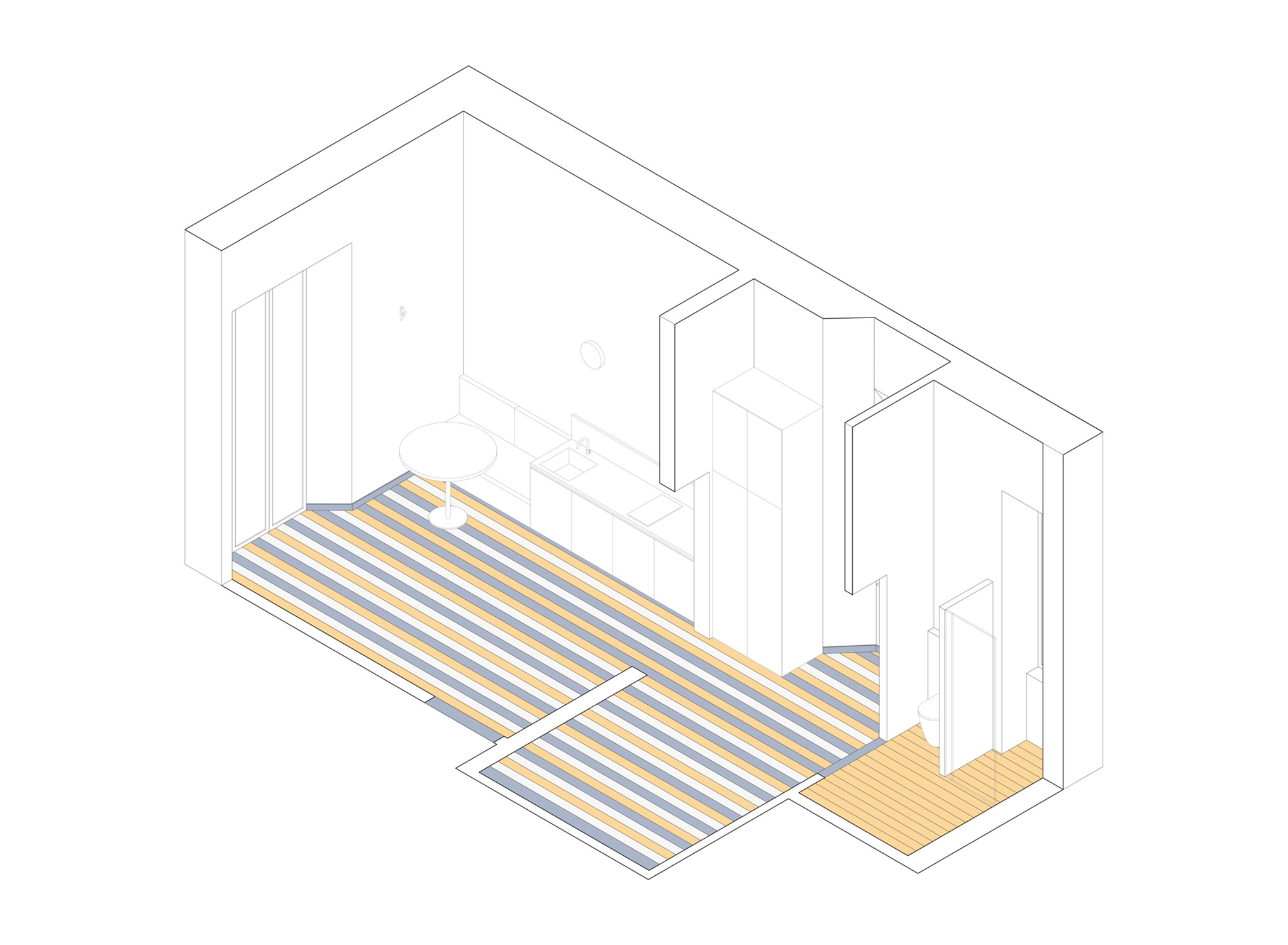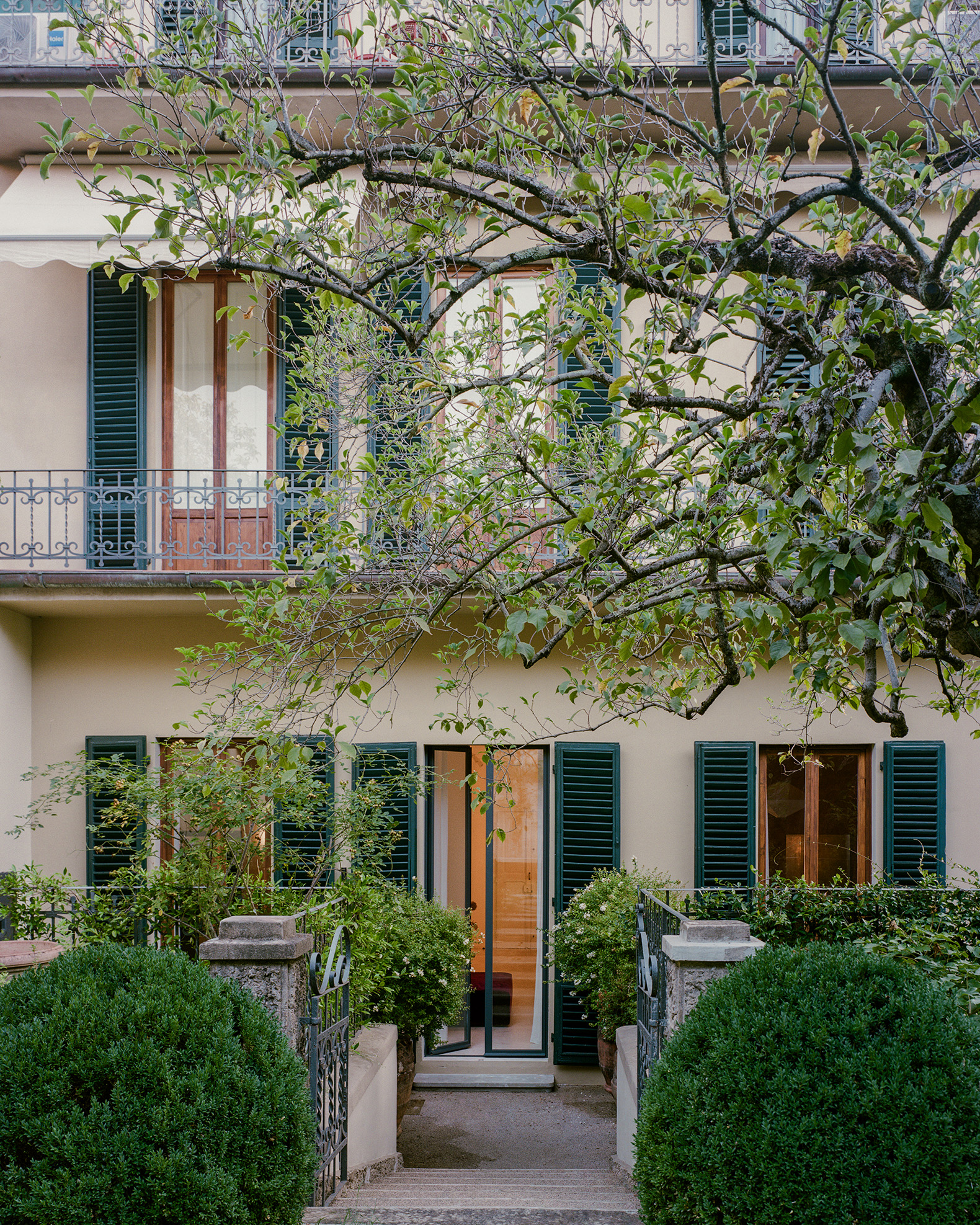
The architecture practice AFSa has designed Palazzina Maresa, transforming a 1926 house into eight apartments designed by eight different architects.

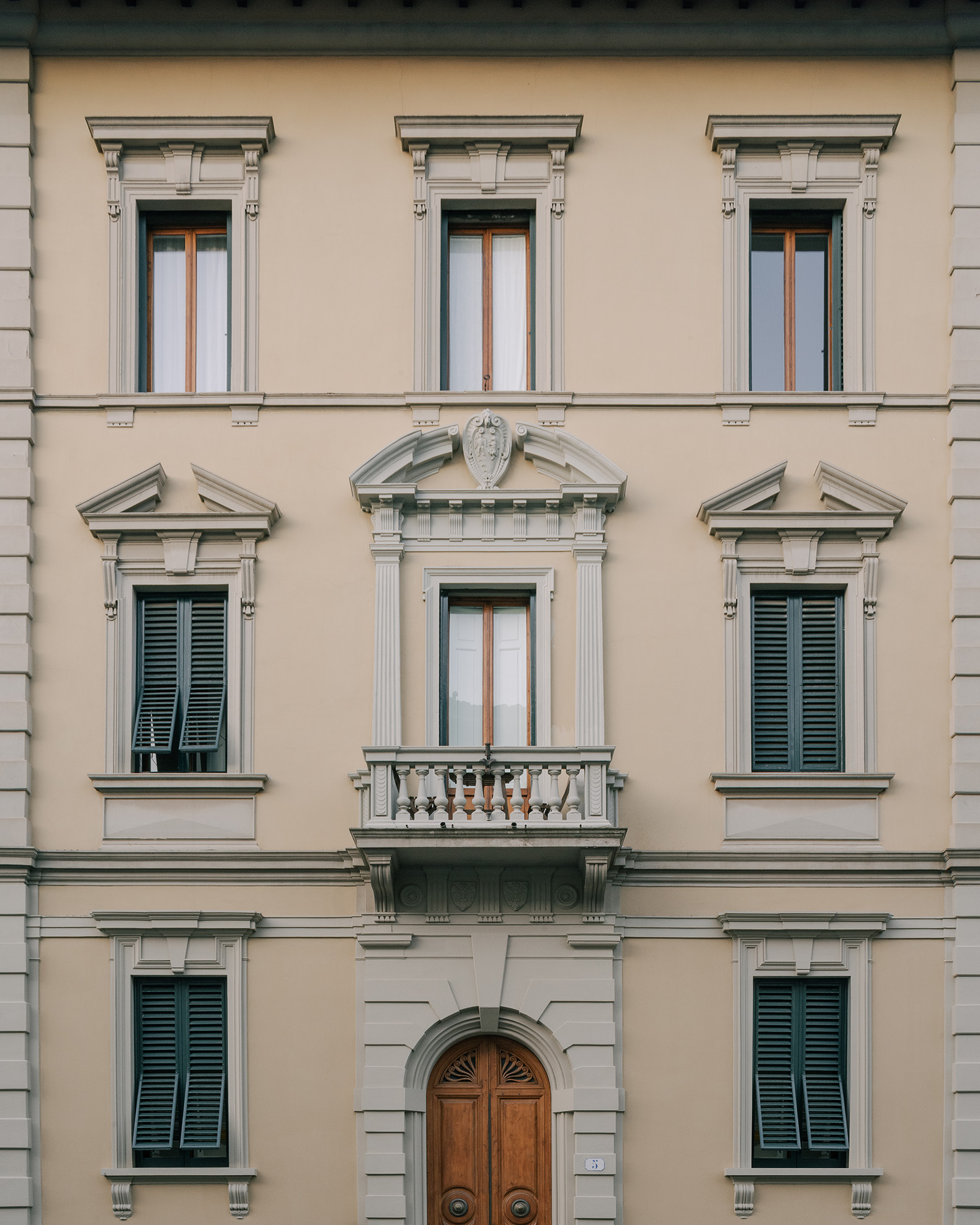
The aim of this project in Florence's Porta Romana district is to reinterpret the spirit of its founding in a contemporary way, recovering the aesthetics of the early 20th century.

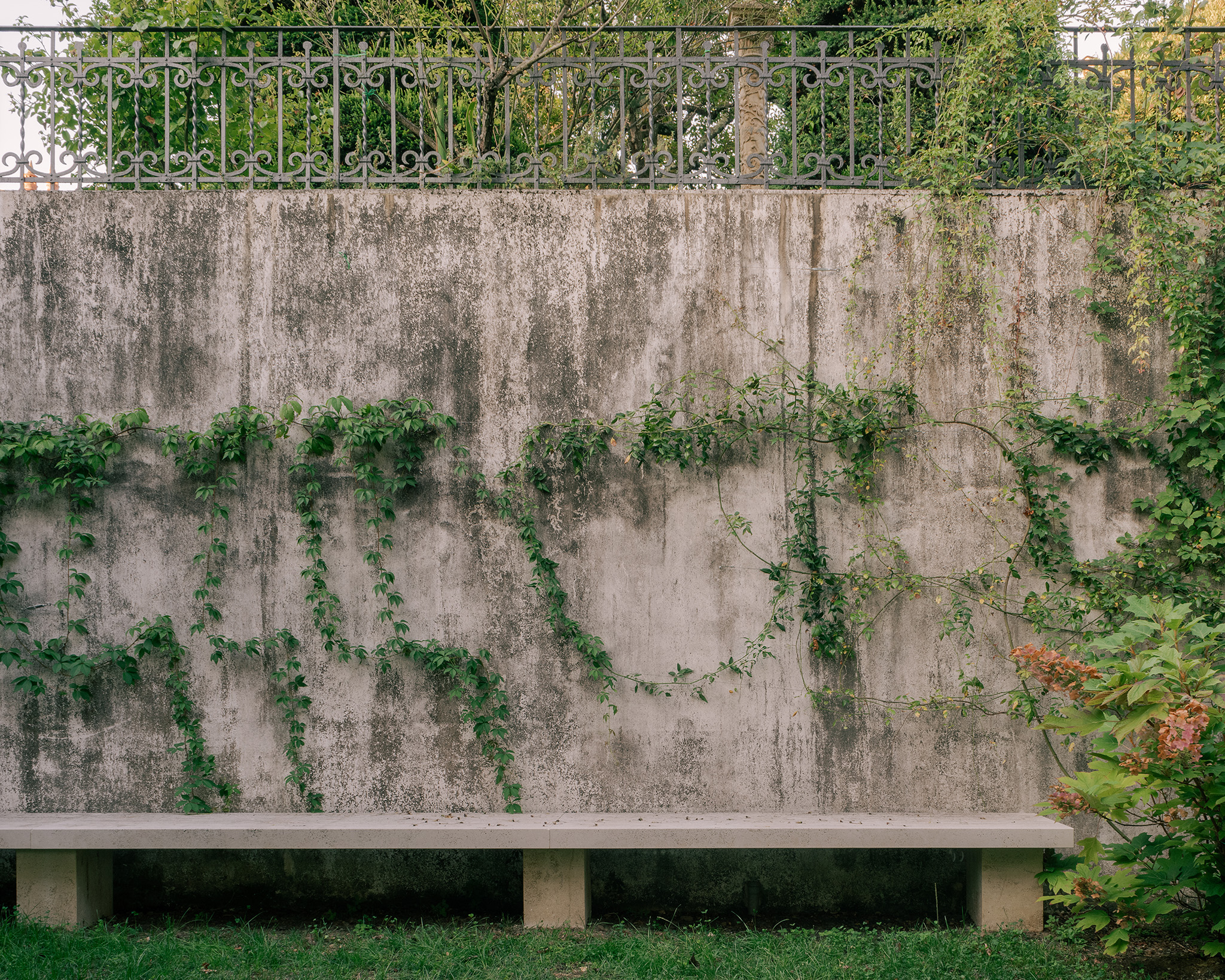
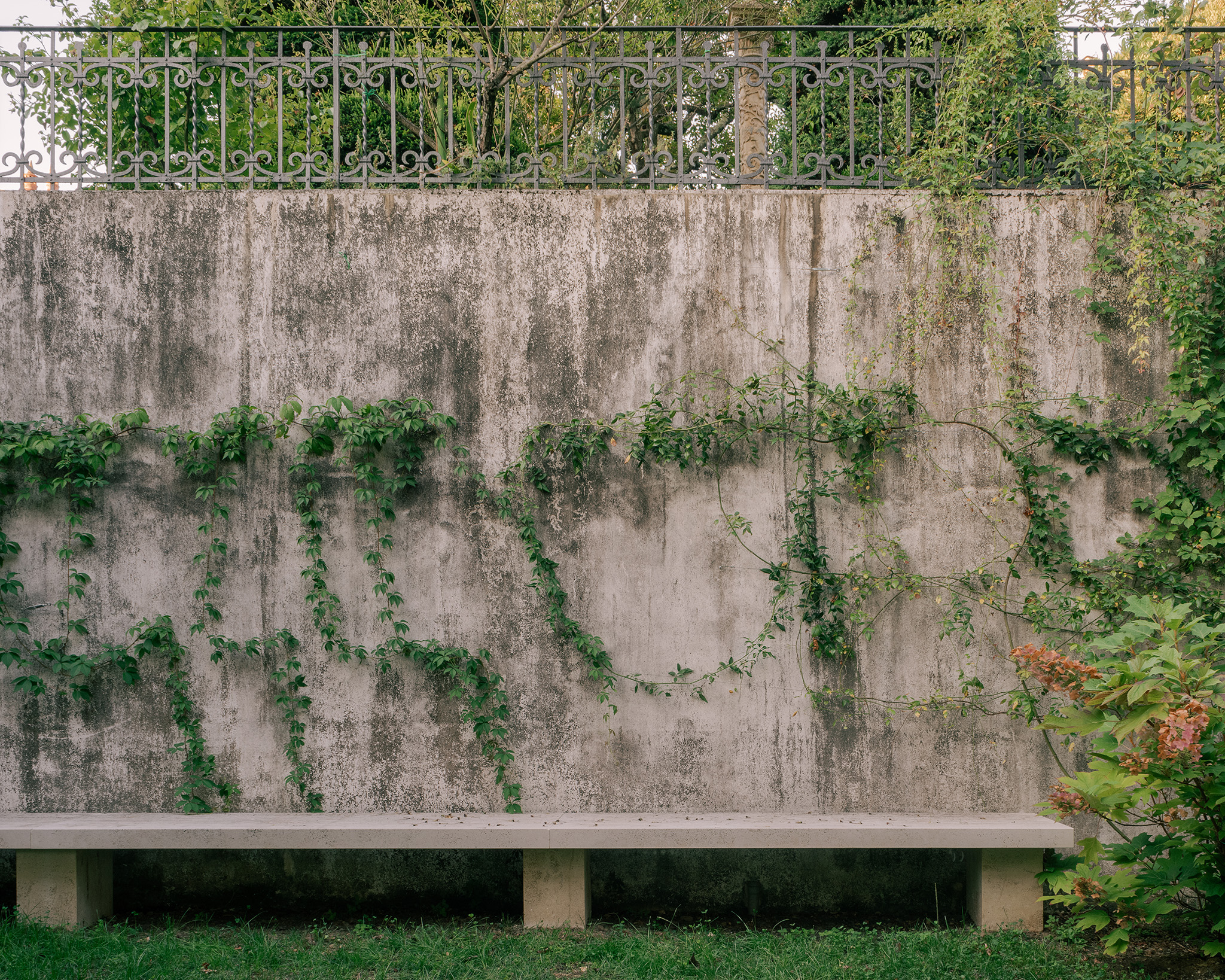
At Palazzina Maresa, AFSa creates a space where hospitality, design, and cultural research converge. Spread over four floors with Italian gardens and common areas that become venues for exhibitions and cultural events, the space fosters a dialogue between hospitality and culture, a community that engages designers, artisans, artists, and guests in a narrative rooted in the building's history.

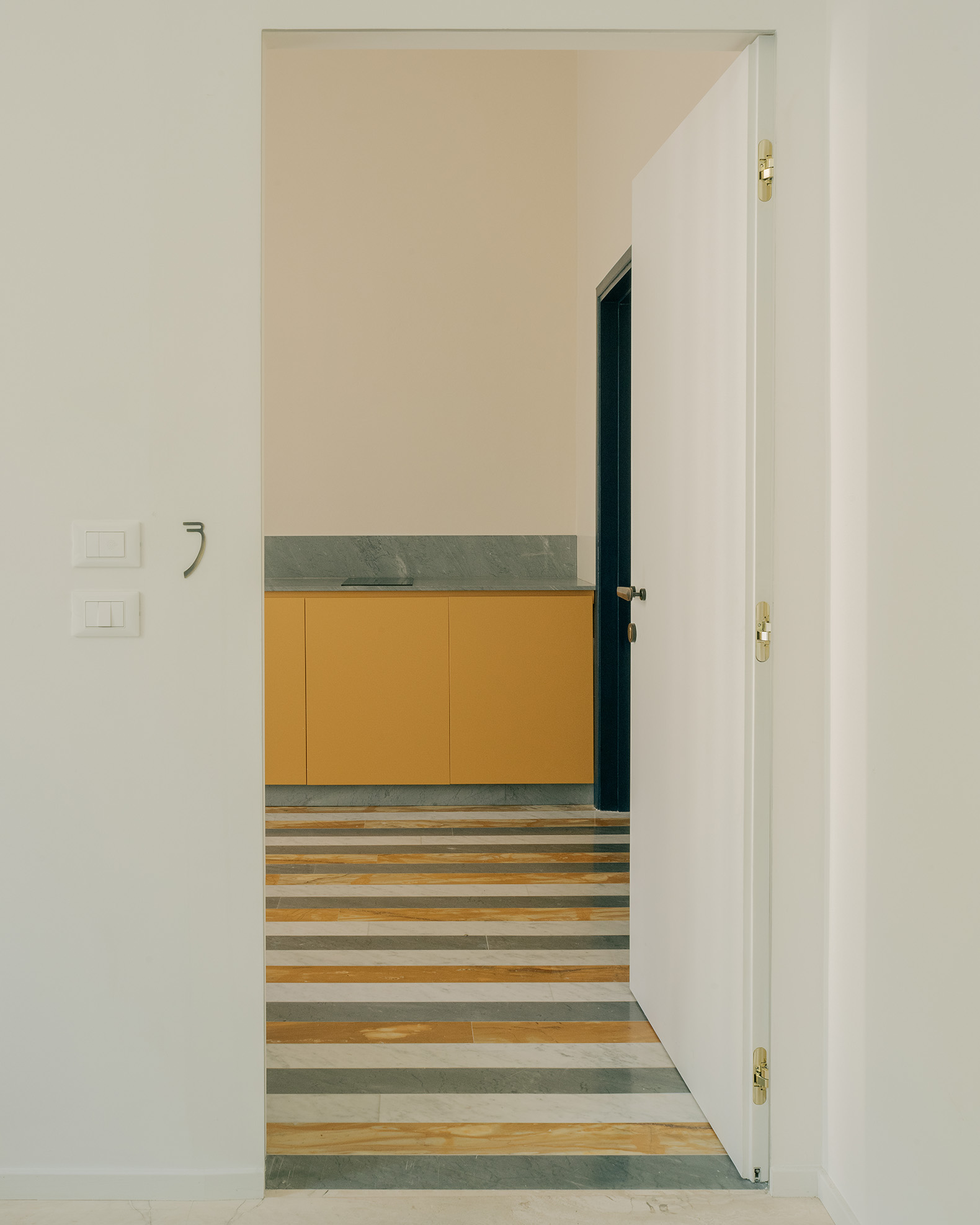
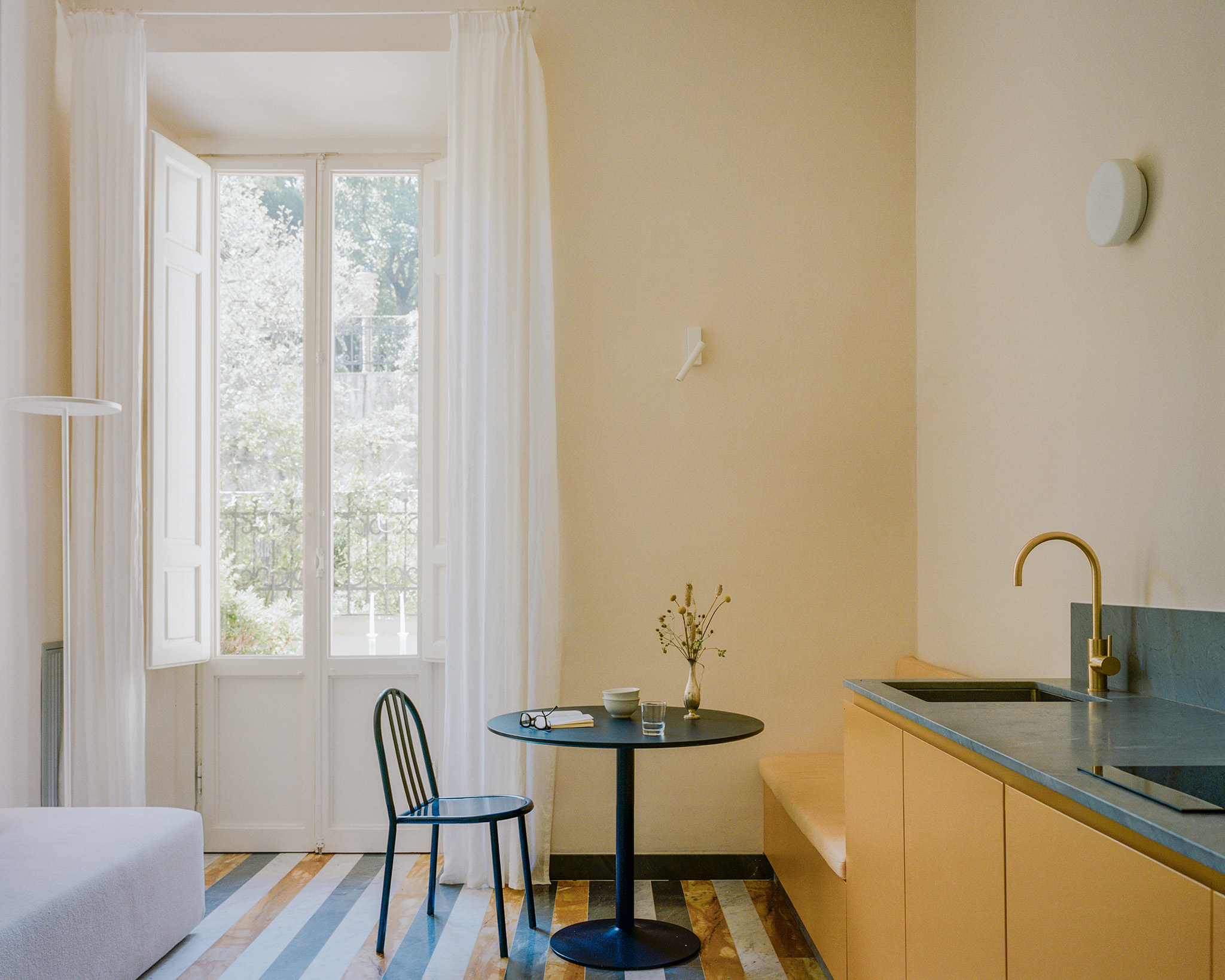
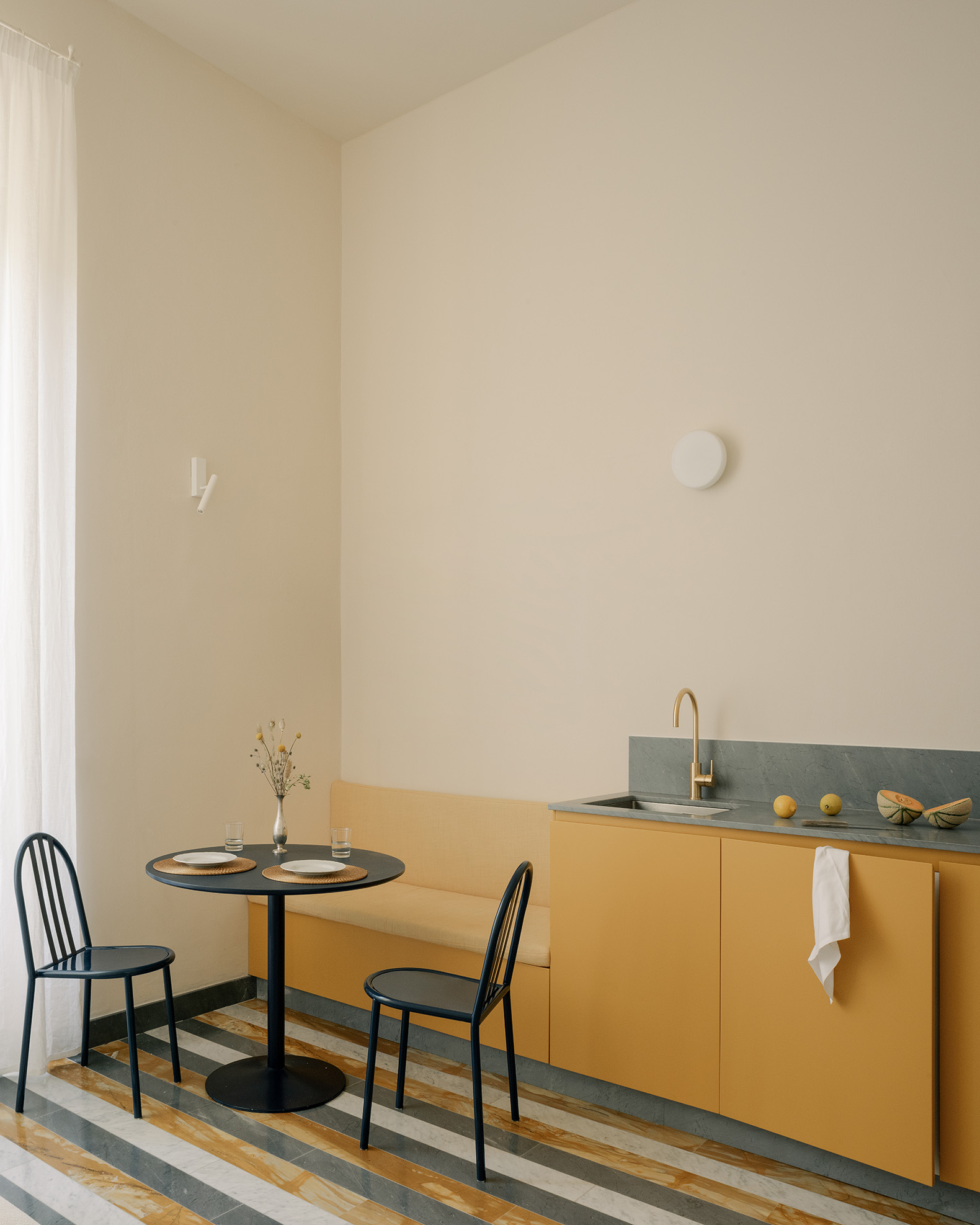
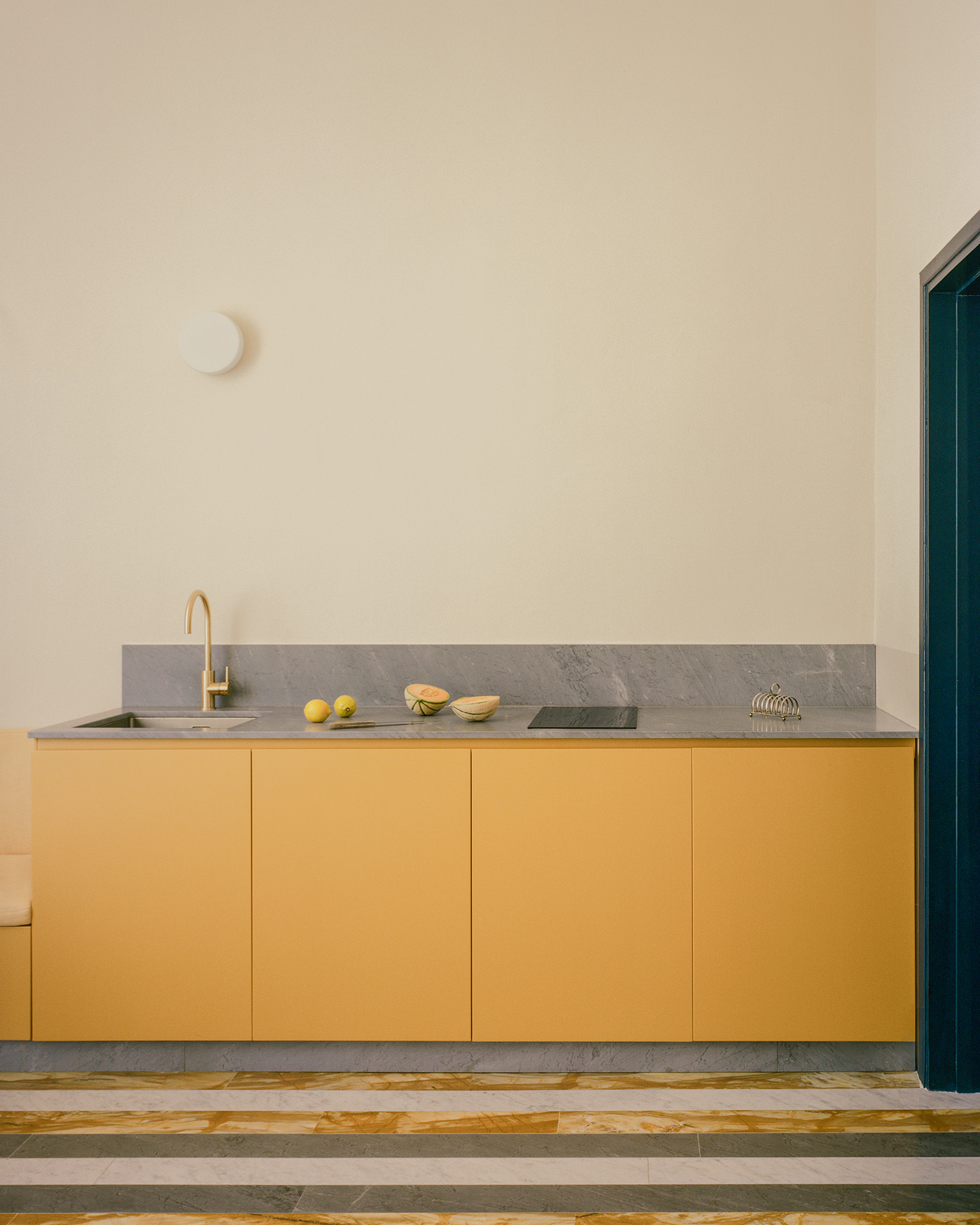
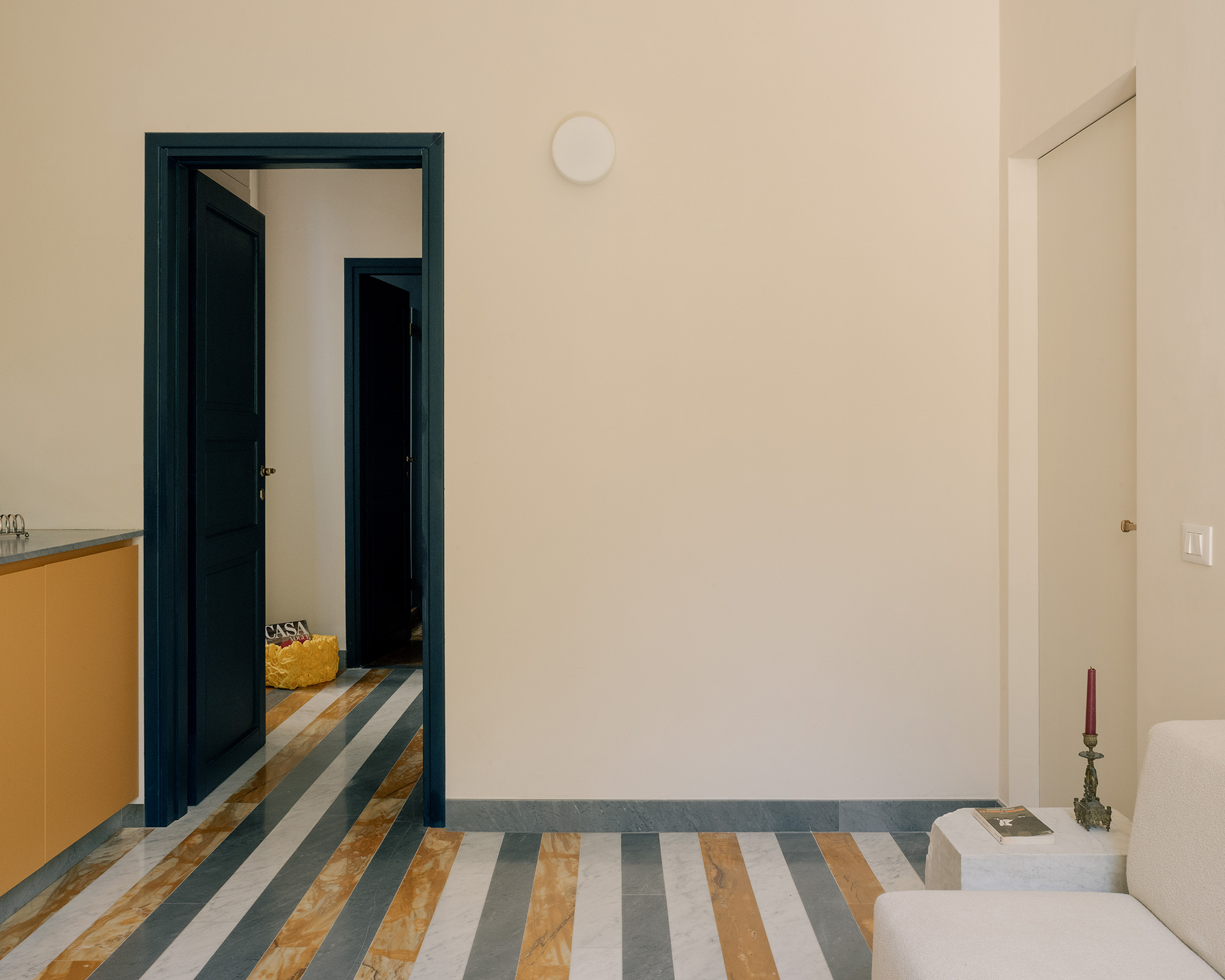
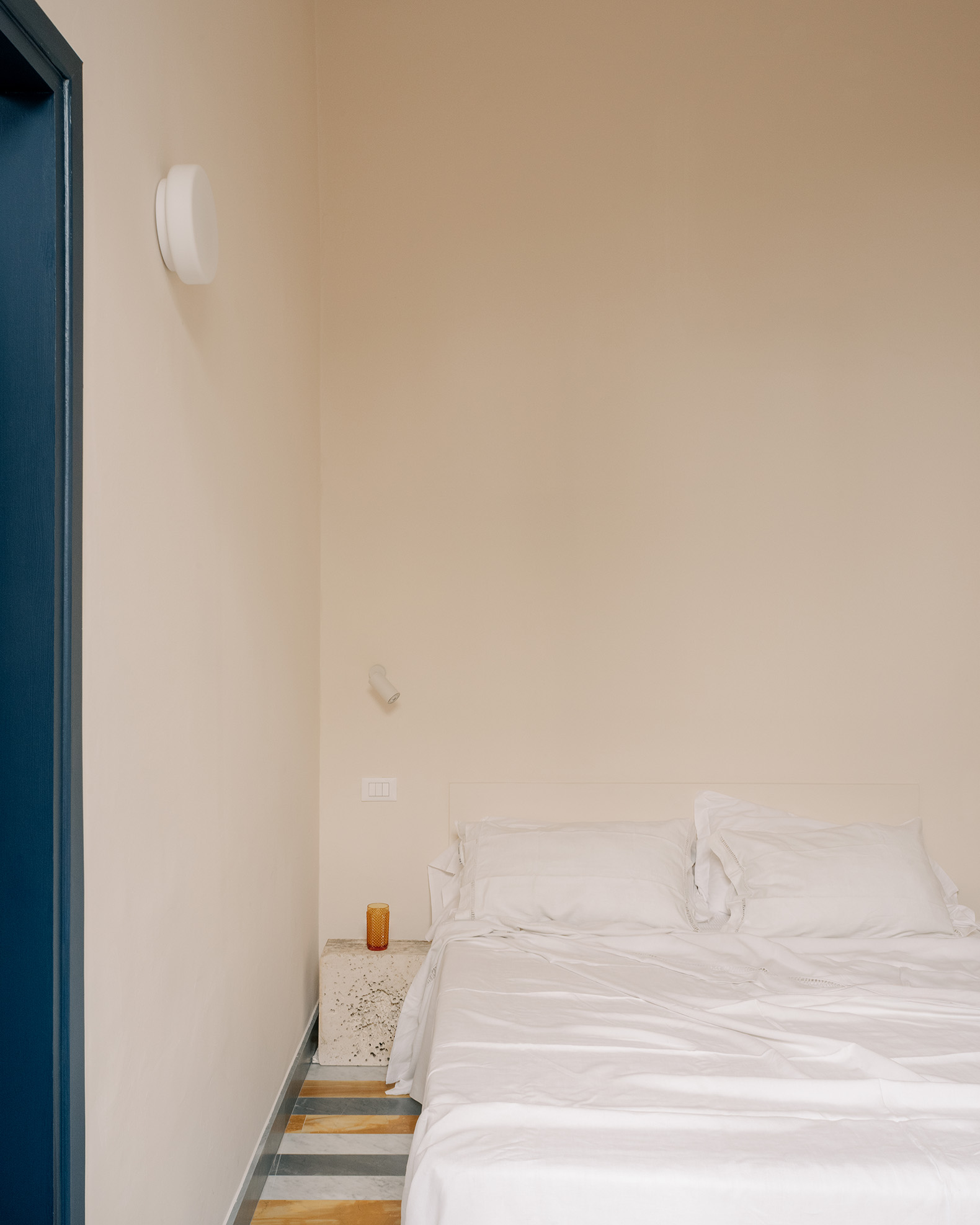
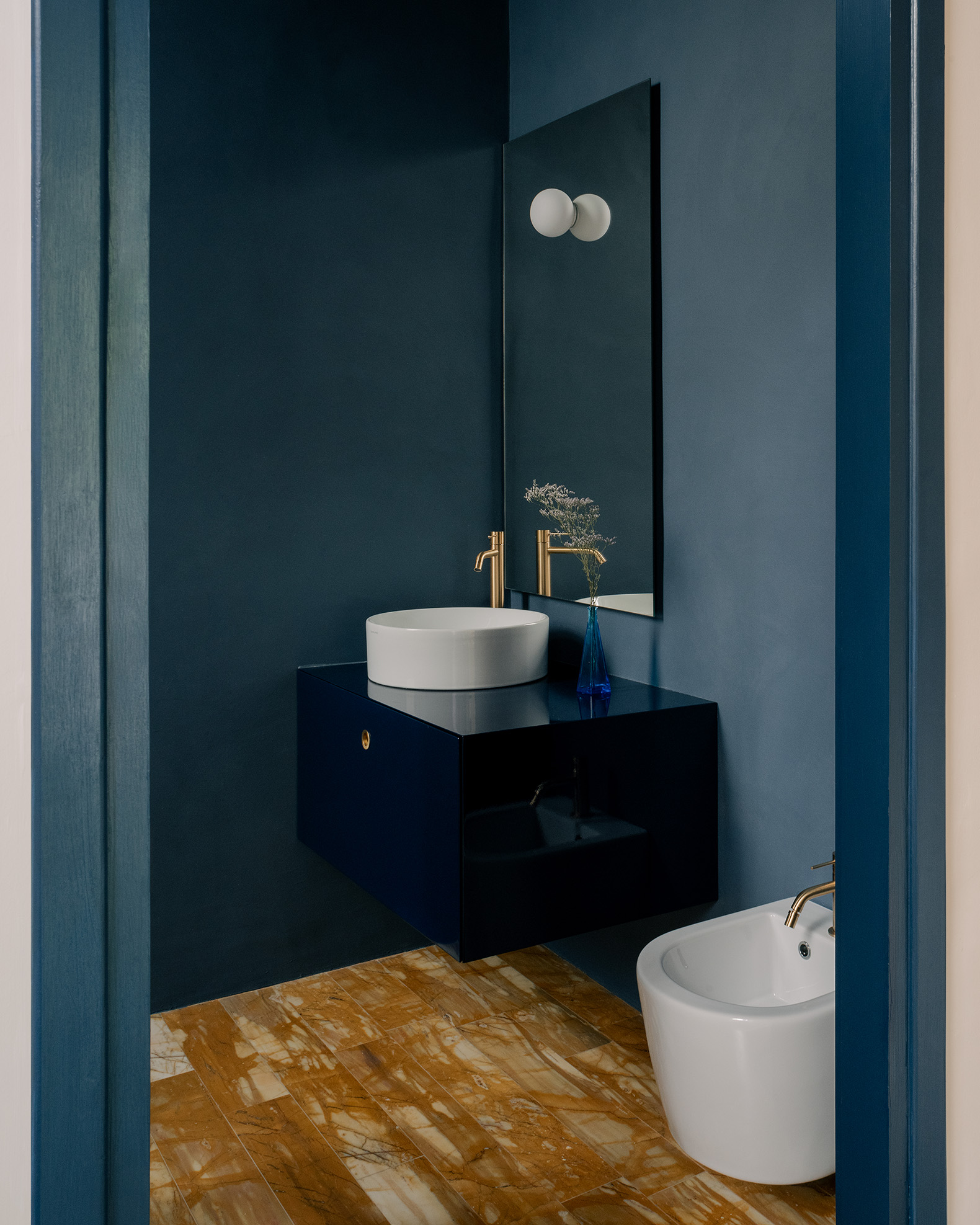
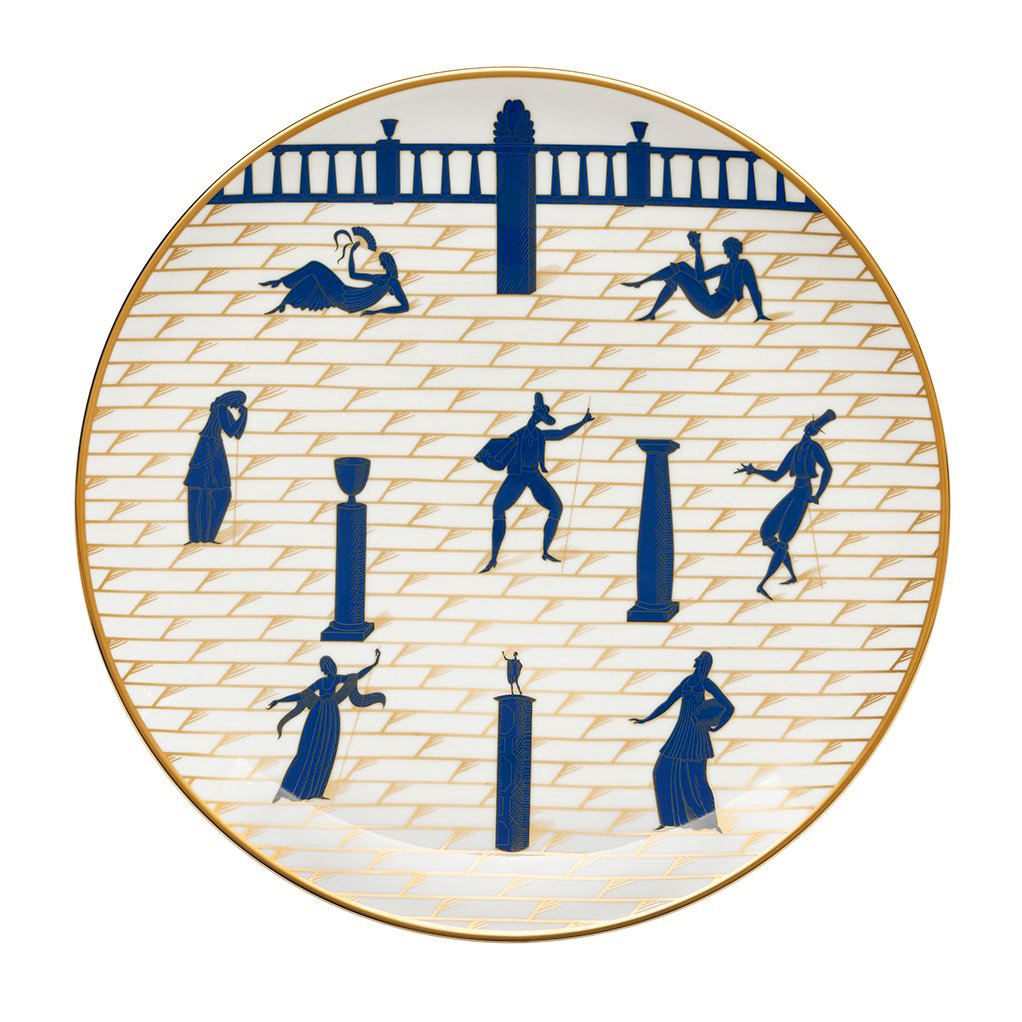
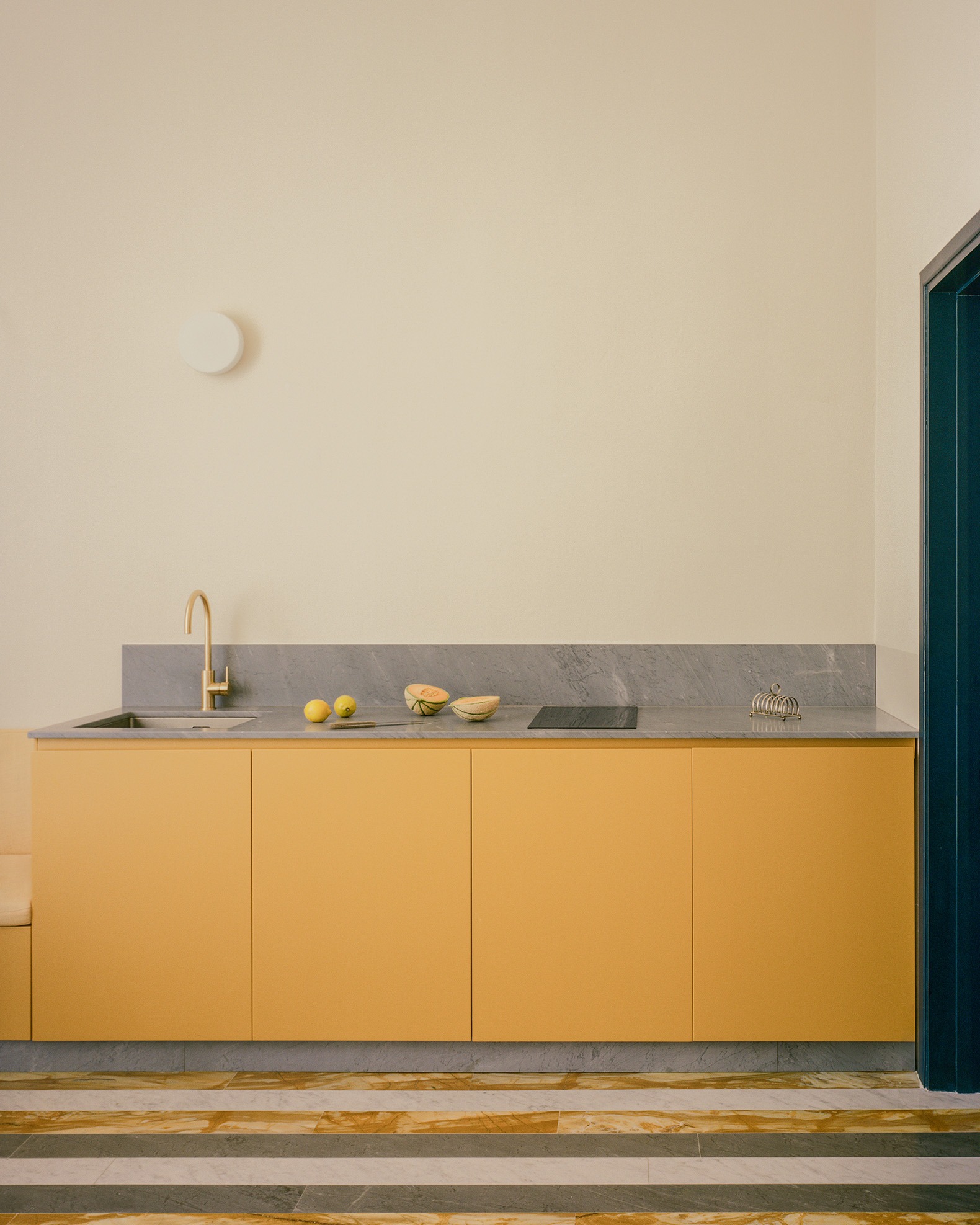
The design establishes a dialogue with the 1920s and interprets references to the architecture and arts of that era from a contemporary perspective. Built with materials and artisans from the Tuscan region, it features restored original marble, stone, and stucco. The interior retains the high ceilings and original details, creating a coherent whole with a strong local identity, yet diverse.
Palazzina Maresa by AFSa. Photograph by Lorenzo Zandri.

Palazzina Maresa by AFSa. Photograph by Lorenzo Zandri.

Project description by AFSa

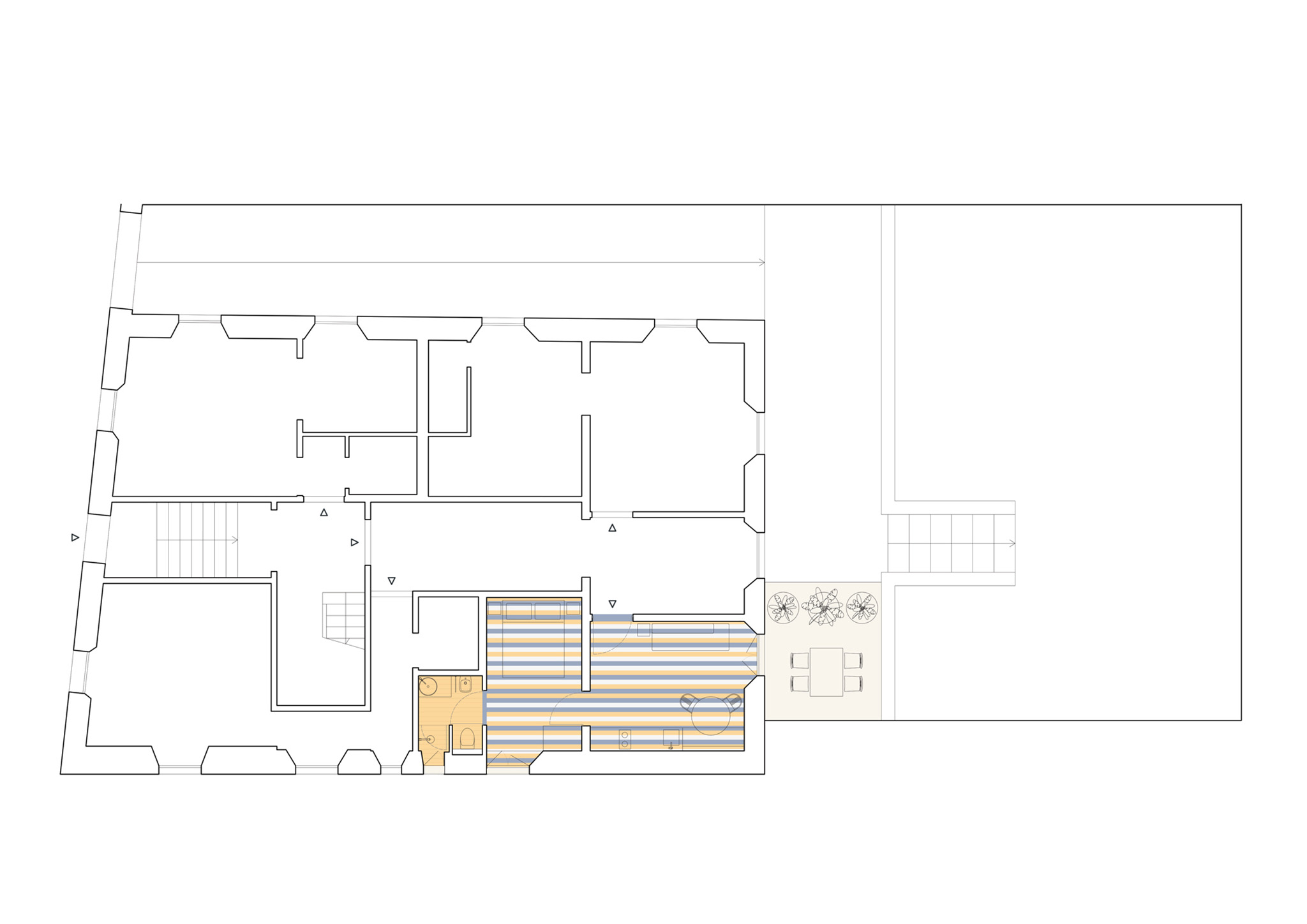
Palazzina Maresa, inaugurated in Florence on June 14, 2025, is the result of the transformation of a 1926 family home into eight residential units designed by eight designers, with common areas dedicated to artistic and cultural research.

Identity
The name of the project pays homage to Maresa, the grandmother who lived in this place for over eighty years. The bond with her grandson Eugenio is reflected in the decision to give the building a new identity, while keeping its architectural features and welcoming spirit intact. Palazzina Maresa thus becomes a place where hospitality, design, and cultural research come together.

Palazzina Maresa por AFSa. Fotografía por Lorenzo Zandri.
Palazzina Maresa by AFSa. Photograph by Lorenzo Zandri.

Between design and hospitality
The building, spread over four floors with Italian gardens and common areas, is designed for medium-short stays. Each unit has been entrusted to emerging Florentine designers. The guiding theme of the renovation was a dialogue with the 1920s, when the building was constructed. Each designer was asked to interpret references to the architecture and arts of the period in a contemporary key. Materials and craftsmen from the Tuscan region were used, with particular attention to marble, stone, and original plasterwork that was brought back to light. The interiors retain their high ceilings and period details, with design choices that evoke the architecture, visual arts, and even cinema of the period. The result is a collection of coherent yet diverse spaces, united by a strong local identity.
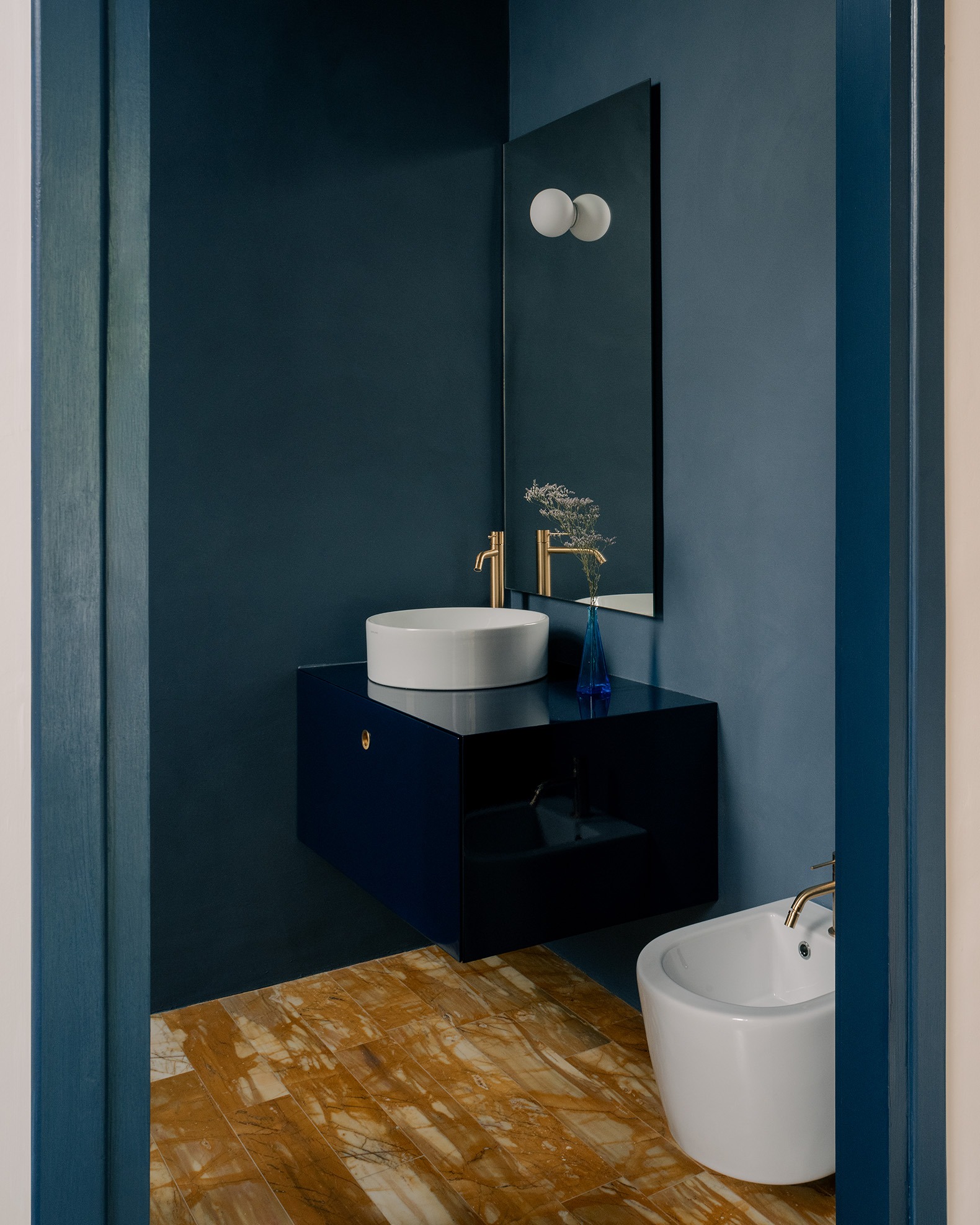
Palazzina Maresa por AFSa. Fotografía por Lorenzo Zandri.
Palazzina Maresa by AFSa. Photograph by Lorenzo Zandri.

Hospitality and culture in dialogue
Palazzina Maresa is not only a place of hospitality, but also a place dedicated to artistic and cultural research and expression. The common areas and Italian gardens become venues for exhibitions and cultural events, opening up to a wider audience and creating connections between guests, artists, and the local community.

A community under construction
The future of Palazzina Maresa is not limited to the walls of the building. The project aims to create a cultural community involving designers, artisans, artists, and guests, each called upon to contribute to a shared narrative rooted in the history of the building.
More information

Label
Architects
Text

AFSa. Lead architects.- Antonio Acocella, Pietro Seghi.

+ + copy Created with Sketch.
- + copy Created with Sketch.
Label
Collaborators
Text

Margherita Serdino.

+ + copy Created with Sketch.
- + copy Created with Sketch.
Label
Client
Text

Palazzina Maresa.

+ + copy Created with Sketch.
- + copy Created with Sketch.
Label
Contractors
Text

2P, ISQ, Malte storiche, Marble&More, Ruben Casola Mestiere, Termozac.

+ + copy Created with Sketch.
- + copy Created with Sketch.
Label
Area
Text

29 sqm.

+ + copy Created with Sketch.
- + copy Created with Sketch.
Label
Dates
Text

2023-2024.

+ + copy Created with Sketch.
- + copy Created with Sketch.
Label
Location
Text

Florence, Italy.
 

+ + copy Created with Sketch.
- + copy Created with Sketch.
Label
Suppliers
Text

Combinat, Egoluce, Treemme.

+ + copy Created with Sketch.
- + copy Created with Sketch.
Label
Photography
+ + copy Created with Sketch.
- + copy Created with Sketch.

AFSa is an architecture practice based in Florence, directed by Antonio Acocella and Pietro Seghi, founded with Alessandro Falaschi in 2017.

The studio deals with architectural, interior and landscape design, through a contemporary and essential architectural language, based on continuity with tradition and on its constant rewriting through formal and material abstraction.

Since 2017, AFSa completes a series of residential, commercial, cultural and office projects, from design to construction phase, through specific solutions which are result of constant dialogue with clients, builders and artisans. Some projects have been published on international magazines and websites.

In parallel, the studio participates in international architecture and urban planning competitions, receiving awards in the form of prizes and publications. Recurring themes are the dialogue between old and new, educational buildings, places of worship.

Since 2024, the studio partners run an Interior Design studio at IED Firenze, and since 2013 they have been collaborating with academic institutions (DIDA Unifi, Yunnan Arts University Kunming, Kent State University Florence, Syracuse University Florence, California State University Florence, Istituto Lorenzo de’ Medici, DICAR UniCT) through lectures, seminars, teaching and research.

Read more
Published on: June 13, 2026
Cite:
metalocus, ELVIRA PARÍS FERNÁNDEZ
"Diverse local identity. Palazzina Maresa by AFSa" METALOCUS. Accessed
<https://www.metalocus.es/en/news/diverse-local-identity-palazzina-maresa-afsa> ISSN 1139-6415
Loading content ...
Loading content ...
Loading content ...
Loading content ...
Loading content ...
Loading content ...
Loading content ...
Loading content ...
Loading content ...
Loading content ...
Loading content ...
Loading content ...
Loading content ...
Loading content ...
Loading content ...
Loading content ...
Loading content ...
Loading content ...
Loading content ...
Loading content ...
Loading content ...
Loading content ...
Loading content ...
Loading content ...
Loading content ...
Loading content ...
Loading content ...
Loading content ...
Loading content ...
Loading content ...
Loading content ...
Loading content ...
Loading content ...
Loading content ...
Loading content ...
Loading content ...
Loading content ...
Loading content ...
Loading content ...
Loading content ...
Loading content ...
Loading content ...
Loading content ...
Loading content ...
Loading content ...
Loading content ...
Loading content ...
Loading content ...
Loading content ...
Loading content ...
Loading content ...
Loading content ...
Loading content ...
Loading content ...