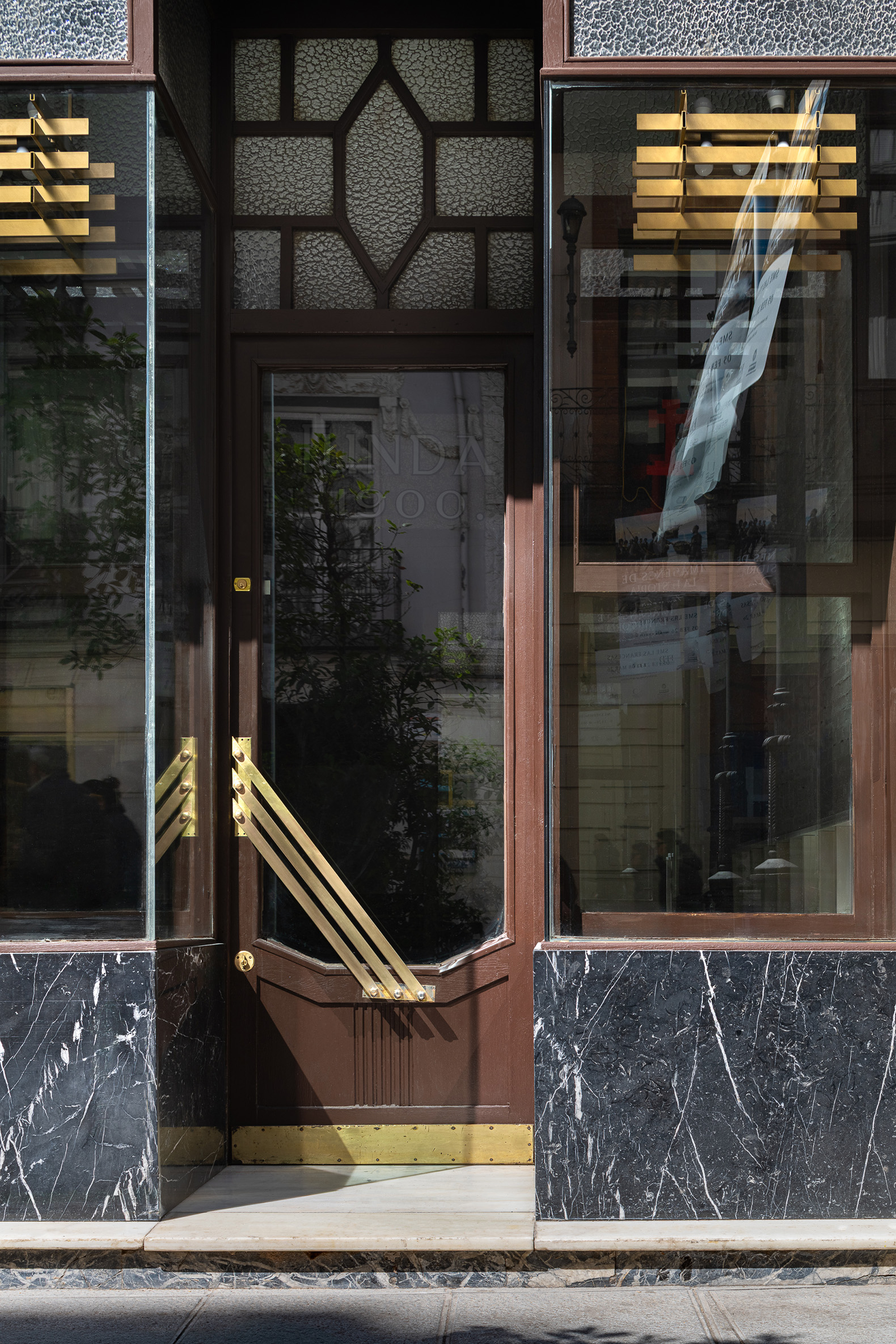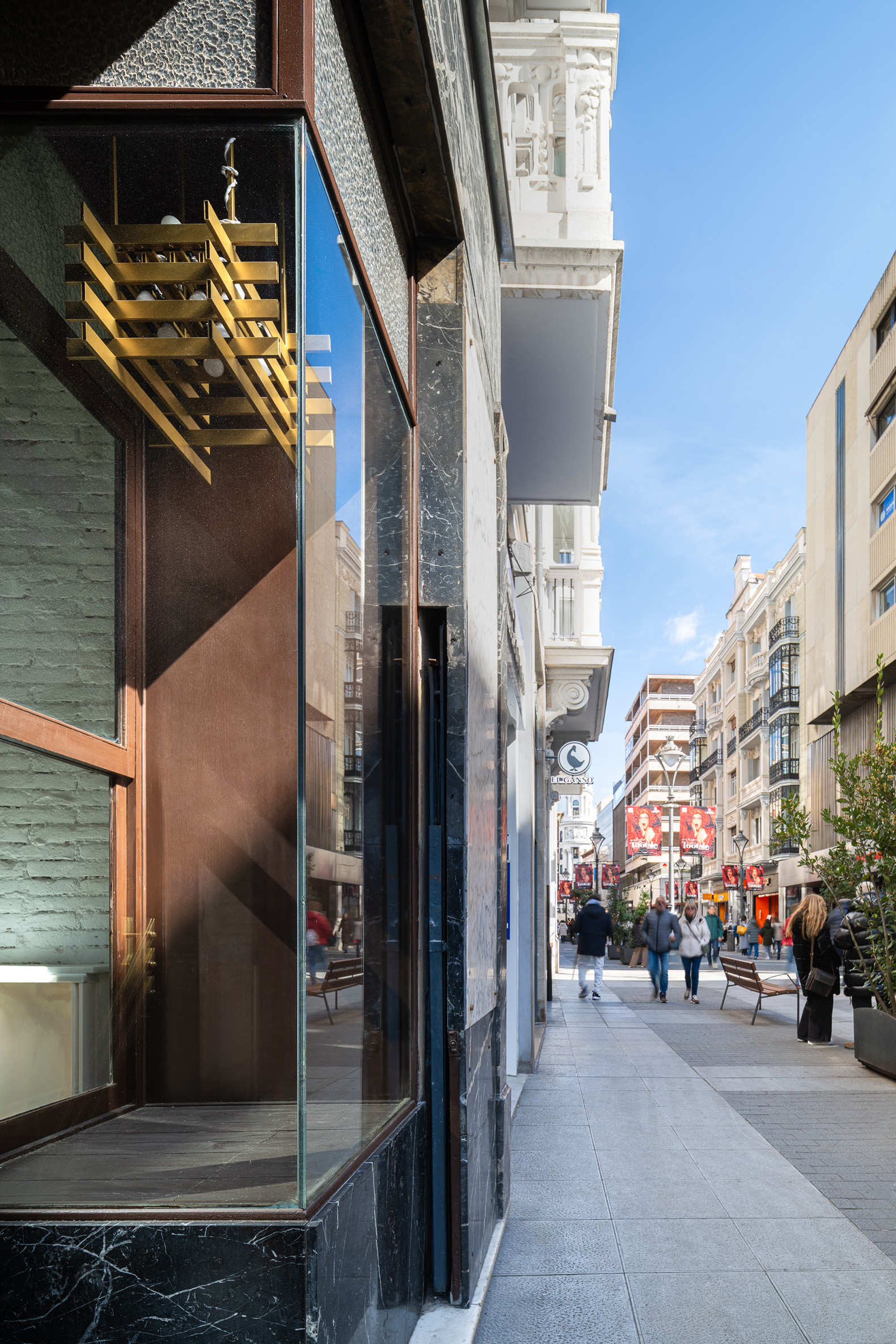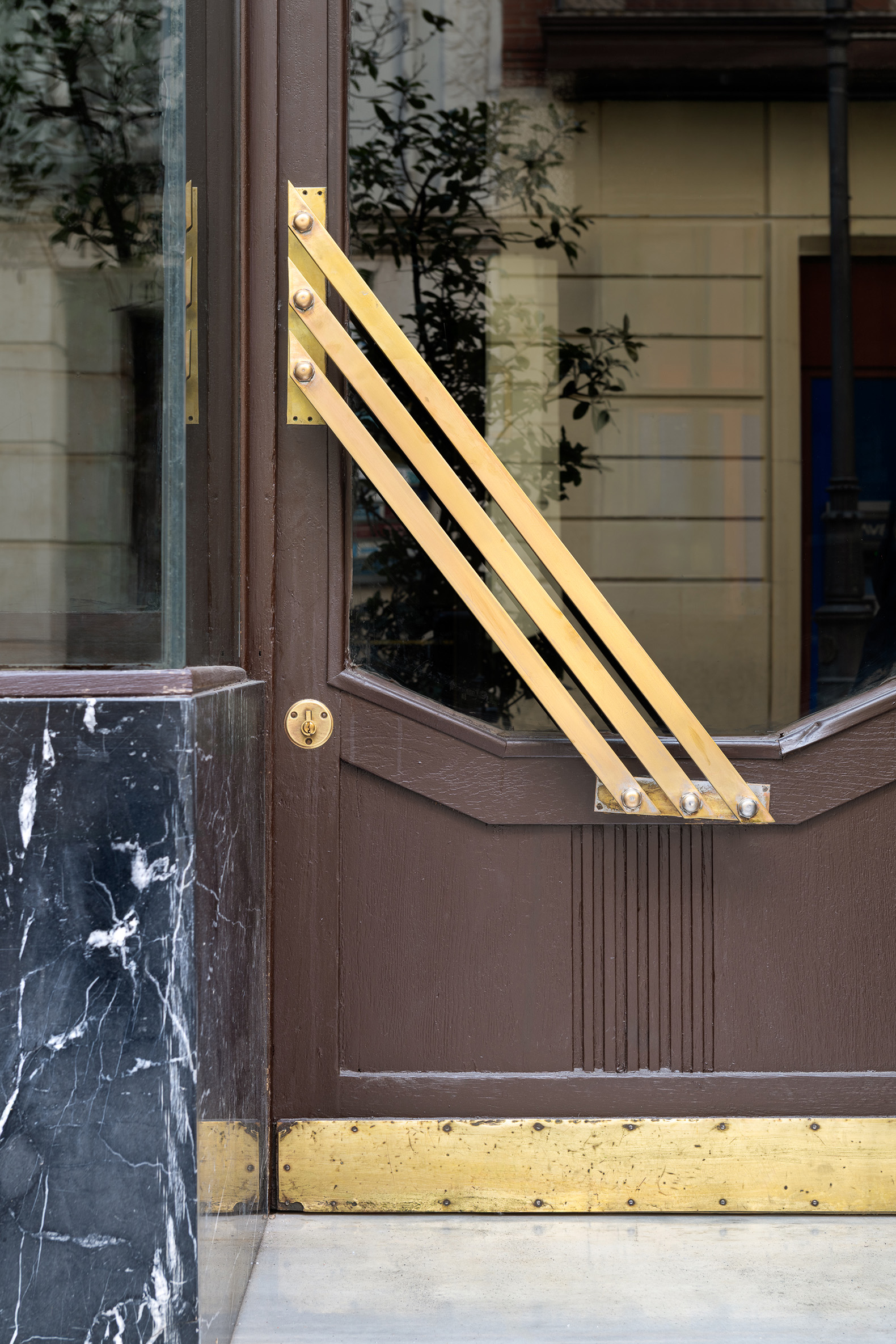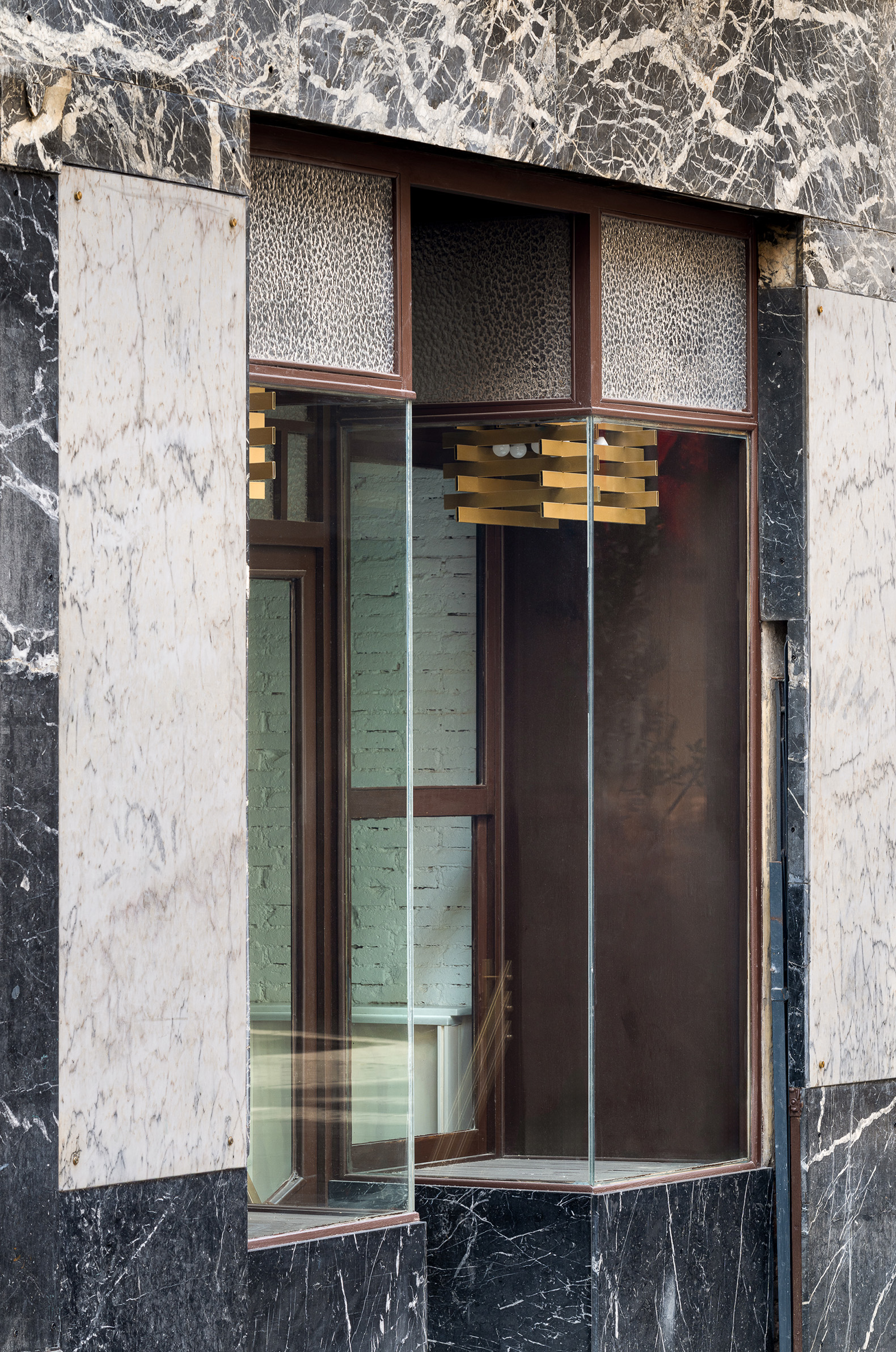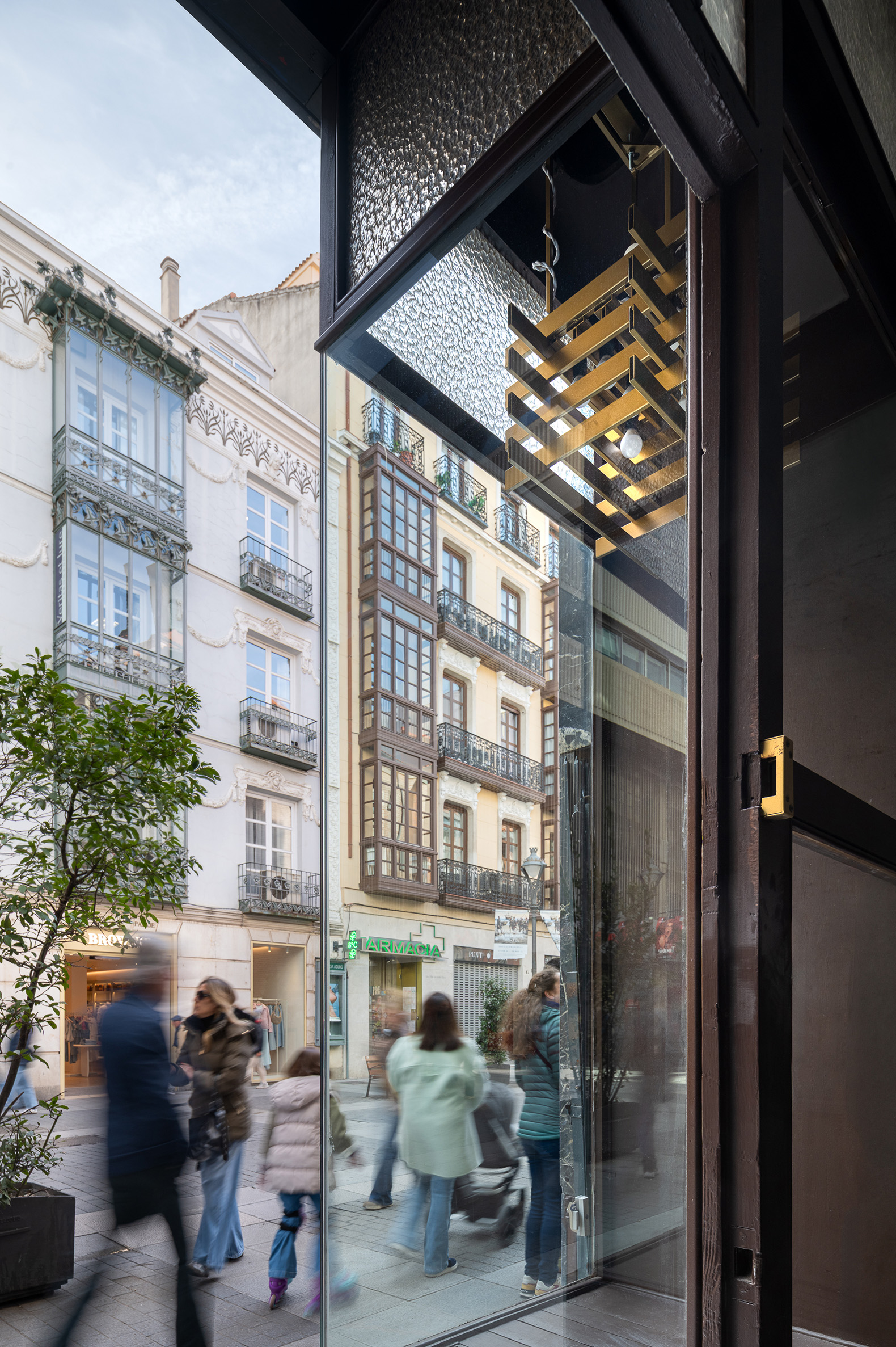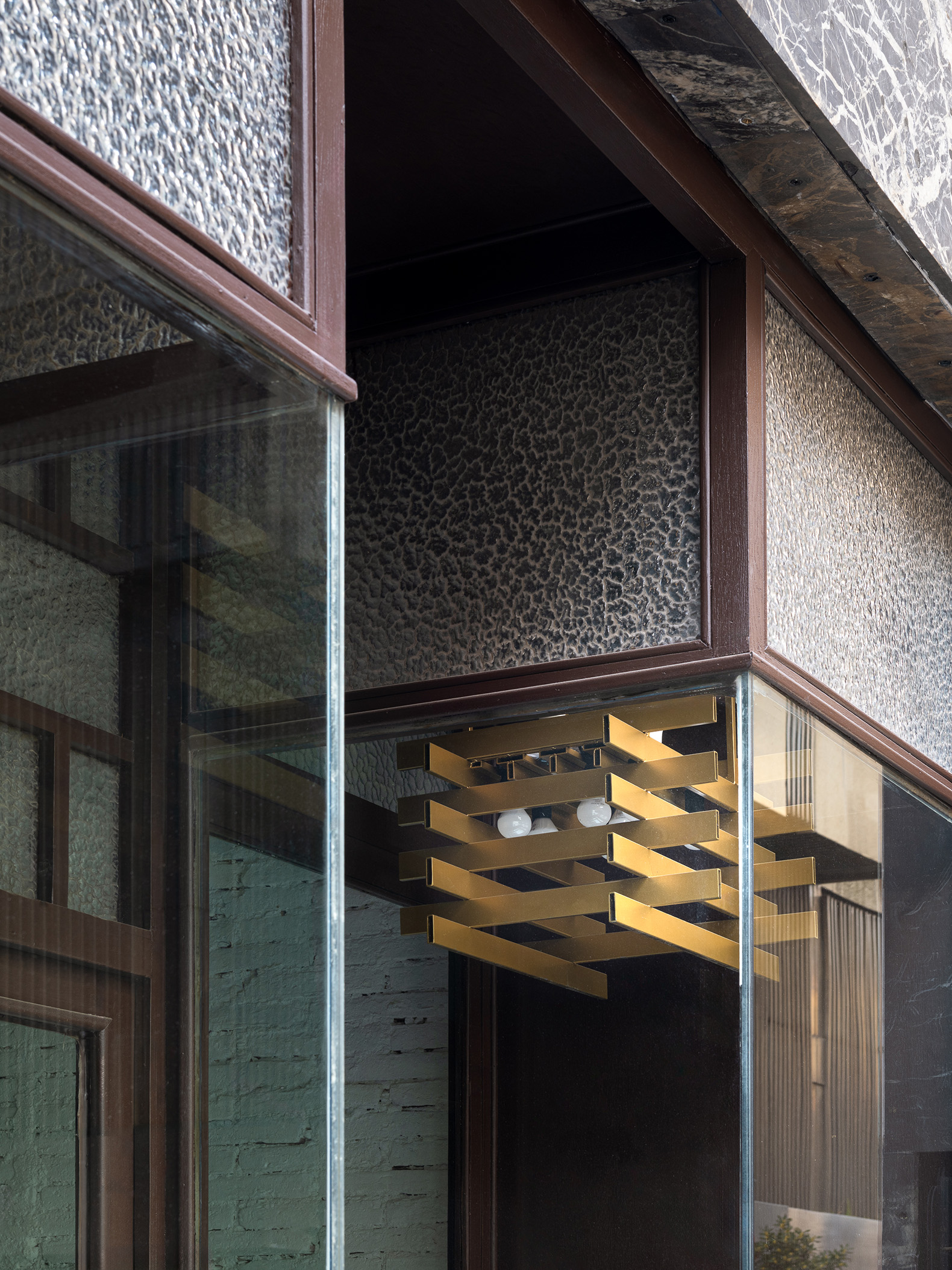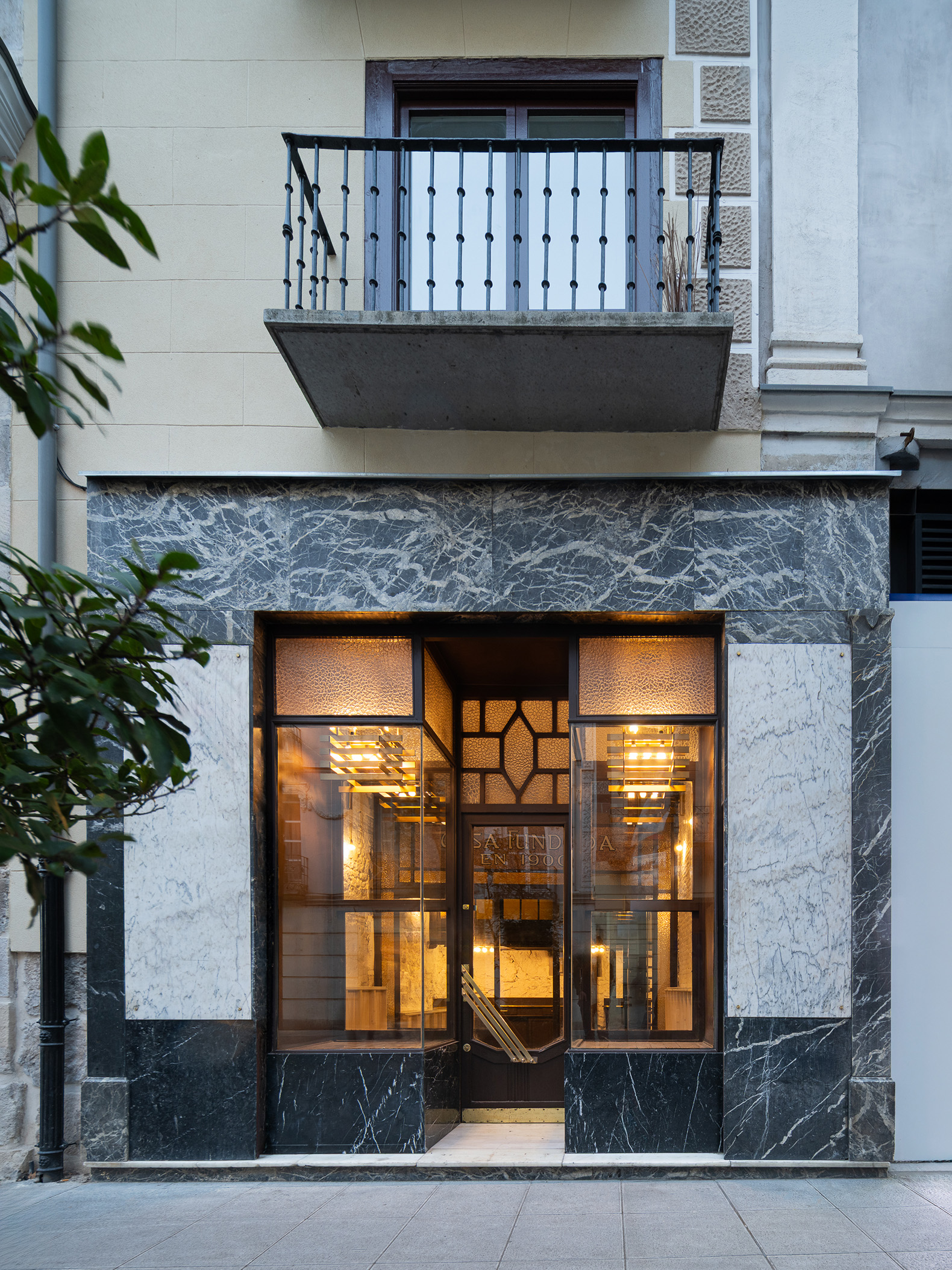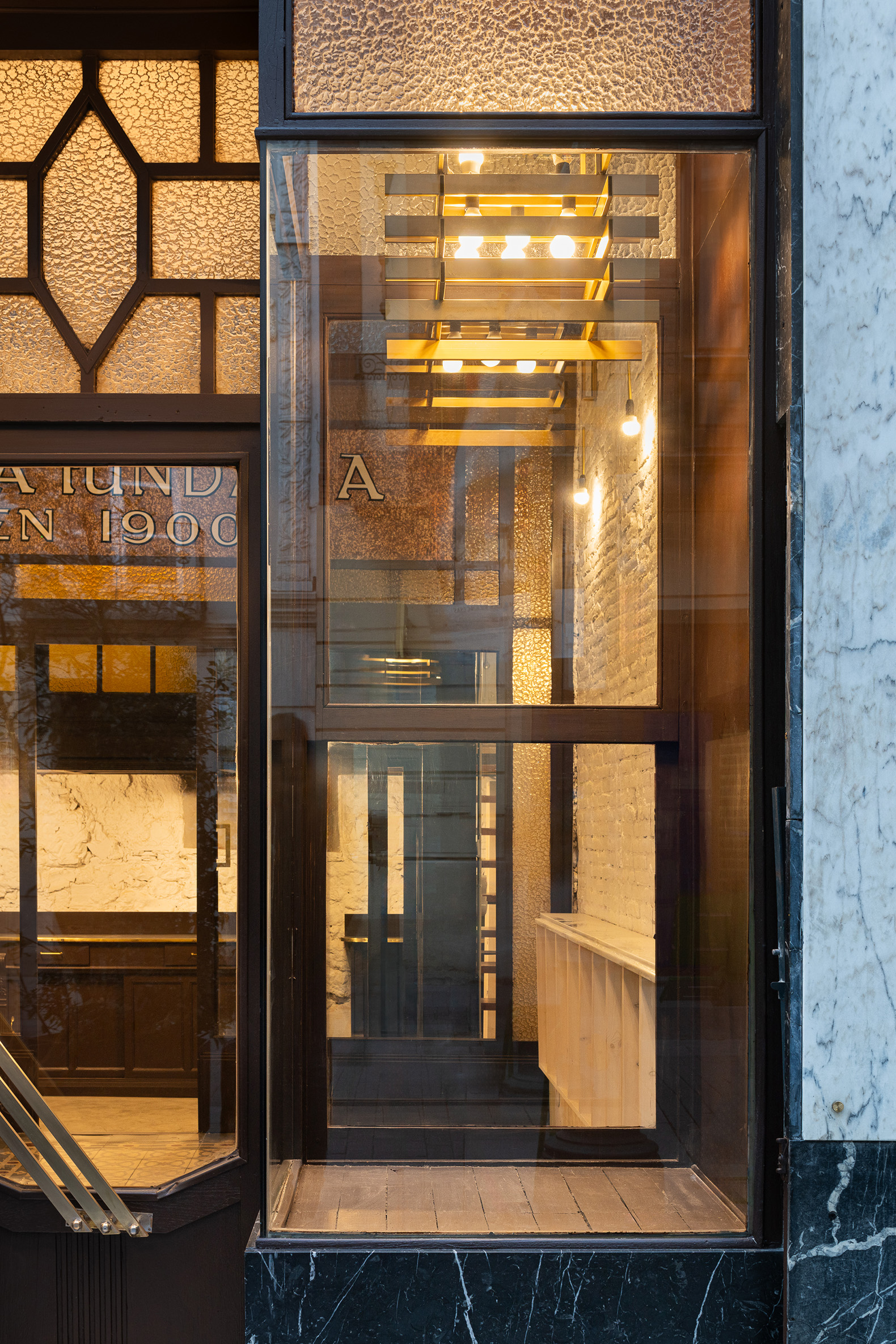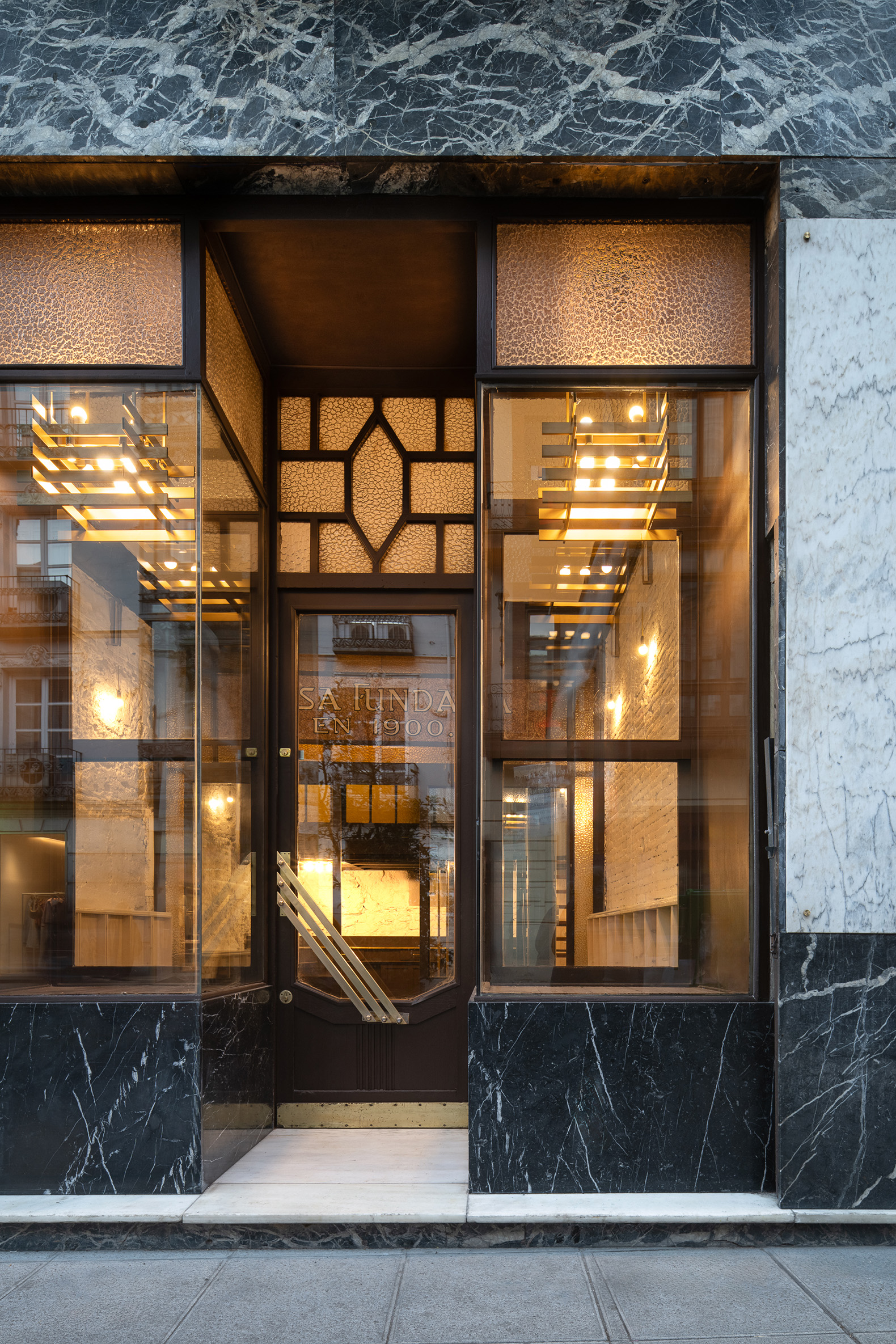
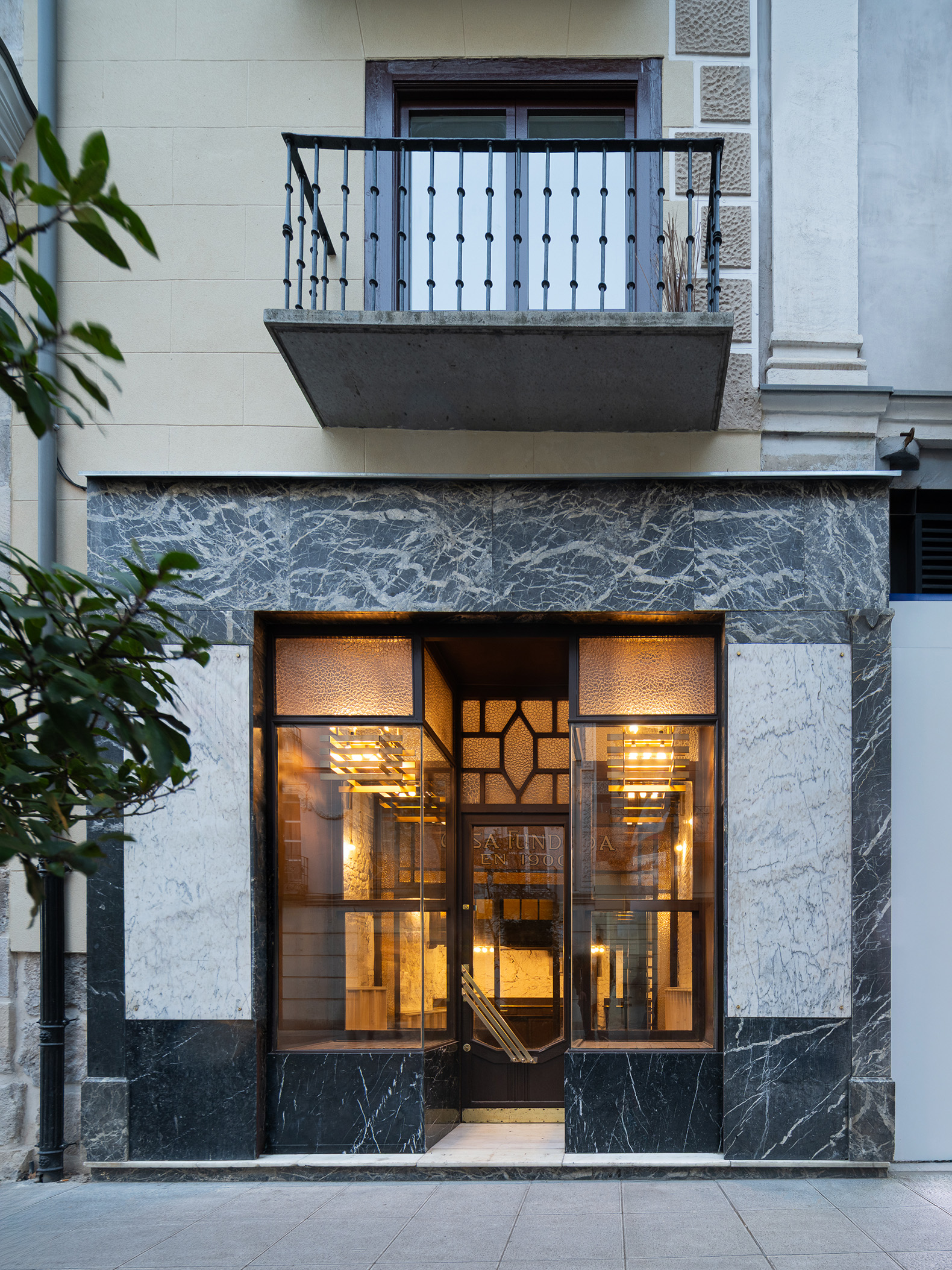
Located on Valladolid's main commercial thoroughfare, at number 20 Santiago Street, architect Óscar Miguel Ares has meticulously restored a small, historic shop known as "Cuchillerías Blanco" (Blanco Cutlery). Its origins date back to the 1930s, when Ramón Pérez Lozana, an architect fascinated by Austrian architecture, replicated the façade of Vienna's famous Knize store, designed by Adolf Loos, a key figure of the Modern Movement, for a tailor shop.

Gradually stripped of its original splendor, the establishment reached the 21st century in an advanced state of disrepair. In 2025, the commission for its restoration arose, and given this context, the intervention set a clear objective: to recover the atmosphere and essence of the historic building while simultaneously adapting it to contemporary needs and uses. The renovation has just received the Docomomo Ibérico 2026 plaque.

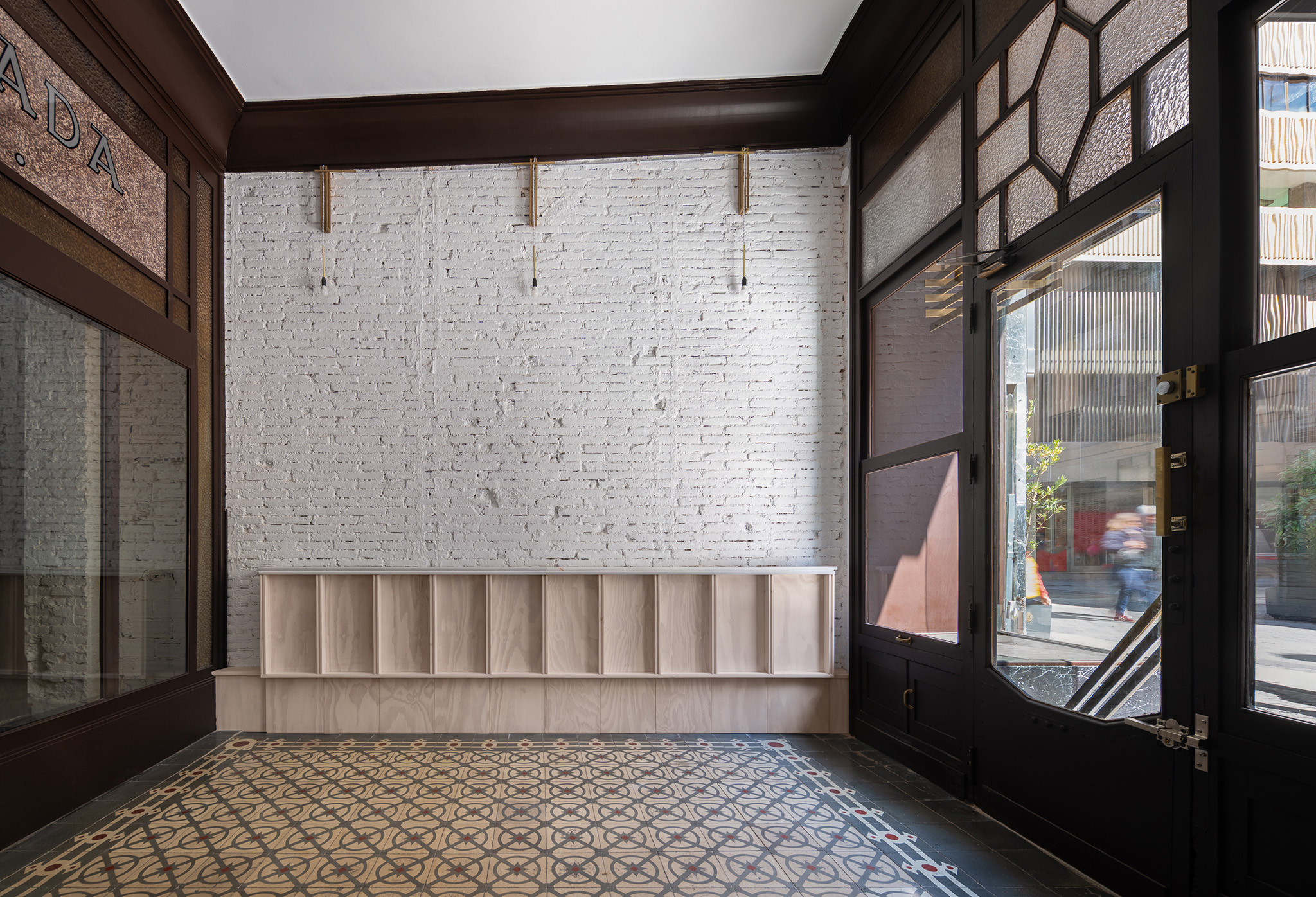
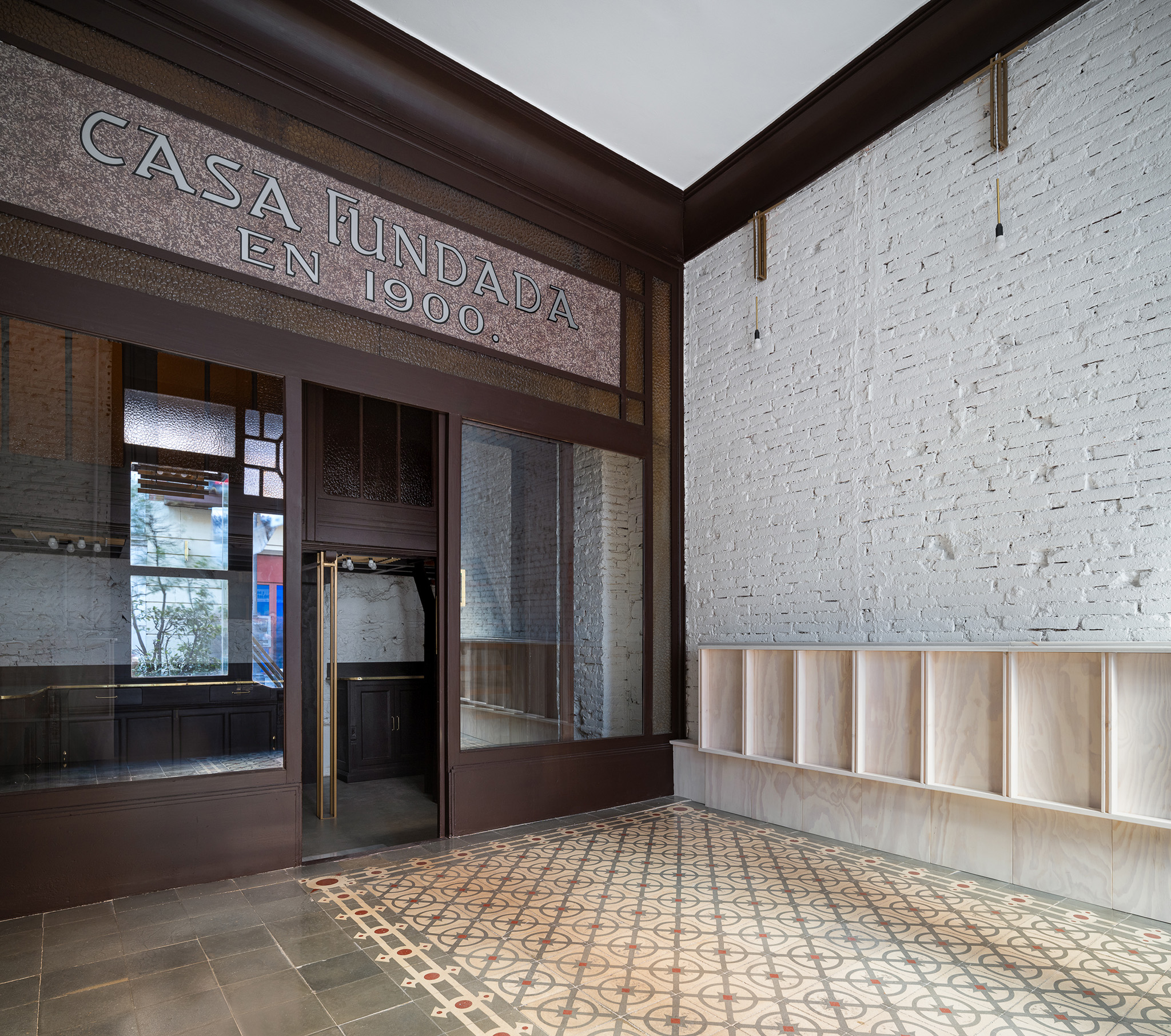
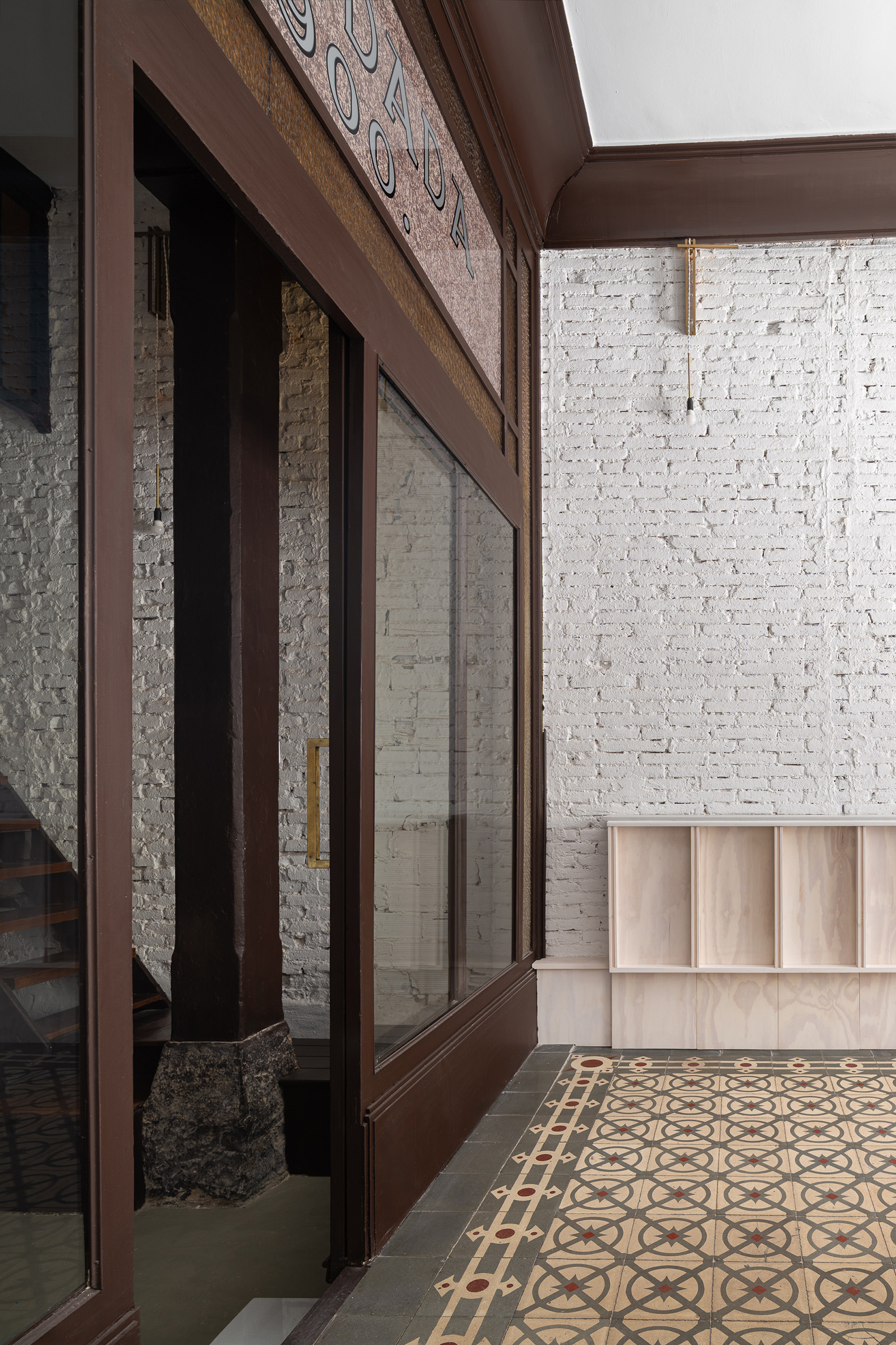
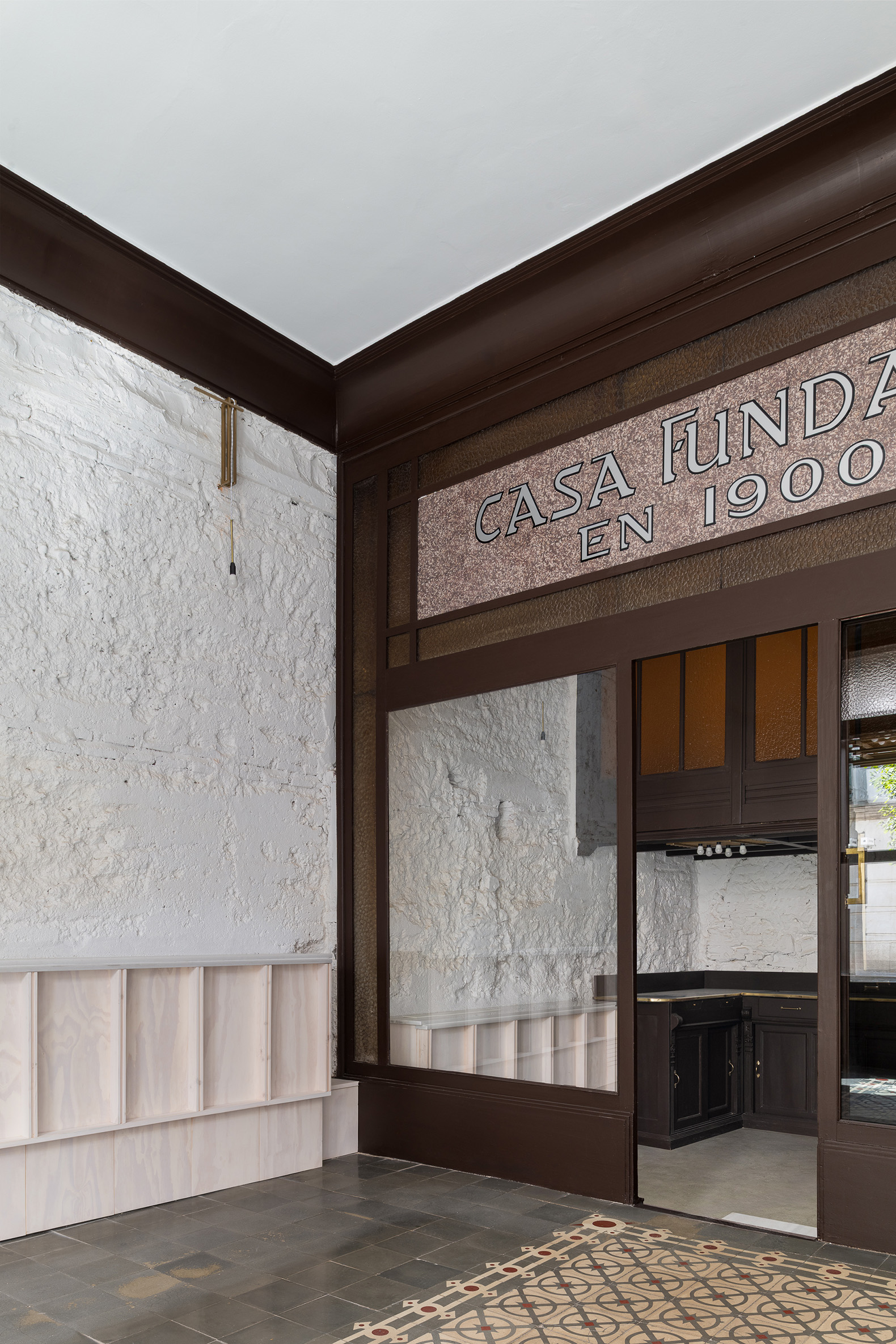
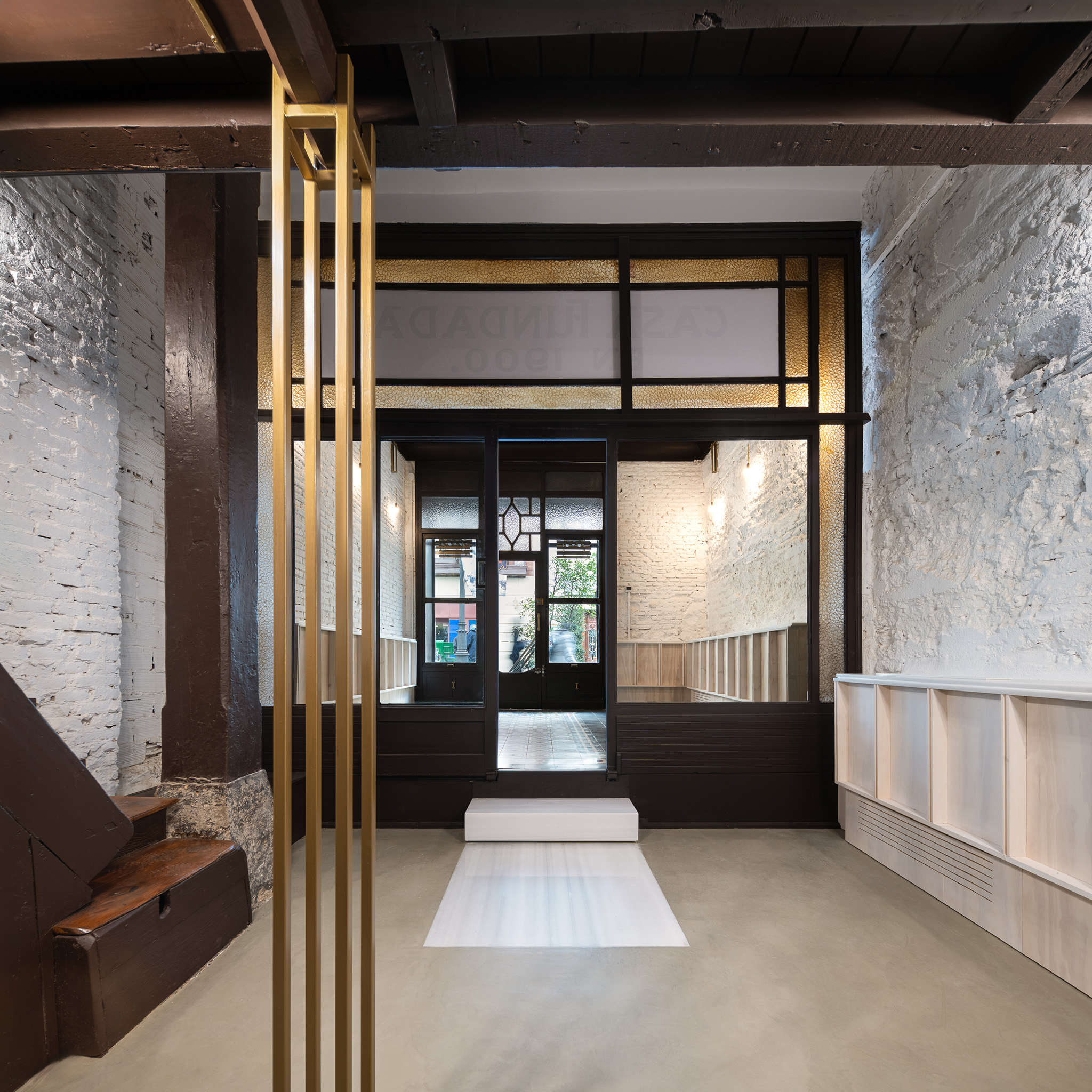
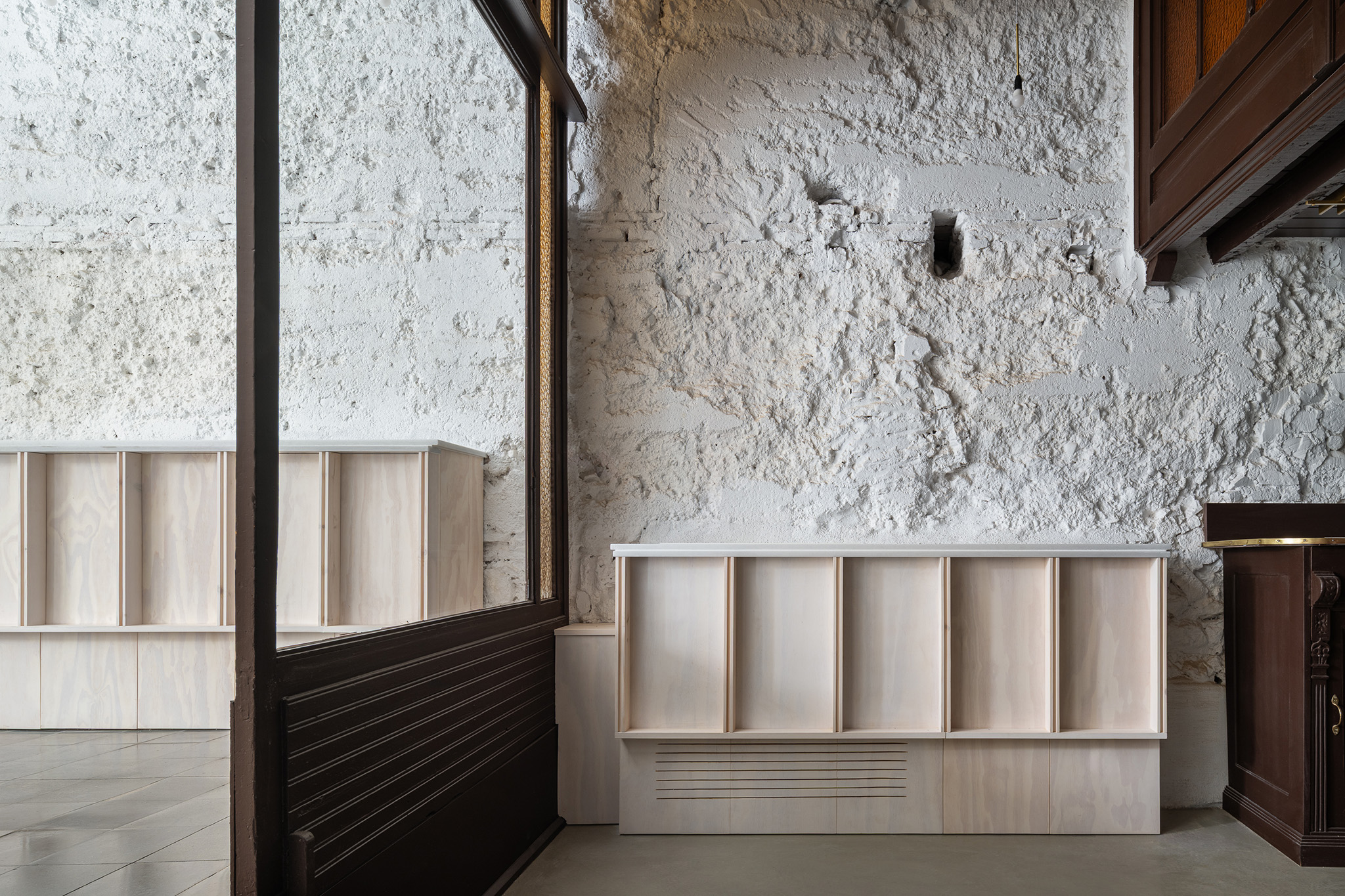
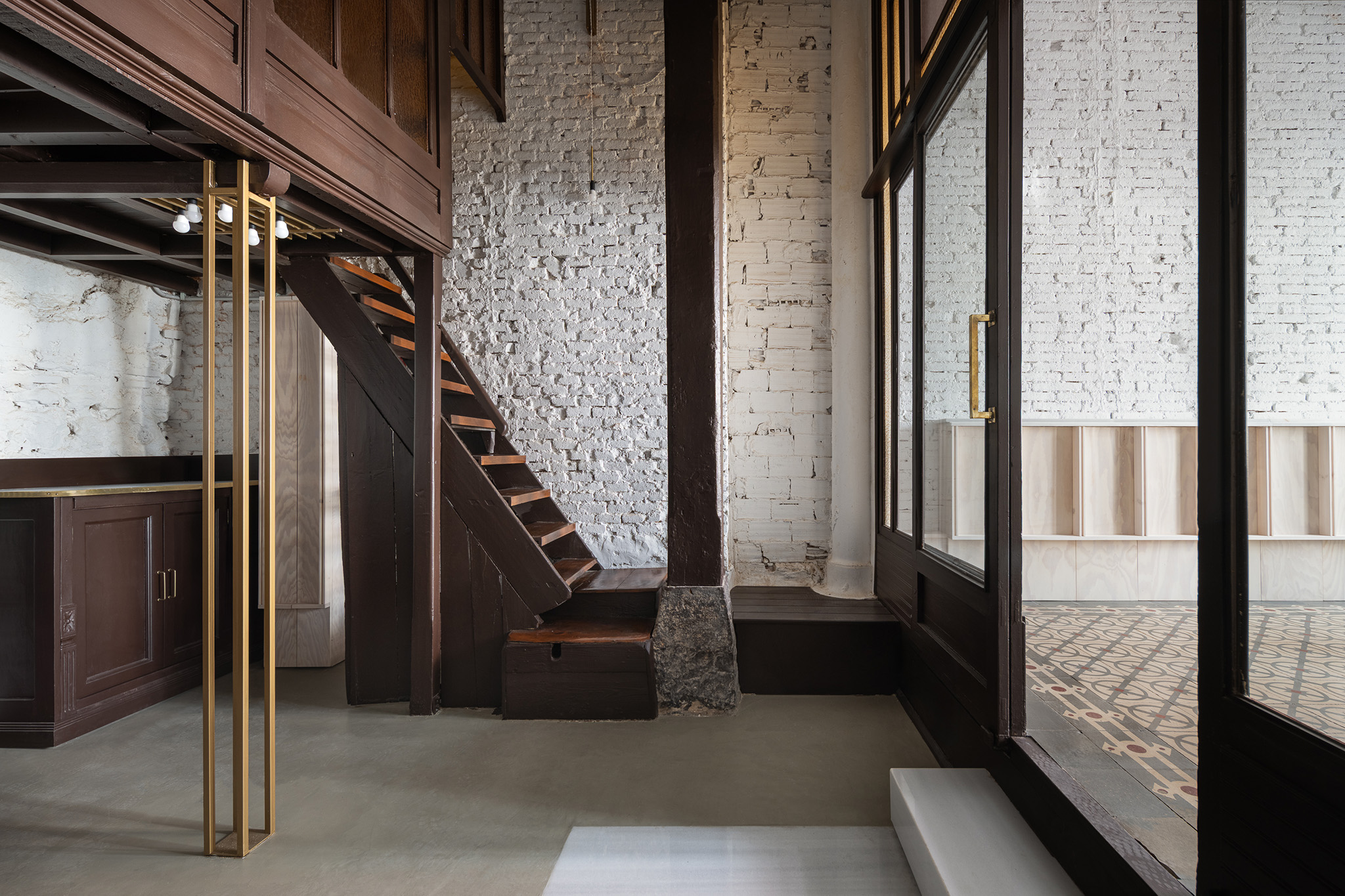
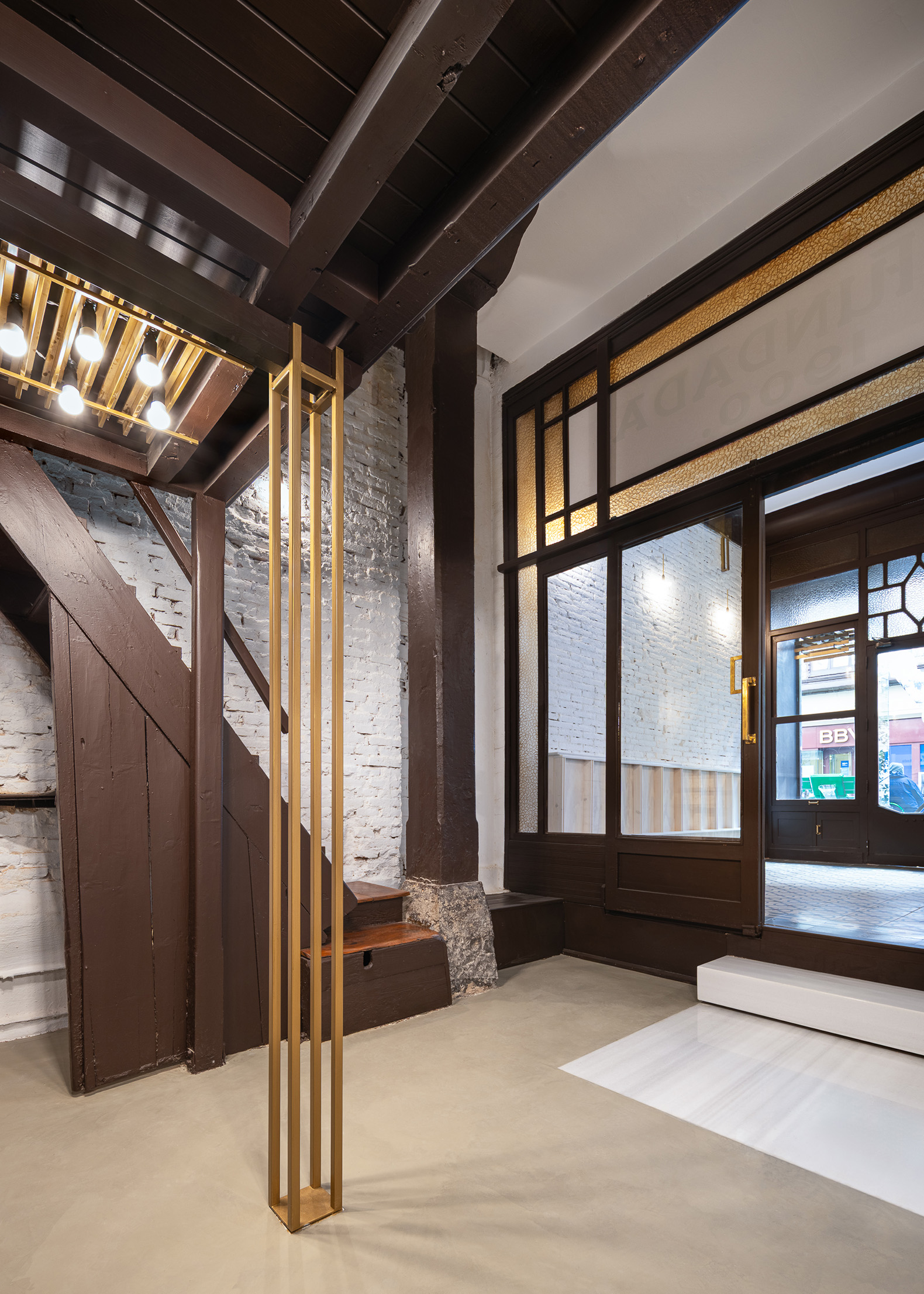
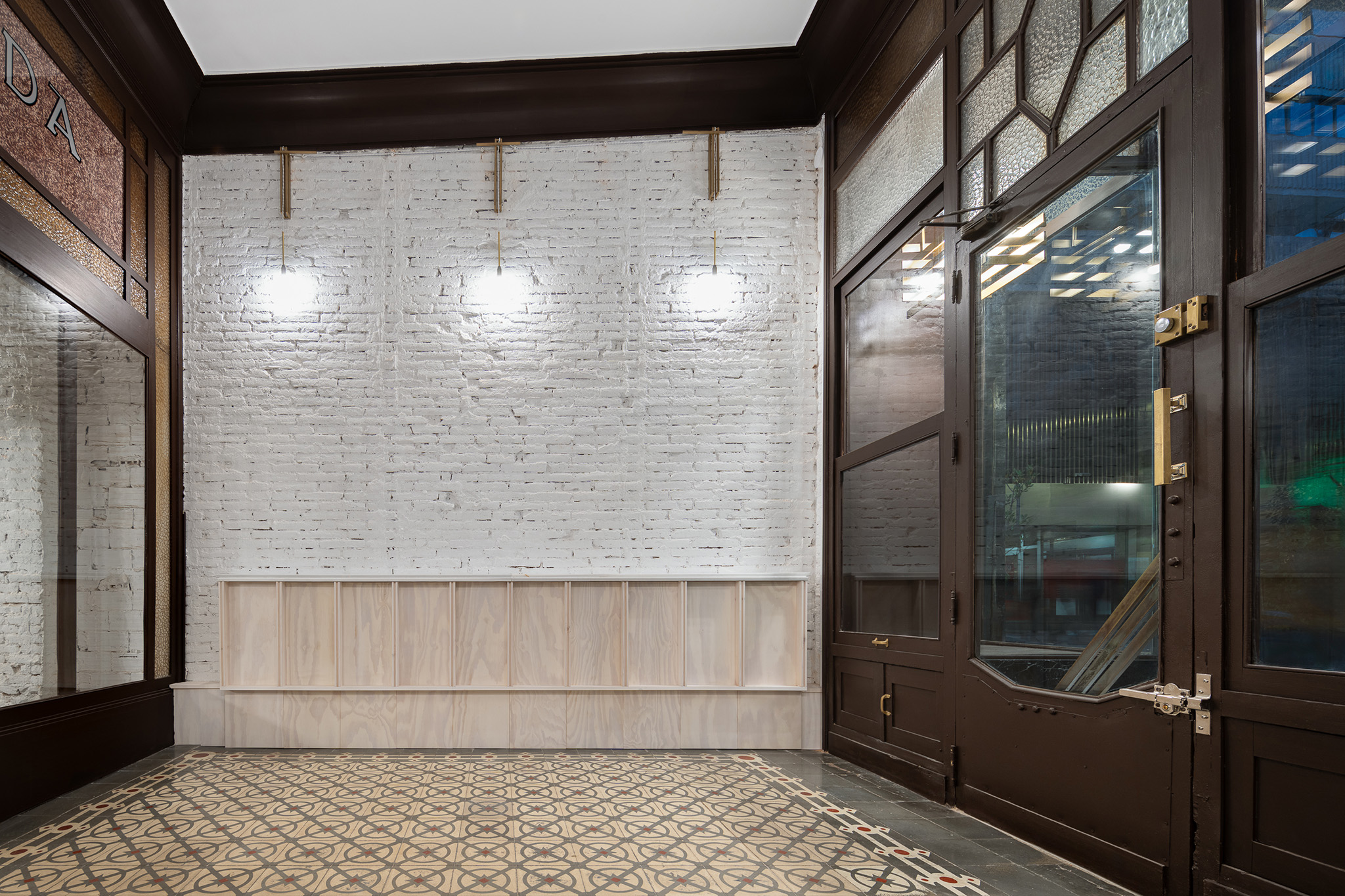
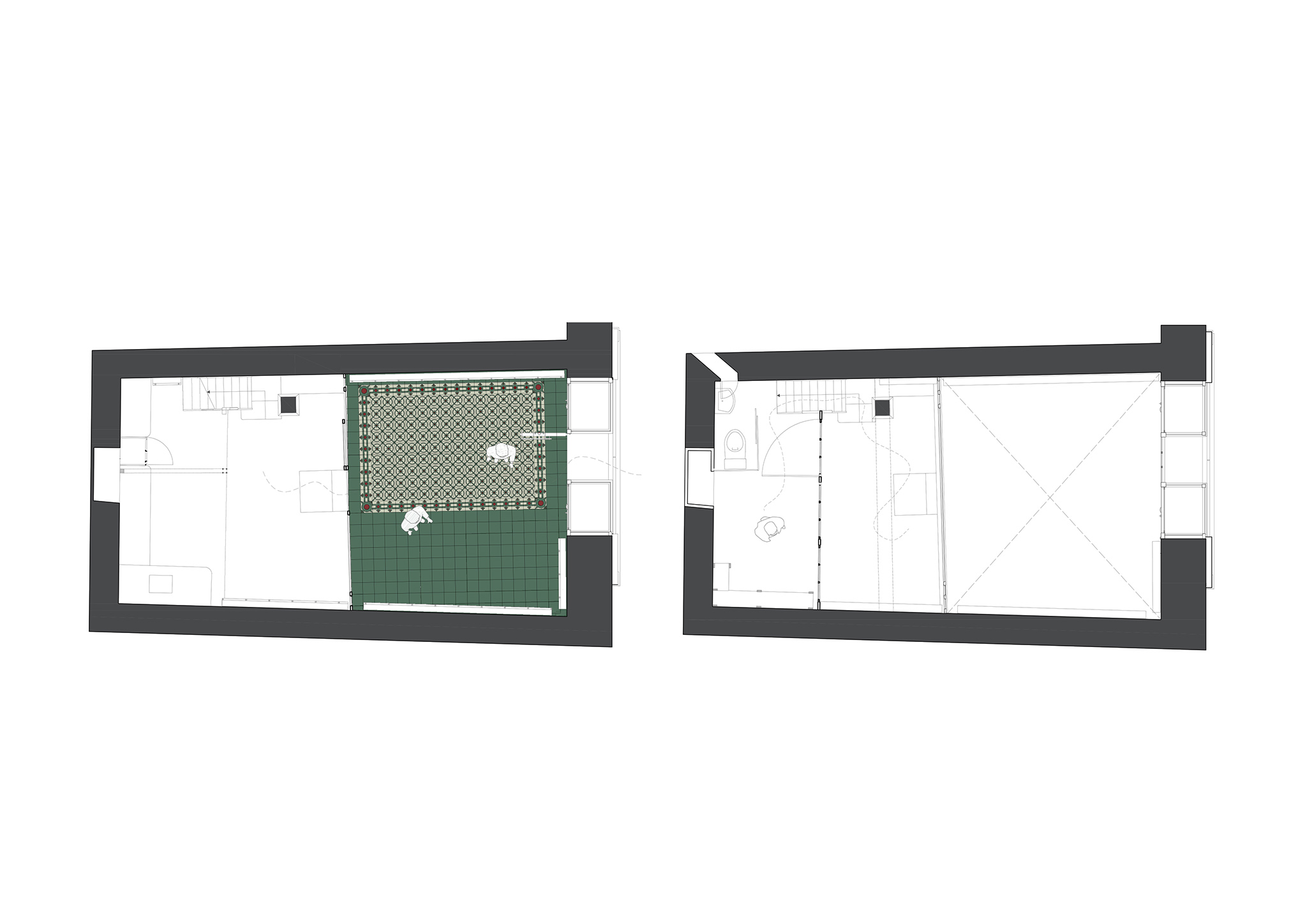
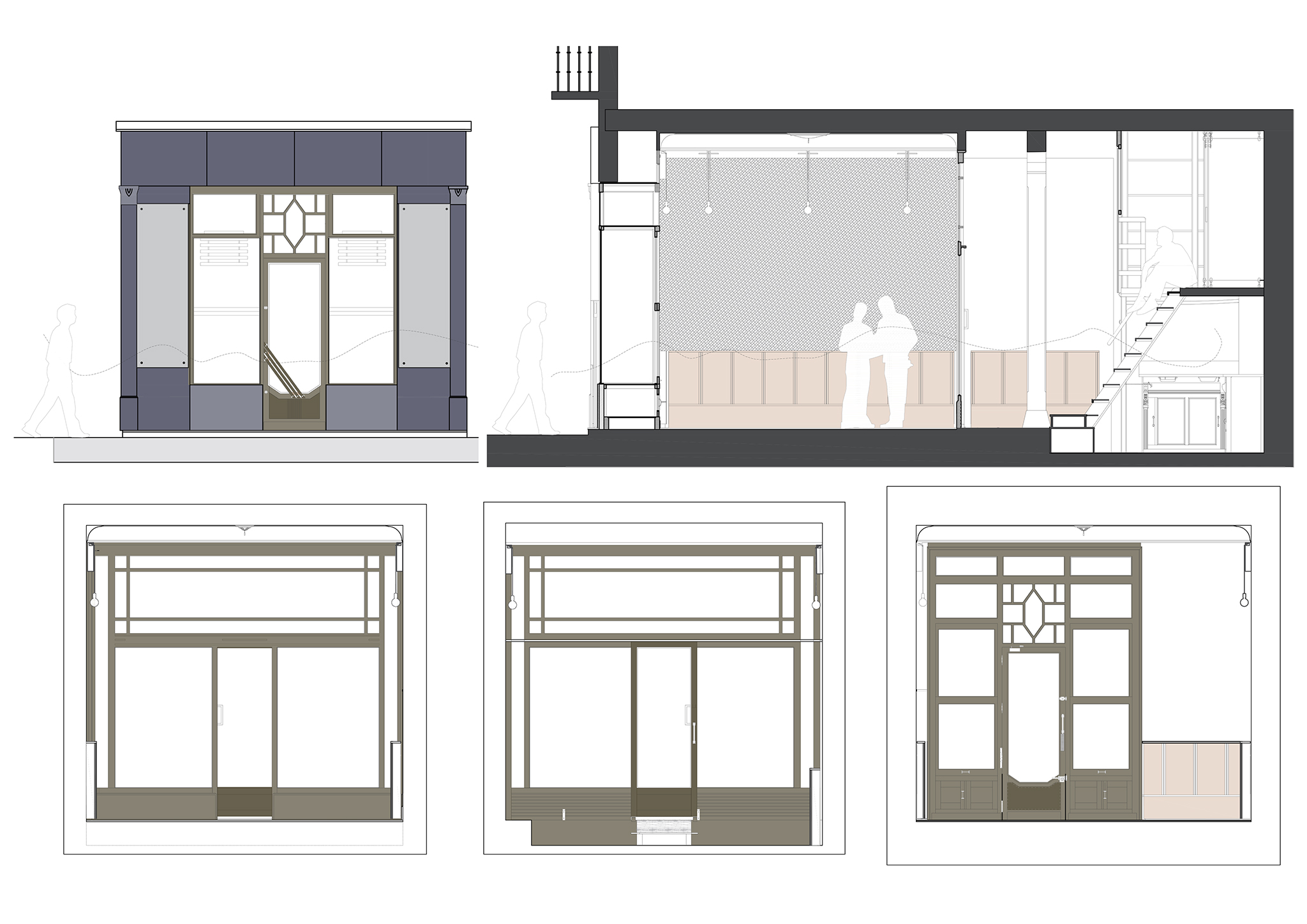
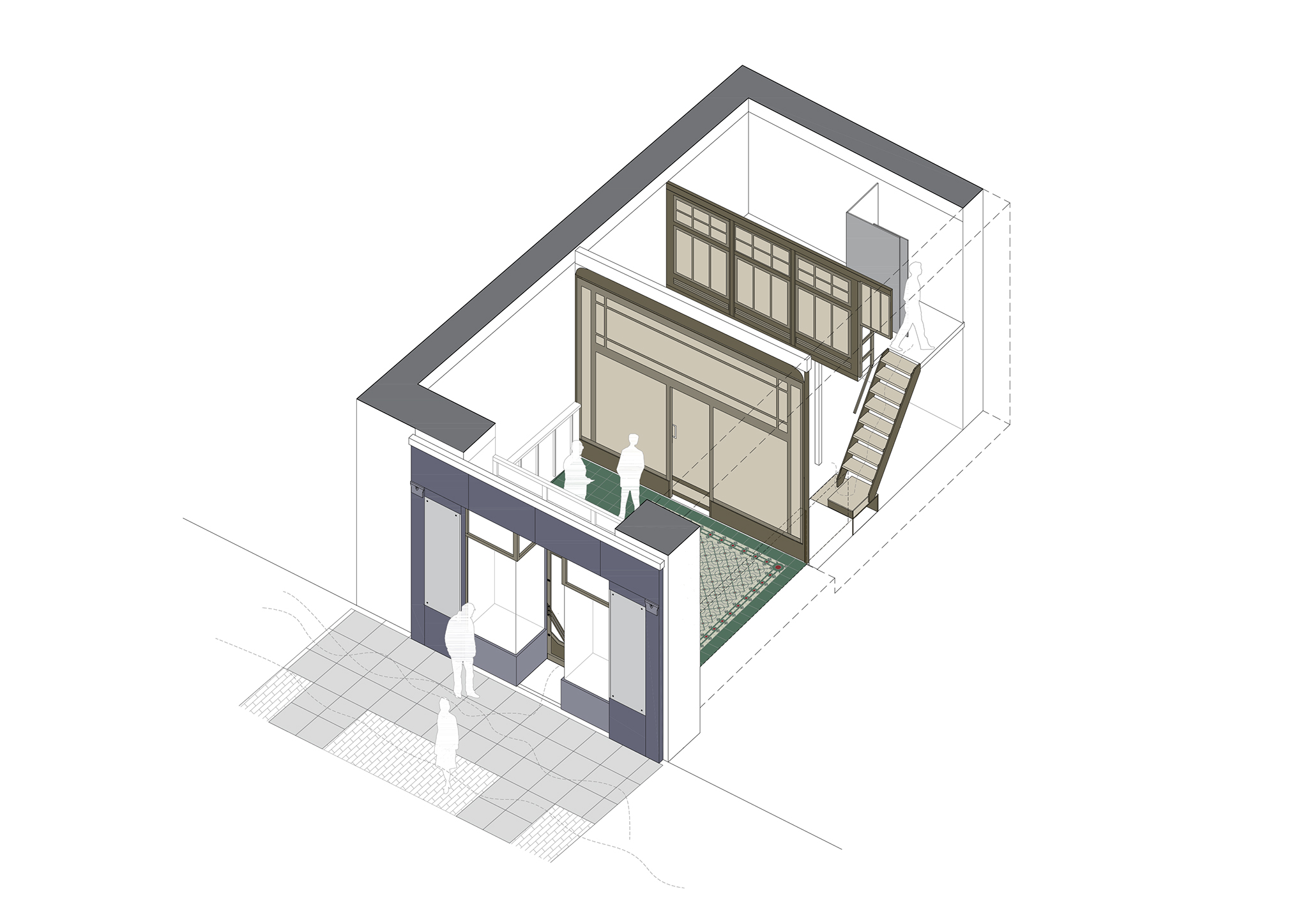
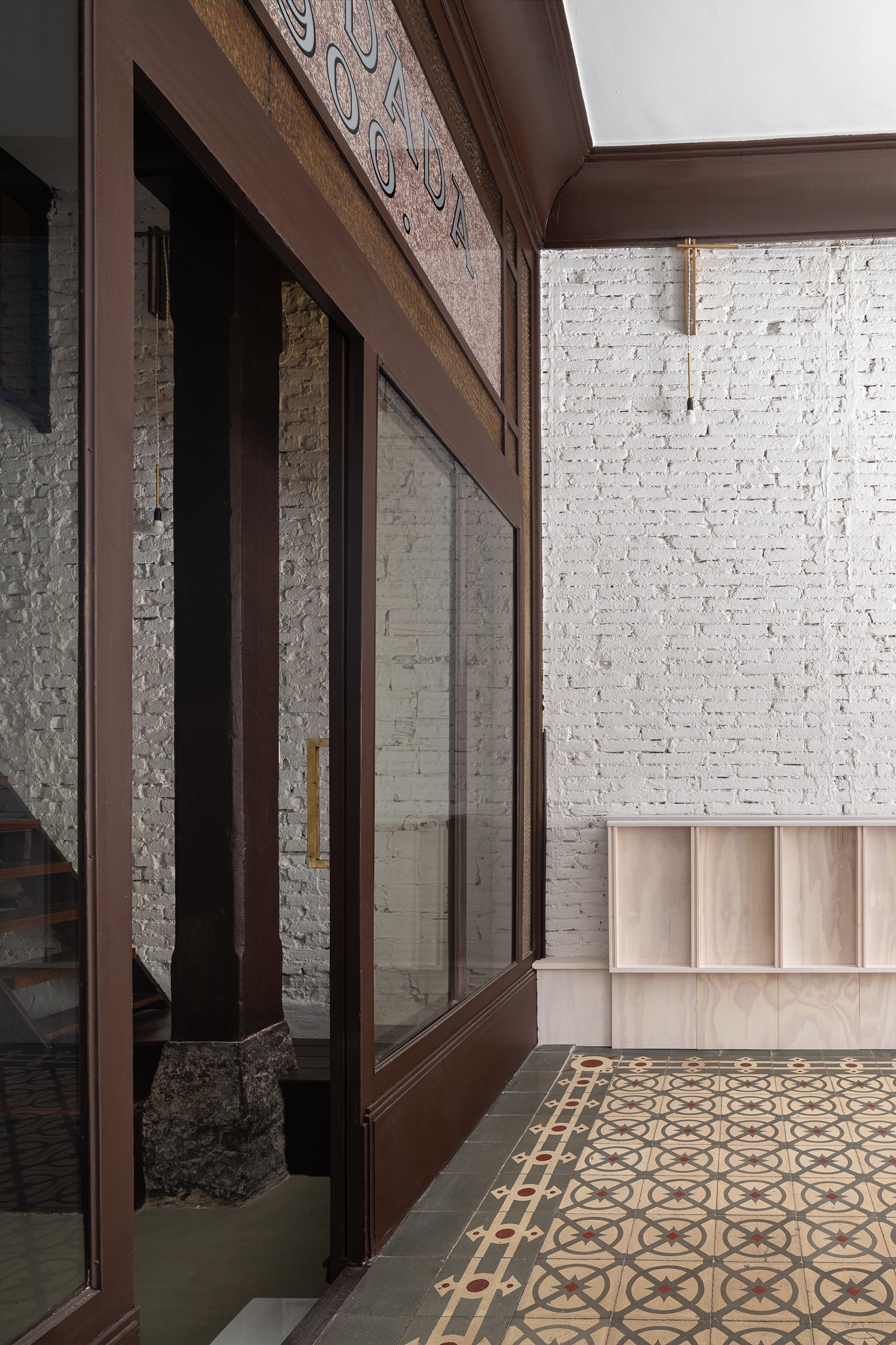
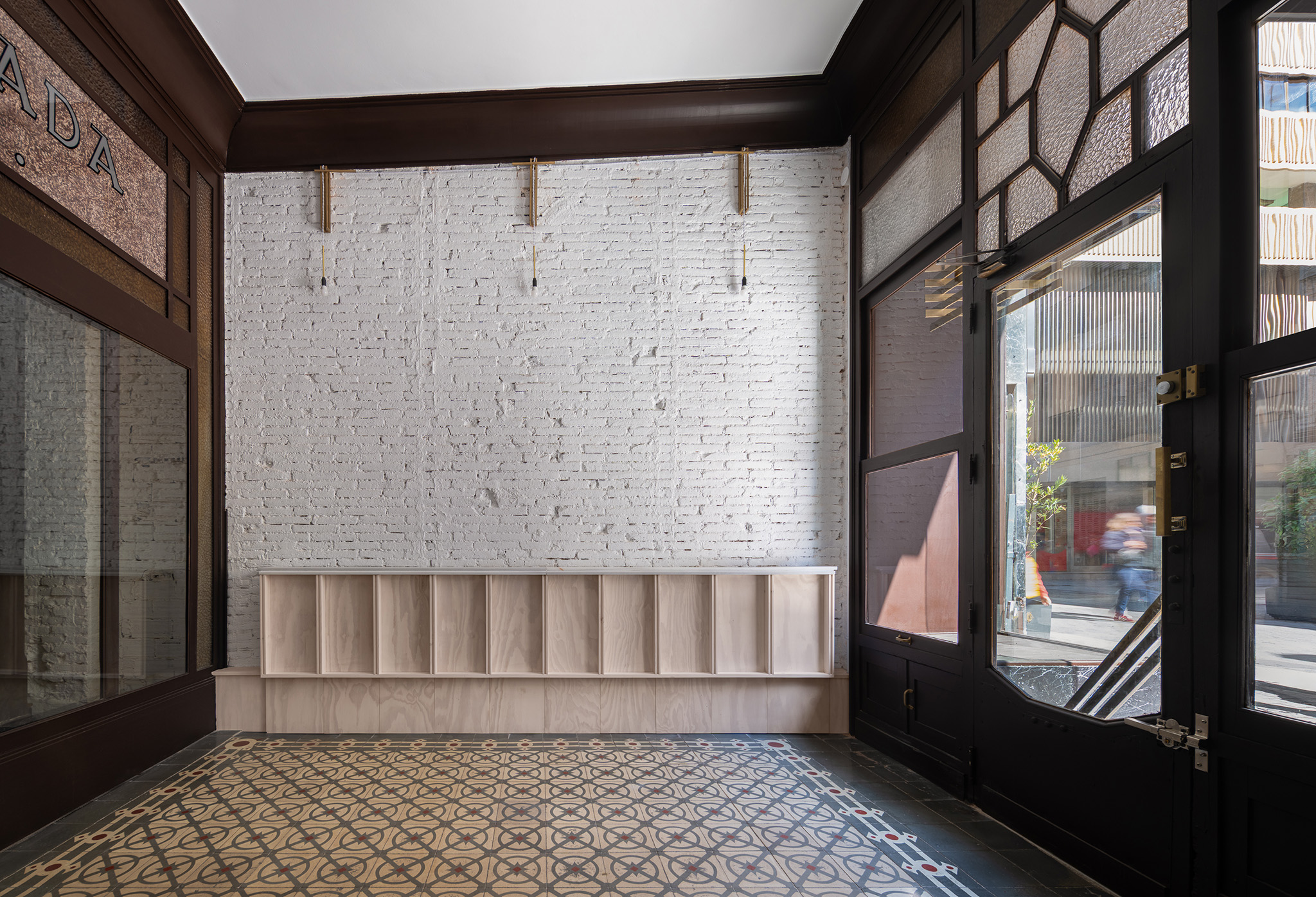
The work carried out by Óscar Miguel Ares focused primarily on the restoration of the three original partitions—the entrance, the intermediate, and the interior—which function as a sequence of spatial filters capable of lending depth and complexity to the small commercial space. Additionally, the perpendicular walls were finished in white to reinforce visual continuity and enhance the perception of the spatial sequence that unfolds from the street into the interior.

The design establishes a delicate dialogue between memory, craftsmanship, and respect for heritage, bringing the essence of Viennese architecture to the Valladolid context. The precise design processes, along with the meticulous work of the various trades involved, have allowed for the restoration of the splendor of a unique example of mimetic architecture that forms part of the city's urban and architectural memory.
Former "Cuchillerías Blanco" premises renovation by Óscar Miguel Ares. Photography by Gabriel Gallegos Alonso.

Former "Cuchillerías Blanco" premises renovation by Óscar Miguel Ares. Photography by Gabriel Gallegos Alonso.

Project description by Óscar Miguel Ares

1. A Journey from Vienna to Valladolid
Let me tell you a story: in 1910, Adolf Loos designed the Knize store in Vienna, a marble geode delicately opened by symmetrically arranged, subtle woodwork, its ethereal glass filtering light into the interior. Decades later, in the 1930s, Ramón Pérez Lozana, a seasoned architect from Oviedo living in Valladolid, fascinated by the Viennese master's work, reproduced that same façade he had seen in Vienna on Santiago Street in 1934. An example of mimetic architecture, but also of admiration for the Austrian architect.

Initially, the premises housed a tailor shop; later, it became Blanco Cutlery. Abandoned at the beginning of this century, in 2025 we were fortunate enough to undertake its rehabilitation, restoring it to its original state while simultaneously complementing its architecture with precise and contemporary interventions.

Former "Cuchillerías Blanco" premises renovation by Óscar Miguel Ares. Photography by Gabriel Gallegos Alonso.

2. Rehabilitating the Atmosphere
The main design objective was to recover the atmosphere and memory of this small space, which embodies a part of the city's history. Located on Valladolid's main thoroughfare, the principal intervention lies in the rehabilitation of the three partitions—considering the façade as an additional partition—which, like a diaphragm, divide the interior space. These three partitions contract and expand the space, divide and create continuity, and represent the project's greatest effort. Each one functions as a filter.

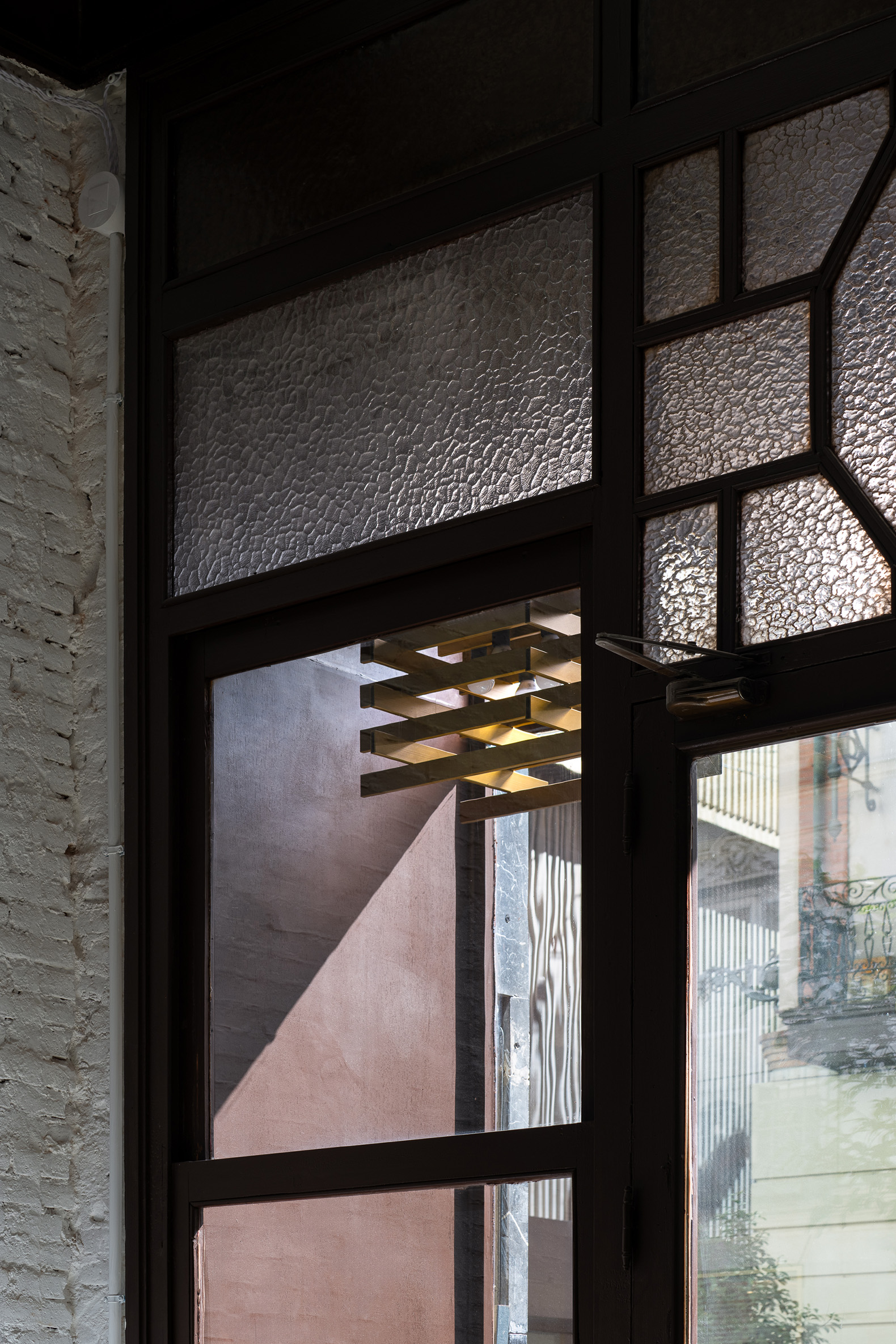
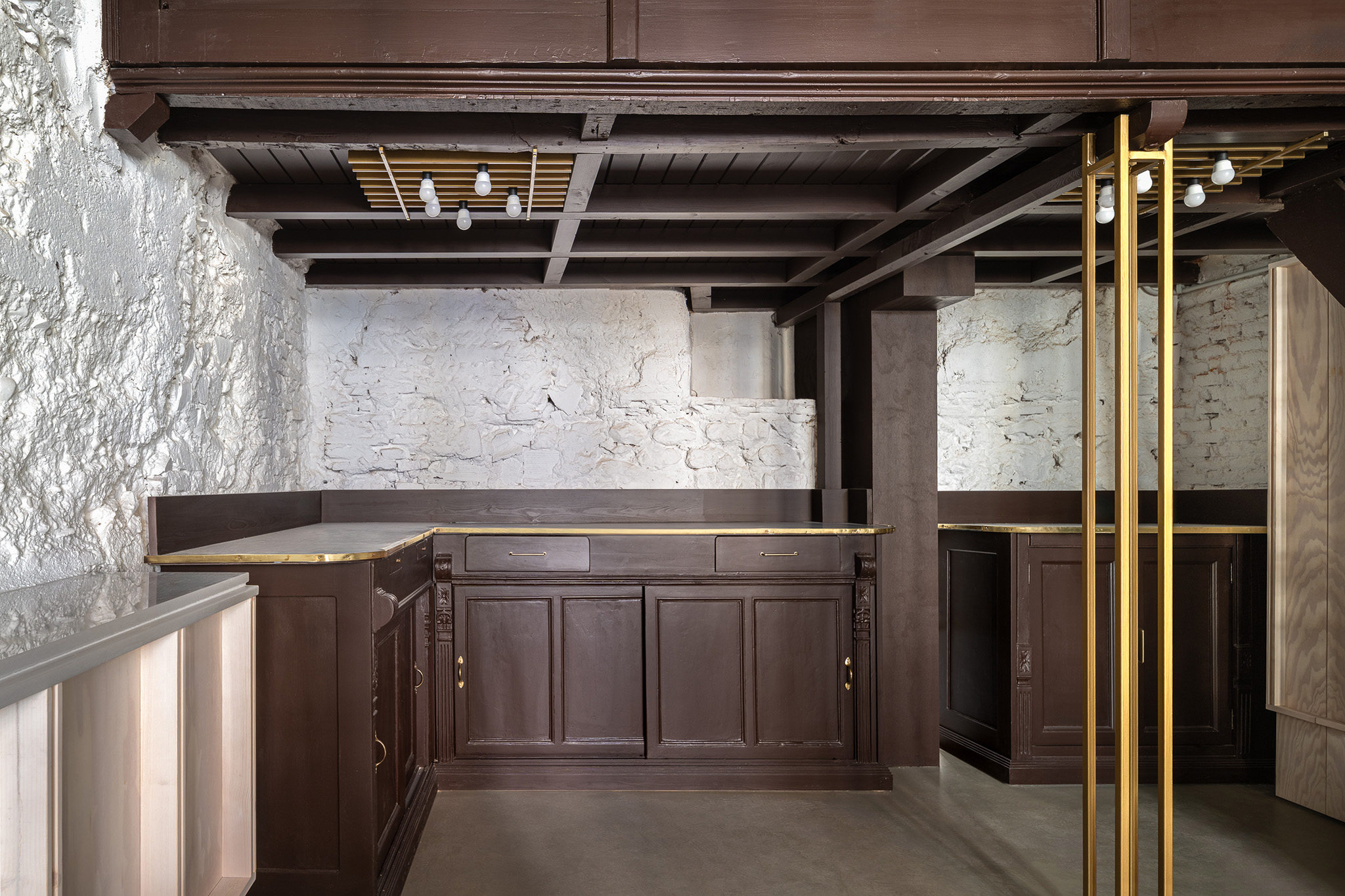
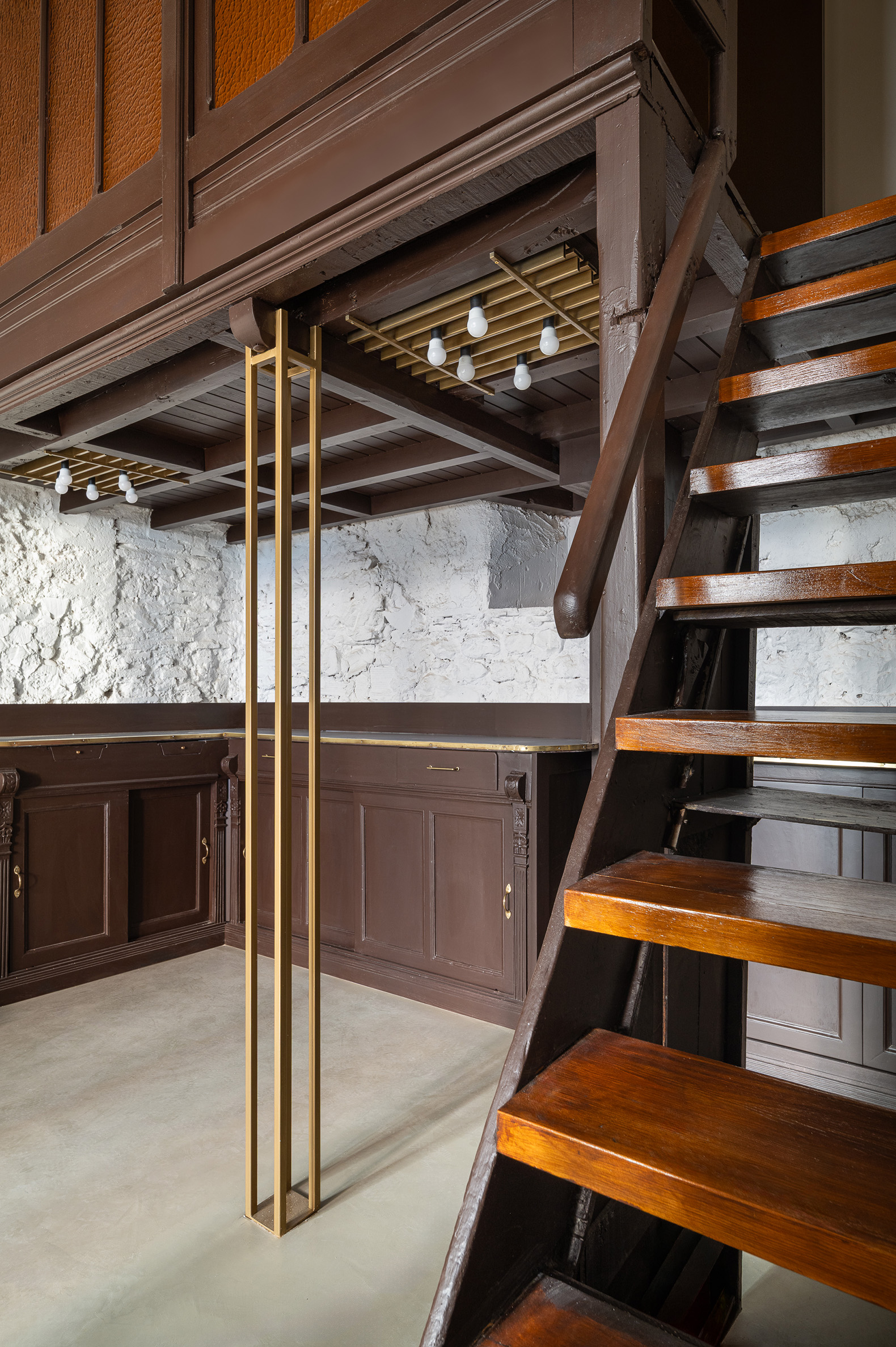
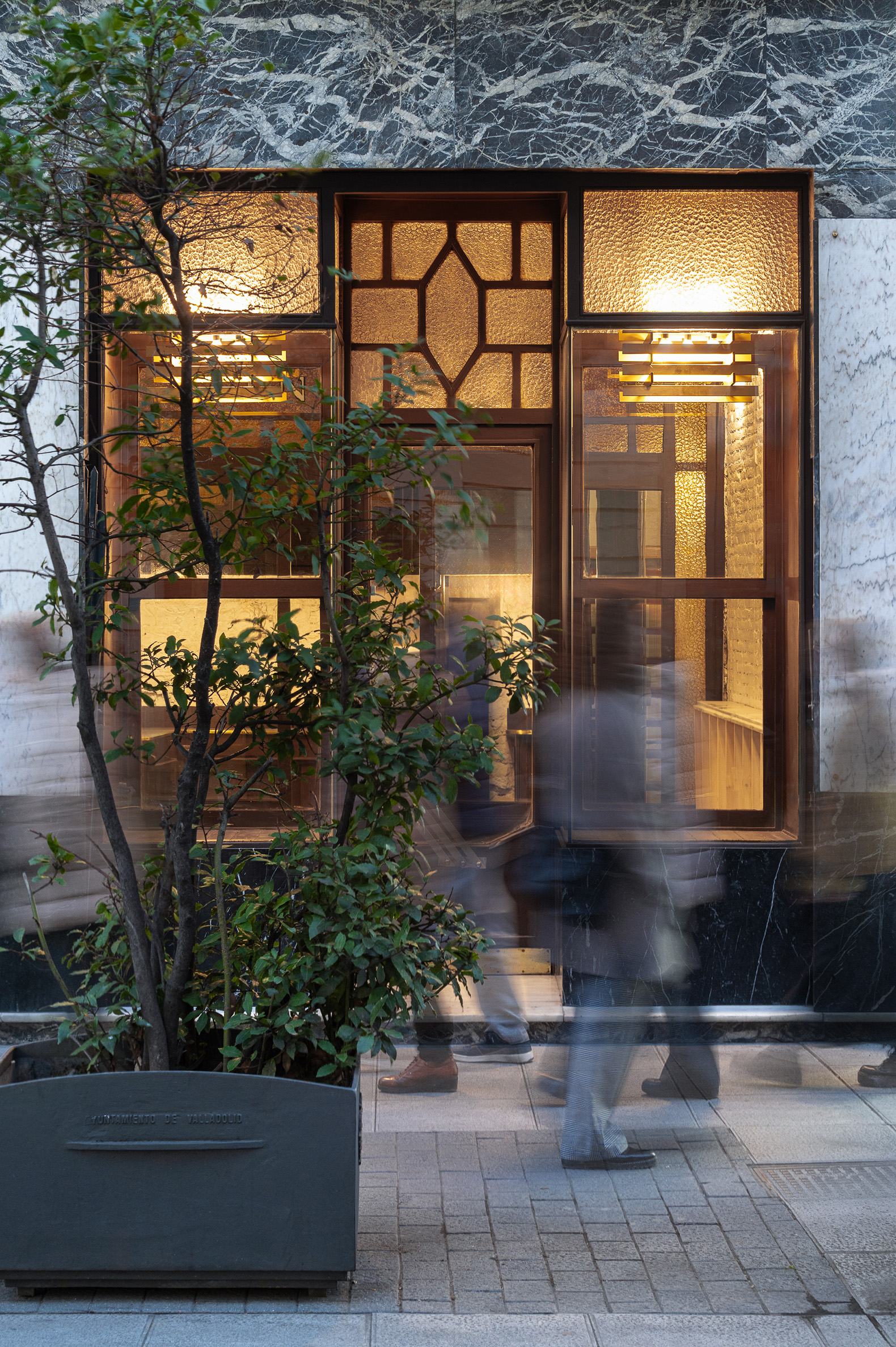
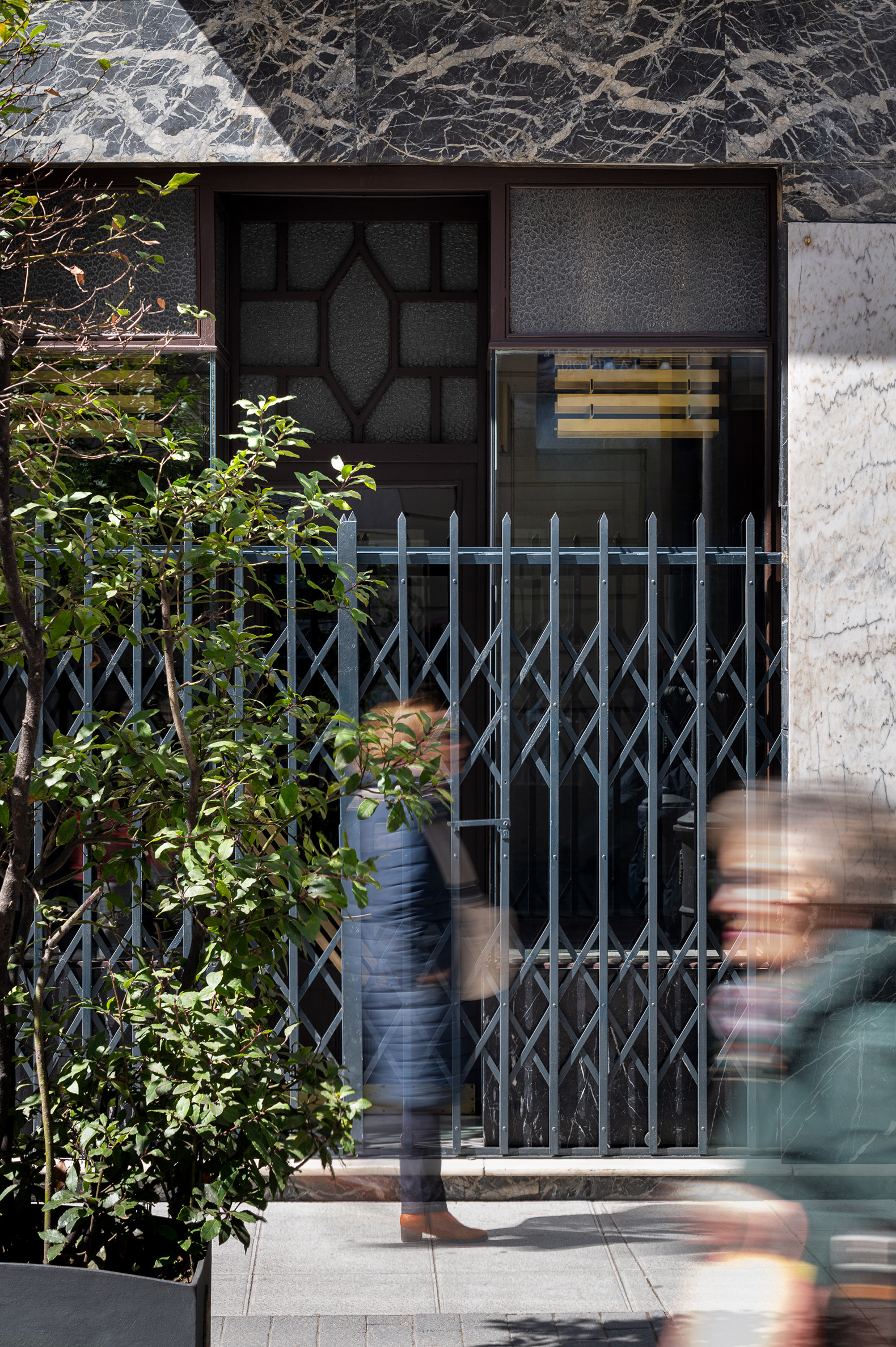
The first, the entrance, which also bears the imprint of modernity, filters the light and the entrance, timidly peeking out at the city, where it displays its marble and brass to reveal the interior through small shop windows, just as in Vienna. The middle section defines the customer's space: it is the sales area. Modern design elements are lost behind ornate, styleless woodwork, crowned by various types of amber-tinted glass. The inner section functions as a partition and private area, where the machinery was housed and where the space is further confined by a mezzanine that served as a worker's rest area. As in the second section, its wooden construction is unpretentious.
Rehabilitación del antiguo local «Cuchillerías Blanco» por Óscar Miguel Ares. Fotografía por Gabriel Gallegos Alonso.
Former "Cuchillerías Blanco" premises renovation by Óscar Miguel Ares. Photography by Gabriel Gallegos Alonso.

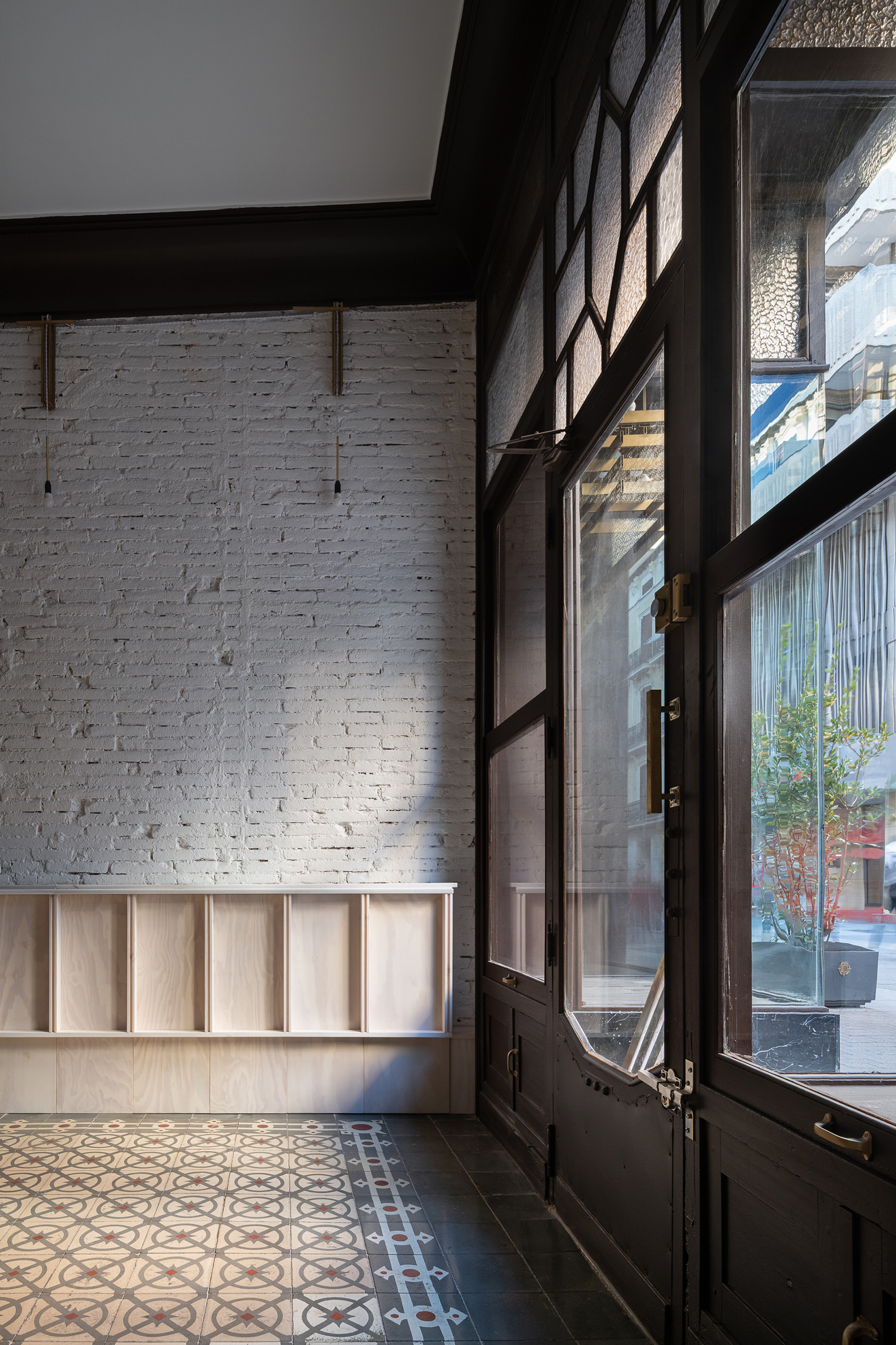
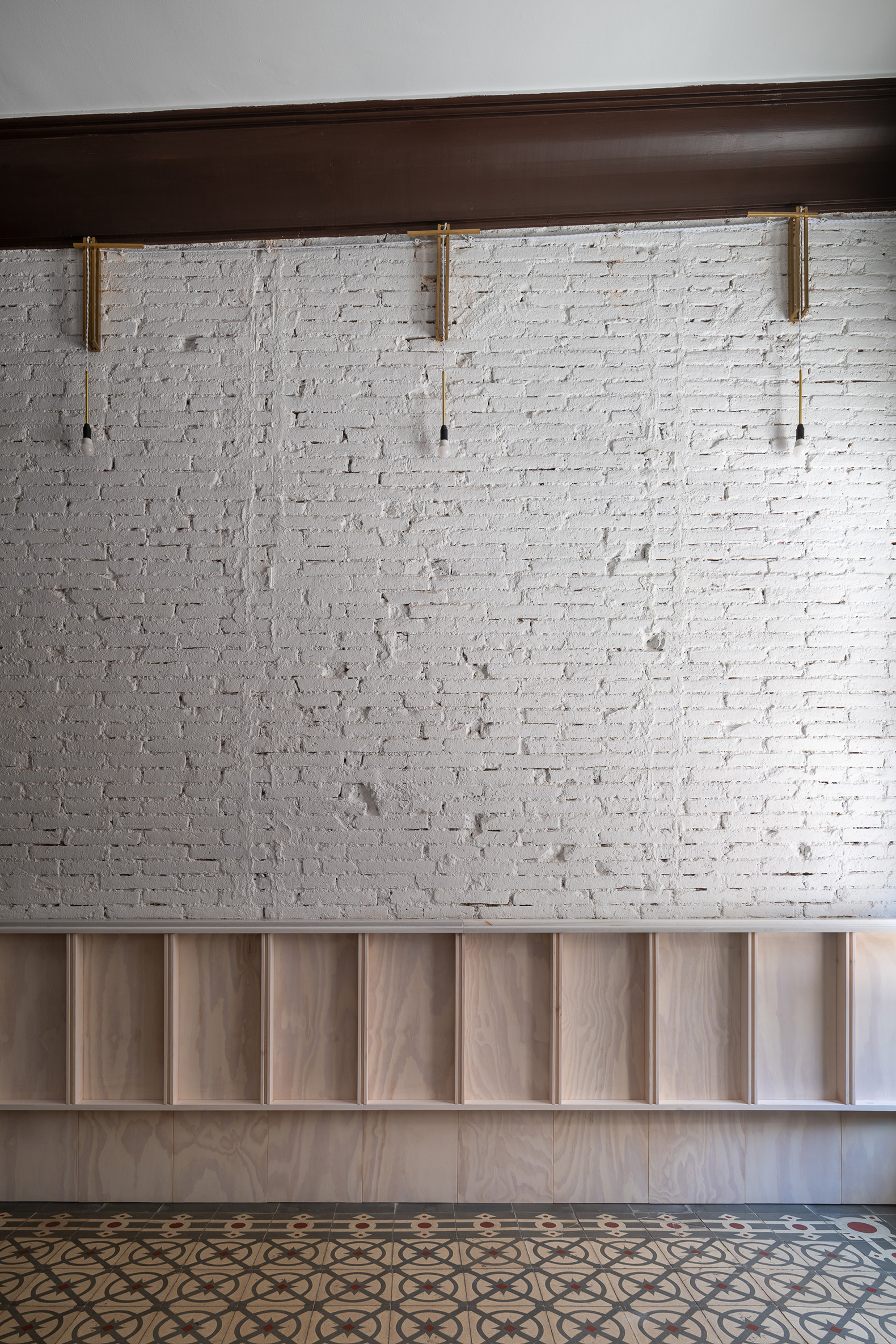
To reinforce the idea of ​​depth and sectioning, which can be seen in the sequencing of these three membranes, the perpendicular canvases were painted white to further highlight the spatial connection, giving them the entire narrative of the intervention and reinforcing the axis from the exterior to the interior.

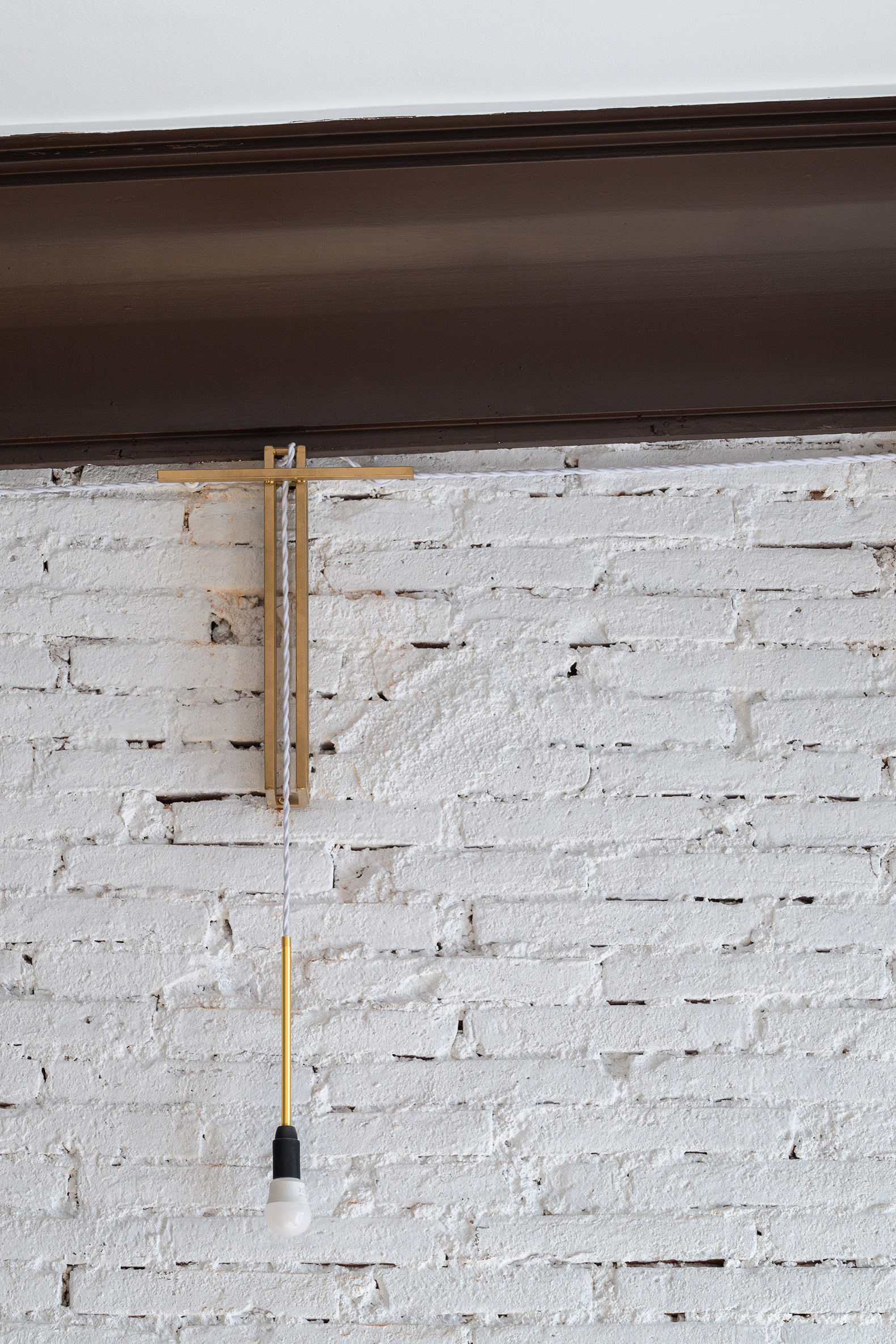
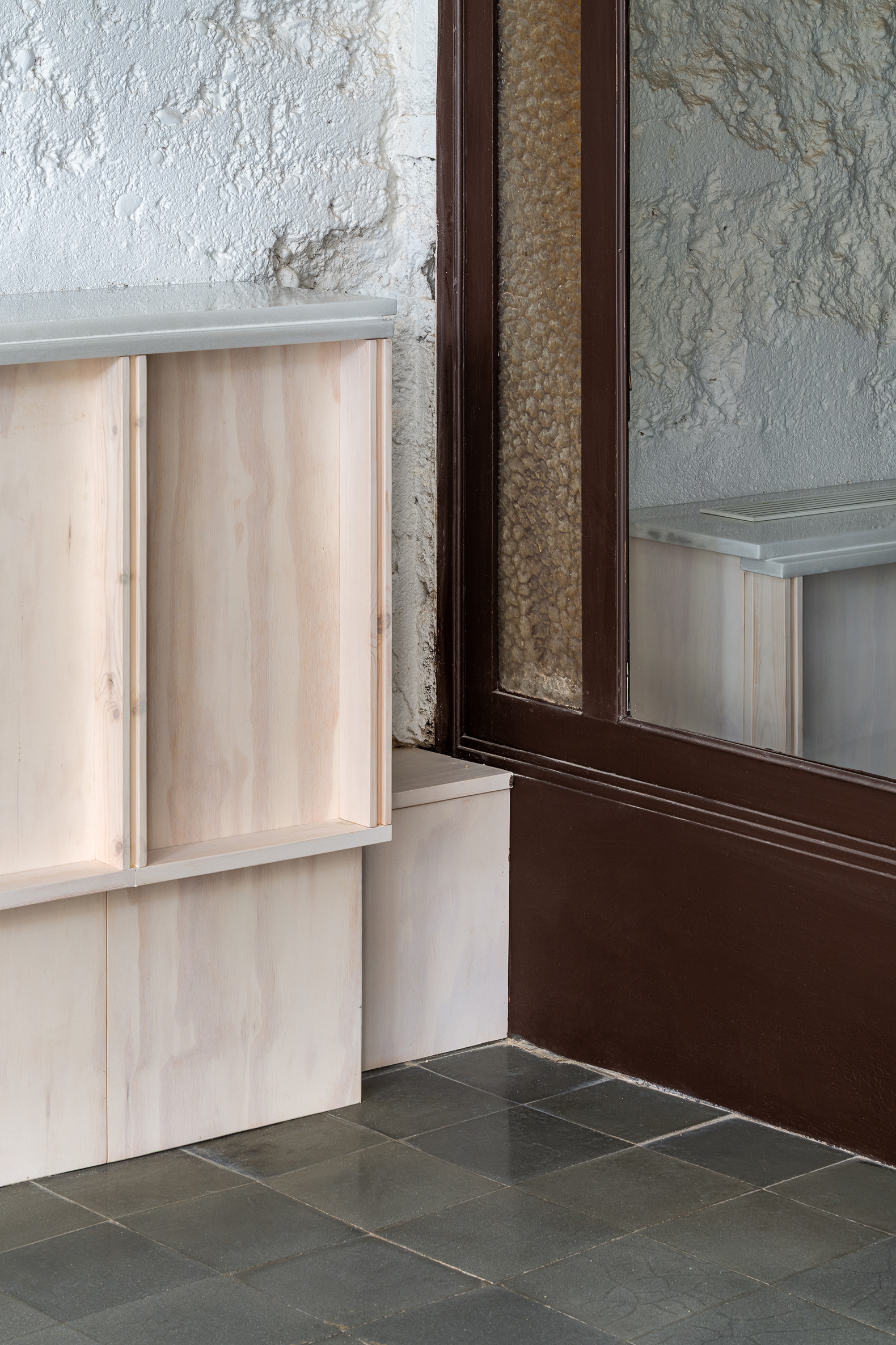
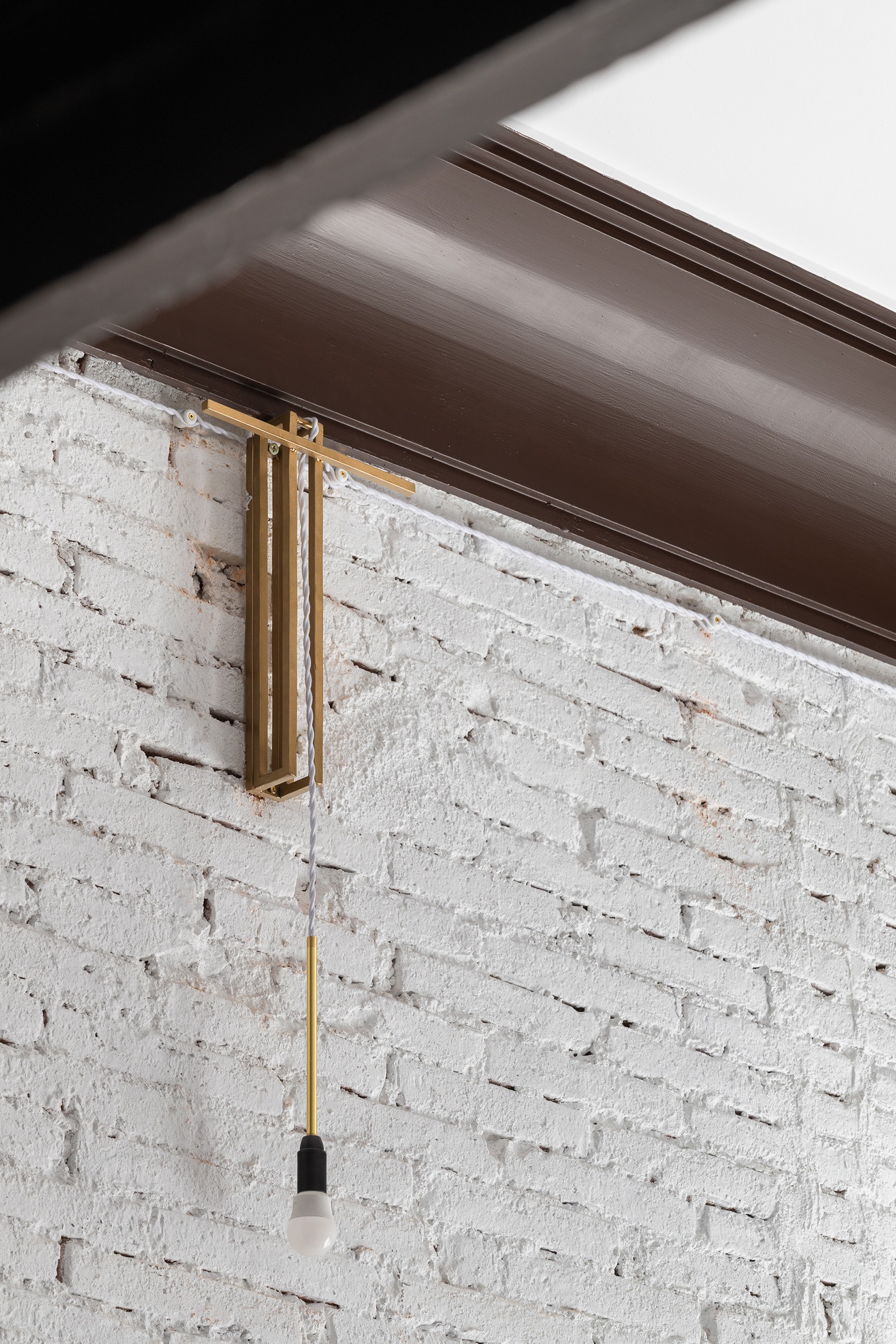
The white side walls house the rhythmic wooden wainscoting that incorporates the building services, concealing them from view. The light fixtures, designed in the studio, are intended solely to complement the atmosphere of the space.
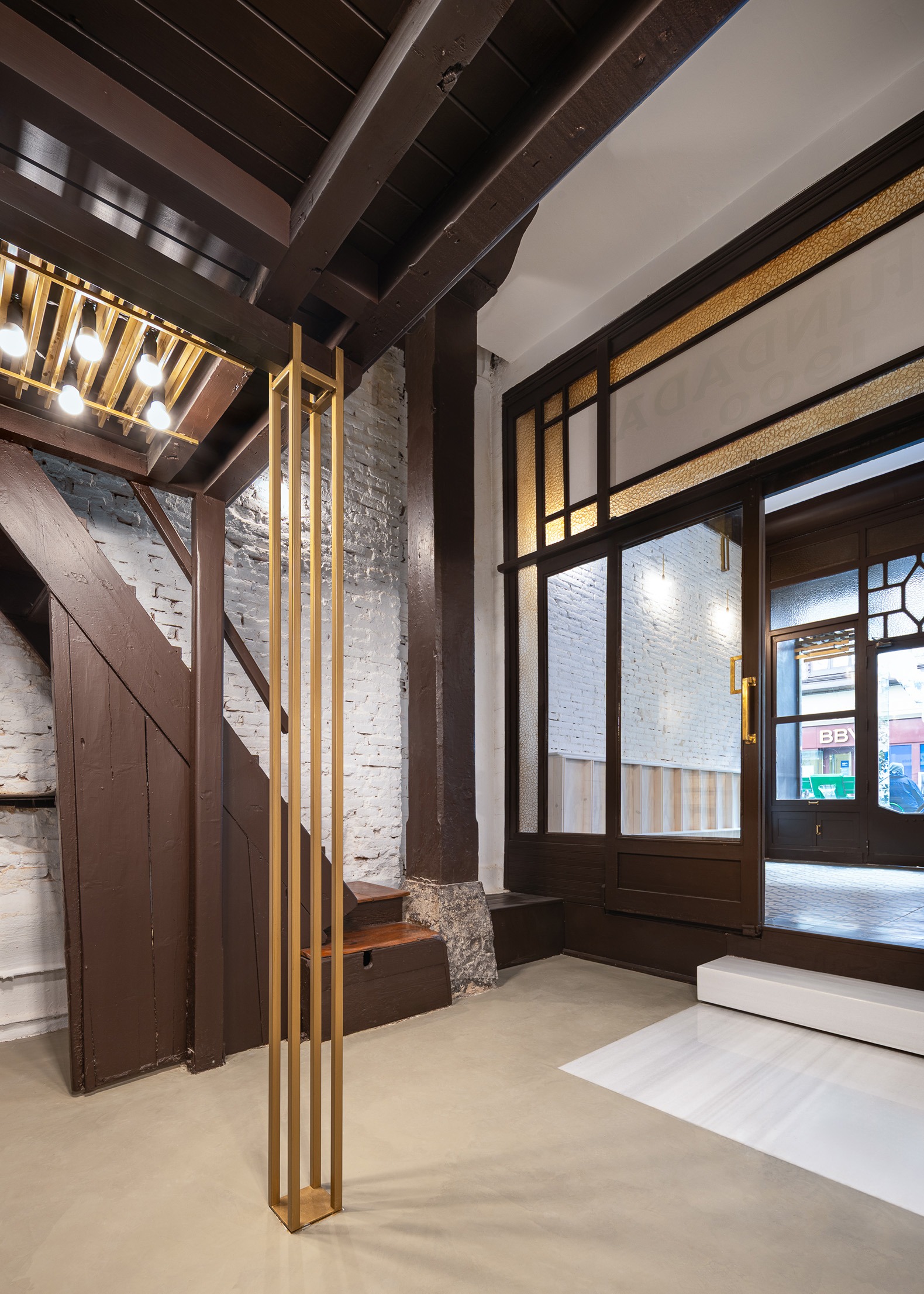
Former "Cuchillerías Blanco" premises renovation by Óscar Miguel Ares. Photography by Gabriel Gallegos Alonso.

In an imaginary journey to Loos's Vienna, and with Lozana's permission, the craftsmanship of the trades involved allowed us to recover the original furniture, partitions, and glazing, understanding that we had to reinforce the spatial atmosphere lost due to unfortunate interventions through small, yet concentrated, operations capable of adapting the space to current comfort standards.

A journey through architecture, strolling between master and disciple, recovering the memory of the place, which is ultimately that of the citizens who contemplate it.
More information

Label
Architects
+ + copy Created with Sketch.
- + copy Created with Sketch.
Label
Project team
Text

Barbará Arranz González, Eduardo Rodríguez Gallego, Judit Sigüenza González, María Méndez Miguel, Luis del Hoyo Gómez-Pallete, Patricia Romero.

+ + copy Created with Sketch.
- + copy Created with Sketch.
Label
Contractor
Text

ARCA GRUPO CARRANZA.

+ + copy Created with Sketch.
- + copy Created with Sketch.
Label
Dates
Text

Original design.- 1933.
Renovation design.- 2024. 
Construction.- 2025-26. 

+ + copy Created with Sketch.
- + copy Created with Sketch.
Label
Location Localización
Text

c/ Santiago nº 20. Valladolid, Spain.

+ + copy Created with Sketch.
- + copy Created with Sketch.
Label
Photography
+ + copy Created with Sketch.
- + copy Created with Sketch.

Óscar Miguel Ares. Valladolid, 1972. Archtiect from School of Architecture of Valladolid, in 1998. In 2010, he obtained the title of Doctor from the University of Valladolid - for the thesis "GATEPAC 1928-1939" - being his tutor Mr. Juan Antonio Cortés. Since 2013 he is professor of design at the ETS de Arquitectura de Valladolid. He has collaborated, as visiting professor, at ETSA La Salle (Ramón Lluch University, Barcelona), at San Pablo CEU University (Valladolid) and at the School of Design at Al Ghurari University (Dubai, UAE).
 
His texts and works on architectural criticism have been published in different publications as well as by the composition and projects departments of the ETSA Madrid, UPC in Barcelona –with whom he has assiduously collaborated as editor in the publication DC Papers-, ETSA in Seville and ETSA Cartagena. He has given conferences and lectures in Helsinki, Mexico City, Porto, Pamplona, ​​Barcelona, ​​Madrid or Seville. Author of the book: "Alternative Modernity. Transits of form in Spanish architecture (1930-1936)" University of Valladolid (2016).
 
Since March 2012 he has been carrying out his professional work alone, together with the architect Bárbara Arranz, under the Contextos de Arquitectura y Urbanismo brand. As an architect he has won various competitions, his work being awarded at the XIV Spanish Biennial of Architecture and Urbanism 2018; work exhibited in the Spanish Pavilion of the XII Biennale di Venezia (May 2021); selected in XI Biennial of Ibero-American Architecture of Architecture and Urbanism Paraguay (October 2019); finalist in the 2018 FAD Awards; finalist in the 2017 Spanish Architecture Awards; selected Enor Awards (2020), Awarded with the American Architecture Prize (New York, 2017, Bilbao 2019); Awarded with the International Architecture Awards 2018 granted by The Chicago Athenaeum / Europeen (Athens, 2018); Awarded with The Plan Award, (Venice 2018, Milan 2019); more than a dozen awards and mentions at the Castilla y León Architecture Awards (2009, 2011, 2016, 2018 and 2020), as well as awarded at the Castilla y León Sustainable Construction Awards (2017 and 2018). His works have been published in numerous national and international magazines, including METALOCUS, Domus, Arquitectura Viva, Tectónica, Hic Arquitectura or Baumeister, On Diseño and he has exhibited in Madrid, Seville, Venice, Paris and New York.

Director, together with Anna and Eugeni Bach, of the XV Spanish Biennial of Architecture and Urbanism, "Empty Spain / Full Spain; conciliation strategies", forming part of the different juries of the awarded categories.


2016 2015 metalocus_oscar-miguel-ares_bio_04 2024.

Read more
Published on: June 7, 2026
Cite:
metalocus, SARA GENT, AGUSTINA BERTA
"Recover the lost atmosphere. "Cuchillerías Blanco" renovation by Óscar Miguel Ares" METALOCUS. Accessed
<https://www.metalocus.es/en/news/recover-lost-atmosphere-cuchillerias-blanco-renovation-oscar-miguel-ares> ISSN 1139-6415
Loading content ...
Loading content ...
Loading content ...
Loading content ...
Loading content ...
Loading content ...
Loading content ...
Loading content ...
Loading content ...
Loading content ...
Loading content ...
Loading content ...
Loading content ...
Loading content ...
Loading content ...
Loading content ...
Loading content ...
Loading content ...
Loading content ...
Loading content ...
Loading content ...
Loading content ...
Loading content ...
Loading content ...
Loading content ...
Loading content ...
Loading content ...
Loading content ...
Loading content ...
Loading content ...
Loading content ...
Loading content ...
Loading content ...
Loading content ...
Loading content ...
Loading content ...
Loading content ...
Loading content ...
Loading content ...
Loading content ...
Loading content ...
Loading content ...
Loading content ...
Loading content ...
Loading content ...
Loading content ...
Loading content ...
Loading content ...
Loading content ...
Loading content ...
Loading content ...
Loading content ...
Loading content ...
Loading content ...