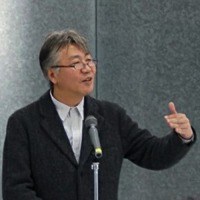
Kazuo Shinohara (1925-2006) studied with with the Japanese architect Kiyoshi Seike (1918-2005) at the Tokyo Institute of Technology, now known as the Tokyo Institute of Science. After completing his studies, he began his career as a professor of architecture at the same university.
After retiring from teaching, he founded the Shinohara Atelier in his own home and studio, where he continued producing designs and theoretical writings. A large number of architects, who are currently at the forefront of the architectural scene, were influenced by his thinking and professional development. Architects such as Itsuko Hasegawa, Toyo Ito, and Kazunari Sakamoto are considered members of the so-called "Shinohara School."
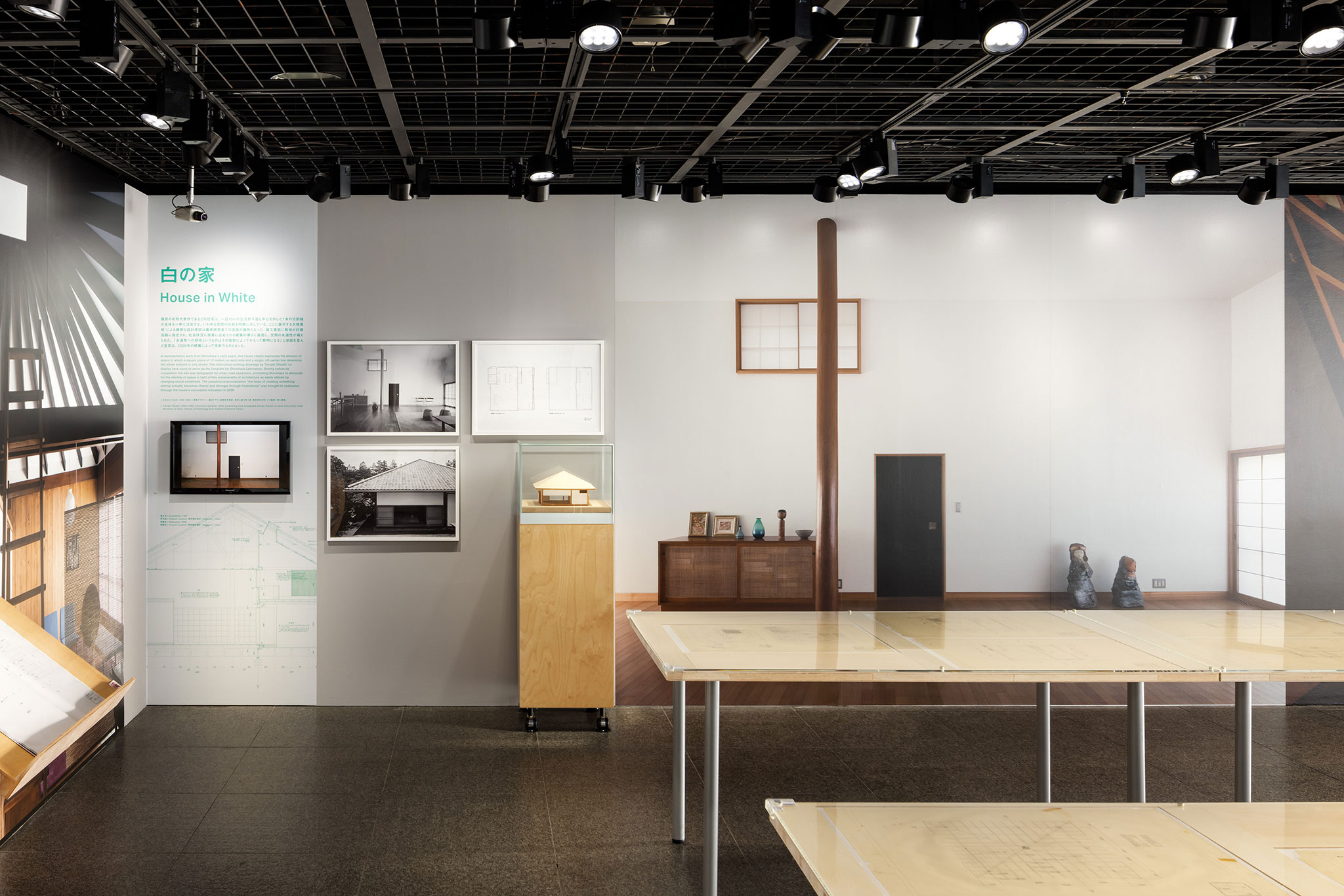
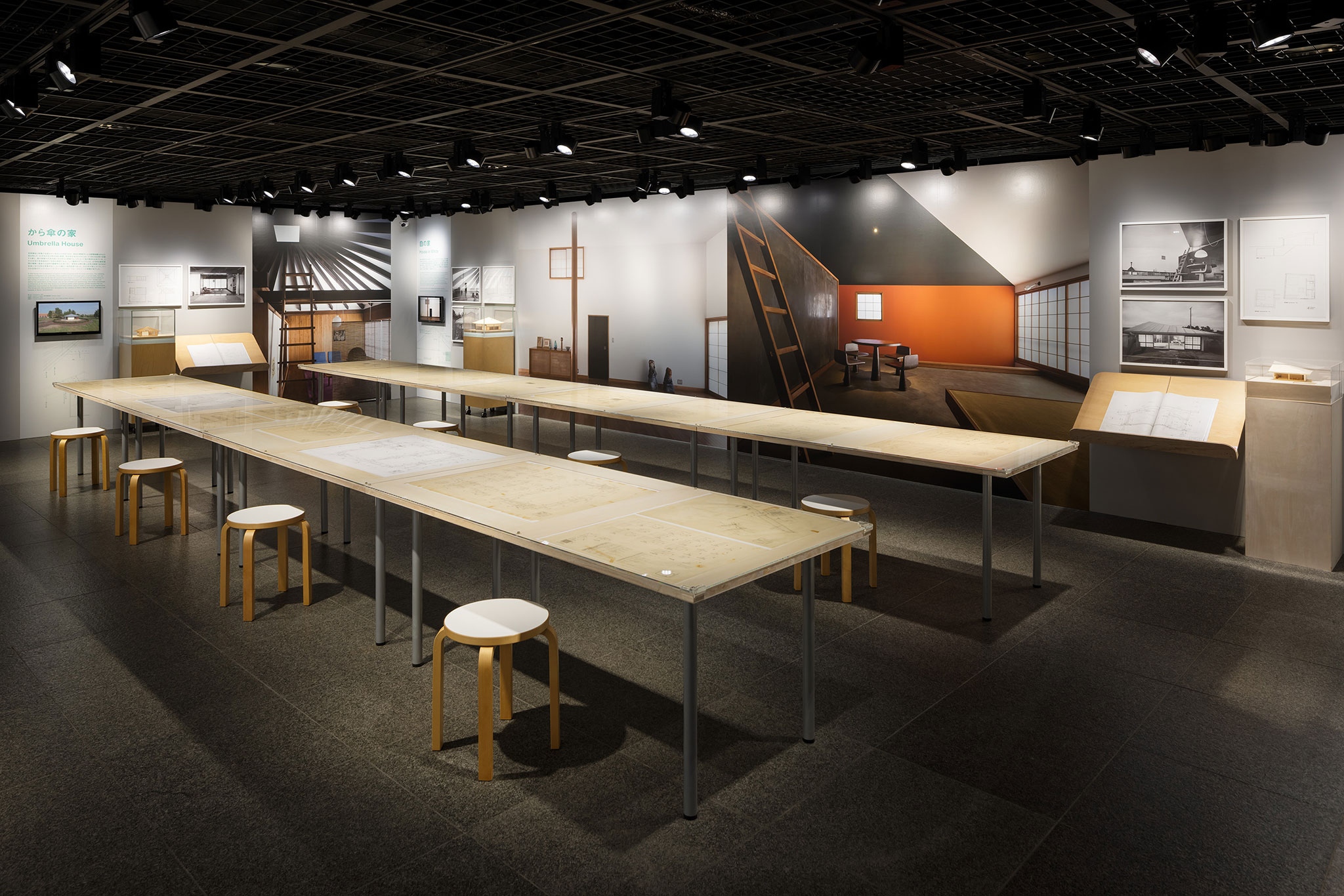
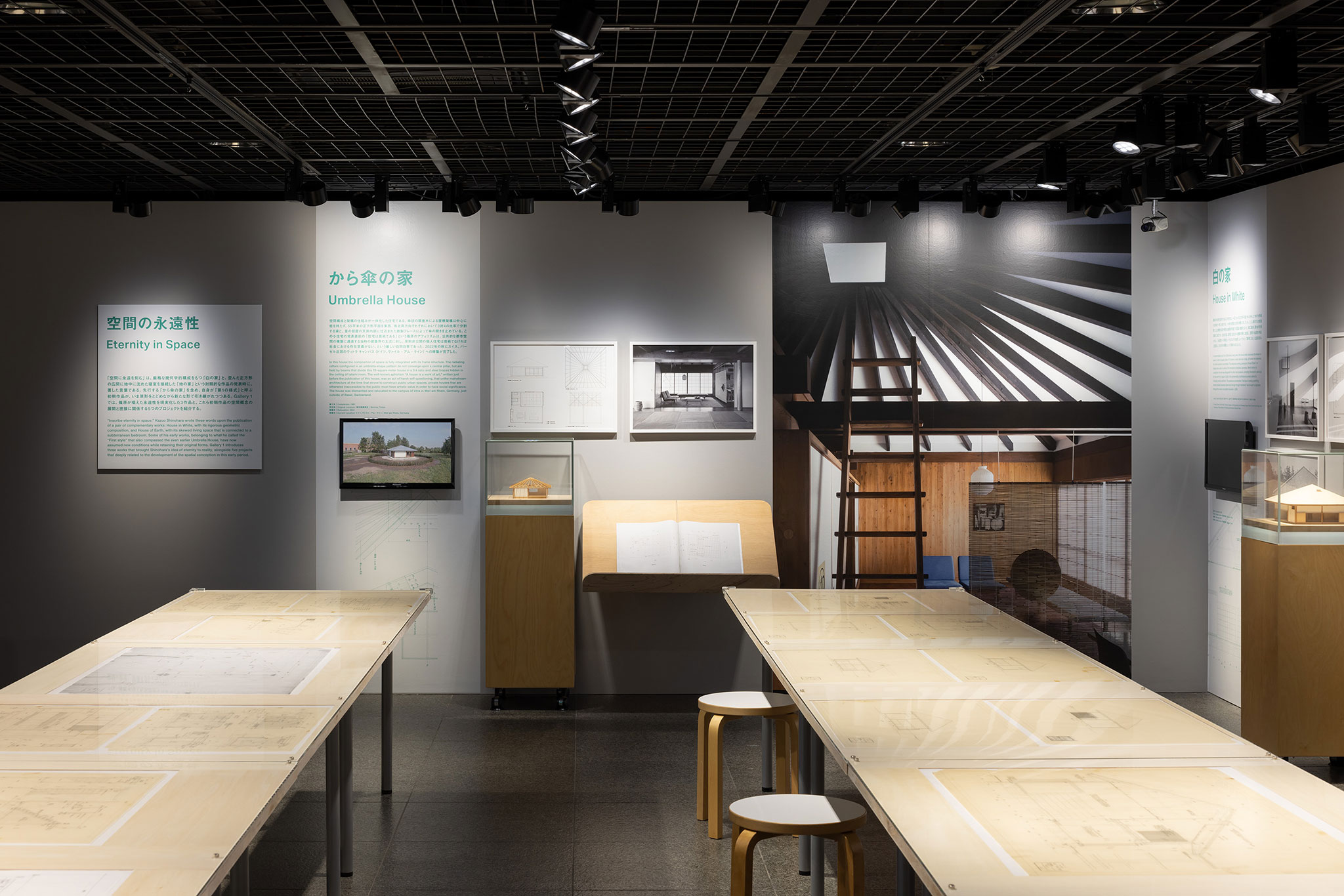
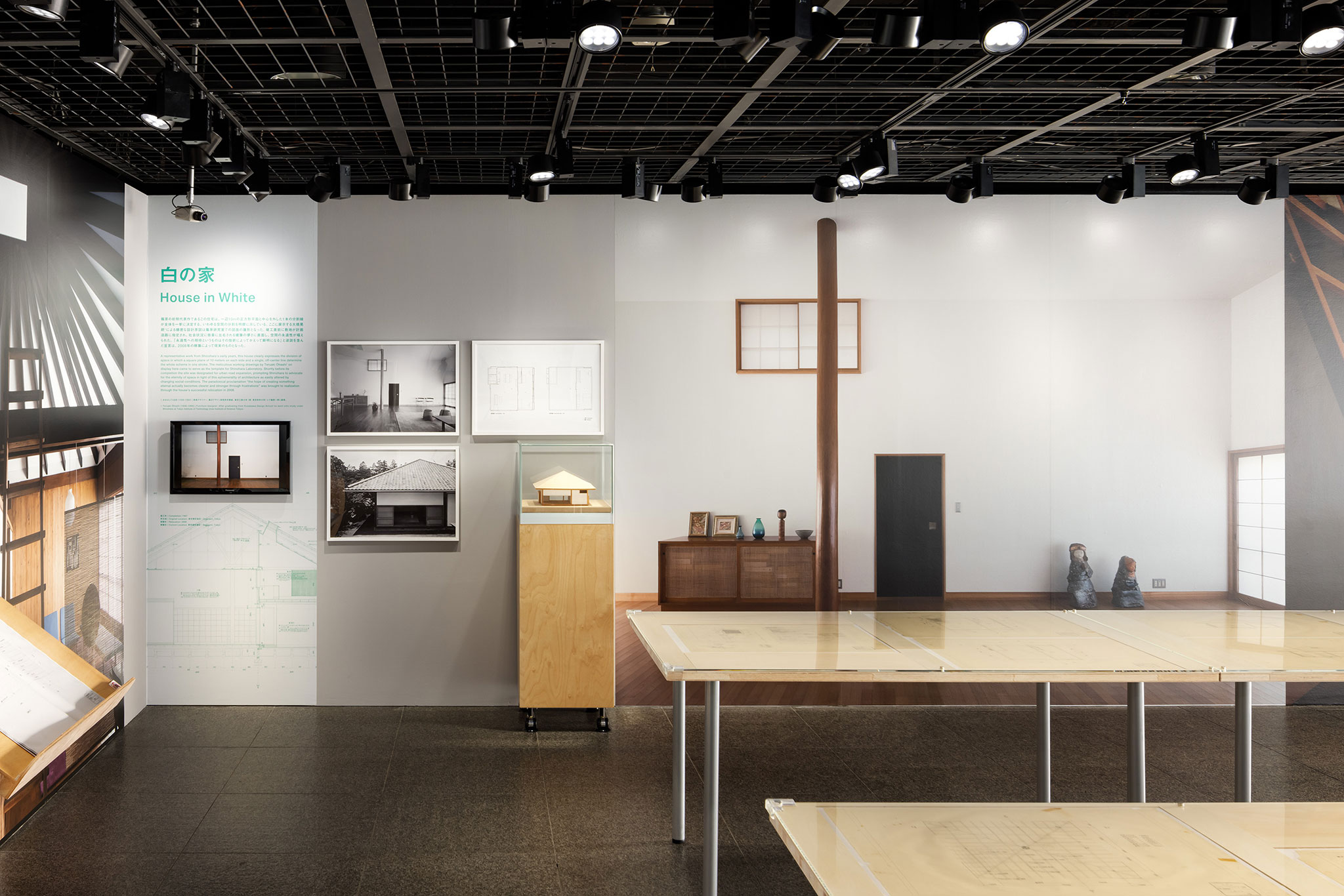
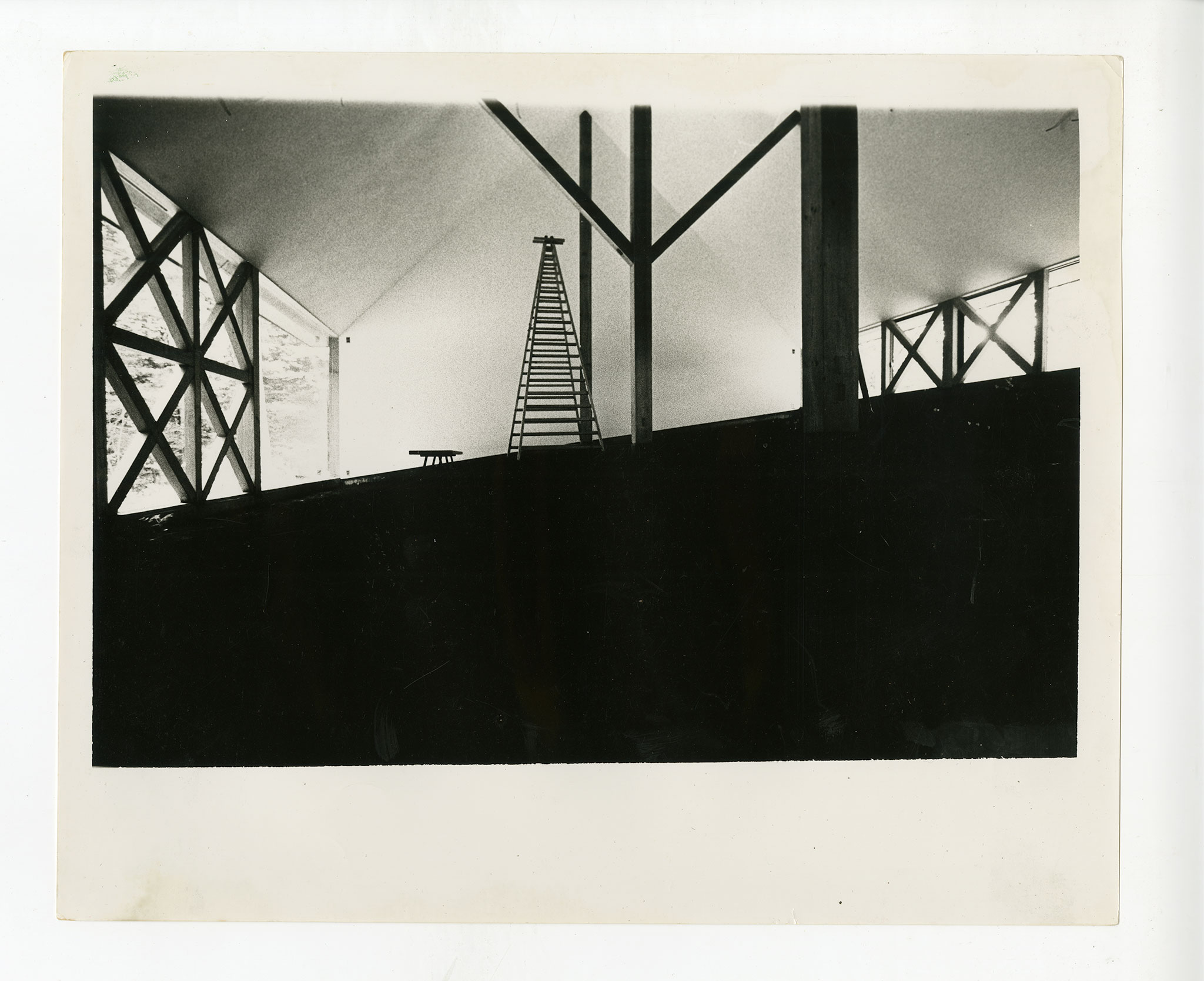
GALLERY 1: "House in White" (1961). Photograph by Nacása & Partners Inc.
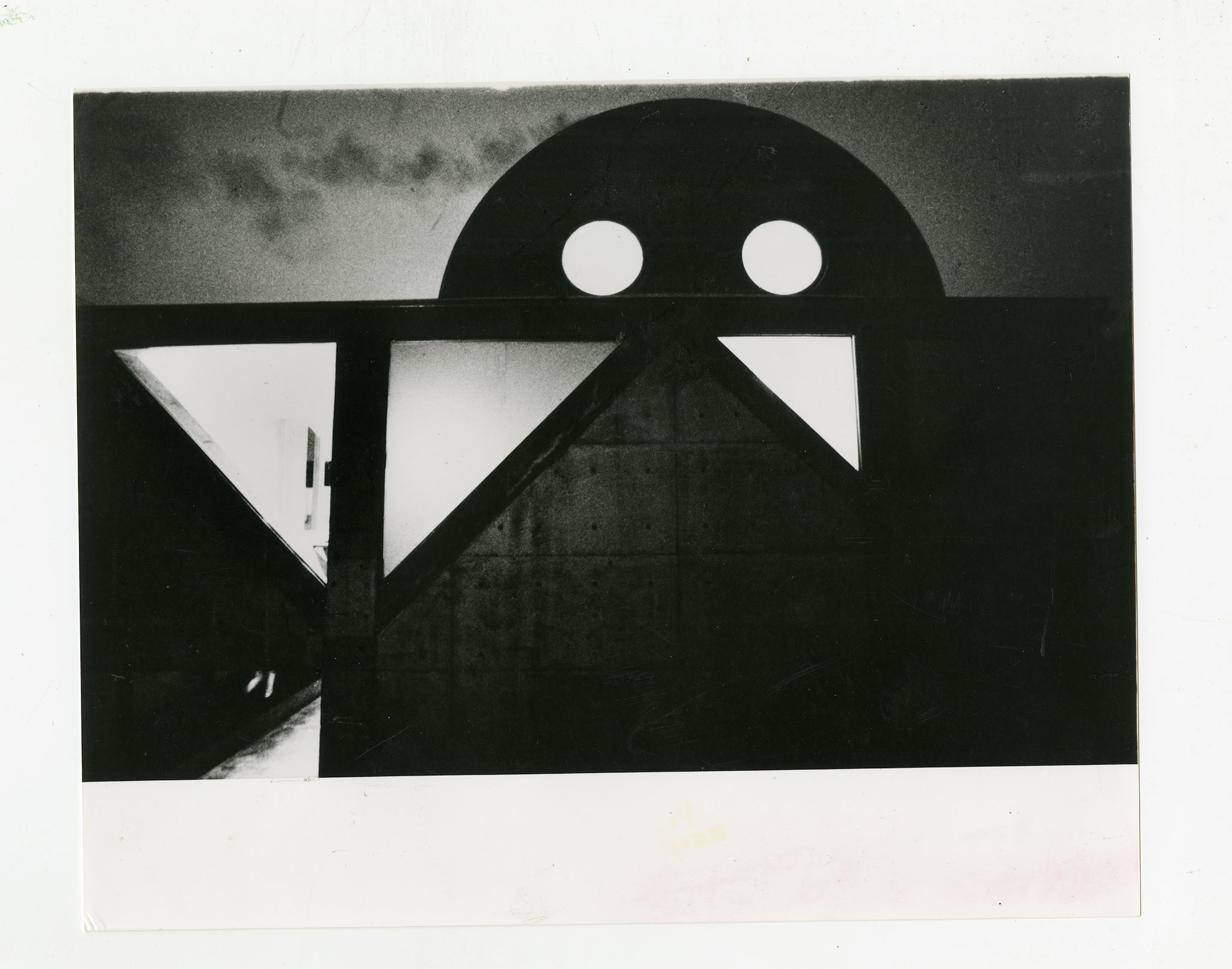
The Japanese architect dedicated much of his career to the development of small houses. Considered "a work of art," a pinnacle of Japanese residential design, Shinohara's houses are experiencing a period of resurgence both in Japan and abroad.
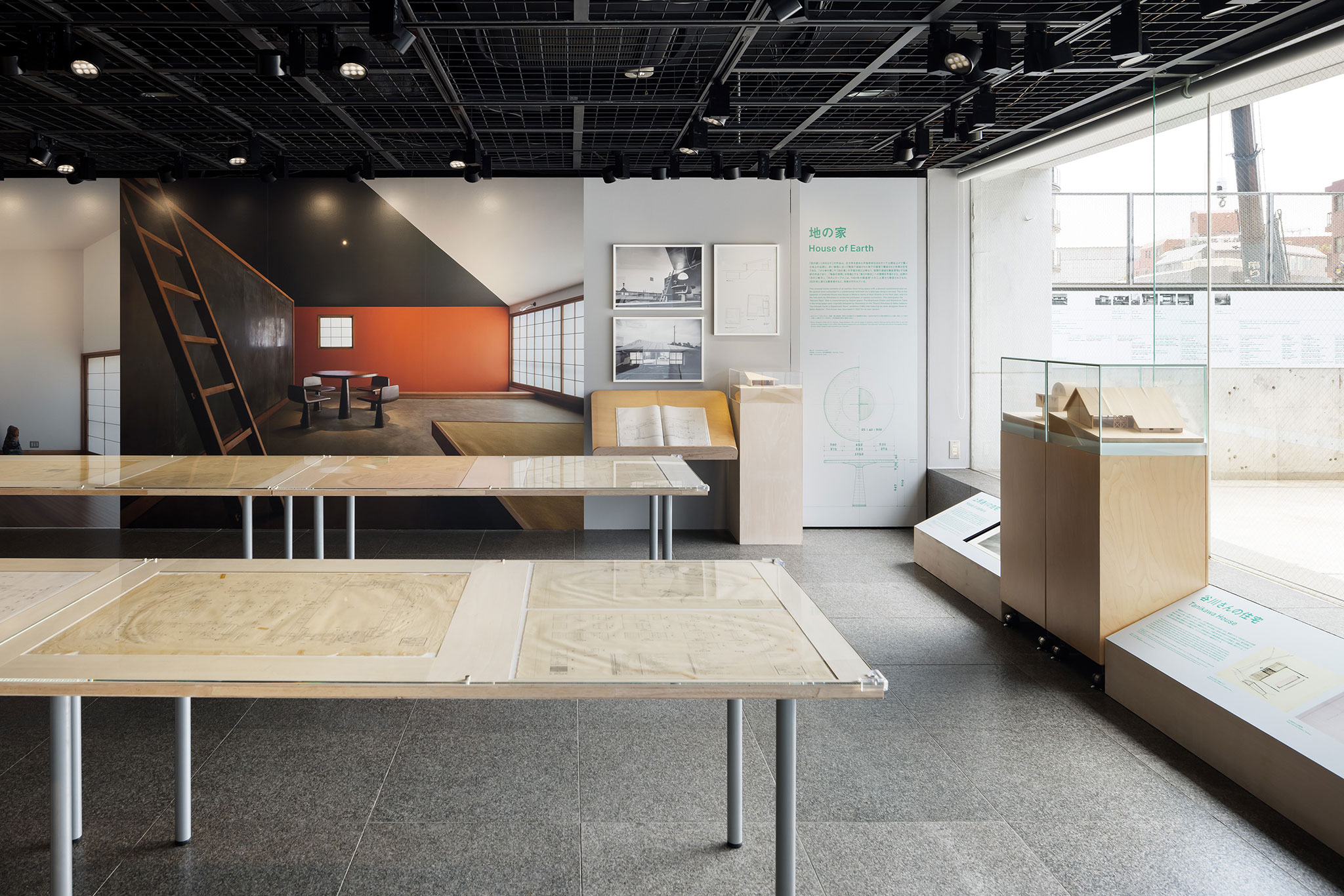
In line with this proclamation, one of his early masterpieces, the Umbrella House (1961), was published and relocated and resurrected in 2022 on the Vitra campus in Weil am Rhein, Germany, just outside Basel. The White House (1966), the Earth House (1966), and the Tanikawa House (1974) have been preserved through renovations or even relocations.
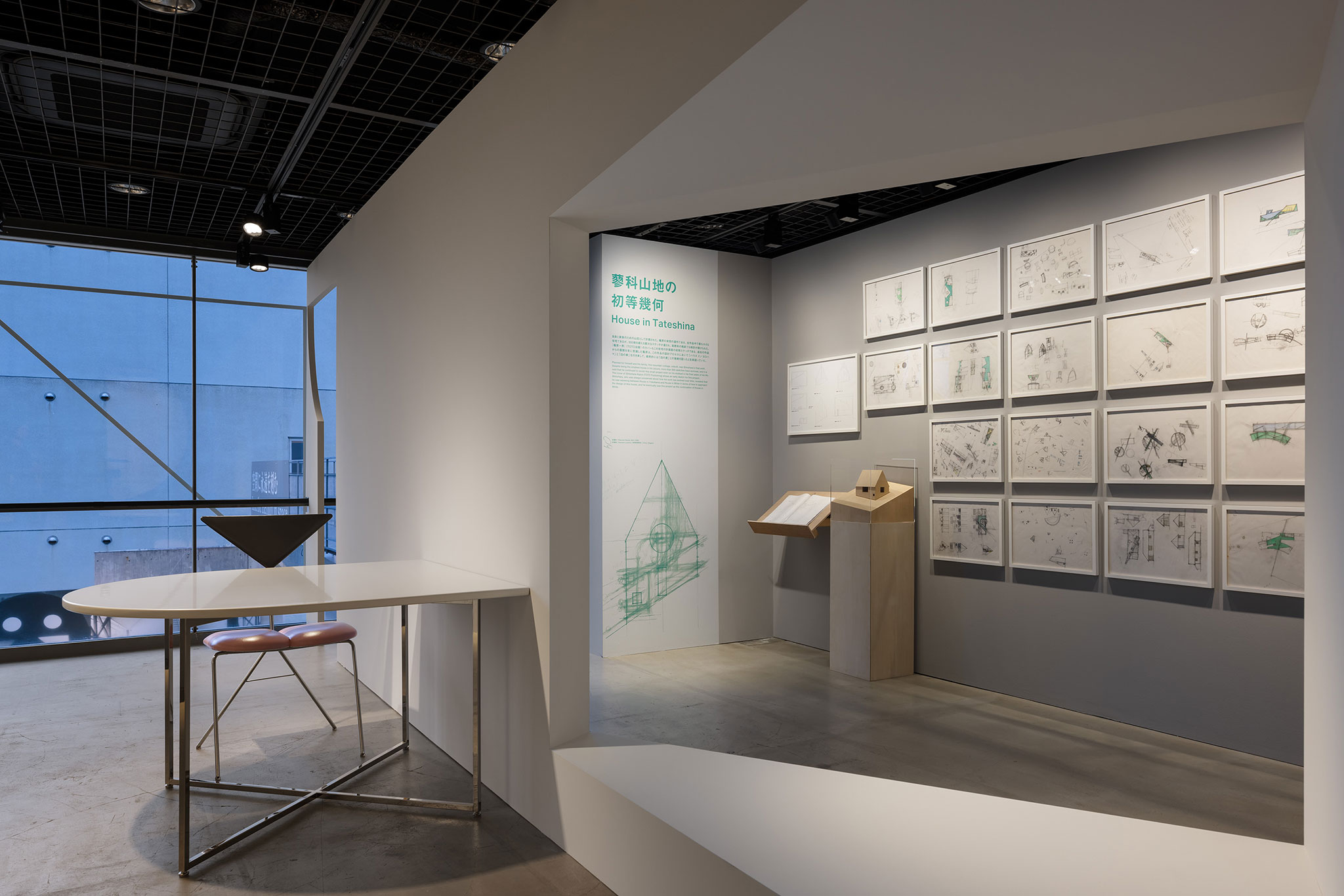
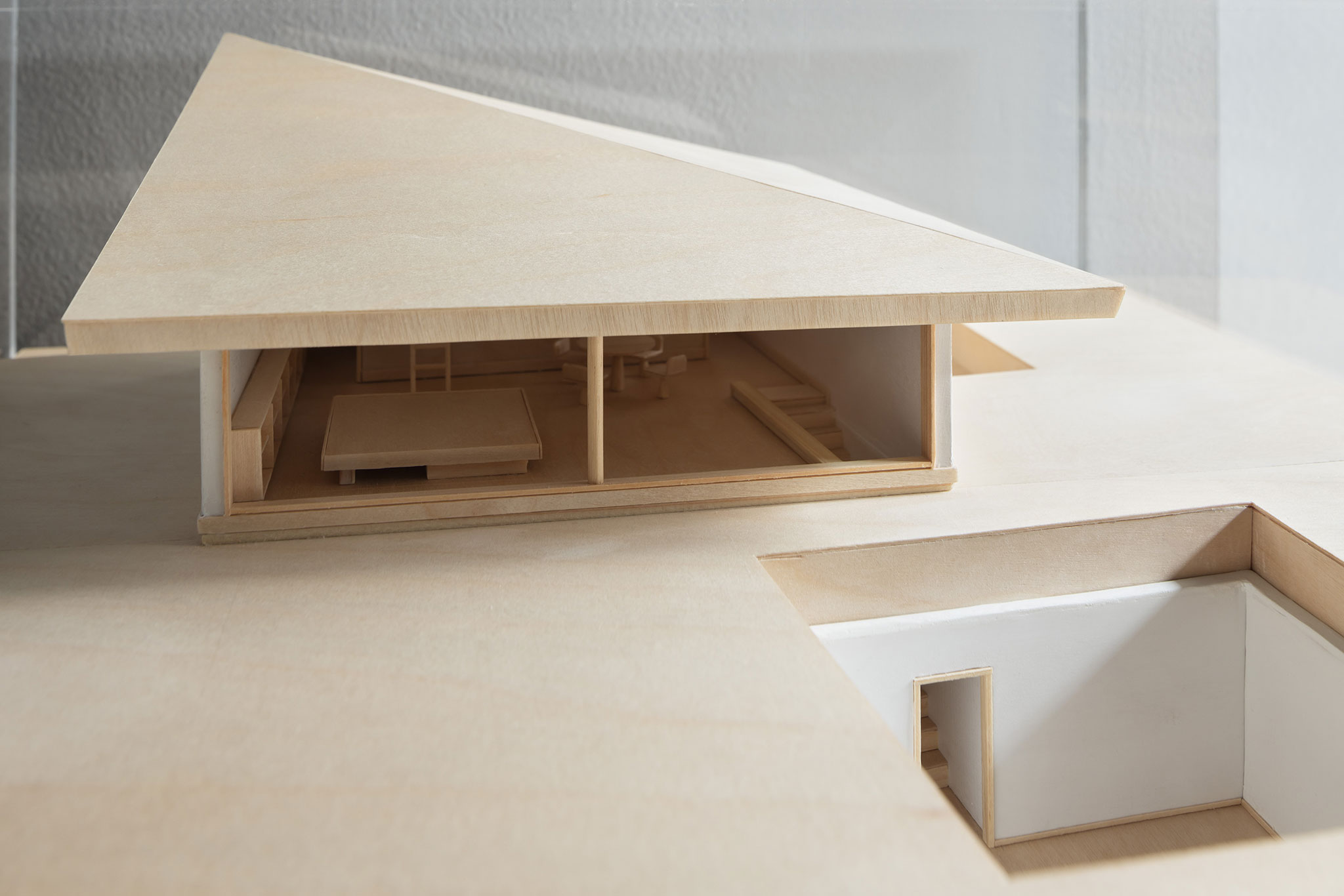
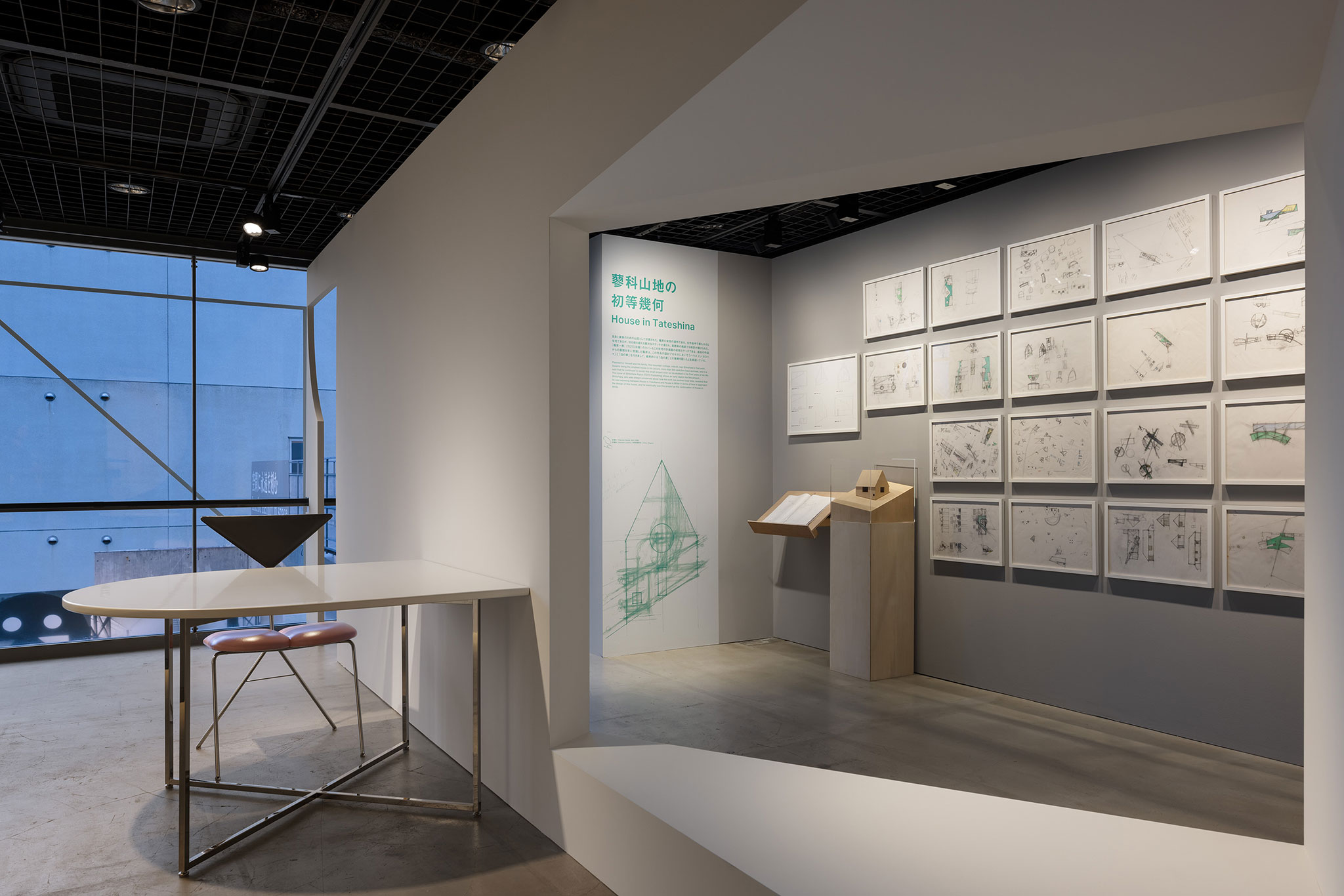
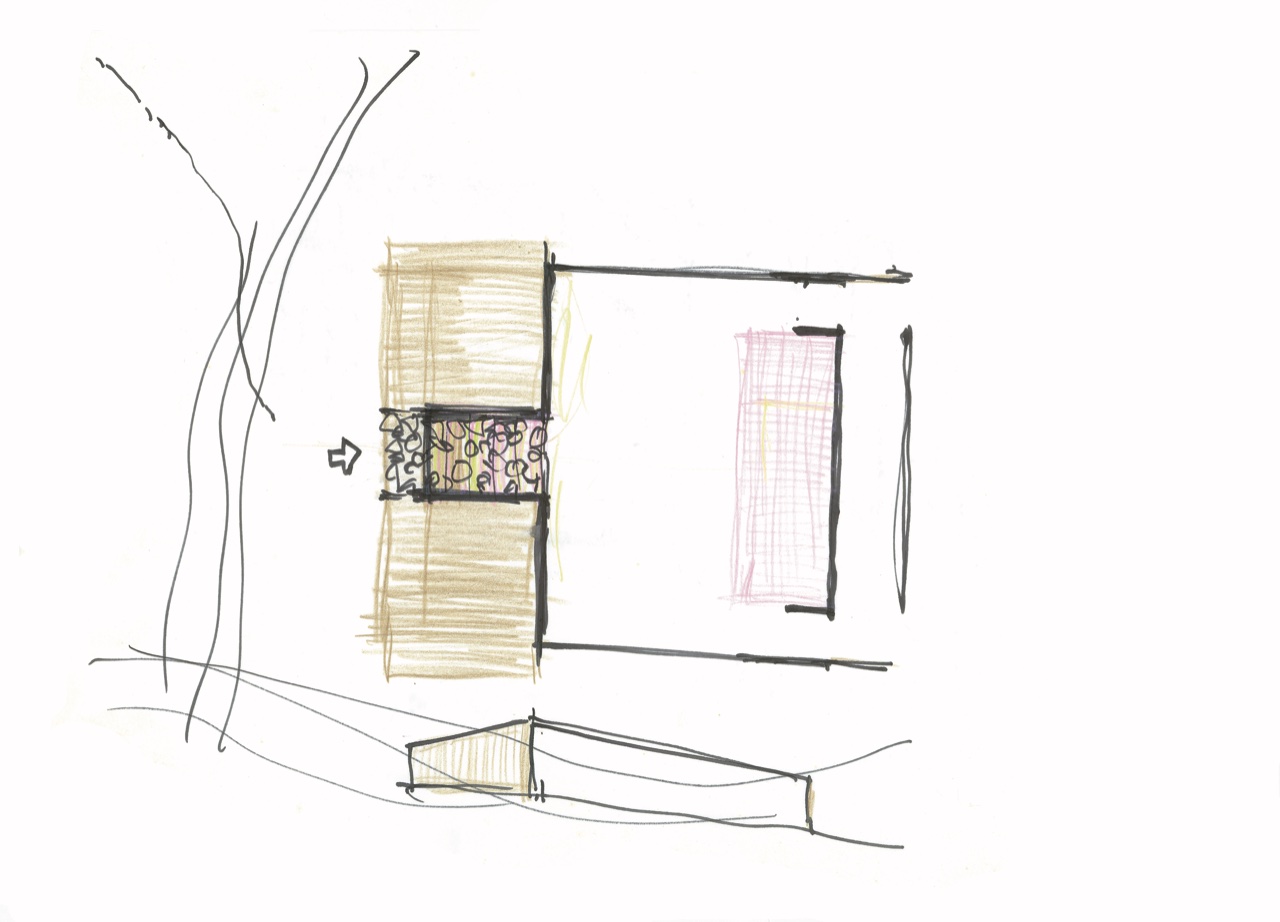
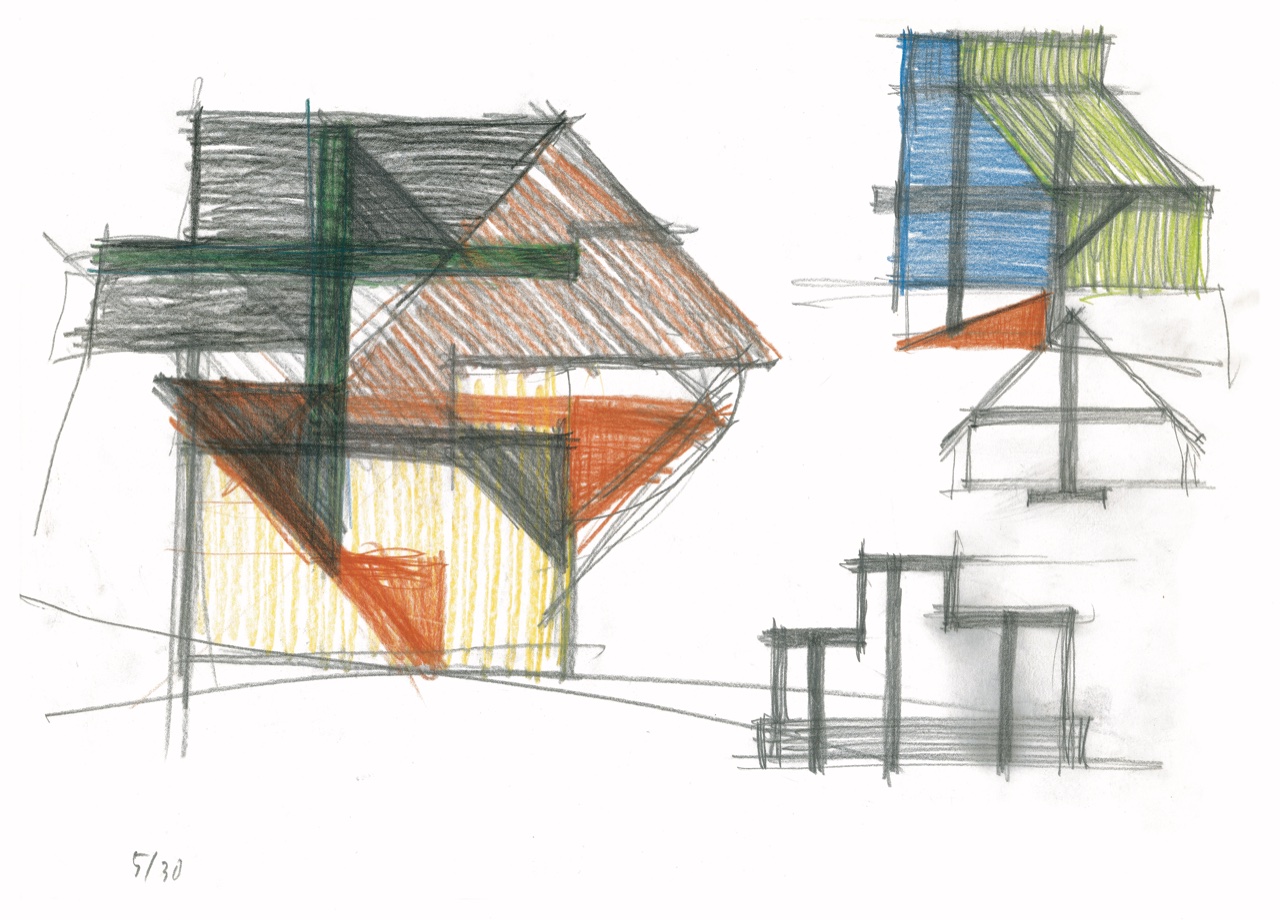
GALLERY 2: Sketches of "House in Tateshina" (unbuilt) seen from the bay window of "House in Yokohama". Photograph by Nacása & Partners Inc.
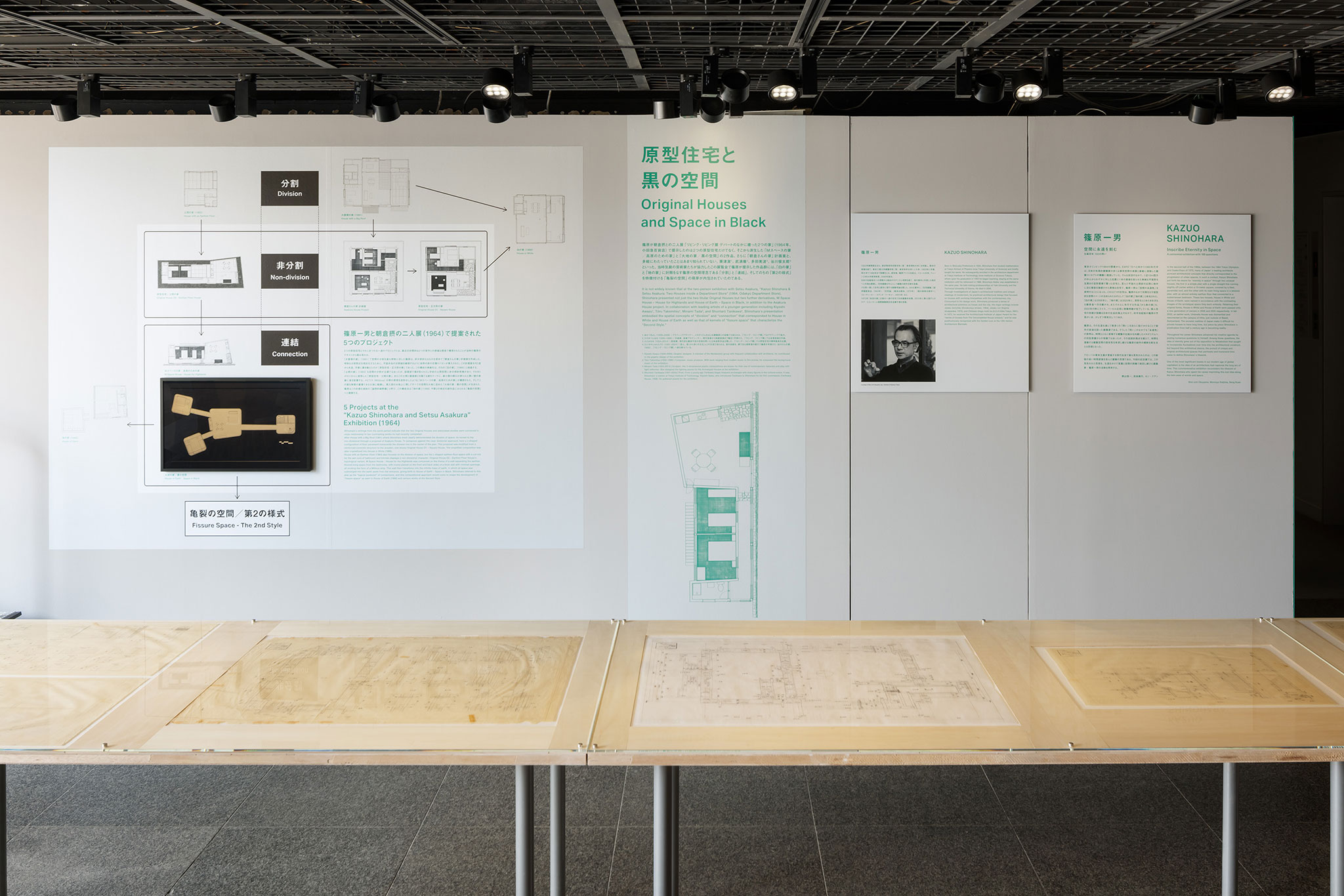
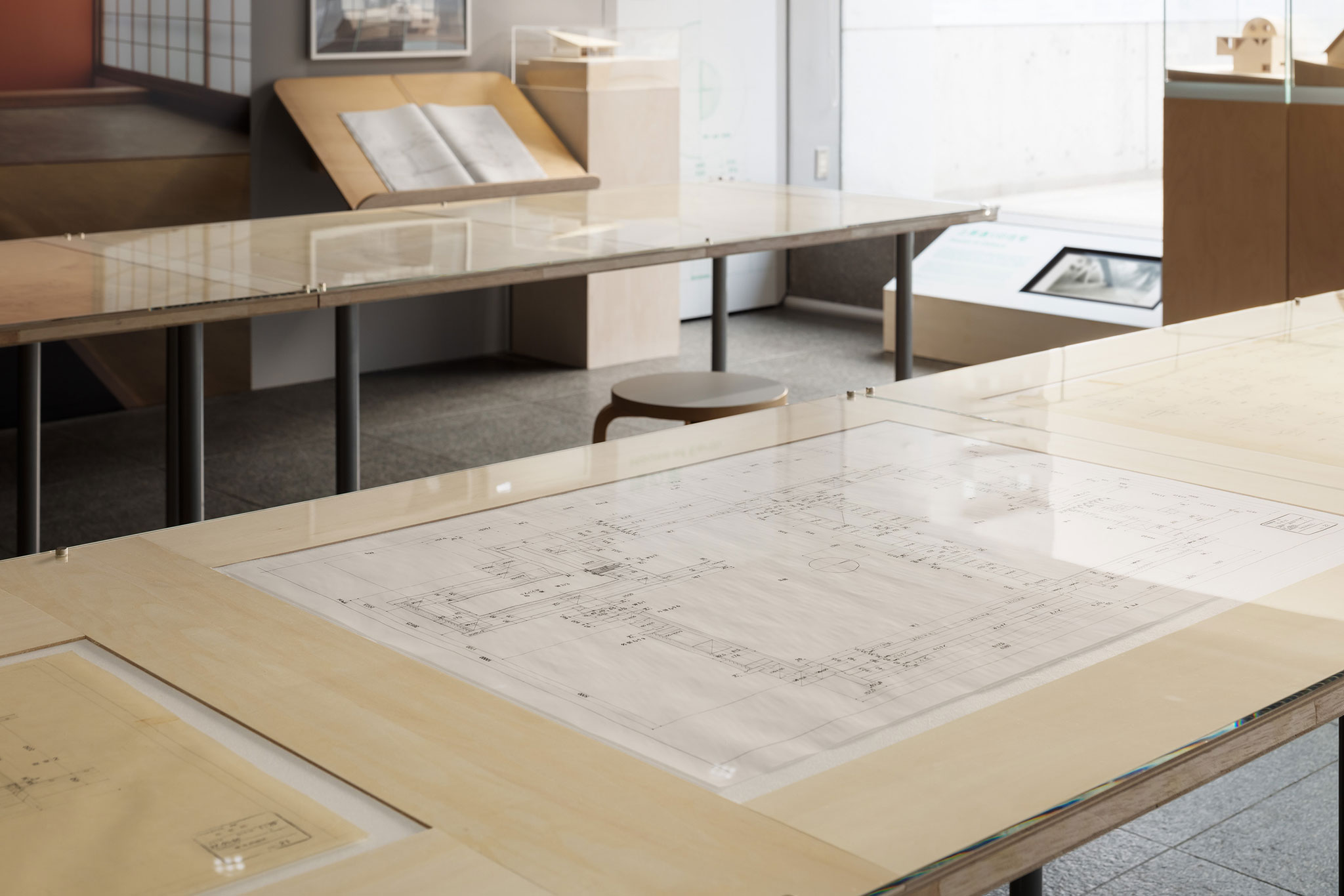
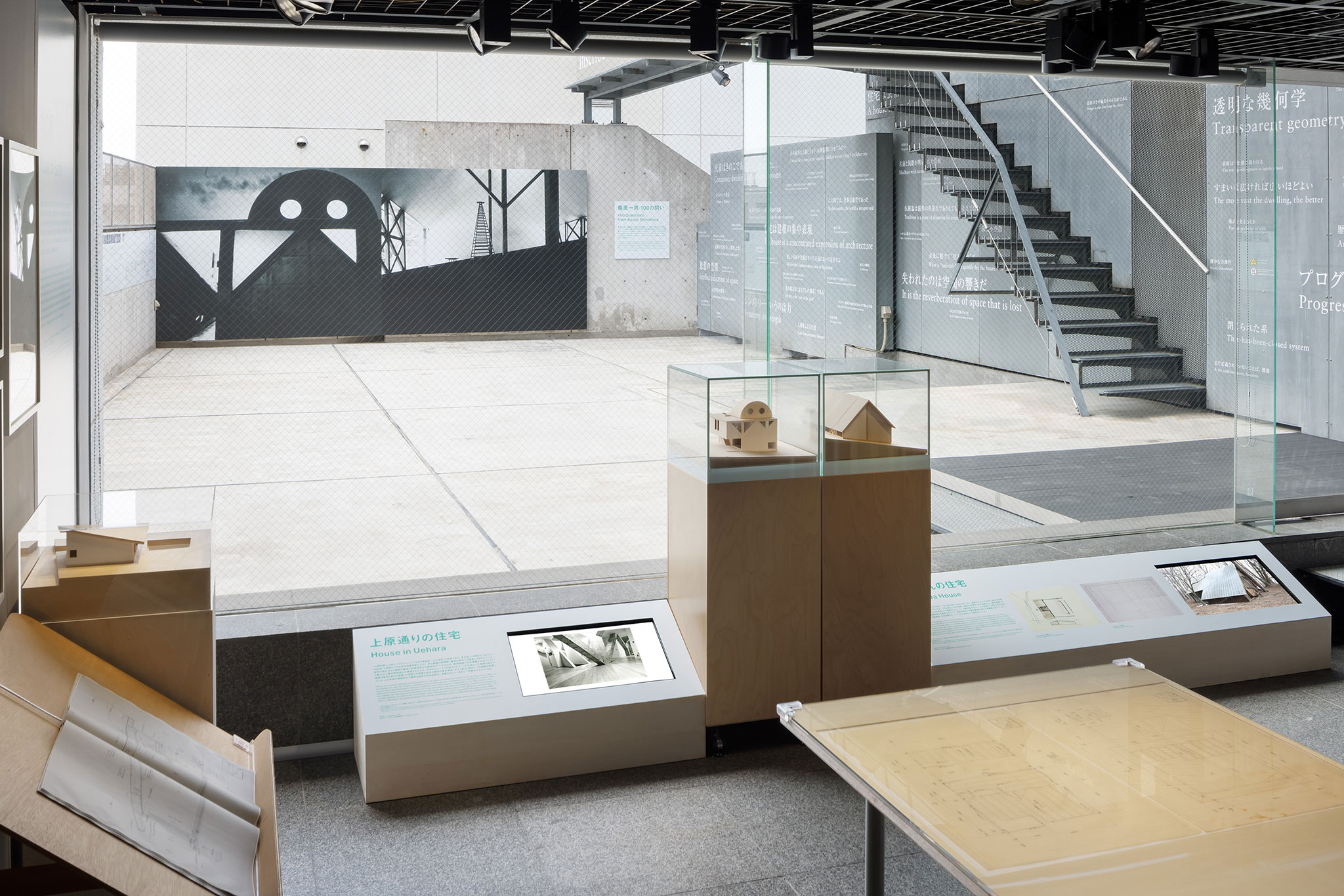
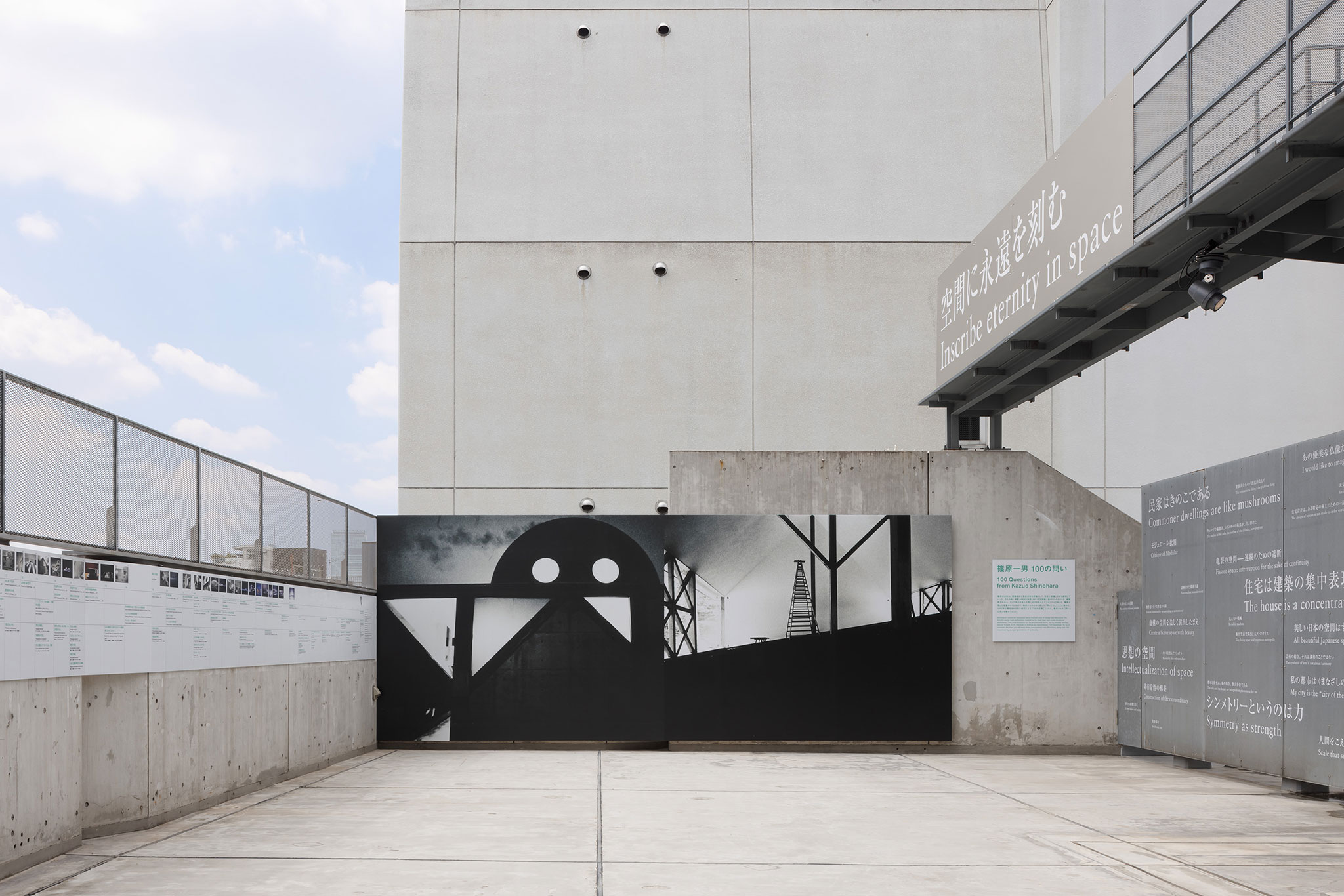
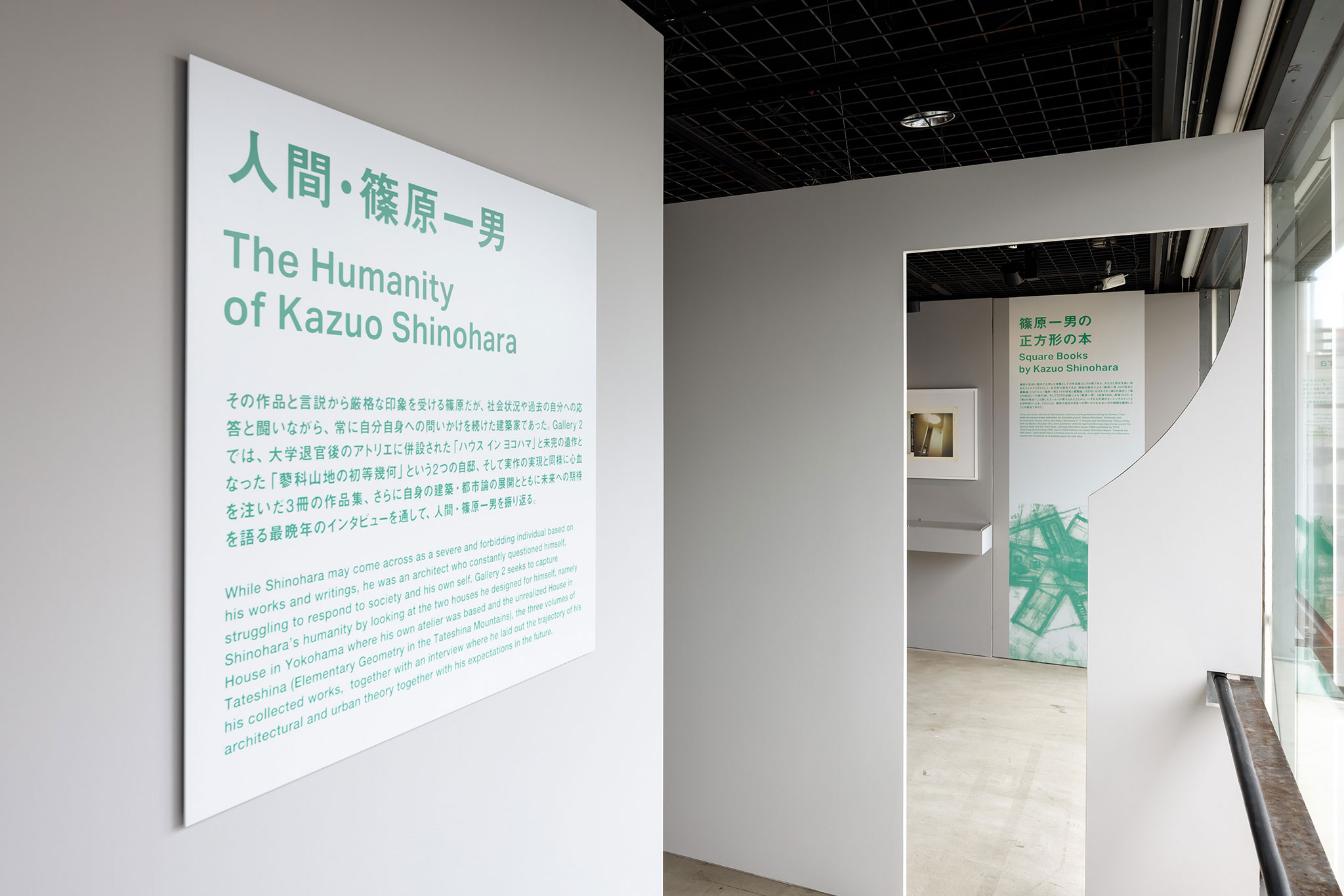
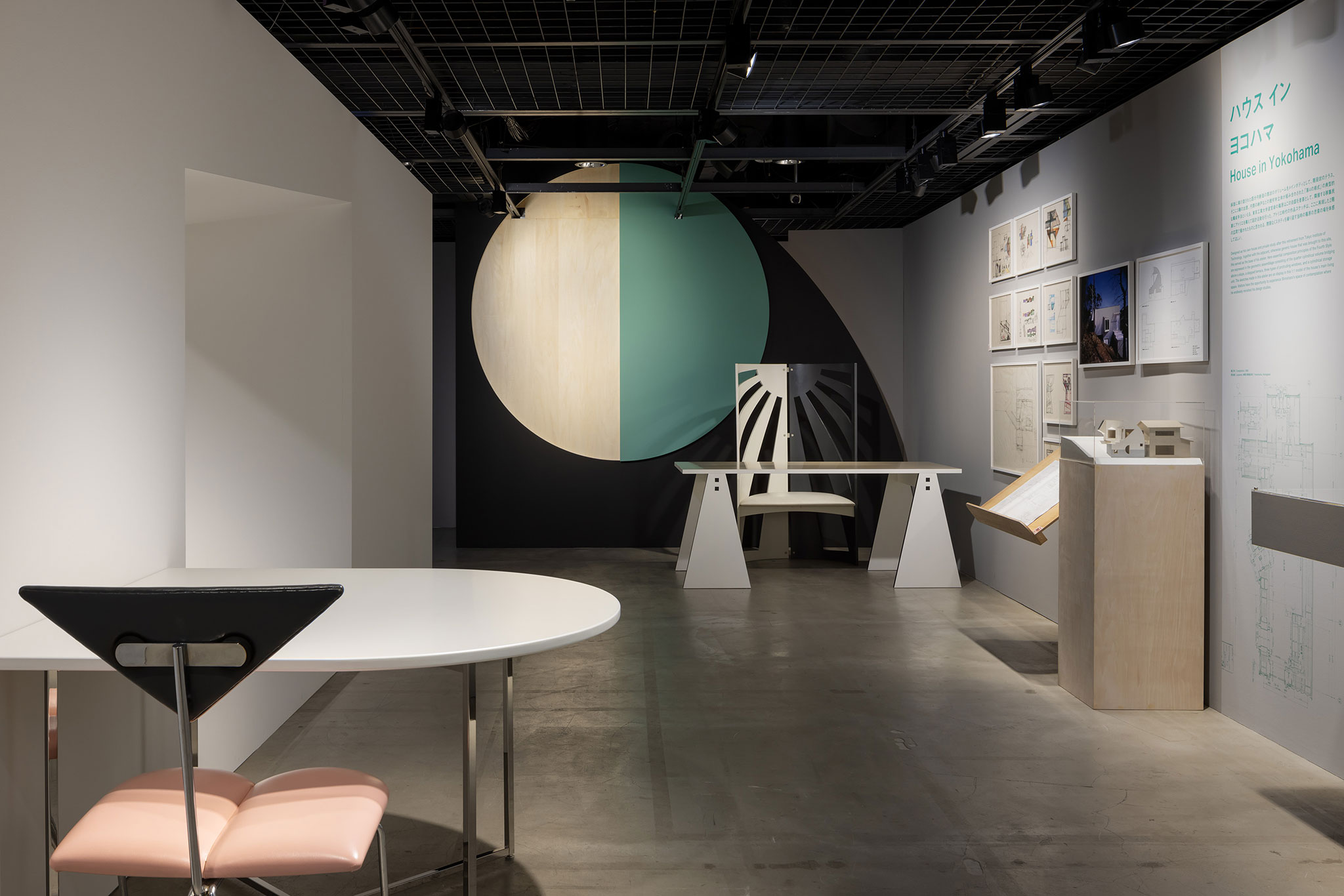
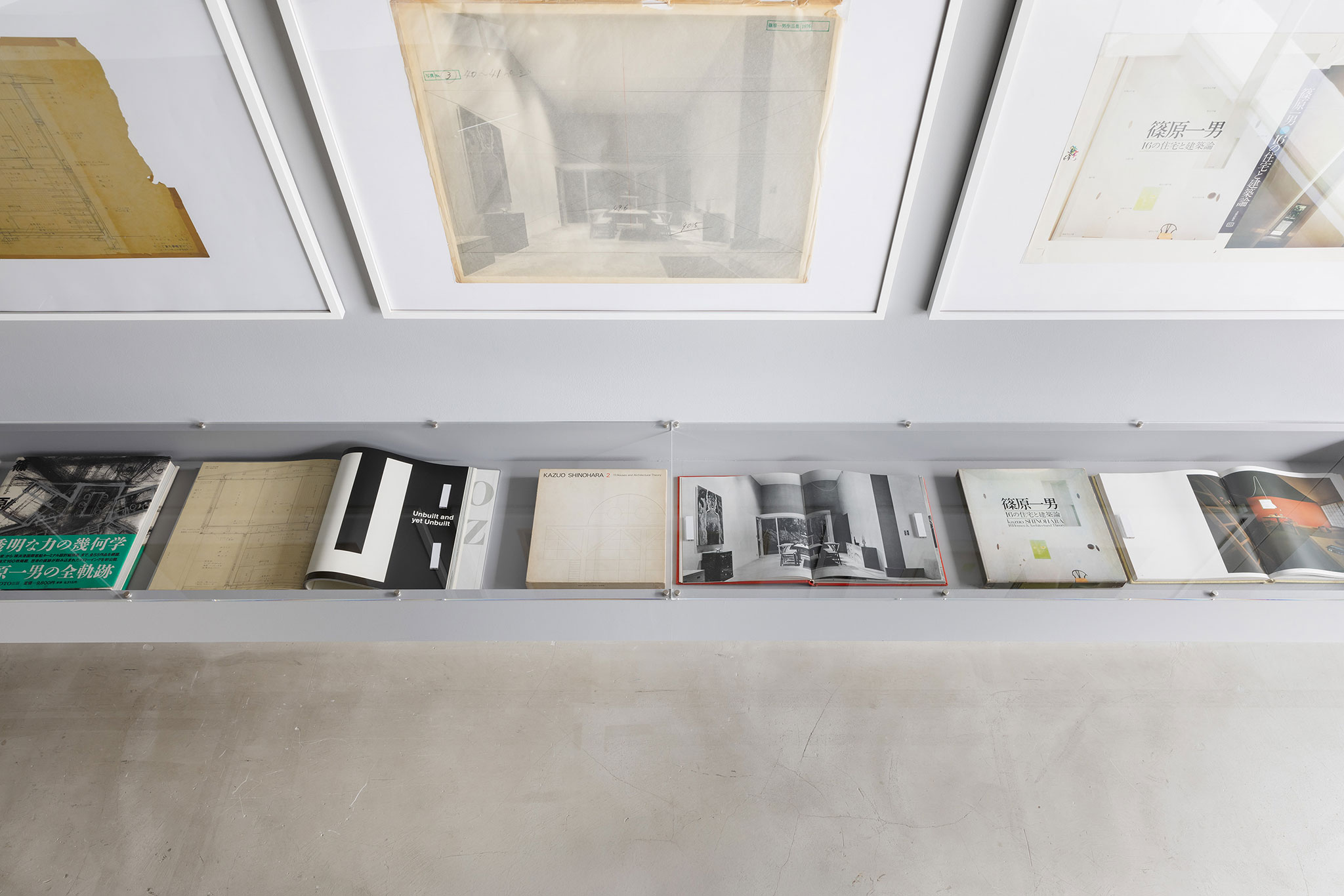
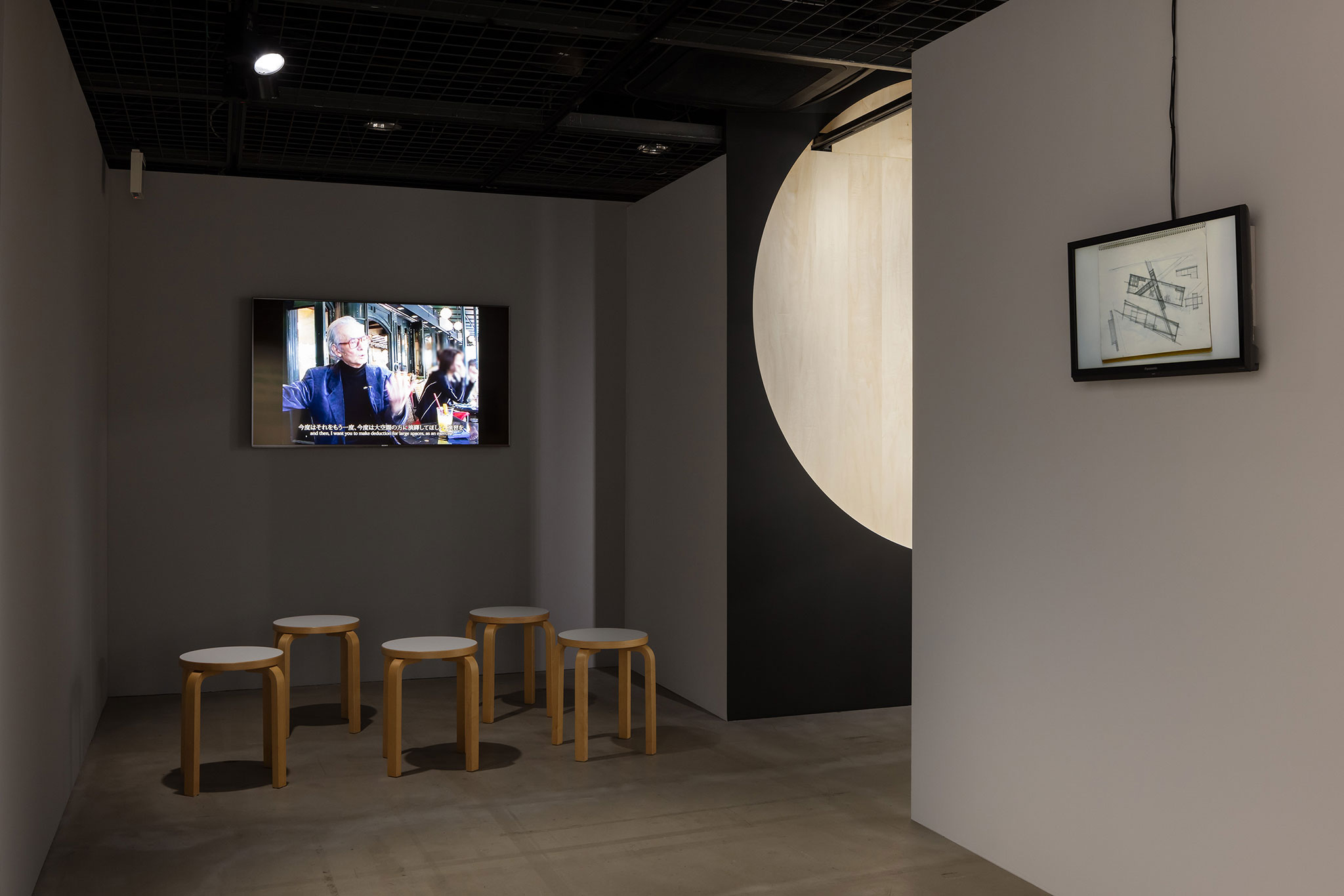
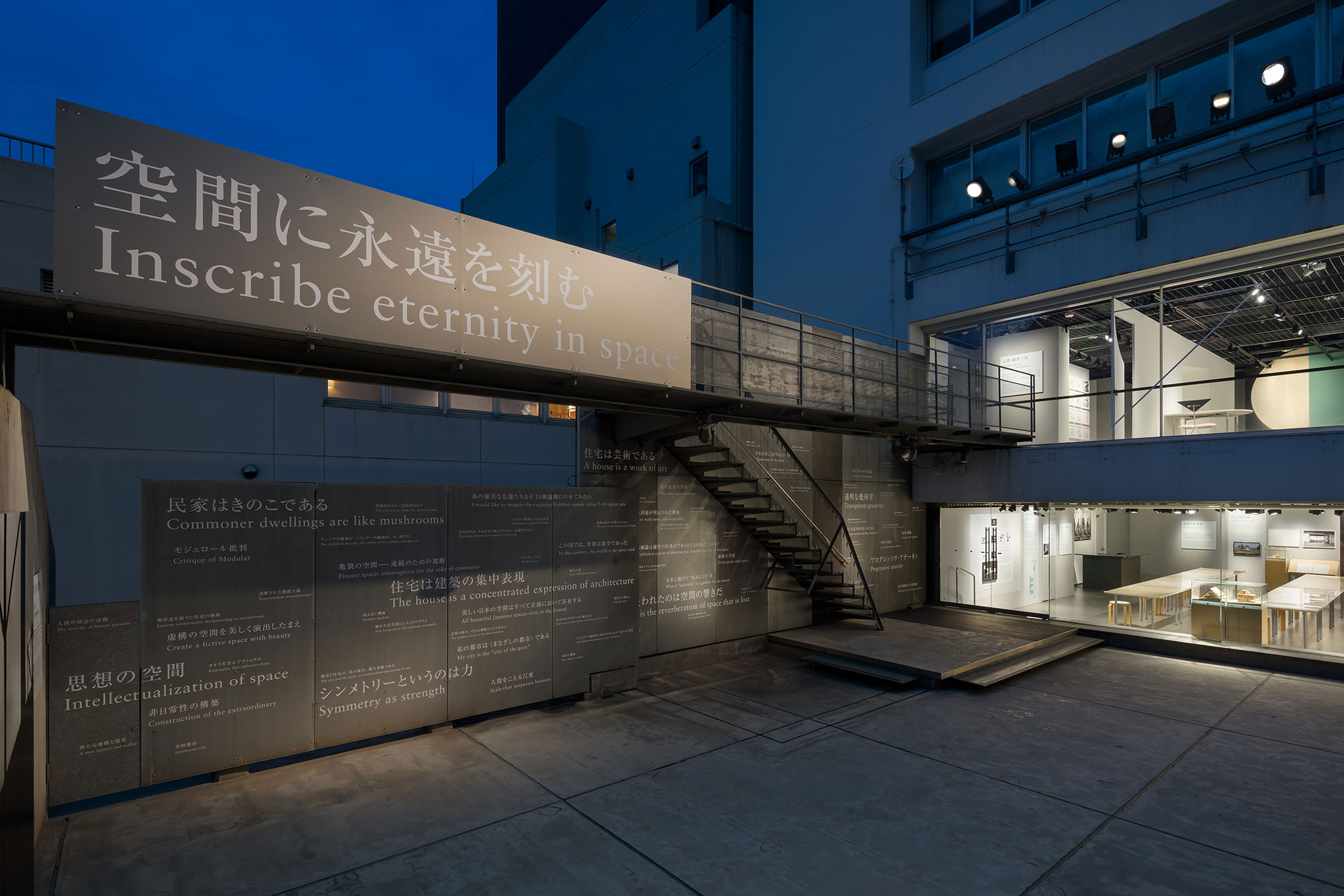
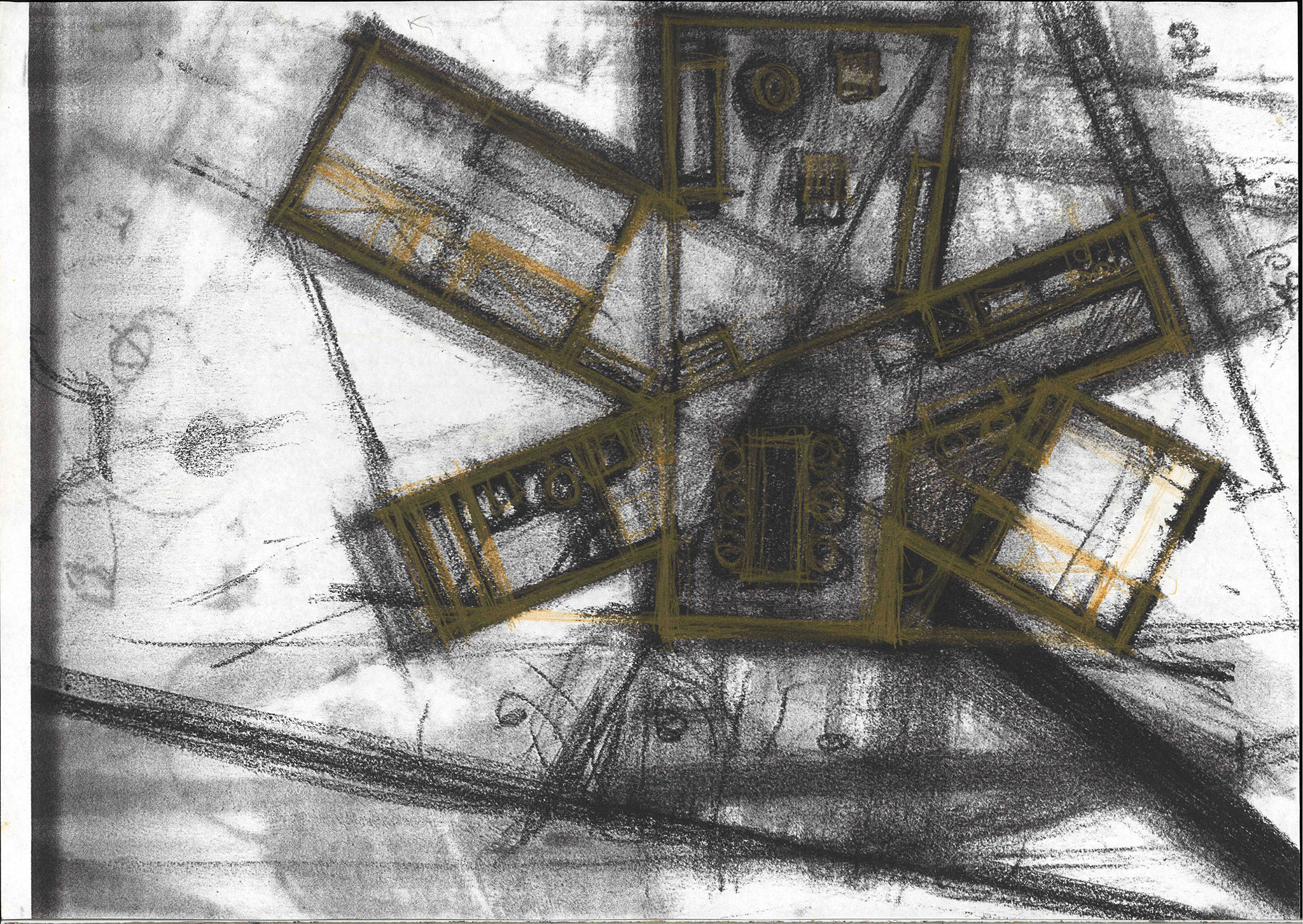
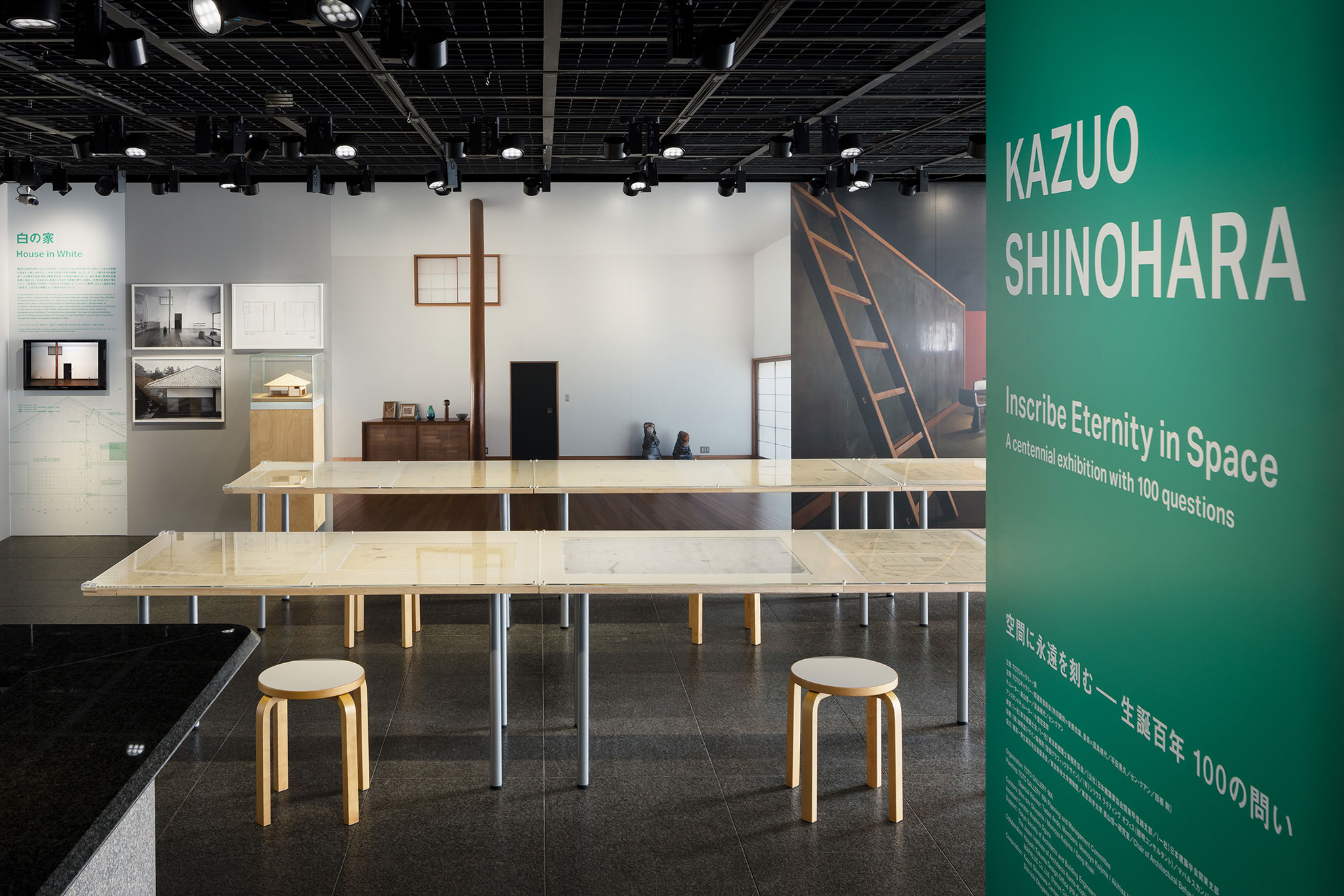
The exhibition, held by TOTO GALLERY MA in Tokyo, featured original objects such as drawings, models, sketches, and furniture produced by the Shinohara Laboratory. Through 100 questions drawn from Shinohara's writings, the exhibition explored the author's own described trajectory from the First Style to the Fourth Style, revealing new insights into his professional activities and Shinohara as a person.
The exhibition, intended to contribute to the transmission of Shinohara's legacy to future generations, was completed with sketches of Shinohara's unfinished work, such as the House in Tateshina (2006, study), which illustrate and anticipate a possible Fifth Style.