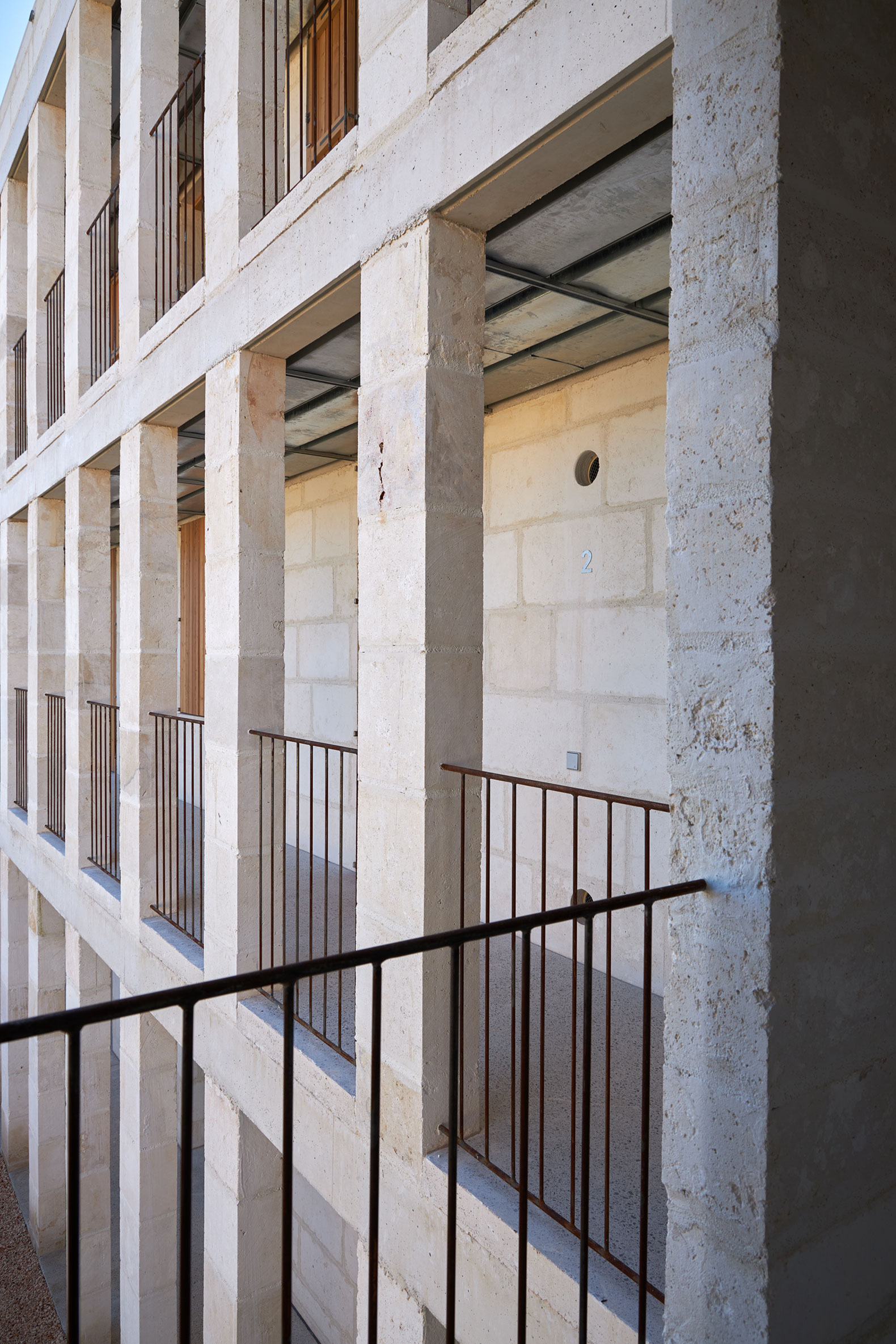
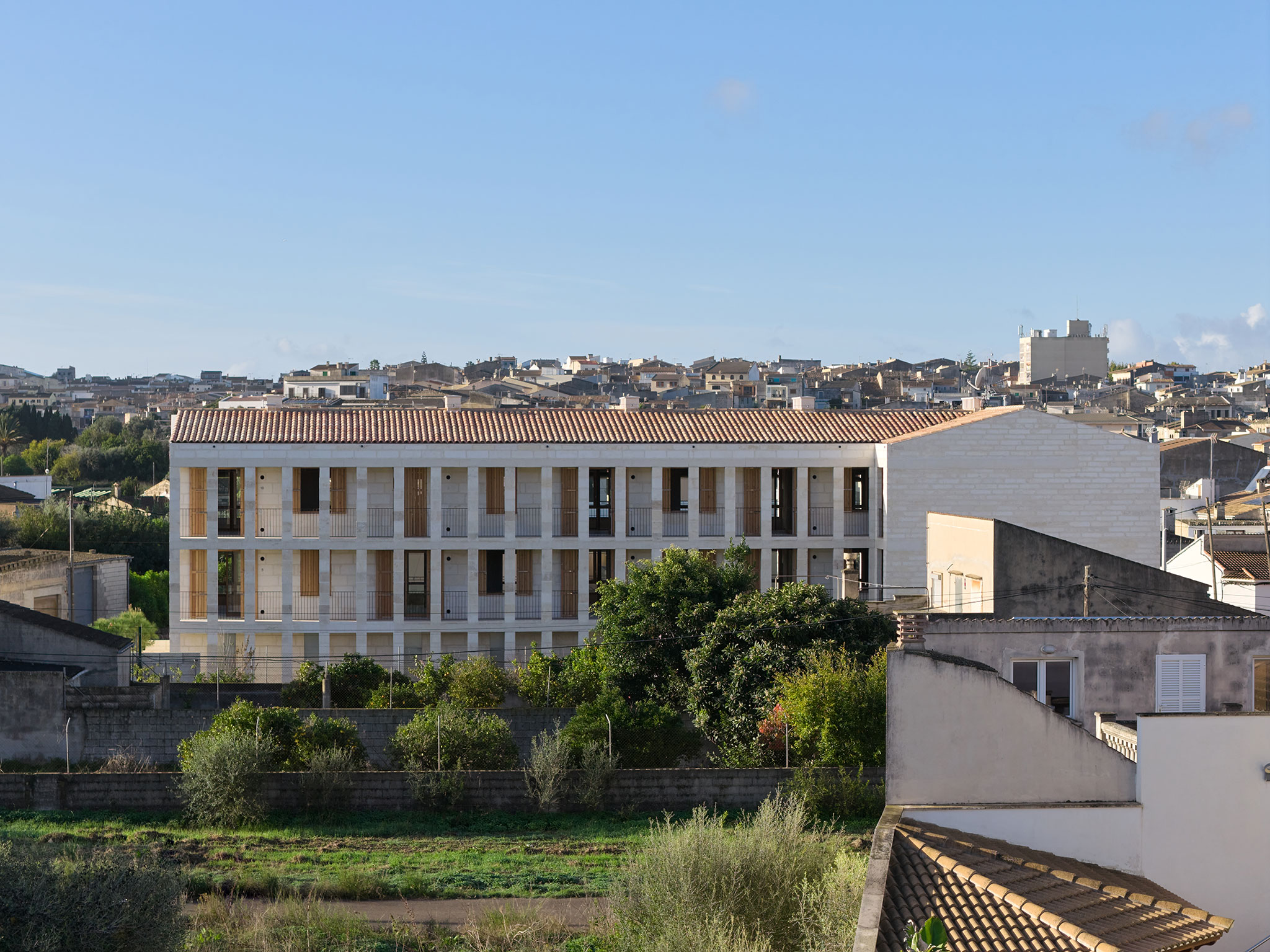
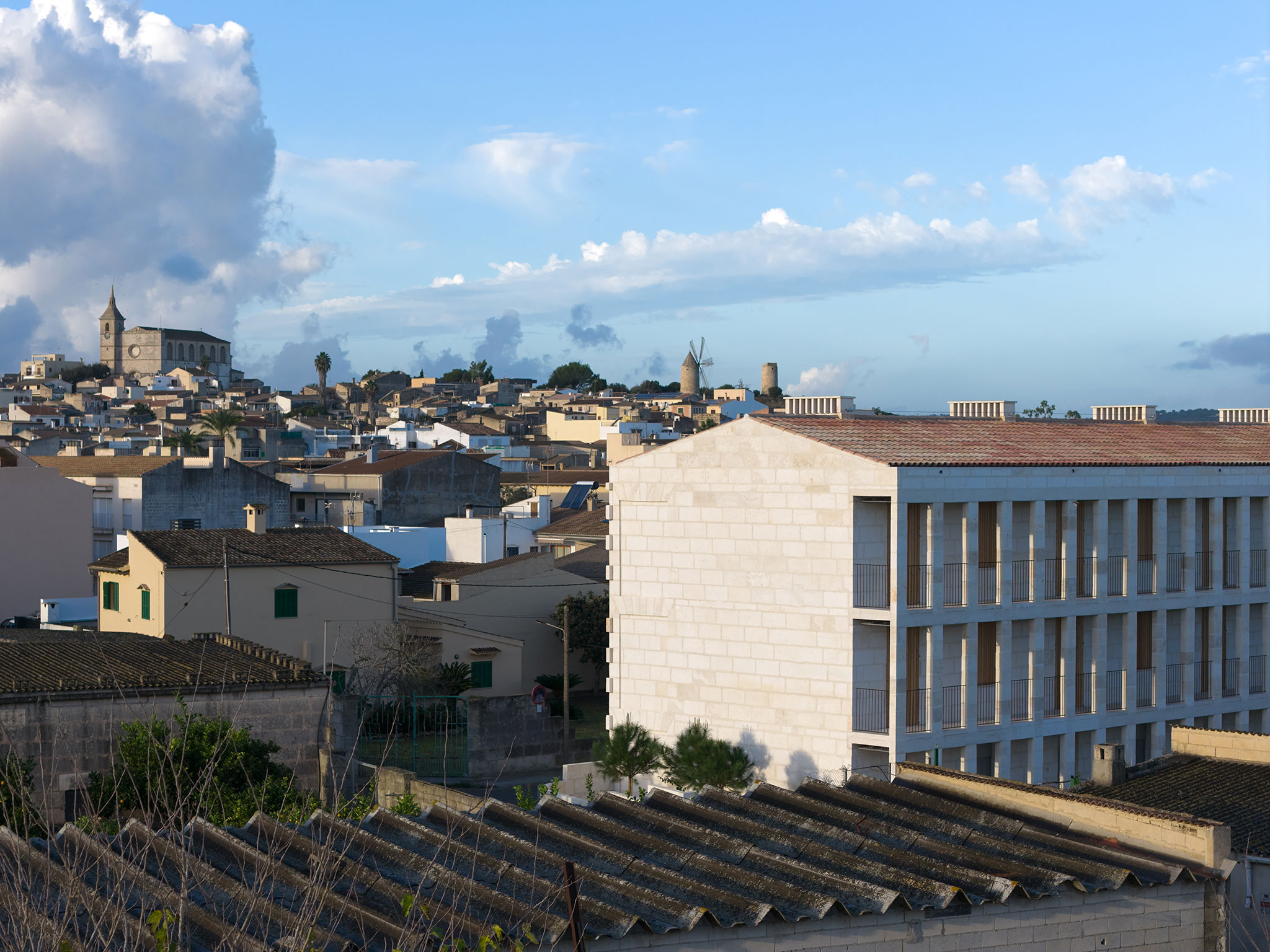
"10 VPP" is a building for IBAVI (Balearic Housing Institute) comprising 10 social housing units and 10 multipurpose spaces, designed by Javier Gavín, Juan Moreno, Siddartha Rodrigo, and DATAAE in Santa Margalida, a small town in northern Mallorca, Spain.

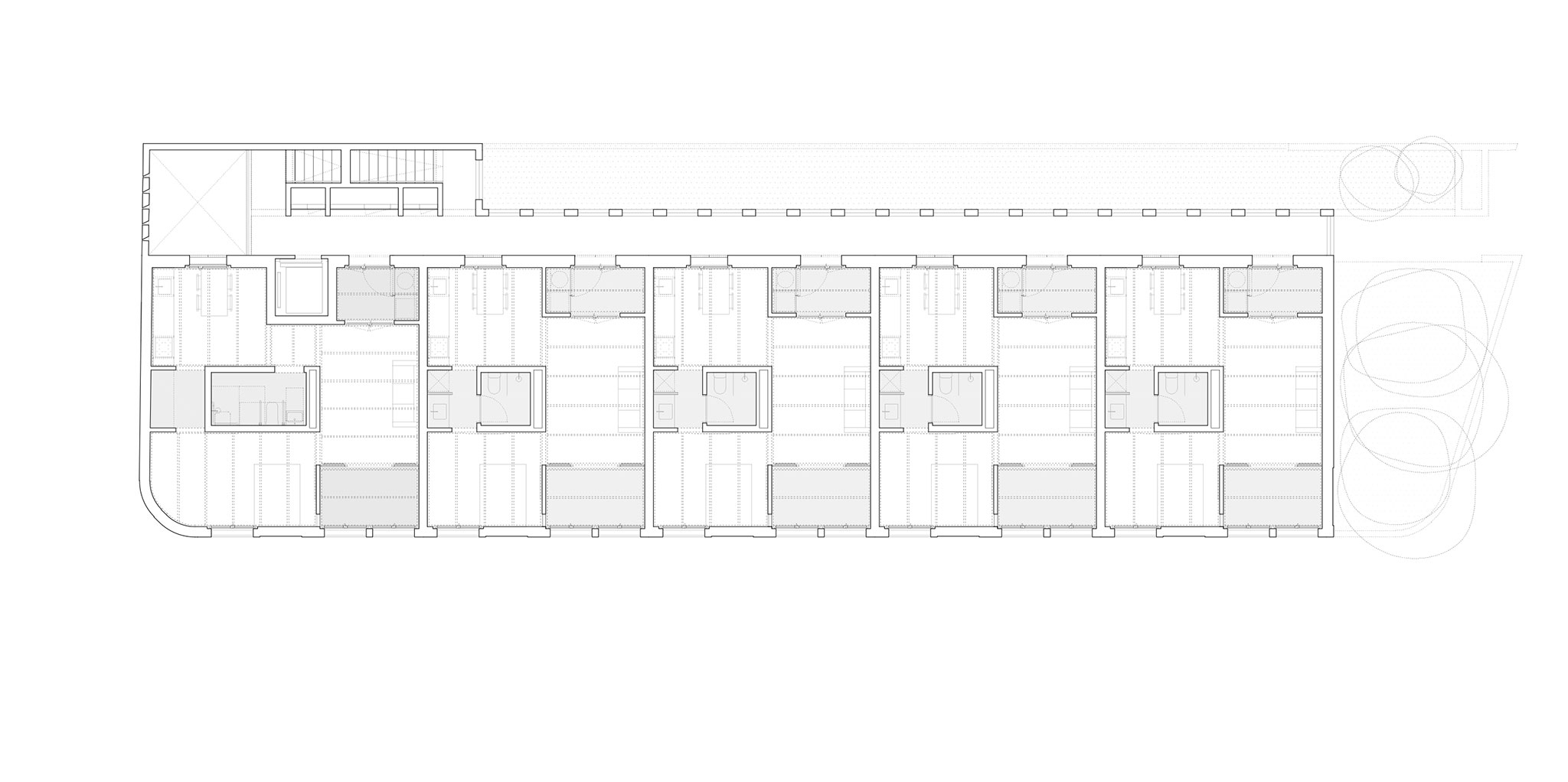
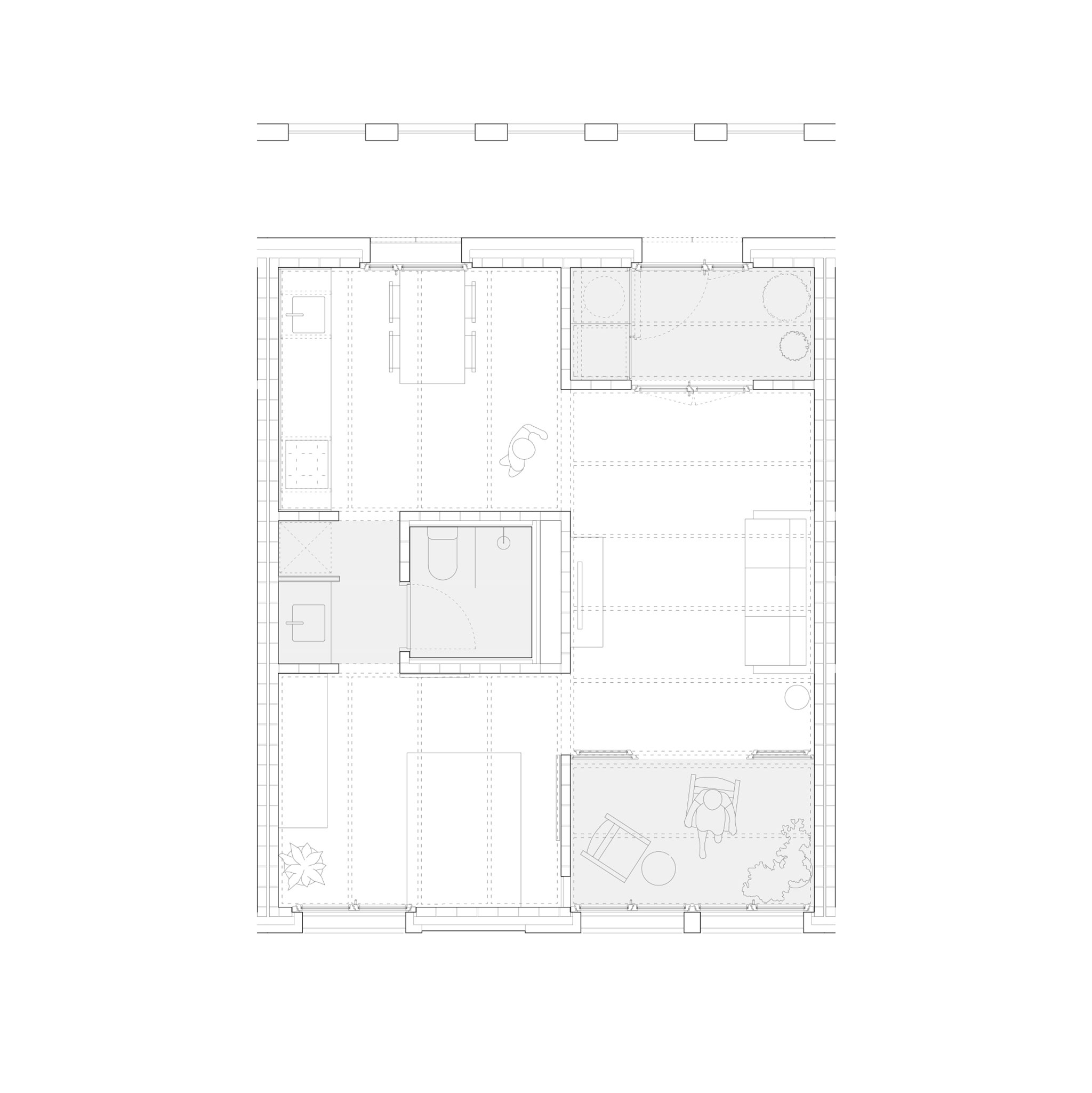
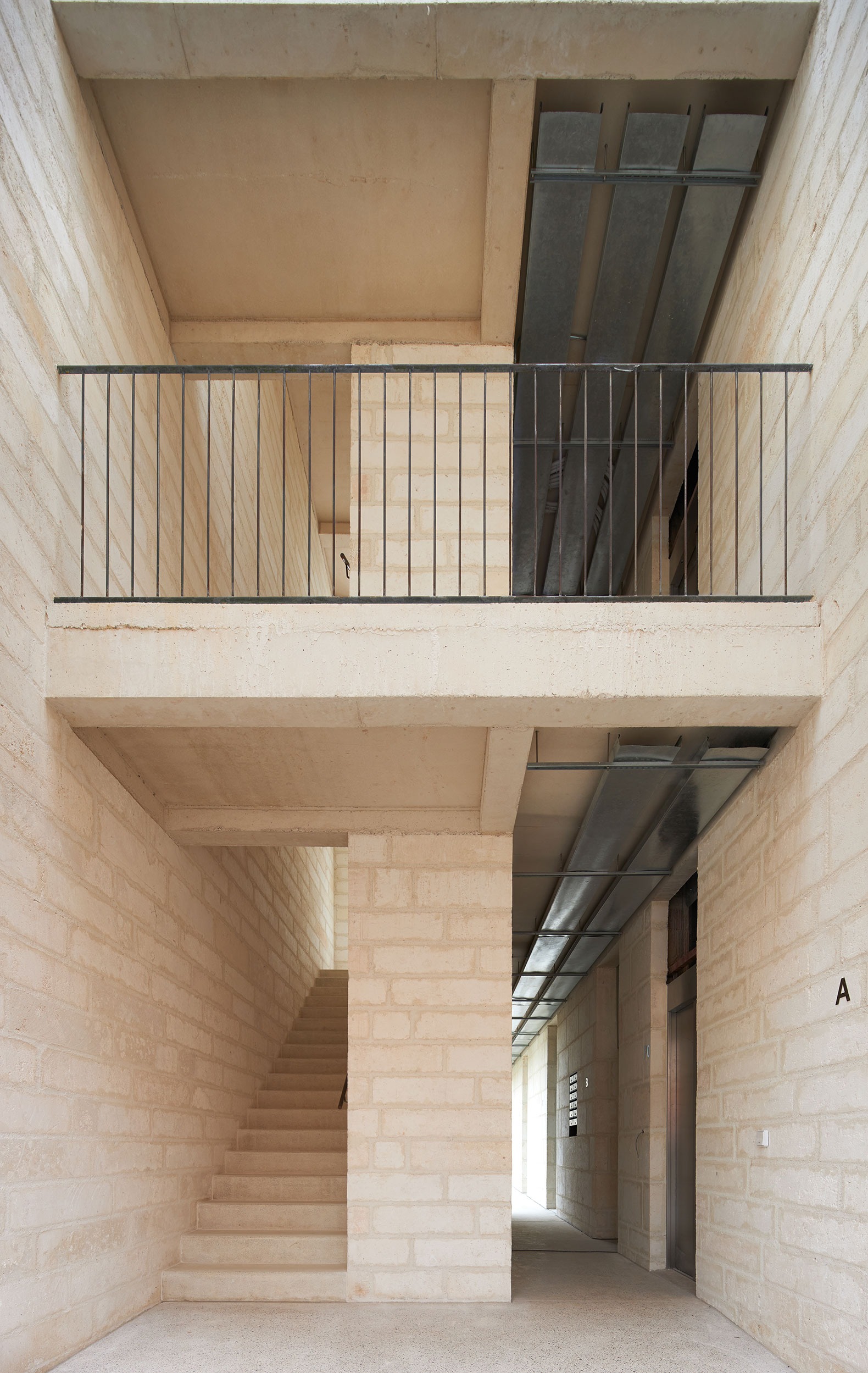
The building, constructed with local, low-impact materials, is shallow, resulting in through-unit apartments with dual orientation on the upper floors. The different apartment types are connected by a central core that creates circular circulation routes.

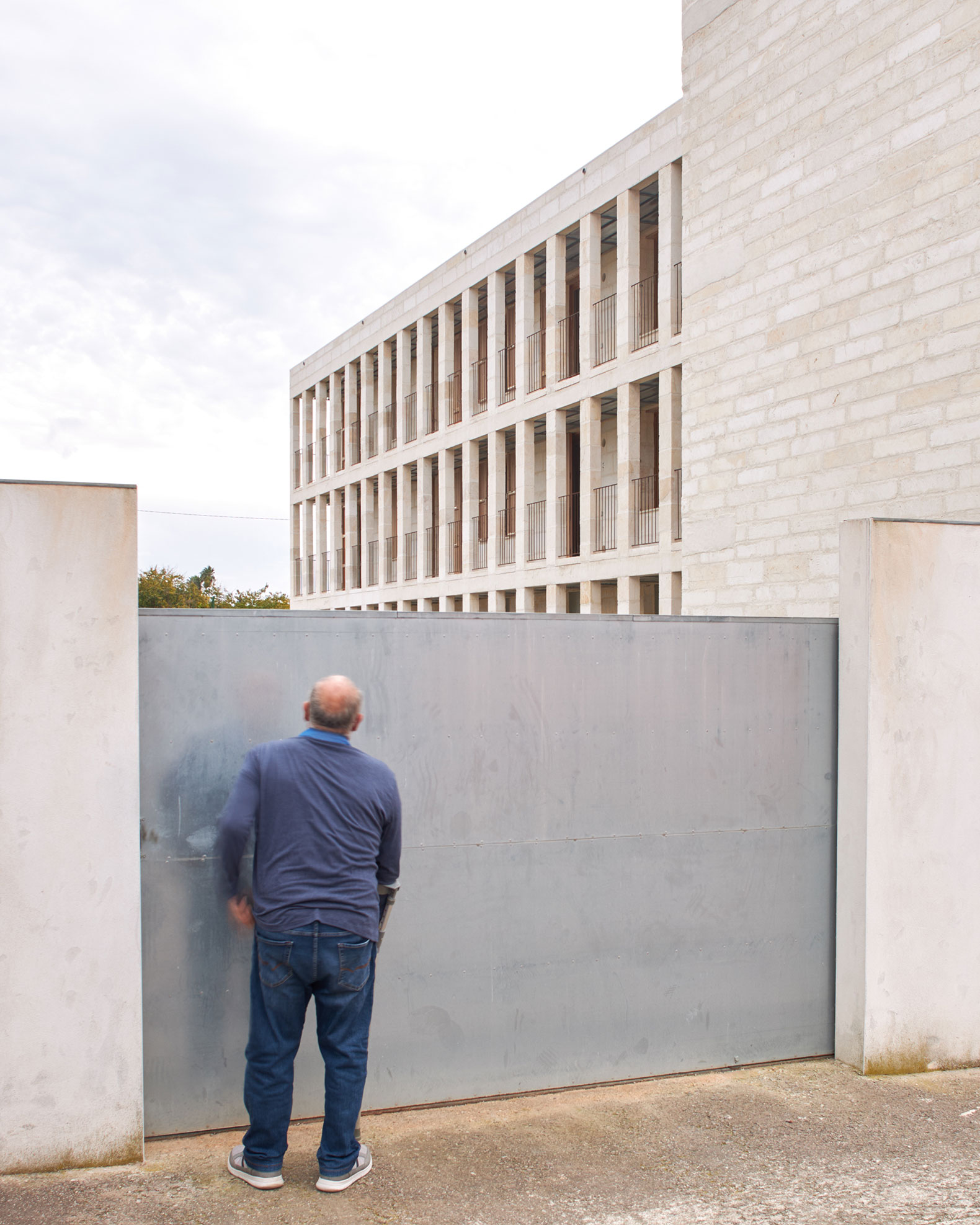
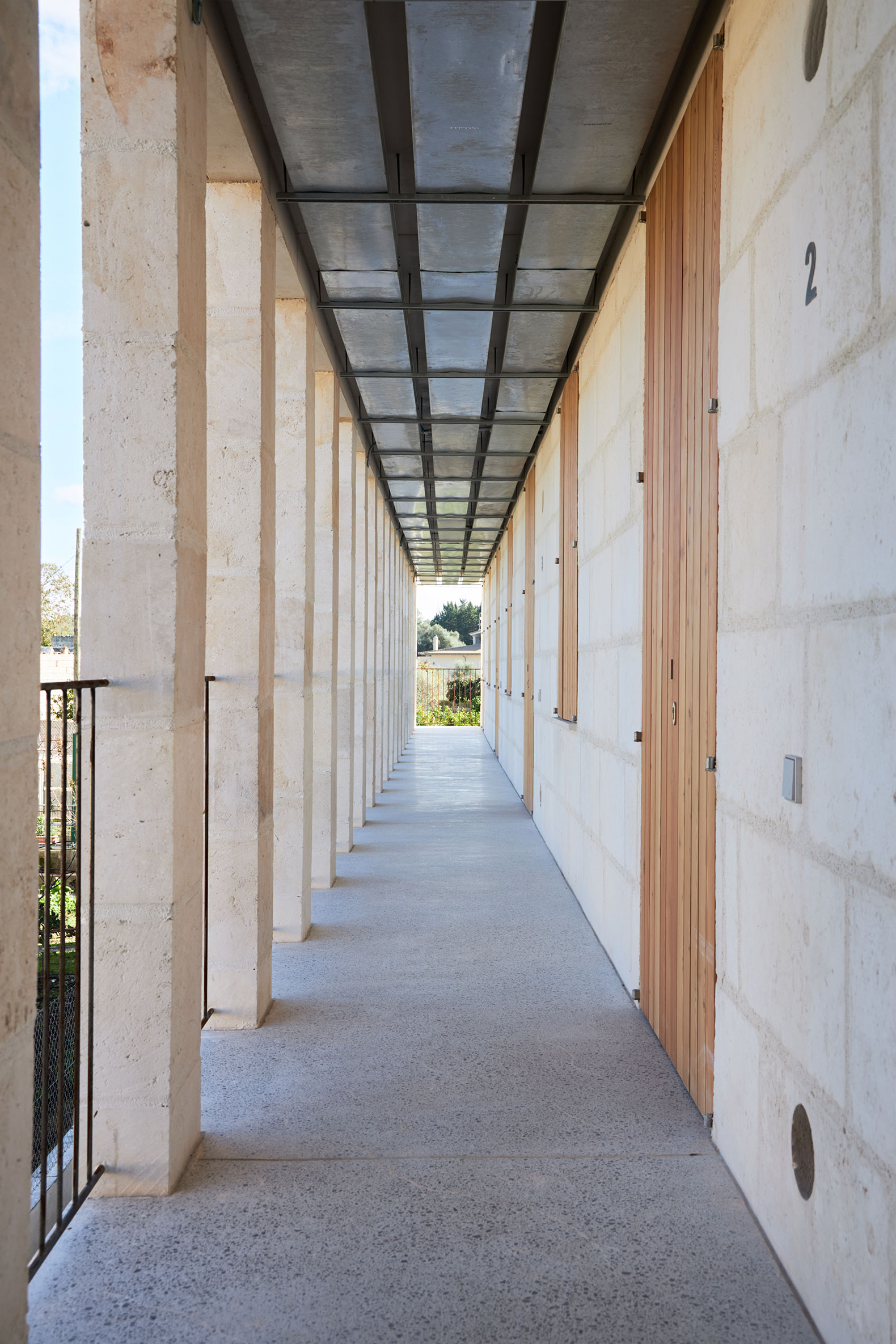
The building for the IBAVI, comprising 10 social housing units and 10 multipurpose spaces, "10 VPP," projected by Javier Gavín, Juan Moreno, Siddartha Rodrigo, and DATAAE, aims to meet the demand for comfort through the use of passive systems and by orienting the apartments to the southeast with facade galleries that function as energy-harvesting spaces.

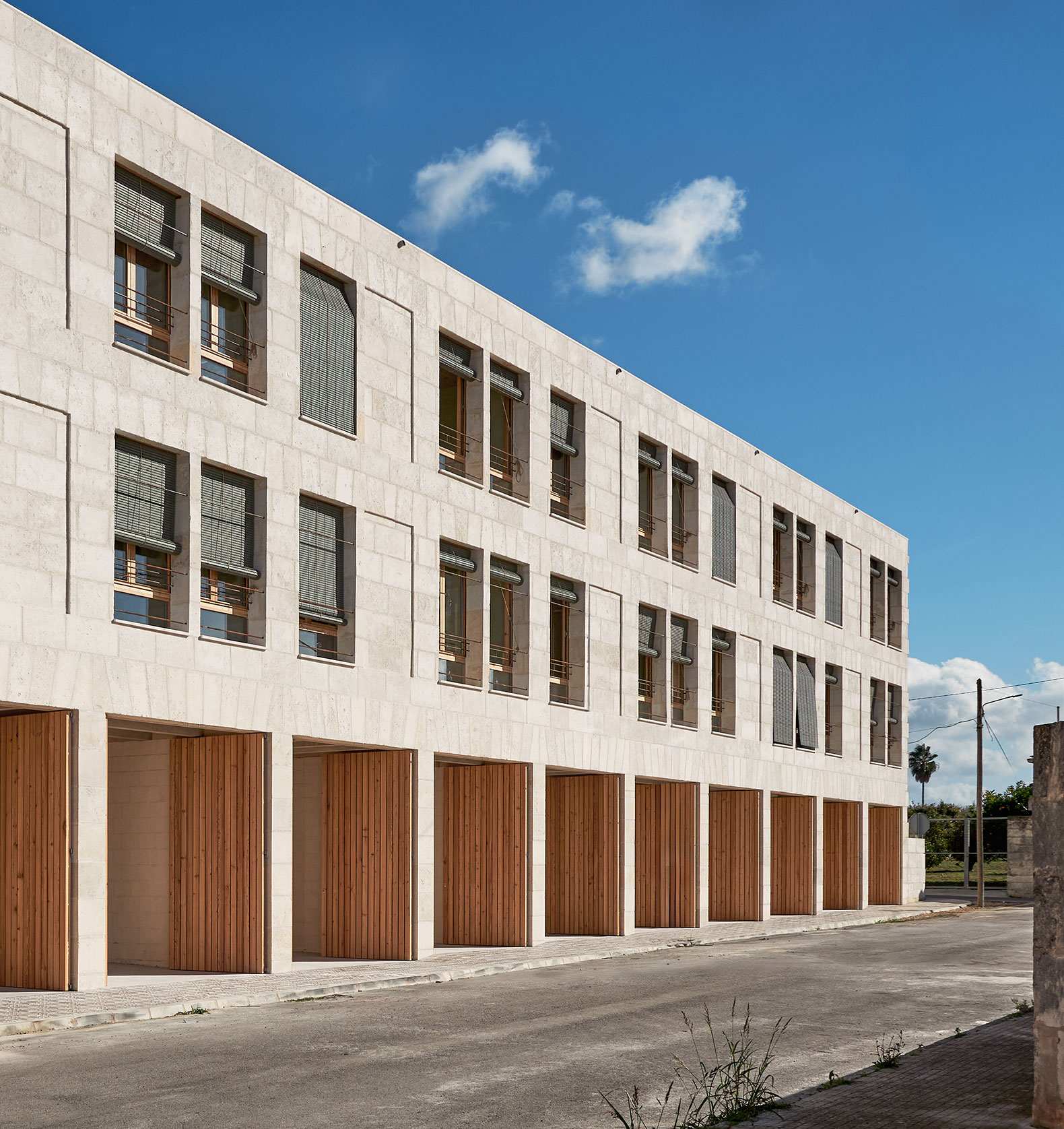
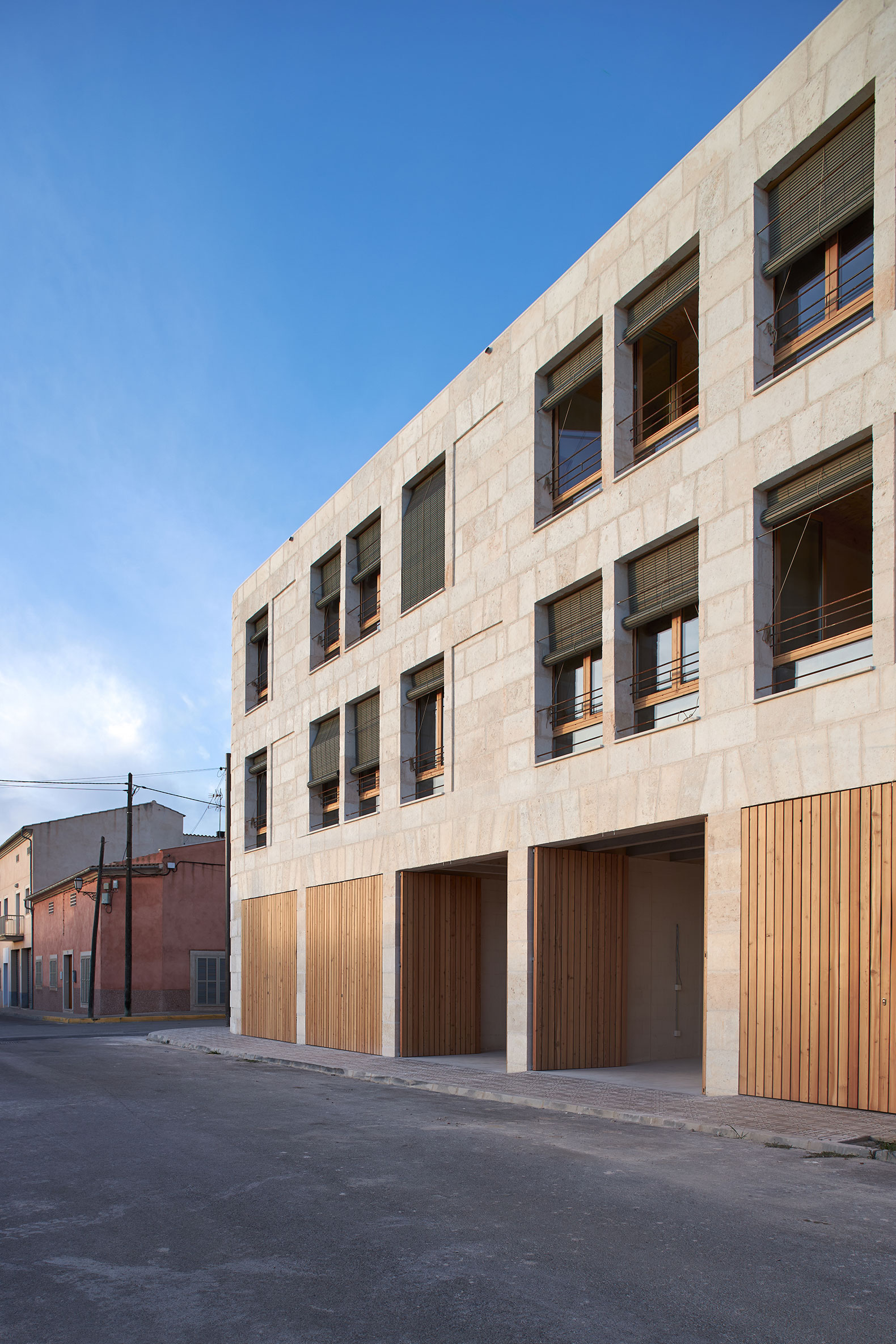
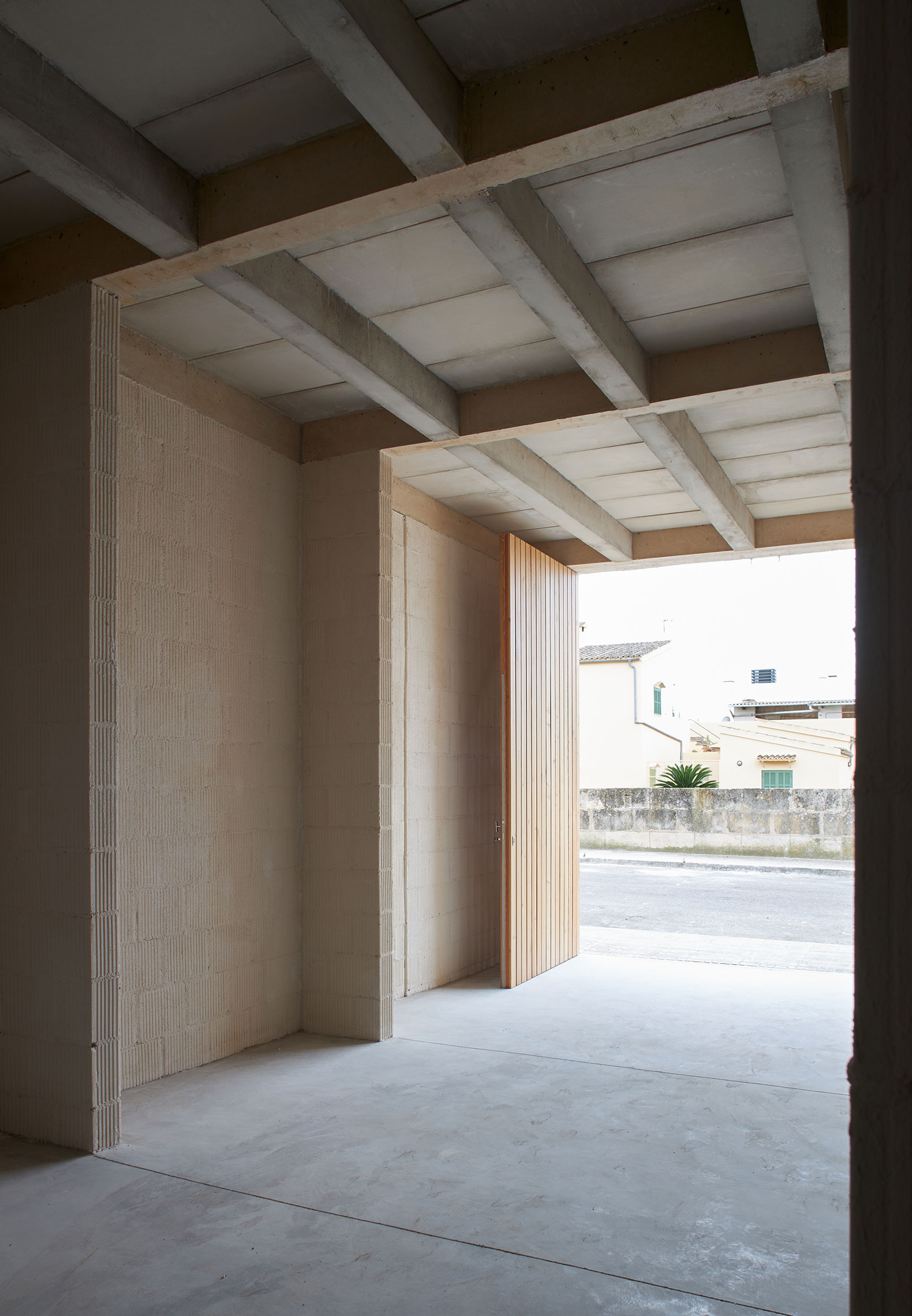
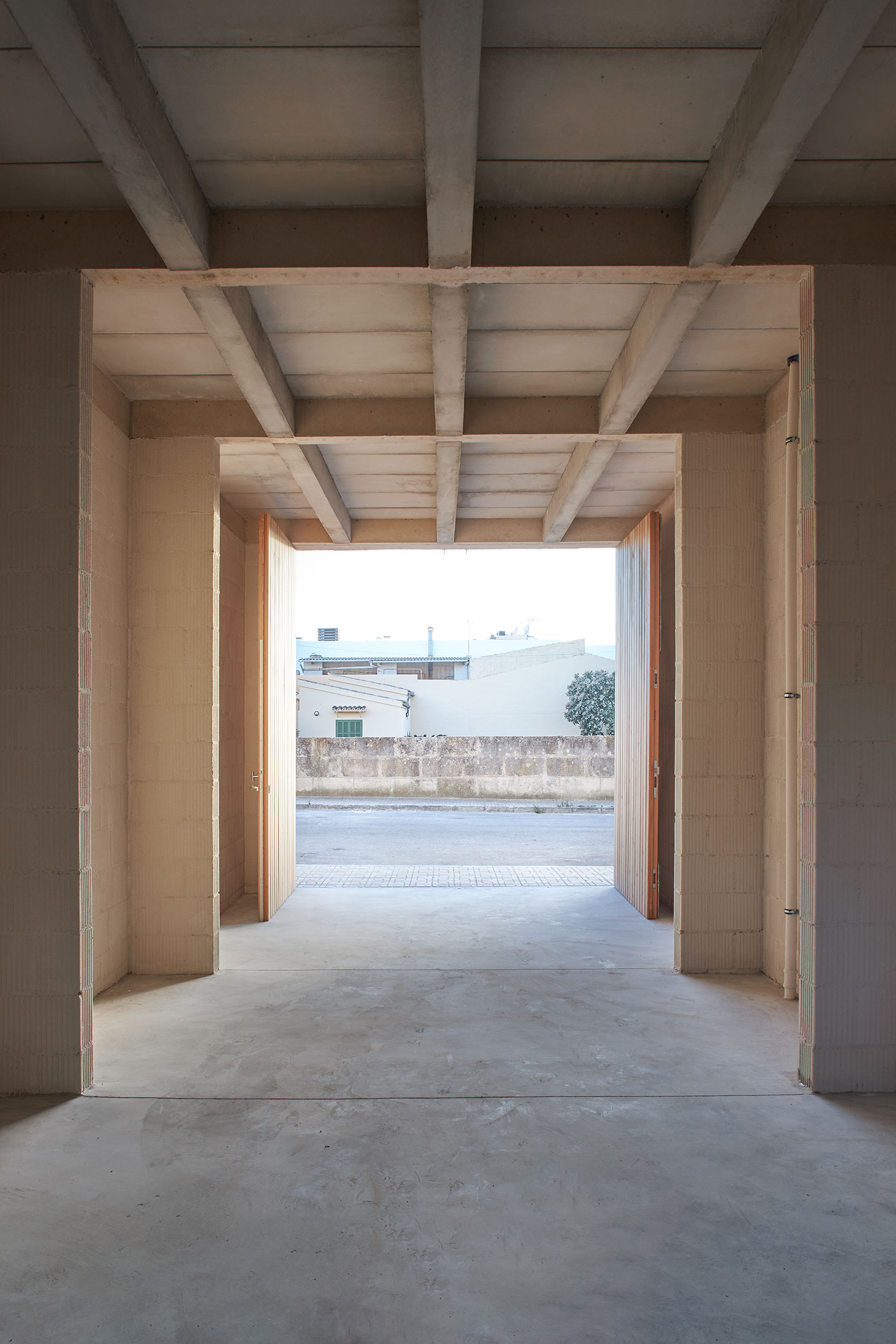
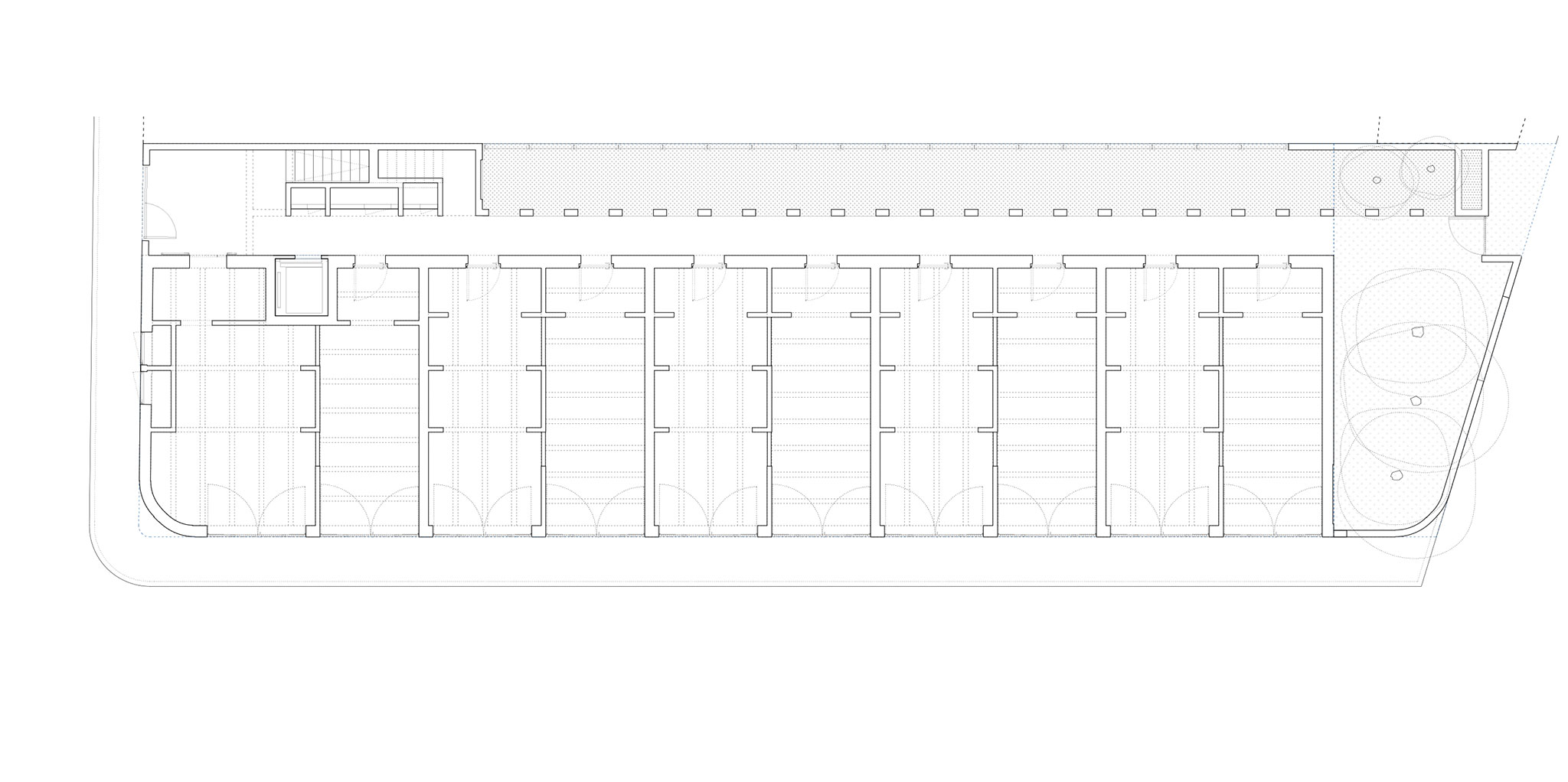
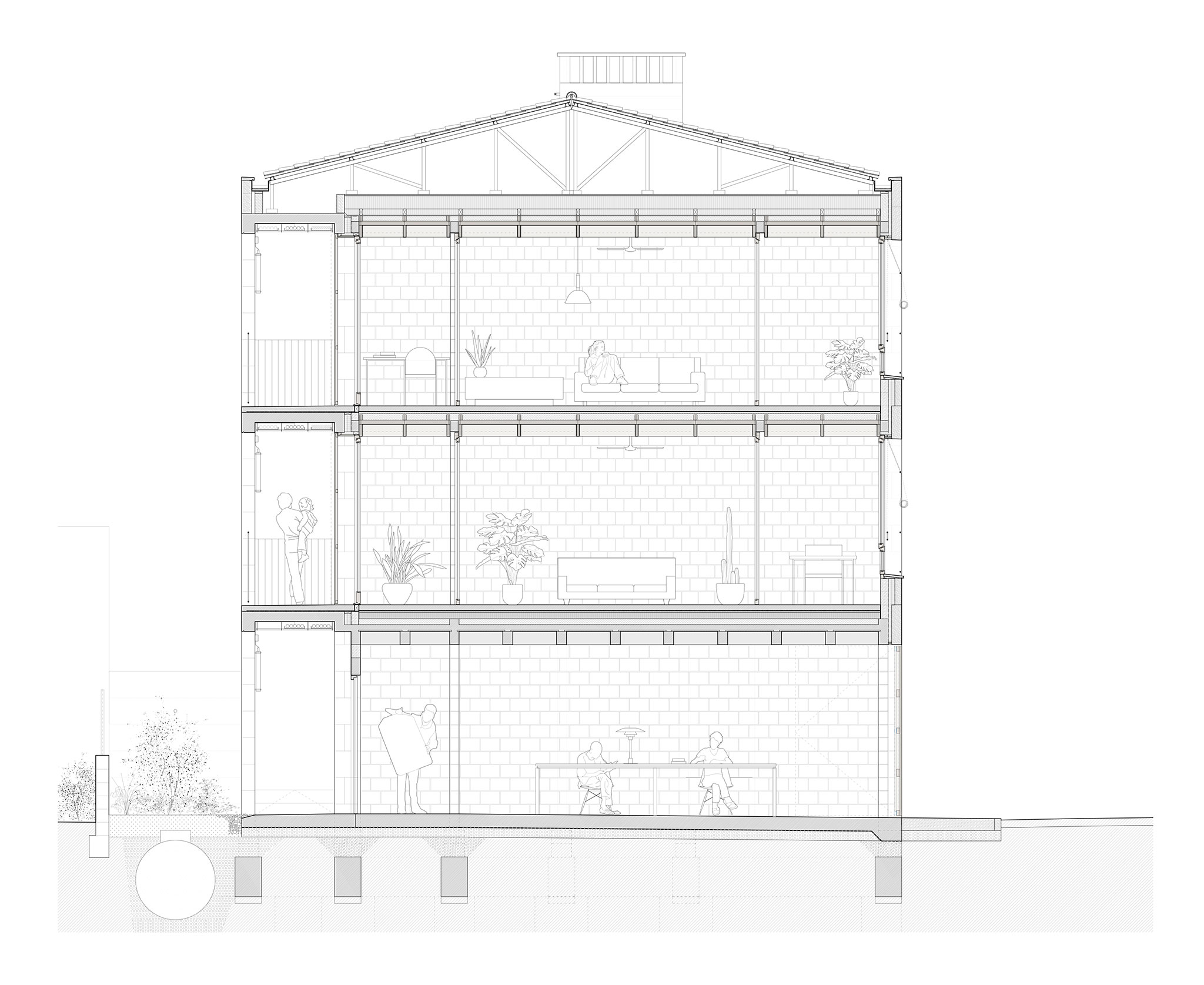
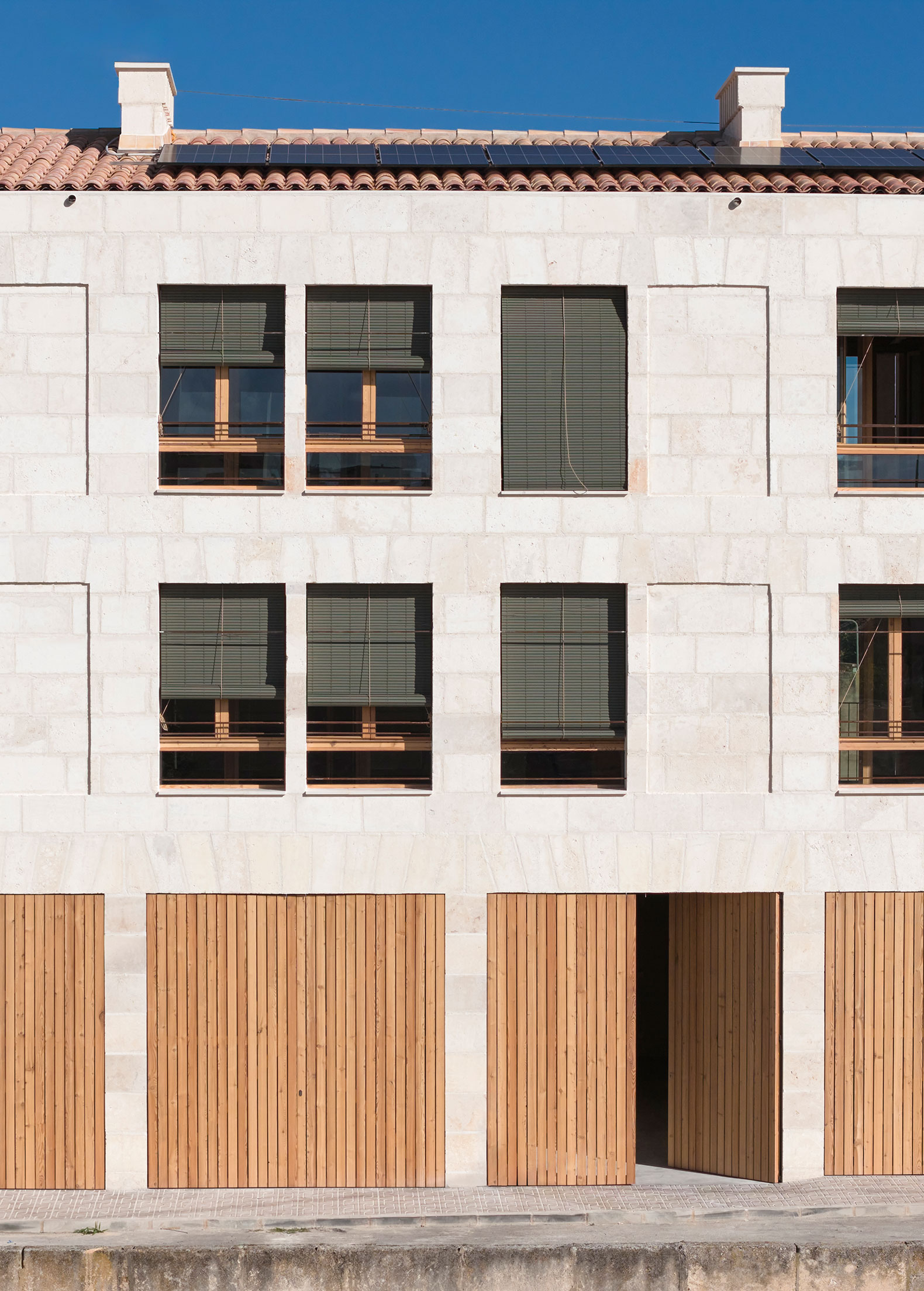
The ground floor features a series of multipurpose spaces supporting the apartments, with direct access to the street and the rear garden. These spaces can also be used as parking spaces, as required by regulations. This strategy circumvents the regulatory requirements, avoiding the construction of an underground parking garage that would increase the building's environmental footprint and costs.

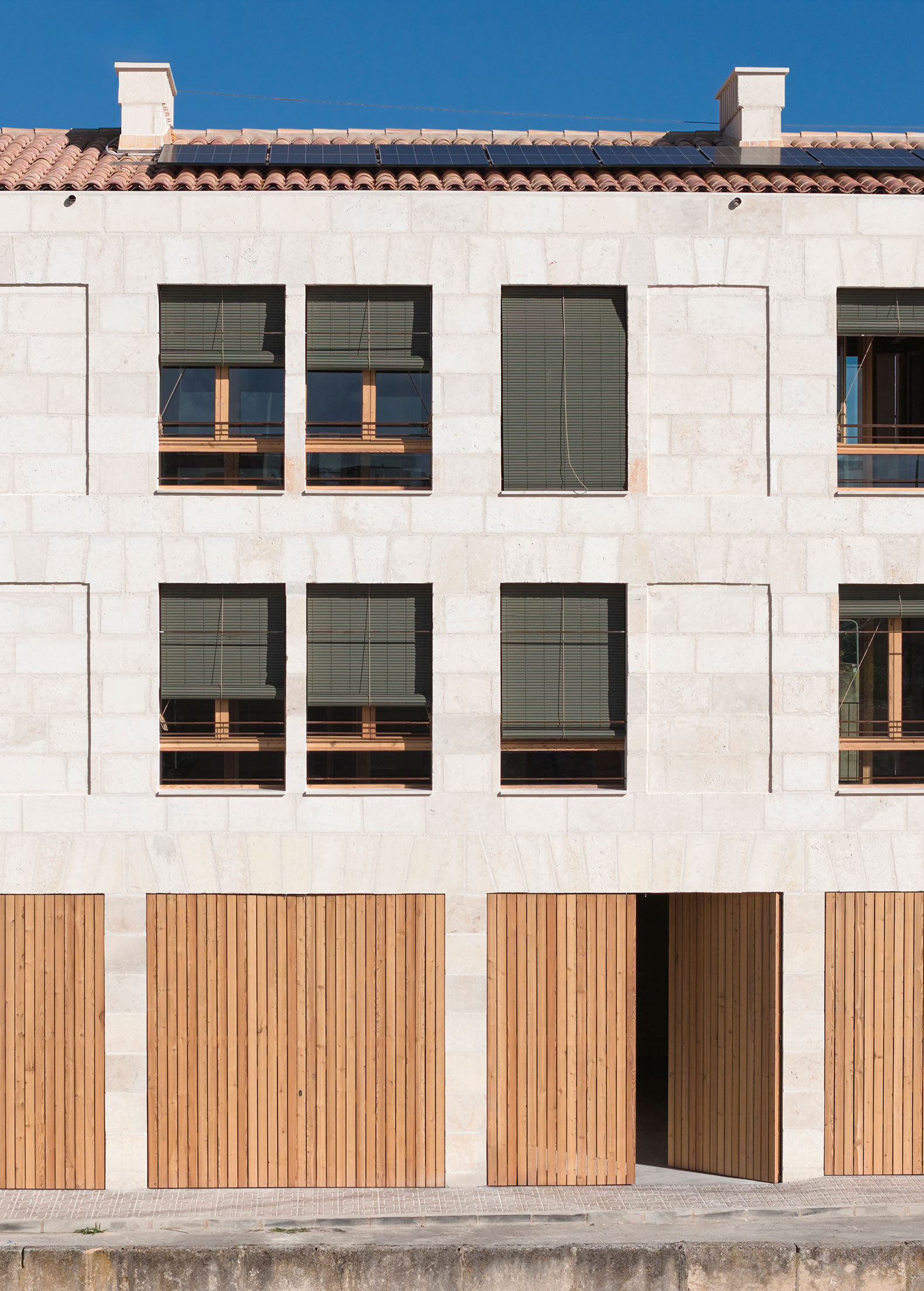
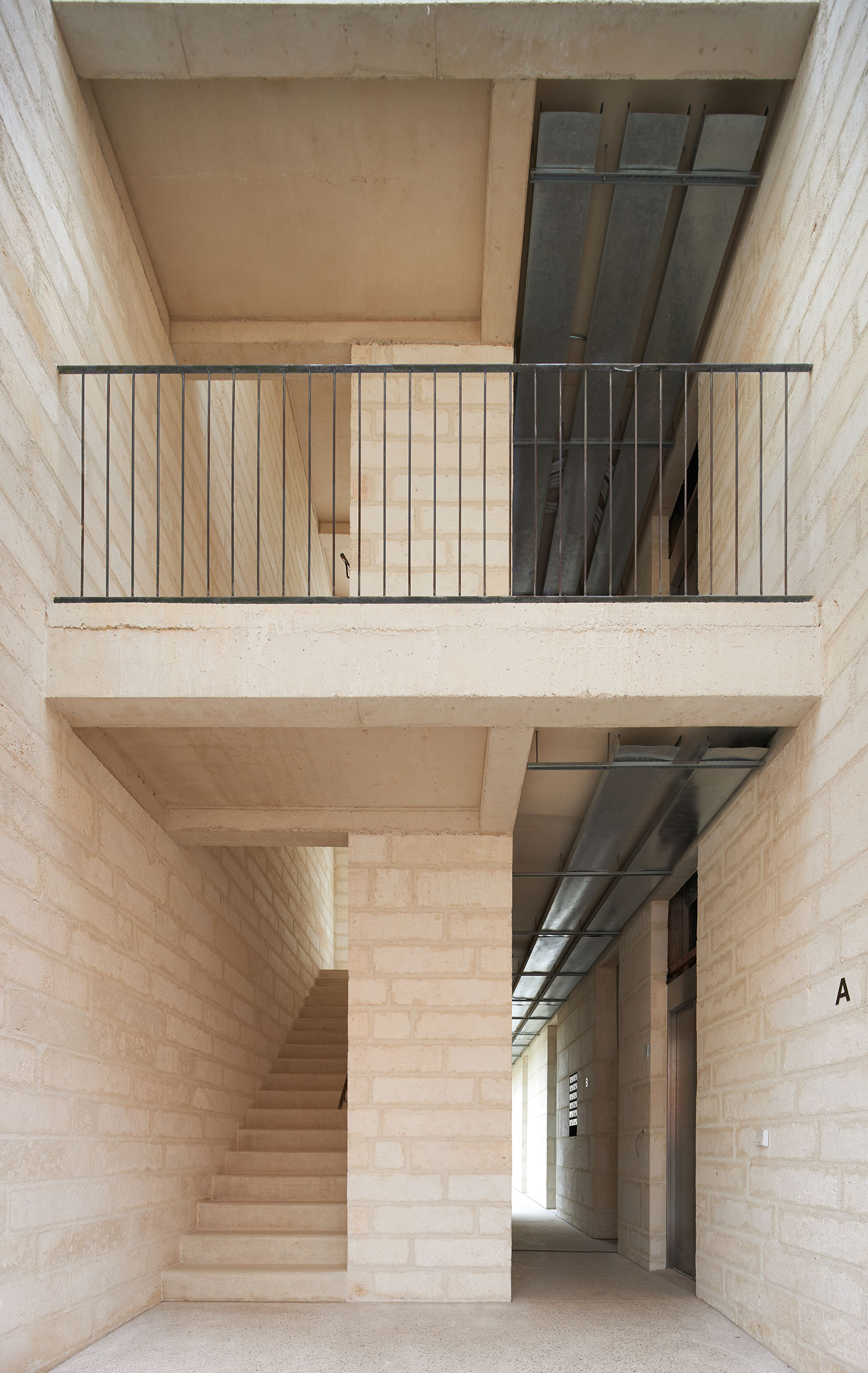
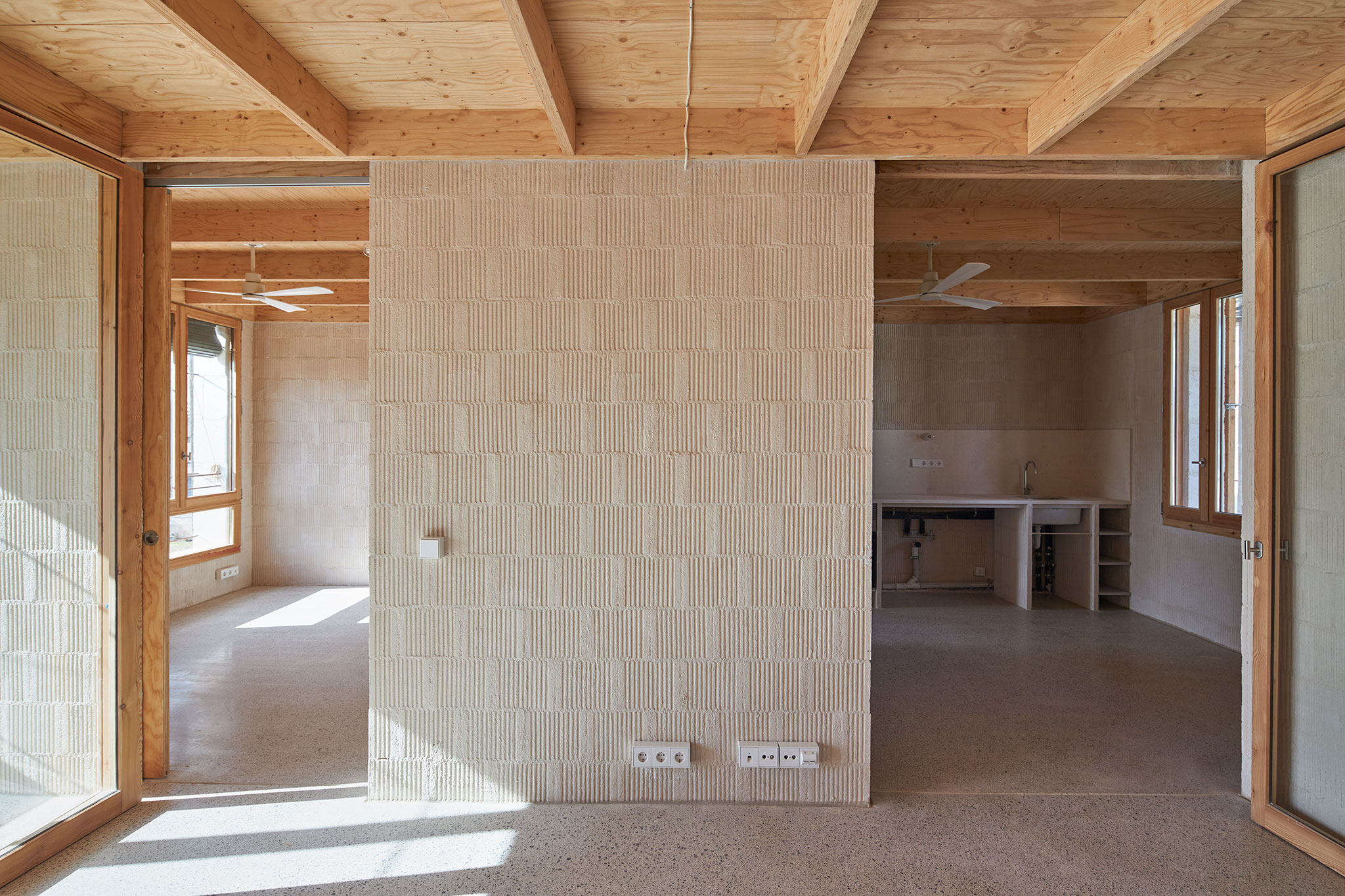
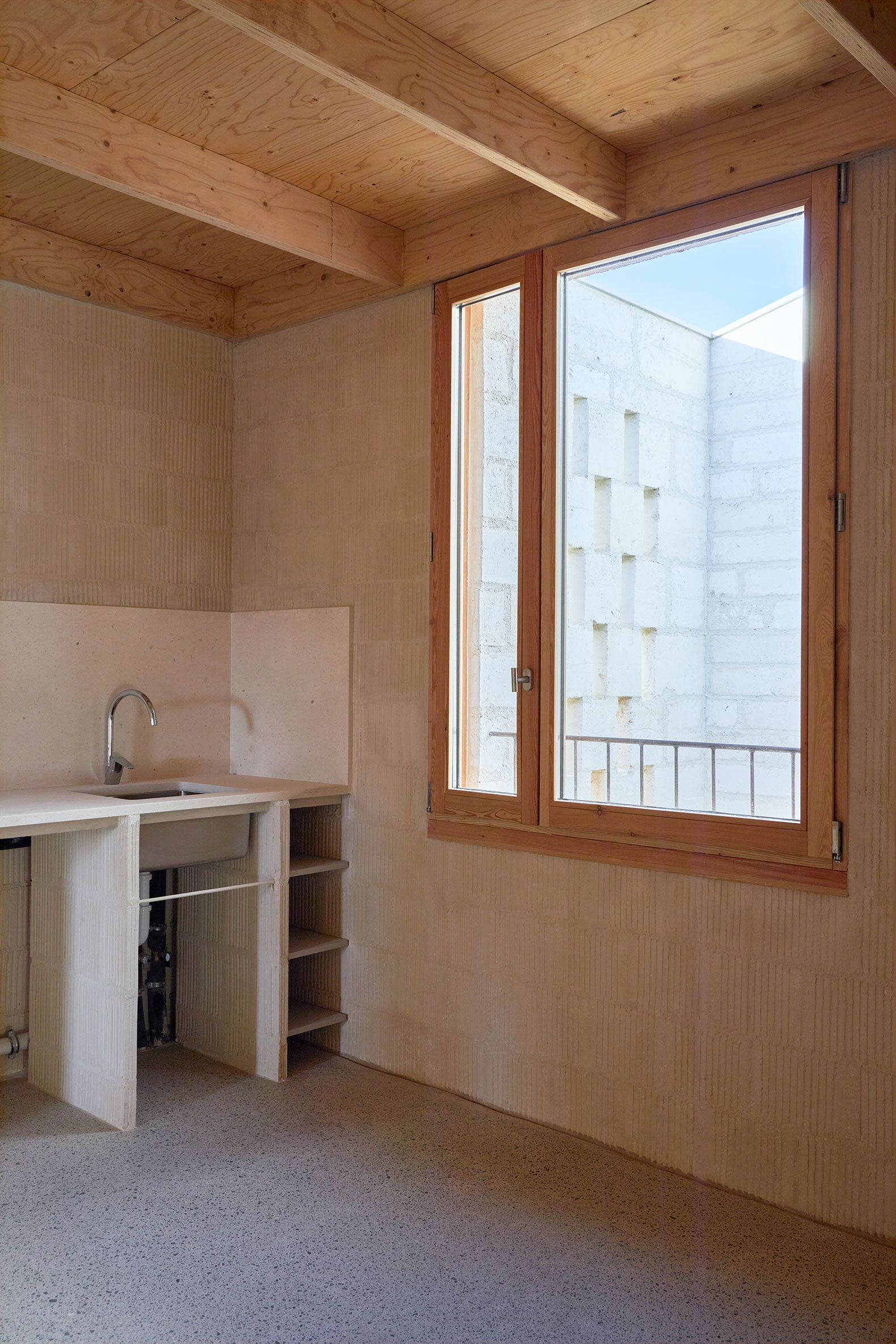
The project focuses on optimizing the thickness of structural elements and minimizing the materials used in construction. The building's robust, durable exterior structure, integrated into the surroundings, is clad in local stone from the Mares quarries. The interior is resolved with a horizontal structure of prefabricated wooden panels and a vertical structure of load-bearing walls made of local brick.
"10 VPP" by Javier Gavín + Juan Moreno + Siddartha Rodrigo + DATAAE. Photograph by Clara Torres González.

"10 VPP" by Javier Gavín + Juan Moreno + Siddartha Rodrigo + DATAAE. Photograph by Clara Torres González.

Project description by Javier Gavín + Juan Moreno + Siddartha Rodrigo + DATAAE

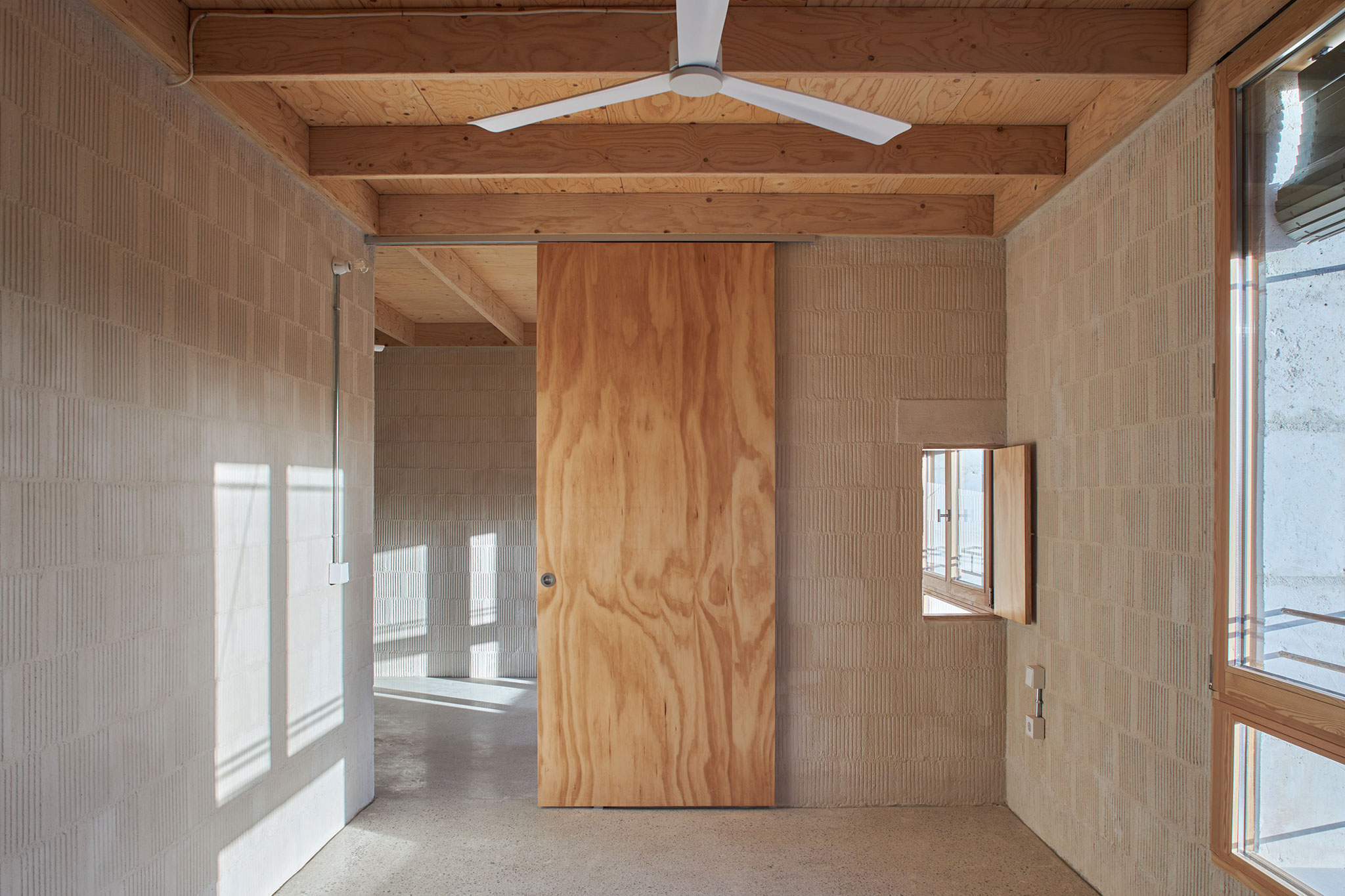
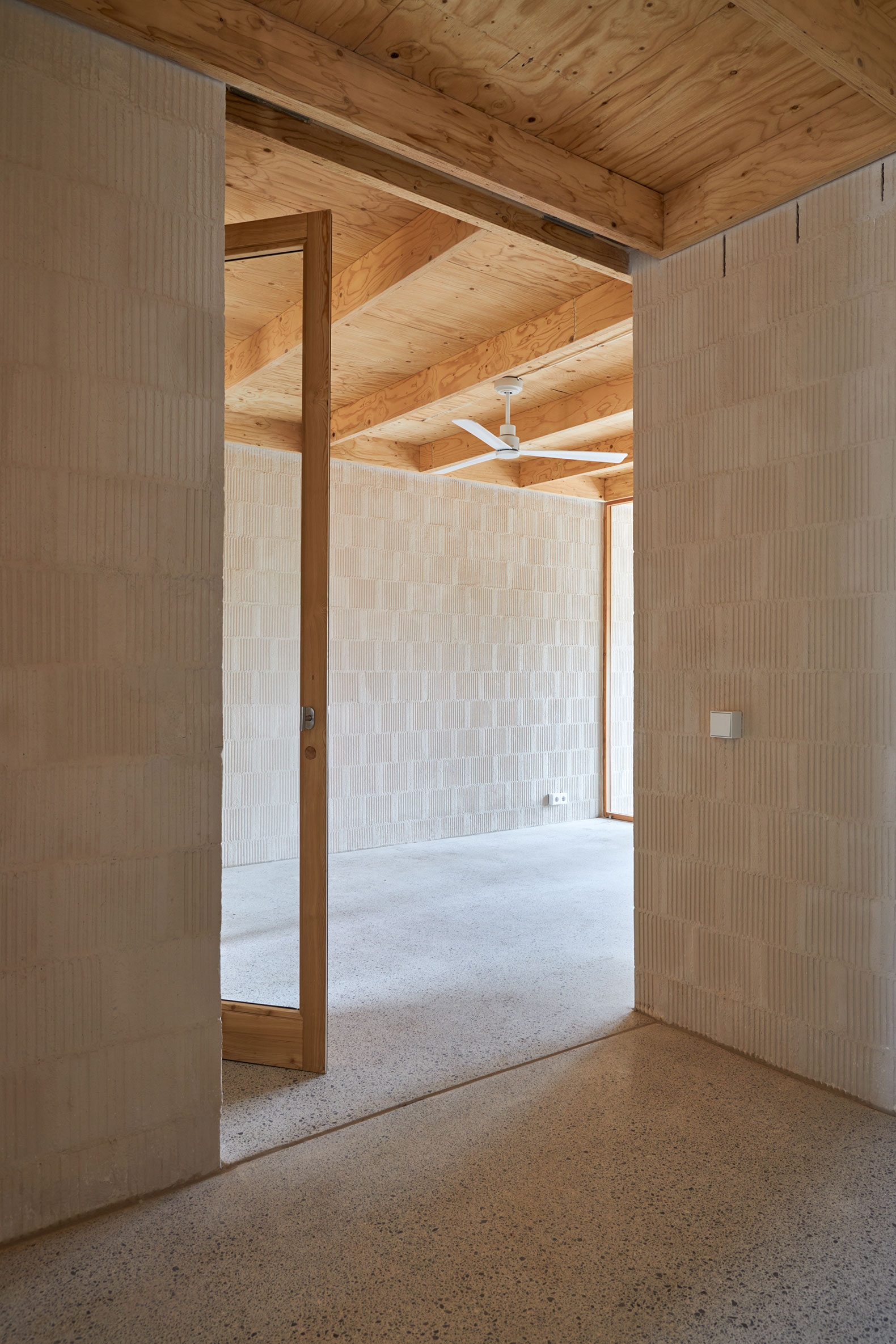
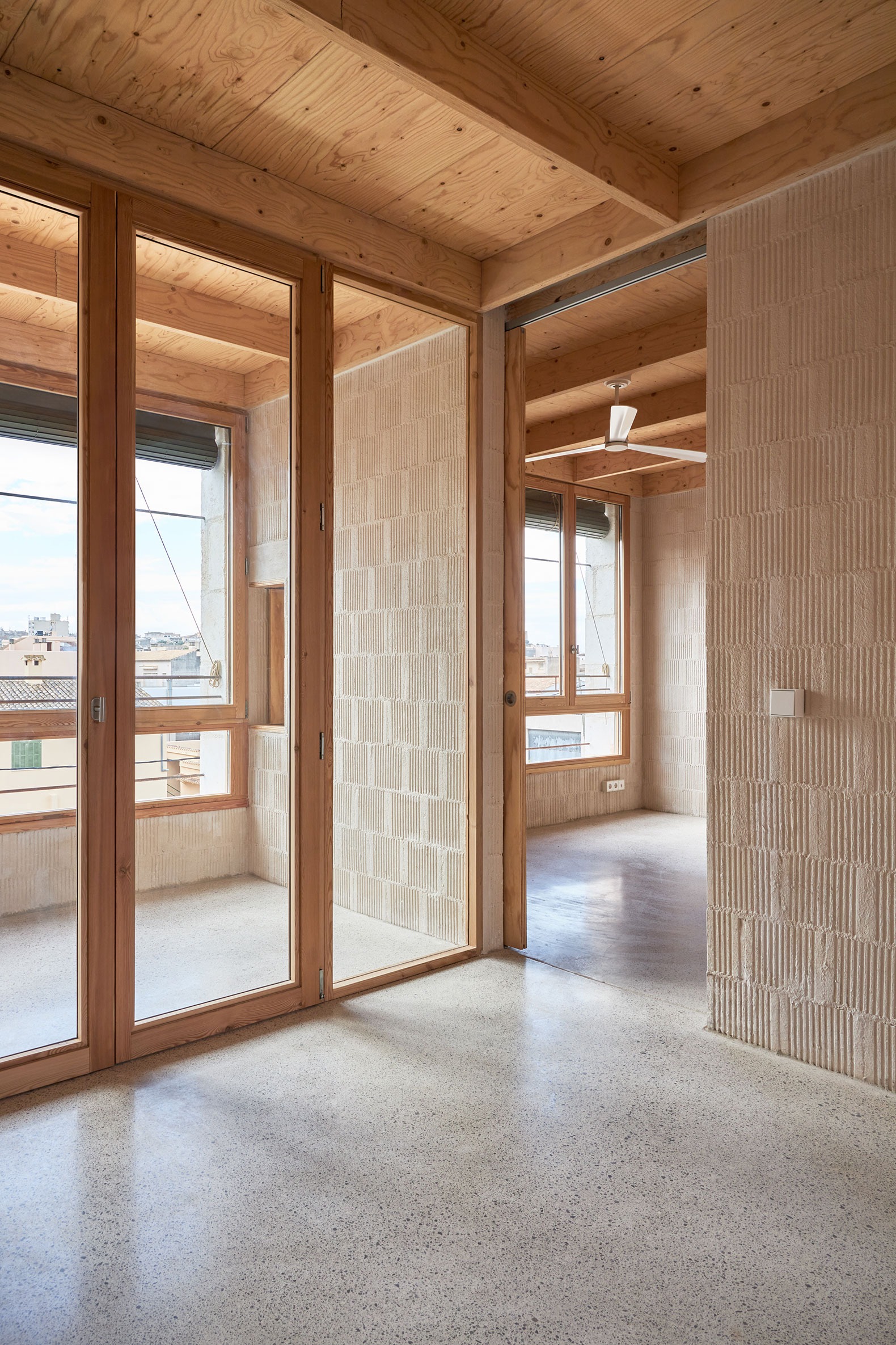
Located in Santa Margalida, a small town in the north of Mallorca, the project proposes a building with 10 social housing units and 10 multipurpose spaces, constructed using local and/or low environmental impact materials. The exterior structure is built with marés sandstone from local quarries, resulting in a robust and durable construction that ensures the building’s integration into its surroundings. The interior is resolved through a horizontal structure of prefabricated timber panels and a vertical structure of load-bearing walls made of locally sourced brick, facilitating the project’s economic feasibility.

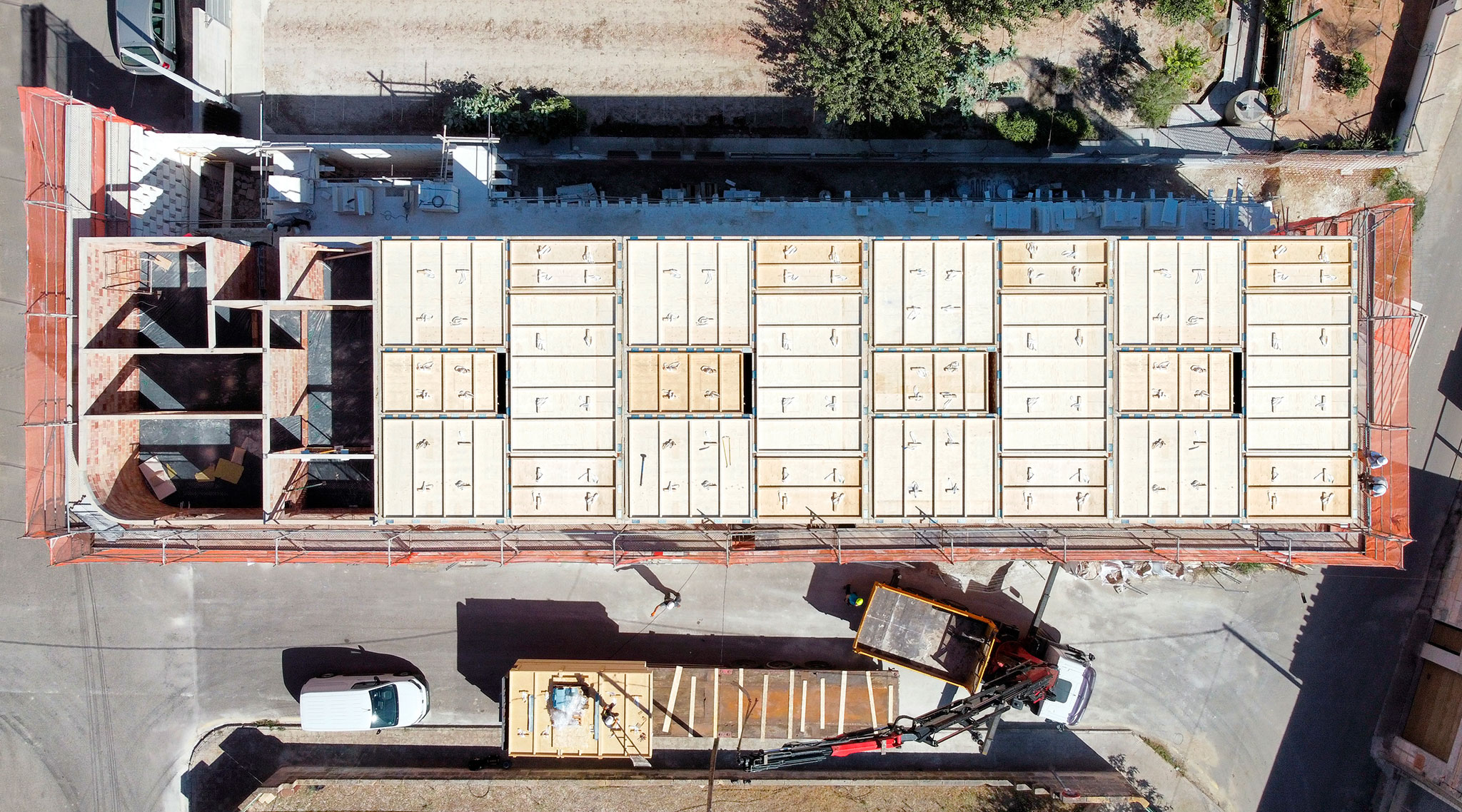
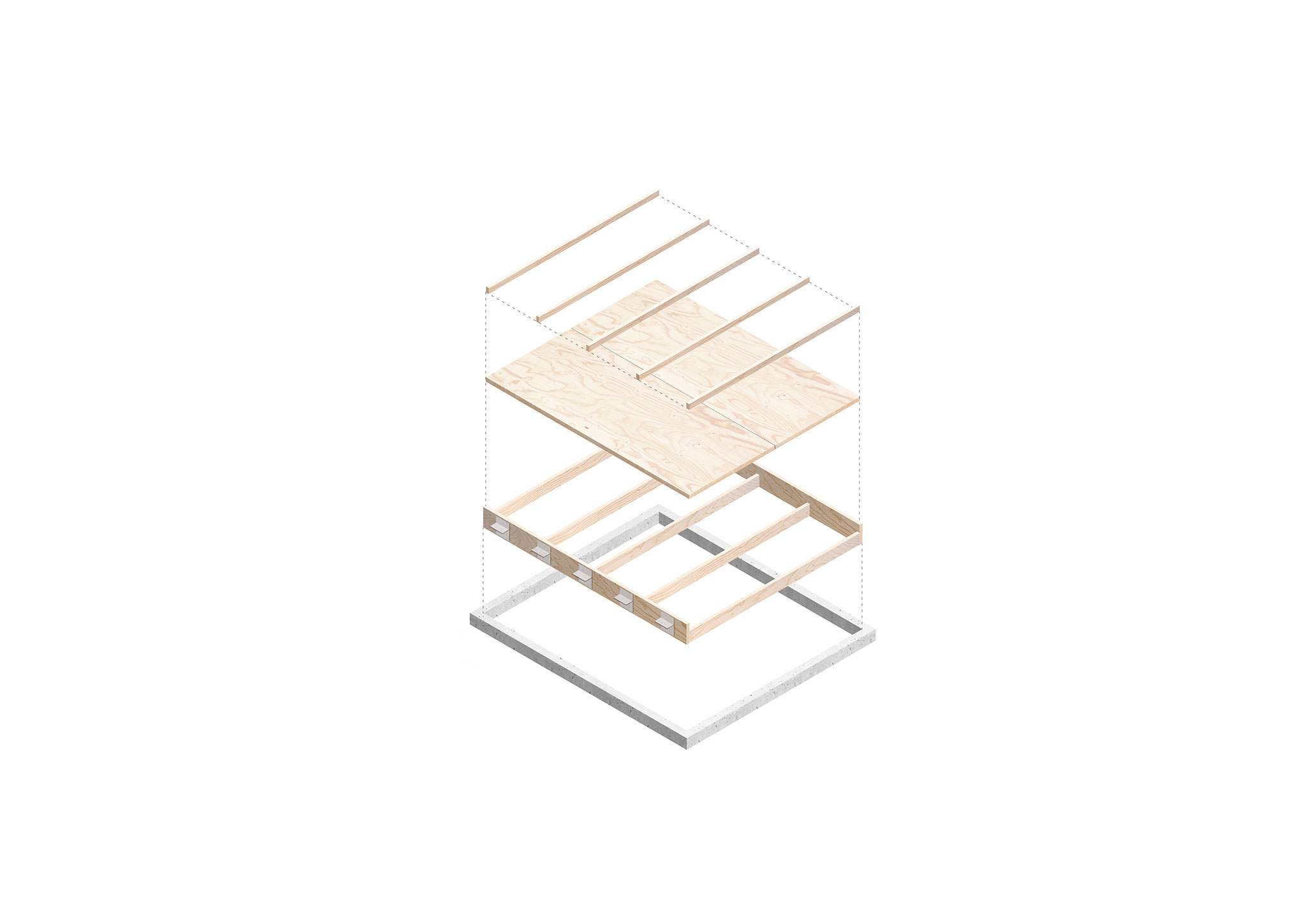
The project’s technological research focuses on optimizing the thickness of these structural elements and minimizing the amount of material used on site. In this regard, the rotation of floor slabs in alternating bays allows loads to be distributed to the greatest extent and ensures the interlocking of the whole, enabling the use of more slender load-bearing walls and reducing construction costs. Likewise, the timber slabs are designed as a prefabricated panel system, facilitating assembly and speeding up on-site execution. The H-section of the panels ensures that, in the event of fire, the horizontal board protects the upper part of the joists, reducing the amount of timber used in the slabs without the need for additives or fire-retardant varnishes—relying solely on the geometry of its components.

"10 VPP" by Javier Gavín + Juan Moreno + Siddartha Rodrigo + DATAAE. Photograph by Clara Torres González.

In response to regulatory requirements mandating one parking space per dwelling, and given the low actual demand for parking in the town, the project creates a set of multipurpose ground-floor spaces that support the housing units and can also fulfill this requirement. This strategy turns regulatory constraints into opportunities, avoiding the construction of an underground parking garage and, consequently, the associated ecological footprint and additional economic cost (earthworks, retaining structures, etc.). The result is a system of 10 multipurpose spaces in direct contact with the street and the rear garden, capable of functioning as garages, workshops, complementary spaces, or even accommodating five additional housing units in the future should regulations allow.

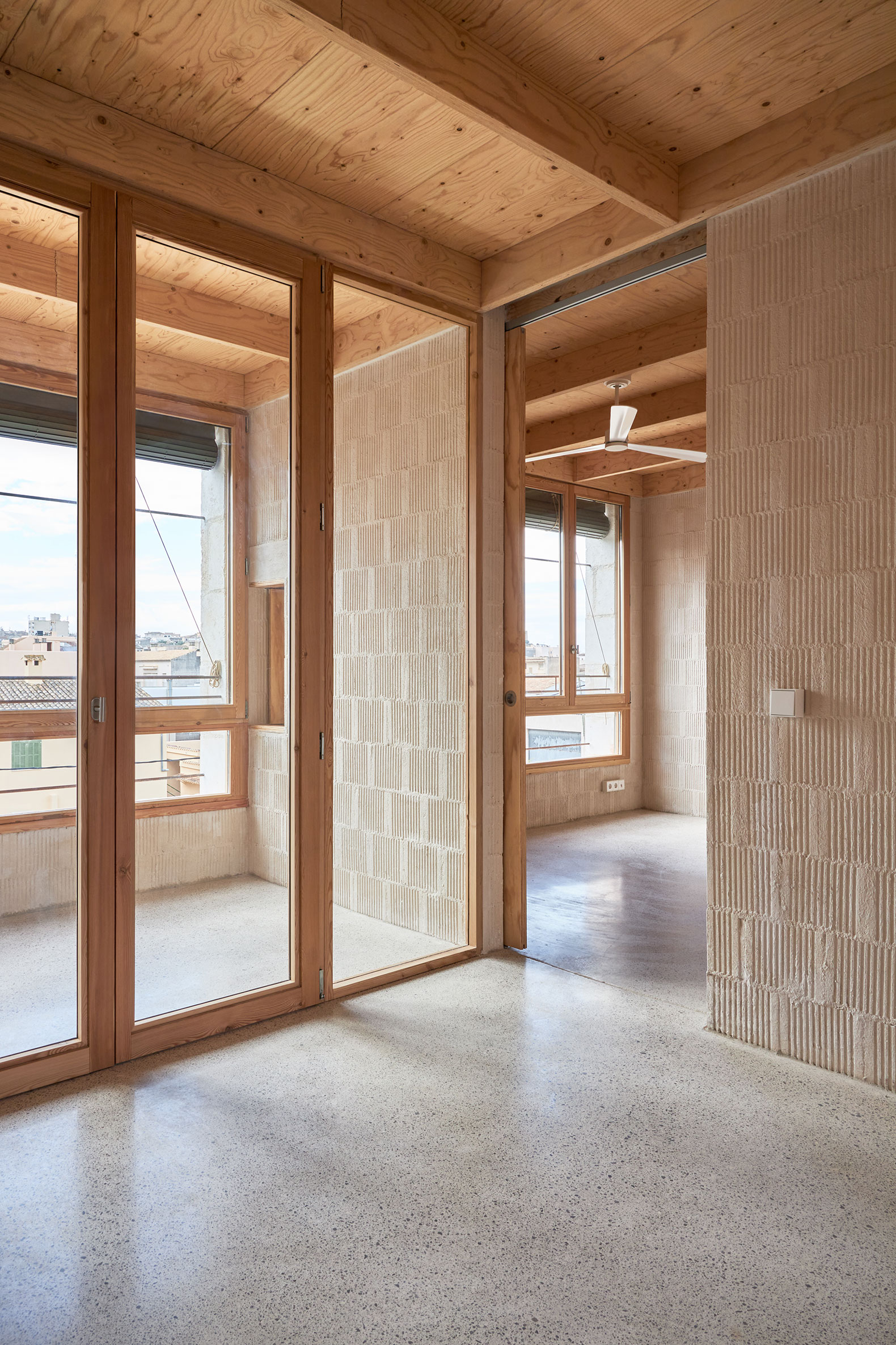
On the upper floors, the building’s limited depth is used to create dual-aspect dwellings with cross ventilation, reinforcing the idea of “living between outdoors.” The staggered arrangement of rooms structures the internal organization of the homes. The typologies are articulated around a central core, generating circular routes that allow flexible use and long sightlines that expand the perception of interior space. The movement of the sun accompanies the use of the spaces throughout the day.
"10 VPP" by Javier Gavín + Juan Moreno + Siddartha Rodrigo + DATAAE. Photograph by Clara Torres González.

The project seeks to meet comfort demands through the architectural form itself, achieving—through the use of passive systems (cross ventilation, solar galleries, thermal mass, etc.)—a reduction of non-renewable primary energy consumption to zero.

In this sense, southeast orientation is prioritized in all dwellings, using façade galleries as energy-capturing spaces during colder months. In warmer months, a system of roller blinds shades these spaces, blocking solar radiation. The floor plan organization results in shallow, dual-aspect dwellings, ensuring cross ventilation and taking advantage of prevailing air currents.
More information

+ + copy Created with Sketch.
- + copy Created with Sketch.
Label
Collaborators
Text

Quantity surveyor.- Maria Antonia Ribas.
Structures.- MVA Despatx d’arquitectura i estructures.
Building services.- L3J.
Environmental consultancy.- Societat Orgànica.
Acoustics.- Àurea acústica.

+ + copy Created with Sketch.
- + copy Created with Sketch.
Label
Builder
Text

Construccions Agustí Mascaró SL.

+ + copy Created with Sketch.
- + copy Created with Sketch.
Label
Developer
Text

IBAVI (Institut Balear de la Vivienda).

+ + copy Created with Sketch.
- + copy Created with Sketch.
Label
Area
Text

1,111.92 sqm.

+ + copy Created with Sketch.
- + copy Created with Sketch.
Label
Dates
Text

2020-2025.

+ + copy Created with Sketch.
- + copy Created with Sketch.
Label
Location
Text

Santa Margalida, Mallorca, Spain.

+ + copy Created with Sketch.
- + copy Created with Sketch.
Label
Photography
Text

Clara Torres González, Joan Cantallops Busquets.

+ + copy Created with Sketch.
- + copy Created with Sketch.

Javier Gavín Arquitectura is an architecture practice based in Huesca and Barcelona, ​​founded in 2022 by Javier Gavín Balda. It develops both new construction and renovation projects at all phases and scales: from preliminary studies to construction management, from small furniture pieces to large-scale urban projects.

The projects seek to respond to the new paradigms of the 21st century, drawing on lessons learned from the site and tradition, generating architecture that respects its surroundings and its roots.

Since 2014, the studio has won numerous awards for public housing, including projects for INCASOL in Barcelona (31 homes on Dr. Trueta, 2025; 60 in Mataró, 2022) and IBAVI in Mallorca (Santa Margalida, 2021), as well as facilities such as the sports complex and the municipal market in Huesca. Among his international accolades are the New European Bauhaus Rising Star Award (2021) and the AJAC Award (2023) for product design. His experience is further enhanced by the Arquia Scholarship at RCR Arquitectes and numerous finalist positions in IMPSOL competitions and urban development projects in Vigo and Jaén.

Javier Gavín Balda is an architect from Huesca, having studied at EINA (Zaragoza) and ETSAV (Barcelona), with an academic year at VIA UC (Denmark). He has worked at various nationally and internationally renowned firms, including RCR Arquitectes (Olot), SAM Architekten (Zurich), Sixto Marín (Zaragoza), and DATAAE (Barcelona), where he is leading several projects, notably 20 homes in Sant Pere de Ribes (FAD 2021 finalist) and 30 homes in Sant Just Desvern for IMPSOL (FAD 2024 finalist). He has received several prestigious awards such as the New European Bauhaus Rising Star Awards (from the European Commission), the Arquia Grant (Arquia Foundation) or the AJAC Young Architecture Award (Association of Young Architects of Catalonia) and several awards in architecture competitions.

Read more

Juan Moreno Romero graduated as an architect from the Granada School of Architecture (ETSA Granada) in 2017. His work has been recognized at the 2016 Venice Biennale and the 2021 New European Bauhaus. His practice is closely linked to the restoration and enhancement of the historical heritage of the provinces of Jaén and Granada. He is known for his research-oriented approach, participating in large-scale projects such as the restoration of the San Isidro Sugar Factory in Granada.

Read more

Siddhartha Rodrigo is an architect from Aragon, Spain, who graduated from the Polytechnic University of Catalonia and is based in Barcelona. He has experience working in international firms on public housing and heritage rehabilitation projects. His work has been recognized at the Venice Biennale in 2016 and 2018 and the New European Bauhaus in 2021. He worked at Arquitectura G from 2020 to 2025, at Witherford Watson Mann from 2017 to 2021, at Álvaro Siza Vieira from 2015 to 2016, and at Toni Gironès in 2014.

His career is marked by significant international and academic accolades, including the Golden Lion at the Venice Biennale (2018) for the Recycling Almar project and the Rising Star award at the New European Bauhaus (2021) for his focus on sustainable design. These achievements are complemented by the first prize in the UNFINISHED competition for the Spanish Pavilion in Venice (2016) and second place awarded by the Balearic Housing Institute (2020) for a complex in Mallorca. His academic credentials include the Extraordinary End-of-Degree Award from the University of Zaragoza (2015) and the Arquia Scholarship (2014).

Read more

DATAAE is a multidisciplinary architecture studio, founded in 2000 by Claudi Aguiló, architect, and Albert Domingo engineer. They have won several competitions in architecture and landscape. Awards received include: the FAD public opinion Prize in 2007, finalists of Catalonia Construction Prize 2008, 1st Prize in the single-family home category in the Baix Llobregat Triennial 2008, Selection Landscape Biennal Rosa Barba 2008, JAE selection (Young Spanish Architects) 2008, selected for Spanish Architecture Biennale 2009, Finalist FAD awards 2009, Selection Landscape Biennale Rosa Barba 2009, 1st Prize ‘Saie Award 2011 the best concrete building’ (Bologna, Italy), Selection ‘Green Building Challenge 2011’, Selection Landscape Biennale Rosa Barba 2012, 1st Prize Nan Awards 2012, best residential work, 1st Prize AJAC Awards for a built project in 2012 to young architects, 1st Prize AJAC Awards for a none built project 2012 to young architects. Their work has been selected in the recent exhibition Sensitive Matter 2010 in Lisbon, La Coruña, and Berlin.

Claudi Aguiló born in 1972, architect for ETSAV in 2001, from 2002 to 2006 had a FI Research Grant at the University of Architecture in Vallés, ETSAV, in the Department of Architectural Technology, where he continues to teach. He has also taught nationally and internationally at various universities, such as ETSAB (Barcelona), LaSalle (Barcelona), University of Illinois at Chicago, and ERASMUS Intensive Program Workshops in Norway, Ireland, Denmark, Belgium, and Poland. He was a visiting professor at the Rural Studio at Auburn University School of Architecture in Alabama and is an Assistant Professor of Architecture at the Institute of Architecture BIArch 2010 in Barcelona. He has collaborated on writing technology articles in Quaderns magazine between 2006-2010.

Albert Domingo, 1999, Engineer Graduated from ETSEIB. UPC. 2007 Master's Ph.D. in Building Project Management. He has worked in local architectural and engineering offices developing different works in the field of technical support, structural analysis, cost managements and building management.

Read more
Published on: March 12, 2026
Cite:
metalocus, ELVIRA PARÍS FERNÁNDEZ
"Living between outdoors. "10 VPP" by Javier Gavín + Juan Moreno + Siddartha Rodrigo + DATAAE" METALOCUS. Accessed
<https://www.metalocus.es/en/news/living-between-outdoors-10-vpp-javier-gavin-juan-moreno-siddartha-rodrigo-dataae> ISSN 1139-6415
Loading content ...
Loading content ...
Loading content ...
Loading content ...
Loading content ...
Loading content ...
Loading content ...
Loading content ...
Loading content ...
Loading content ...
Loading content ...
Loading content ...
Loading content ...
Loading content ...
Loading content ...
Loading content ...
Loading content ...
Loading content ...
Loading content ...
Loading content ...
Loading content ...
Loading content ...
Loading content ...
Loading content ...
Loading content ...
Loading content ...
Loading content ...
Loading content ...
Loading content ...
Loading content ...
Loading content ...
Loading content ...
Loading content ...
Loading content ...
Loading content ...
Loading content ...
Loading content ...
Loading content ...
Loading content ...
Loading content ...
Loading content ...
Loading content ...
Loading content ...
Loading content ...
Loading content ...
Loading content ...
Loading content ...
Loading content ...
Loading content ...
Loading content ...
Loading content ...
Loading content ...
Loading content ...
Loading content ...