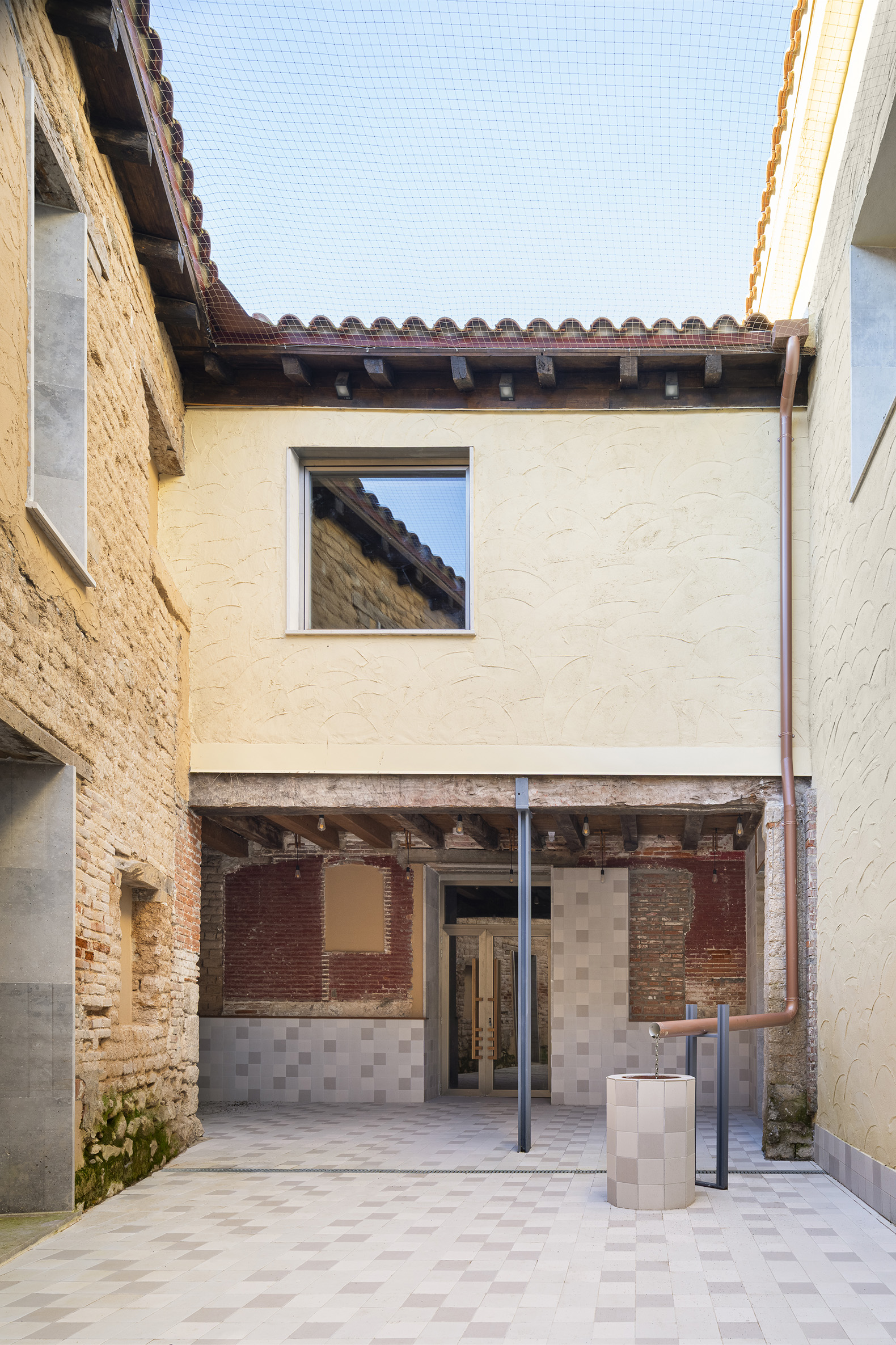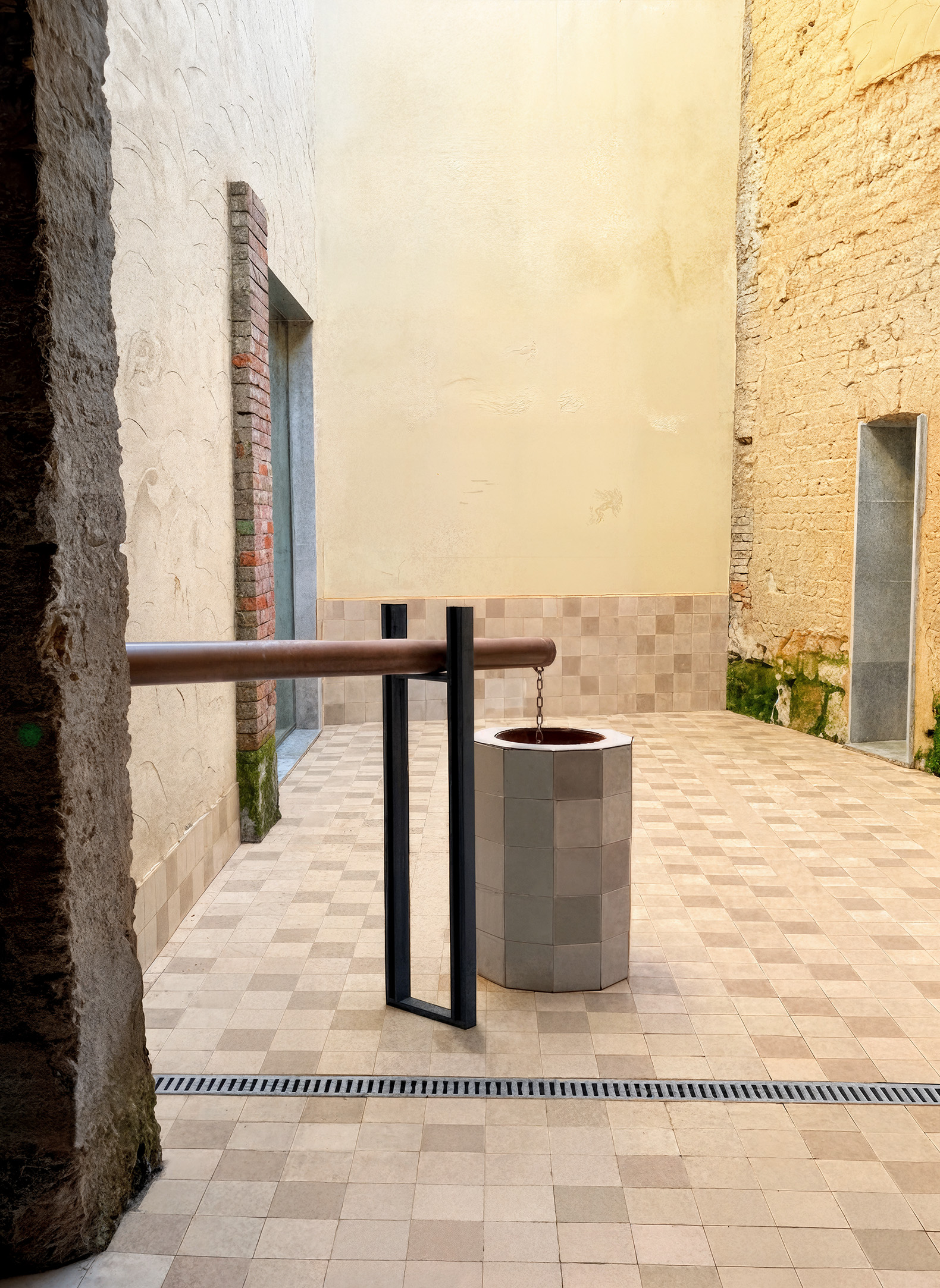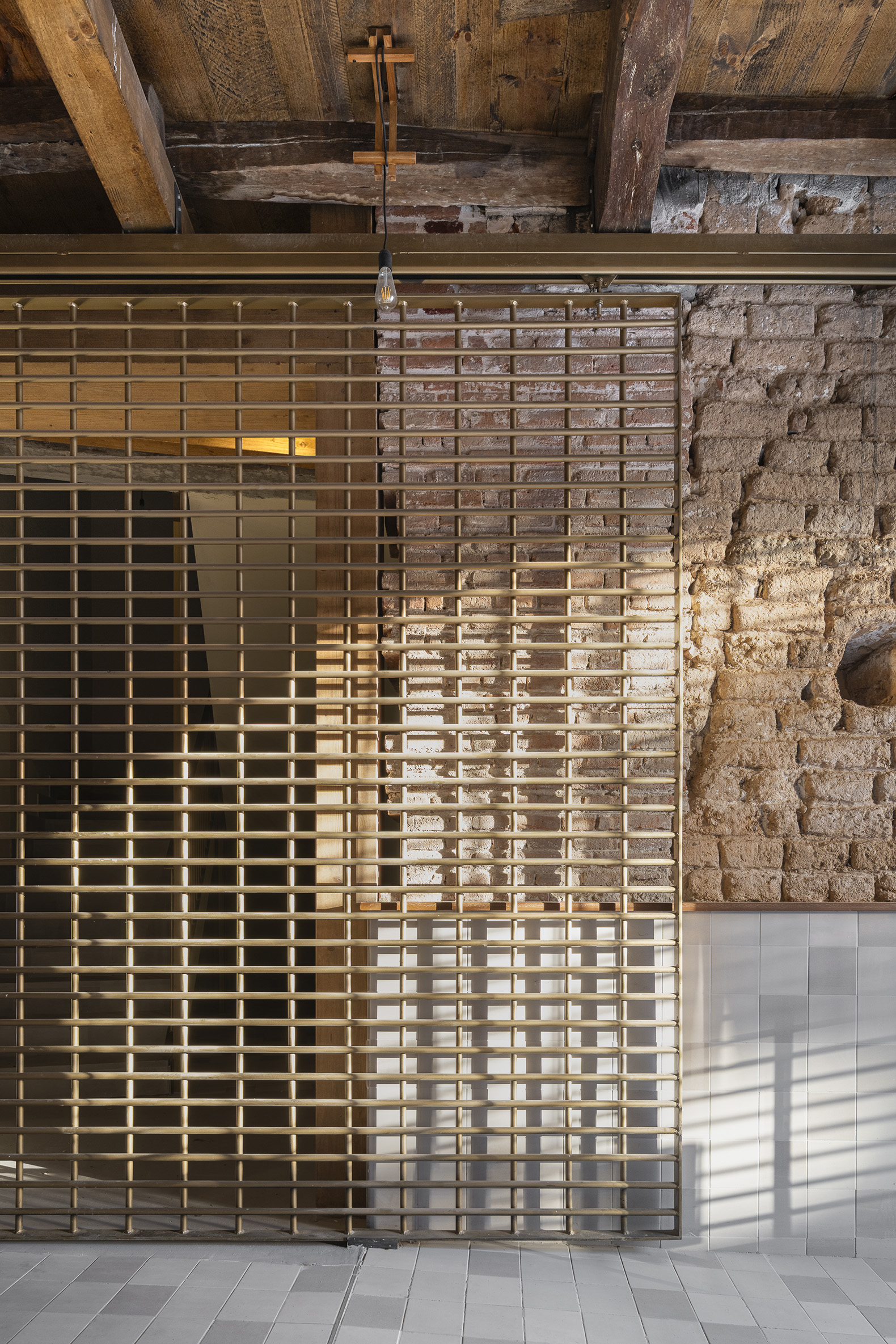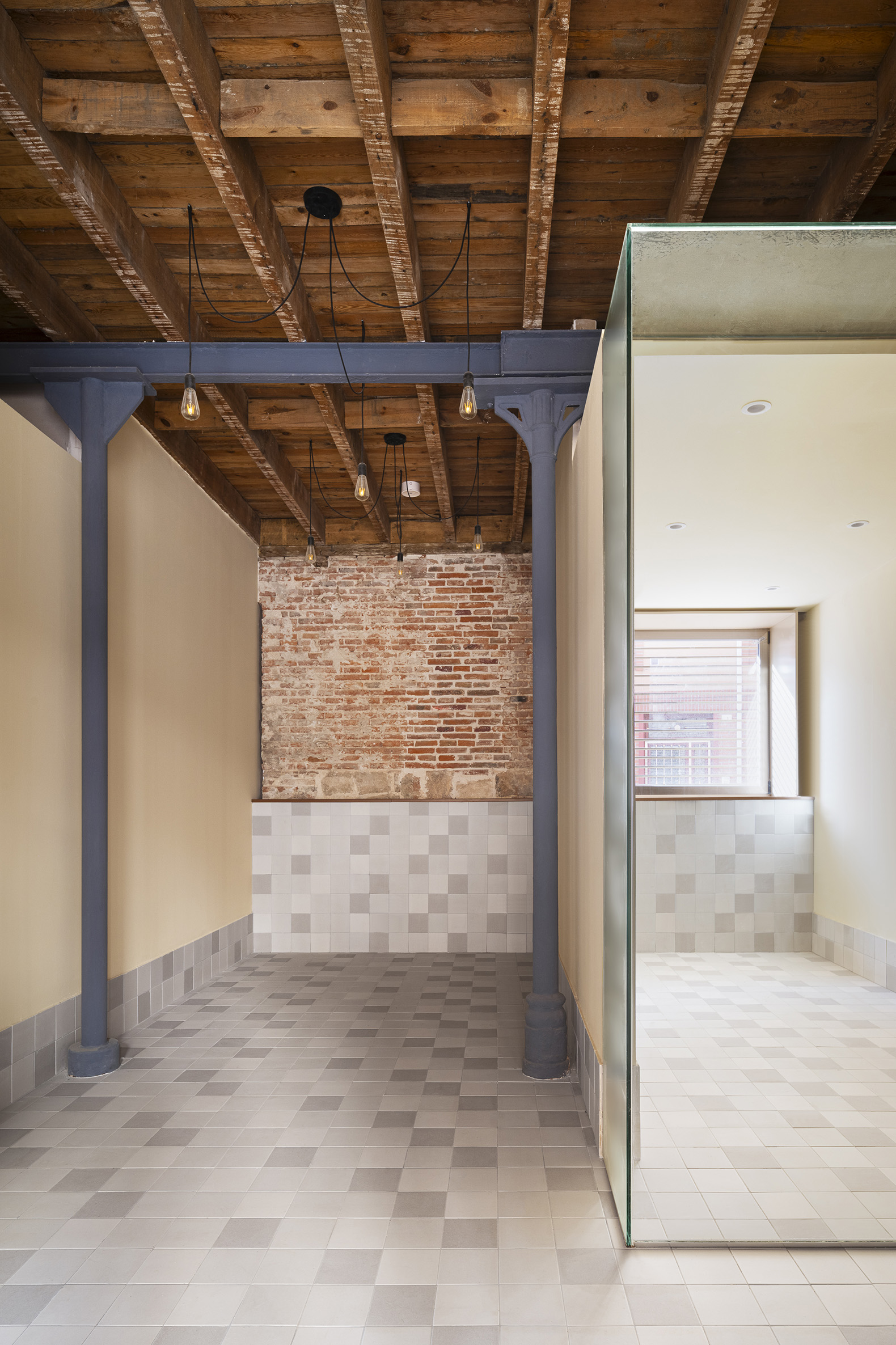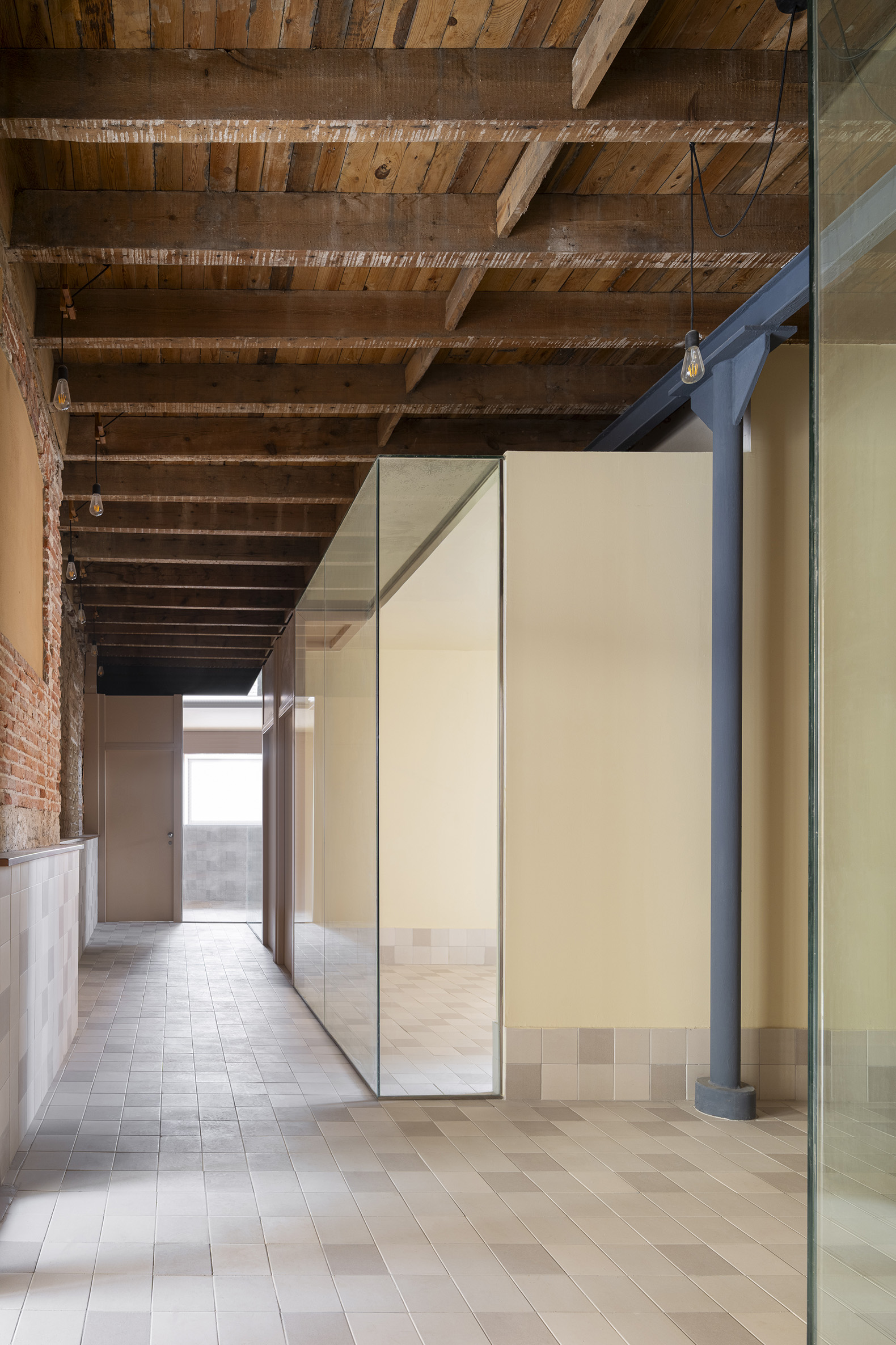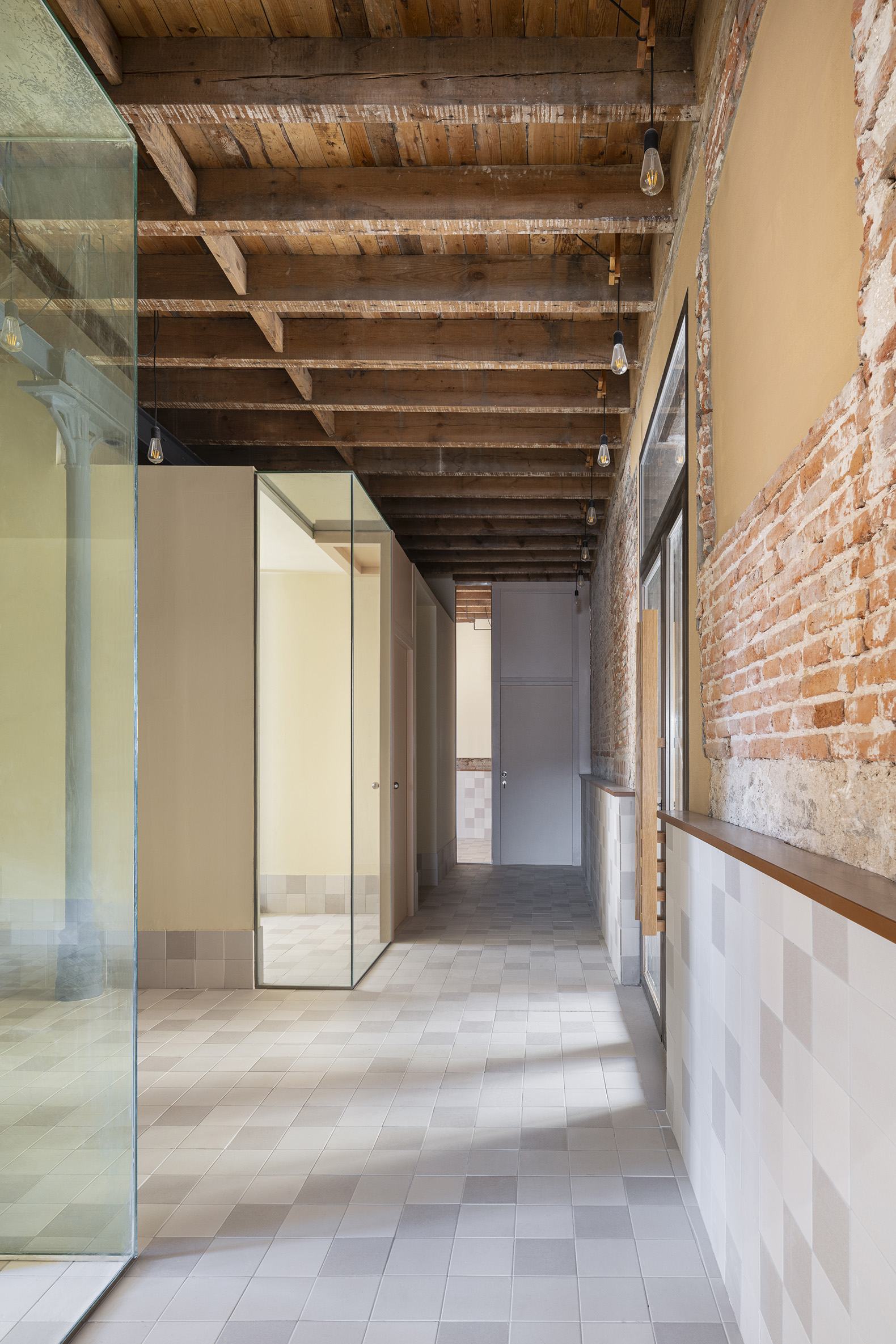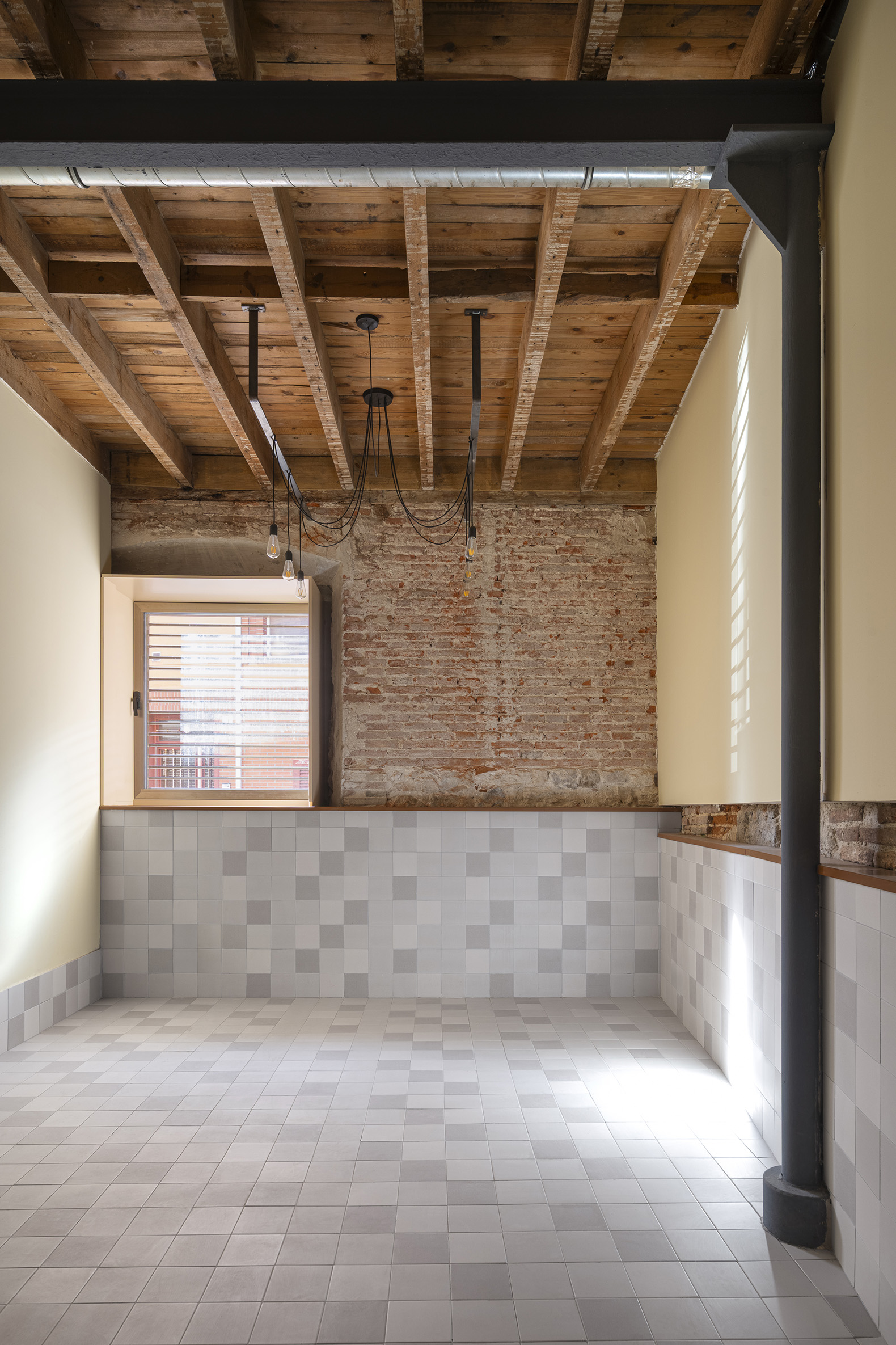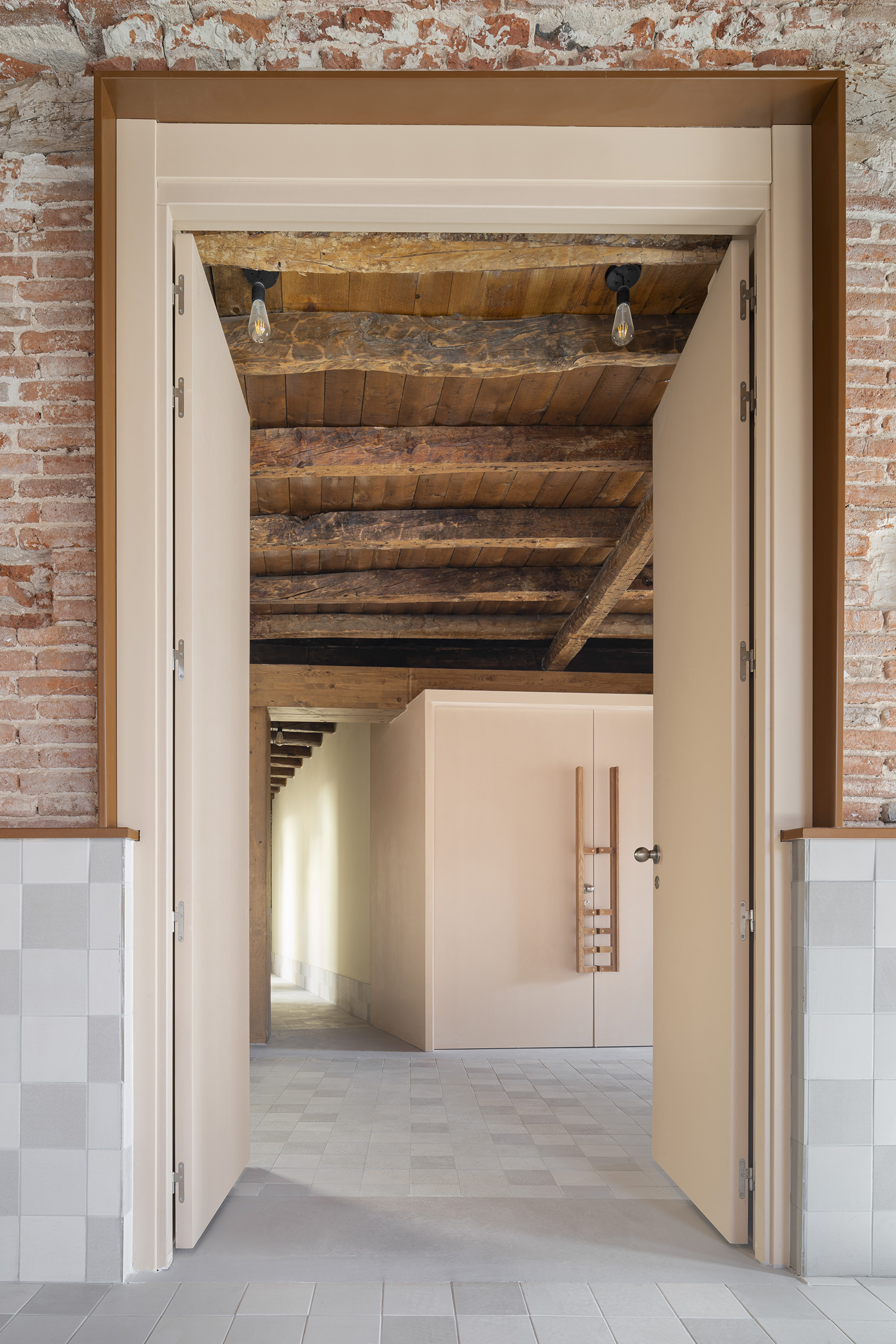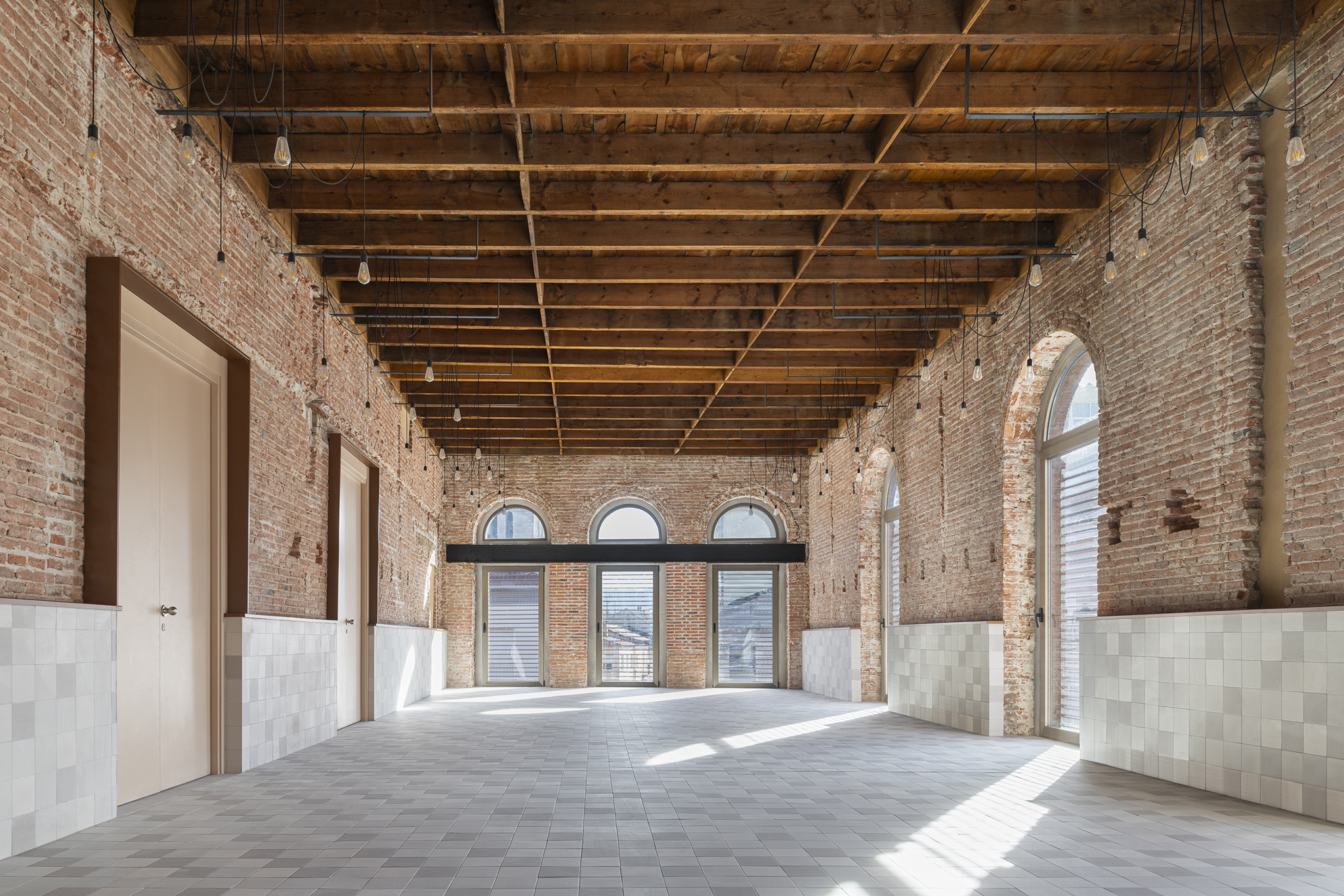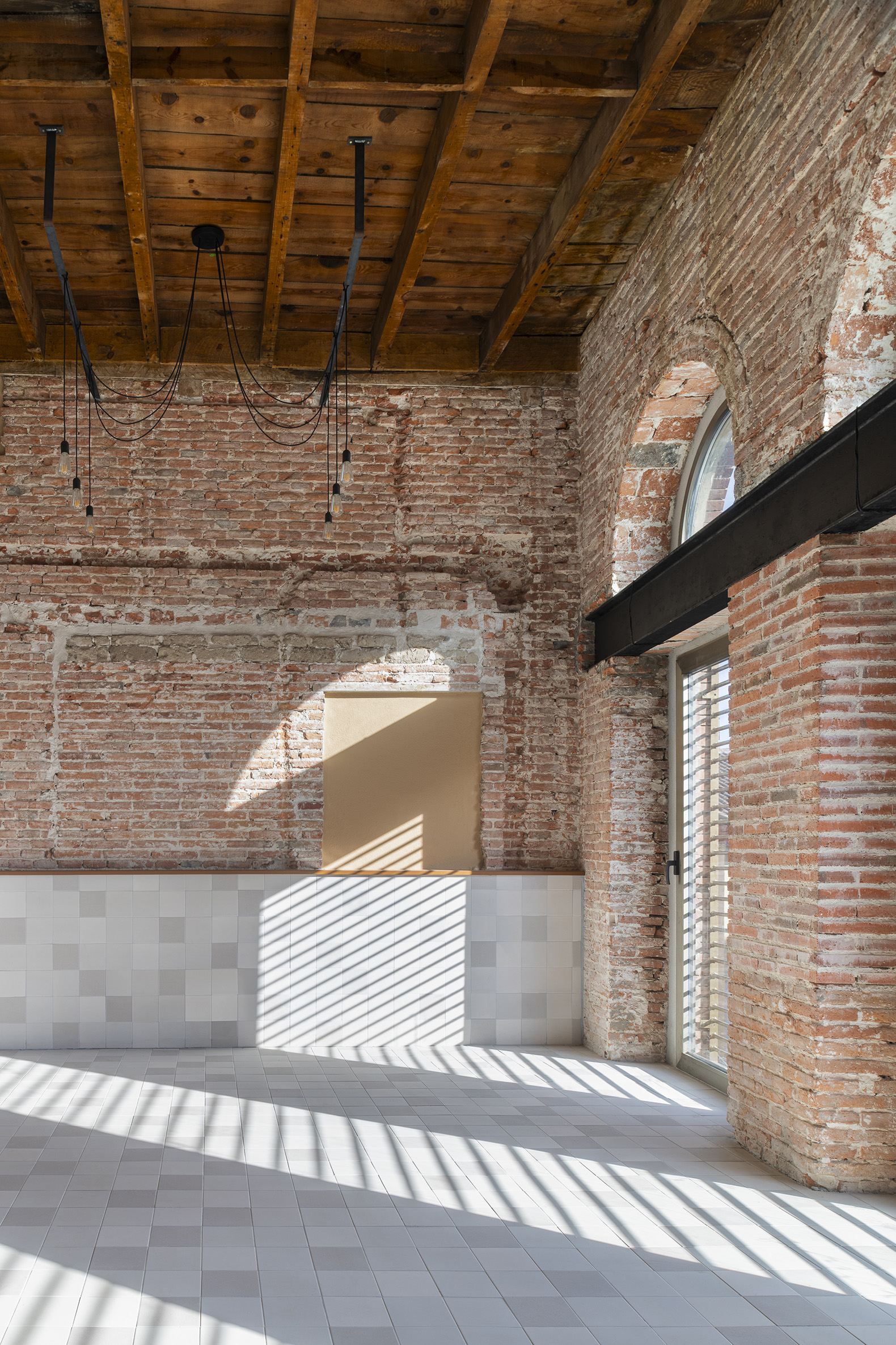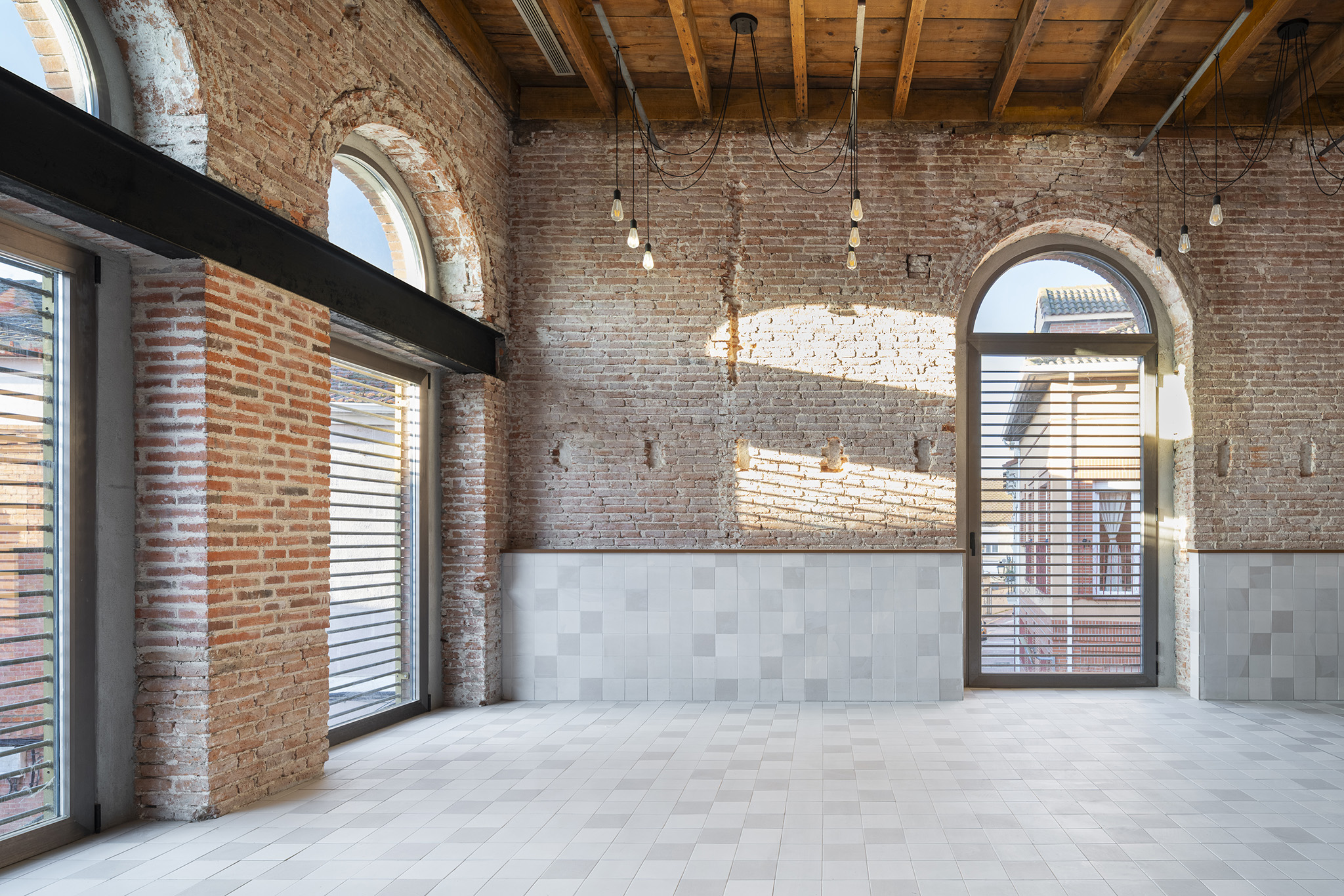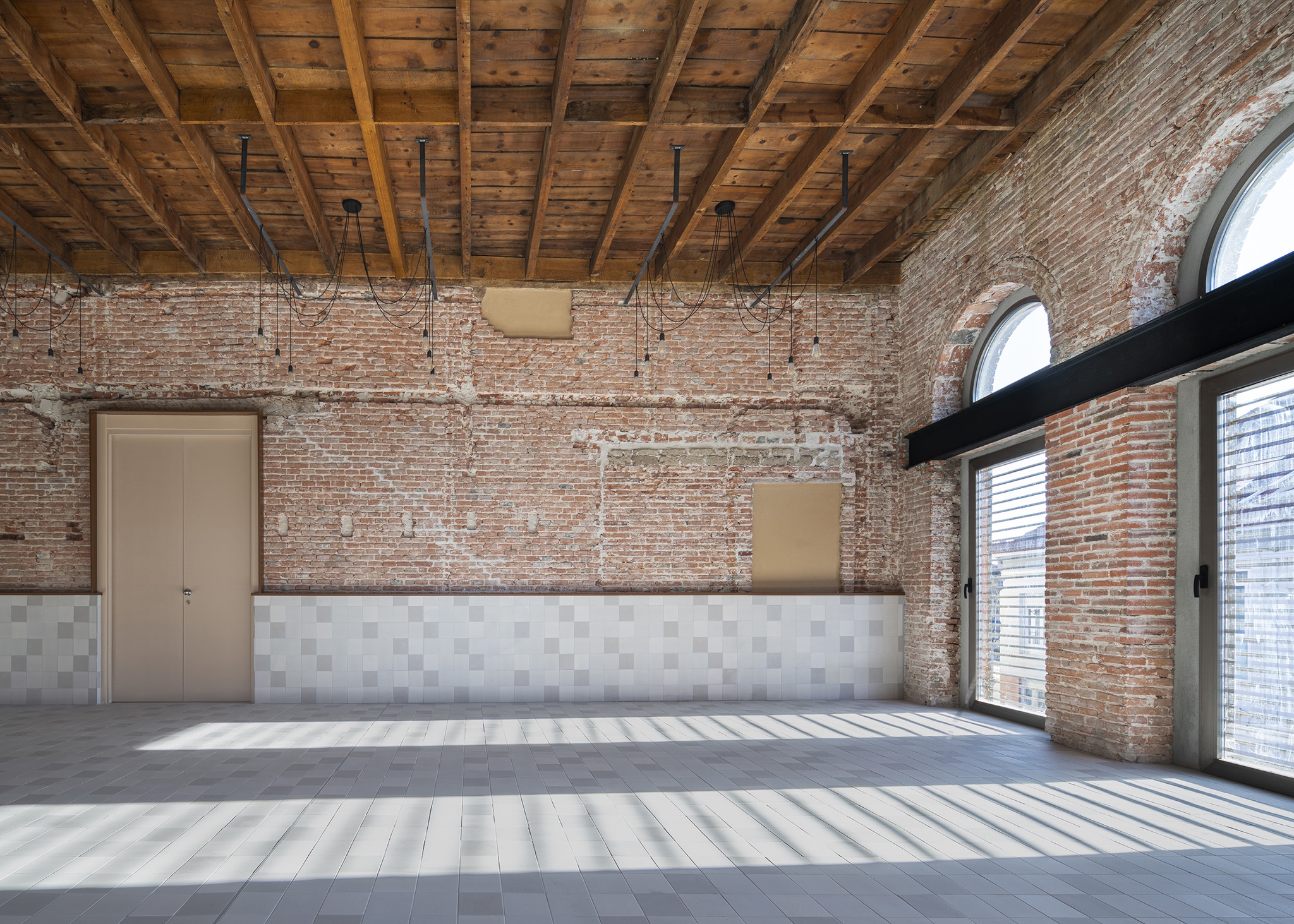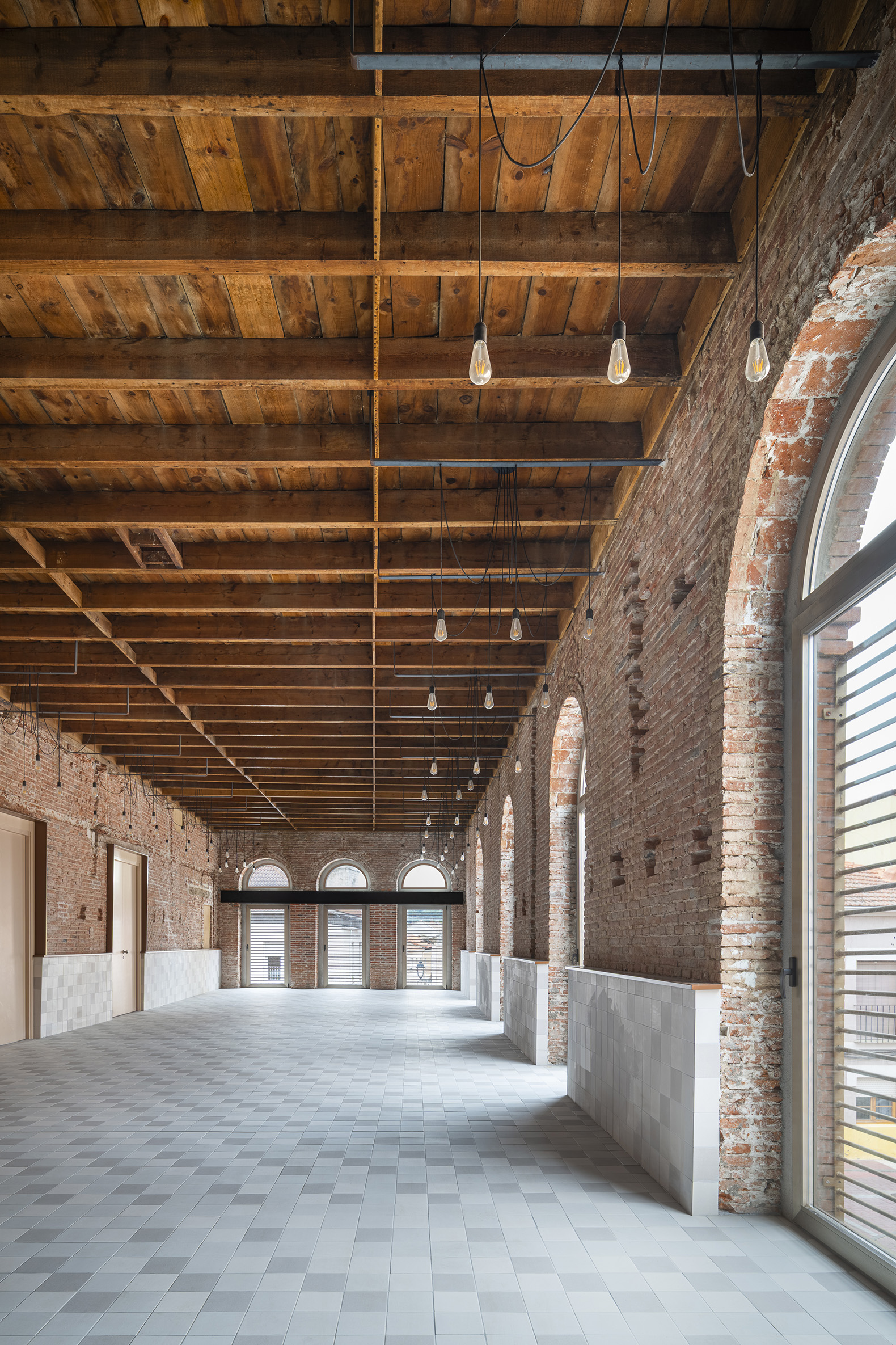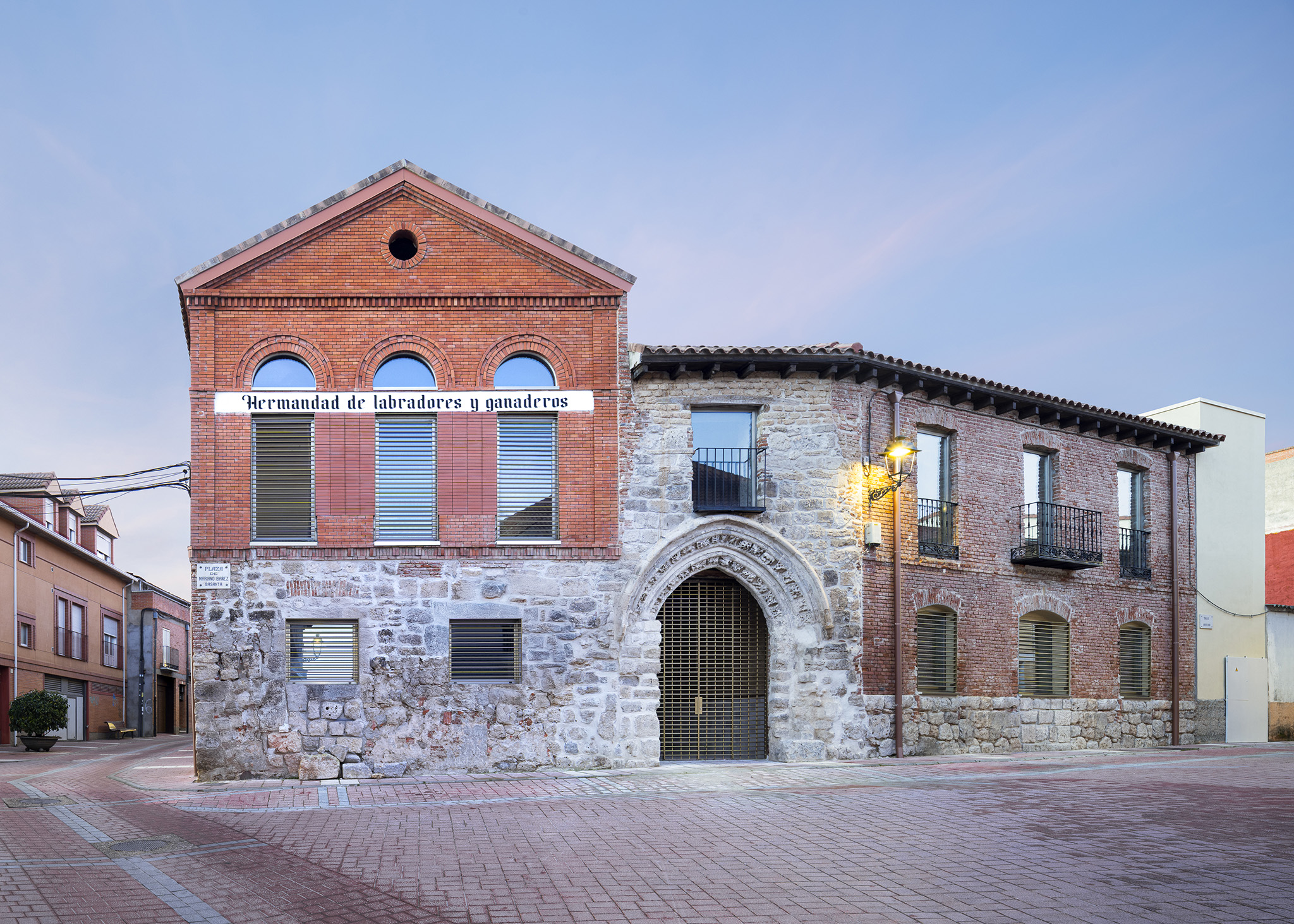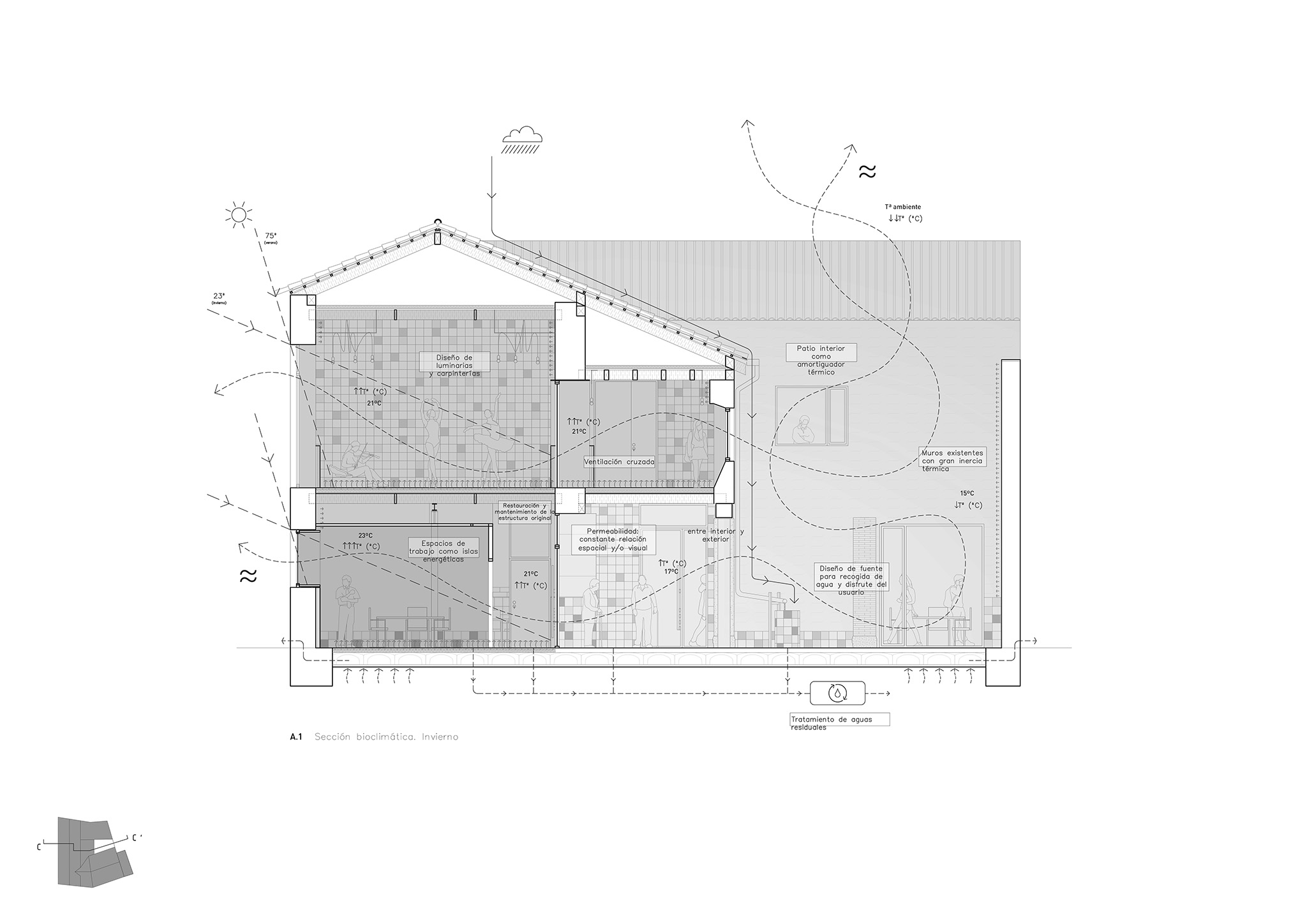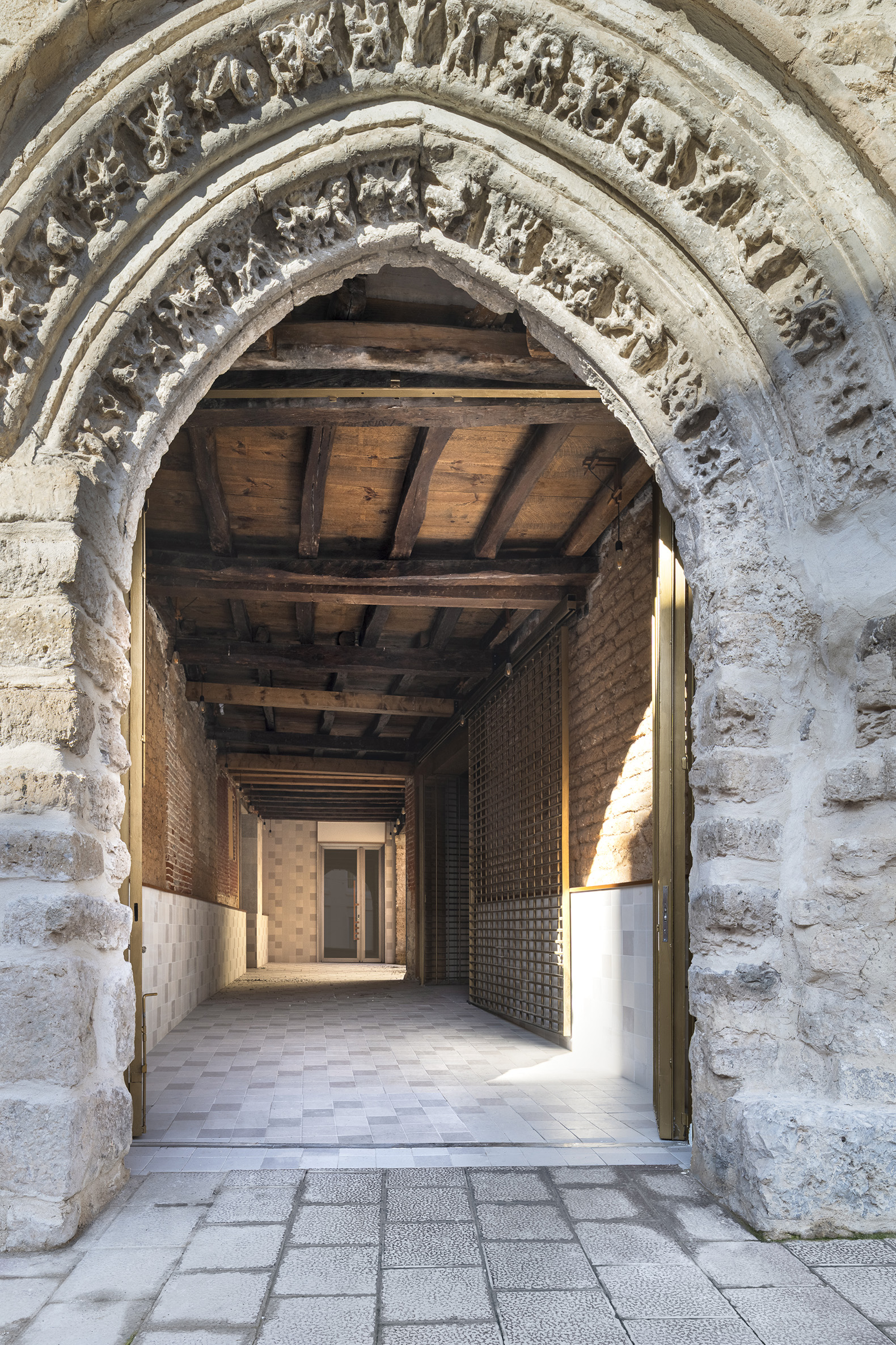
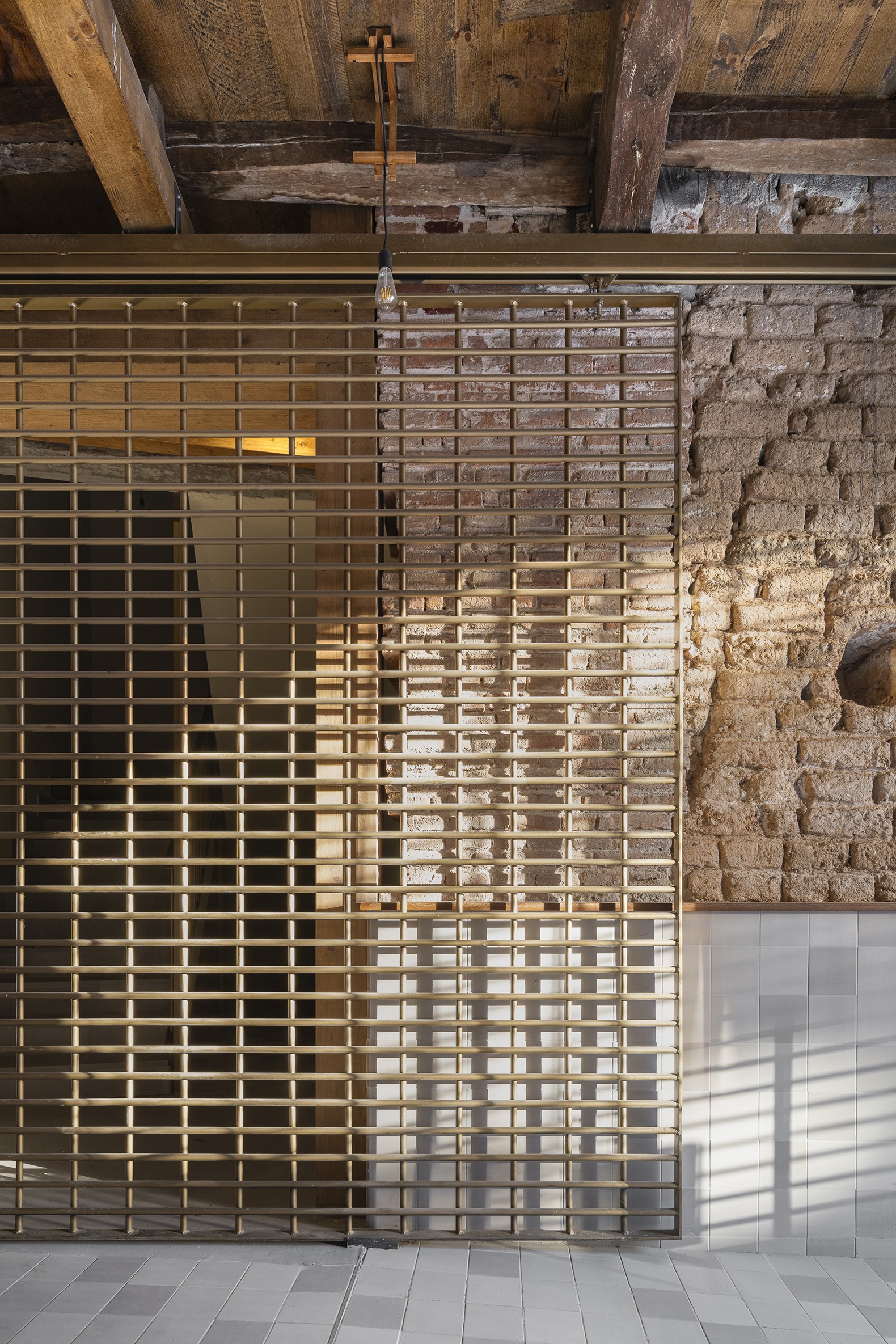
In "Espacio Joven," Óscar Miguel Ares integrates the city into the building through this space, which functions as a plaza, regulates the temperature, promotes ventilation, and establishes visual and spatial connections between the different areas. These areas host diverse social and cultural activities, creating a meeting point and fostering intergenerational integration.
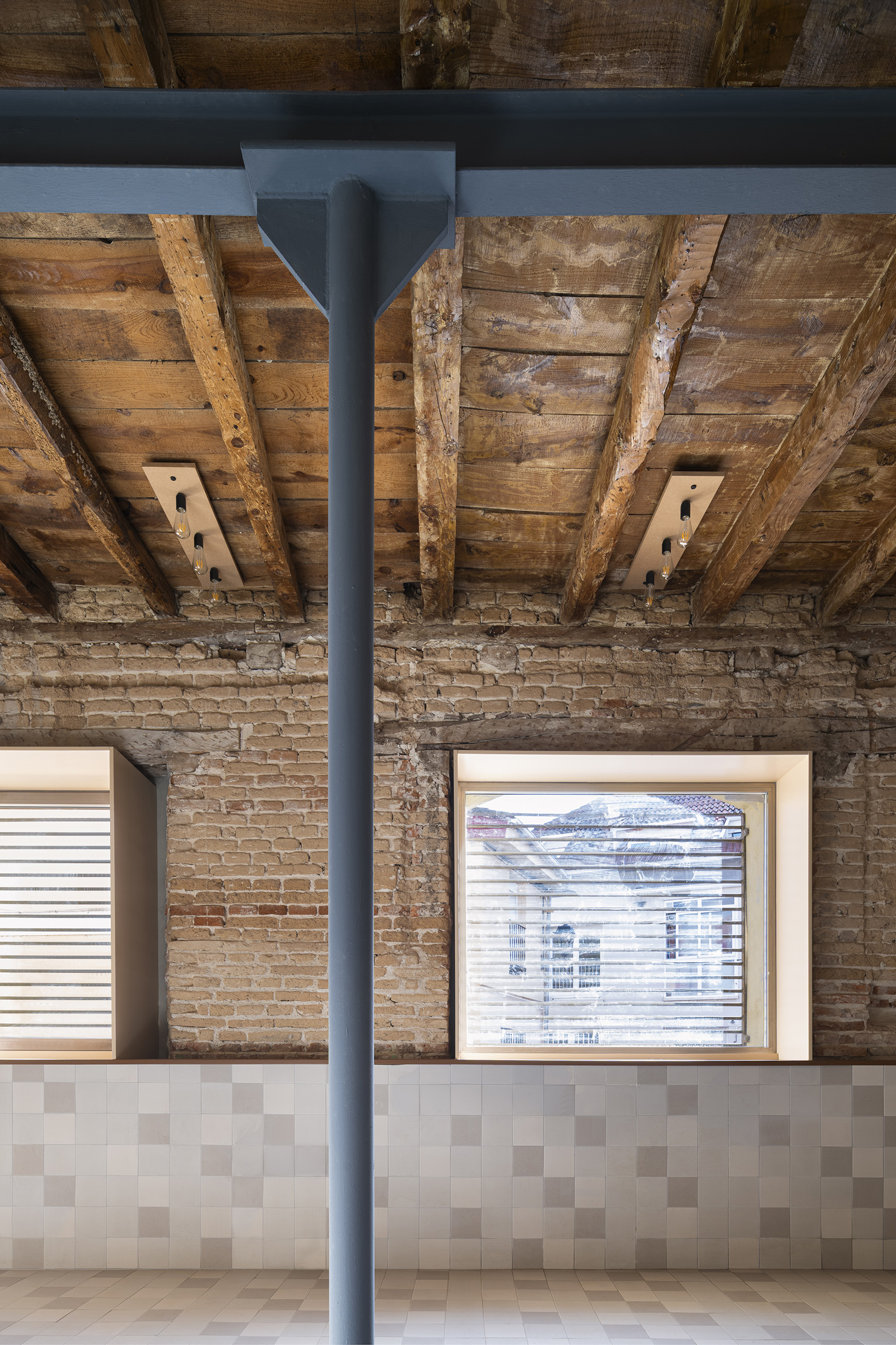
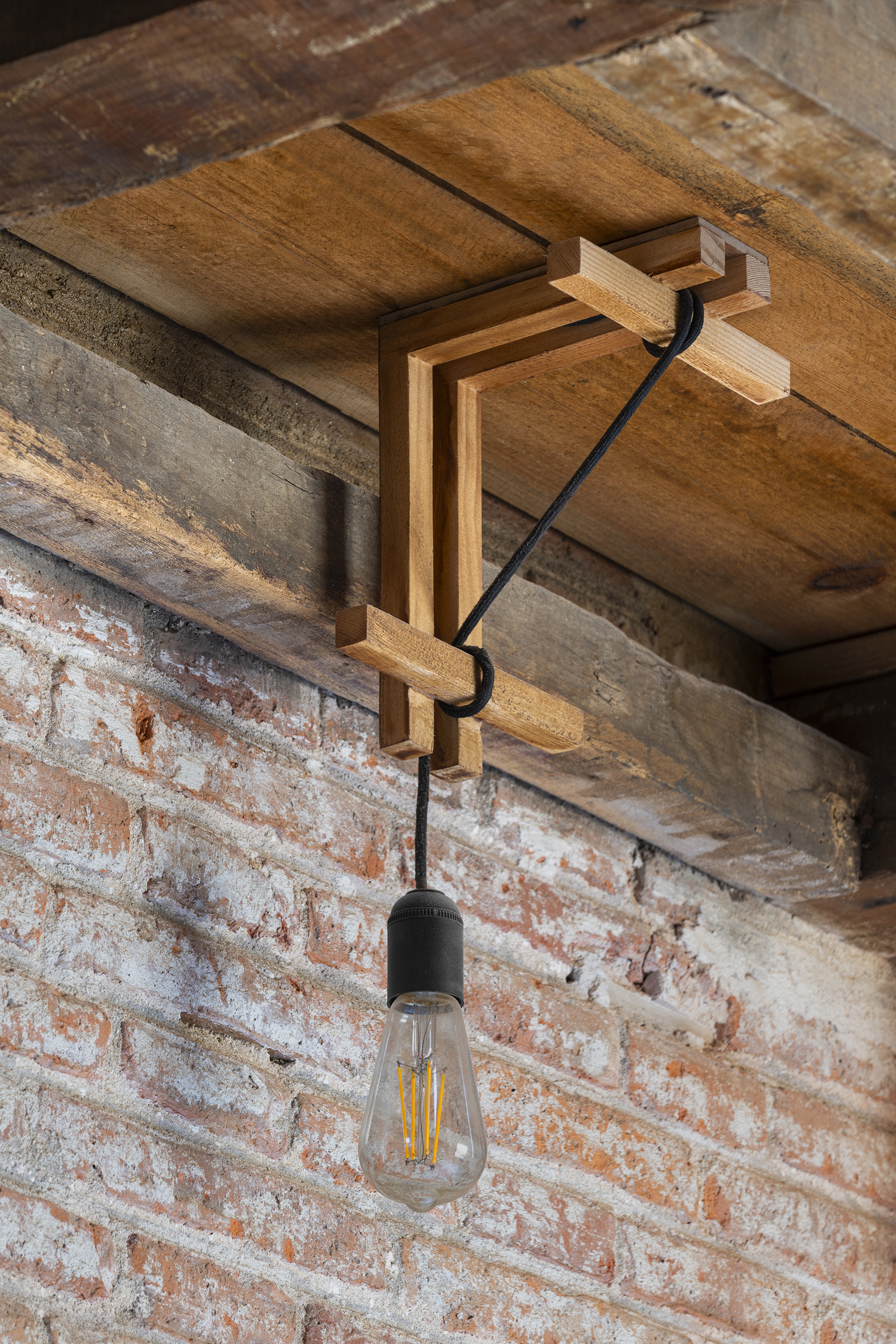
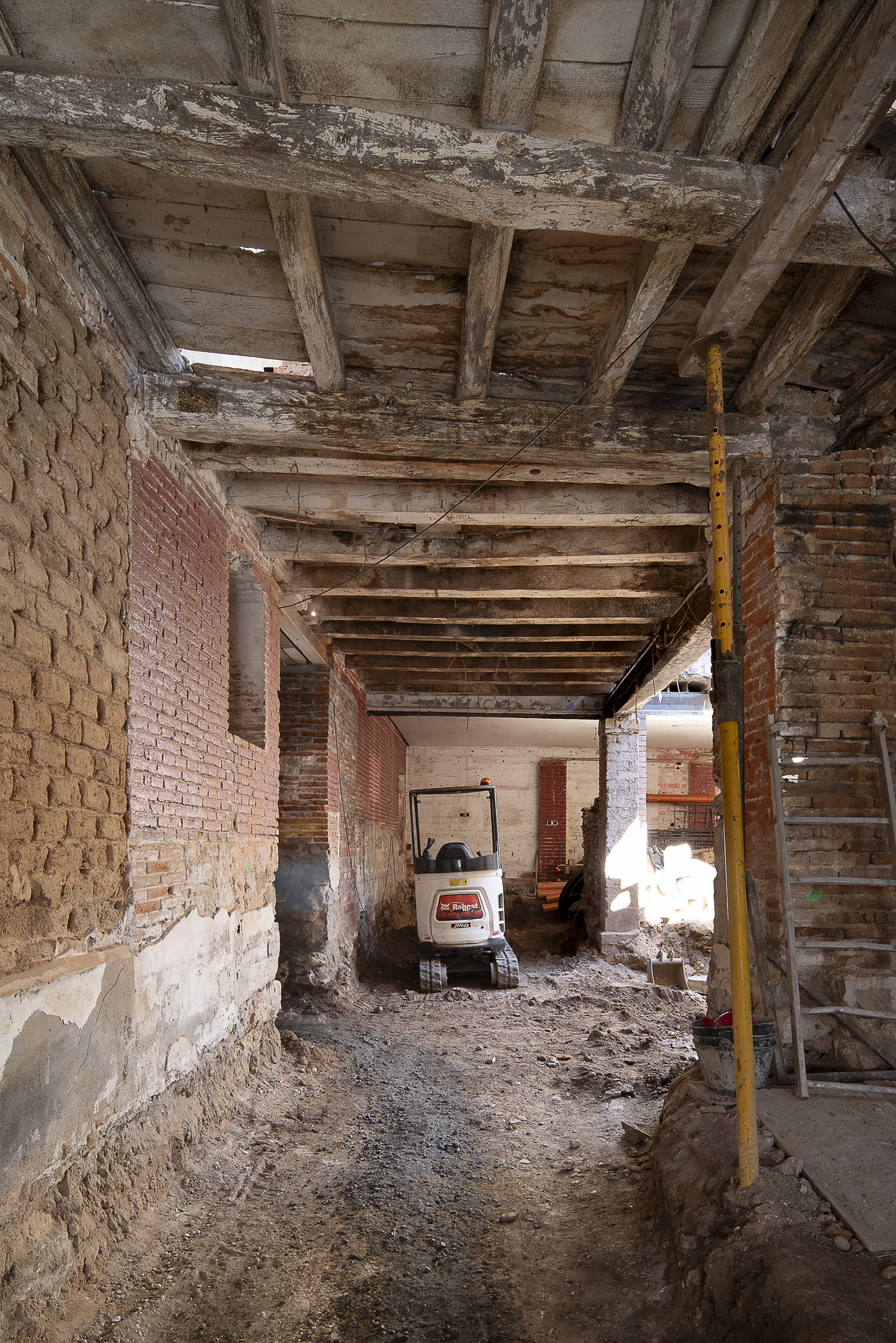
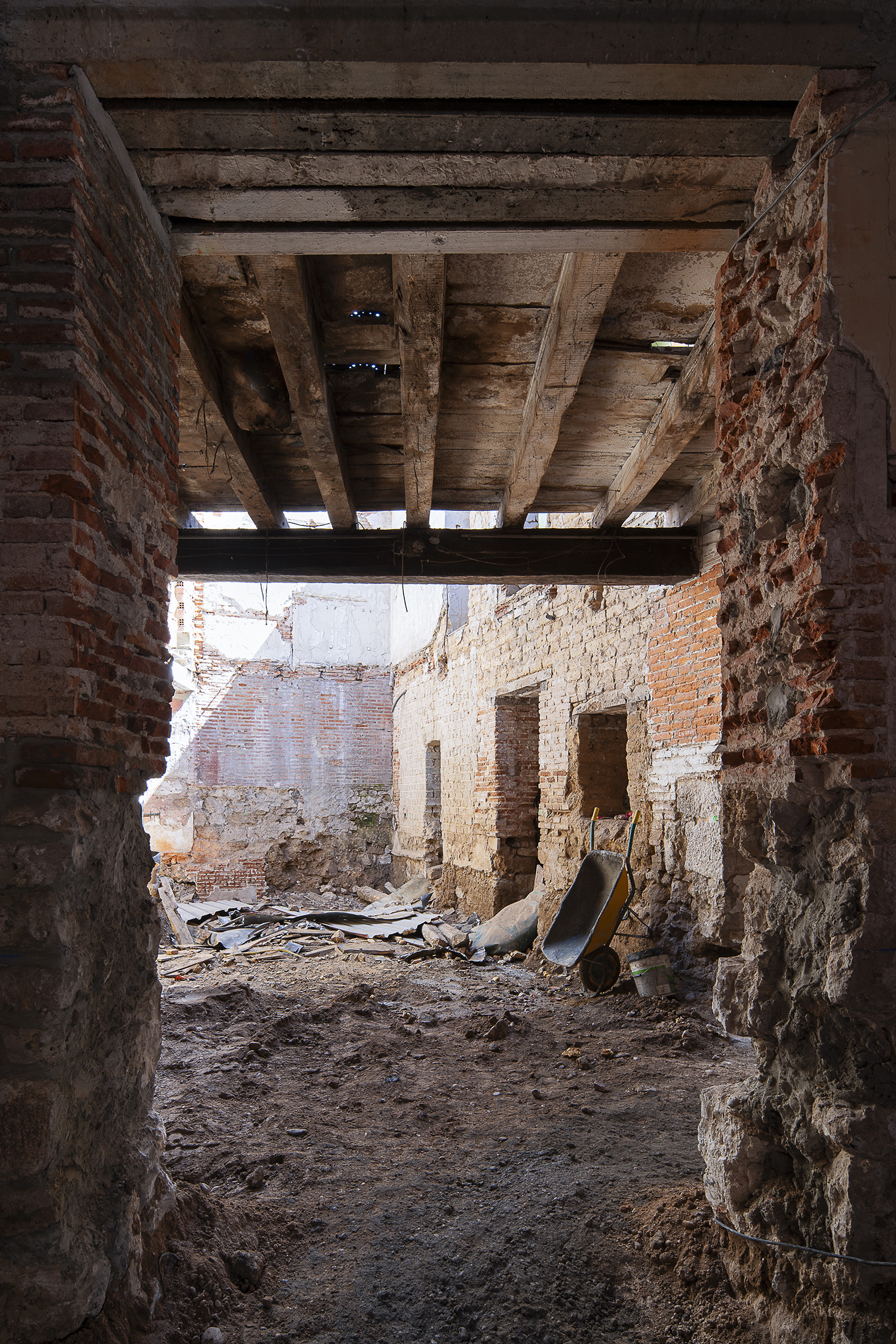
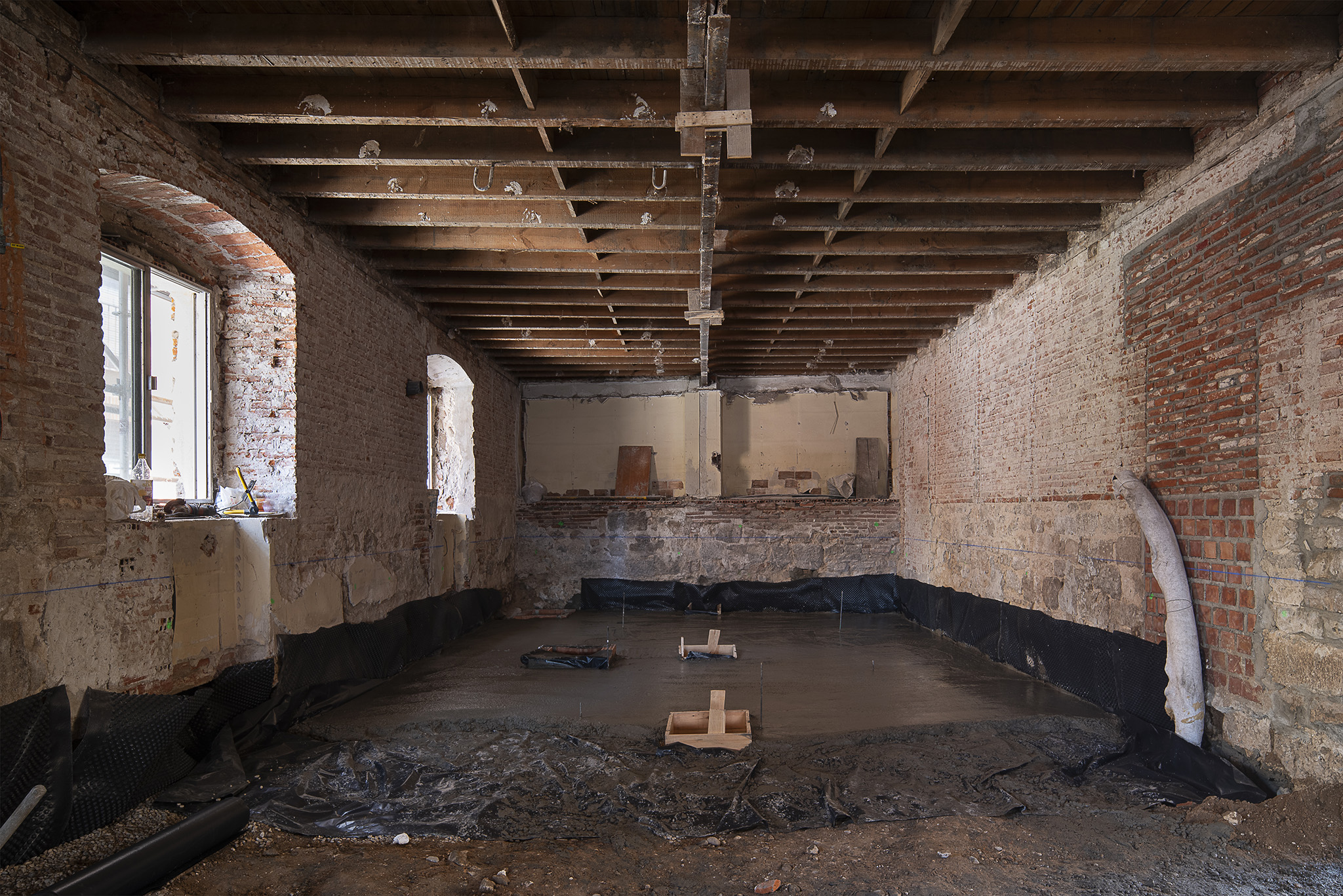
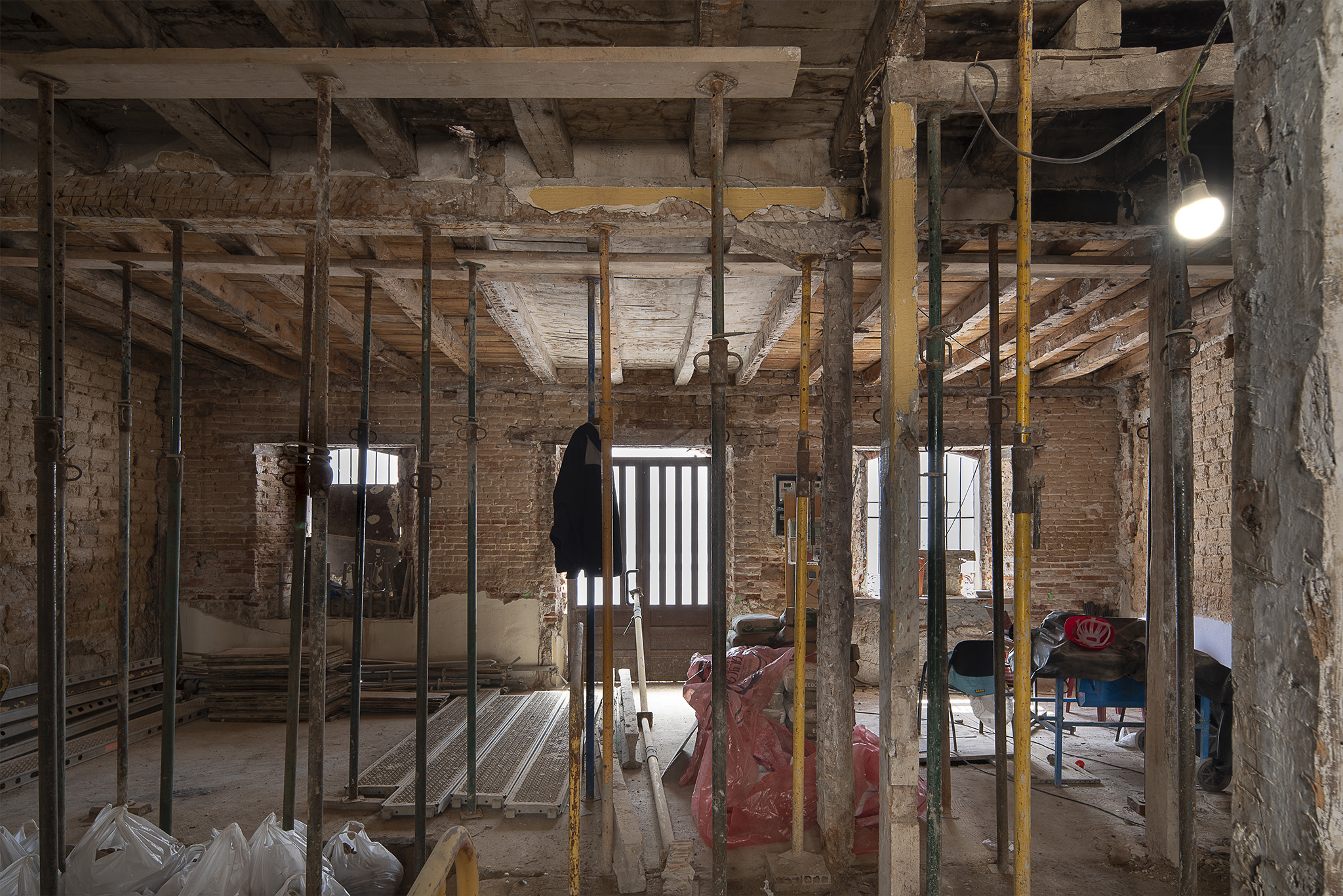
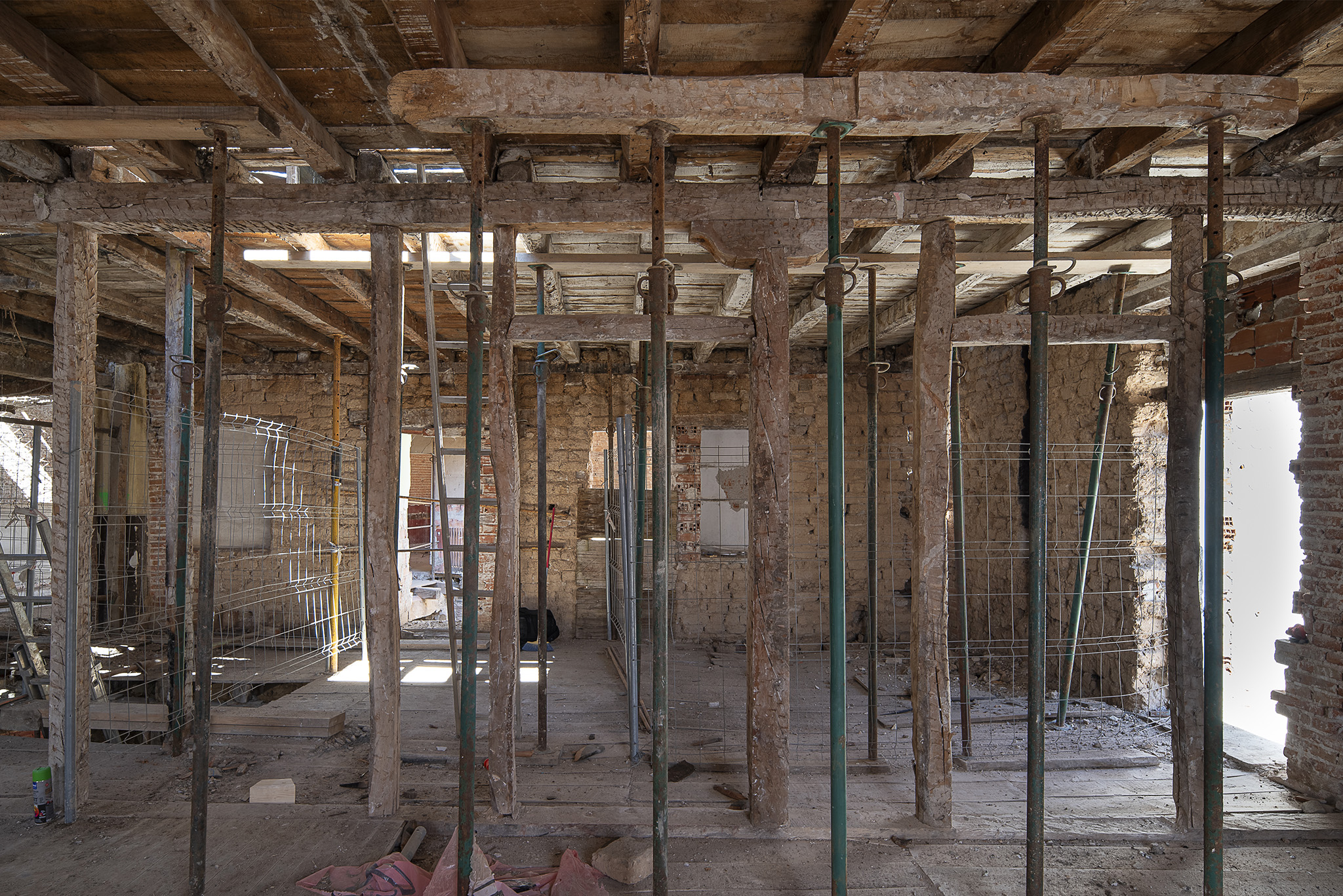
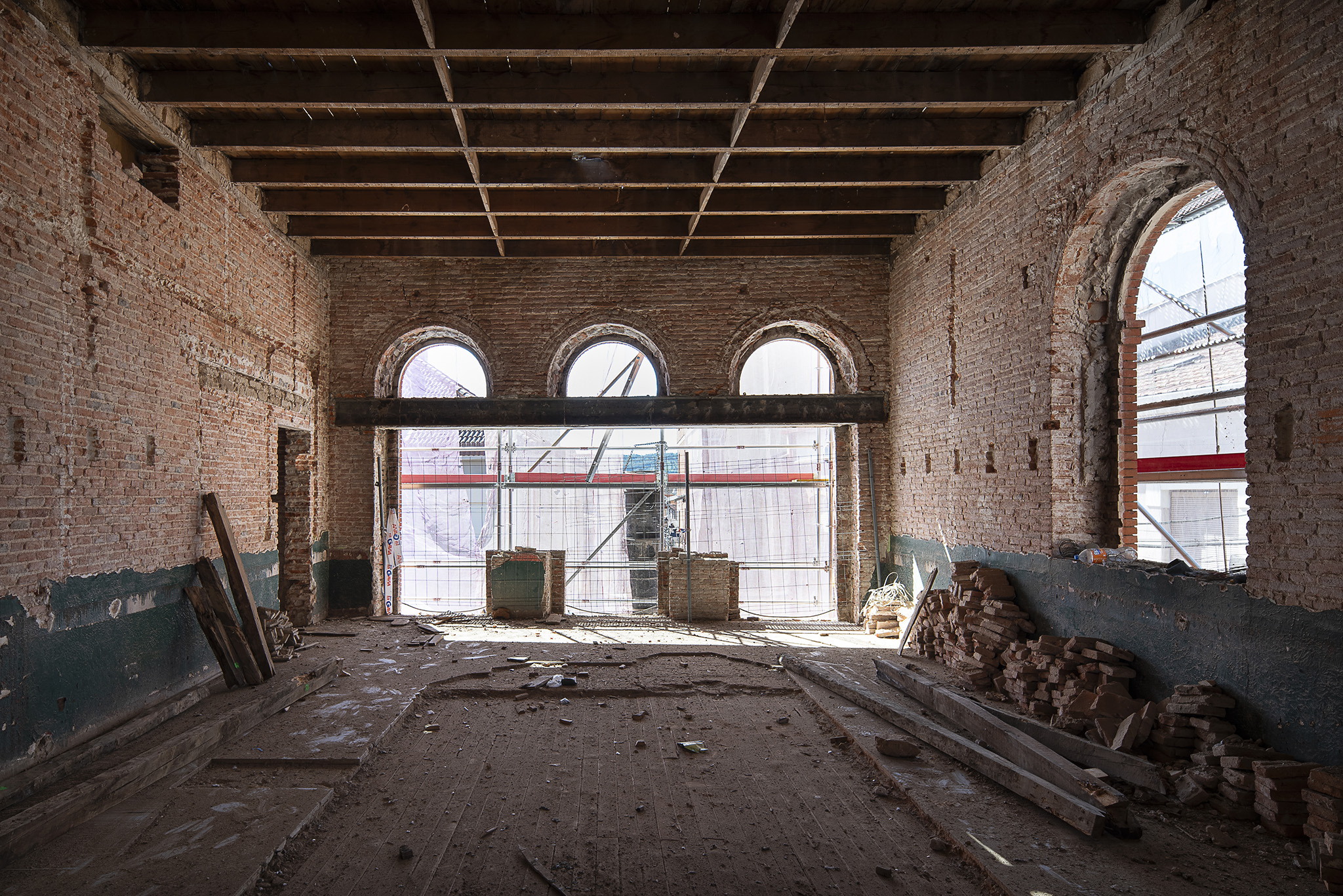
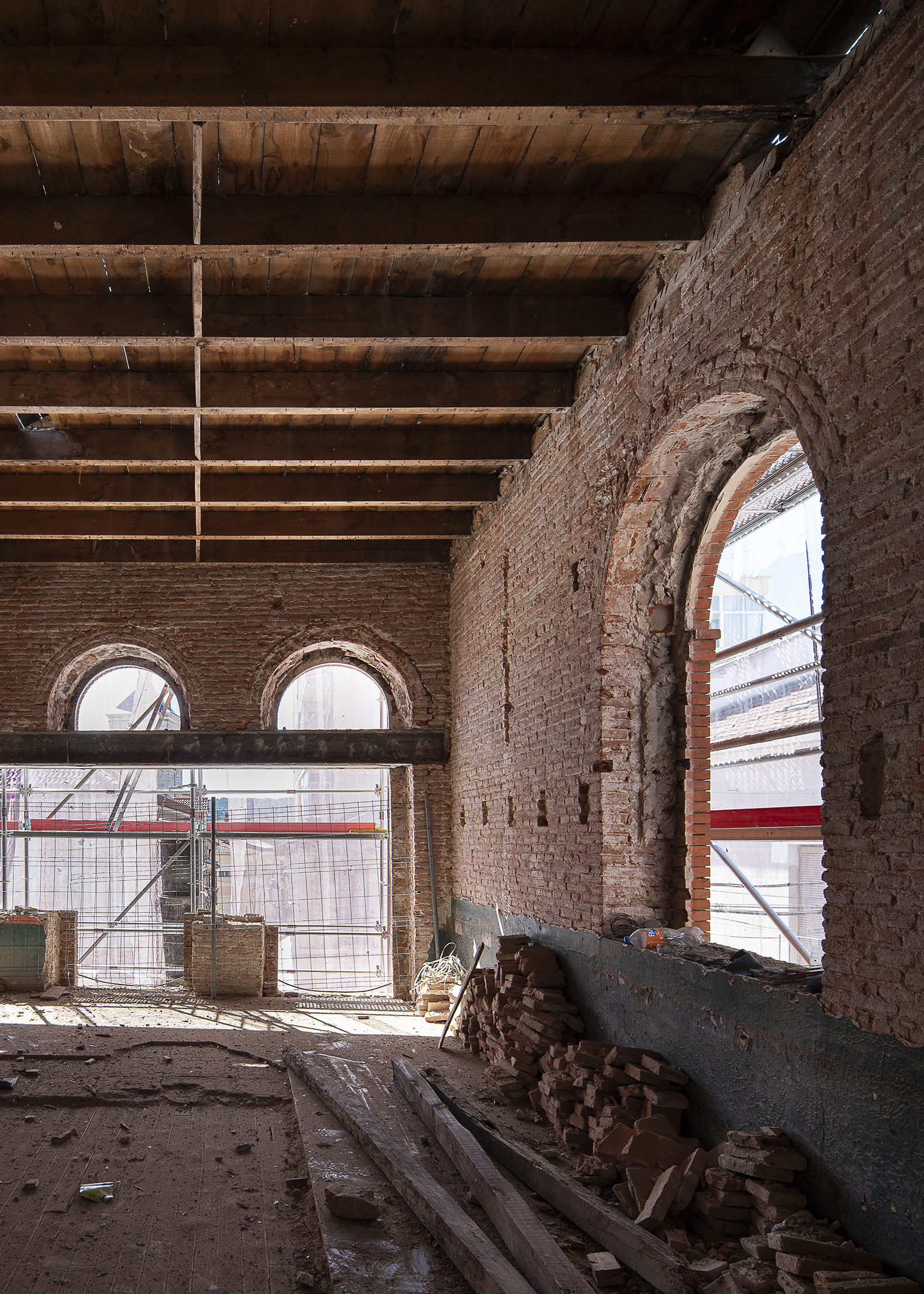
The proposal is based on the premise of minimizing the construction impact and highlighting the value of the materials by restoring the original masonry and stones, utilizing the original structure, and minimizing construction and demolition waste.
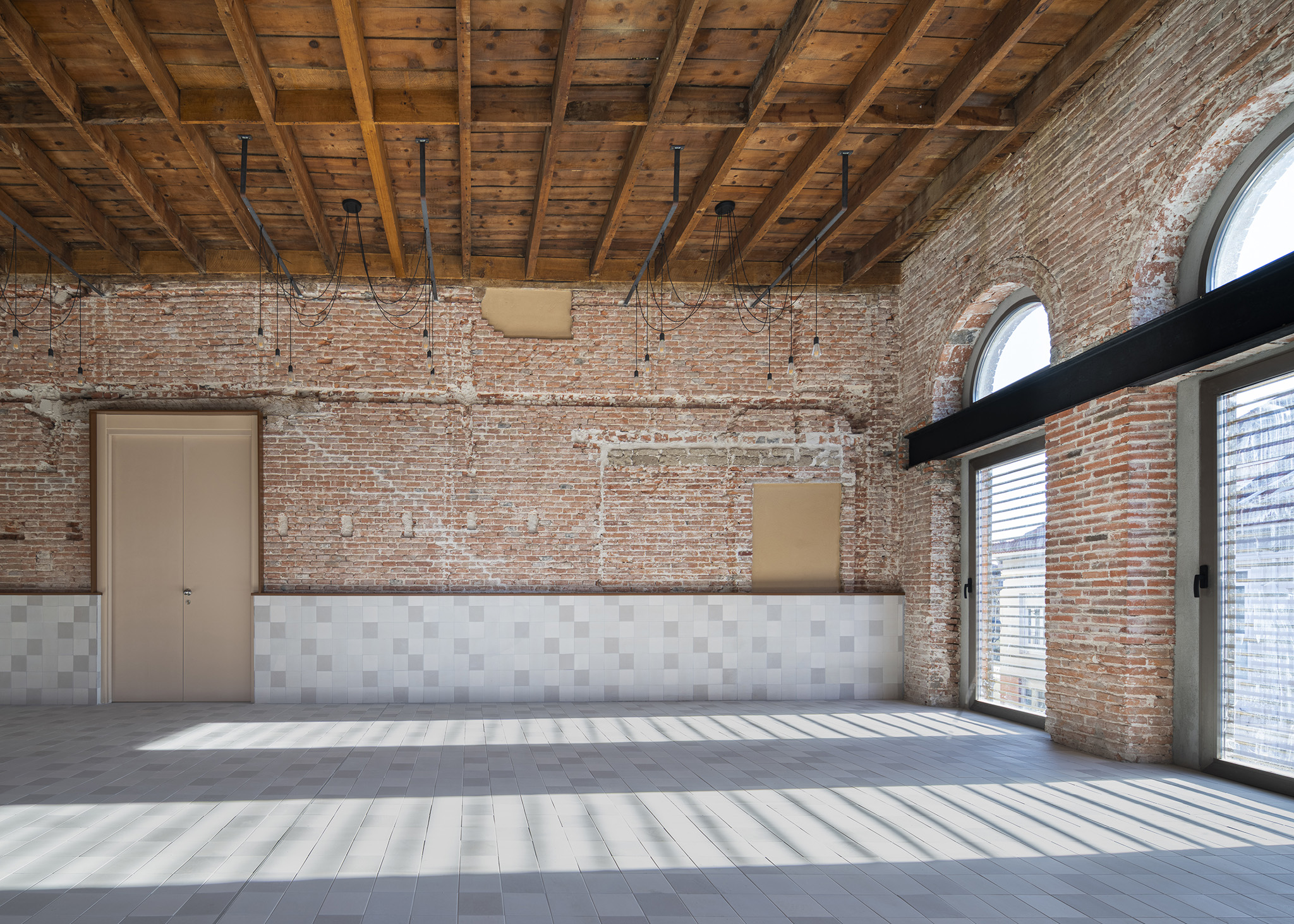
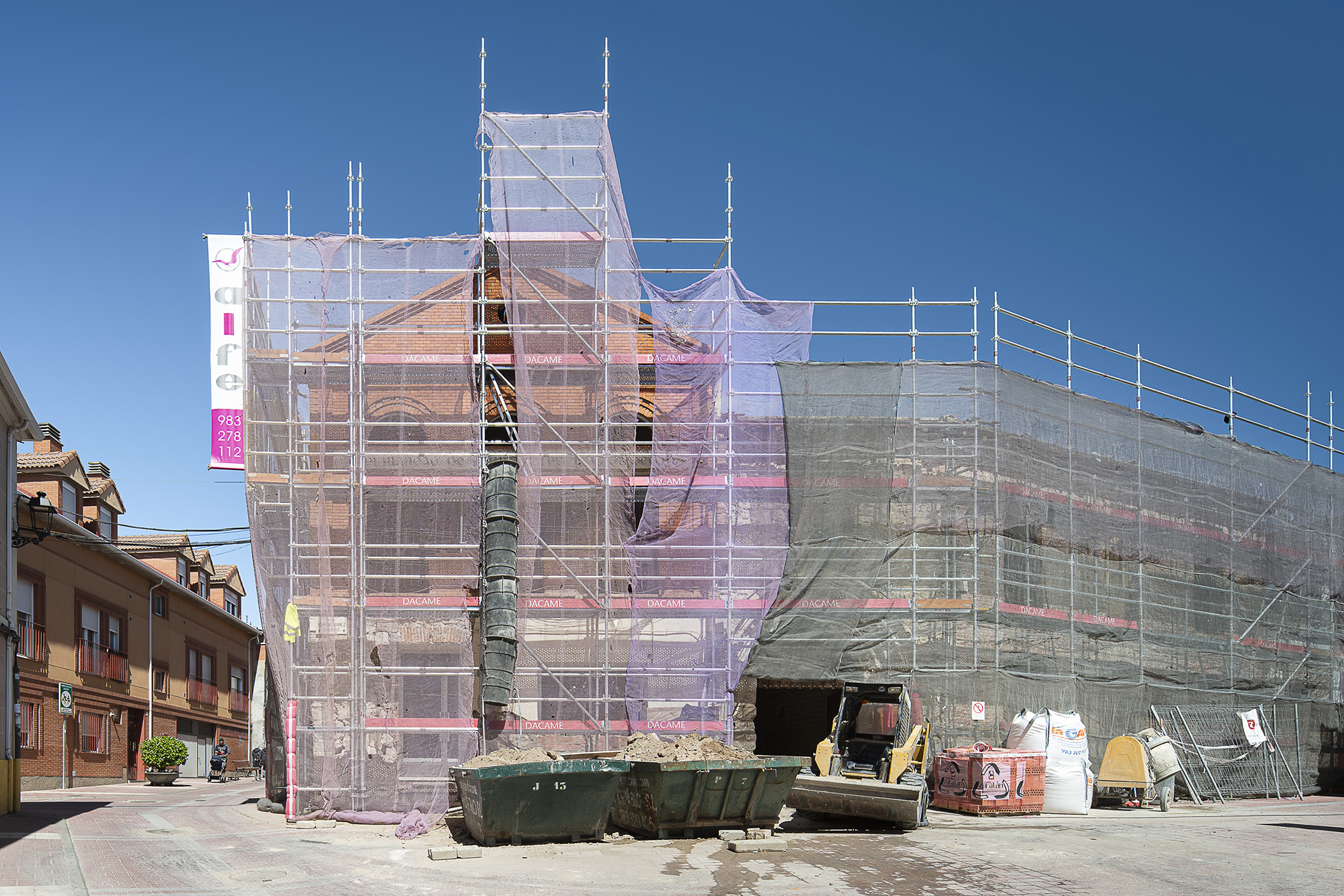
"Espacio Joven" by Óscar Miguel Ares. Photograph by Gabriel Gallegos Alonso.
Project description by Óscar Miguel Ares
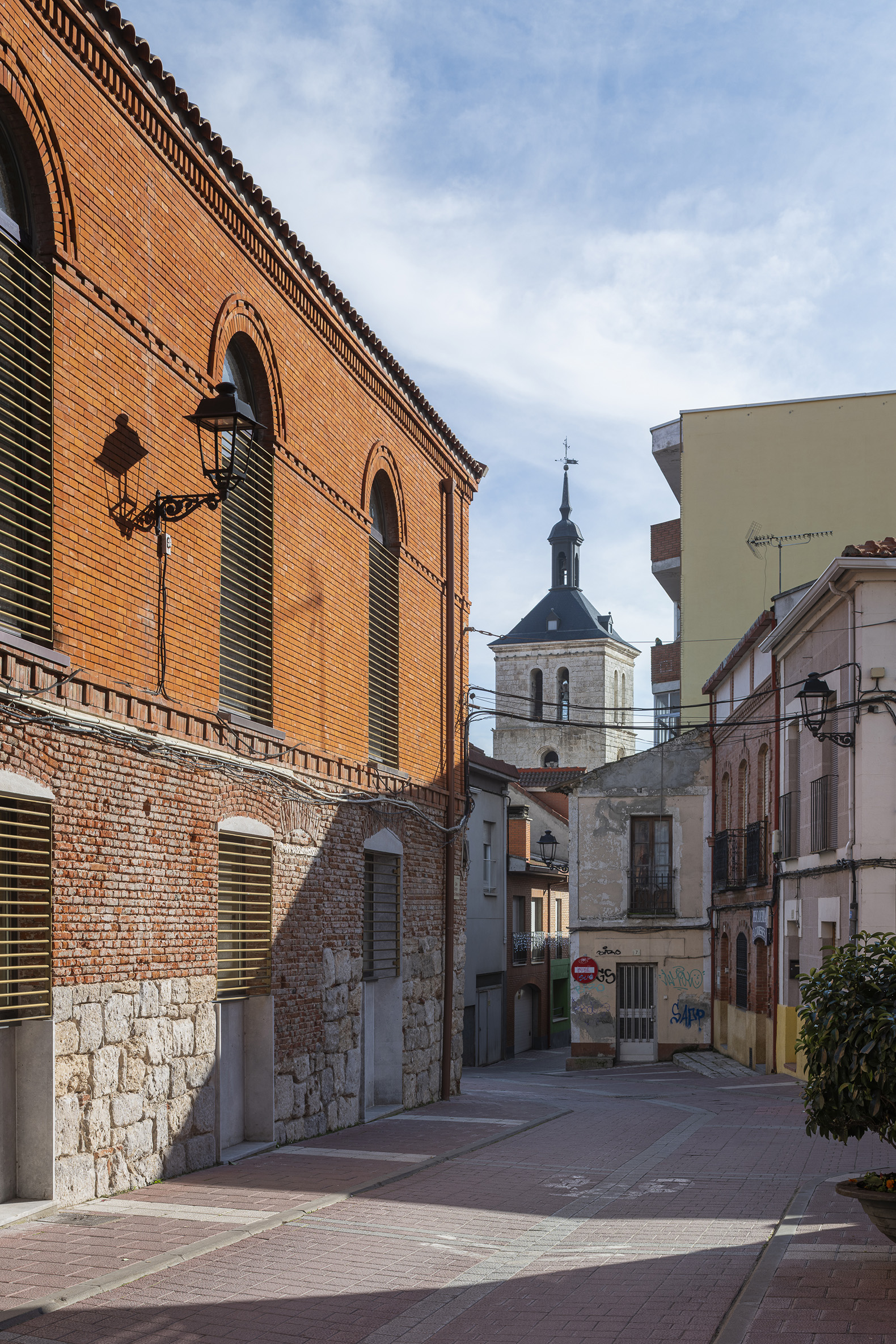
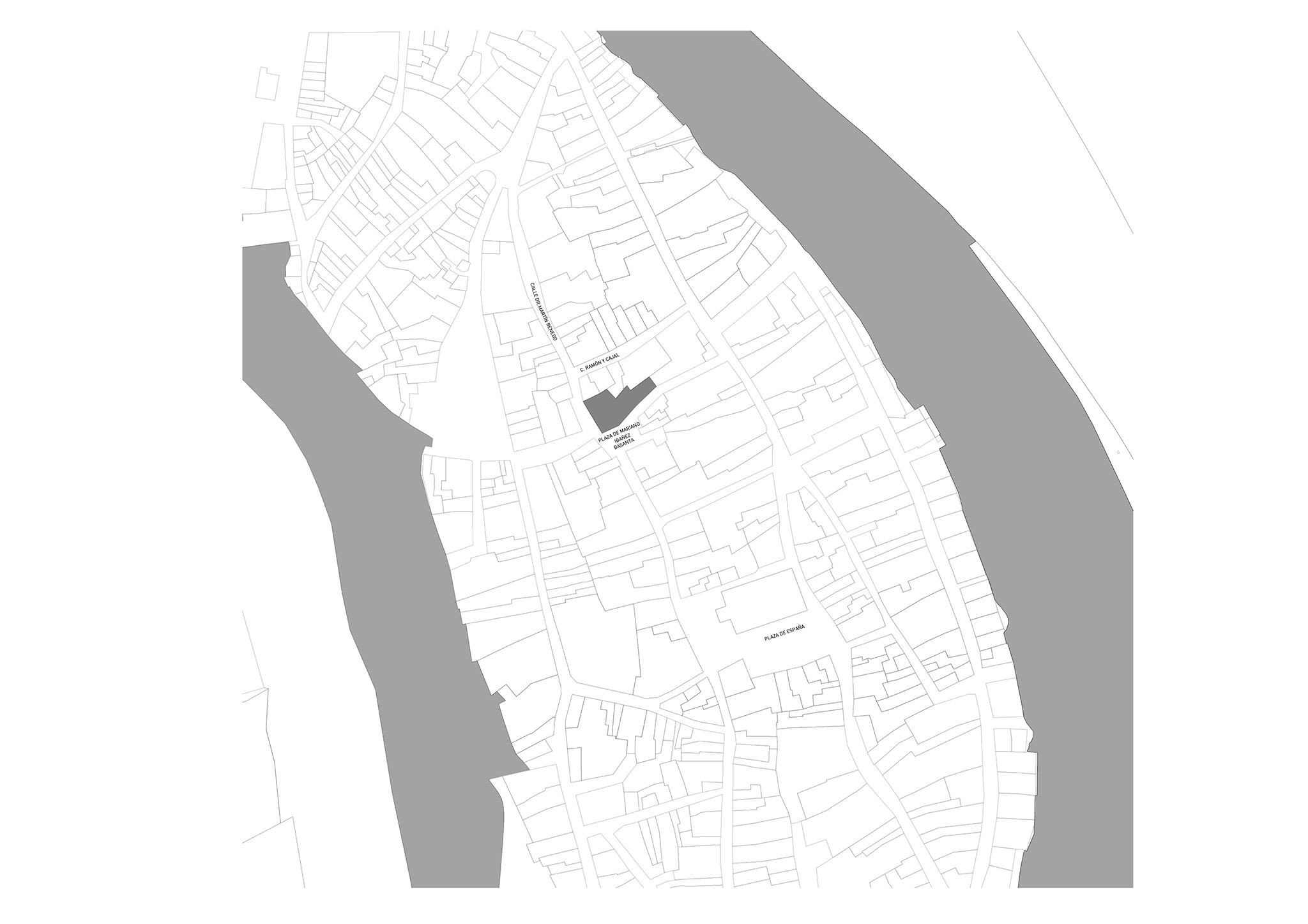
Tudela de Duero is a town situated on the banks of the river that gives it its name. Its historic center, laid out on a medieval grid contained within the perimeter of an ancient, now vanished, wall, resulted in a compact urban fabric where streets and squares were compressed to their bare minimum.
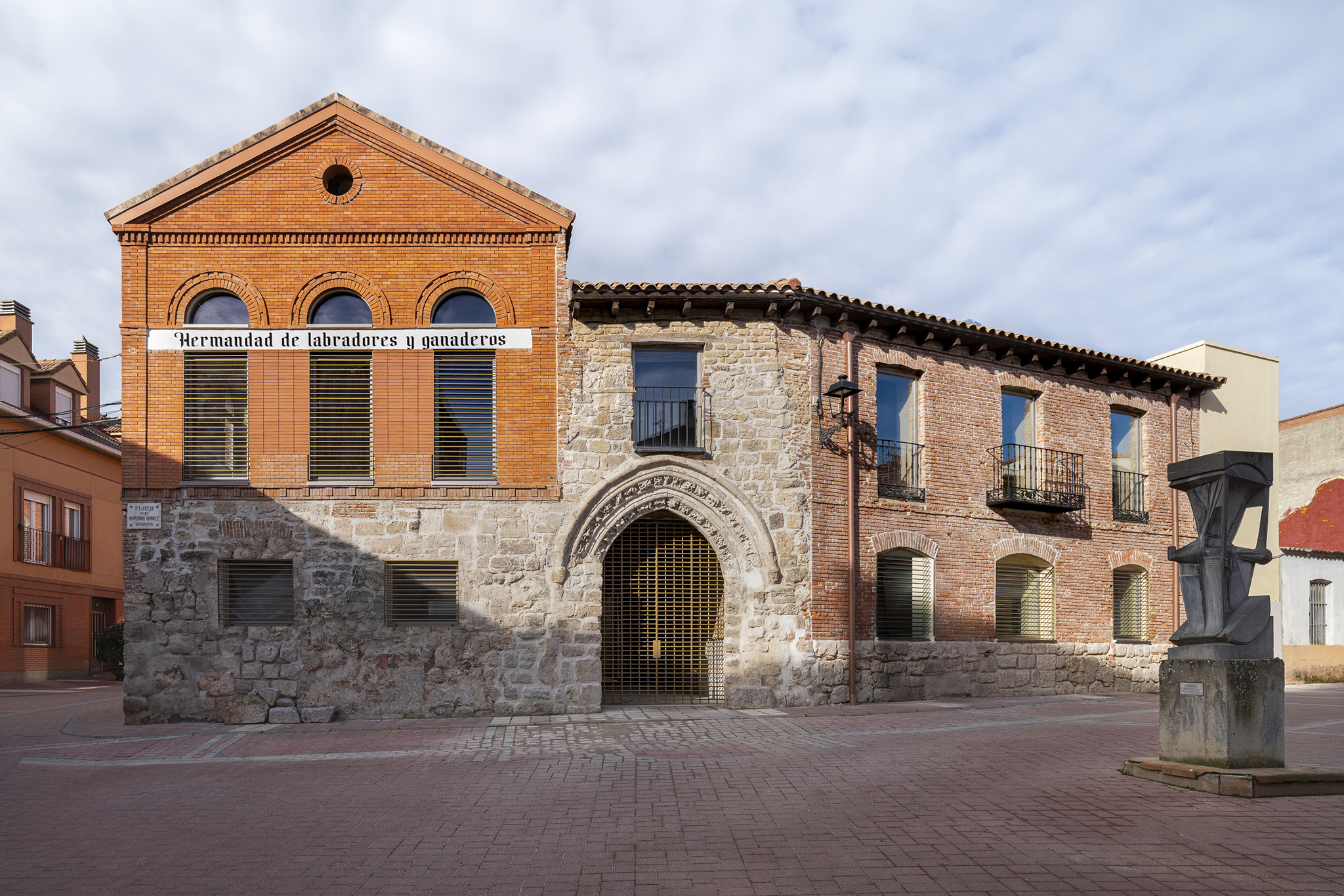
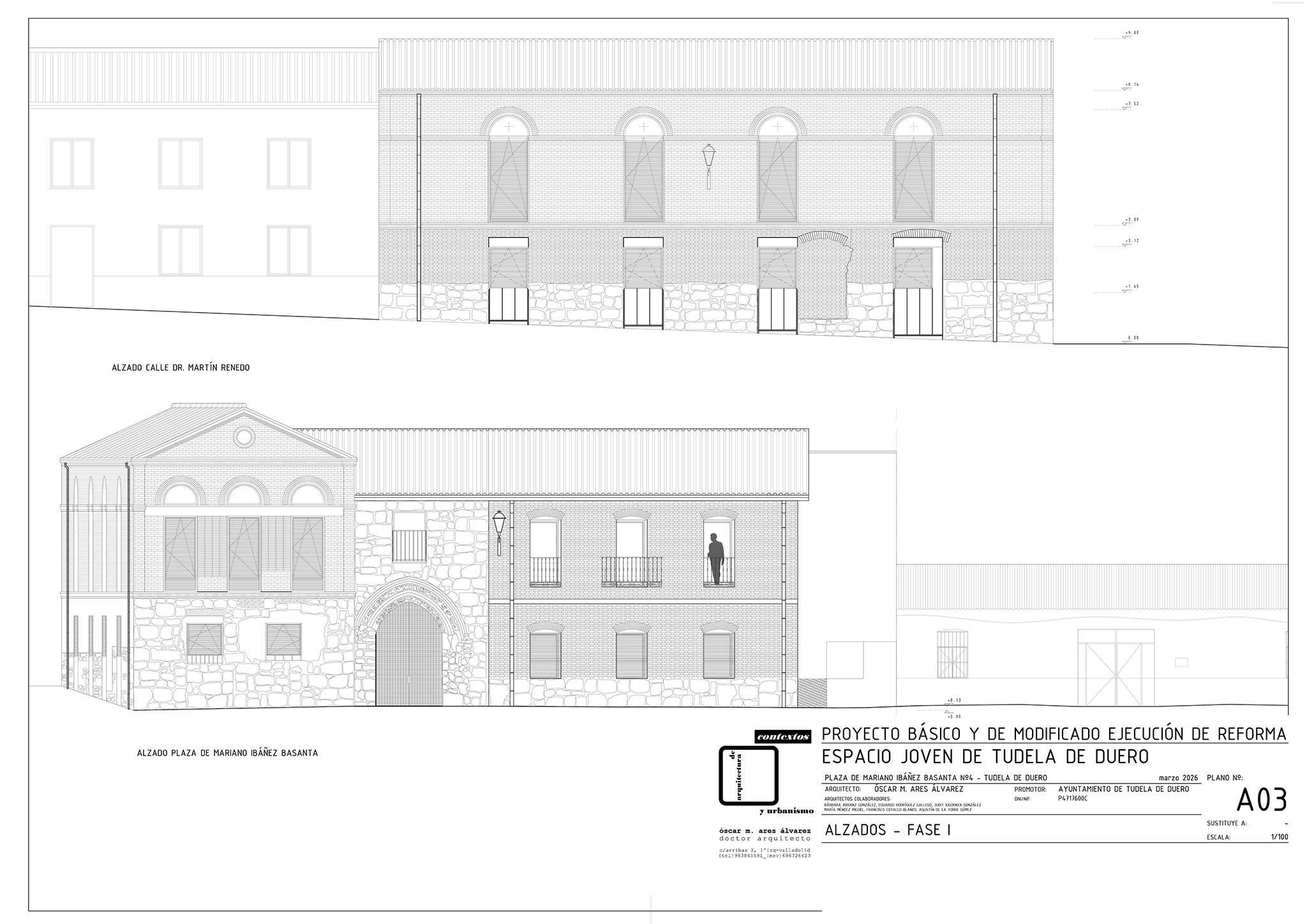
Within this urban structure stood the former headquarters of the Brotherhood of Livestock Breeders and Farmers, a complex comprised of three heterogeneous buildings that the intervention unites under a single architectural identity.
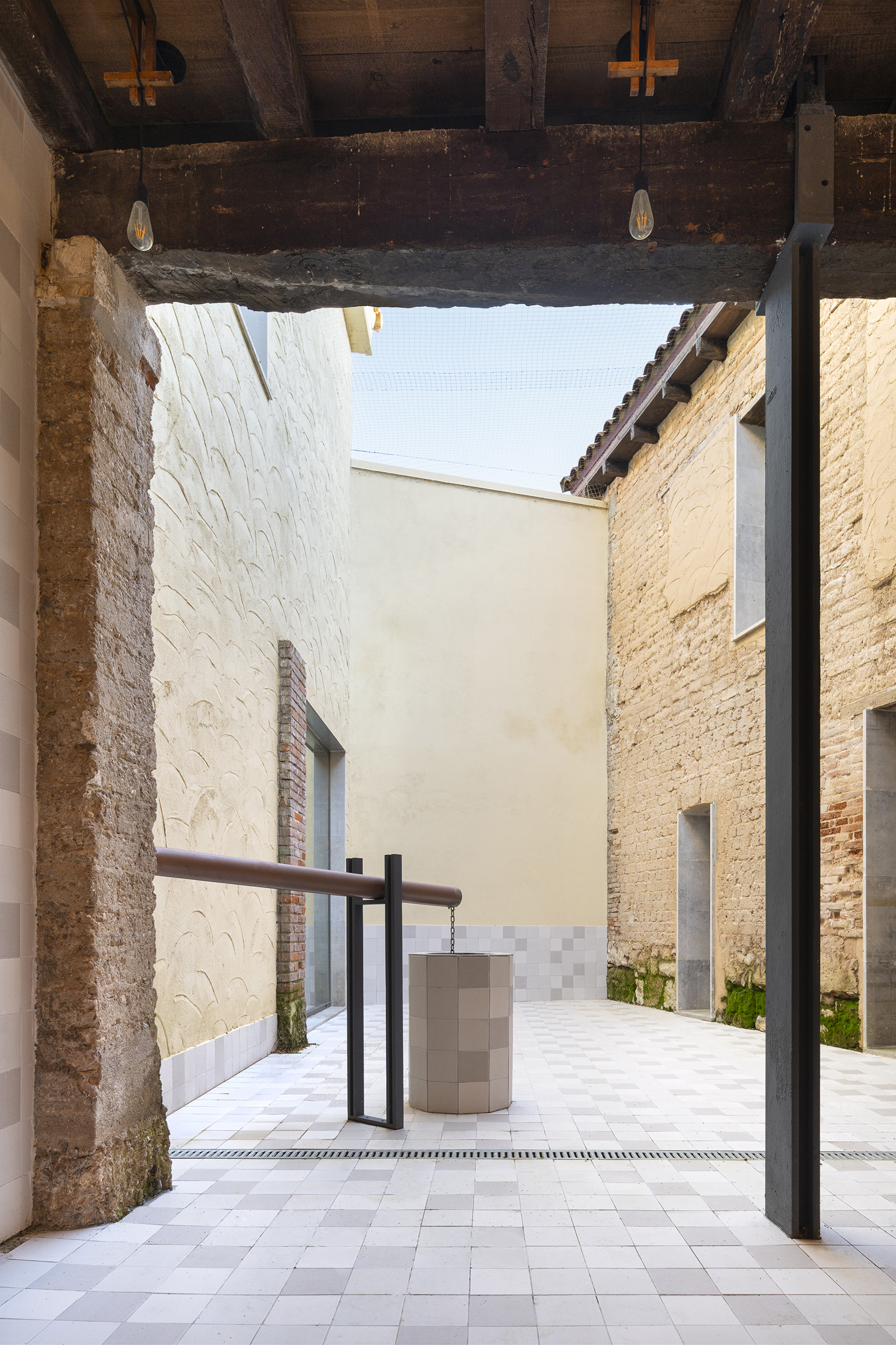
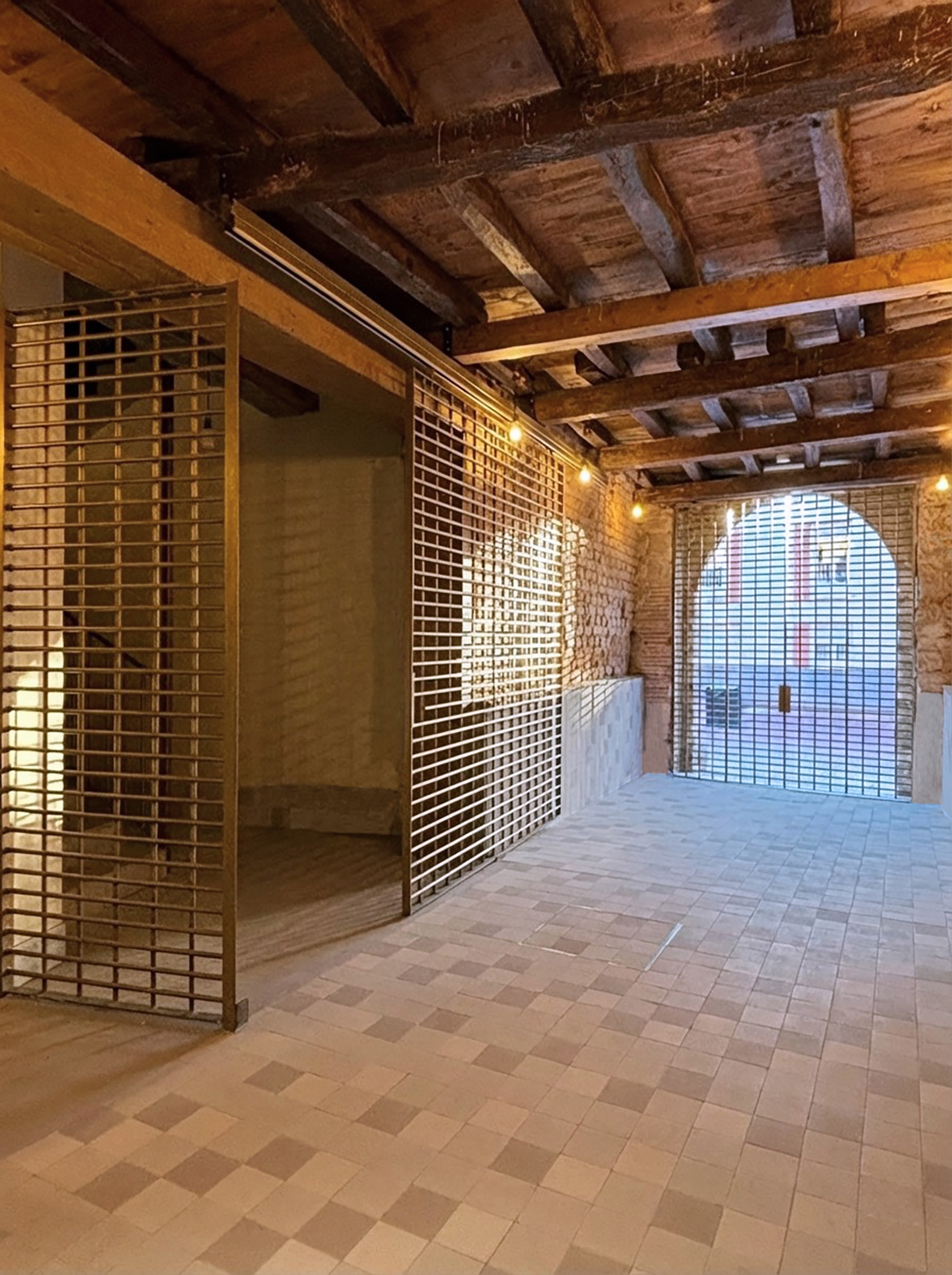
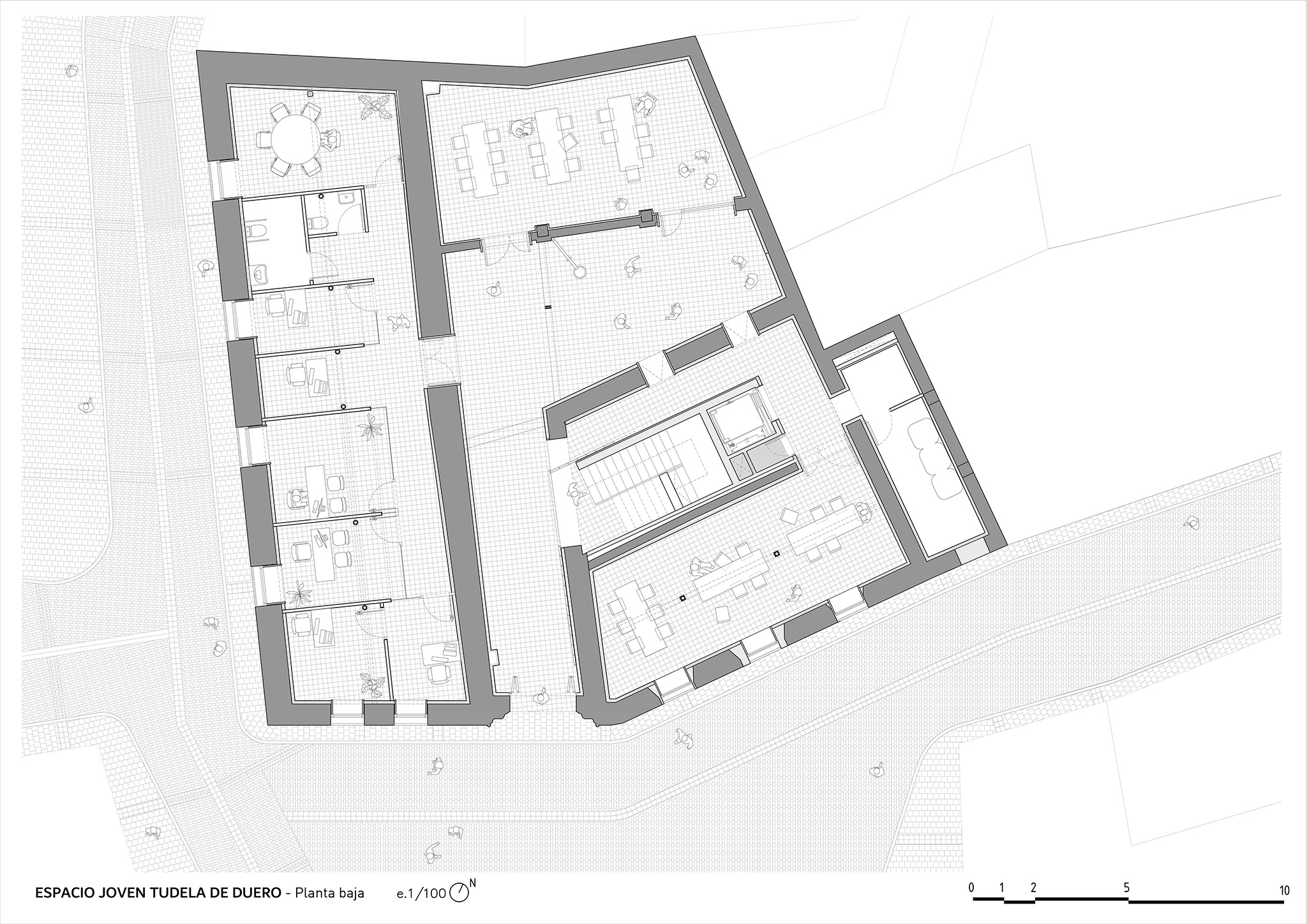
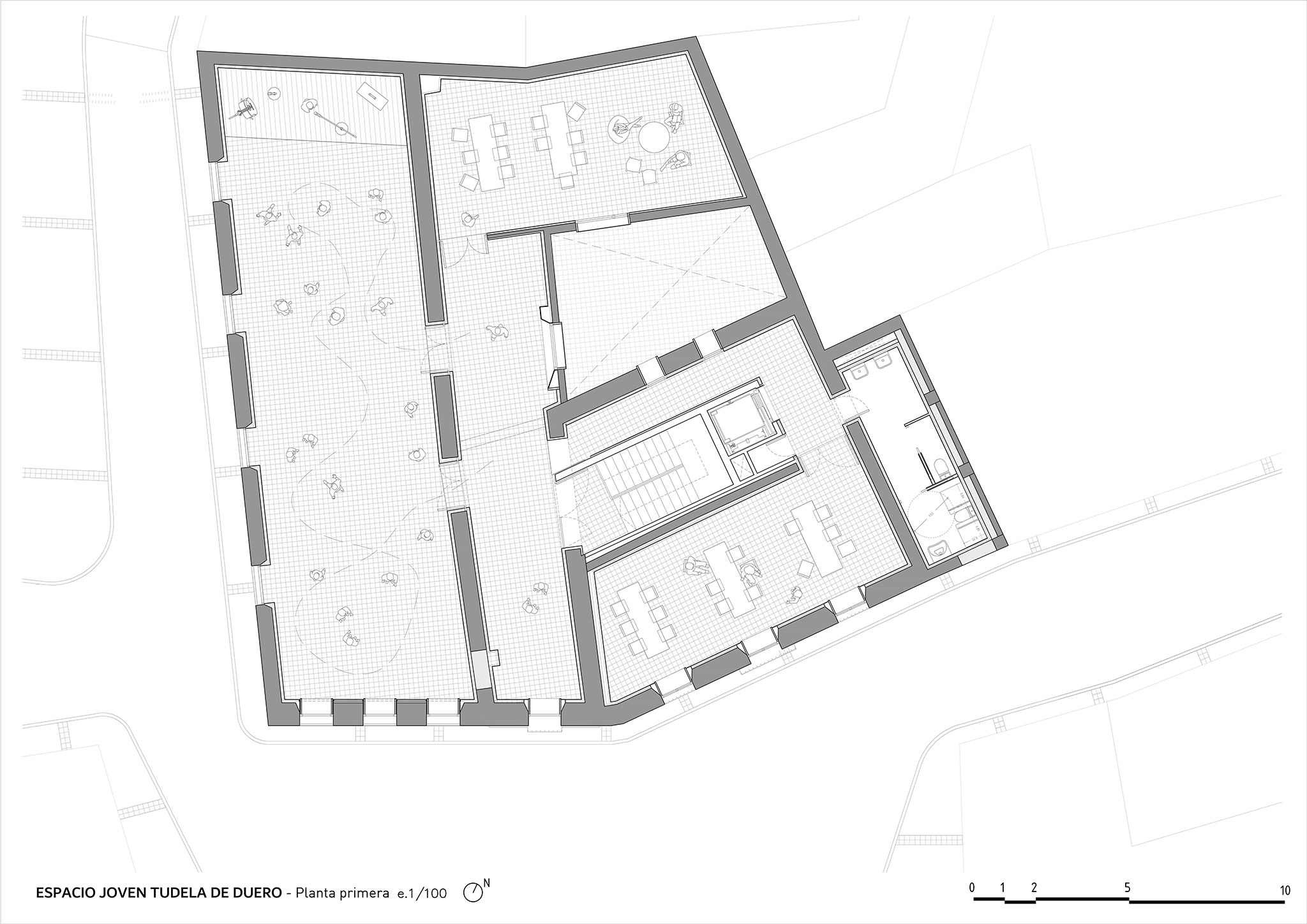
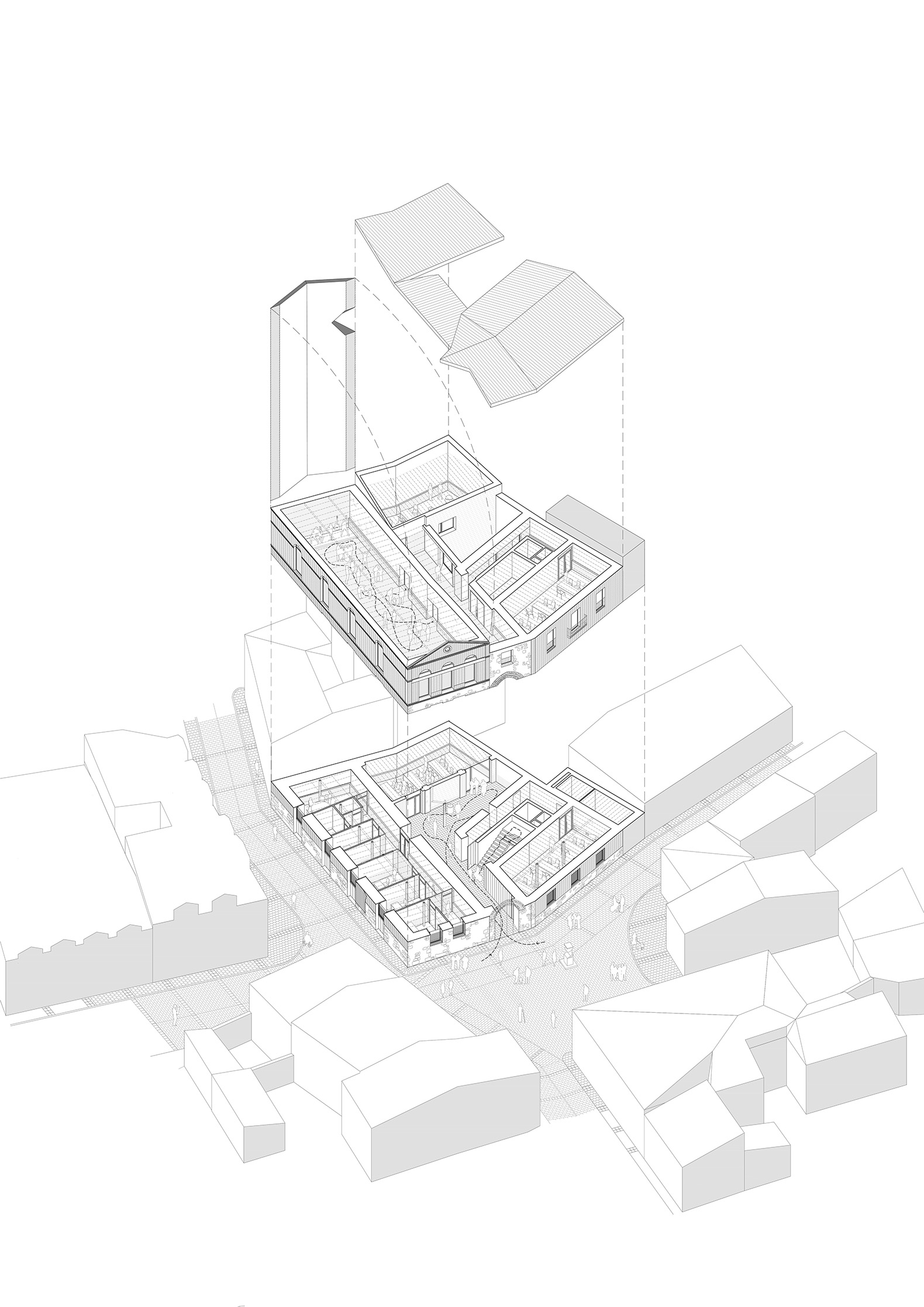
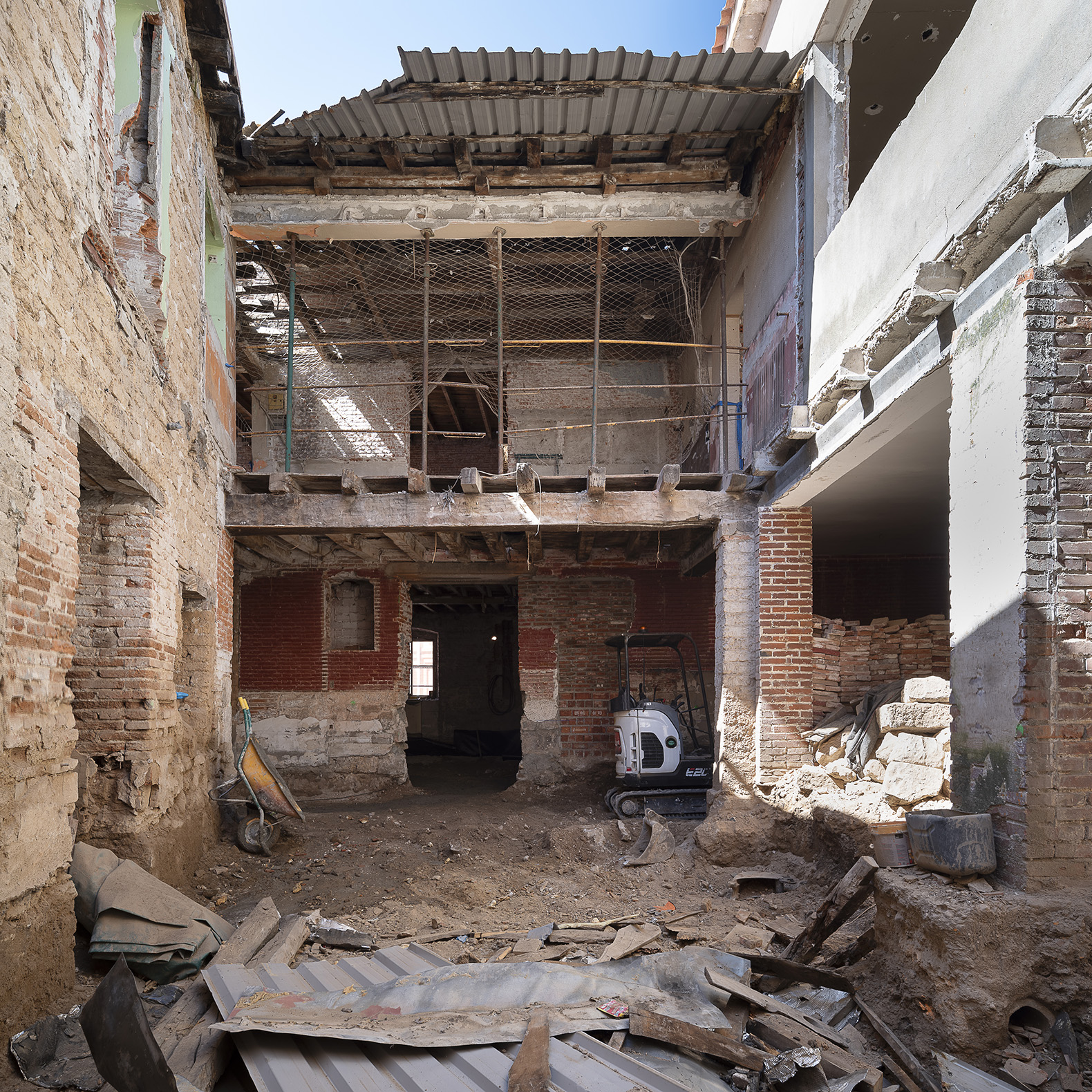
Given these premises, the project's objective could be none other than to free up space in the heart of the site. The strategy consisted of opening up the interior of the complex to expand the existing courtyard and transform it into a new urban void. Physically connected to the exterior, this space functions as a public square, extending the city into the building.
Furthermore, this PLAZA space integrates the city into the building and serves as a temperature and ventilation regulator, in addition to allowing for rich visual and spatial connections between the different areas.
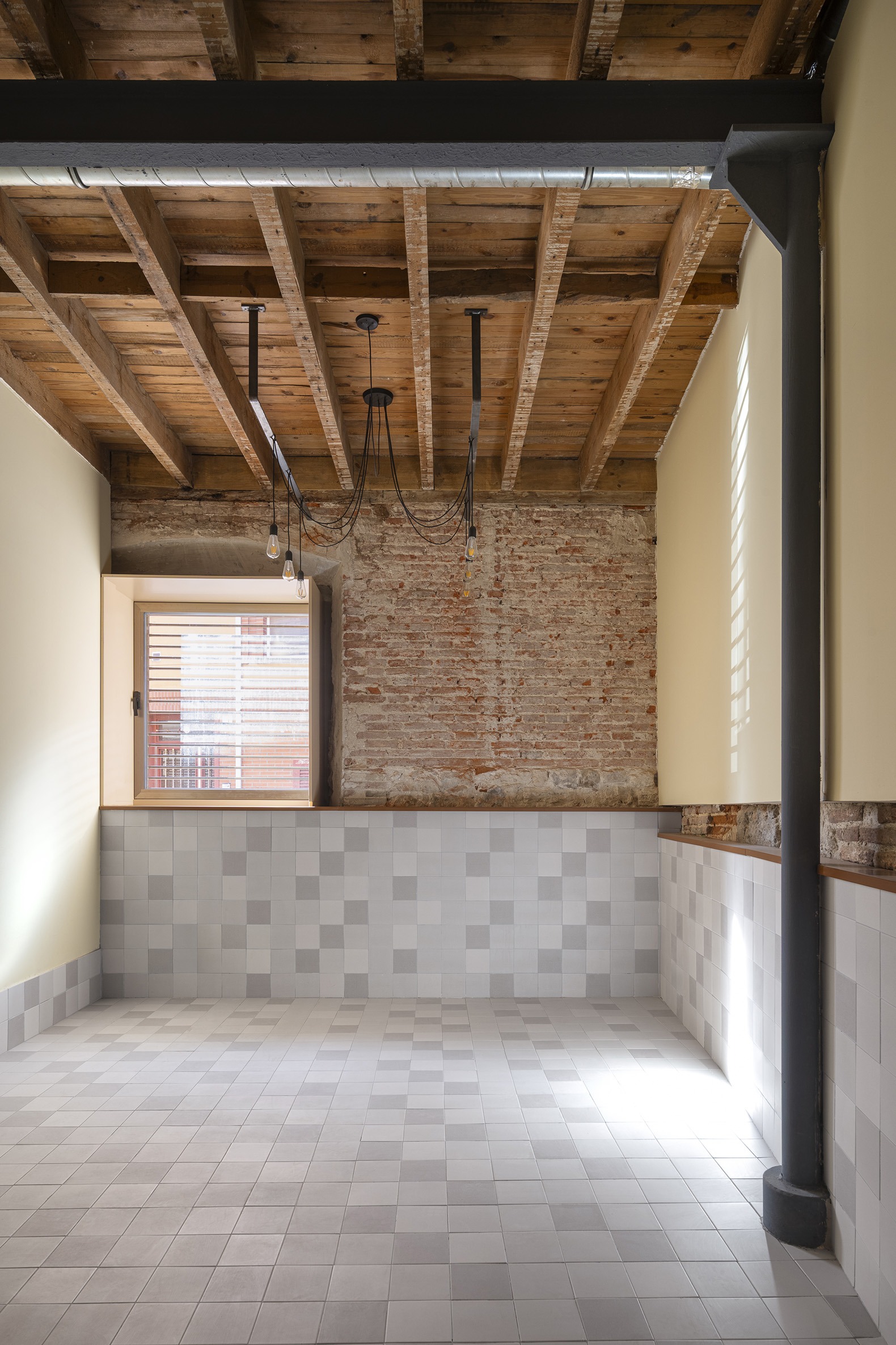
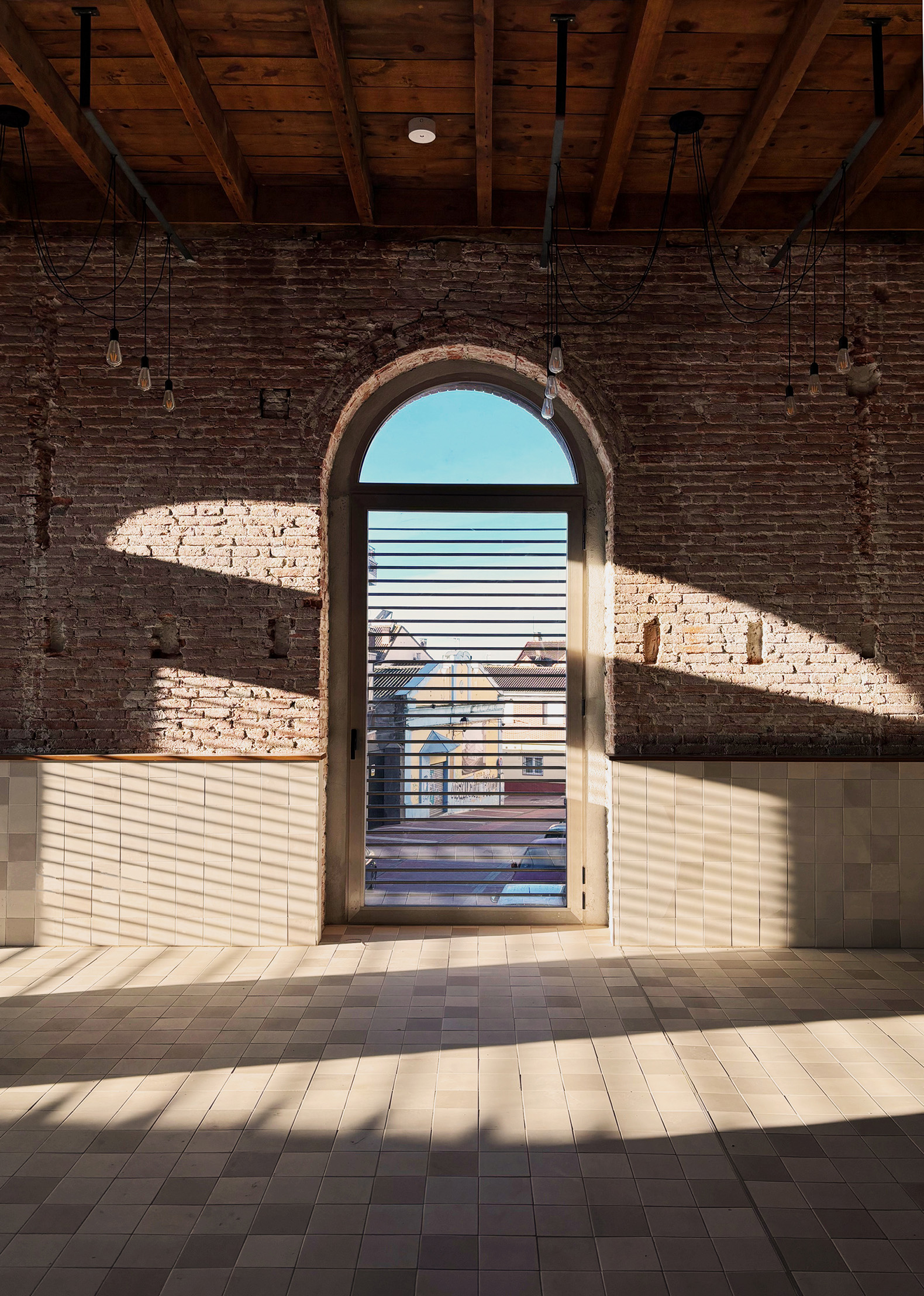
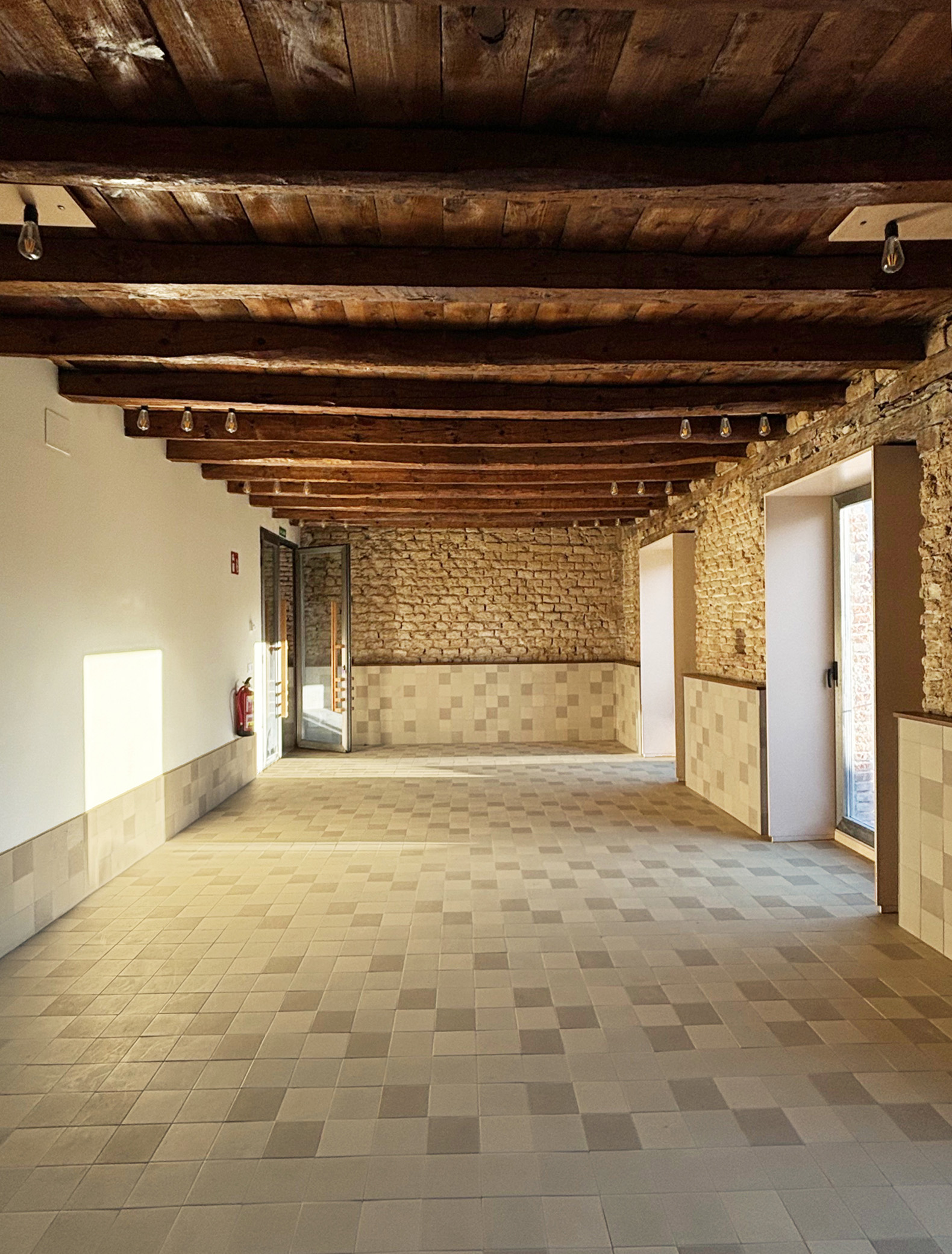
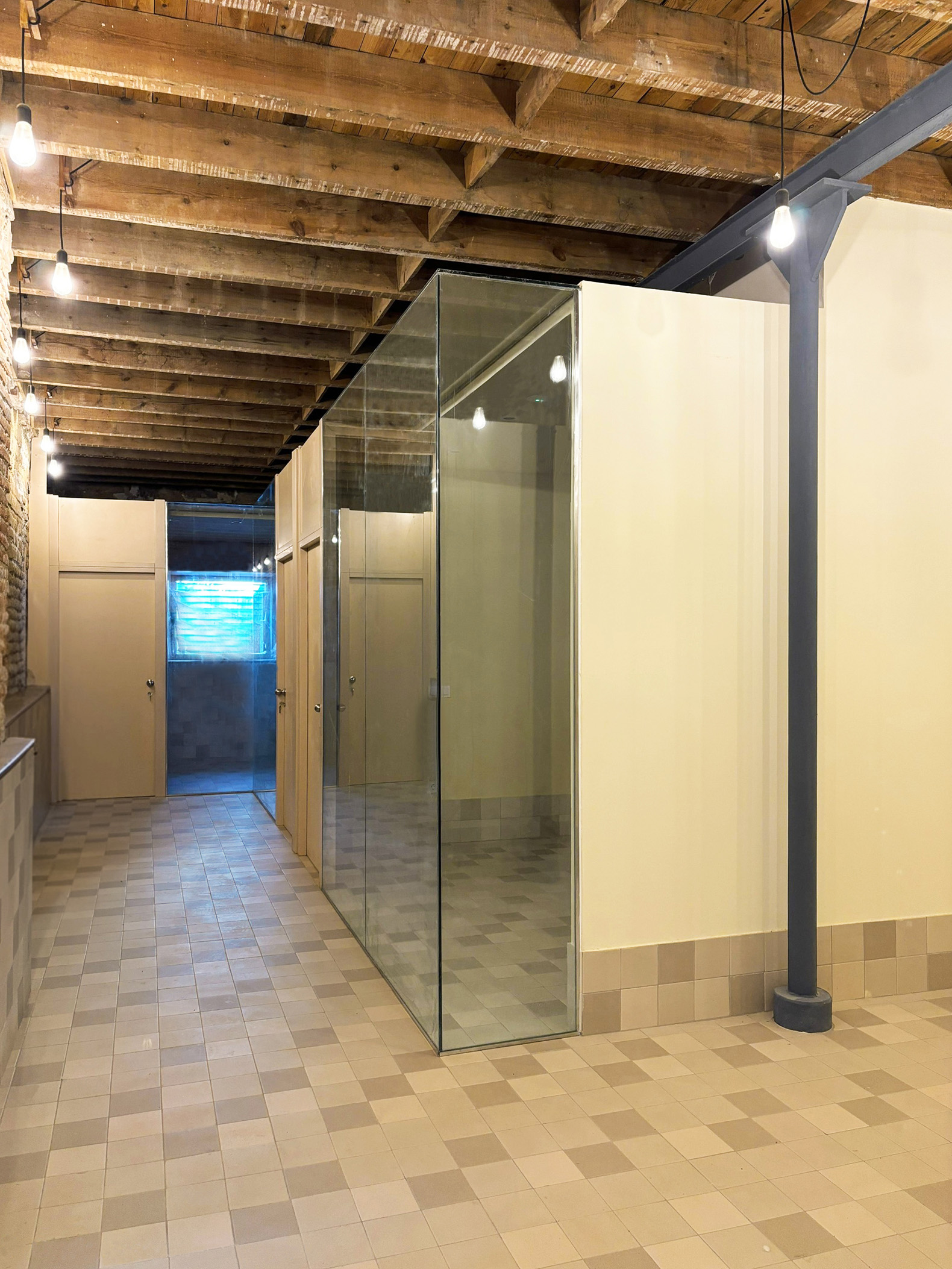
The building features a flexible and accessible functional program, capable of hosting a diverse range of social and cultural activities. On the ground floor, the program includes several classrooms, as well as administrative offices. The upper floor houses more flexible spaces and a large multipurpose hall adaptable to different configurations and programs. More than just a building, it is an infrastructure for the development of activities proposed by the community, without predetermined specific uses. It is a facility conceived as a meeting place for the community and a space for intergenerational integration.
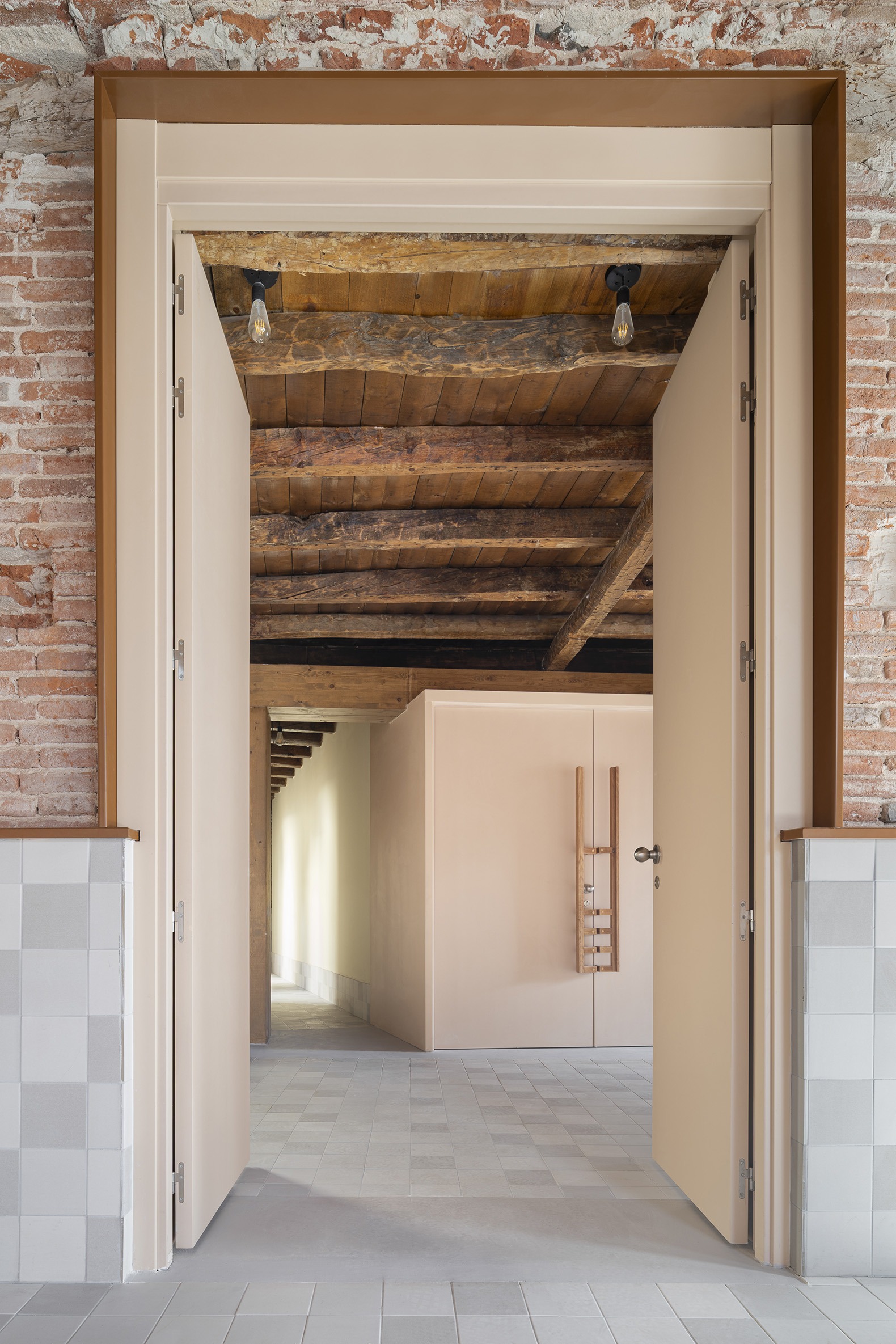
The intervention is based on various design strategies that, in addition to incorporating a social character, aim to minimize the construction impact. To this end, the following approaches were chosen:
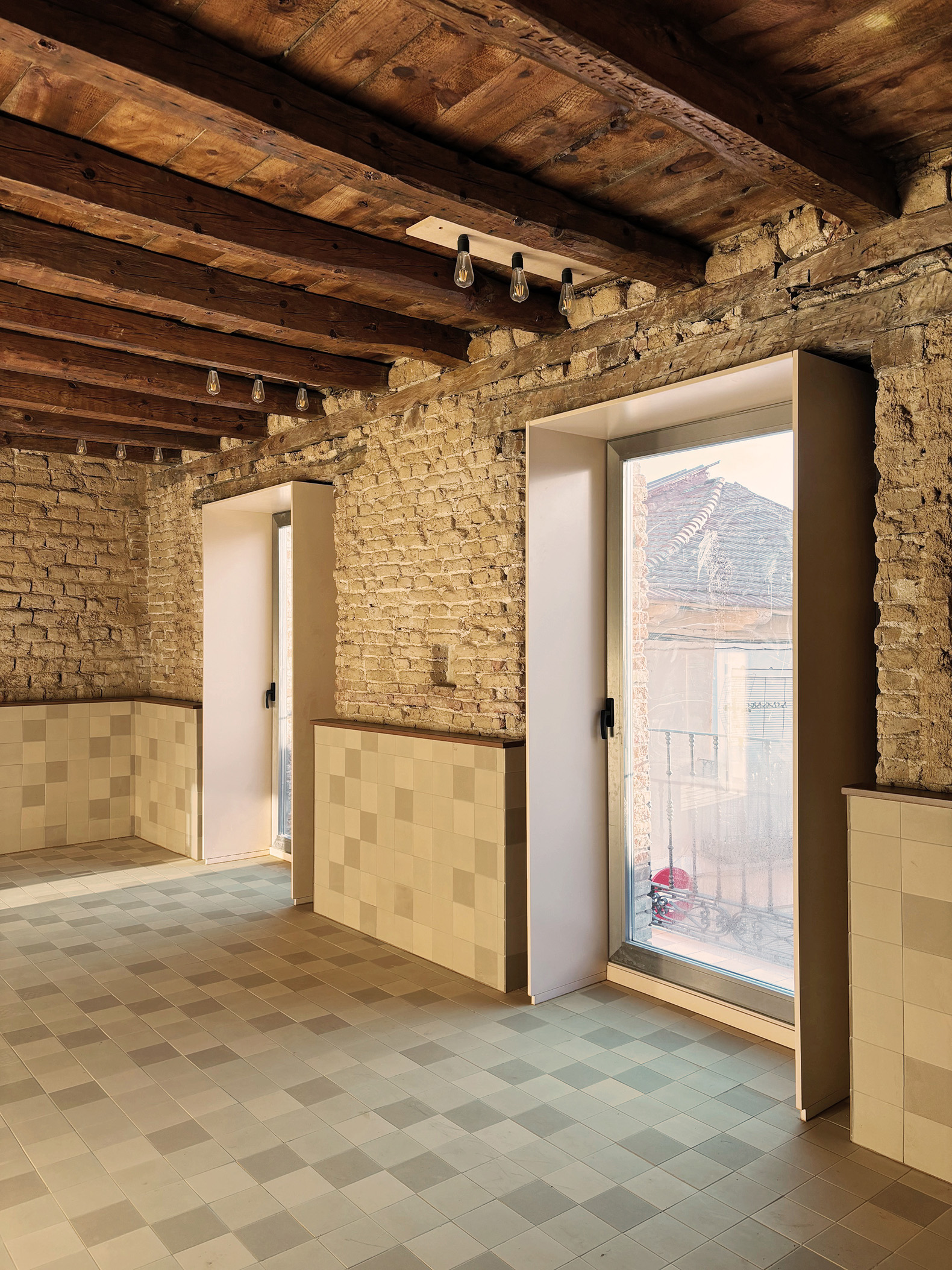
1. RESTORATION of original masonry and stonework, both on the facades and in the interior, showcasing the different layers that have accumulated throughout the town's history.
2. RECYCLING, thanks to the reuse of 80% of the original structure, which has been recovered and repurposed.
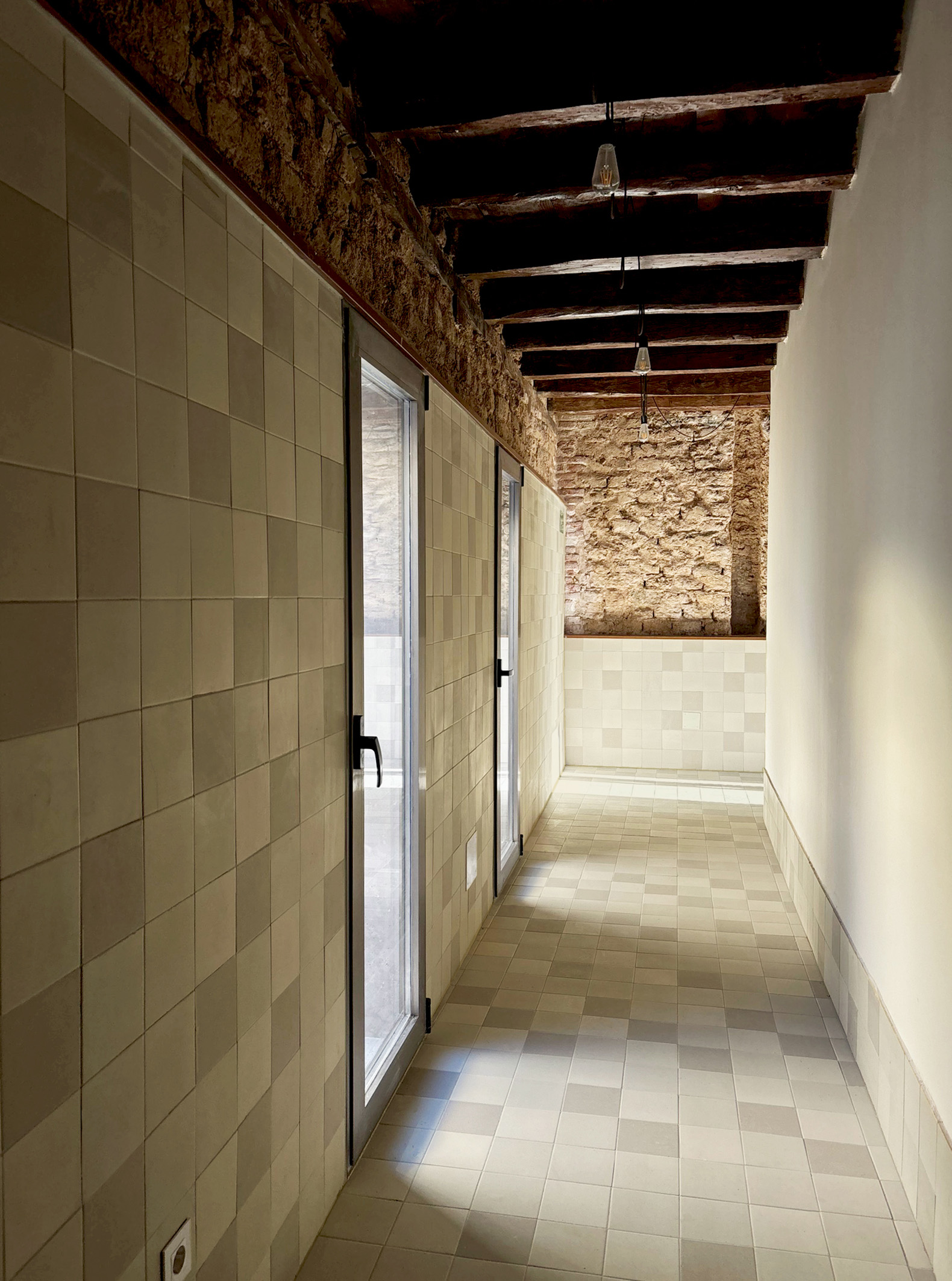
3. Prevention and minimization of construction and demolition waste (CDW), thanks to the precise dismantling of existing elements and the decision to preserve the original masonry exposed on the interior, providing the building with a perimeter base for building services.
The construction approach, with its focus on integrating the various existing masonry elements and highlighting the value of the materials, forms the basis of this rehabilitation project.