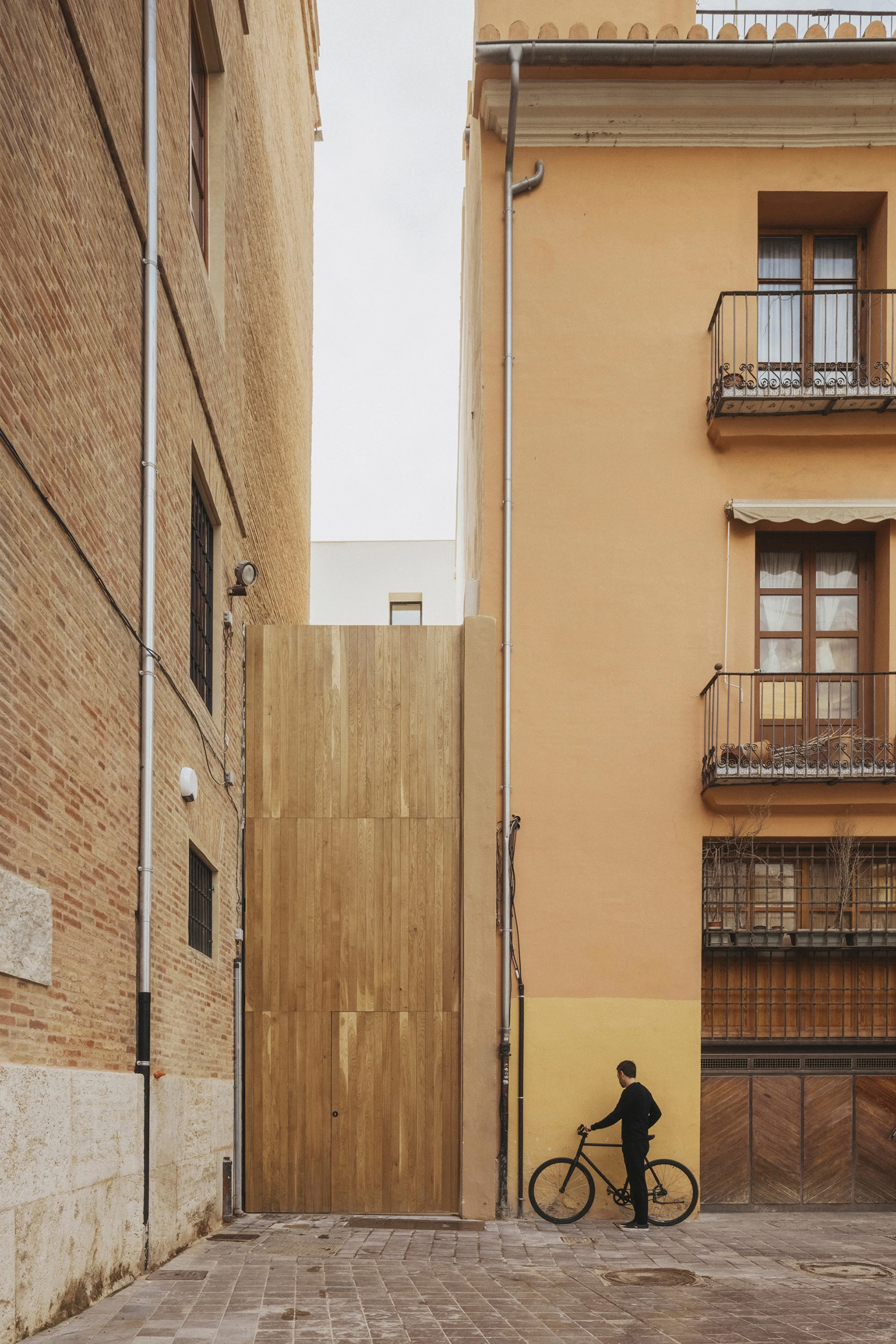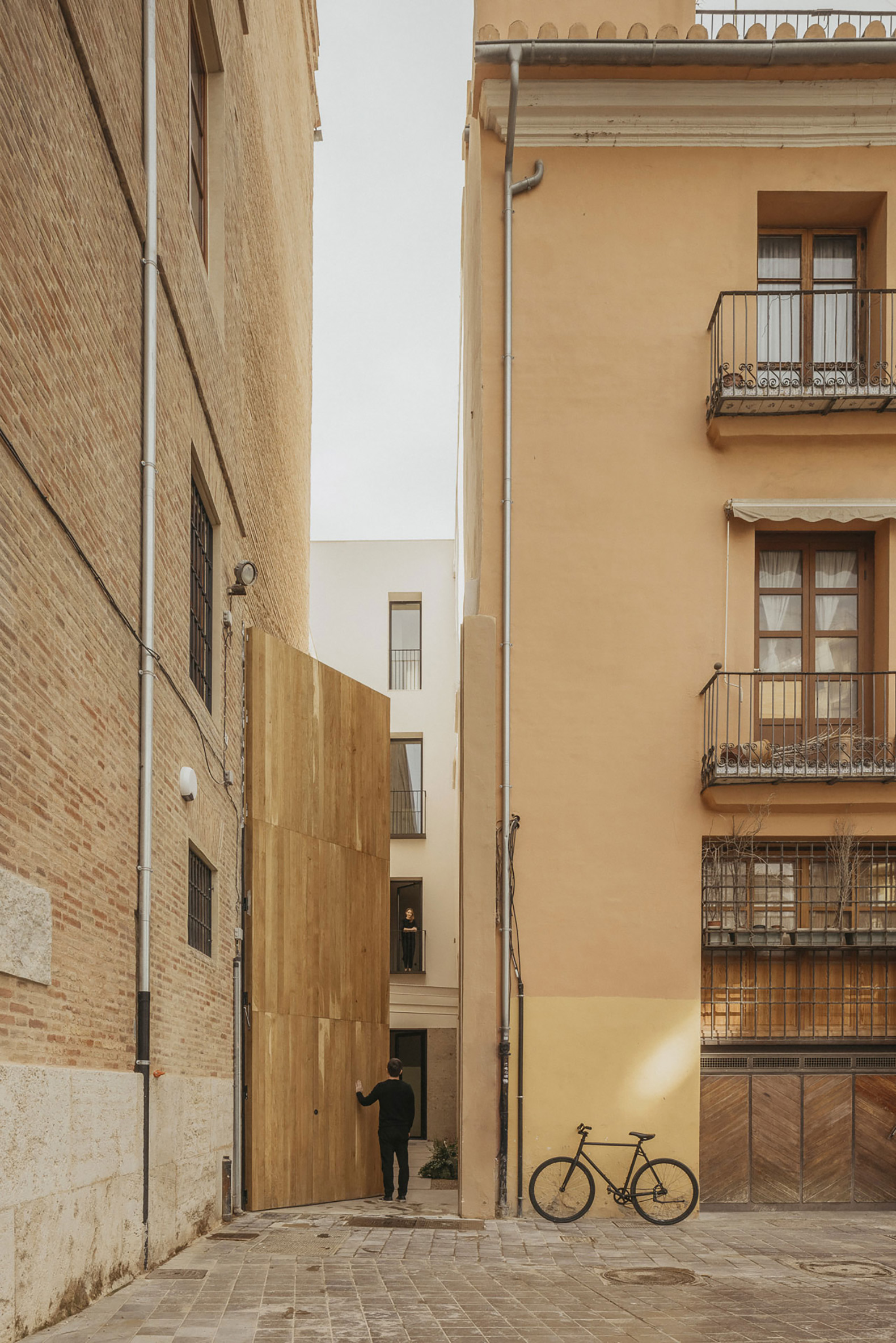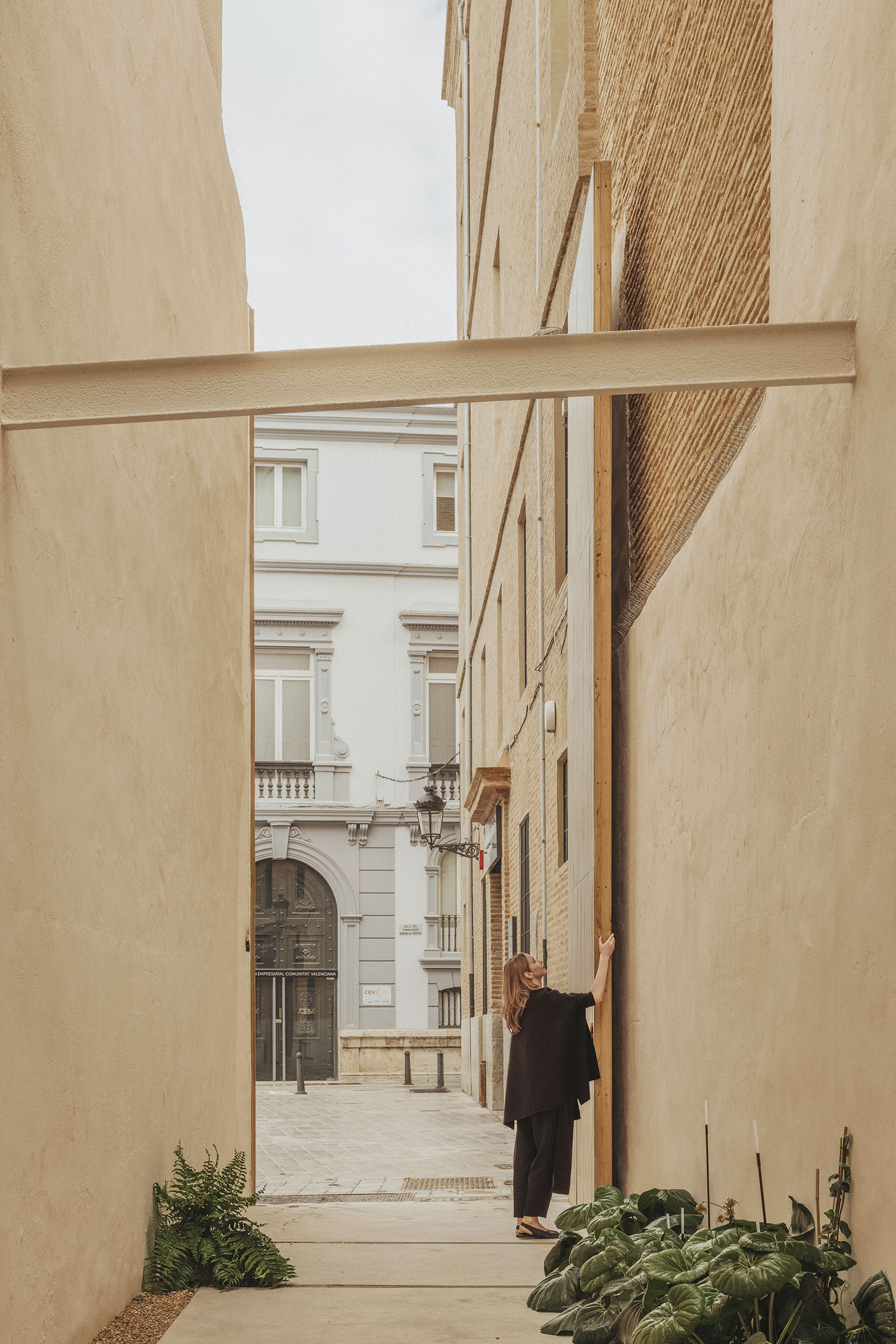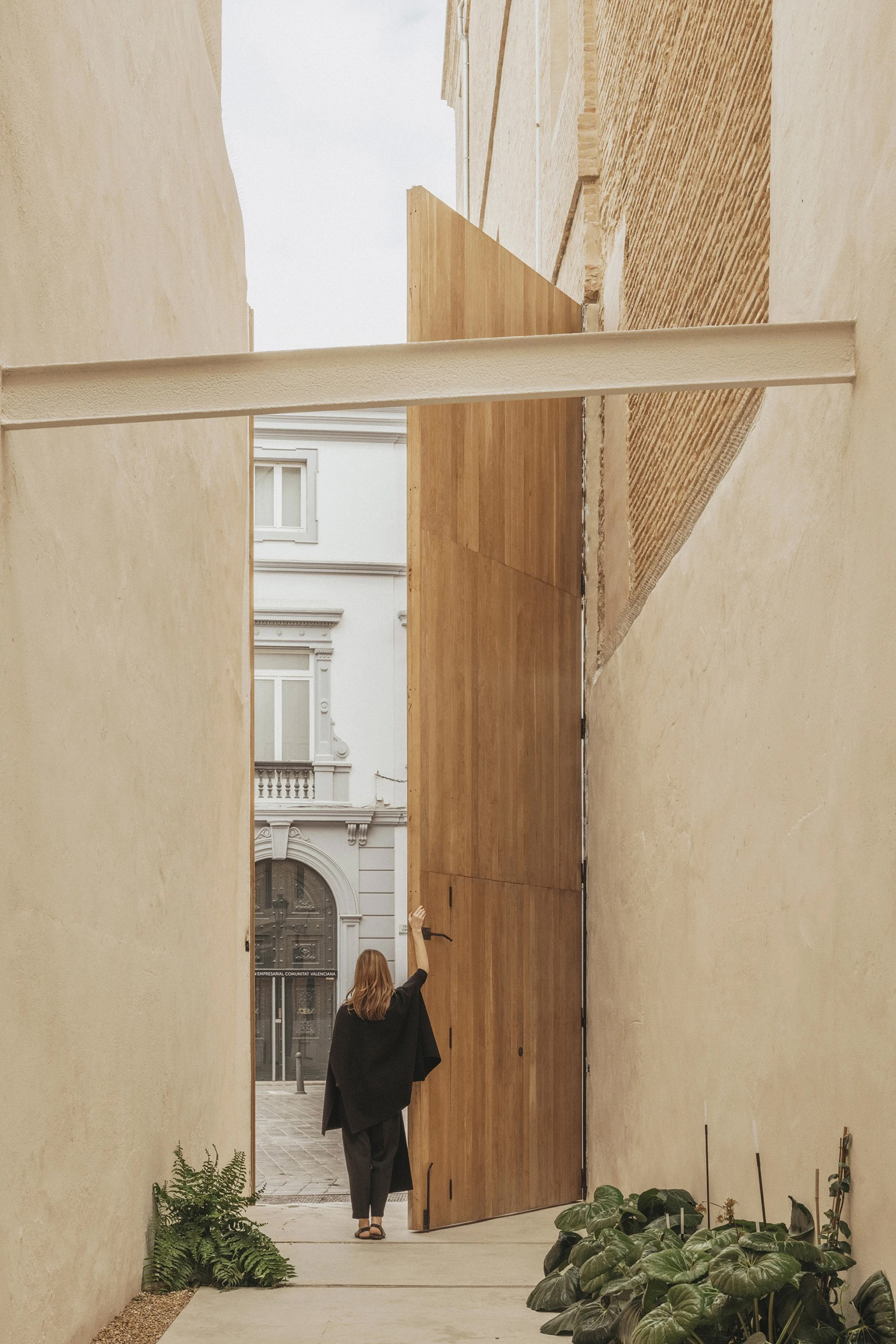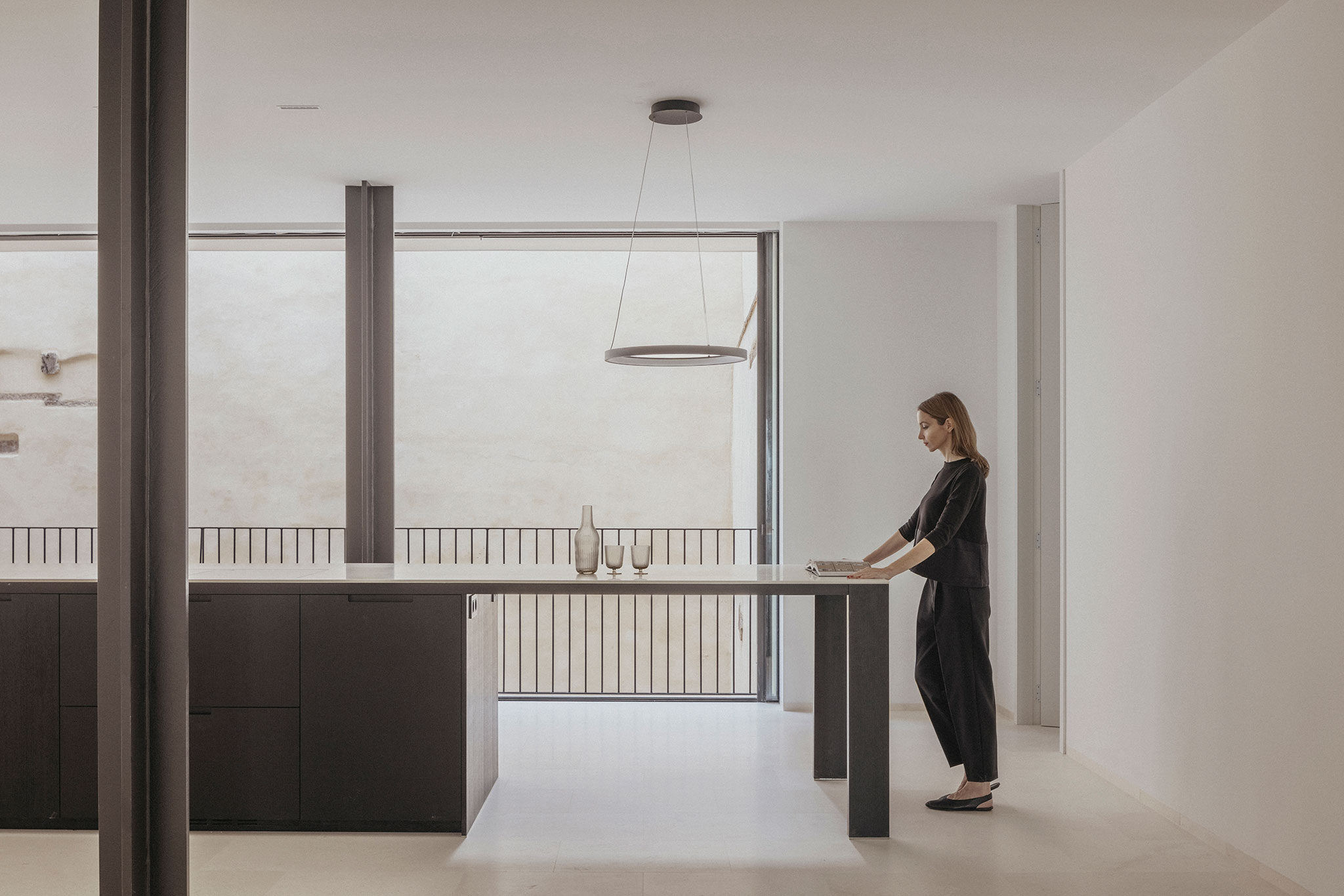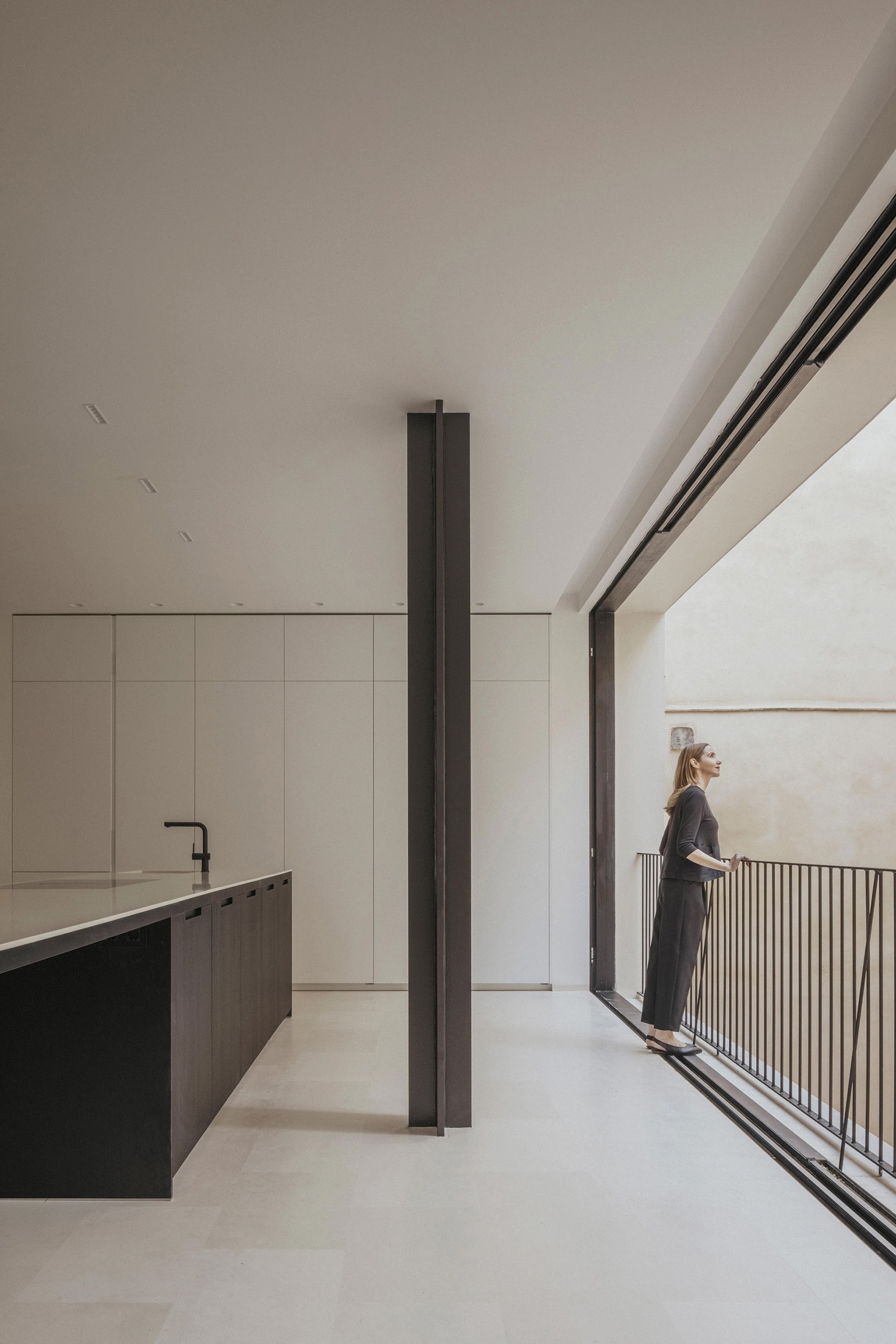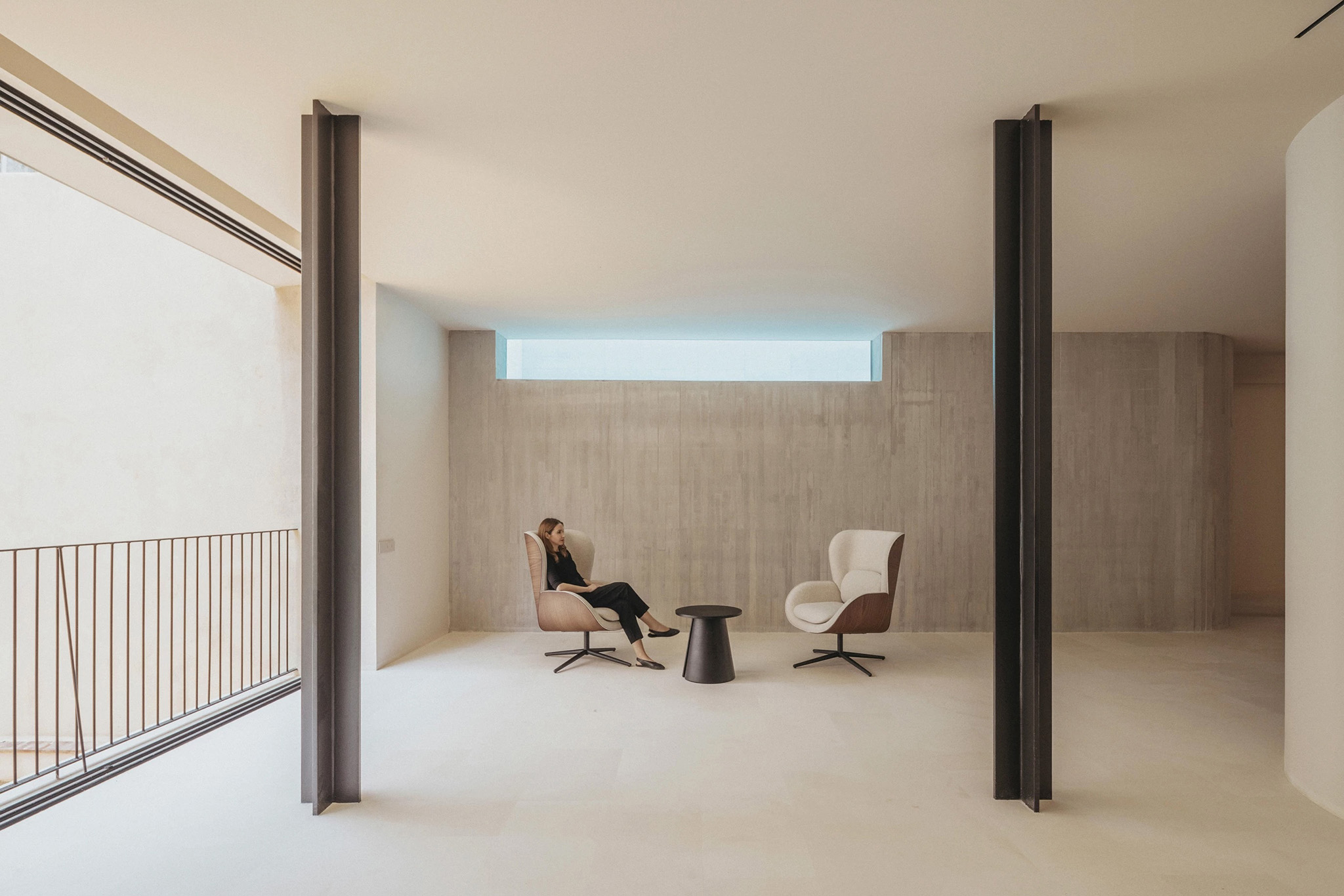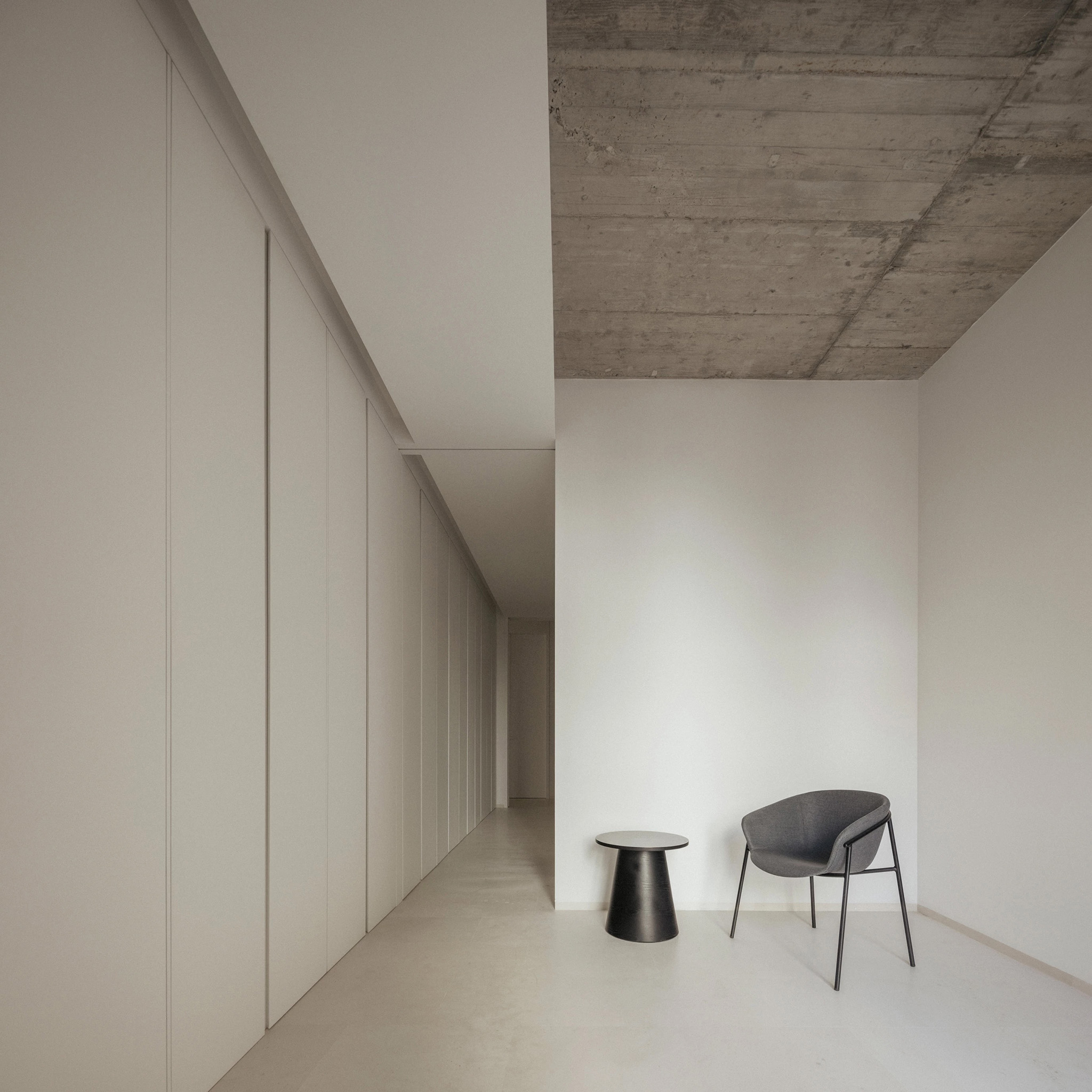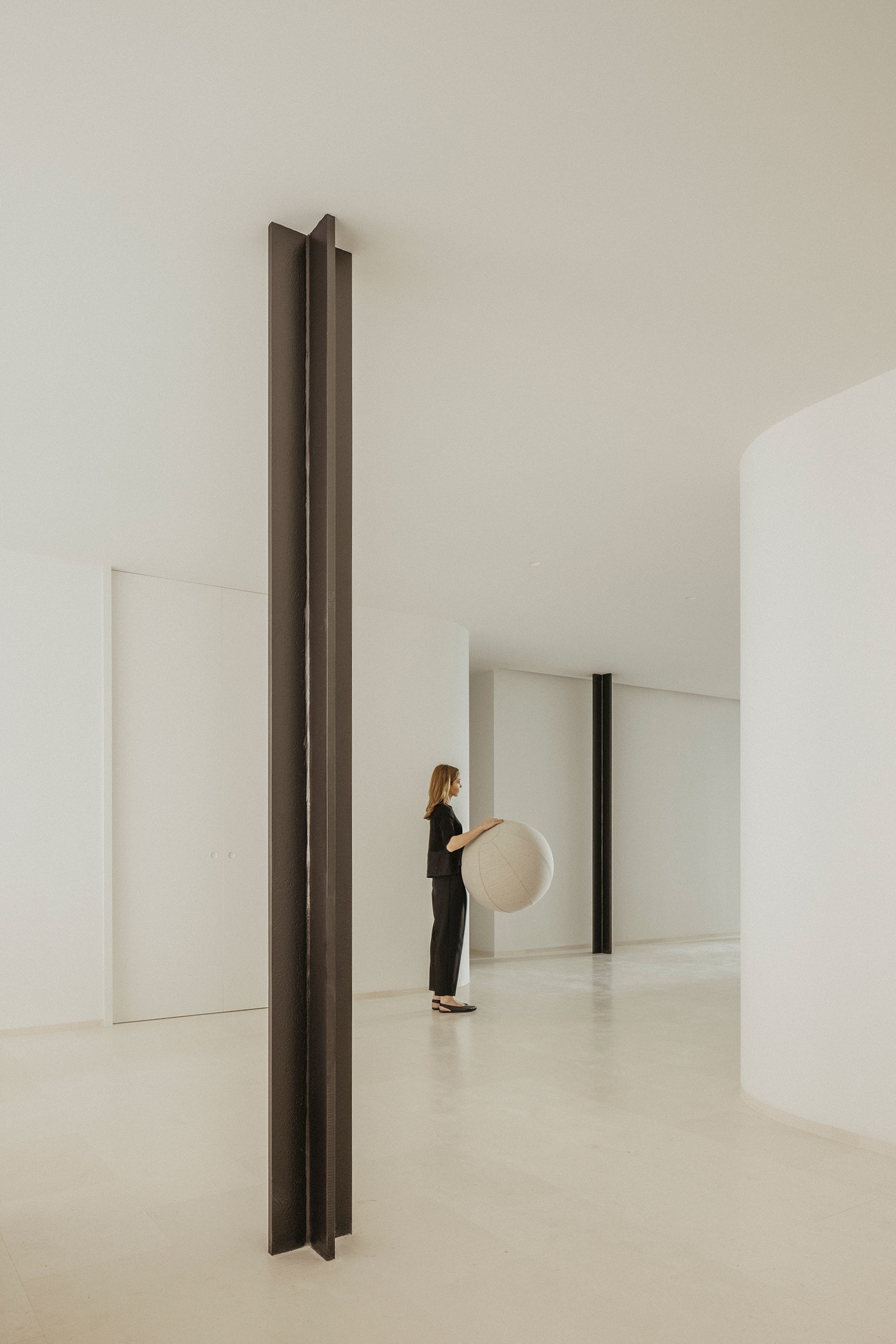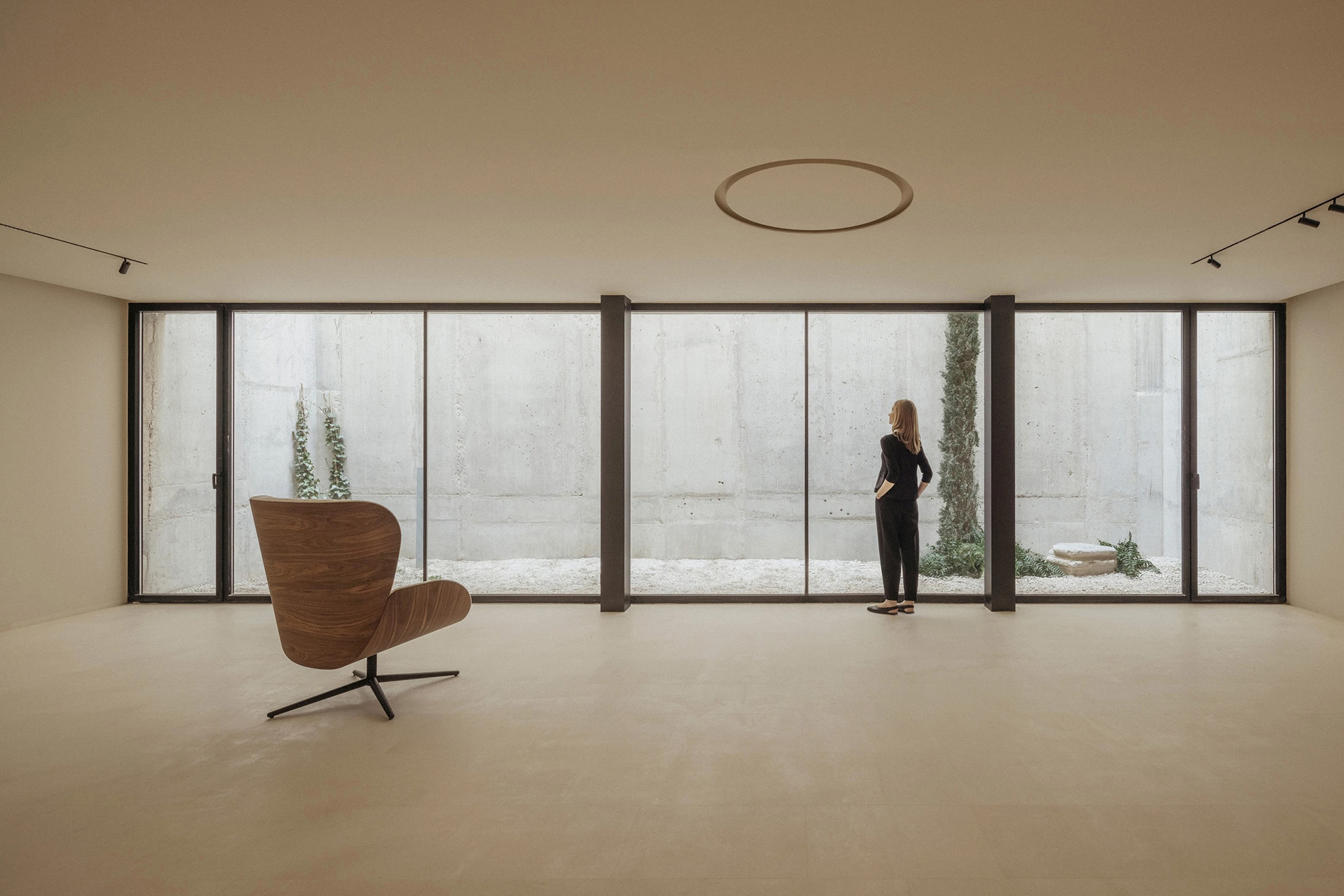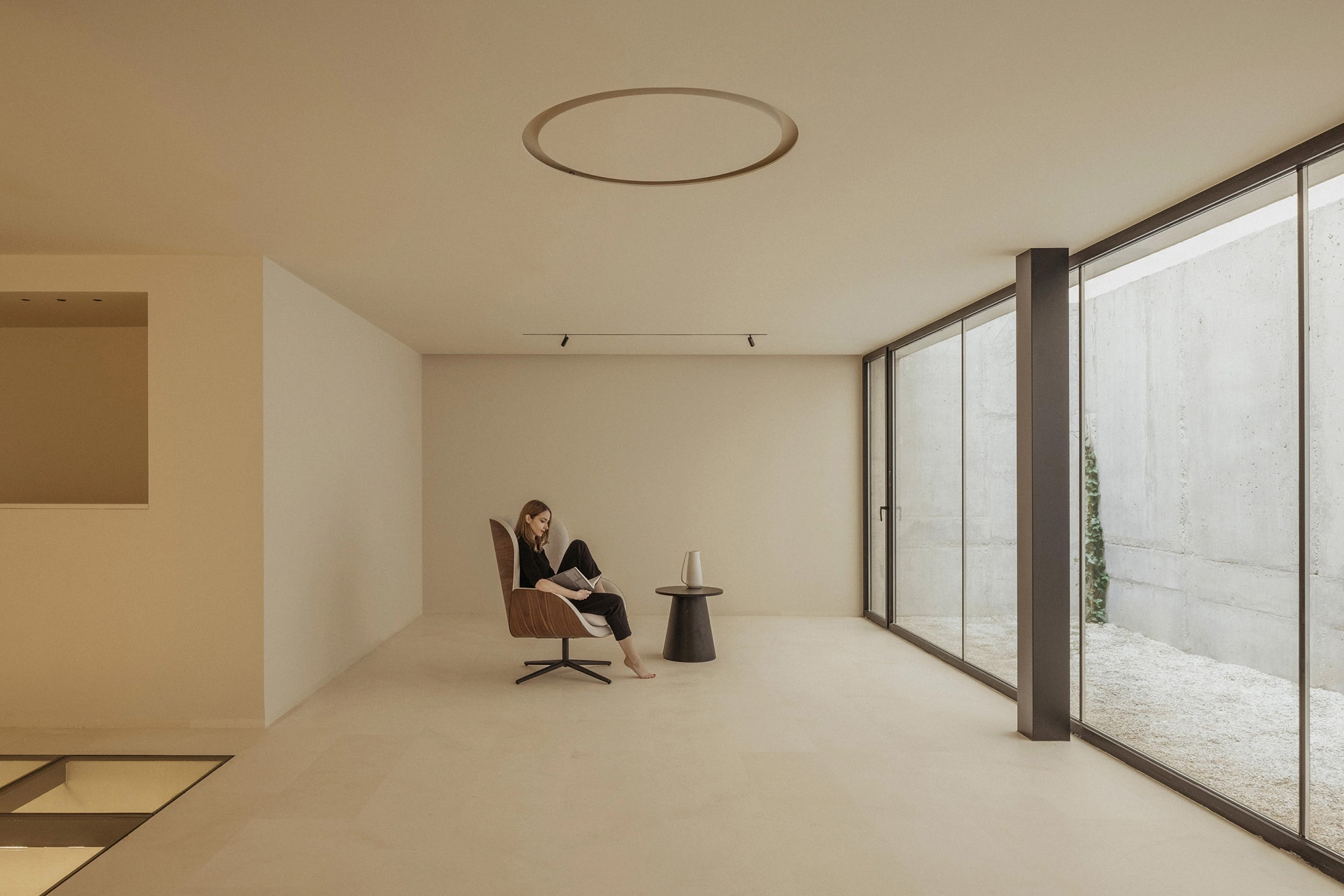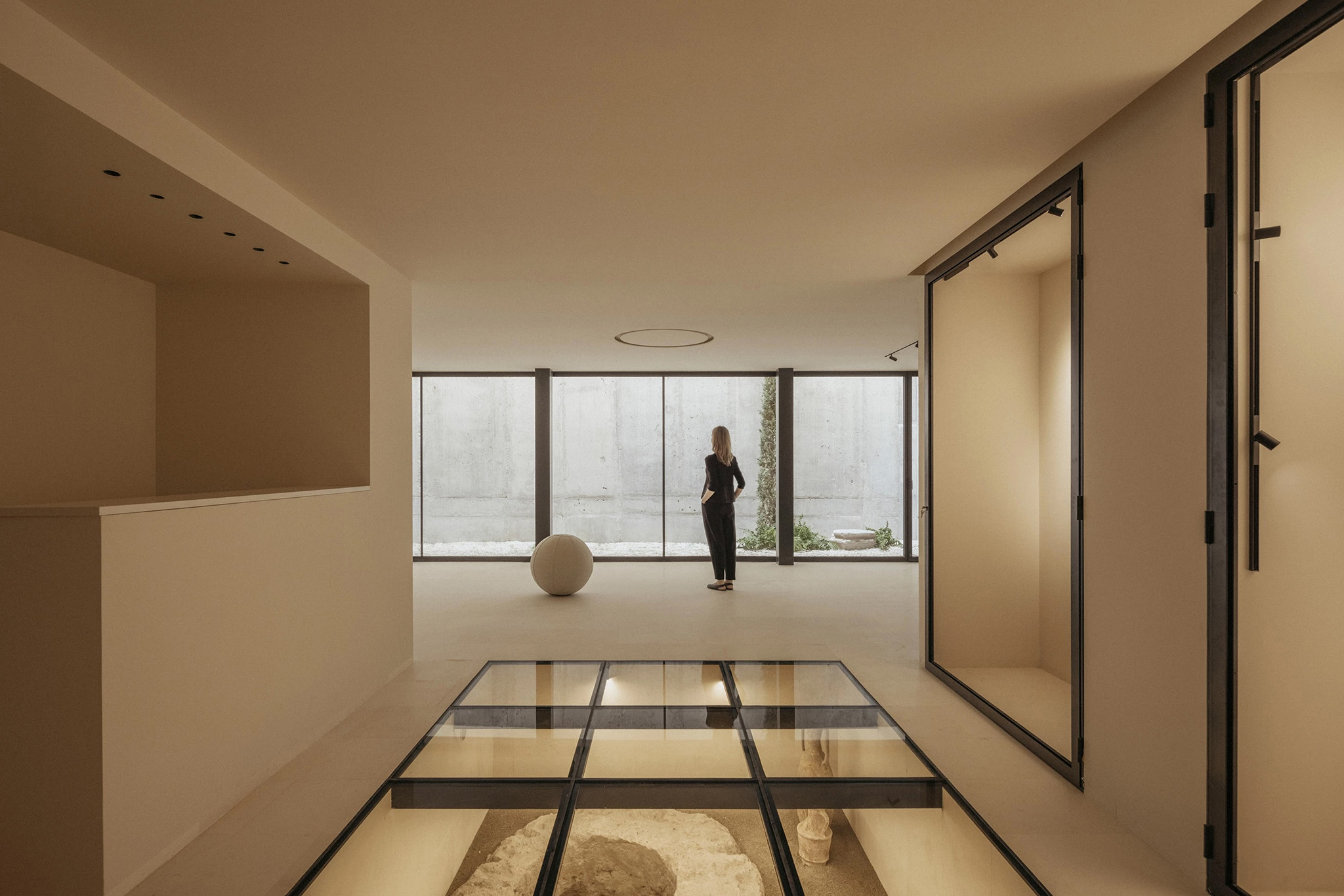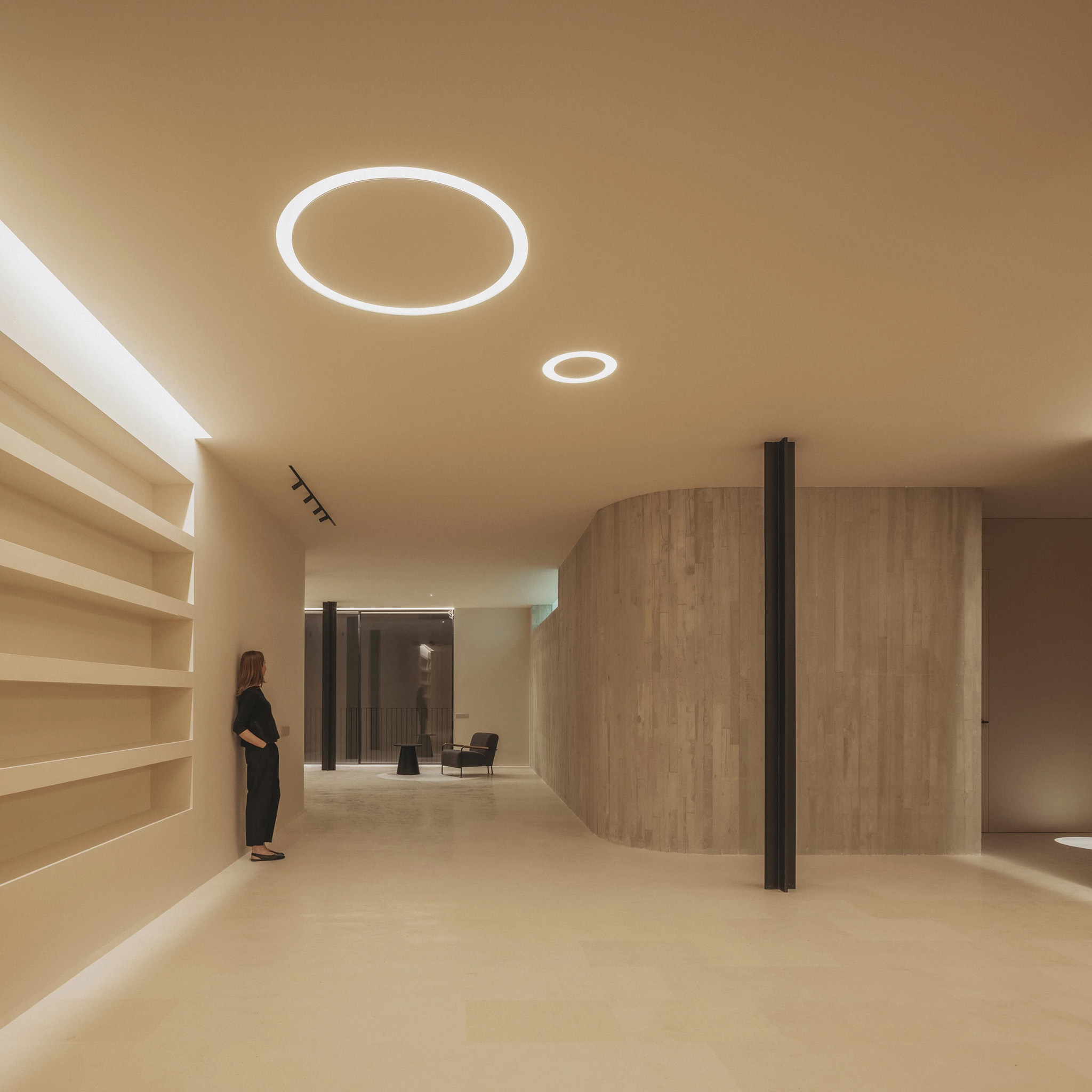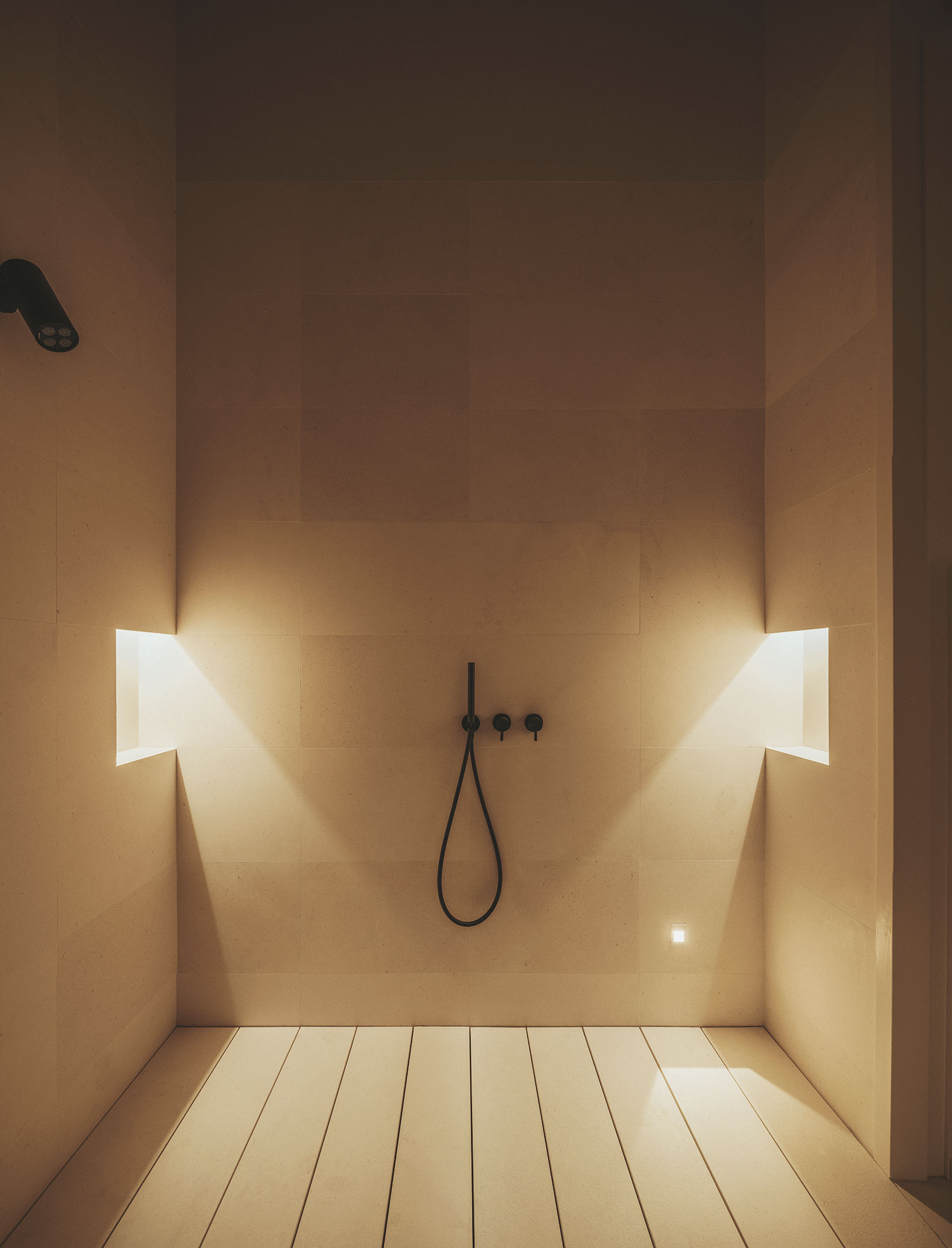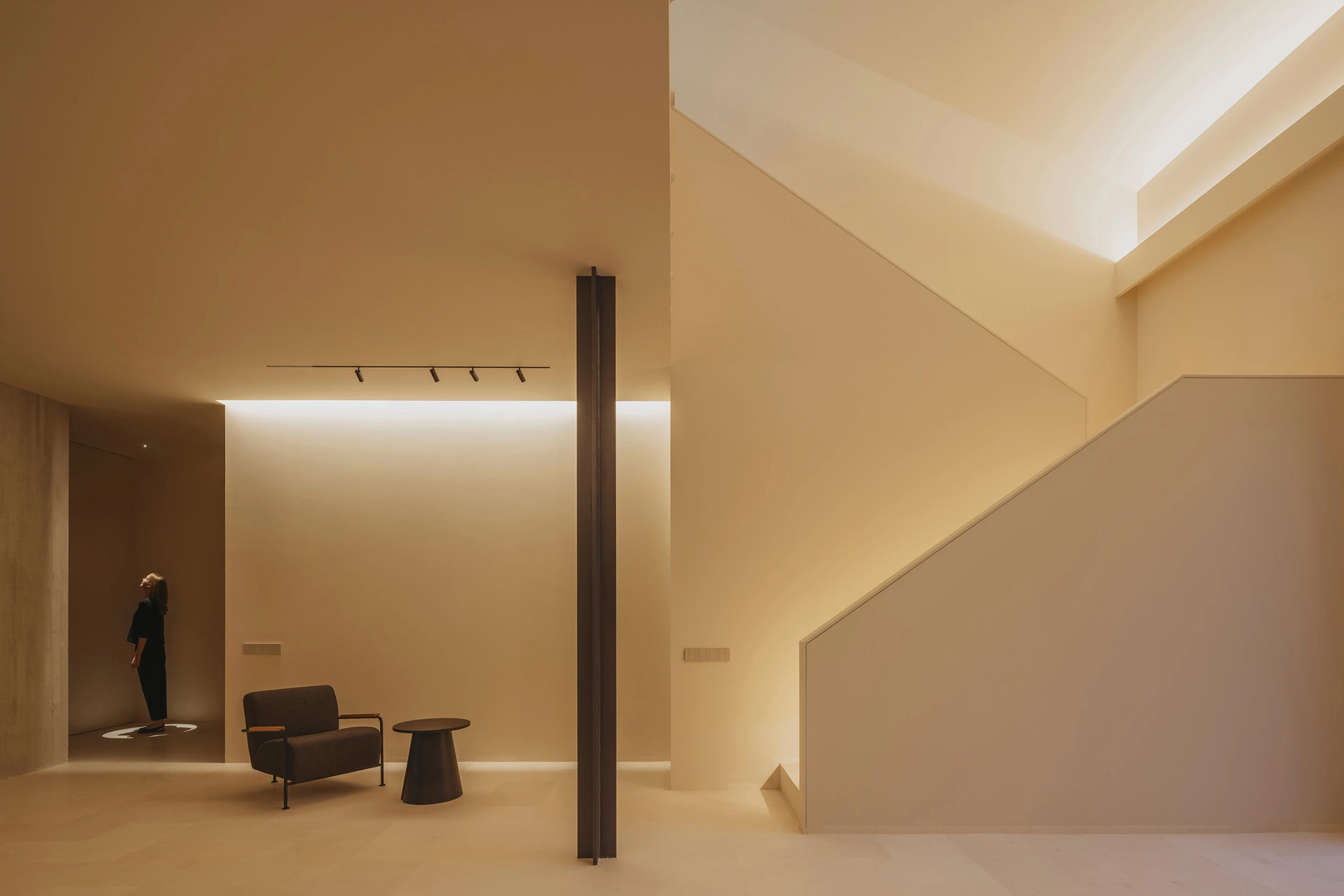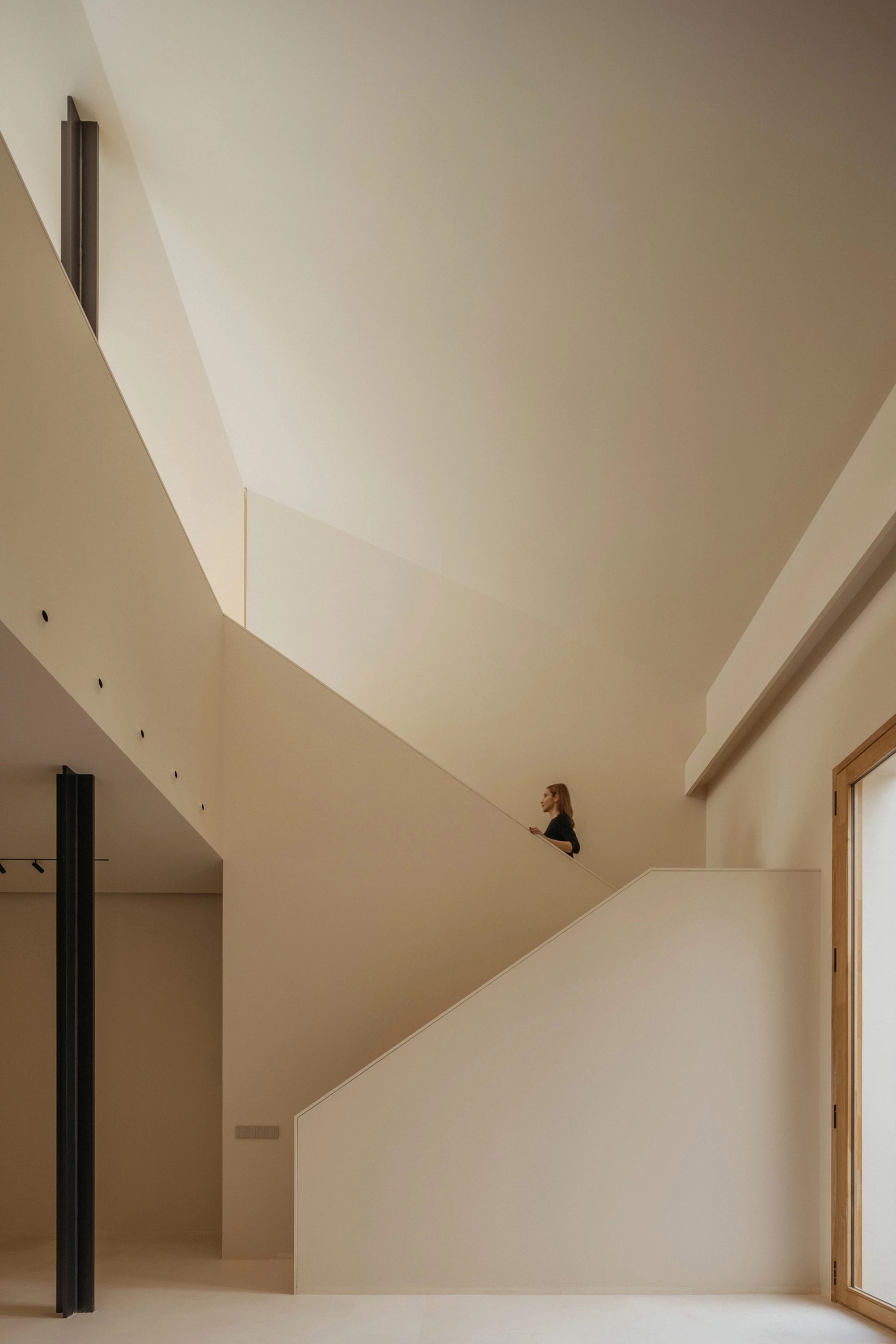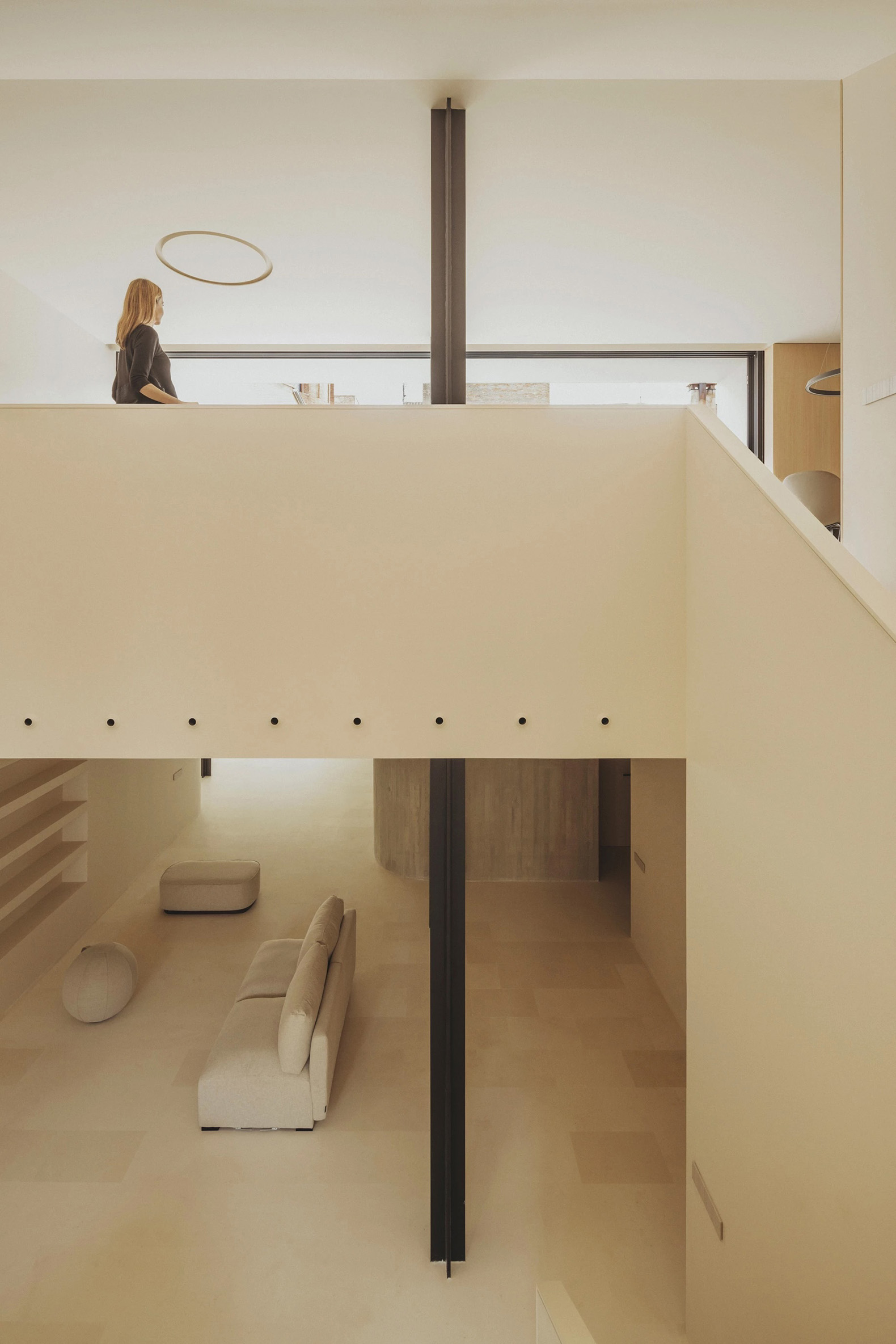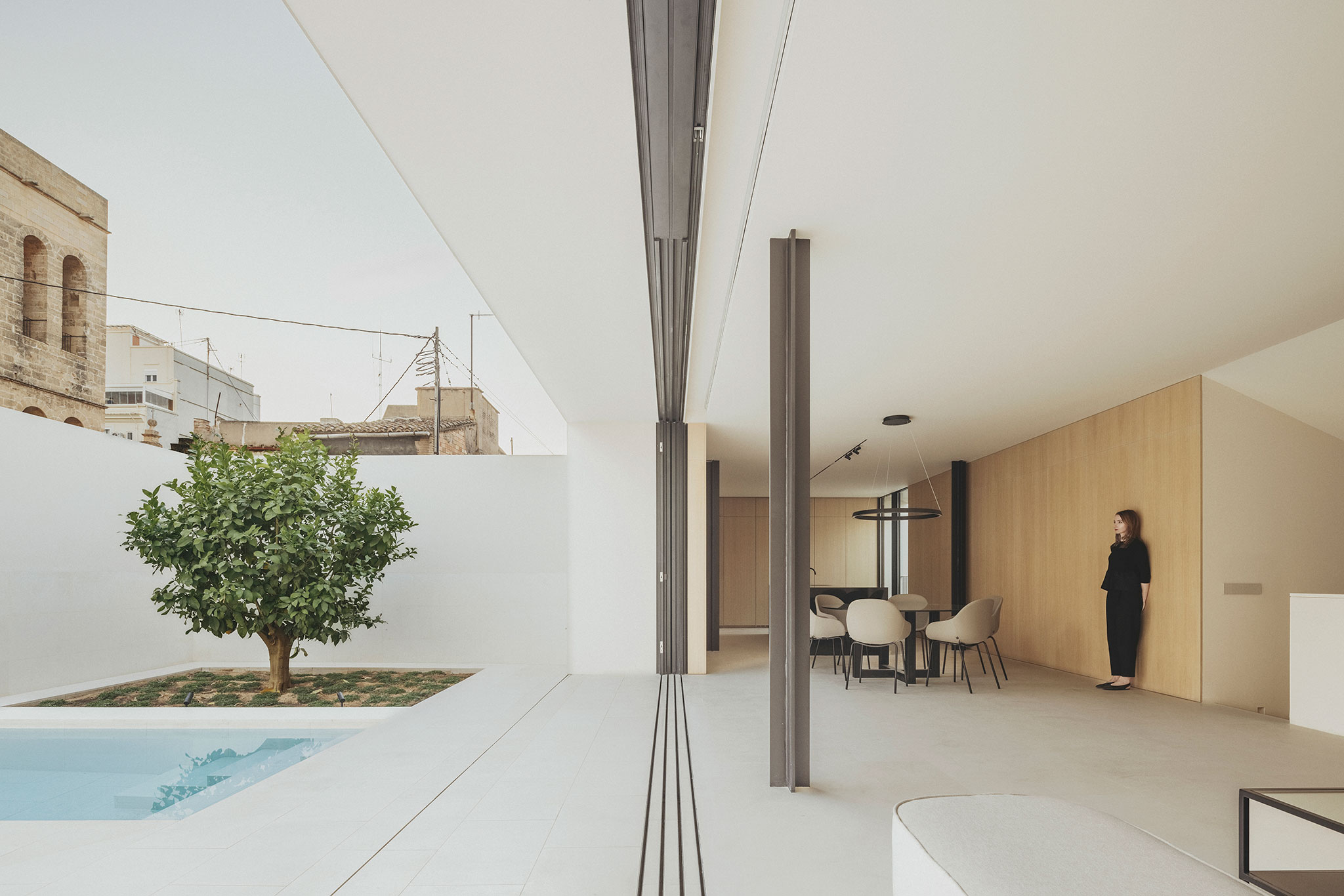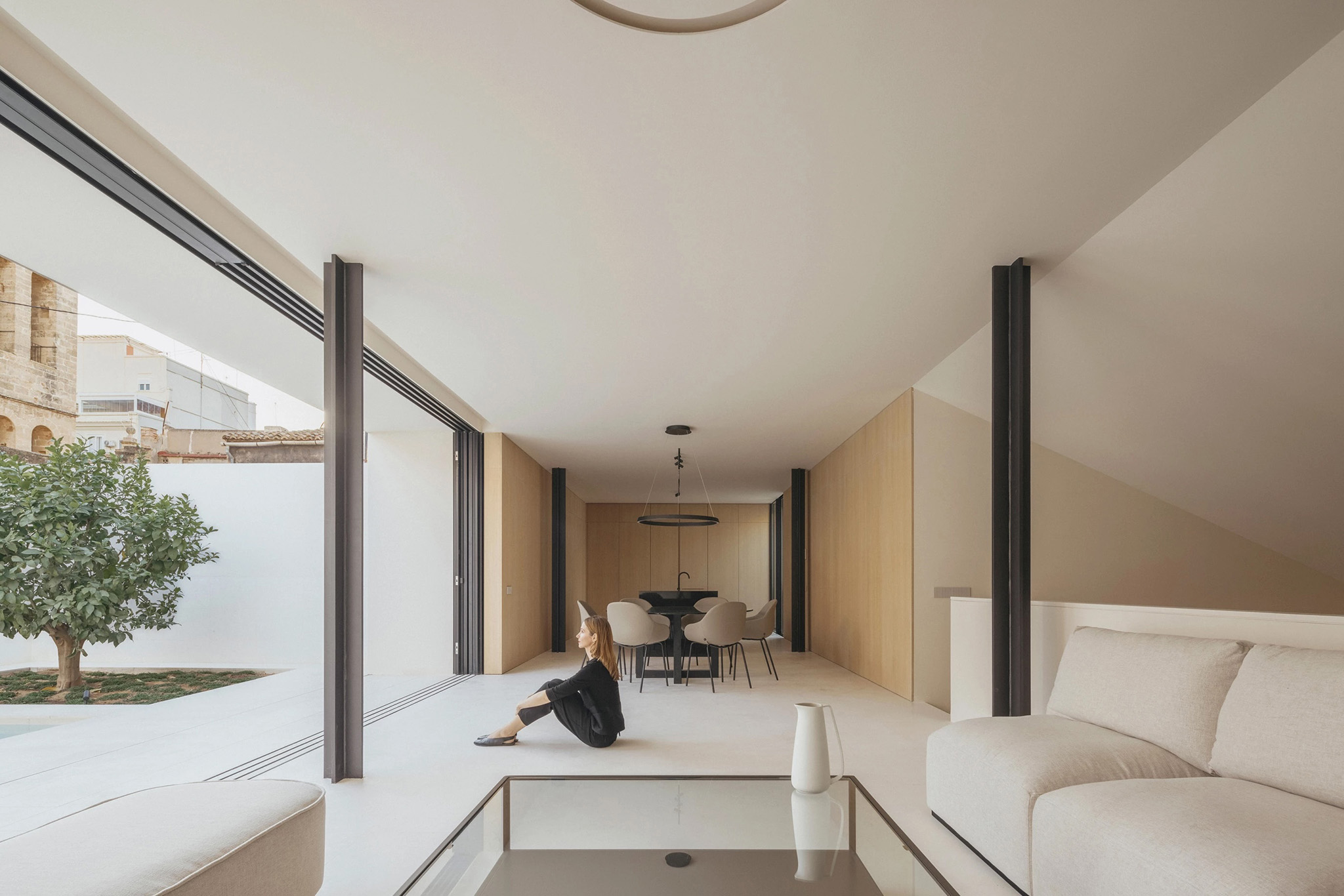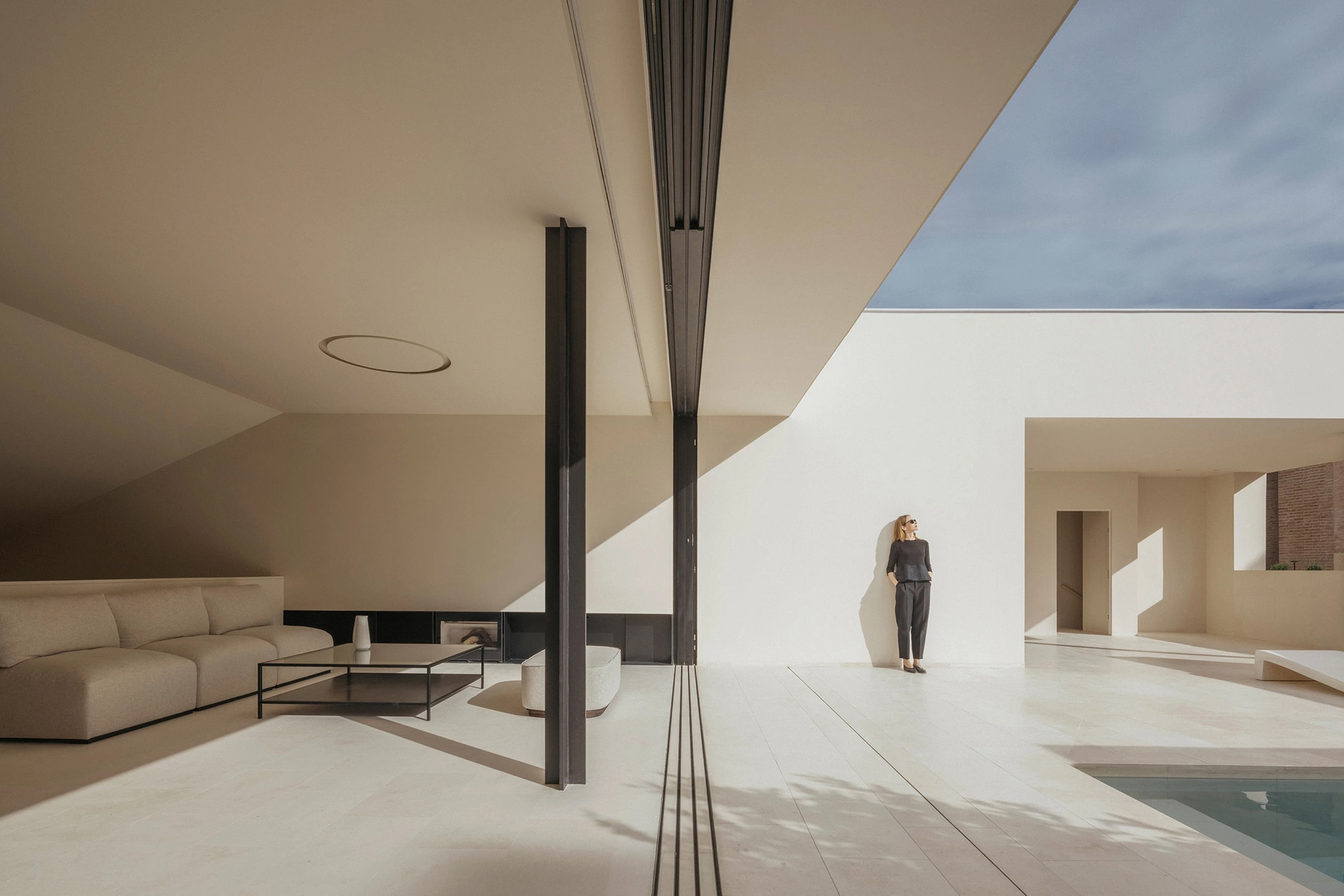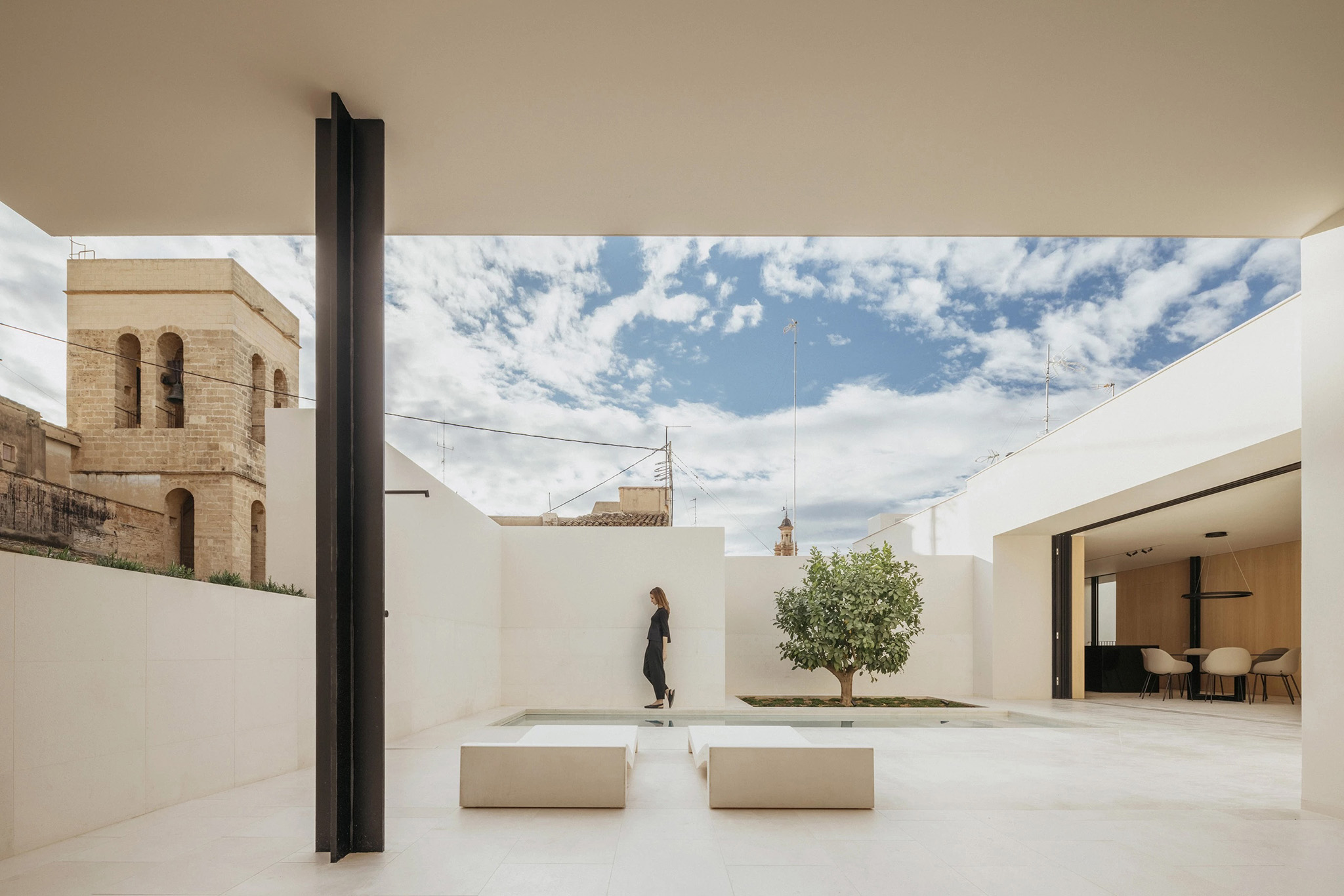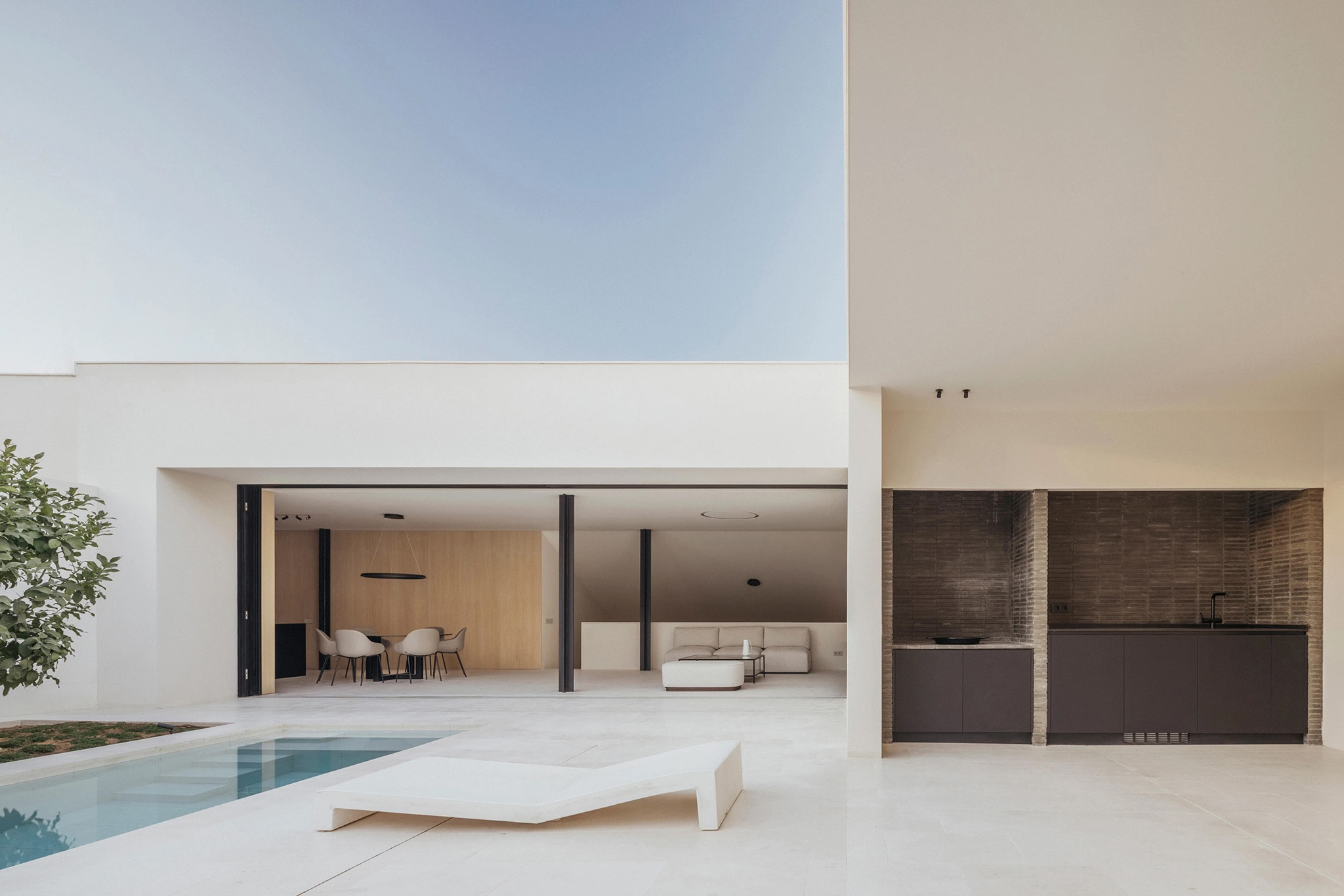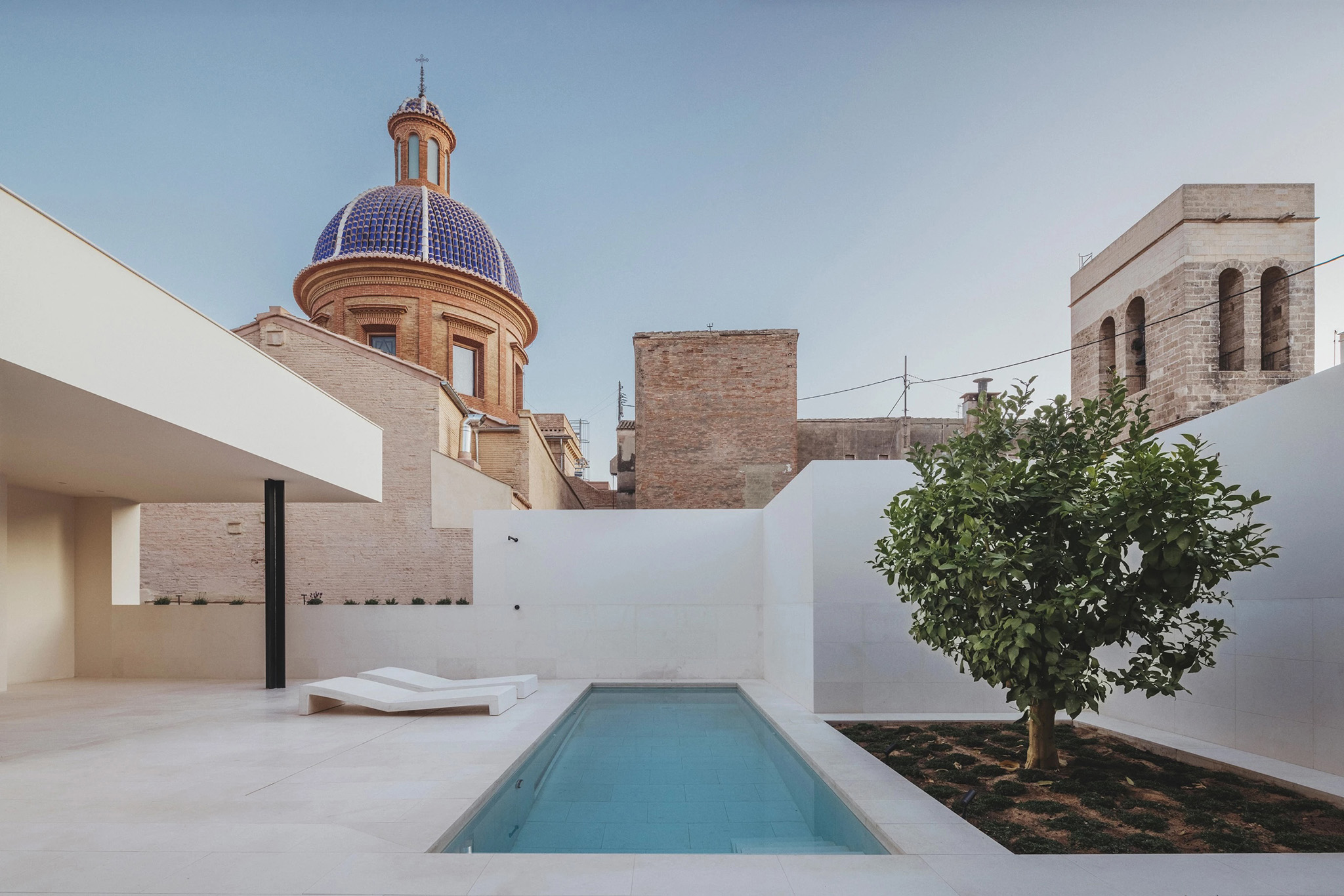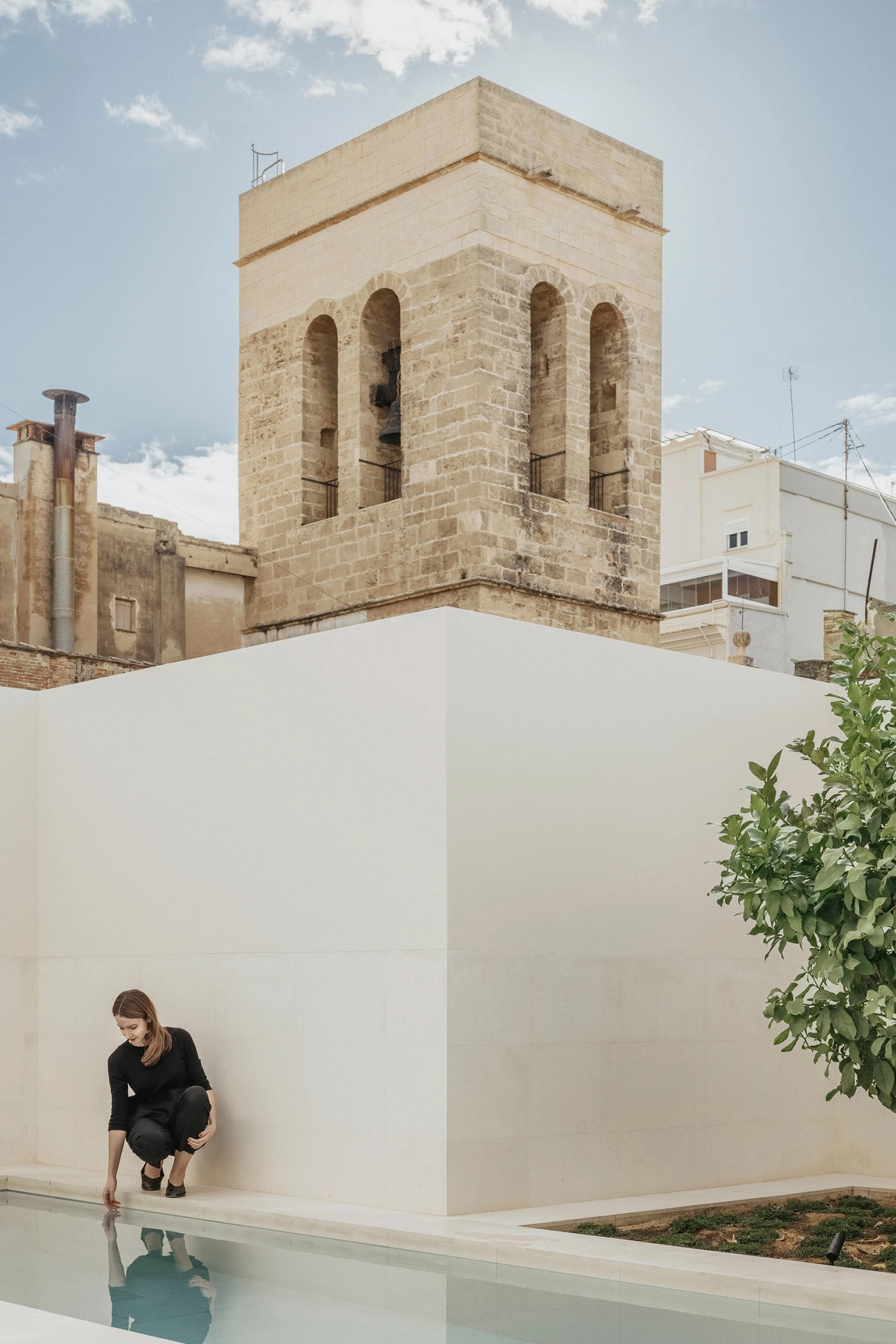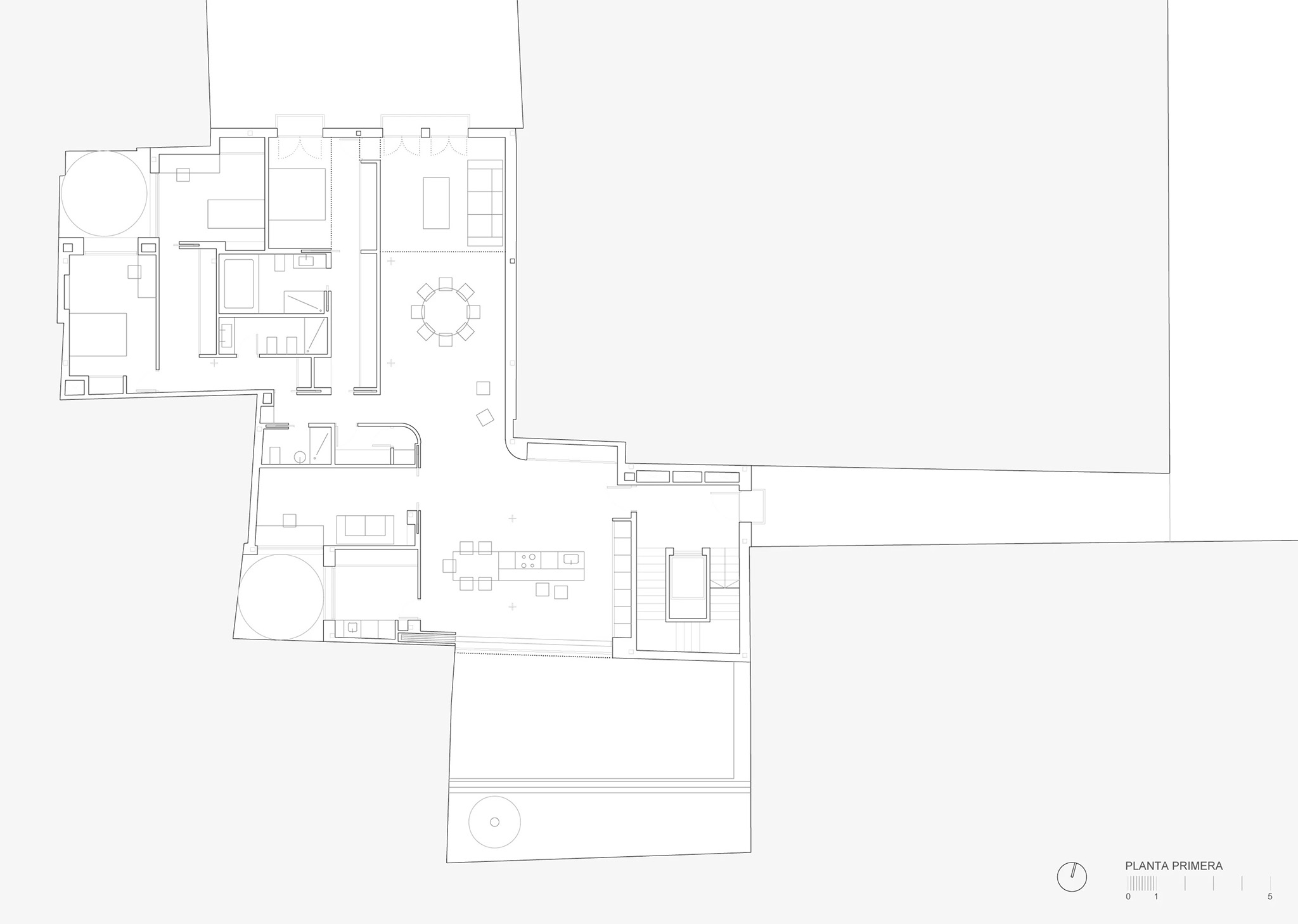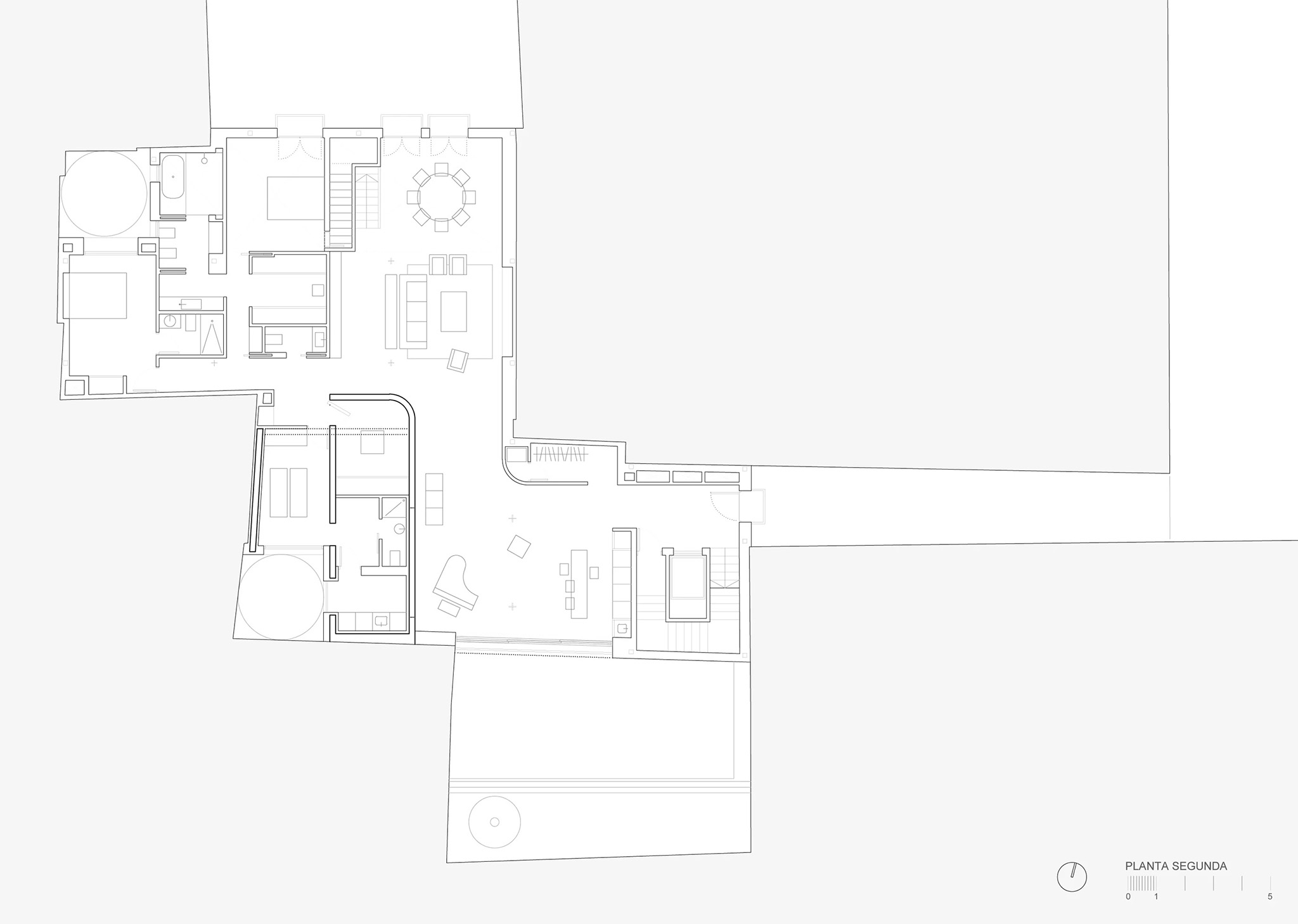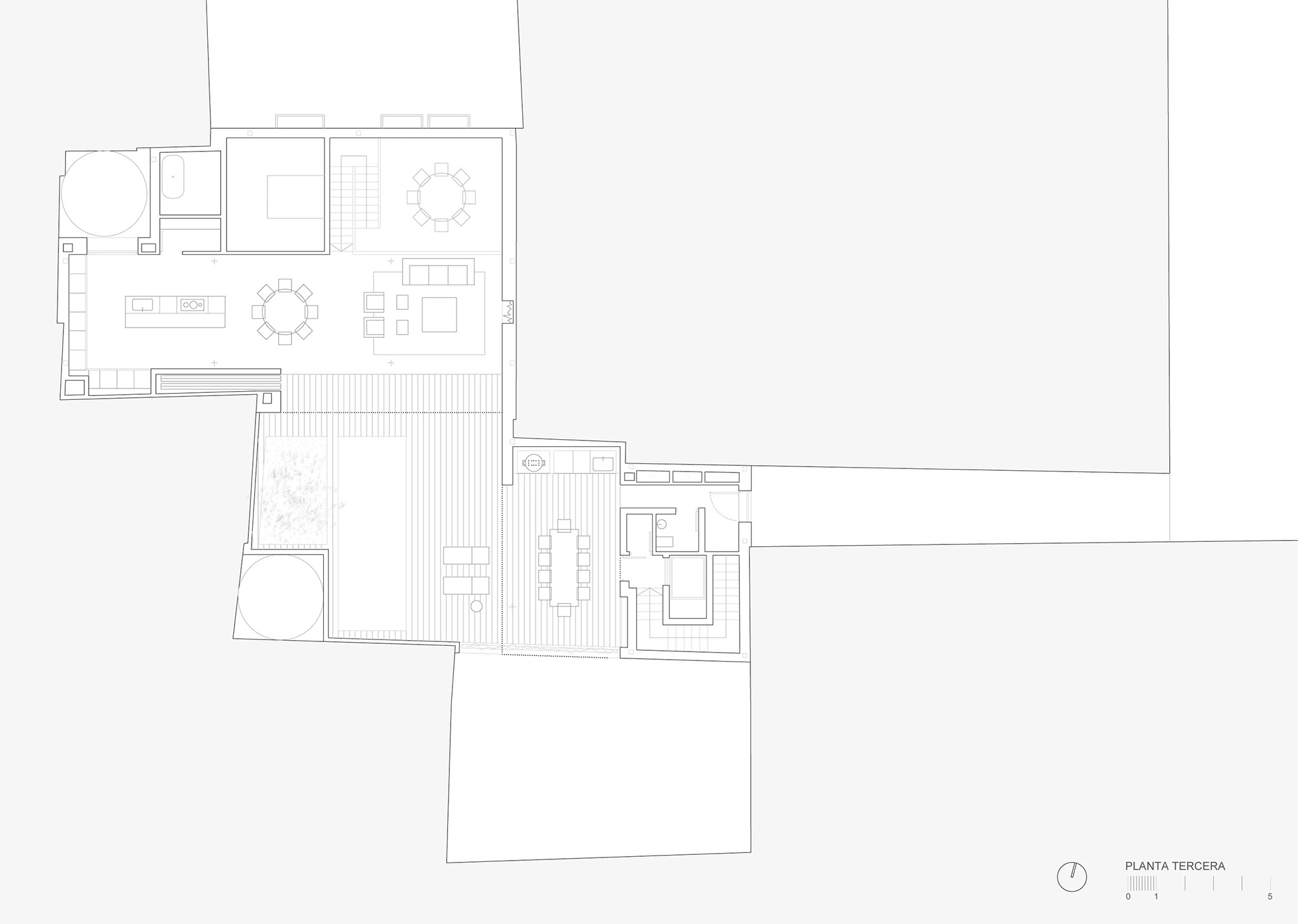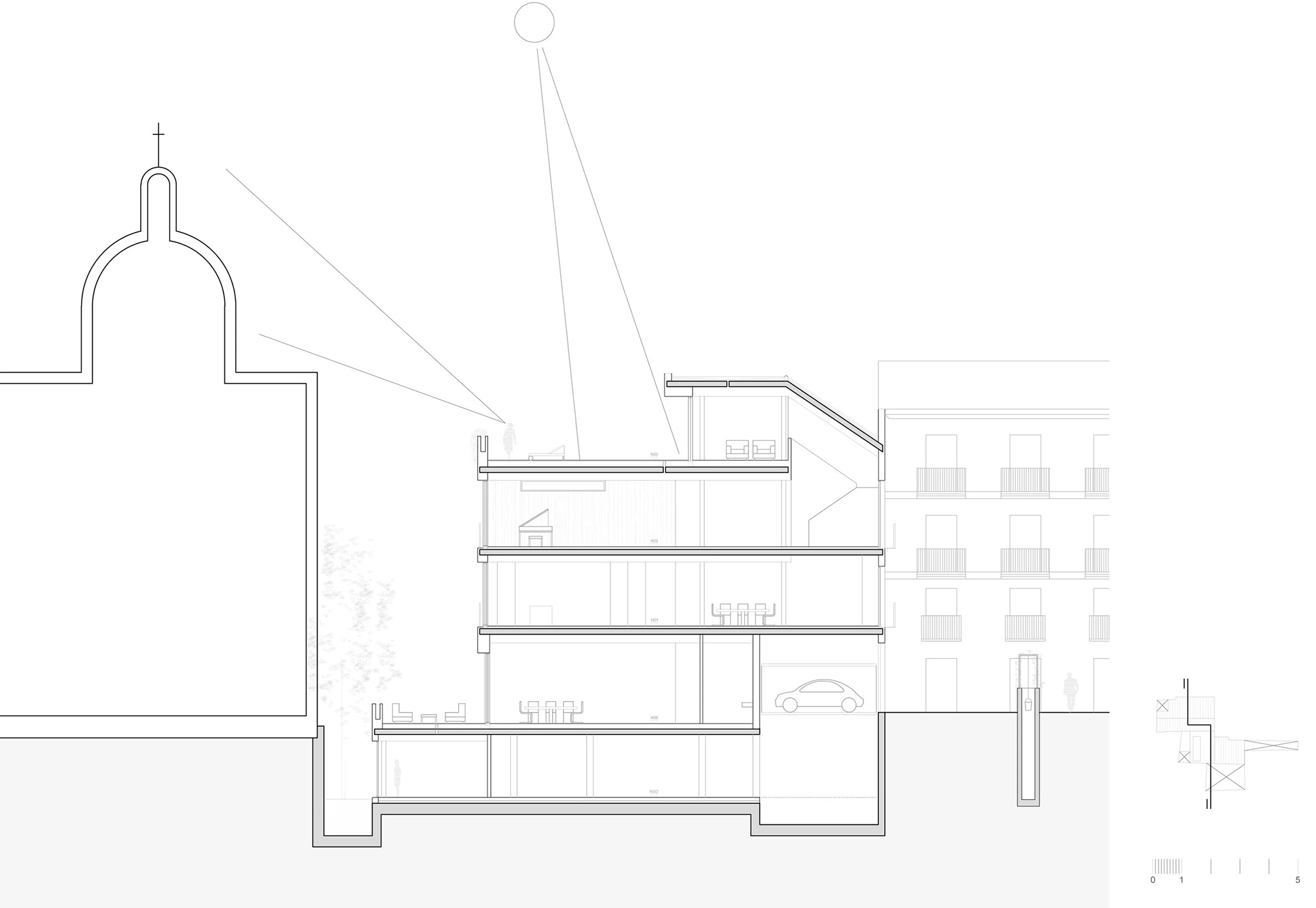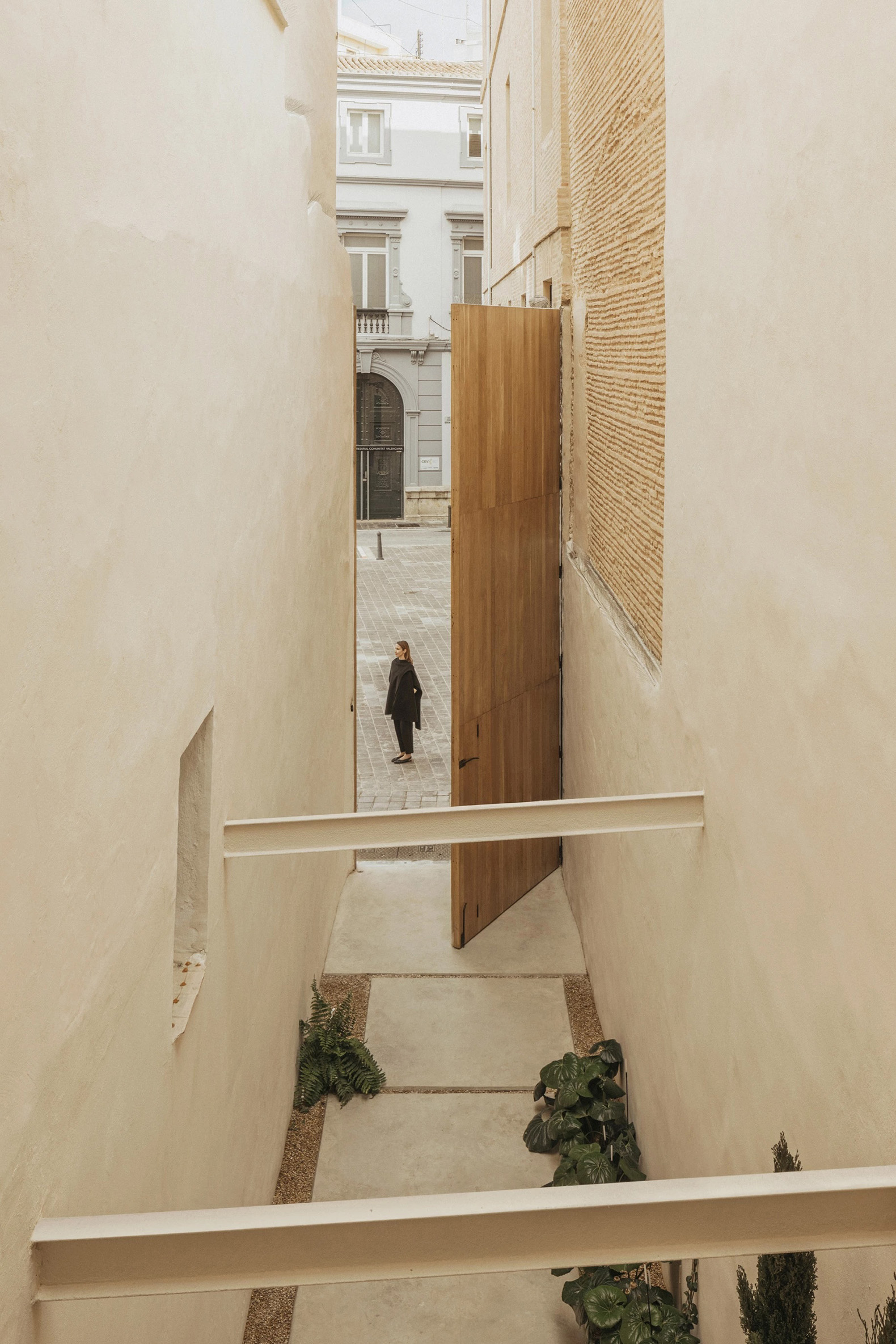
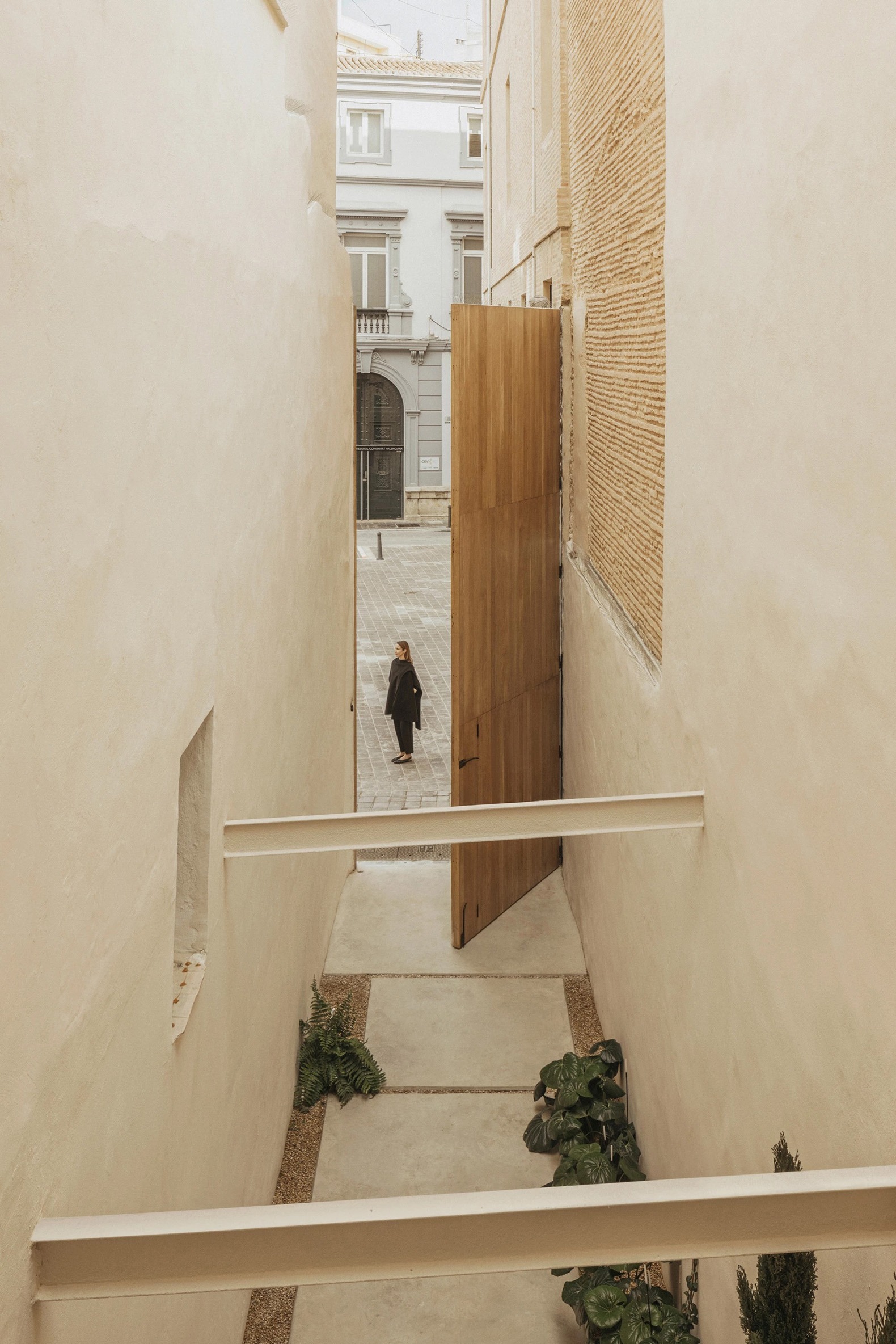
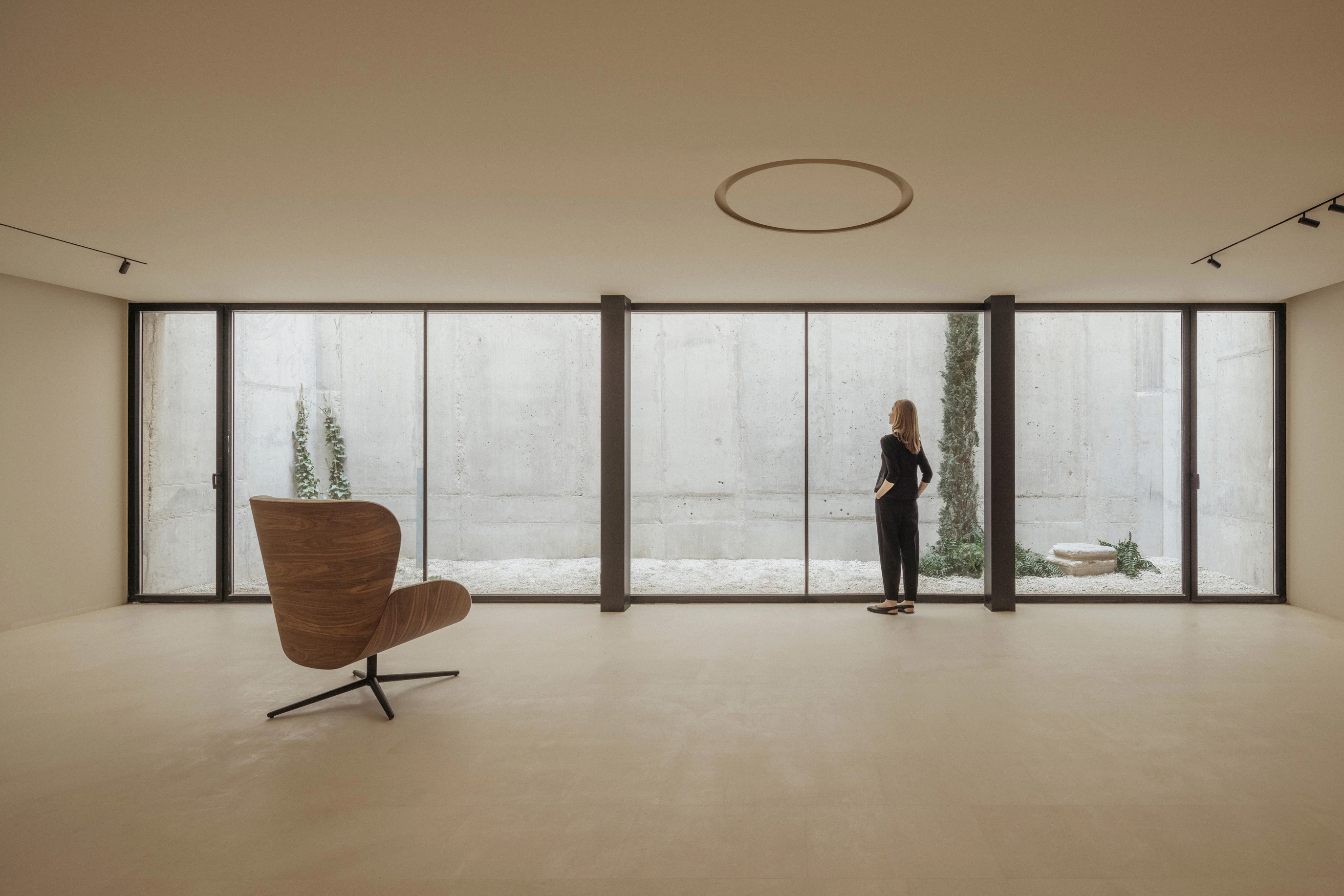
In this context, José Fernández-Llebrez proposes a spatial configuration that not only responds to the contemporary domestic needs of its inhabitants but also establishes a close relationship between the interior and its exterior expression, without contradicting regulatory requirements. While many buildings in the historic center are characterized by limited natural light, the project prioritizes openness and visual and spatial continuity with the surroundings.
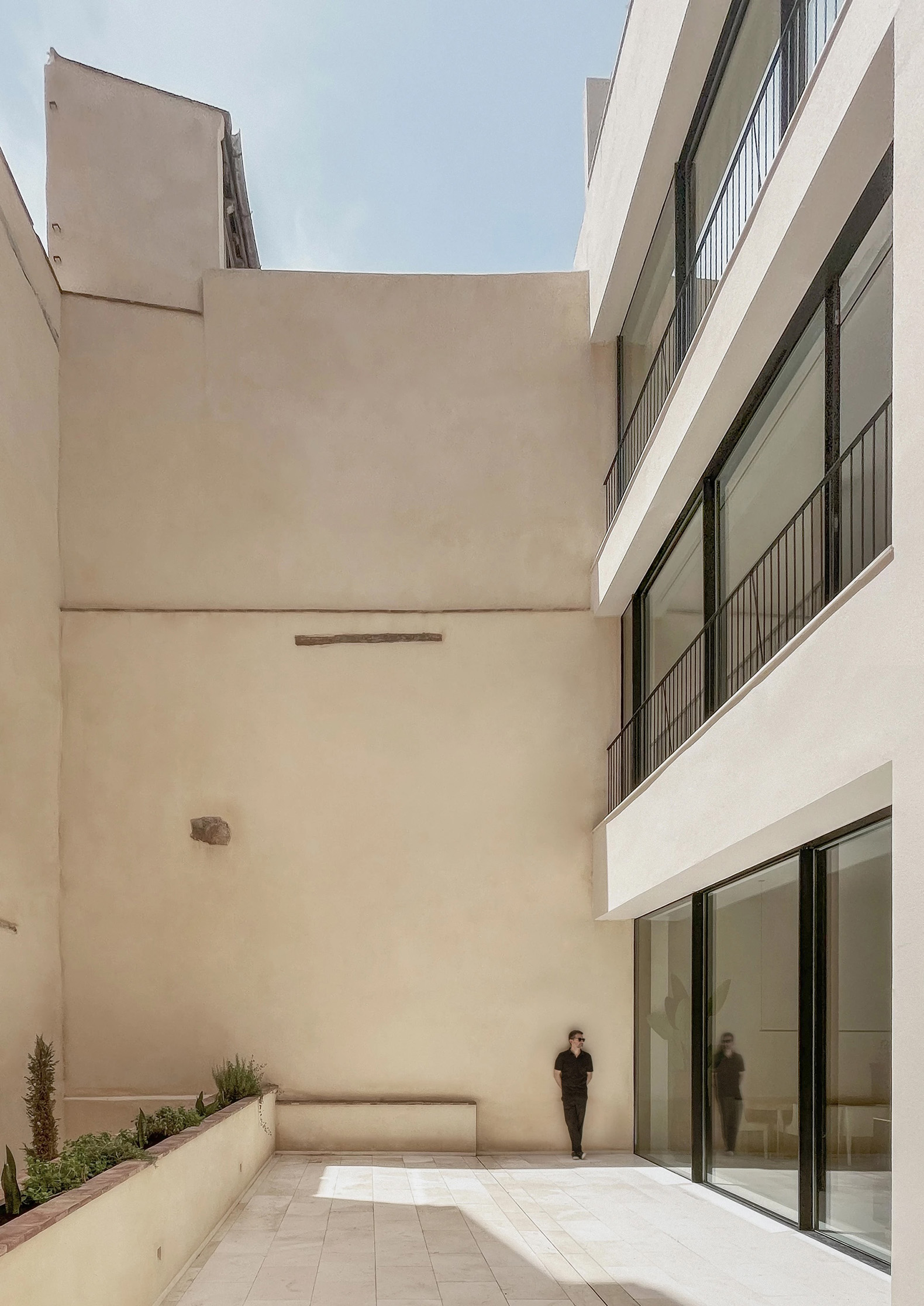
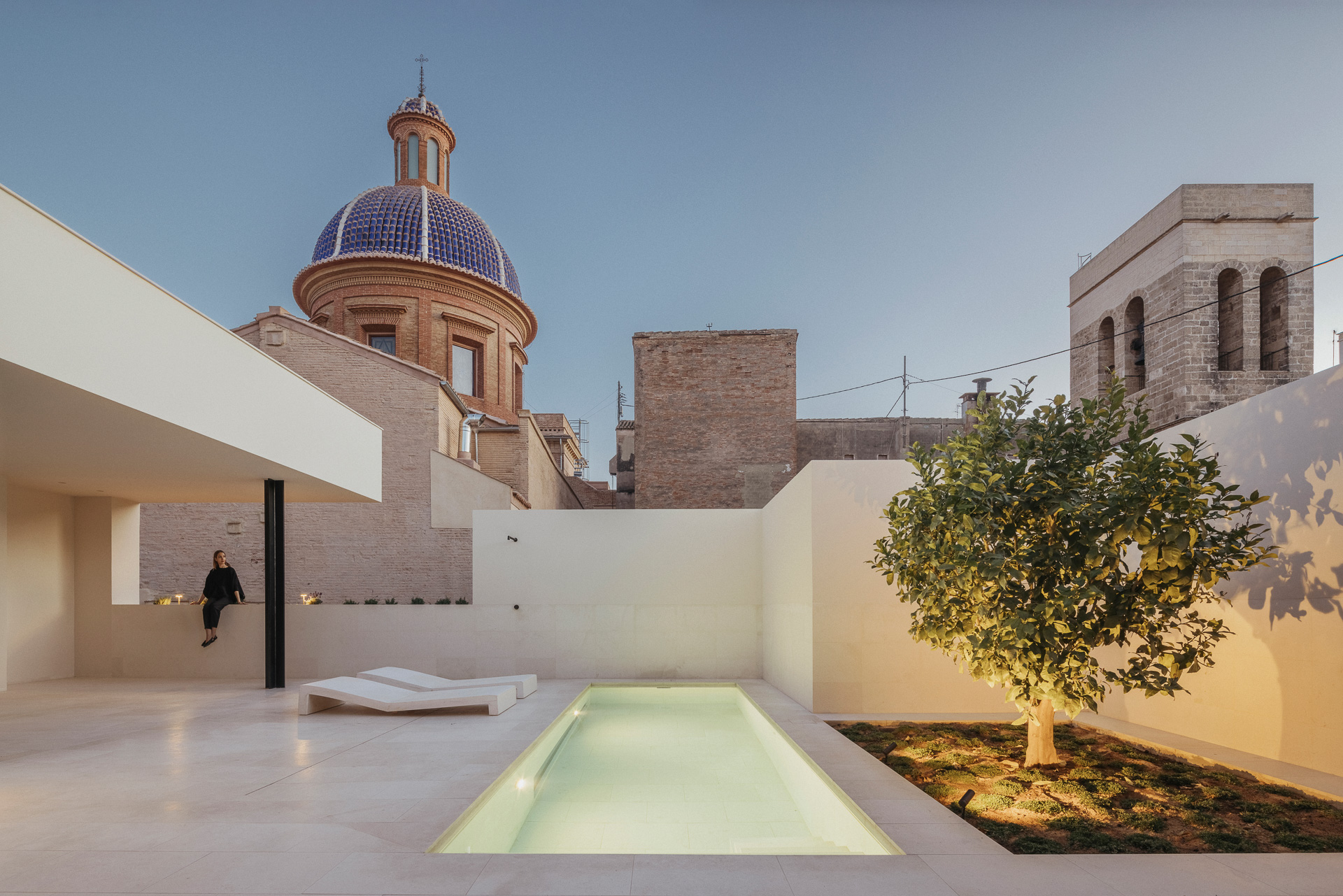
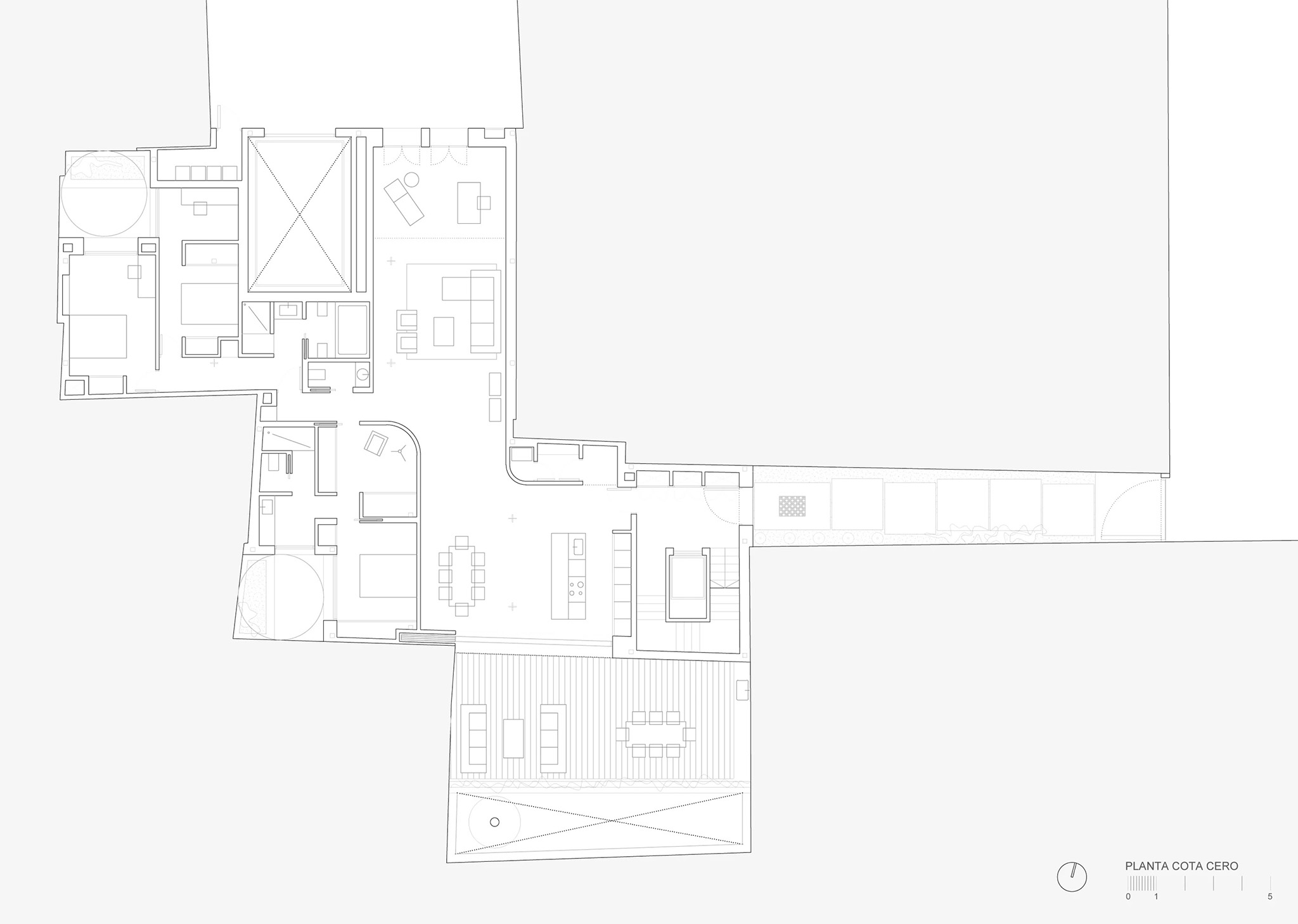
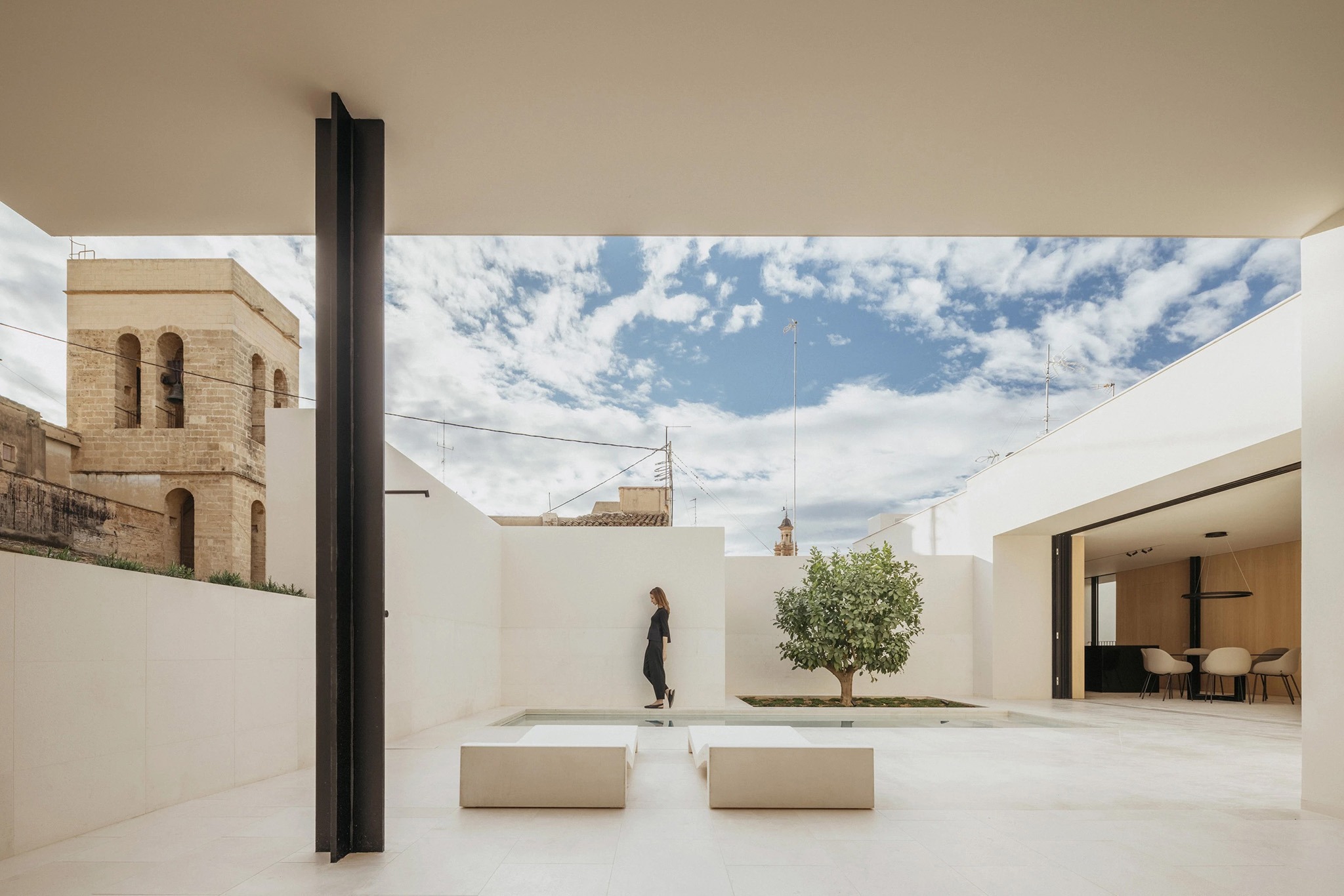
Starting from ground level, each dwelling occupies an independent level and is developed through a through-plan layout that fosters constant interaction with the two most significant exterior spaces on the plot: a patio of approximately 10 x 7 meters located at the rear of the property and a narrow, longitudinal space called the atzucat, a reference to its Islamic origins.
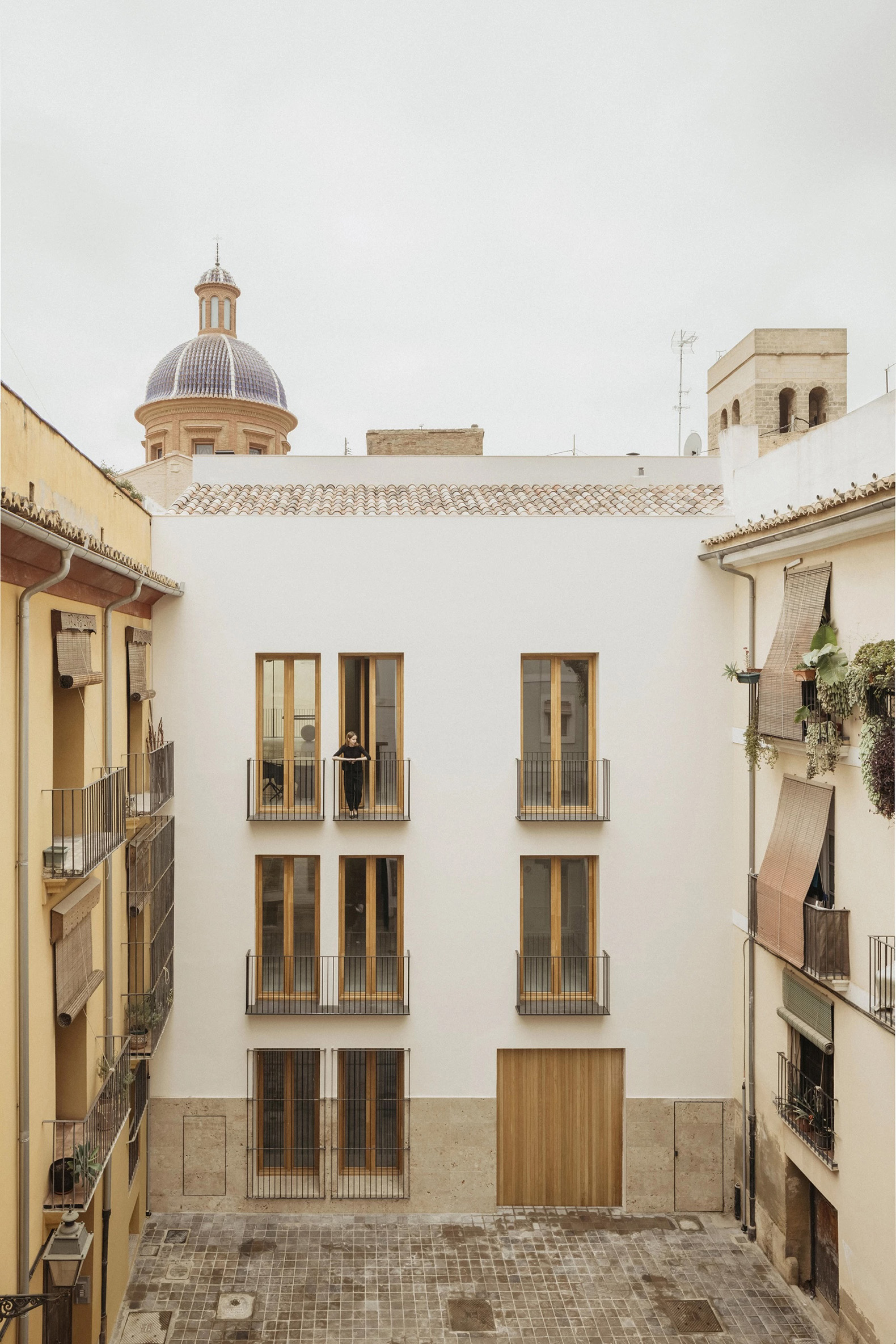
The main entrance is through the latter, taking advantage of its linear nature connected to one of the access plazas, while the rear patio, facing south, ensures adequate natural light and ventilation, reinforcing spatial continuity and opening up views to the exterior.
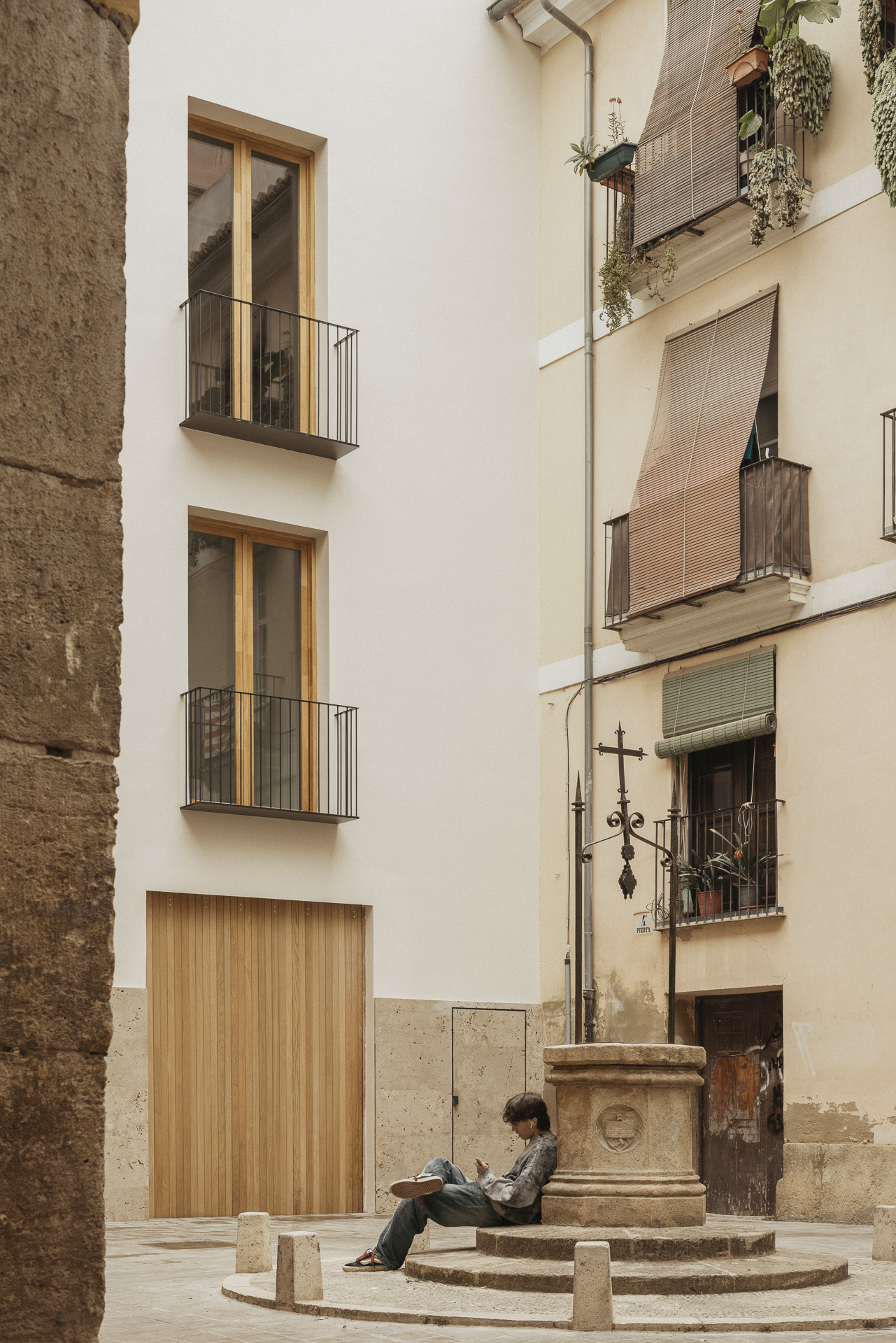
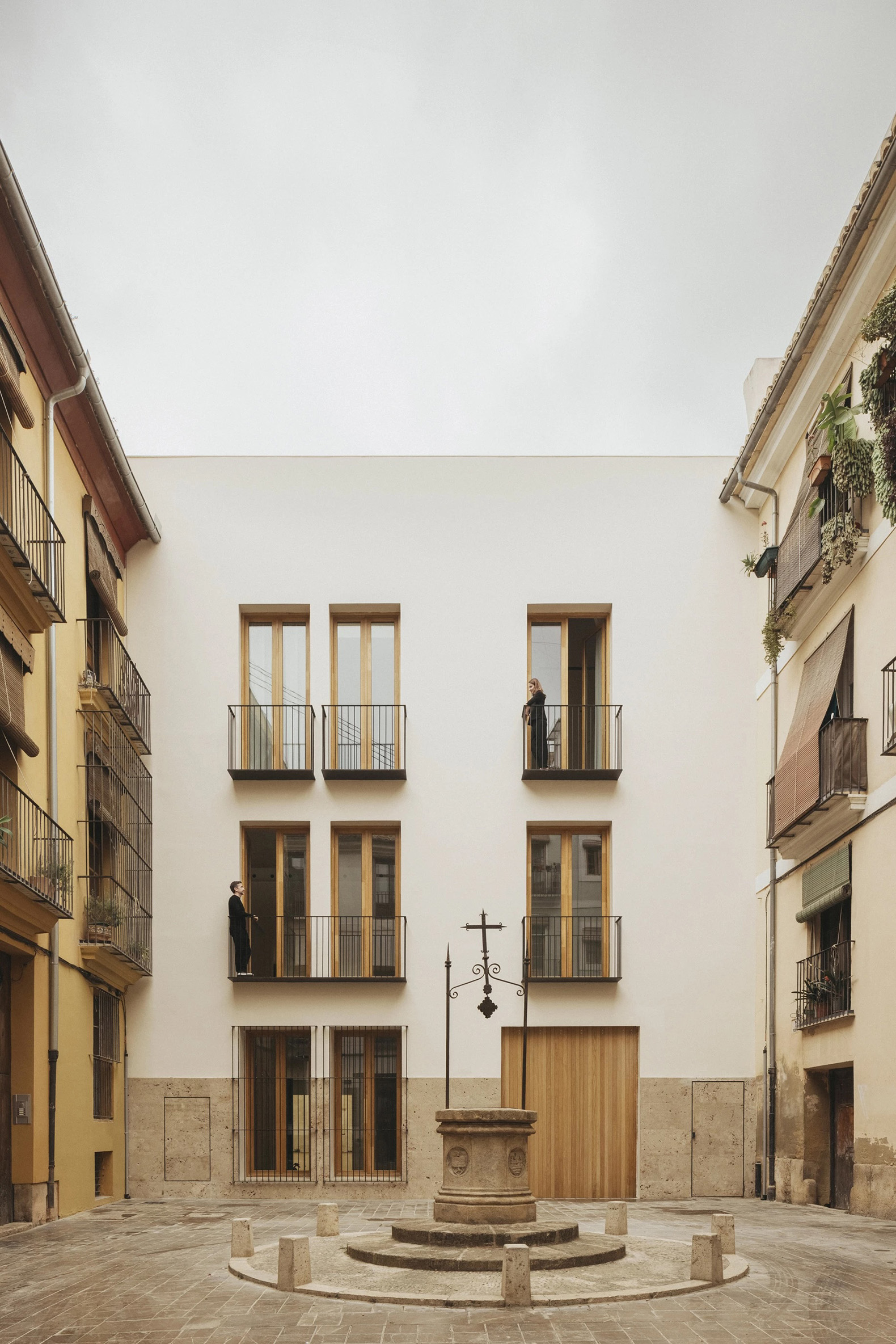
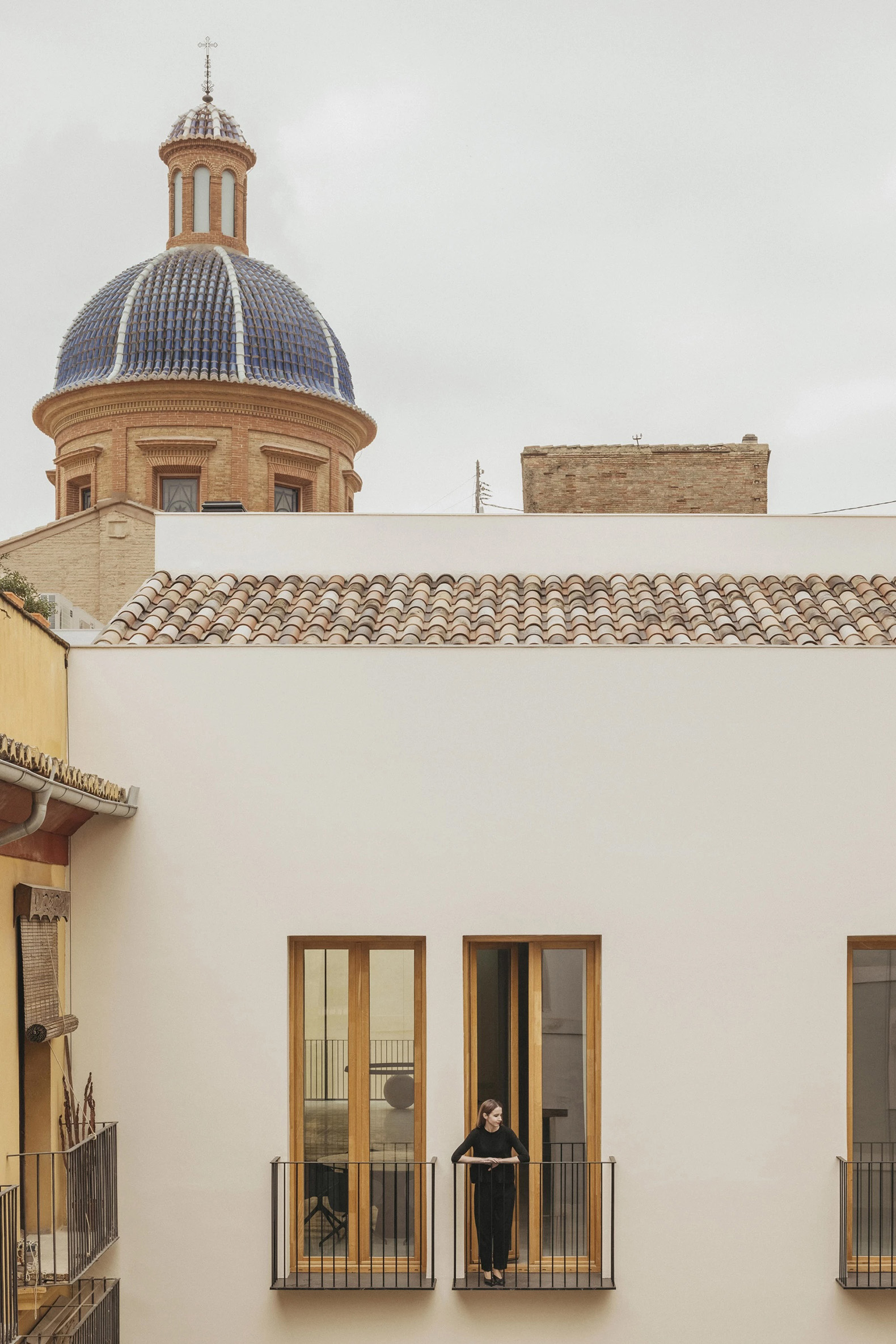
Viciana Building by José Fernández-Llebrez. Photograph by Alejandro Gómez Vives.
Project description by José Fernández-Llebrez
Initially, the proposal aimed to develop a residential building with three apartments and parking on an irregularly shaped plot in the historic center of Valencia. This basic initial objective evolved, as the circumstances and characteristics of the future residents were explored in greater depth, into a more complex project closer to a vertical arrangement of three distinct single-family homes.
The initiative stemmed from the need of a mother and her two children (both independent and with their own families) to live in the same building close to the city's main services (from healthcare to schools and administrative offices). The intention, therefore, was to leave behind their residence in a low-density area on the outskirts so that the three families could live together as harmoniously as possible in a new urban setting, thus facilitating interaction and travel between them.
In this sense, even in the project phase, one of the primary objectives was for the proposal to recapture for users some of the aspects that had characterized their lives near the countryside. This also connected with considerations of sustainability (presence of vegetation and water features, promotion of cross ventilation, shade control and solar shading, energy efficiency based on aerothermal systems, etc.).
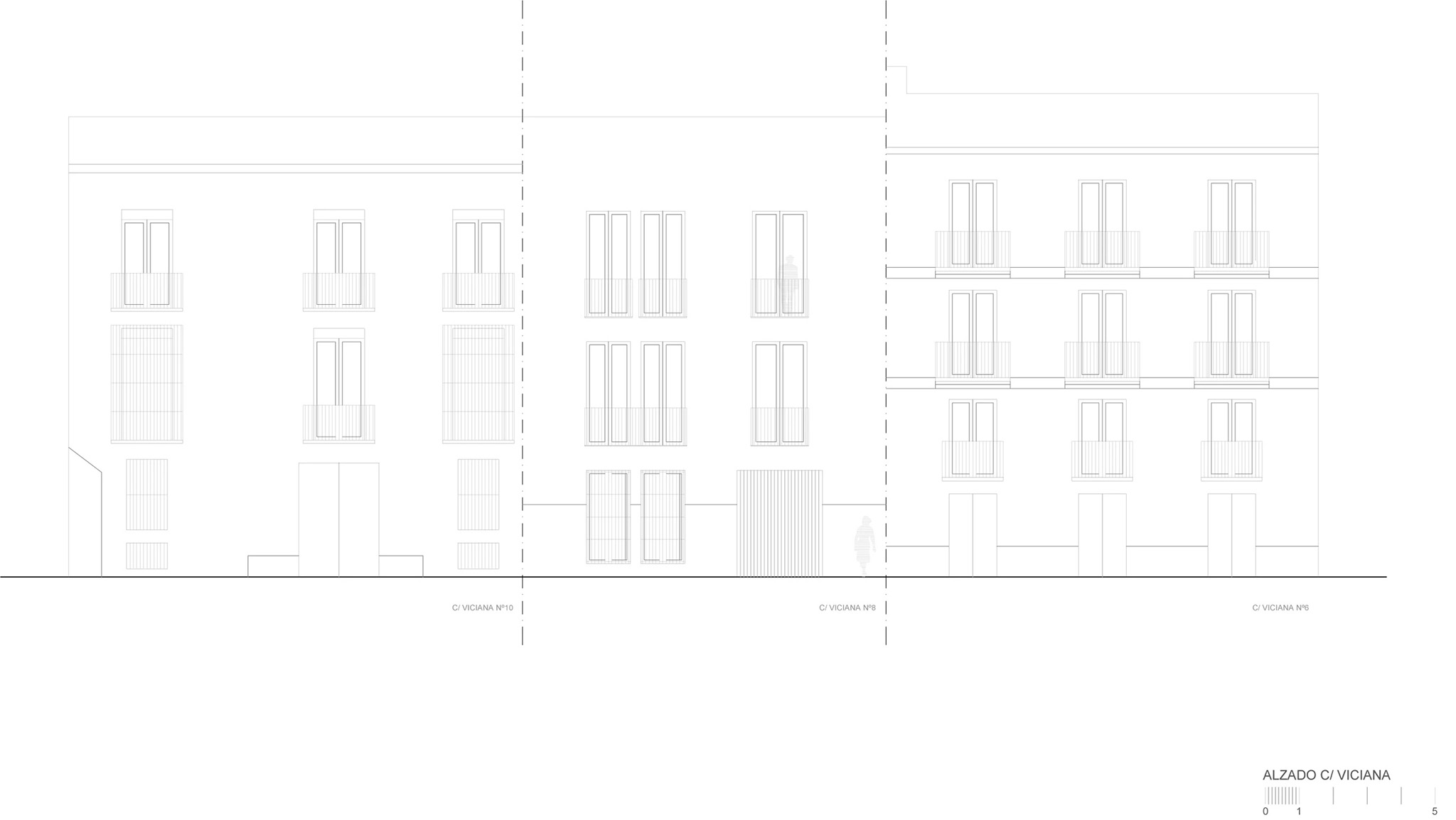
Another determining factor for the proposal was the strict urban planning regulations applicable to the historic center. These regulations, in addition to limiting standard parameters such as property line requirements, number of floors, and building heights, conditioned the exterior configuration and appearance of the project by regulating aspects—related to the typological architecture of the old city—such as façade composition criteria, the morphology and dimensions of openings, permitted finishes, roof type, and possible materials, with the aim of achieving a comprehensive visual integration of the new with the old.
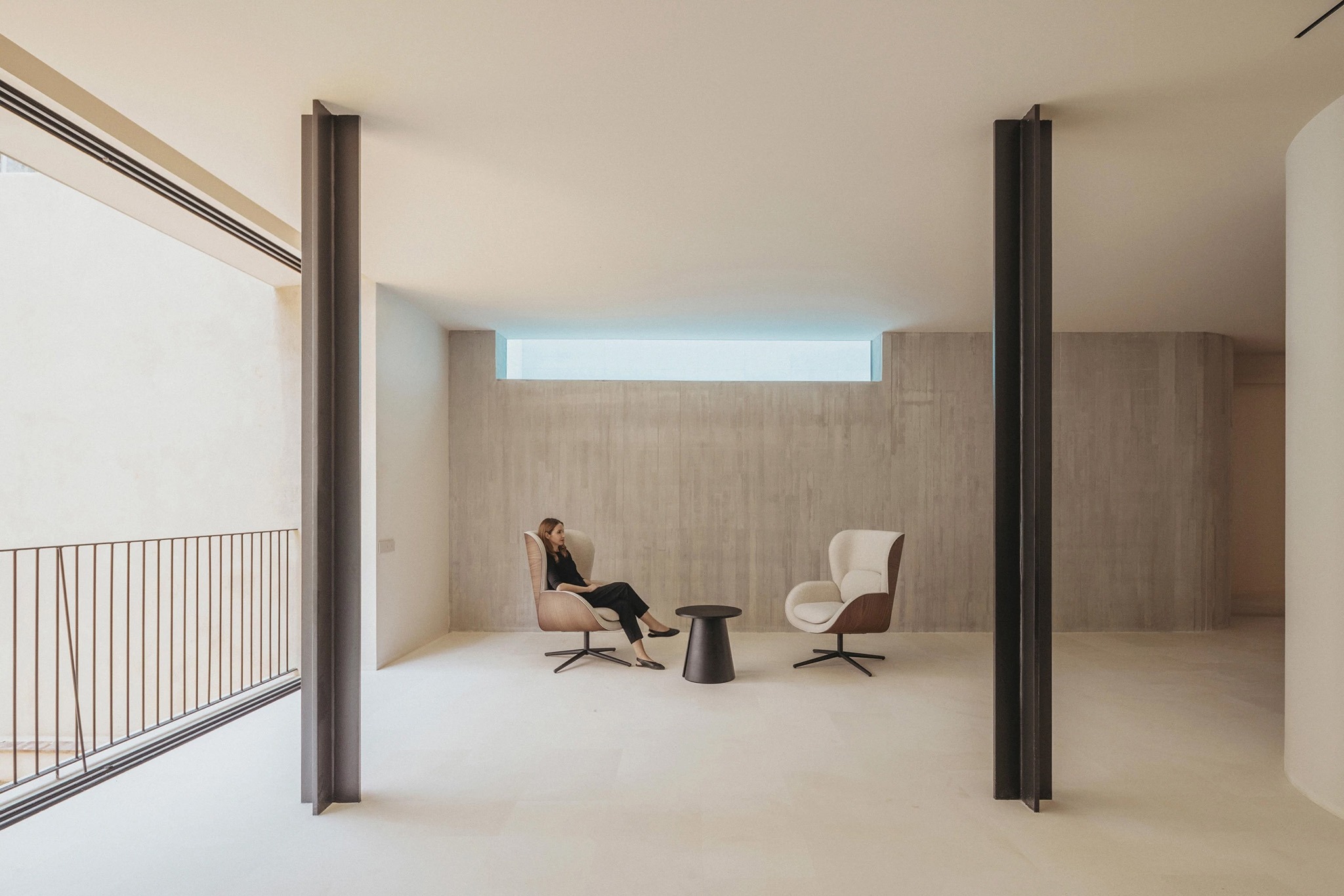
A framework that invited reflection on the discussion of the relationship—or dissociation—between the spatiality or interior organization of the project and its form or exterior expression. That is, starting from formal principles—largely related to the language and compositional criteria to be used on the façade—that are inherited (and in some ways anachronistic, since they refer to architectural guidelines derived from an outdated way of designing and building), the fundamental question lies in determining both the kind of relationship that should exist between the spatiality of the proposal and these supervening formal principles, and consequently, the type of interior configuration of the project, thus raising the dilemma between a contemporary idea of the spatial organization of the proposal and the predicted exterior image.
In the Casa Viciana project, the approach adopted was to embrace a contemporary concept of space and interior organization that could address the project's objectives—also in relation to the needs, expectations, and lifestyles of future users—and an exterior expression strategy that, while necessarily adhering to regulatory requirements, could establish connections with the narrative employed in the interior design.
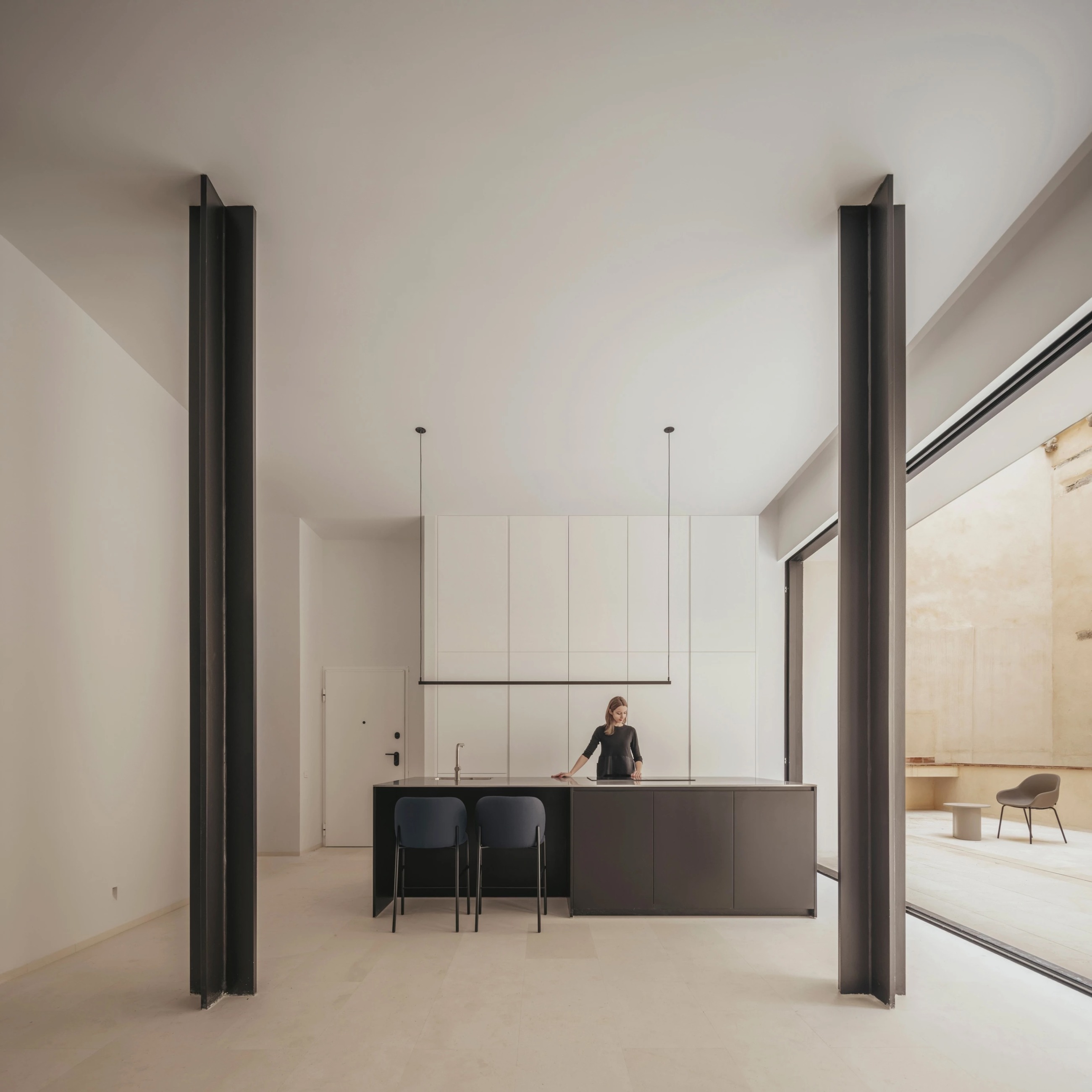
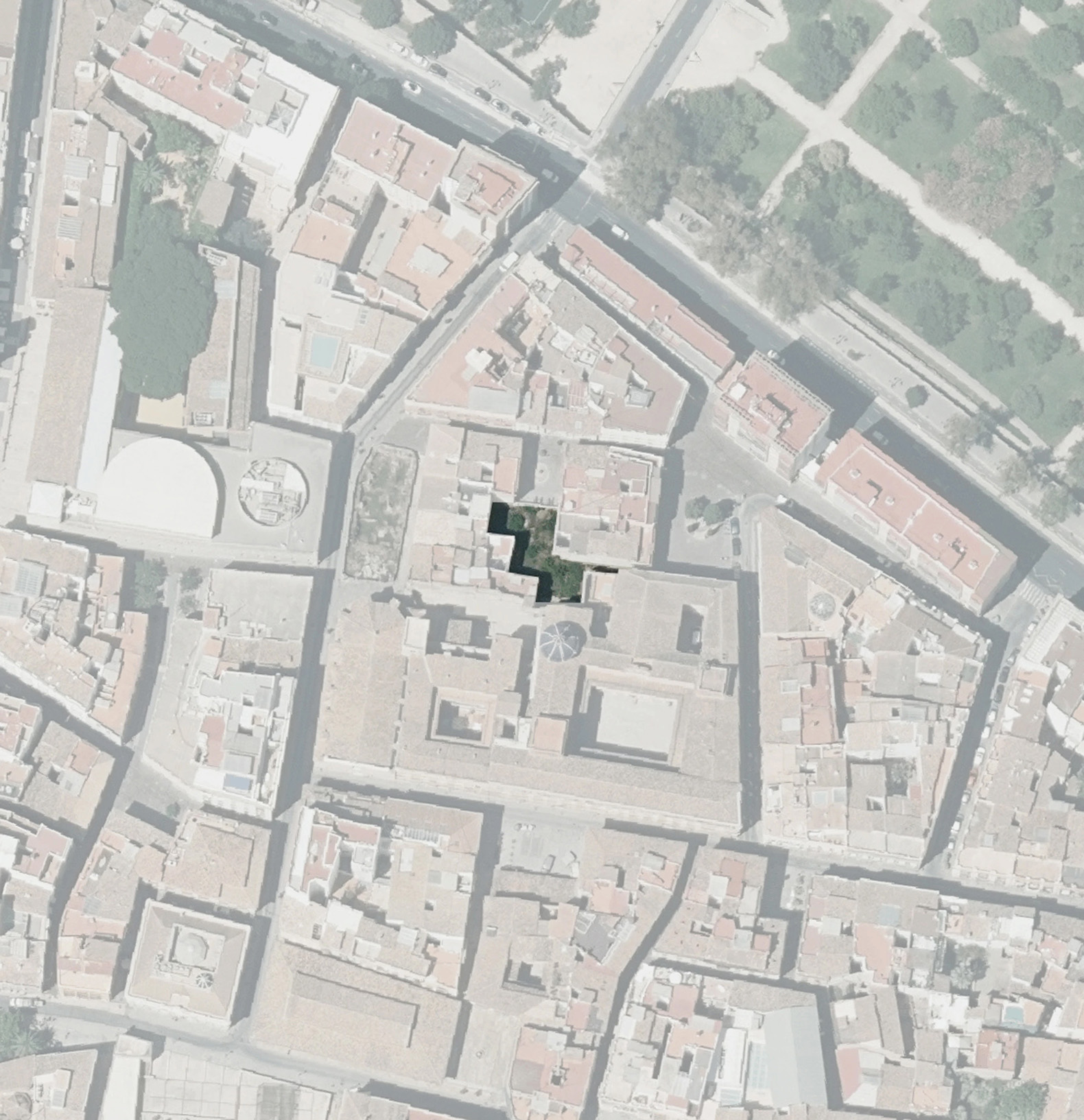
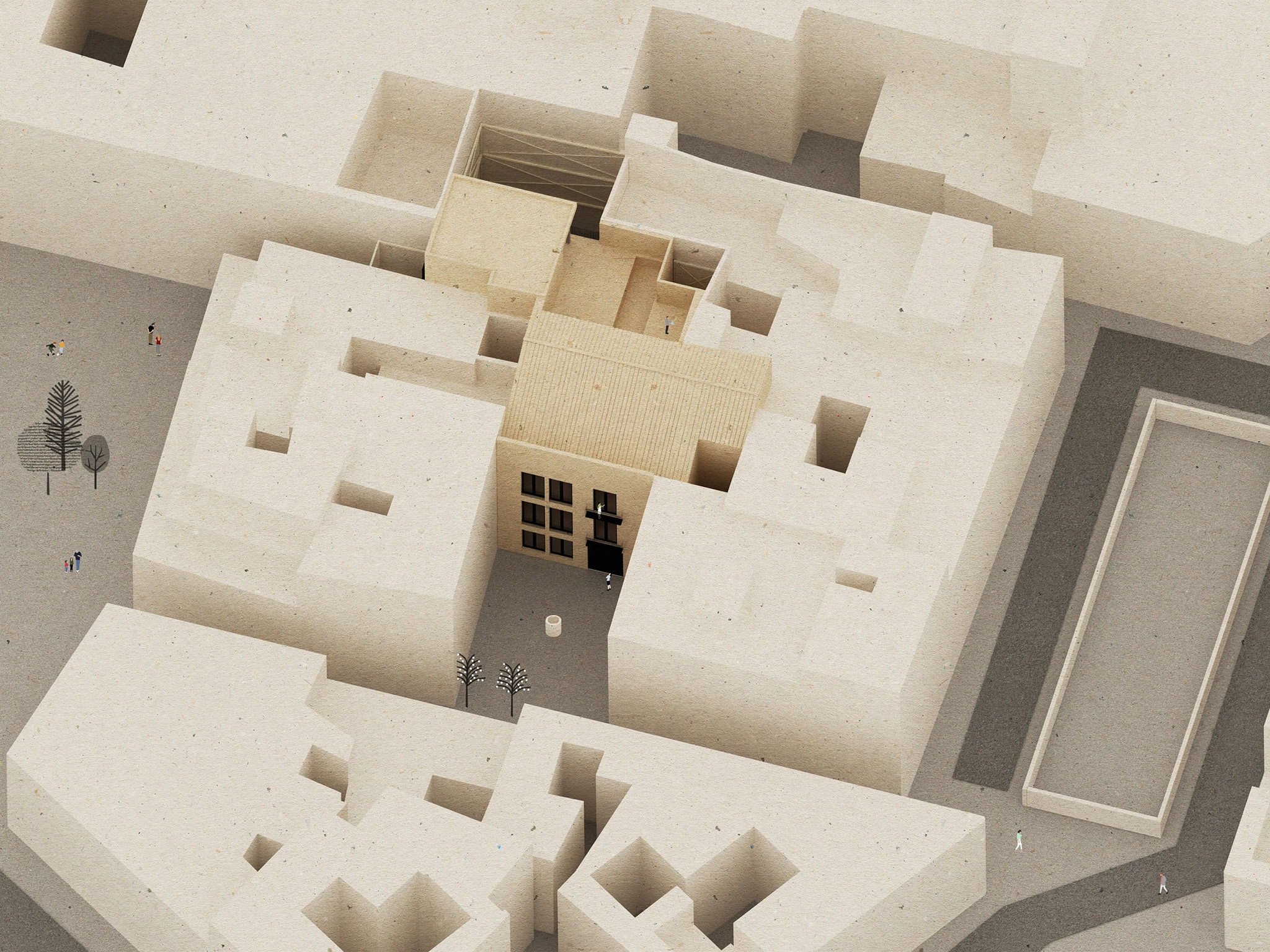
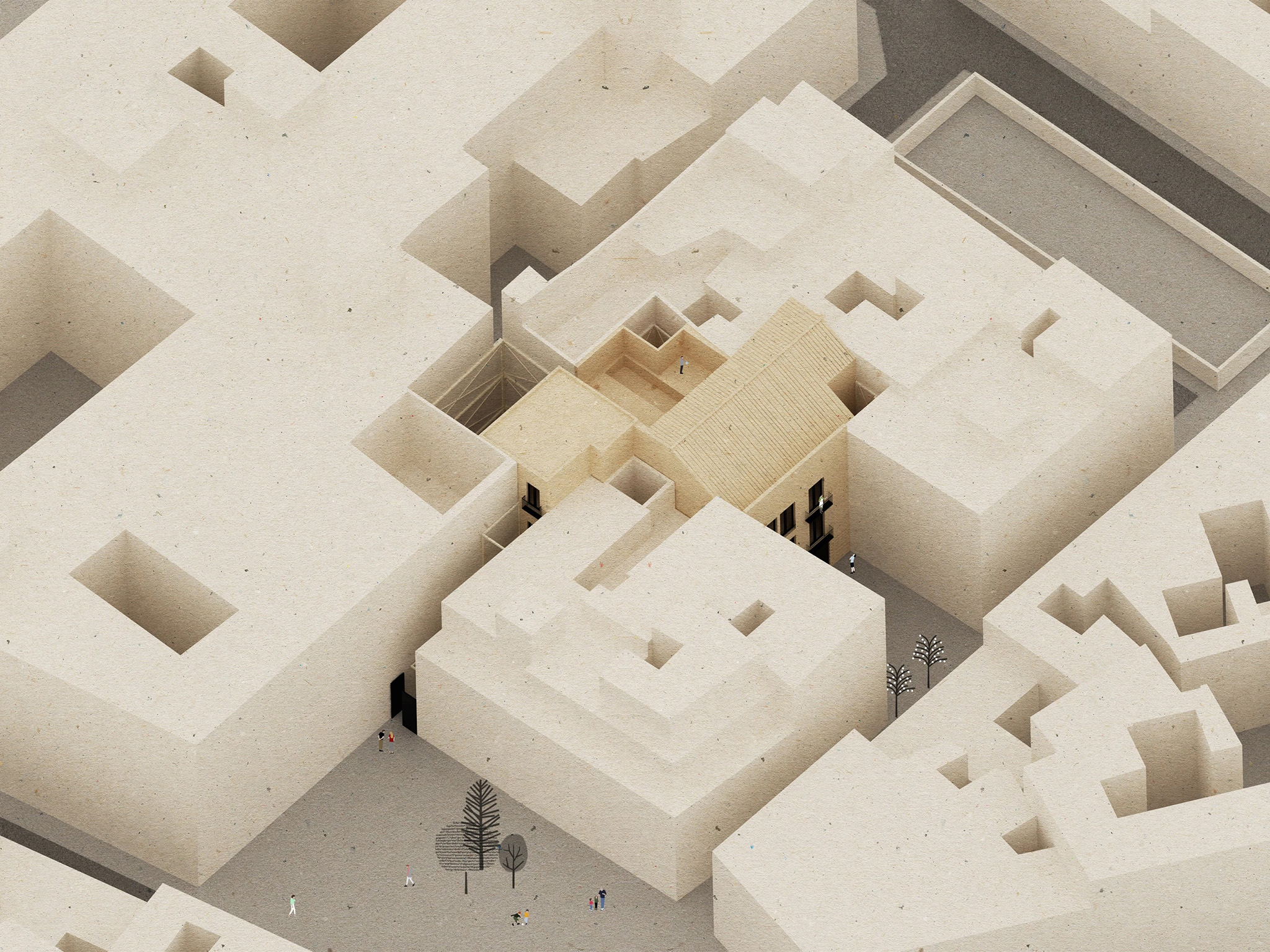
The project's formalization began to take shape from an understanding of the immediate site. In this respect, the boundary conditions are defined primarily by two plazas of different sizes that serve as access points to the site and by adjacent buildings that create a highly fragmented perimeter of party walls, both in plan and section.
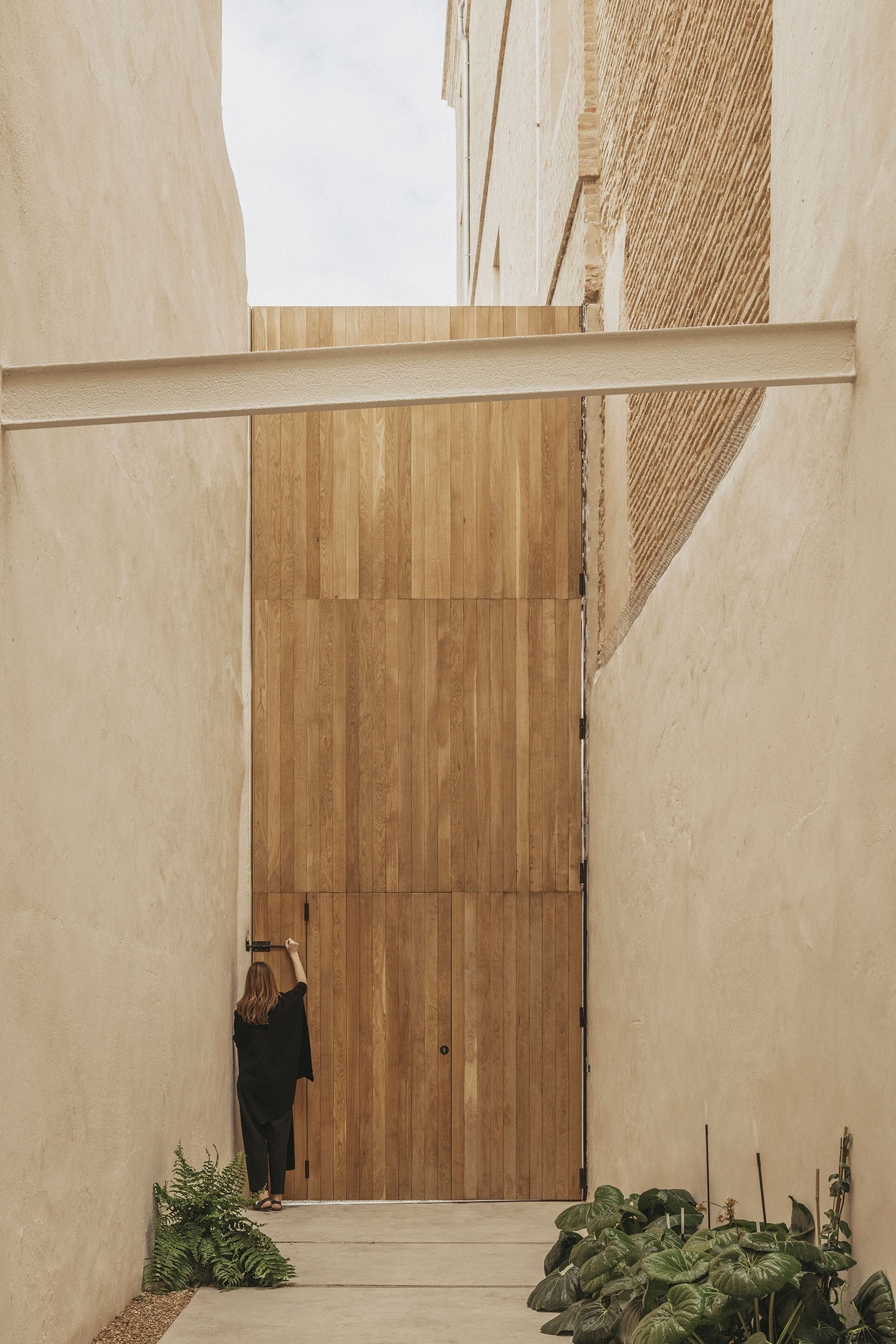
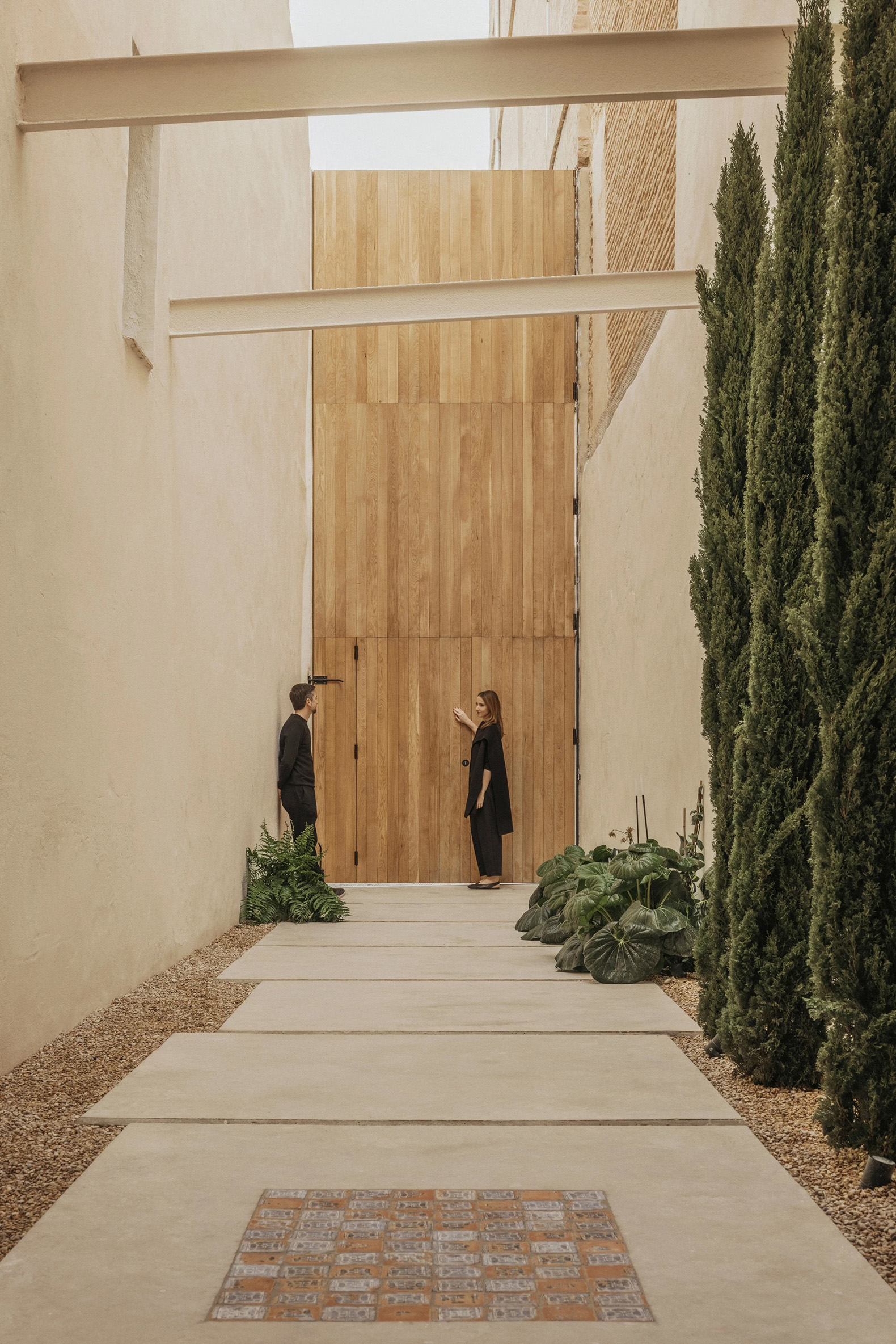
Regarding the specific conditions of the plot, the description of two distinct areas not buildable above ground level stands out: a main courtyard of approximately 10×7 meters located at the back of the property, resulting in a wide interior facade facing south, and a narrow, elongated space, like an interior street or longitudinal courtyard, running between party walls and bordering the larger square, which is called atzucat in honor of its Islamic origin.

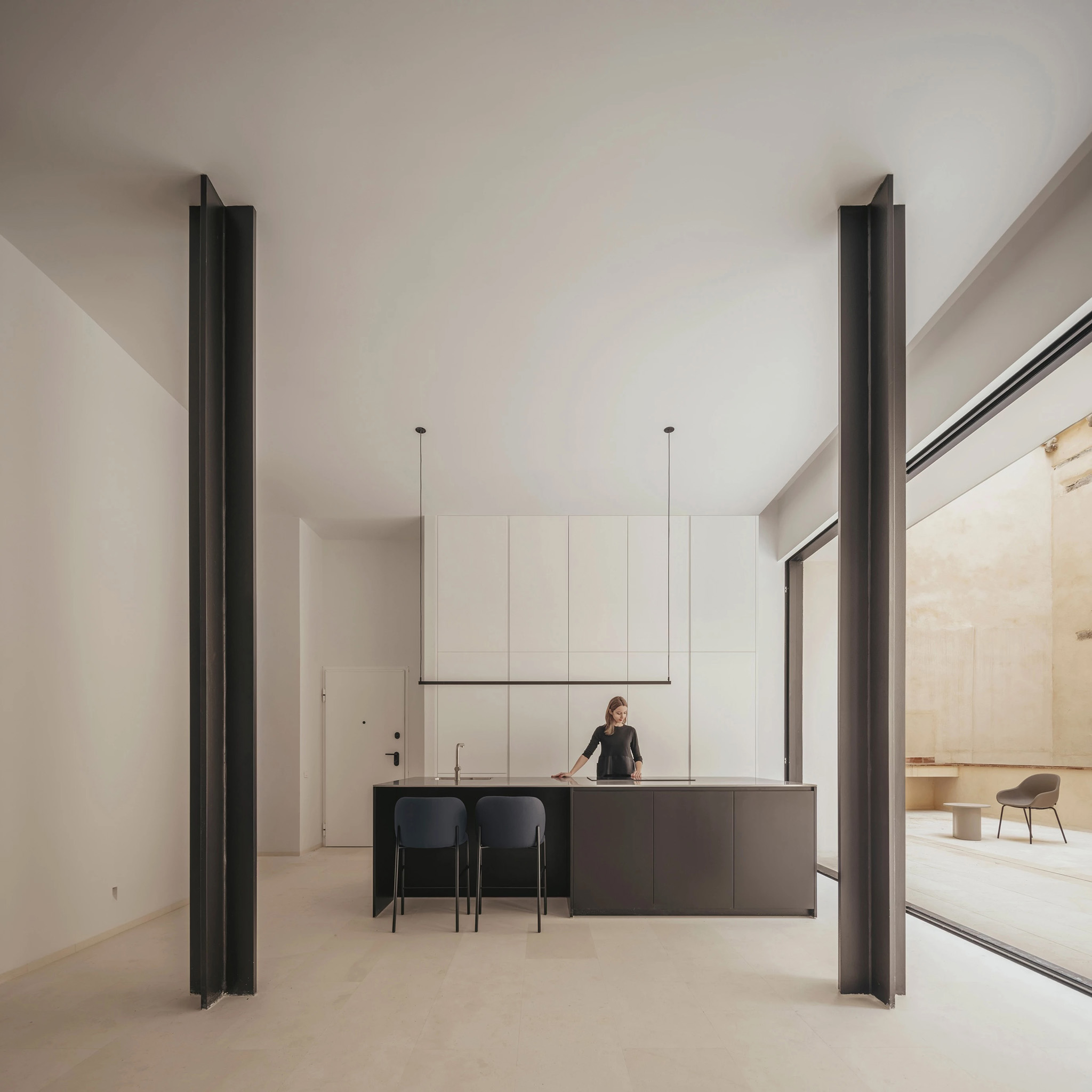
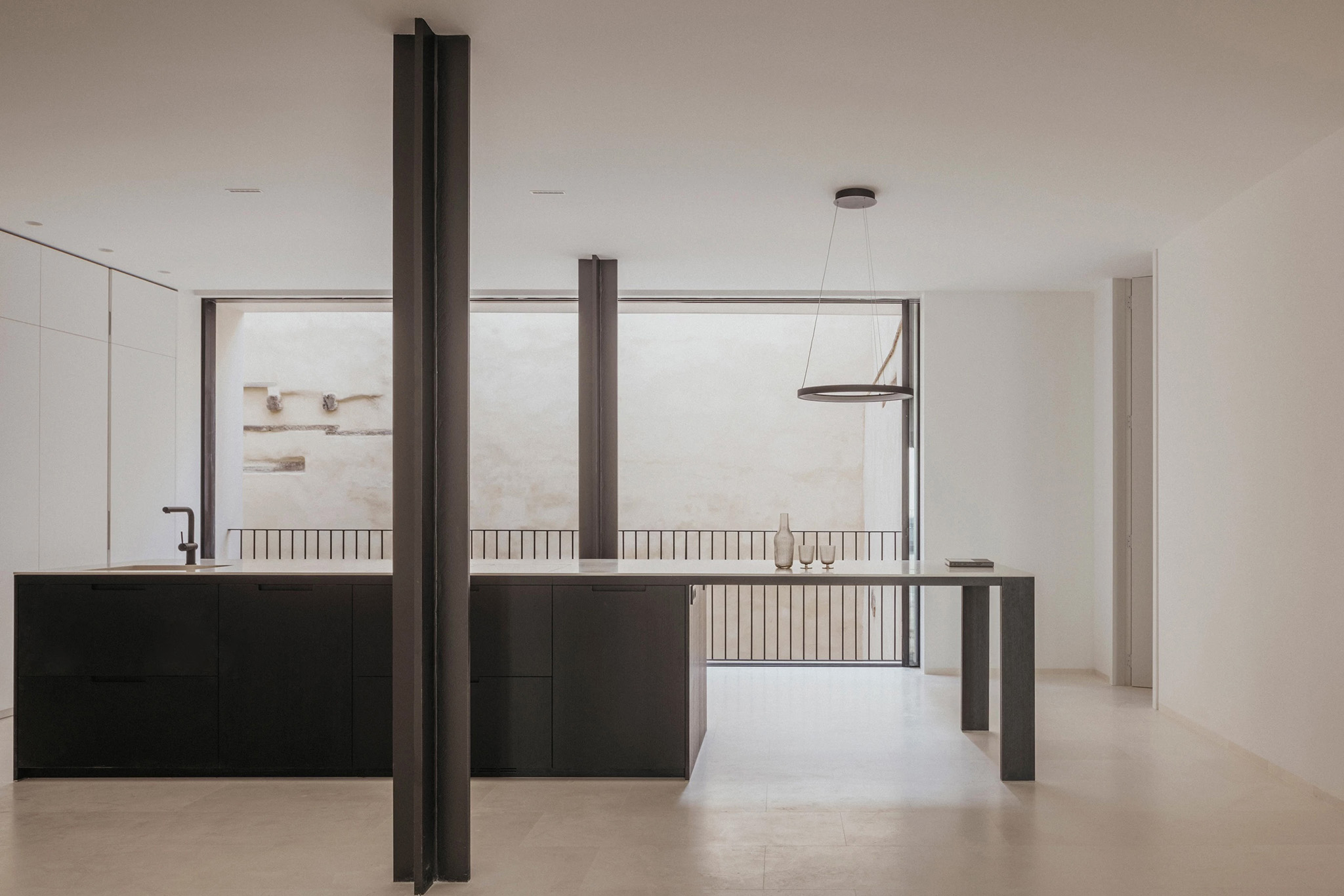
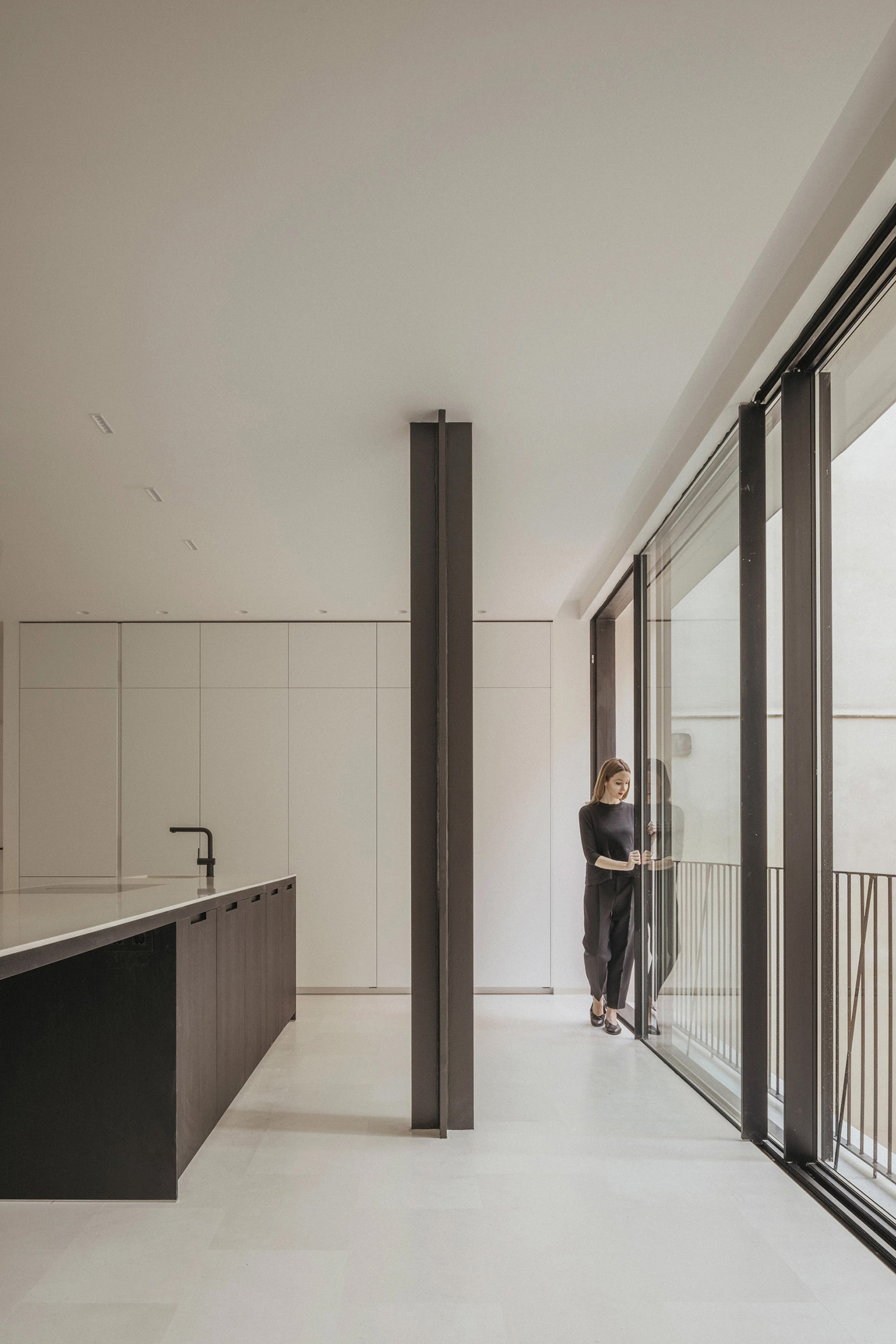
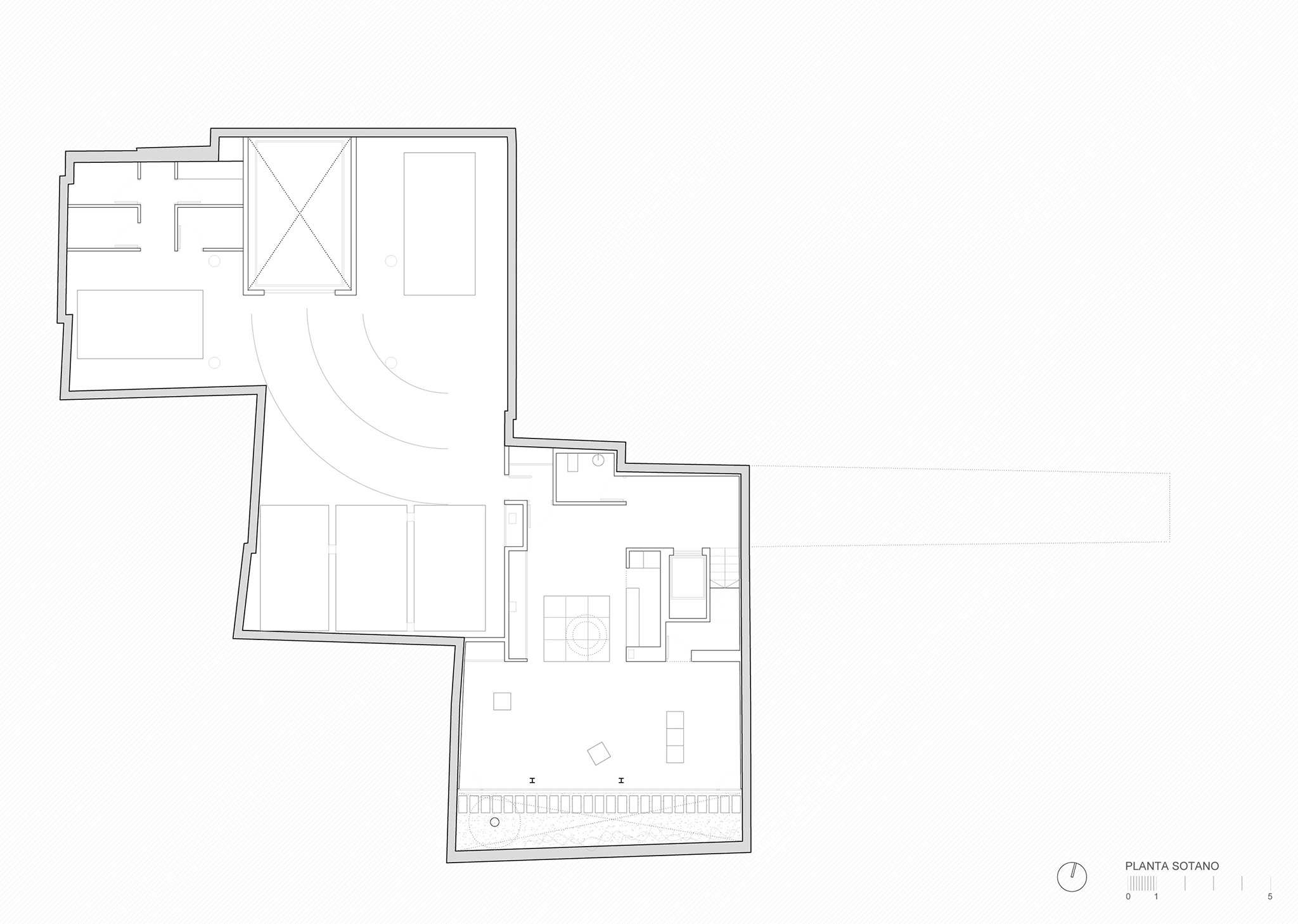
In accordance with this initial context, it is proposed that each dwelling occupy a distinct level—starting from ground level—and develop a through-plan layout with main spaces connecting the exterior (north) façade with the one facing the rear patio (south). This decision allows for the introduction of natural light and cross-ventilation on all floors, while also contributing to another key objective of the proposal: maximizing the indoor-outdoor connection and paying special attention to the project's views.
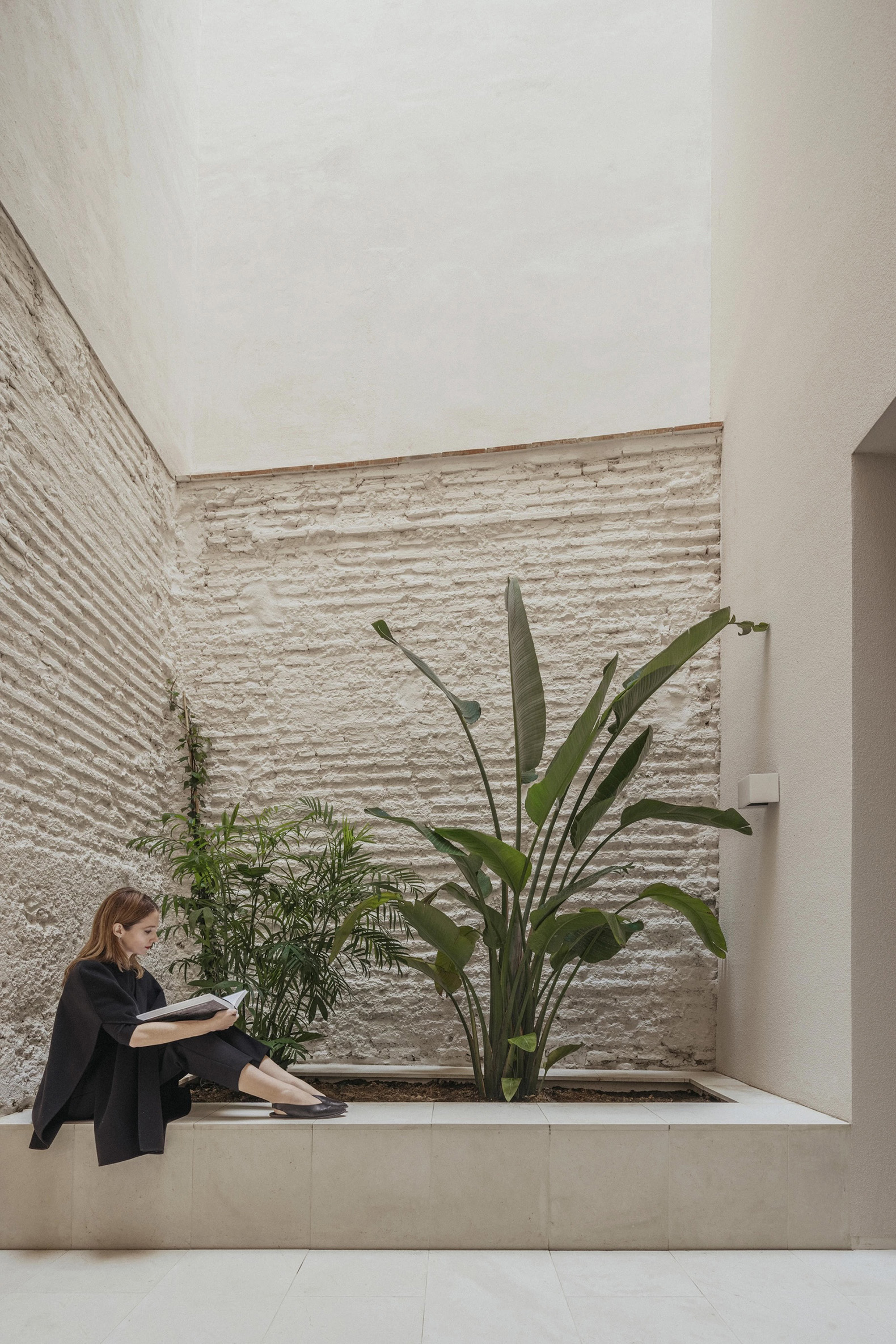
In this regard, on the one hand, additional interior patios are opened up to further enhance the project's natural light and ventilation (which is also characterized by a reduced perimeter of contact with the public space), and vegetation is introduced into all the exterior spaces of the proposal to promote their aesthetic appeal and environmental quality.
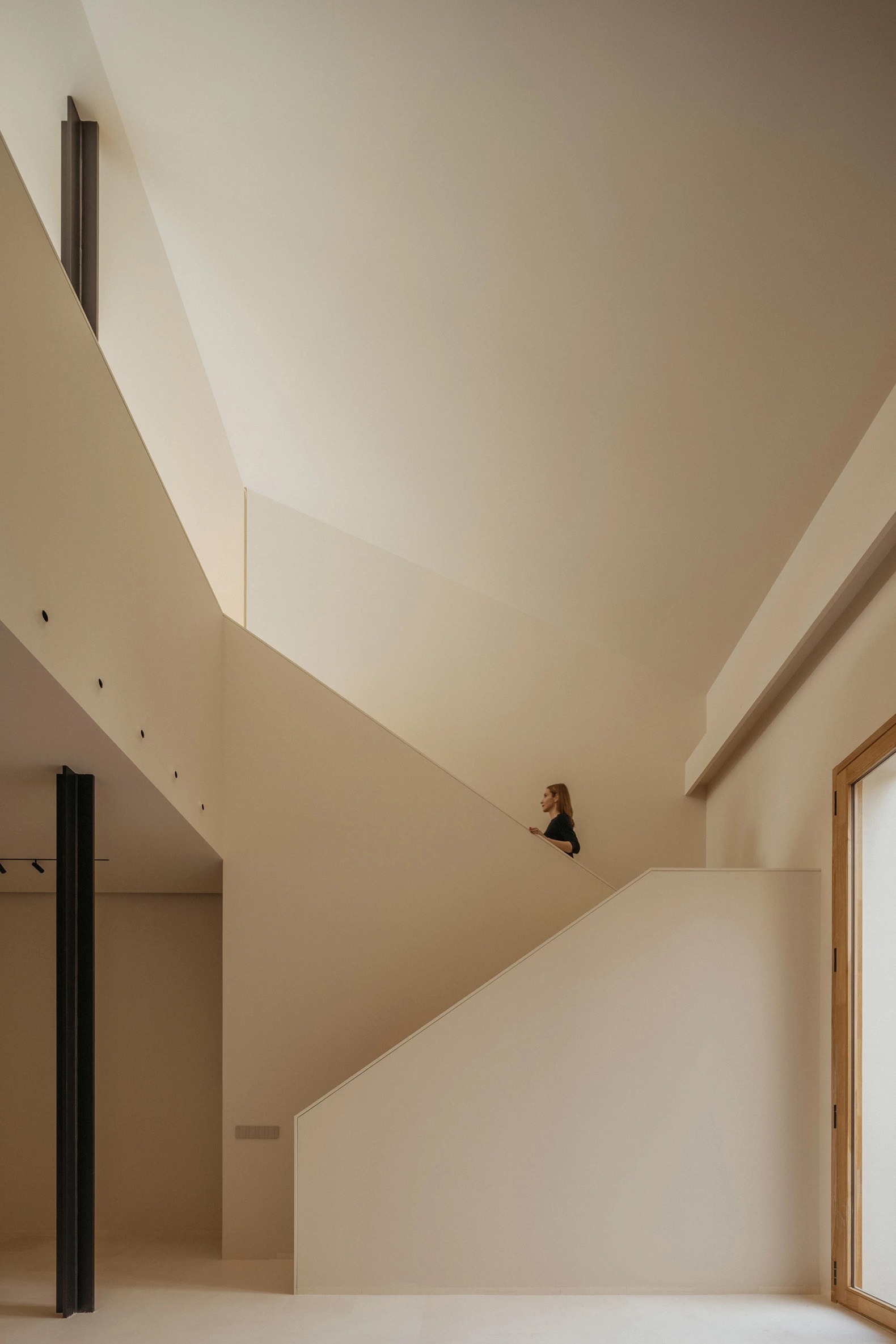
And, on the other hand, spatial continuity and the simultaneous opening of views towards the exterior spaces (both urban and the plot's courtyards) are encouraged. In other words, while traditional housing layouts in the historic center are often characterized by limited natural light and a somewhat restricted or confined interior-exterior relationship (largely due to the density of the urban fabric and the typological characteristics of the closed buildings), this proposal aims to work on the idea of fluid space and optimize the openings in the various facades in order to extend and maximize the views from the interior.
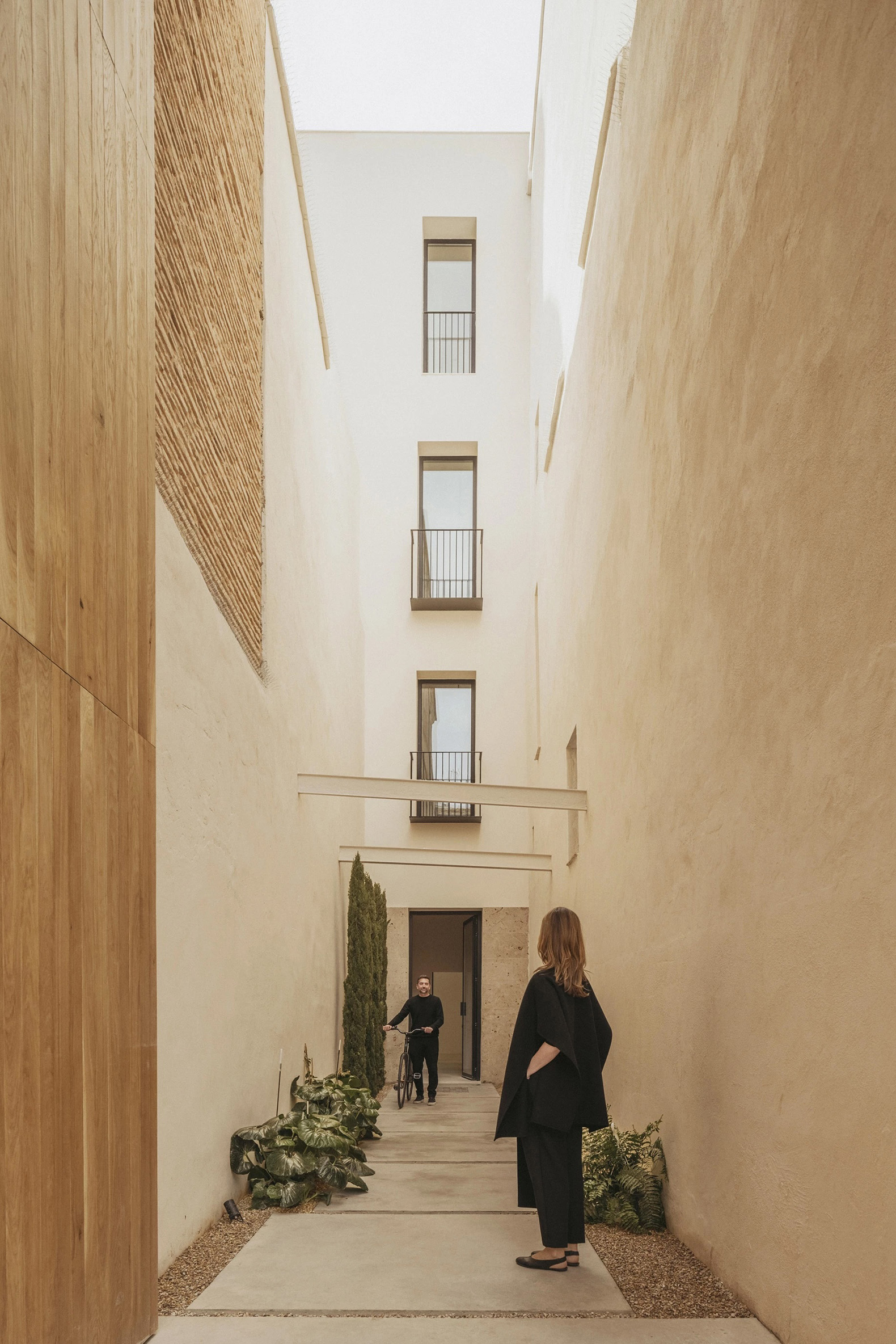
The main entrance is located through the atzucat (a courtyard at the back of the building), taking advantage of its function as a longitudinal patio connected to one of the access plazas, and the vestibule and vertical circulation are located at the end of this passage. This approach achieves two things: firstly, it frees up the entire main facade to open up the living spaces—from the ground floor to the second floor—and secondly, it highlights the function of the atzucat in the design, which, instead of being reduced to a mere rear courtyard, asserts its role as a unique access element.
The atzucat is thus configured as a shared access garden—approximately 14m long and just over 2m wide—that develops a gradual approach to the project: a path that, as it leaves behind the bustle of the street, approaches a narrow facade with tall windows and cantilevered balconies that enhance the views.