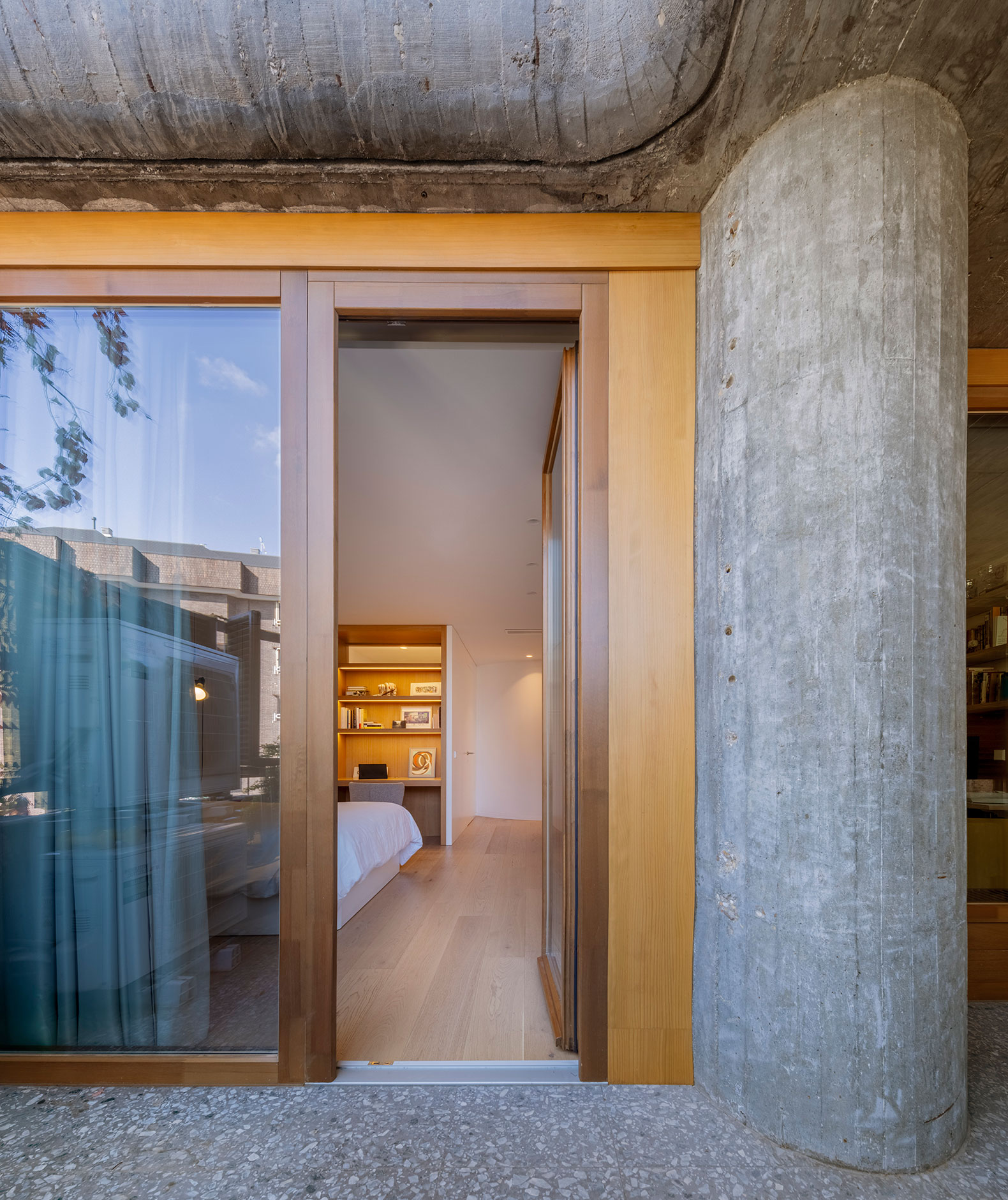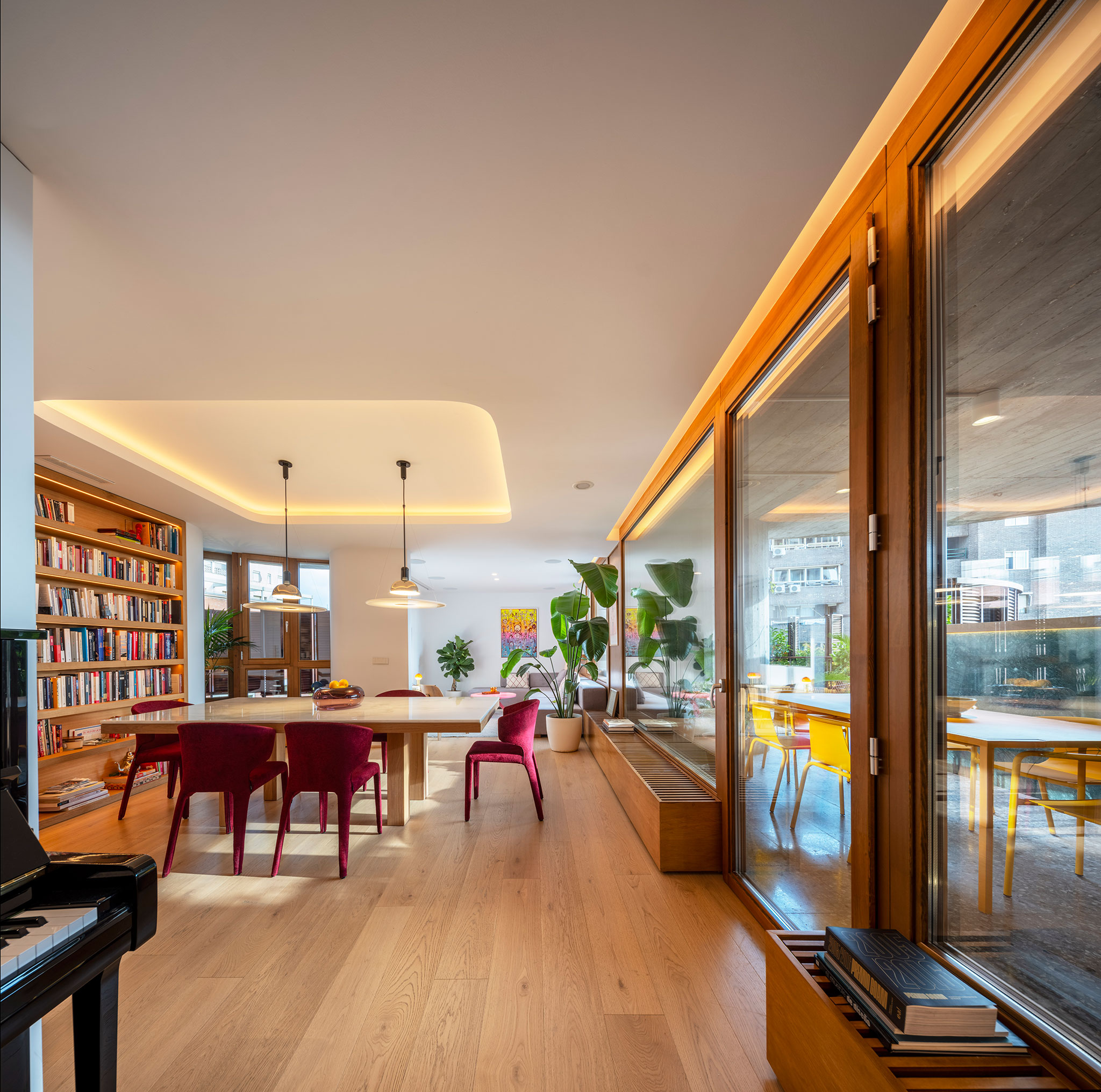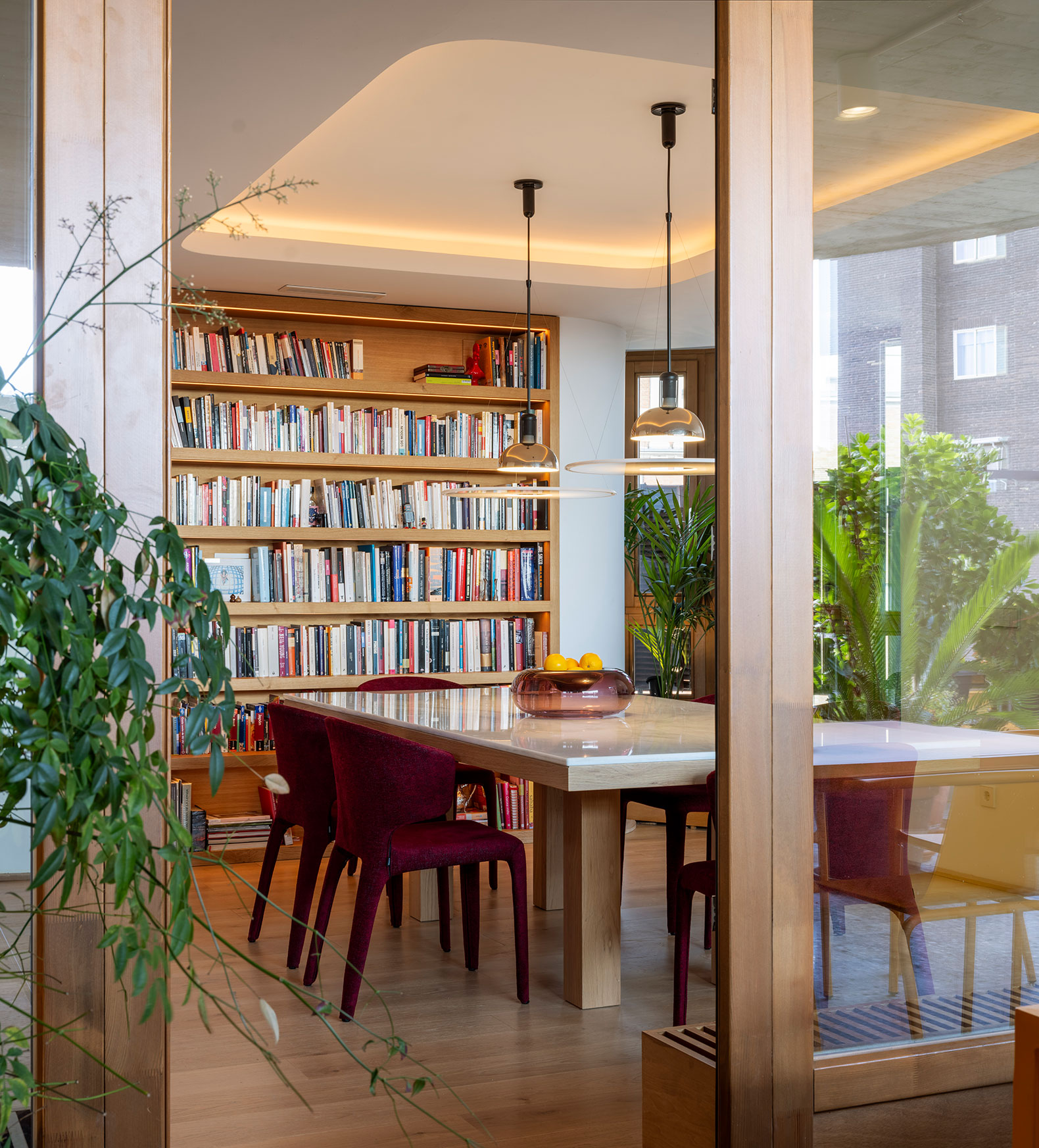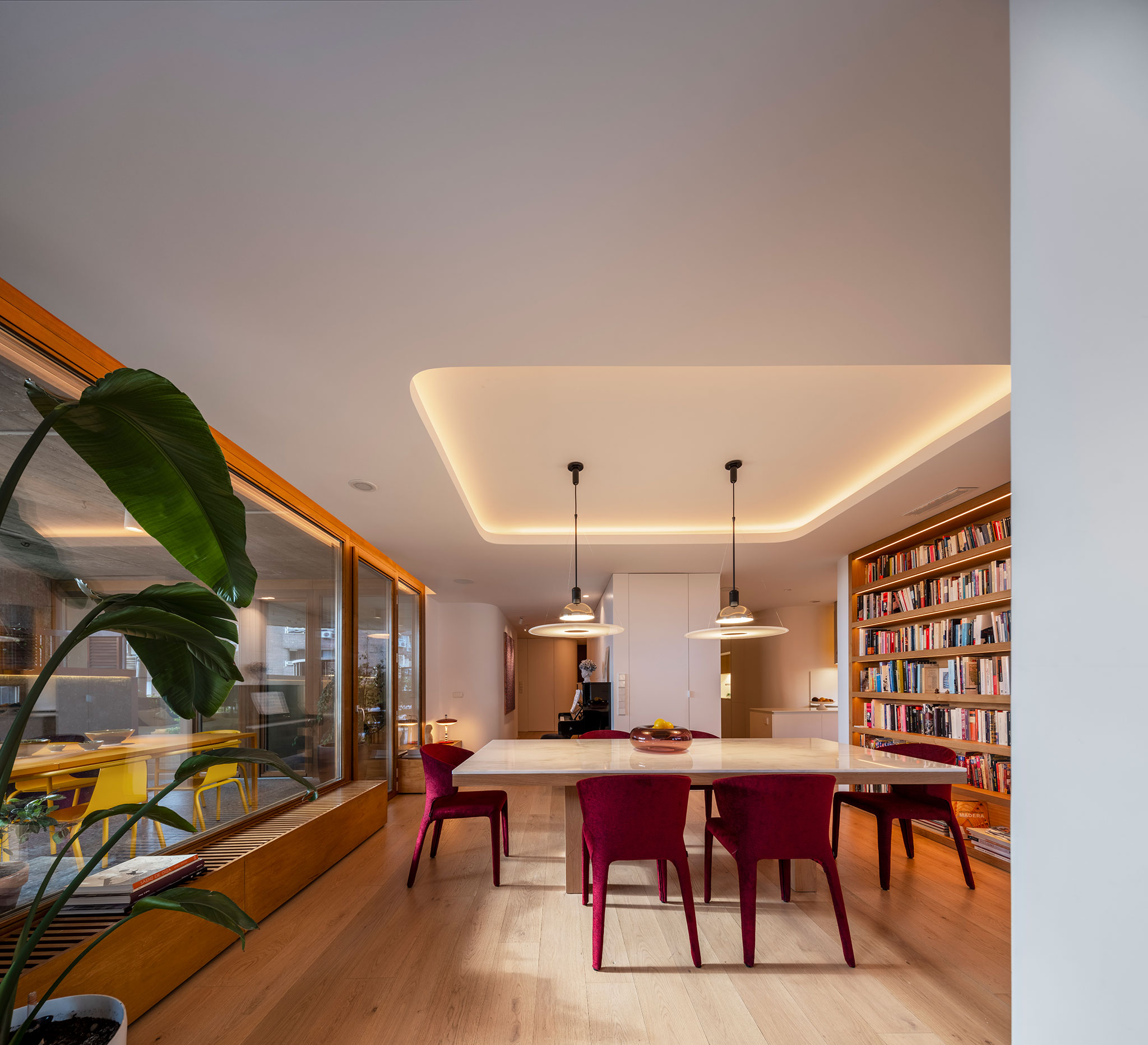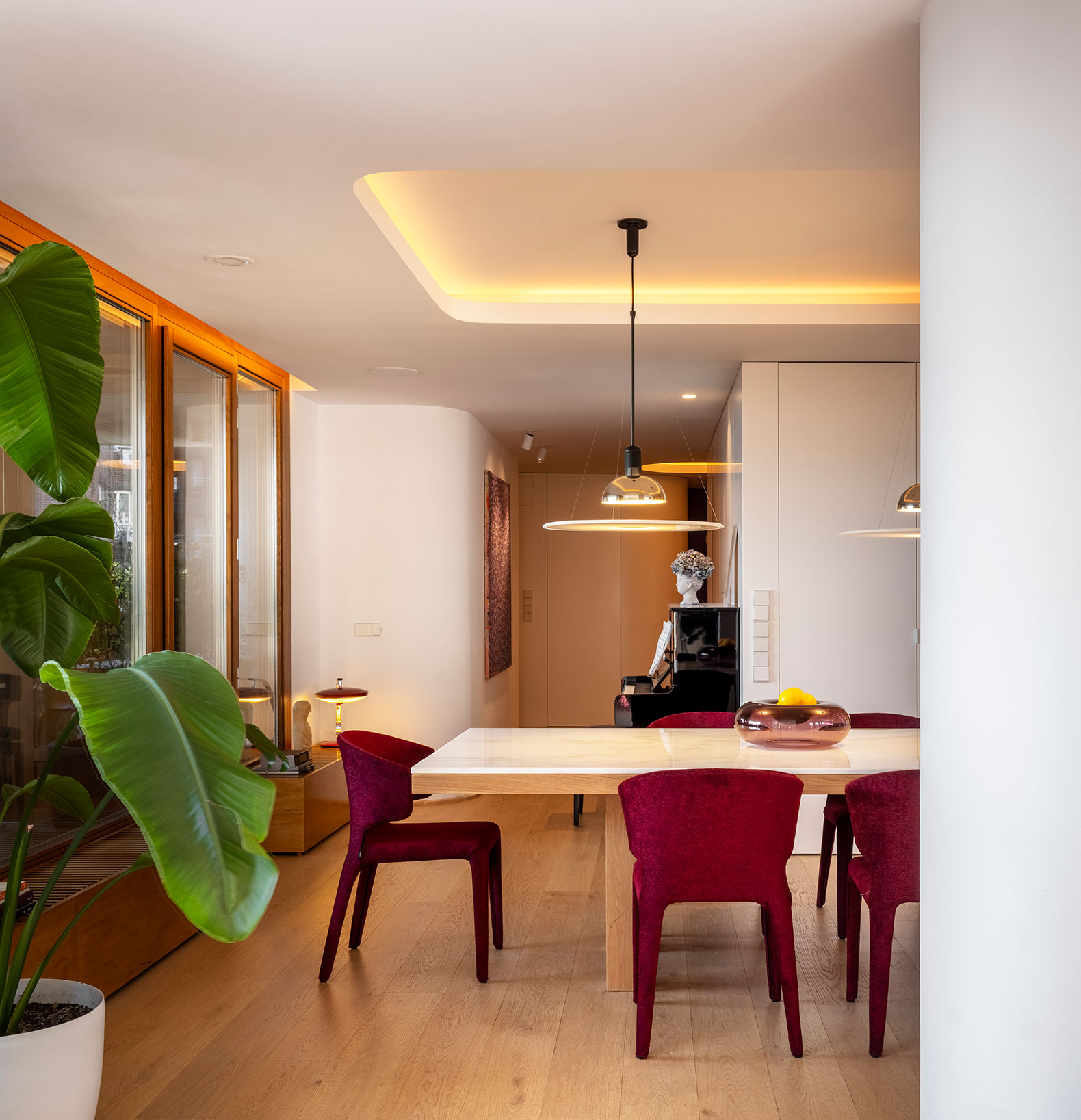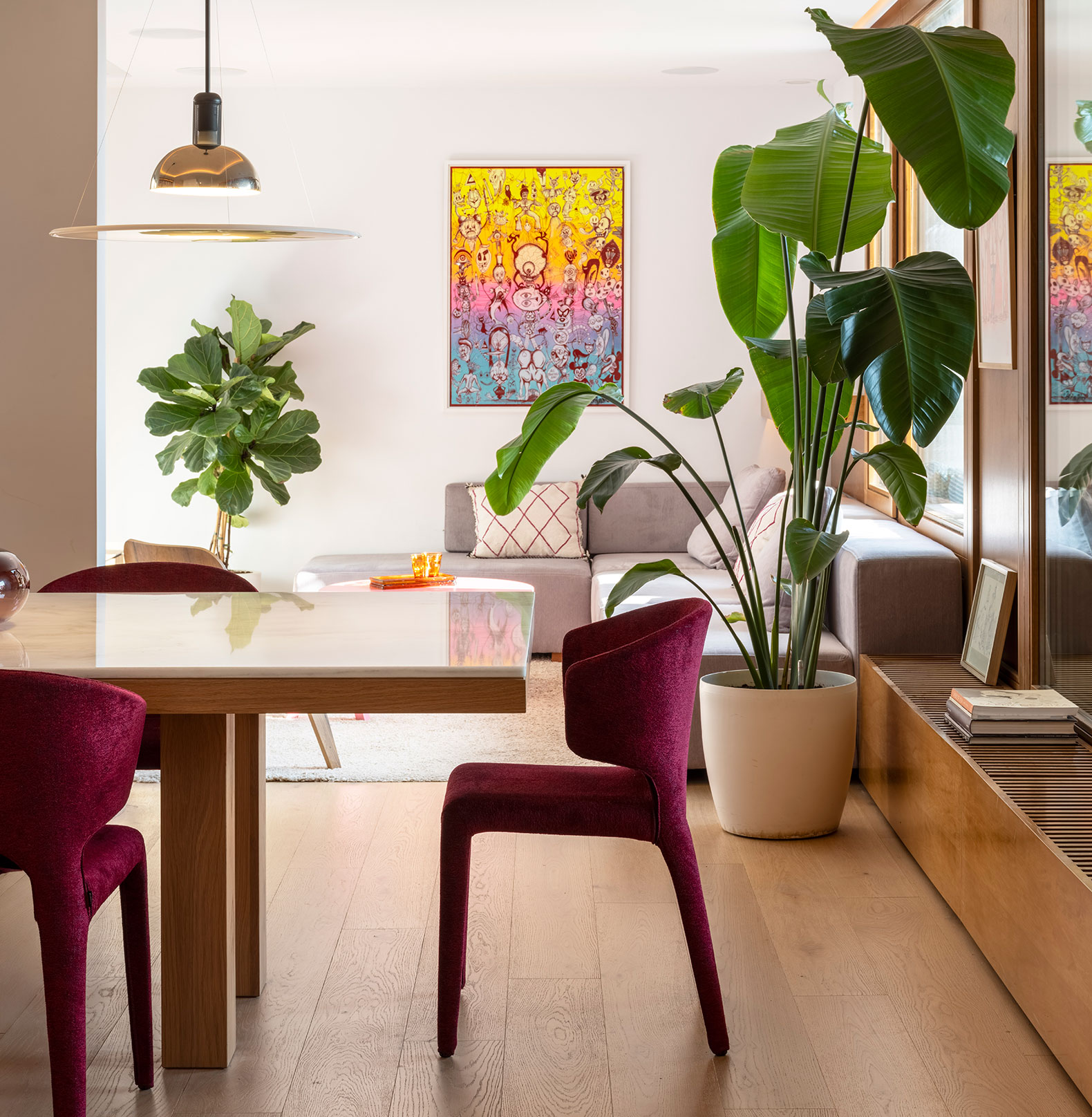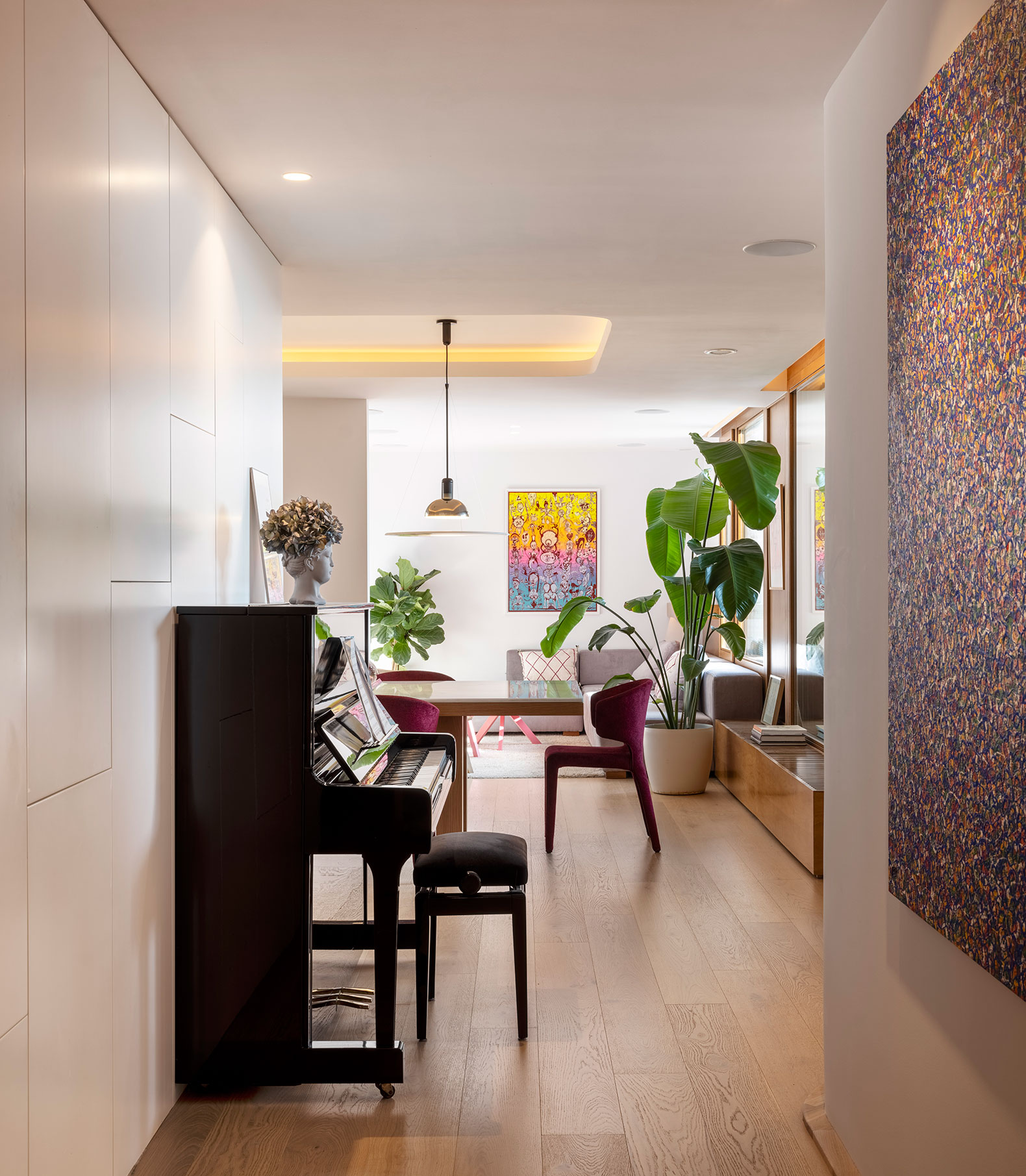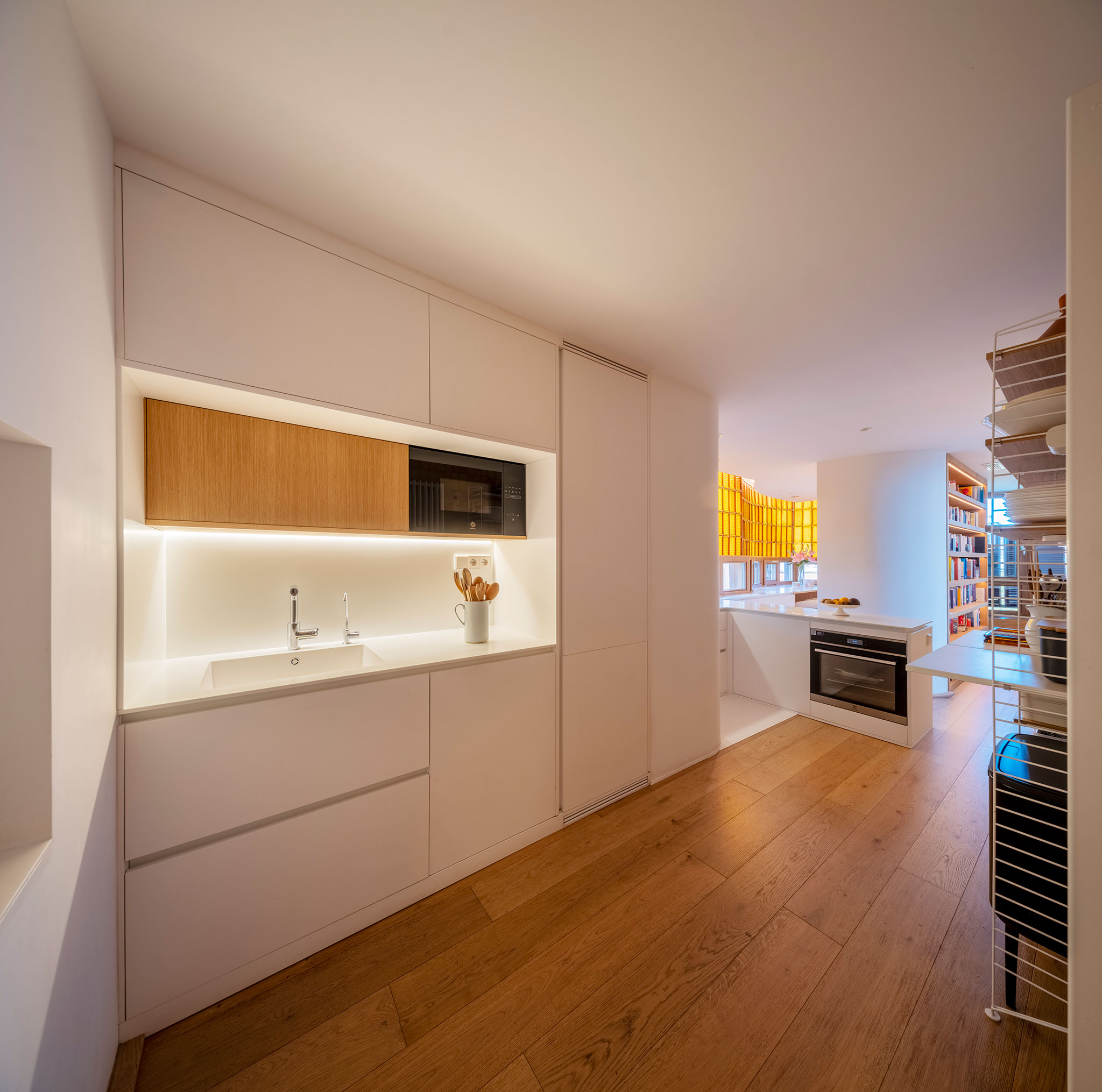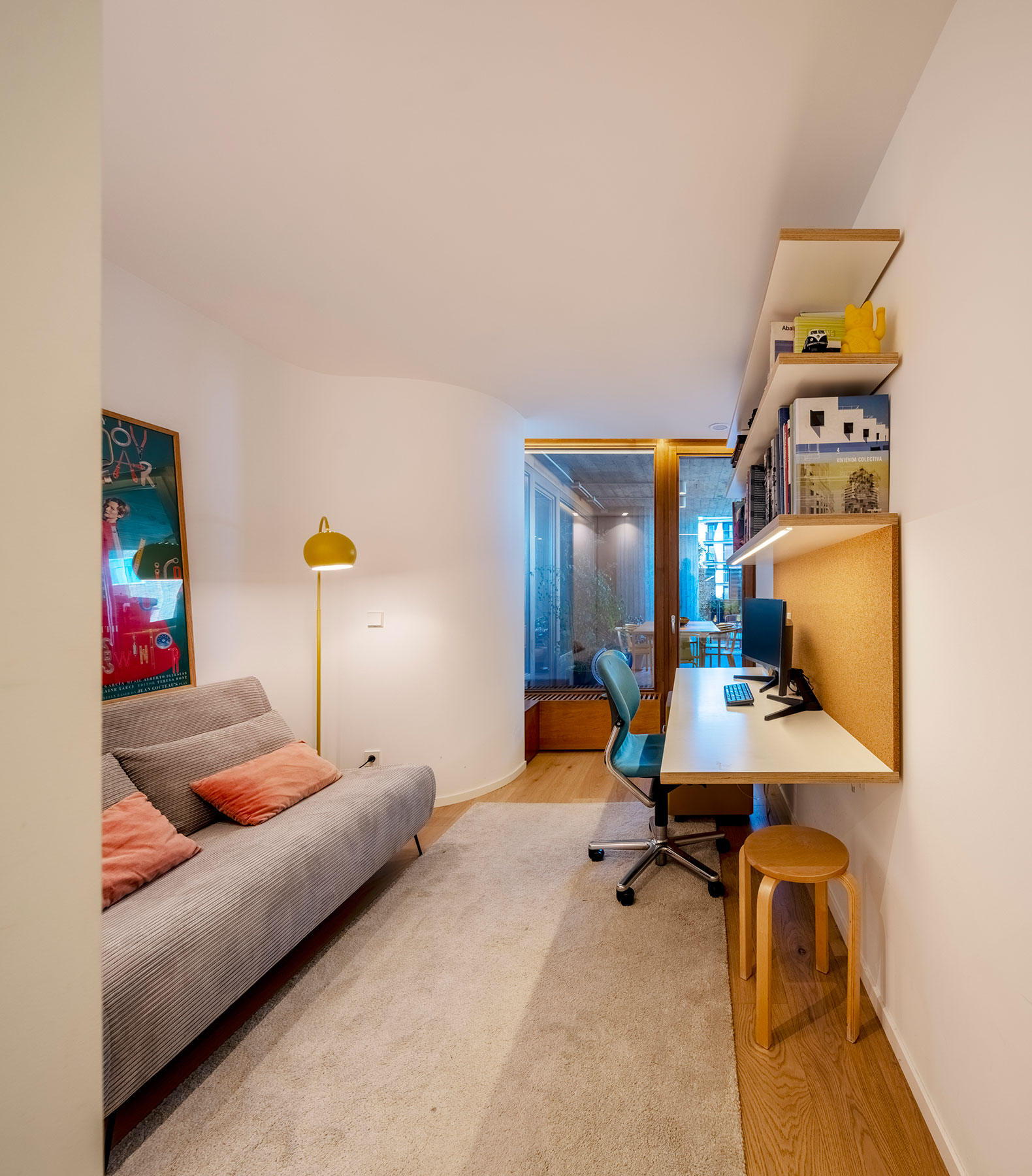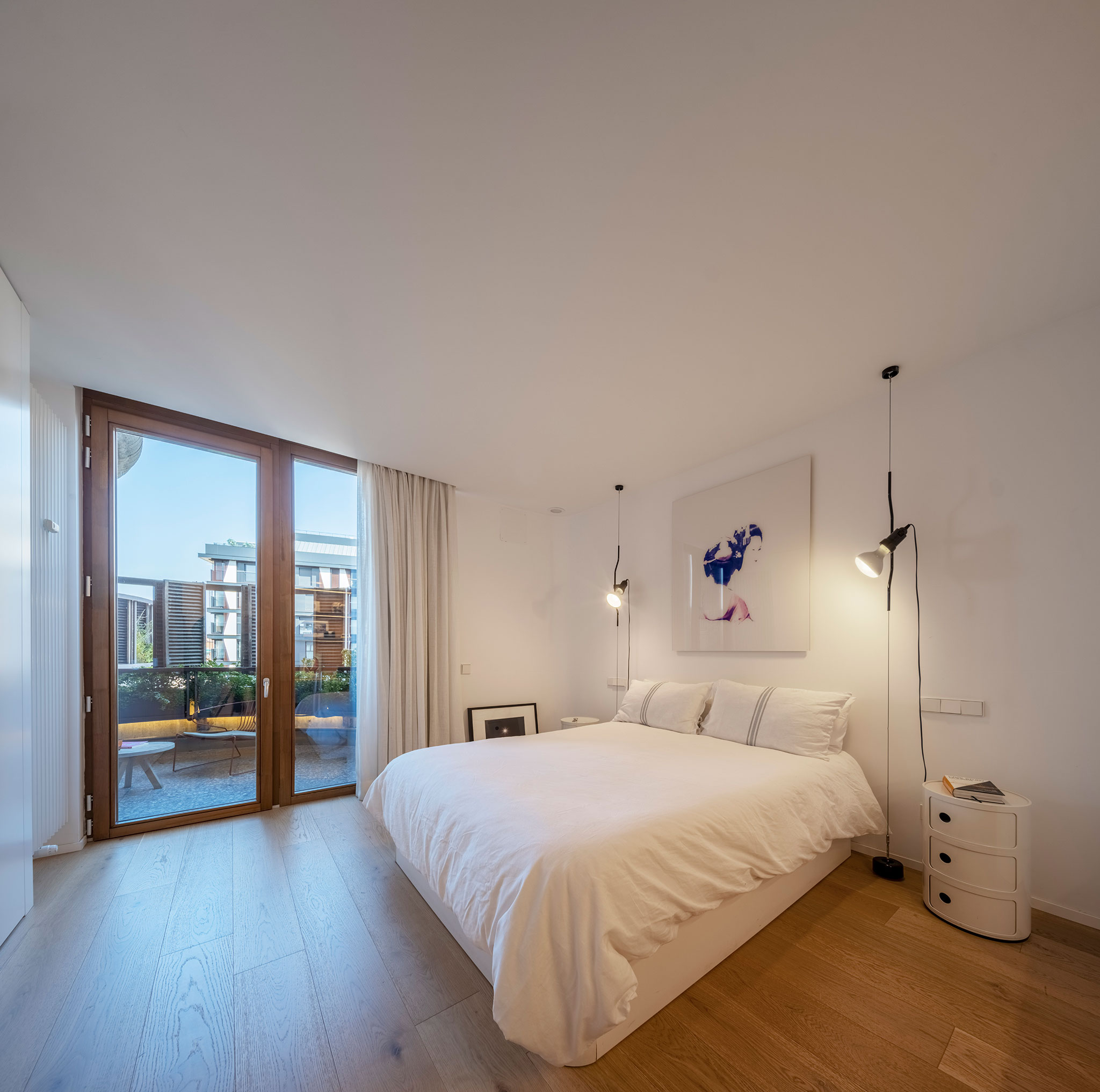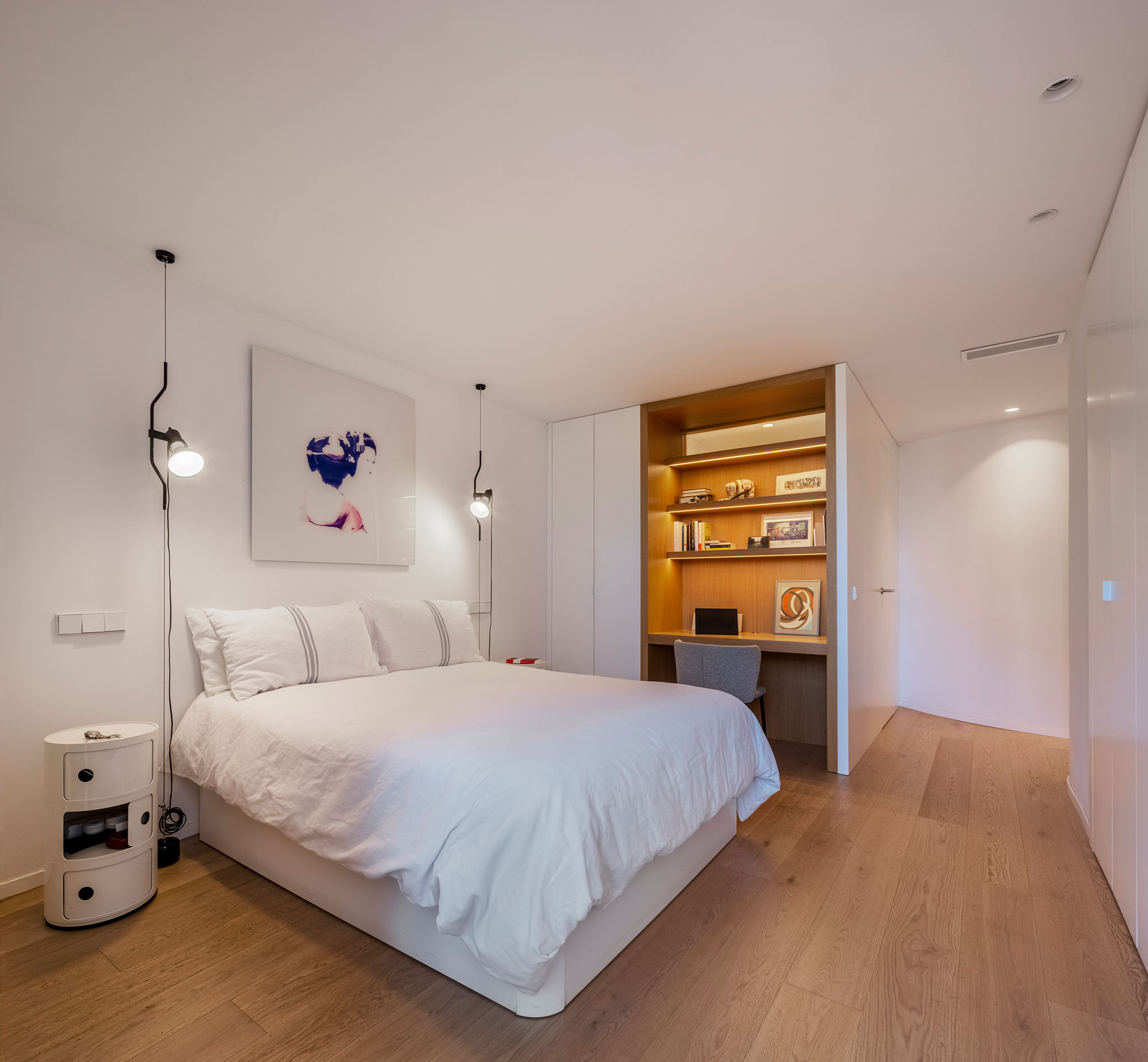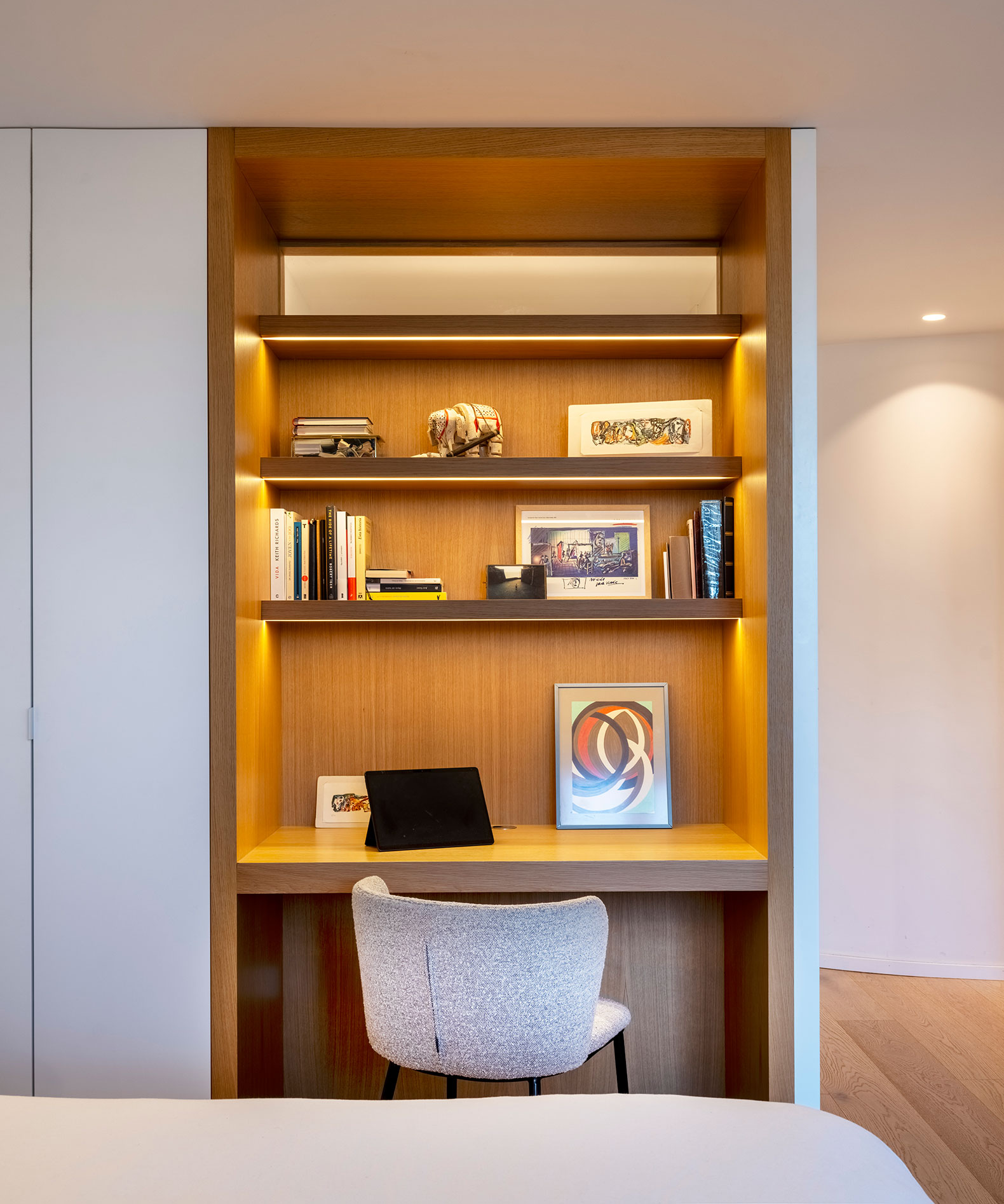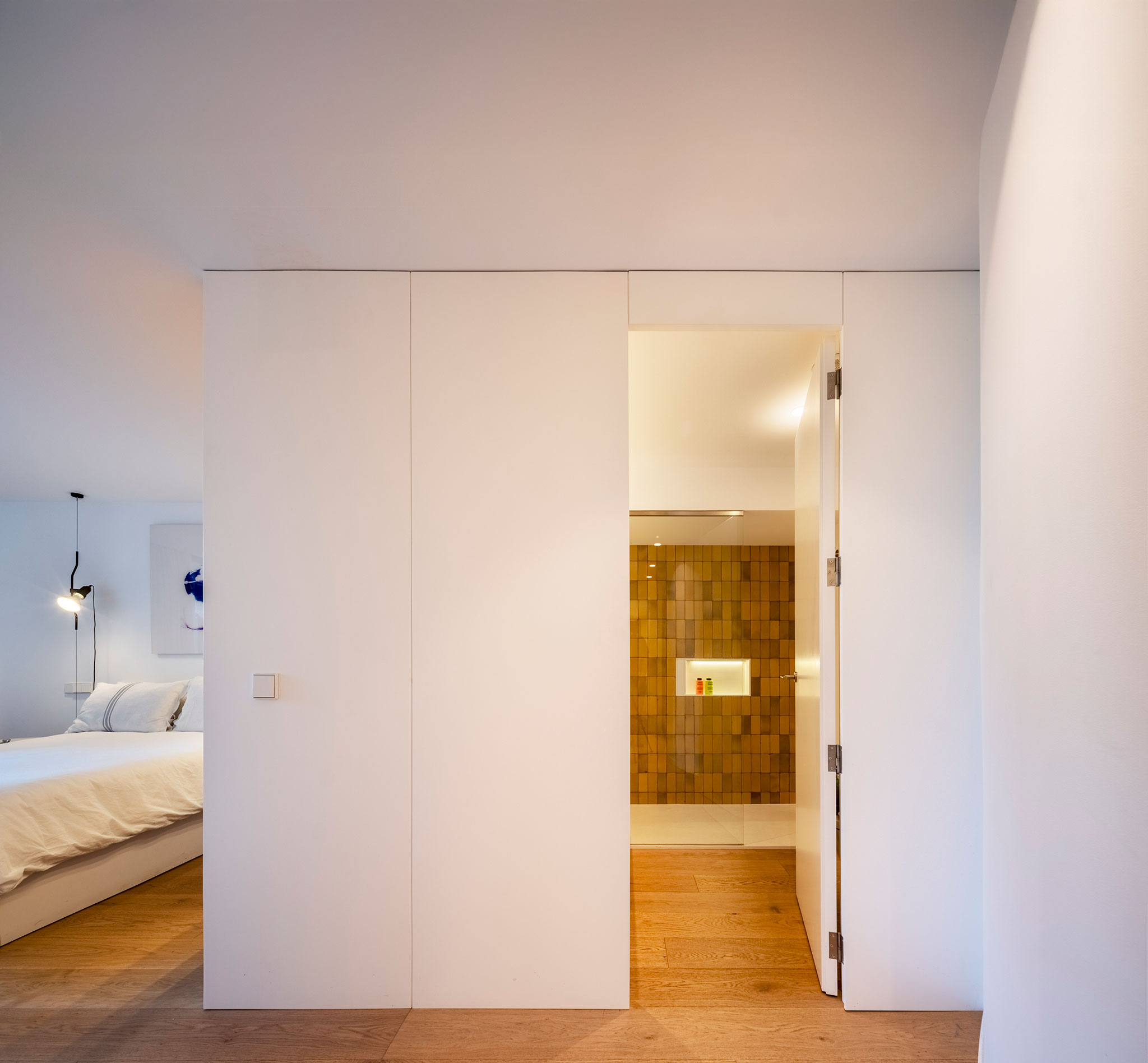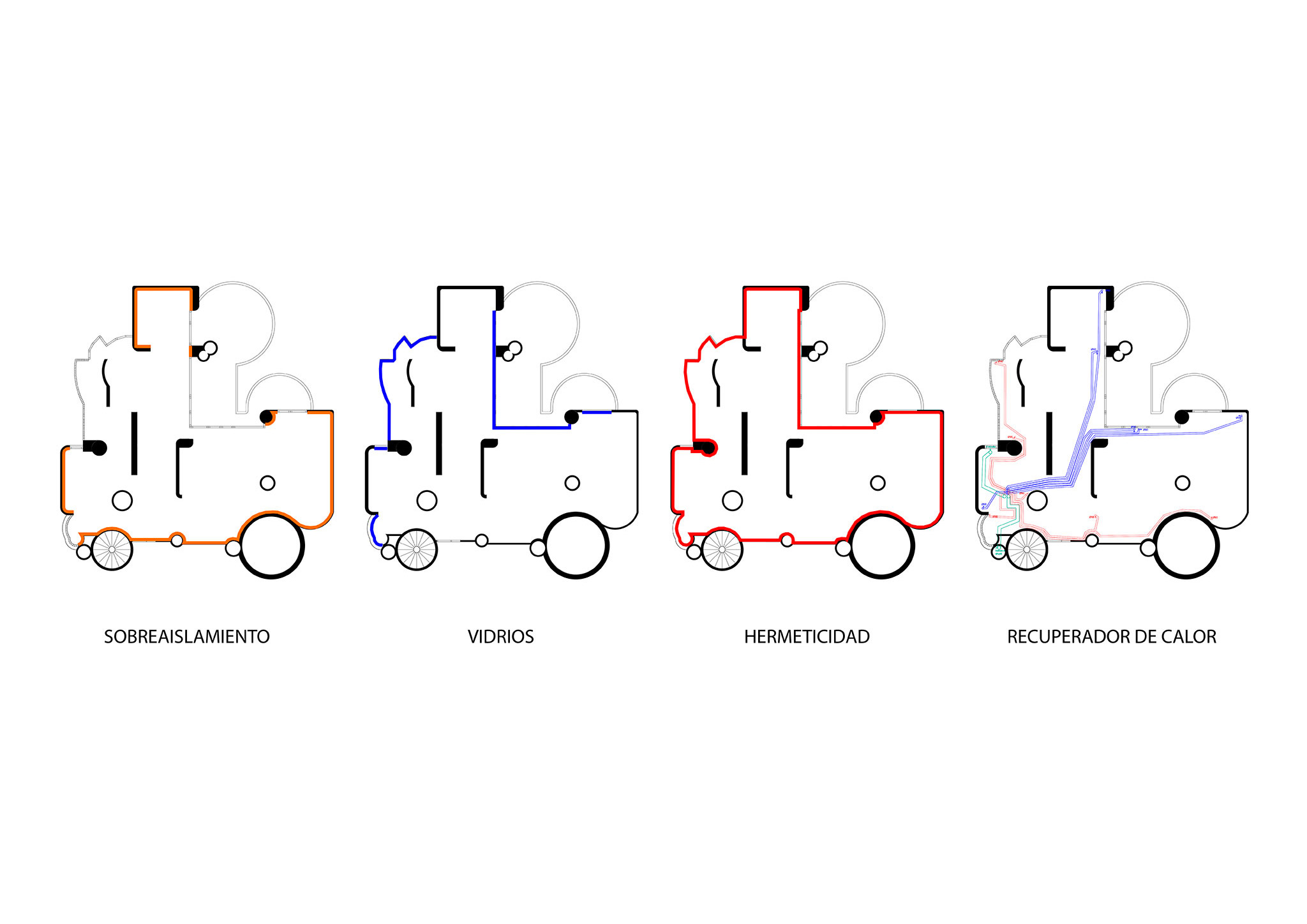
The renovation of the house in "Torres Blancas," carried out by CSO Arquitectura, adheres to the principles of the German Passivhaus certification through key interventions: airtight insulation of the building envelope, installation of triple-glazed wooden windows, and the incorporation of a mechanical ventilation system with heat recovery.
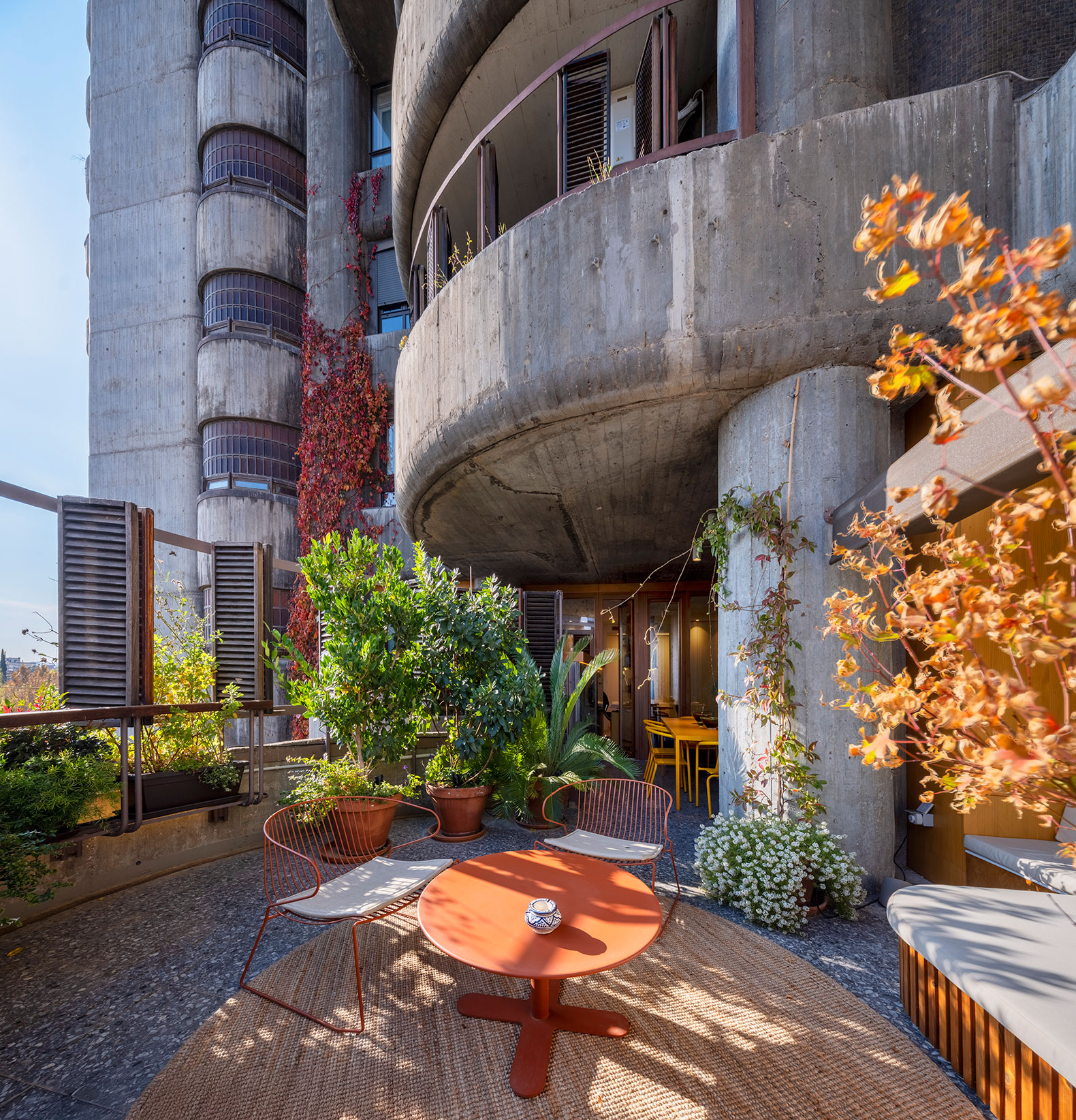
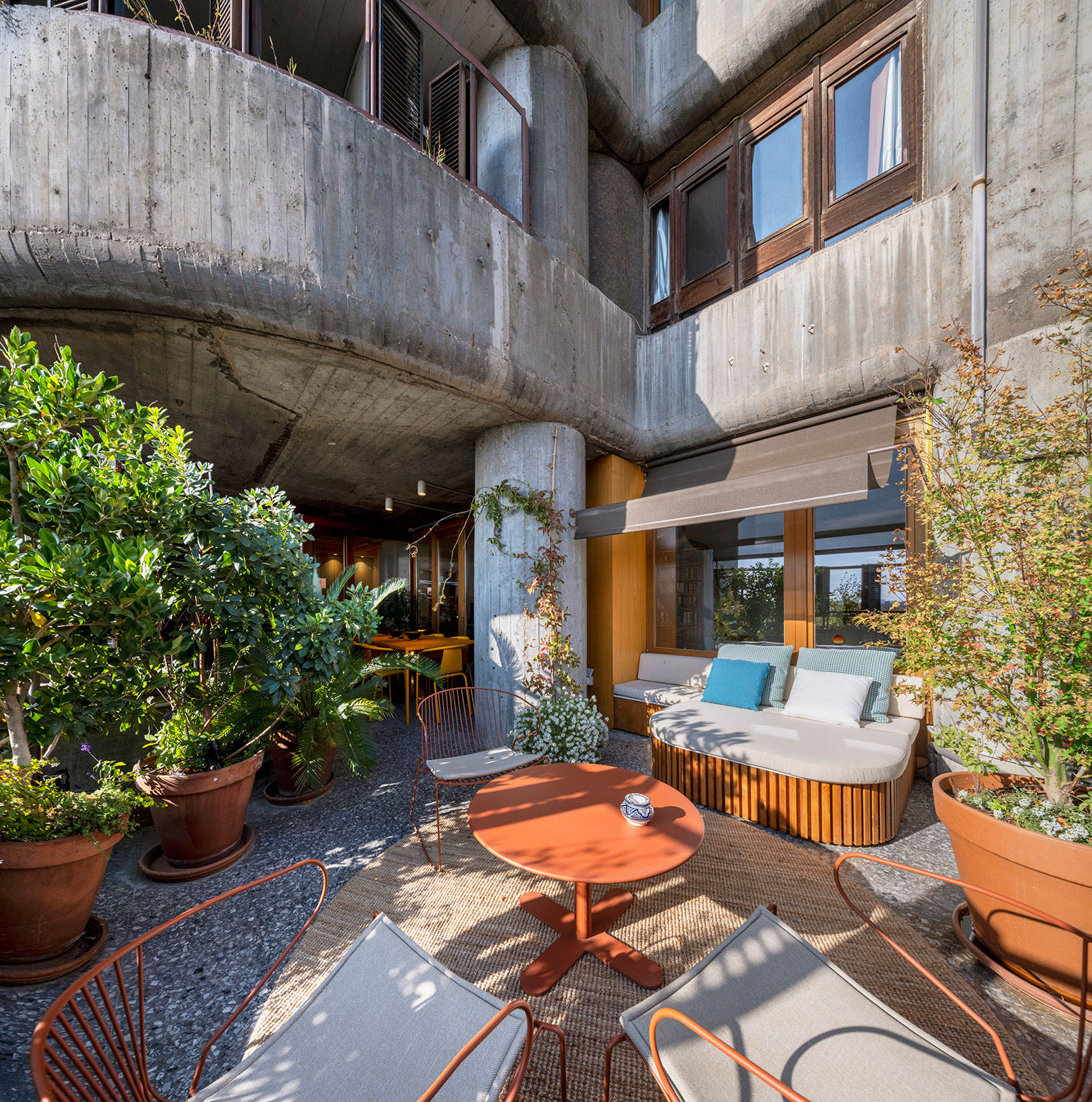
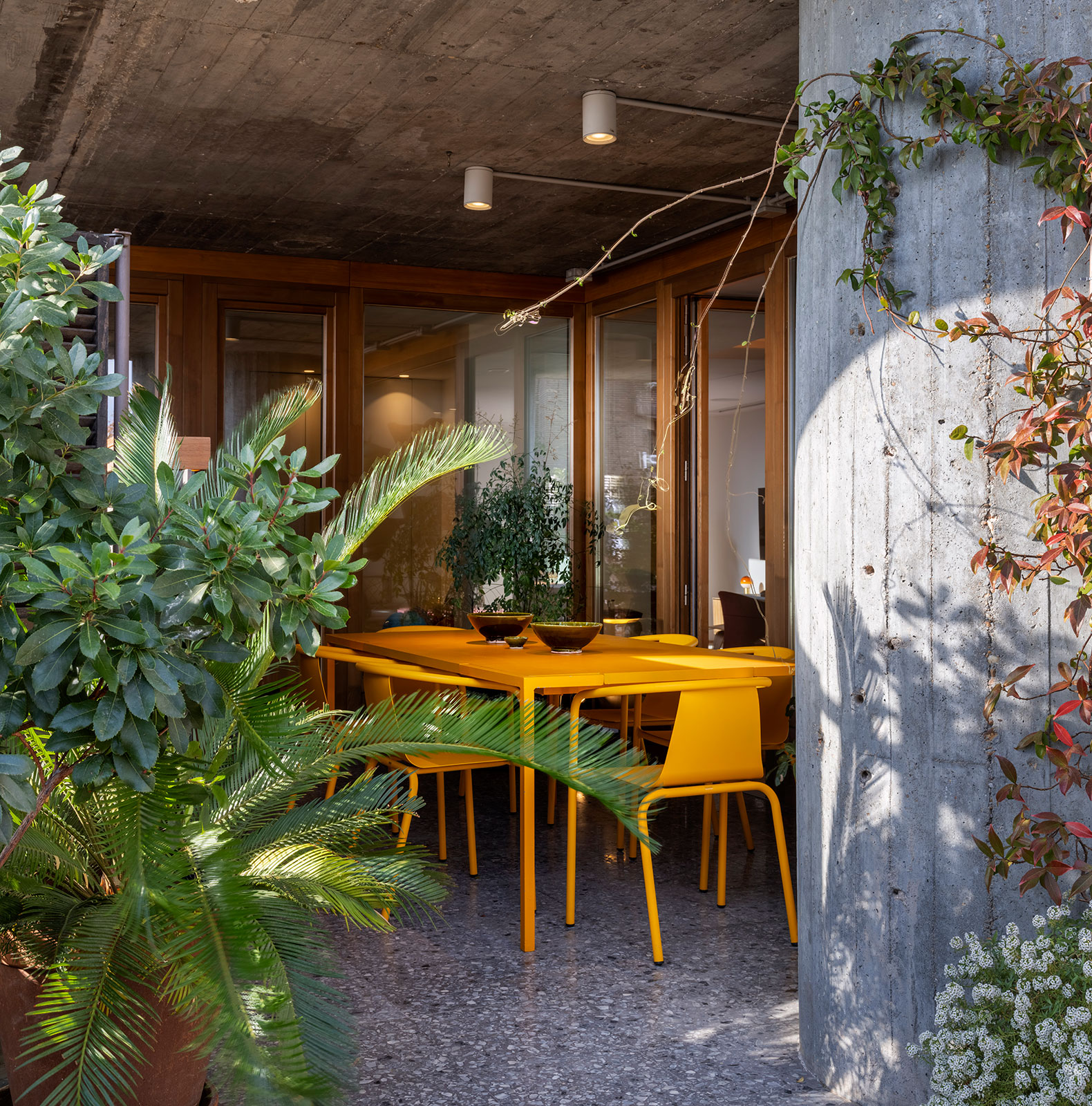
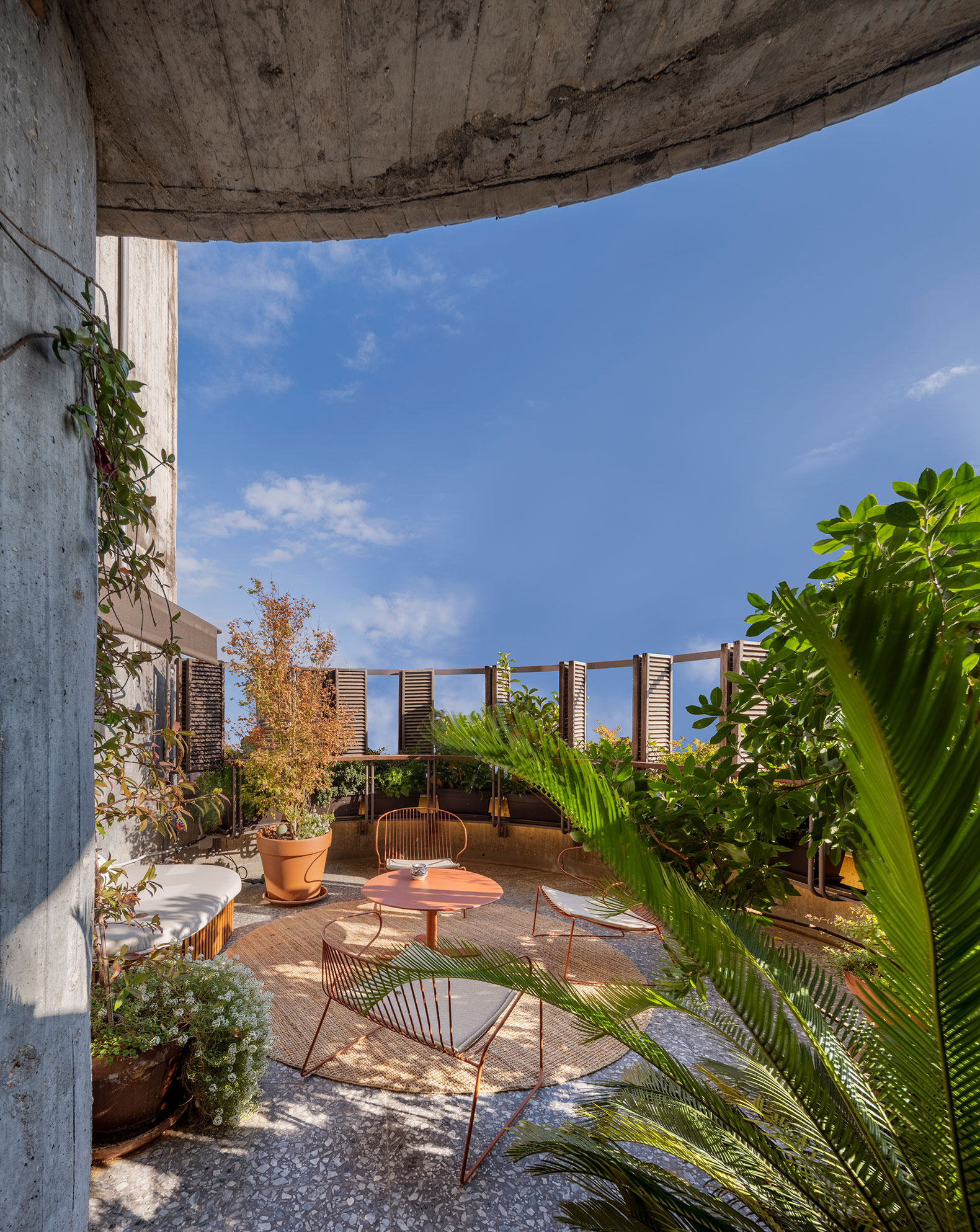
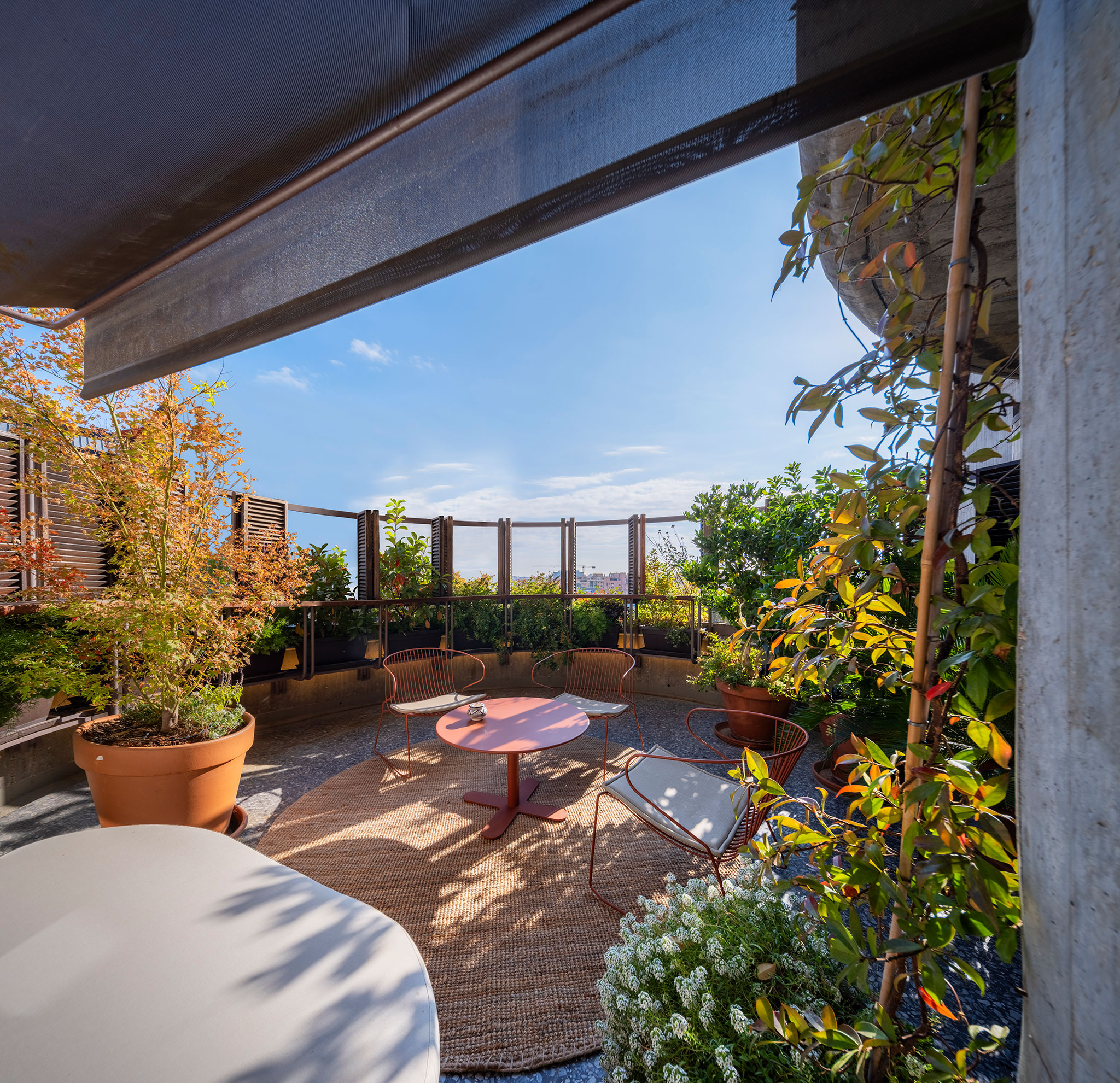
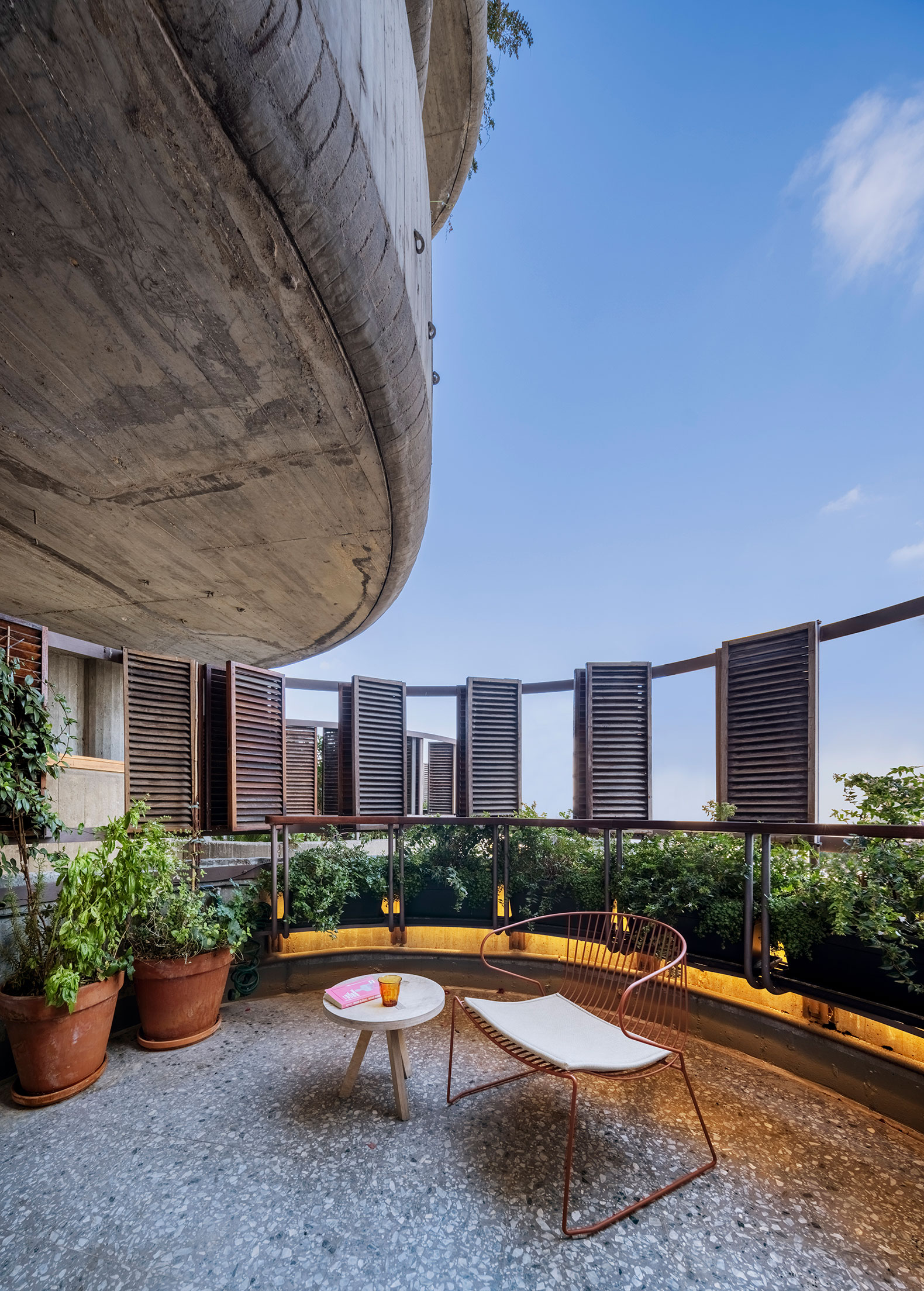
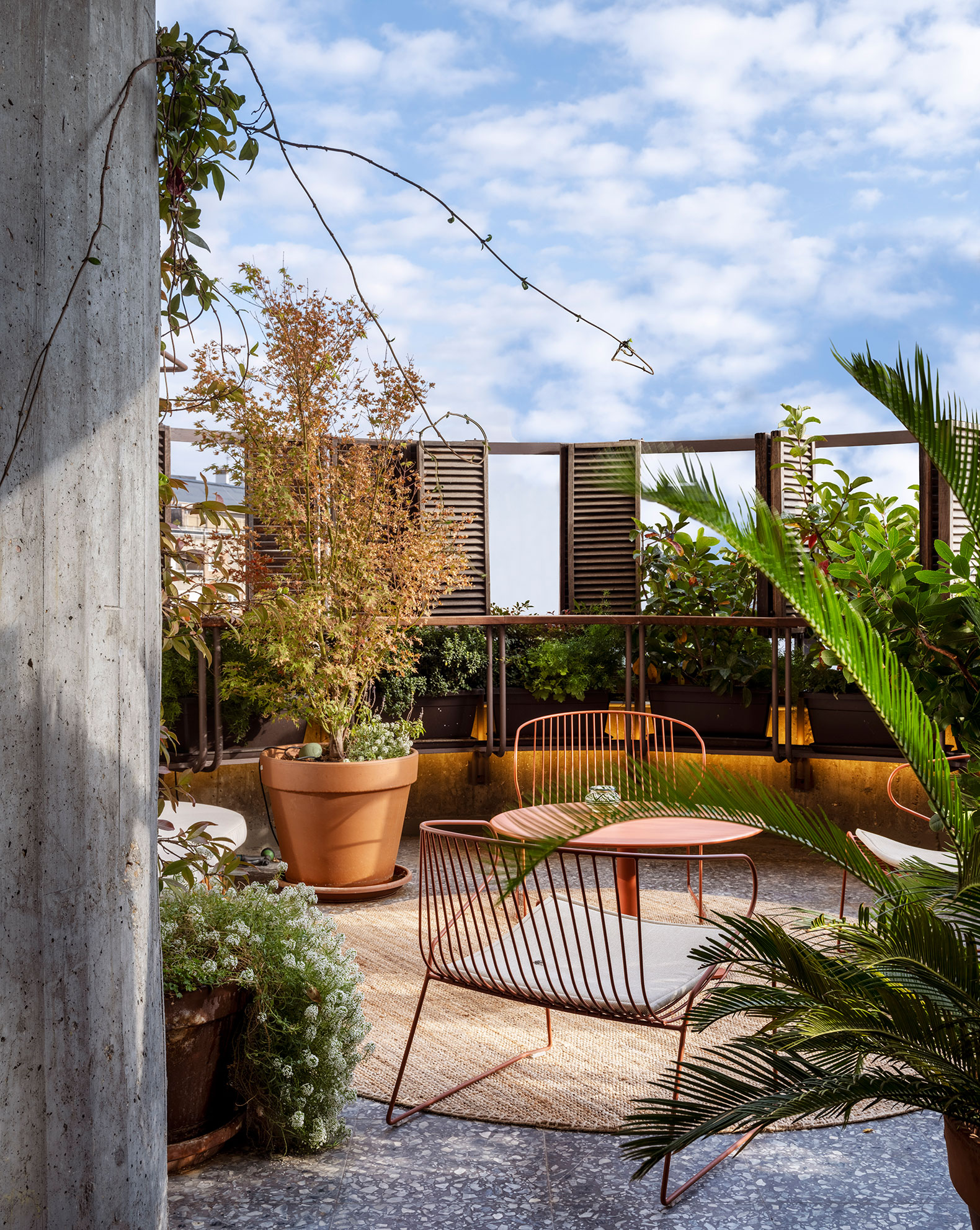
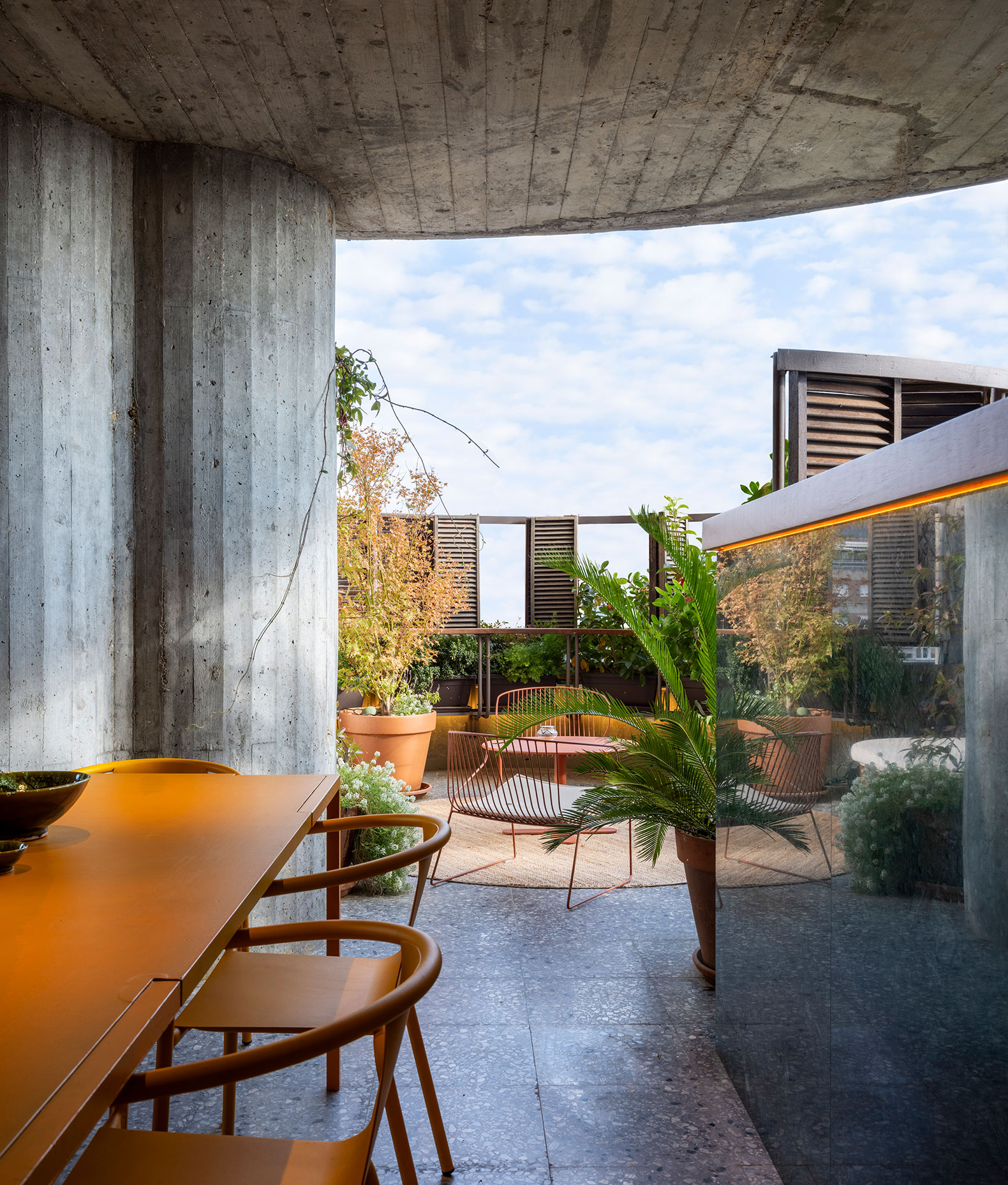
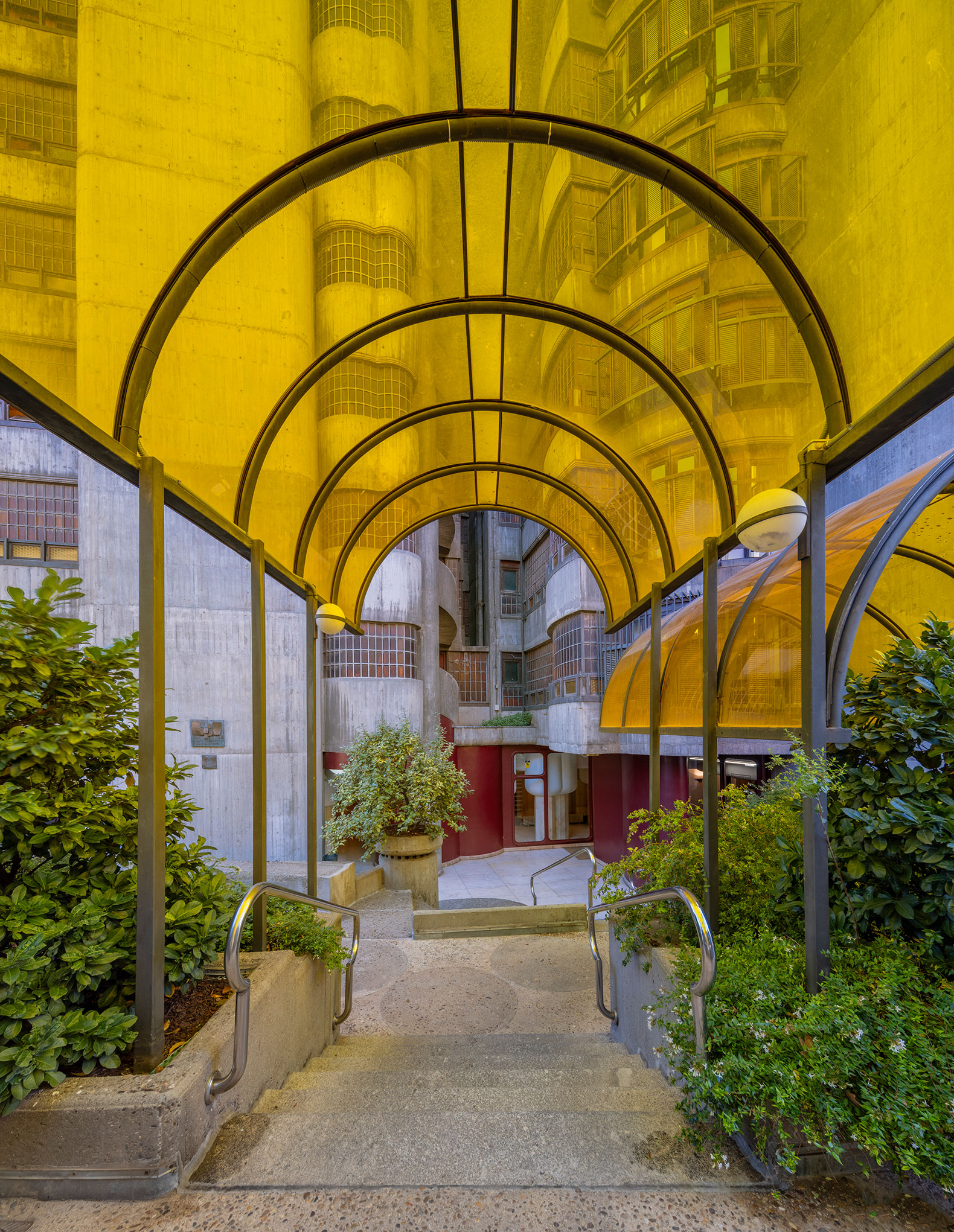
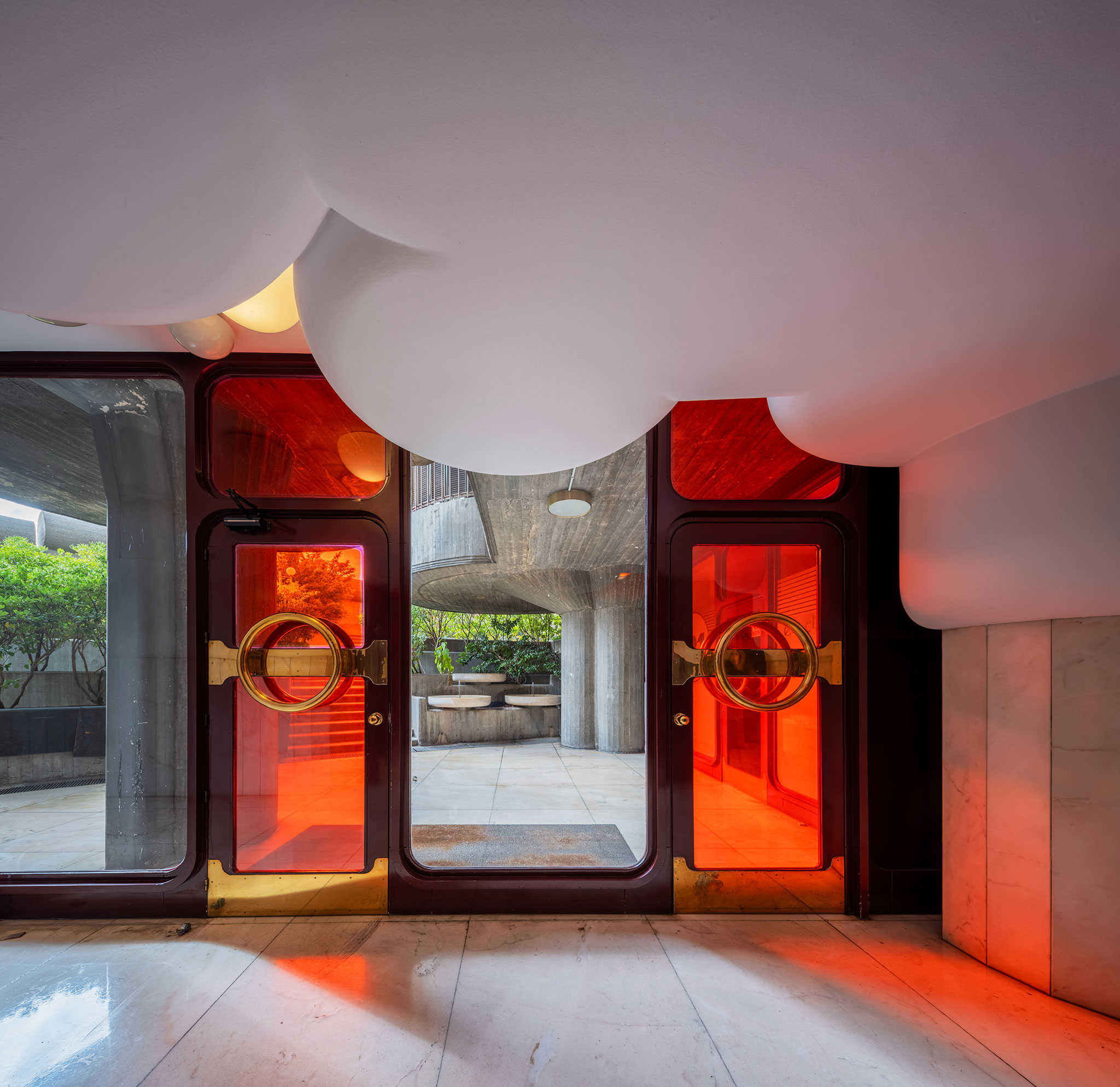
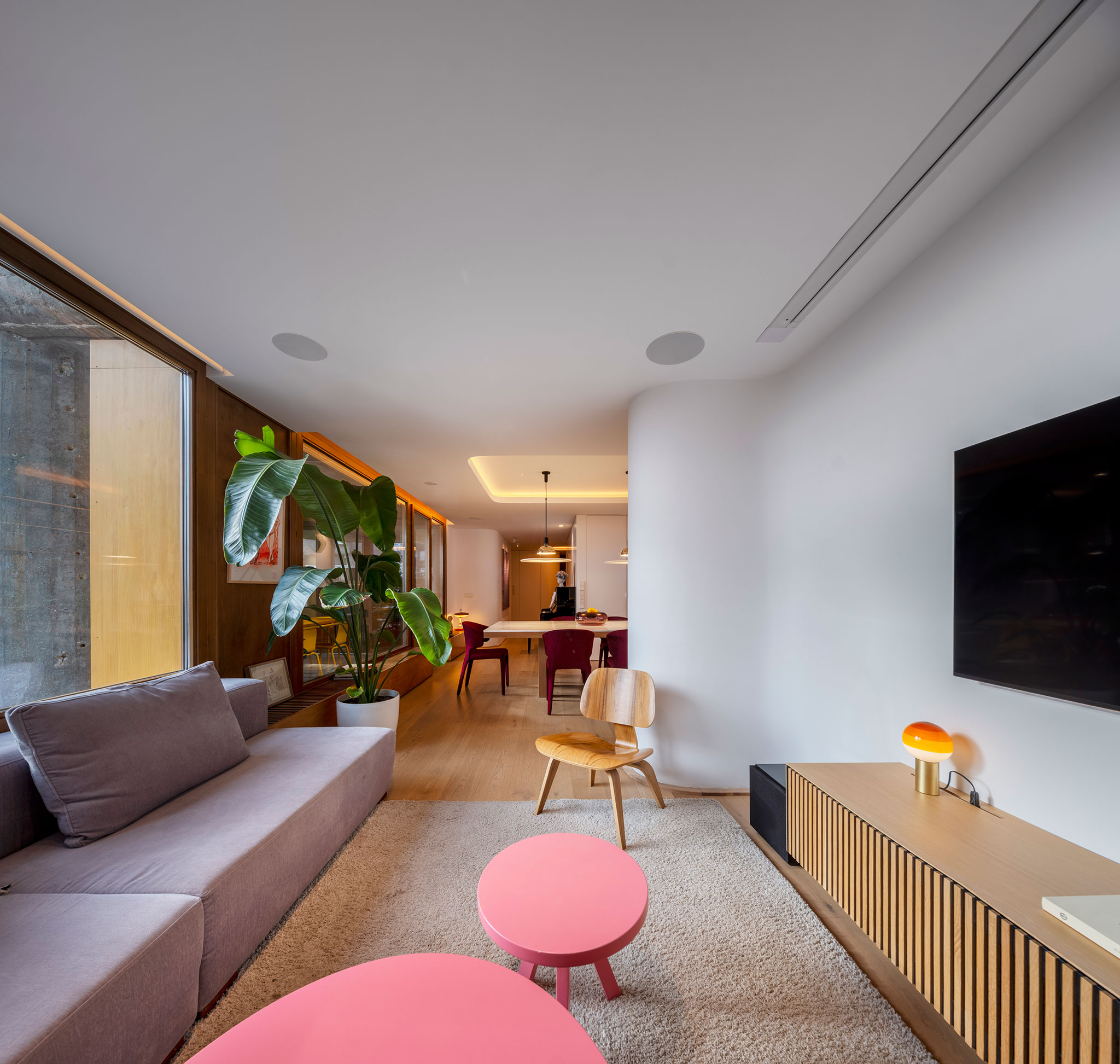
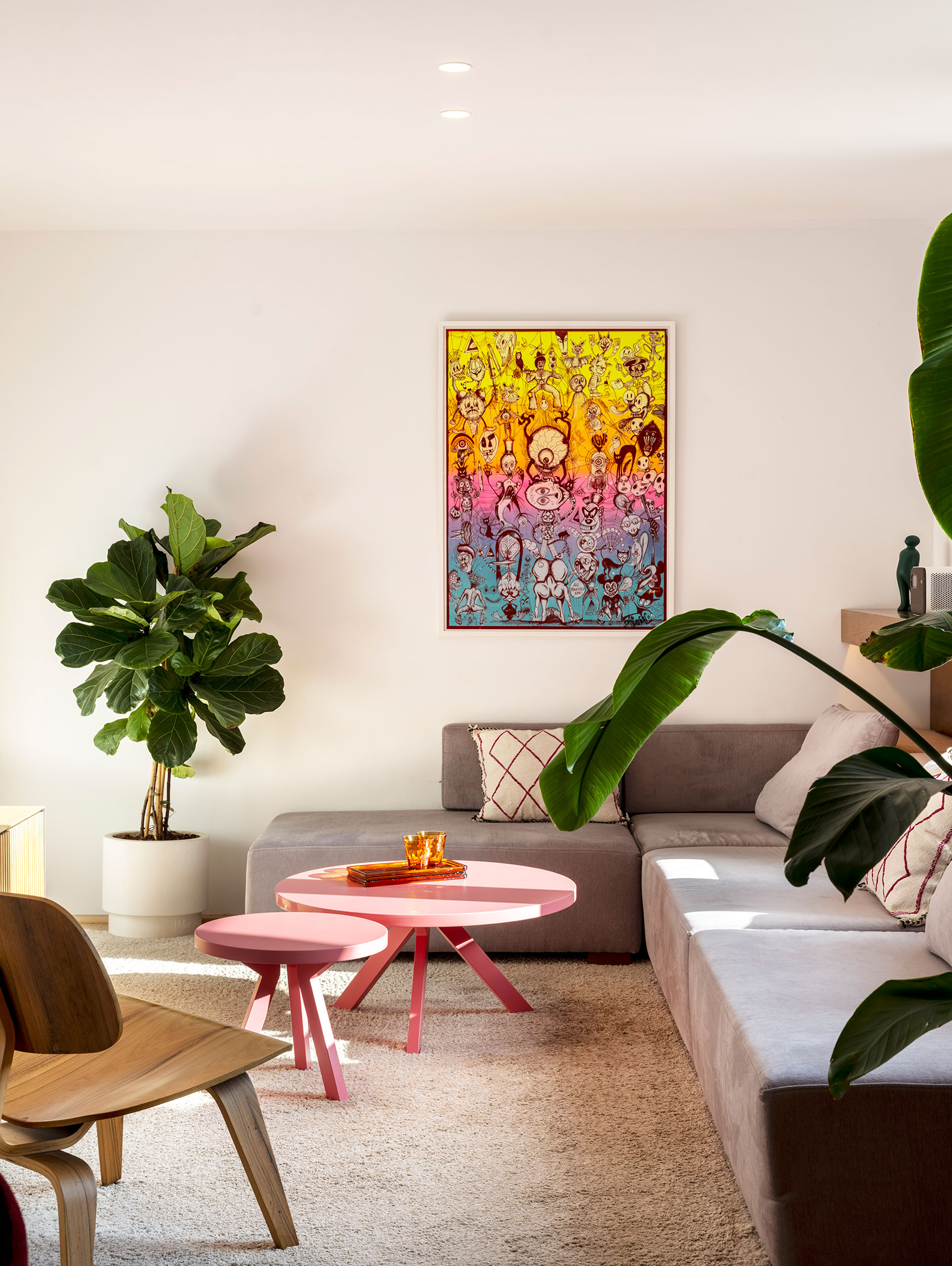
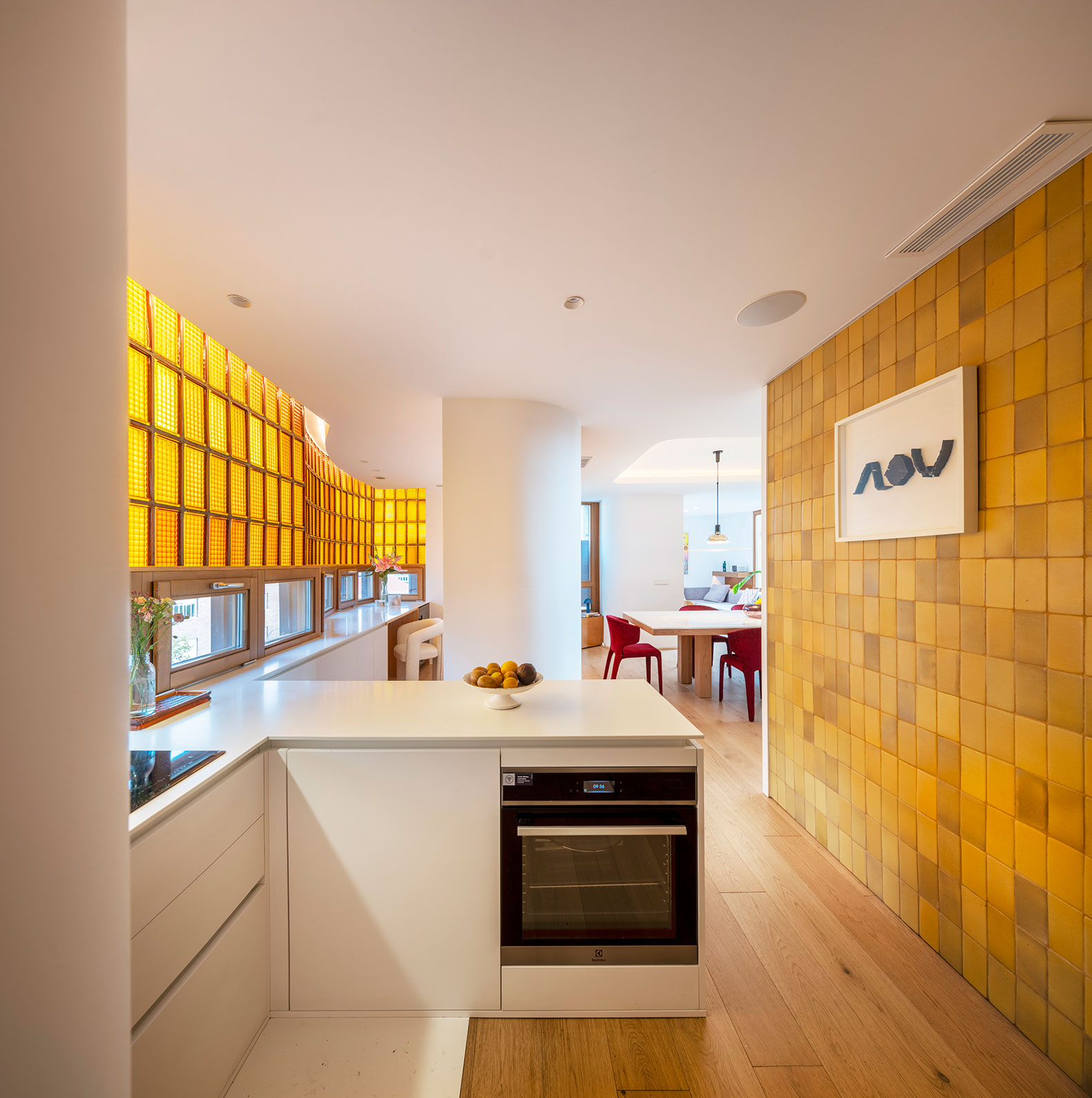
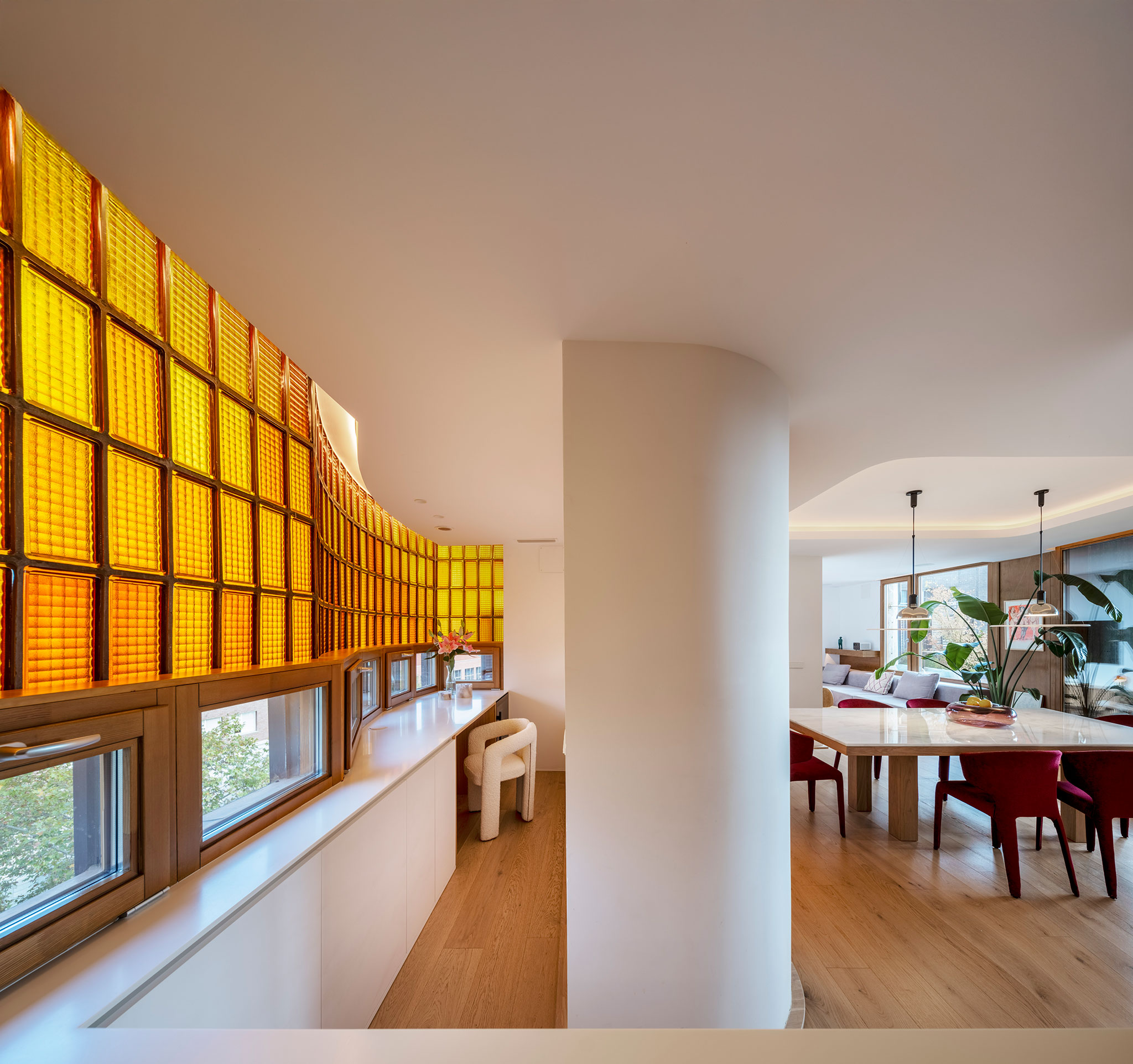
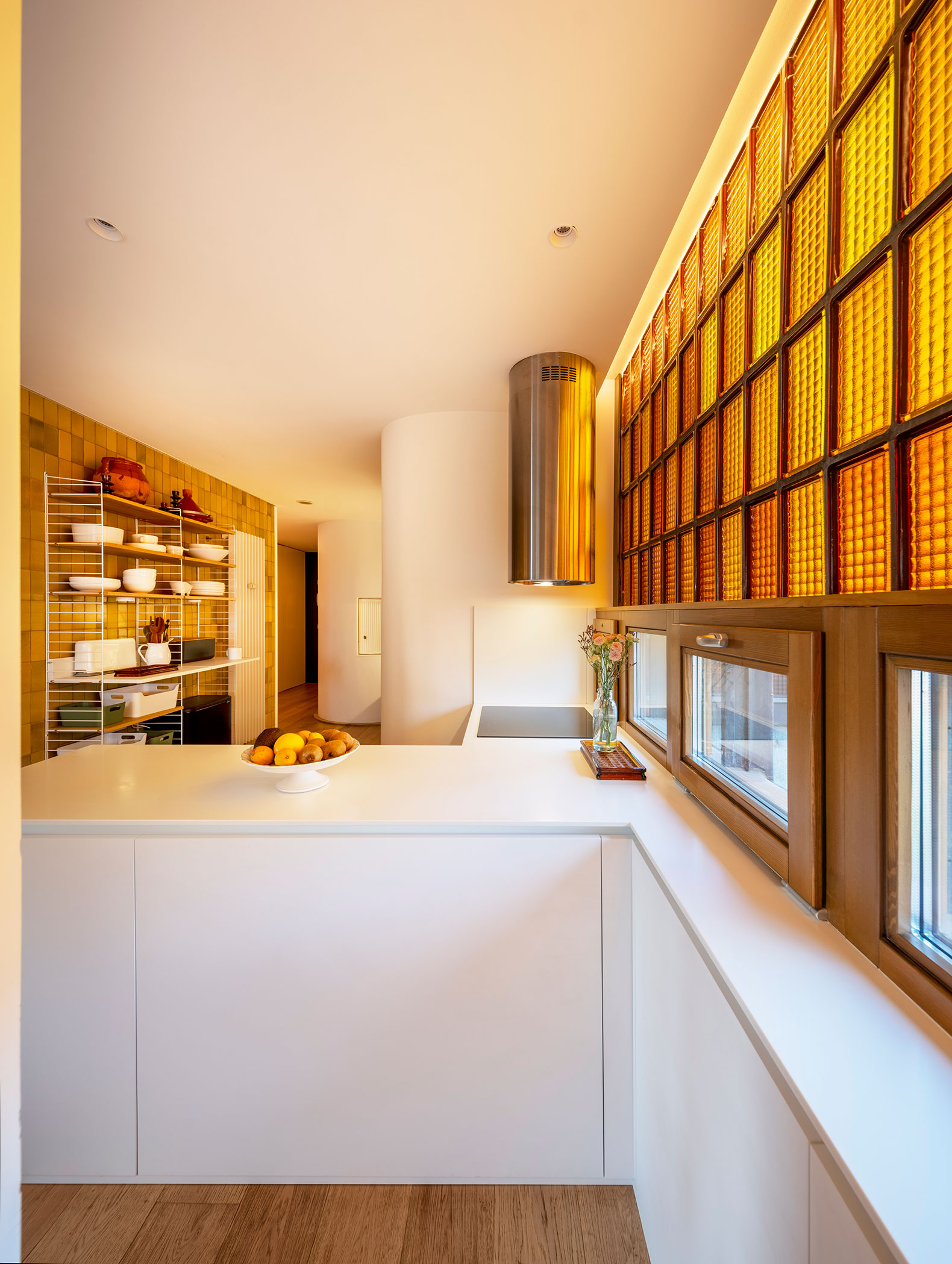
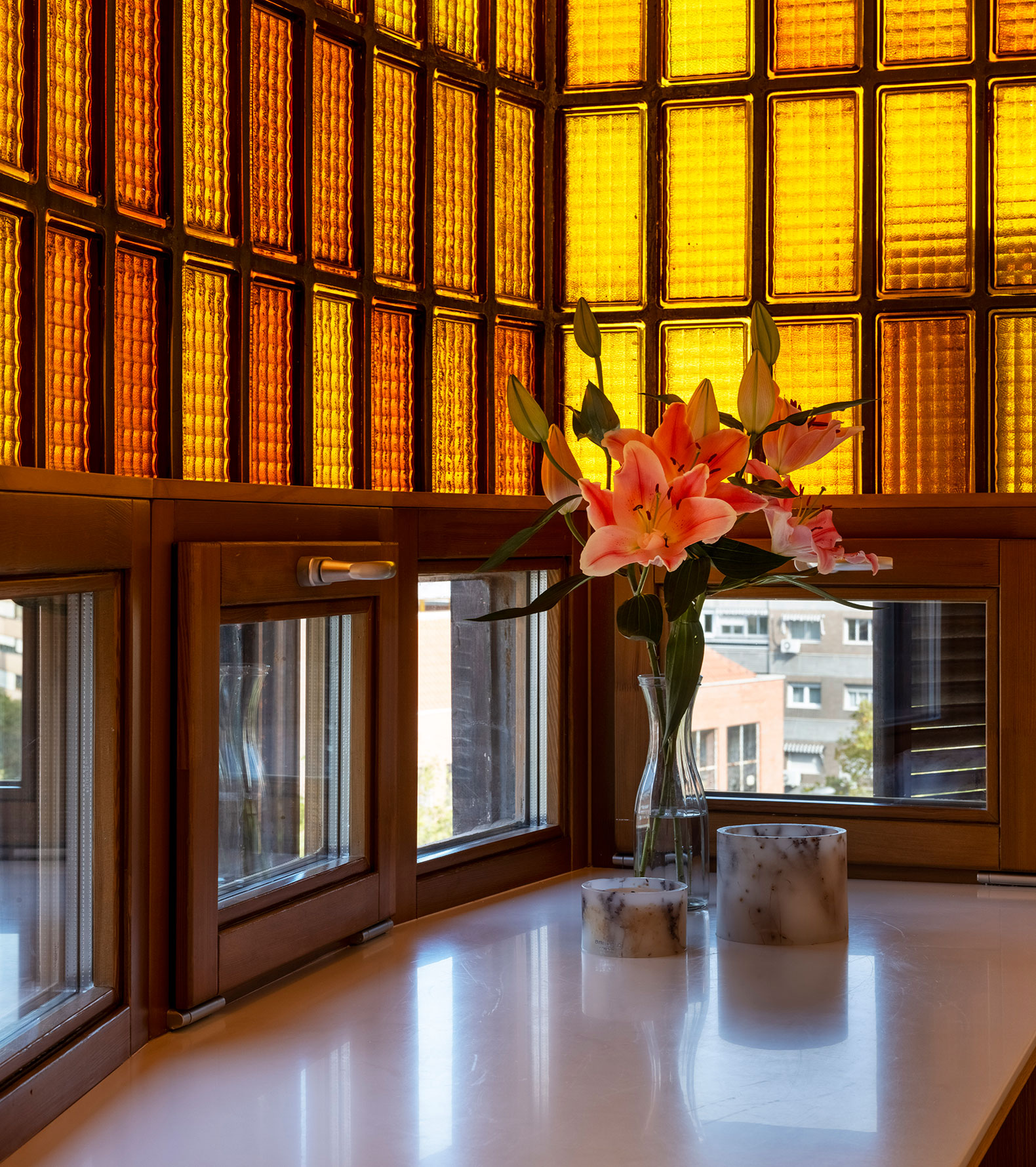
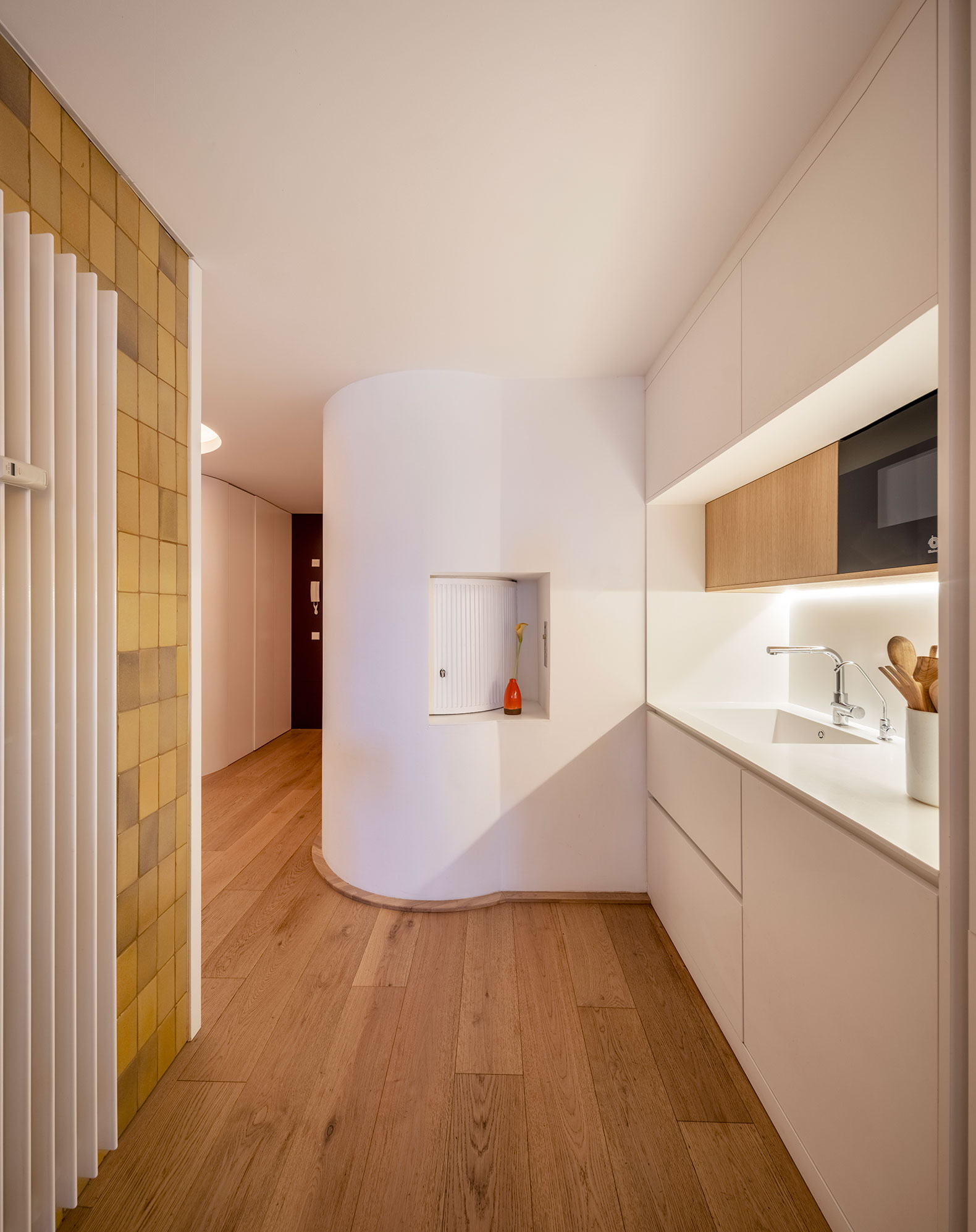
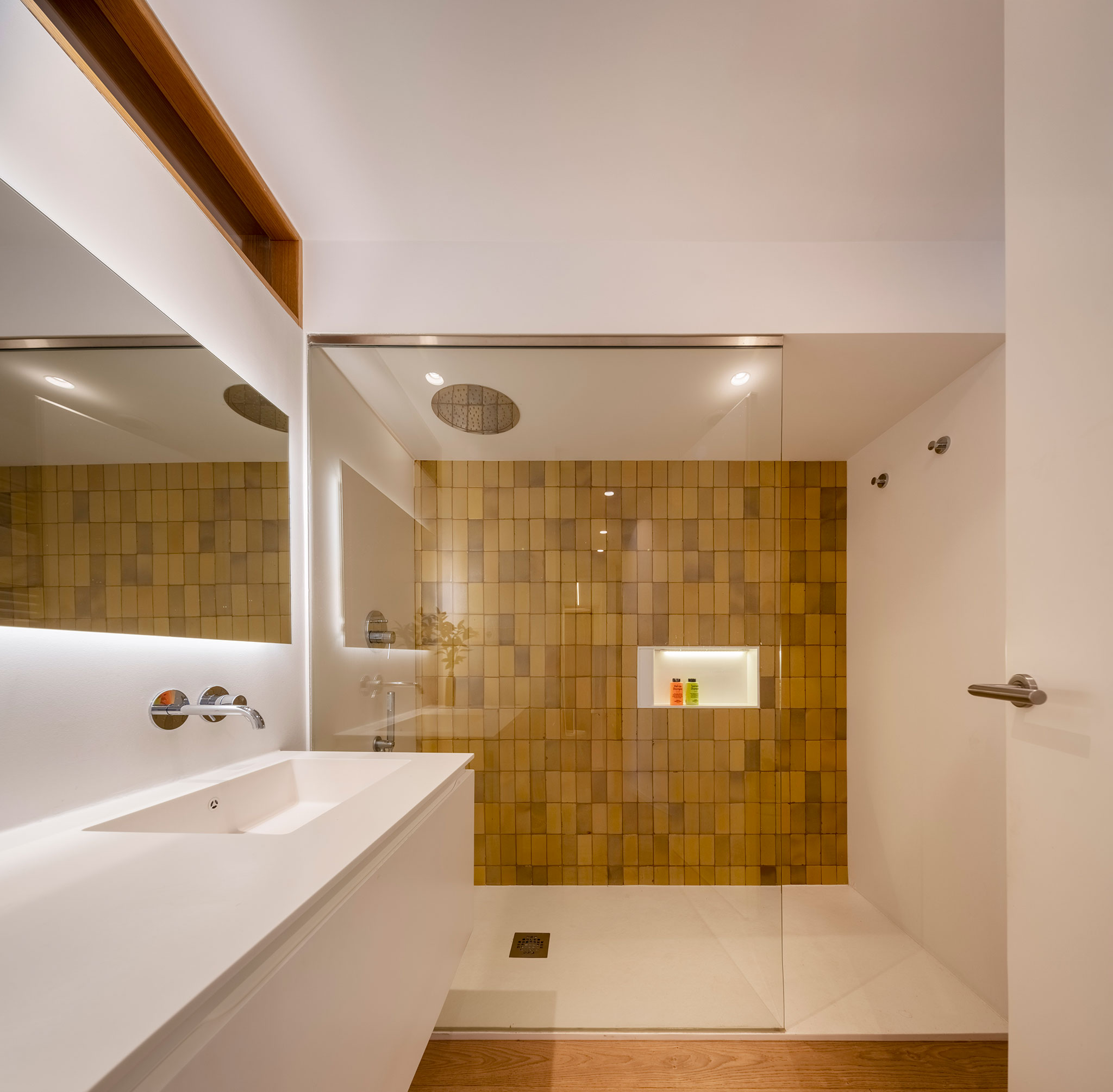
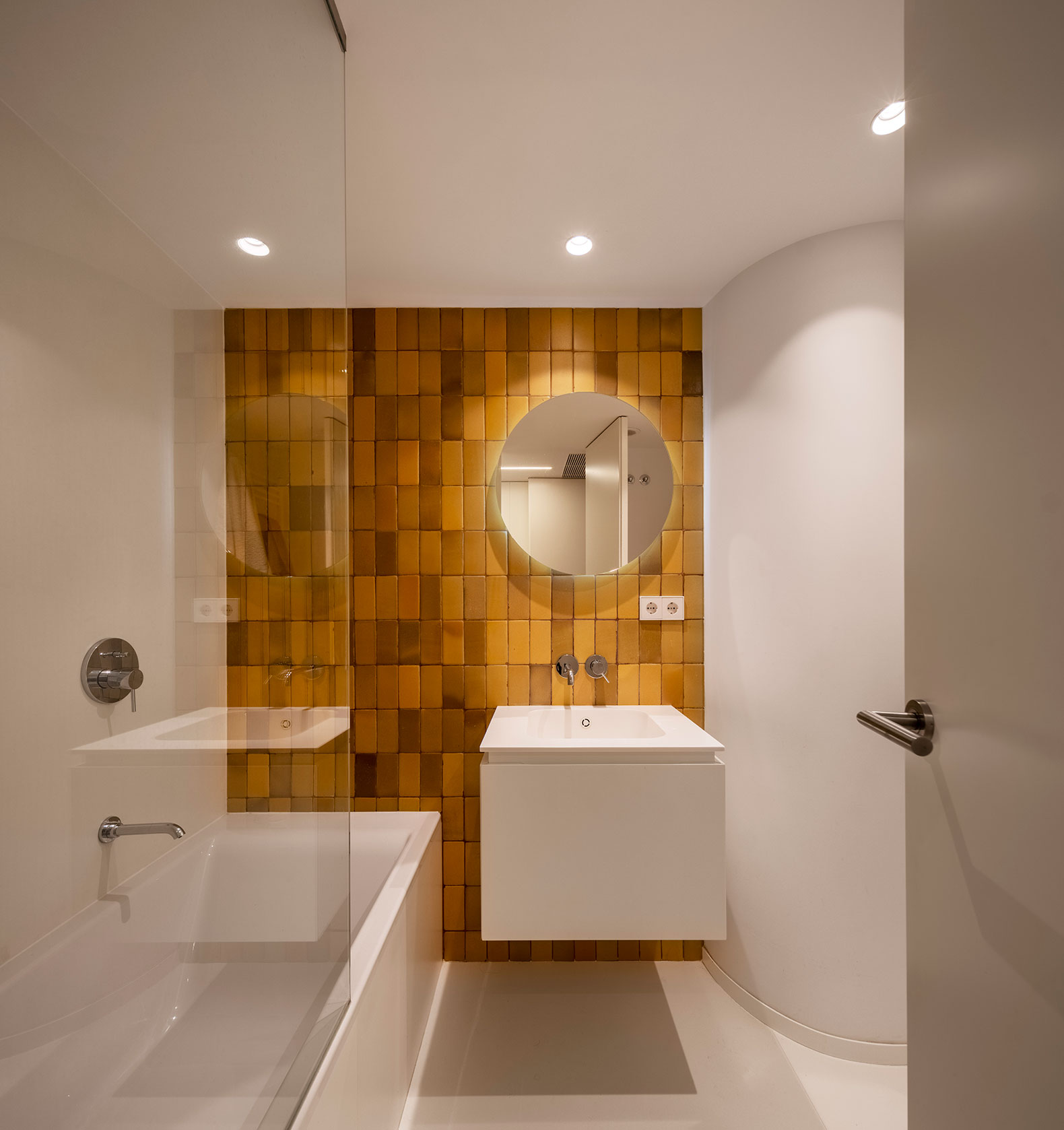
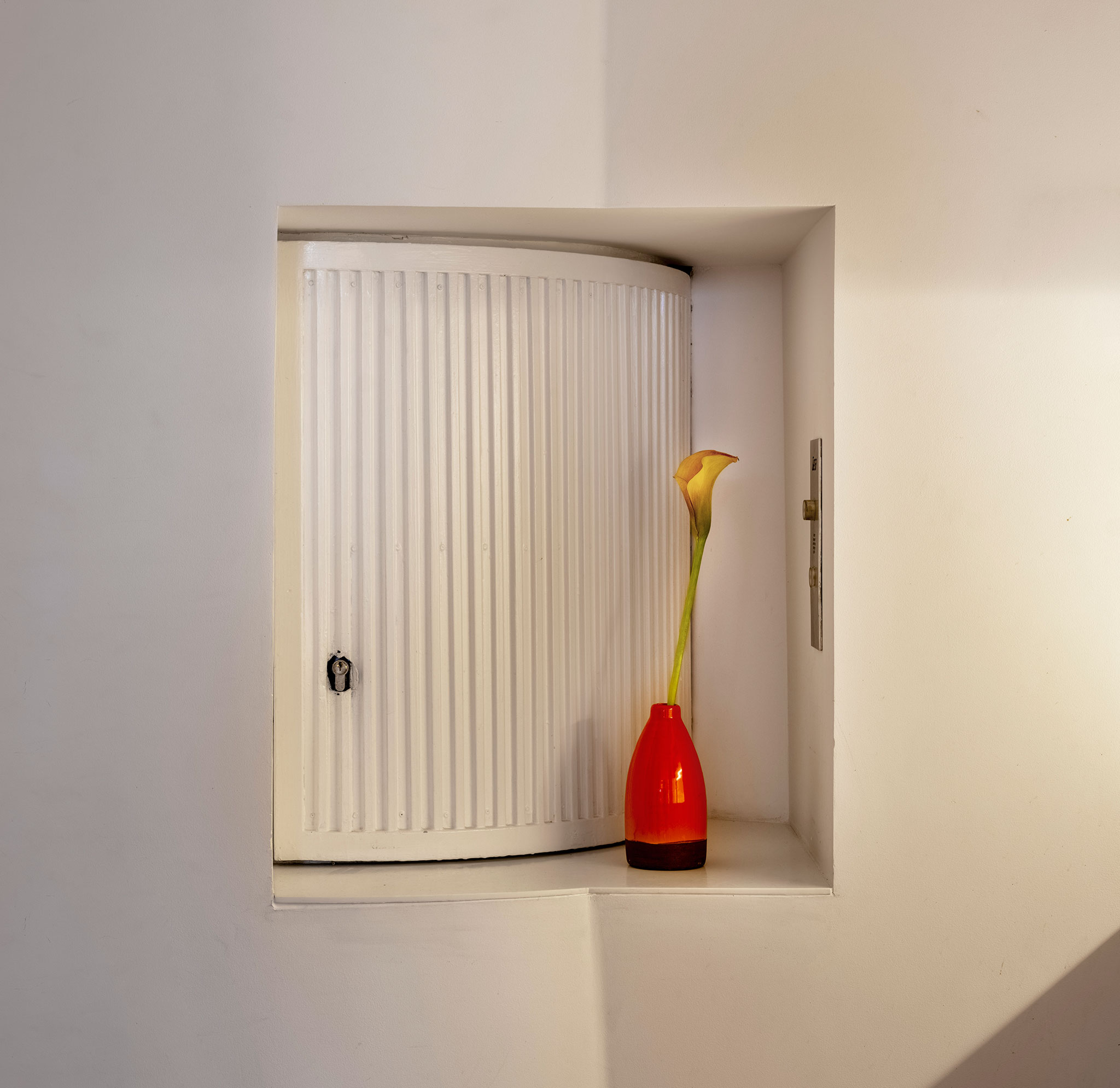
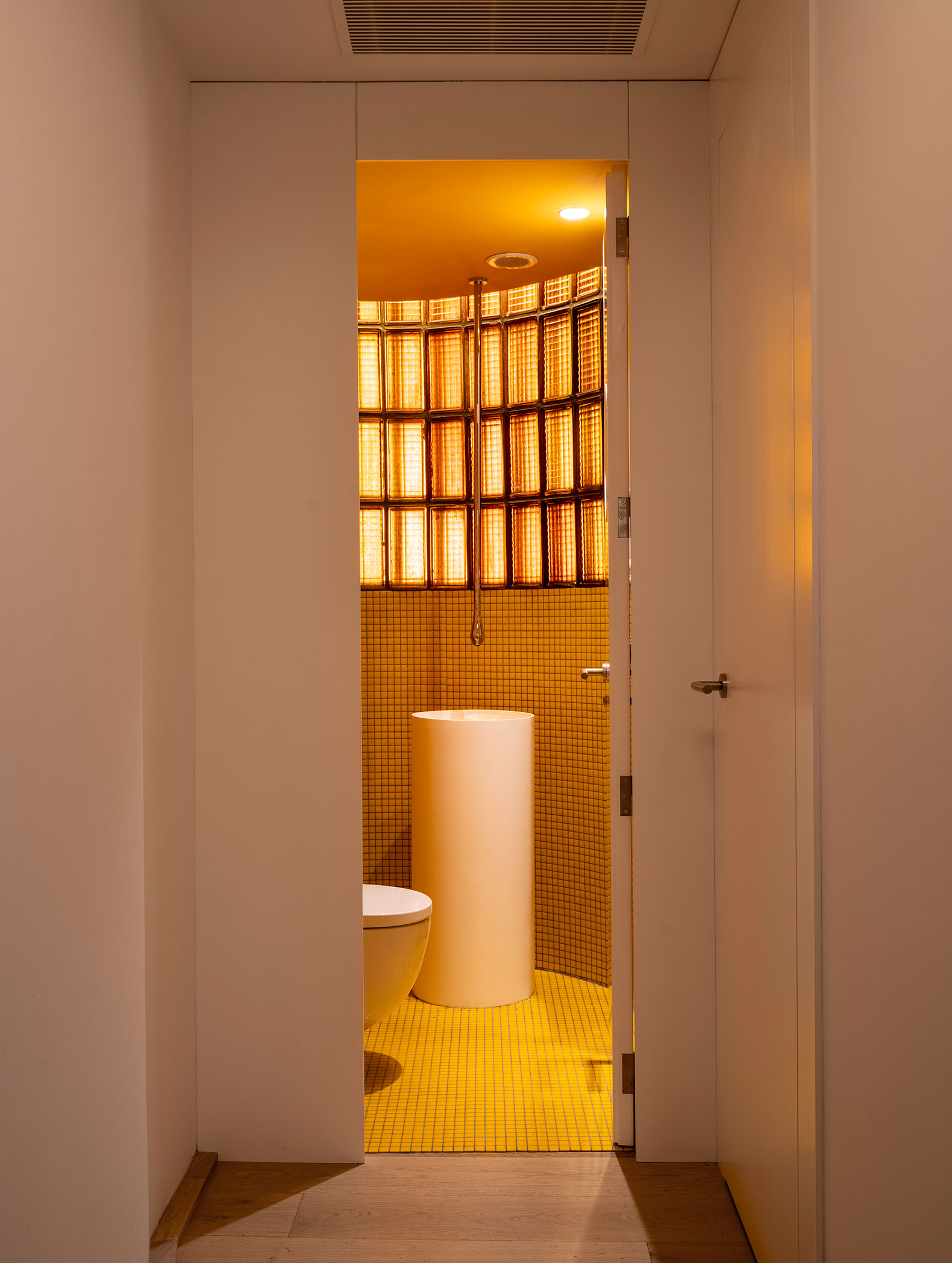
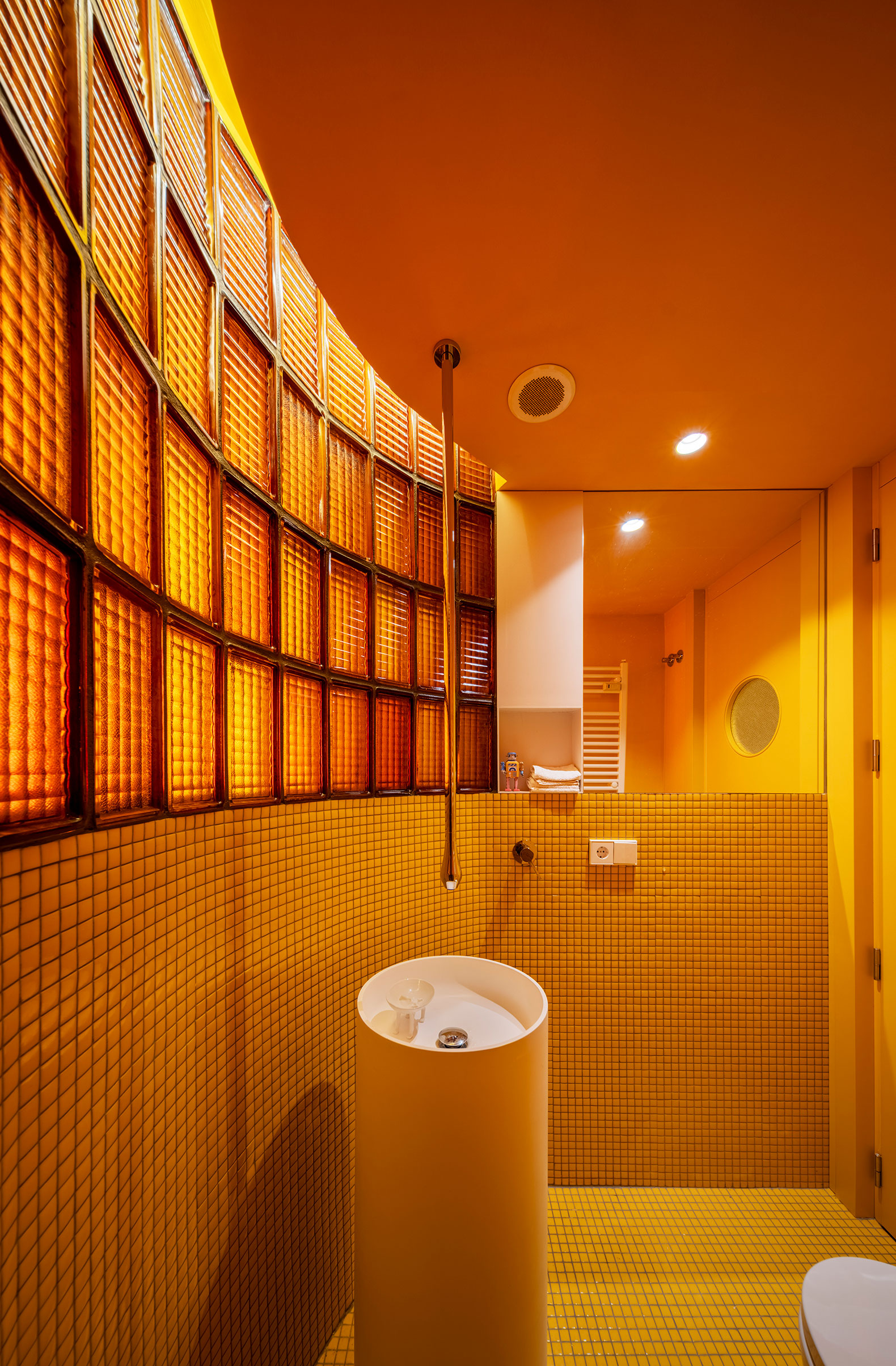
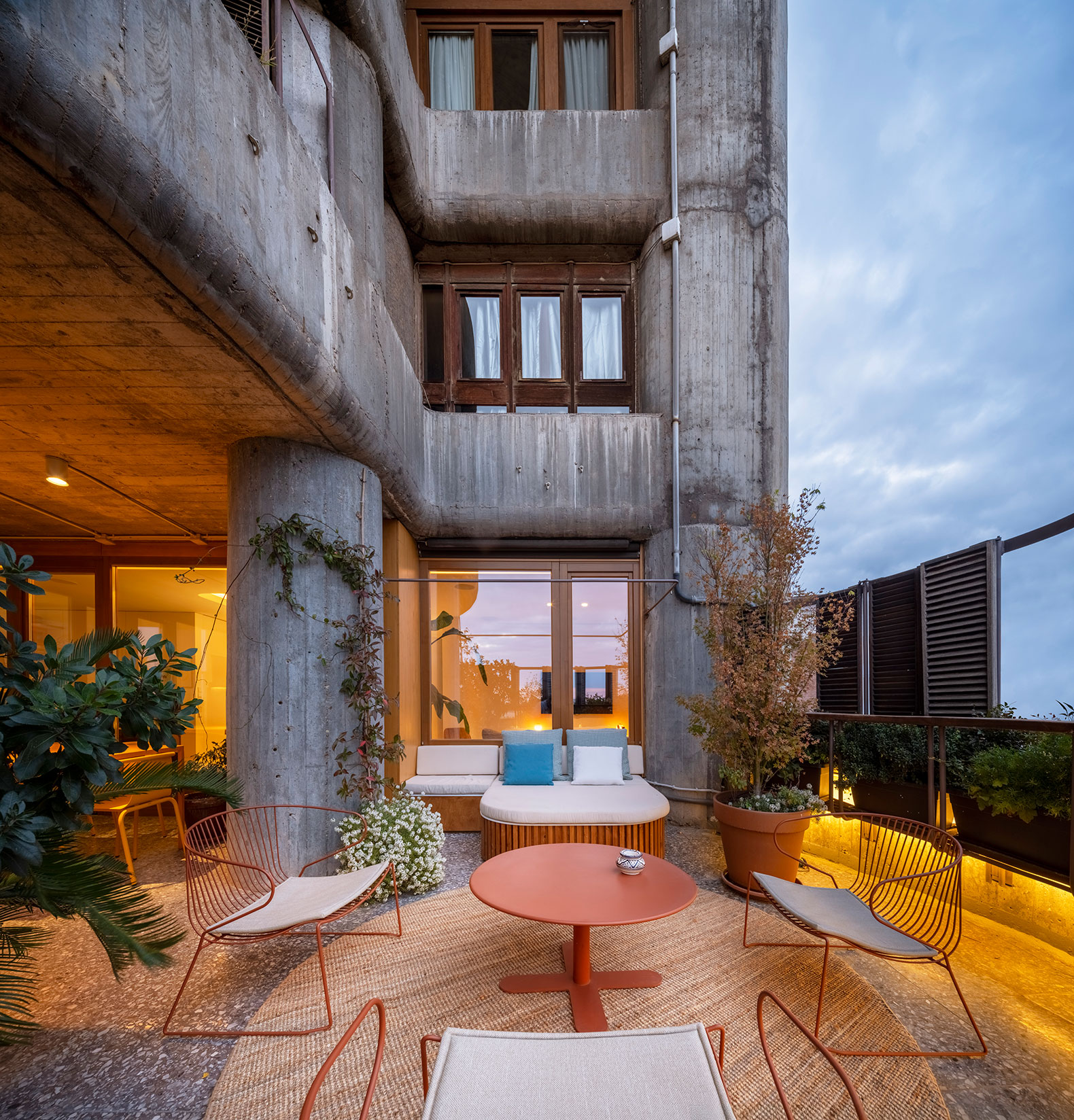
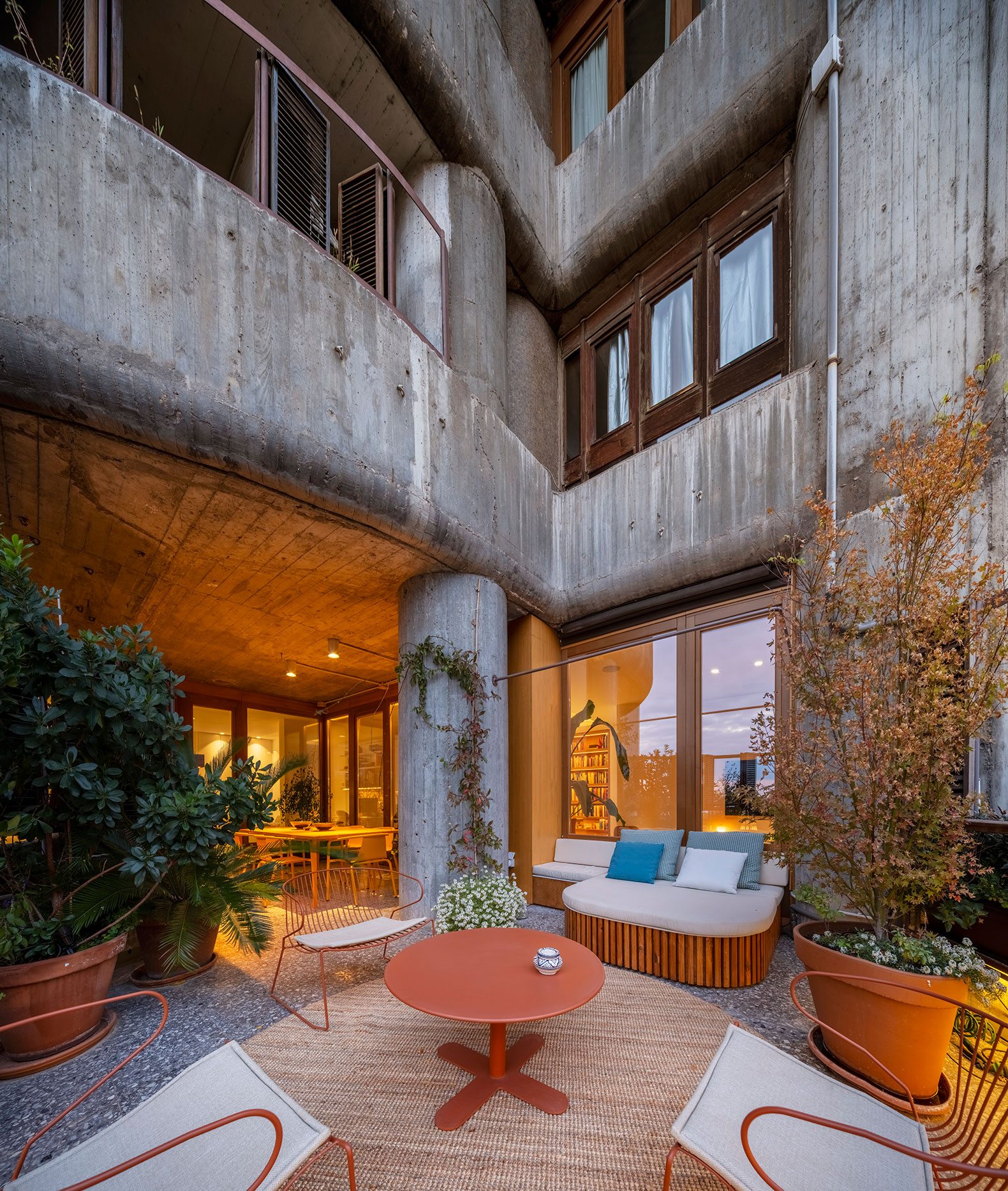
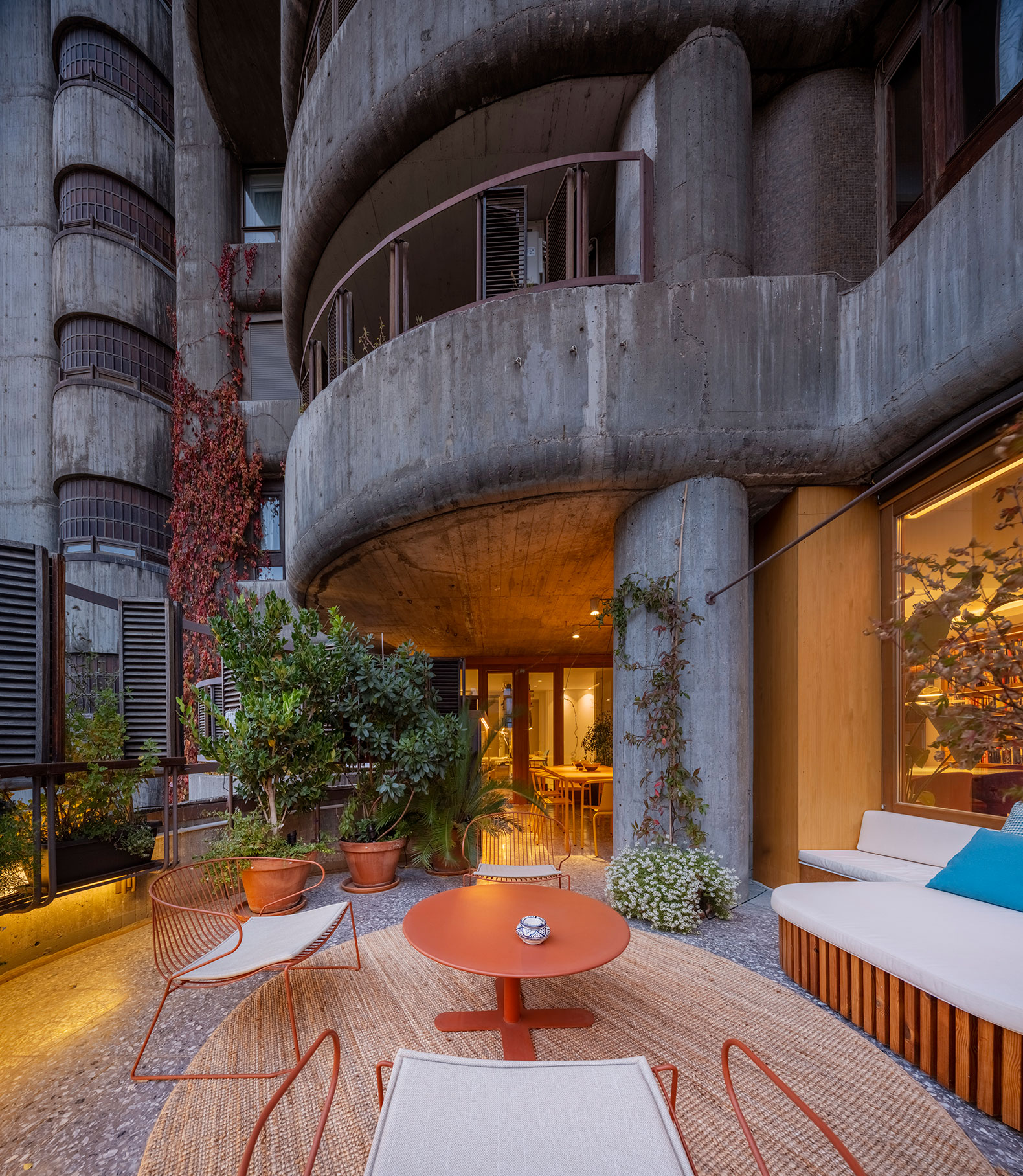
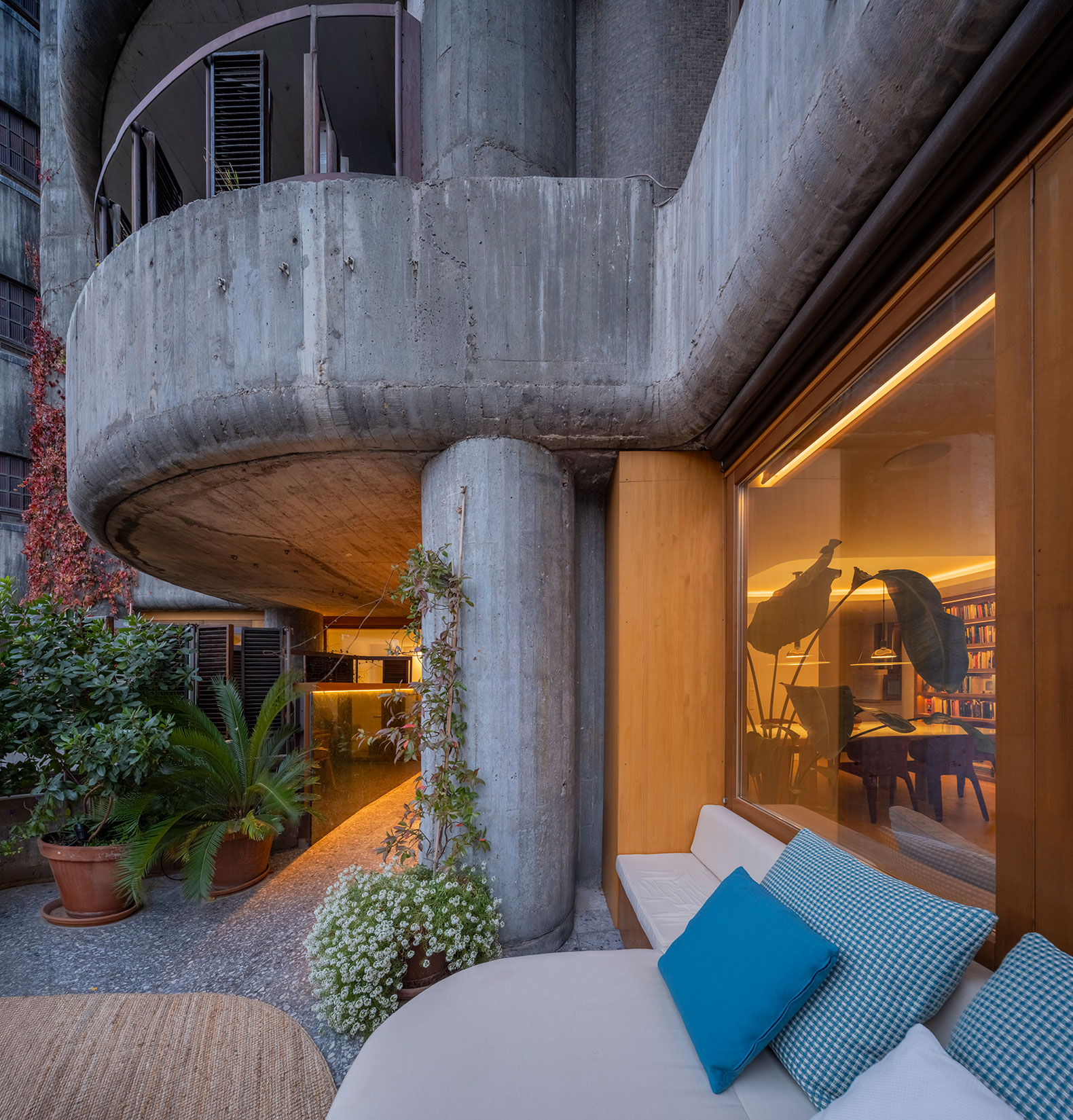
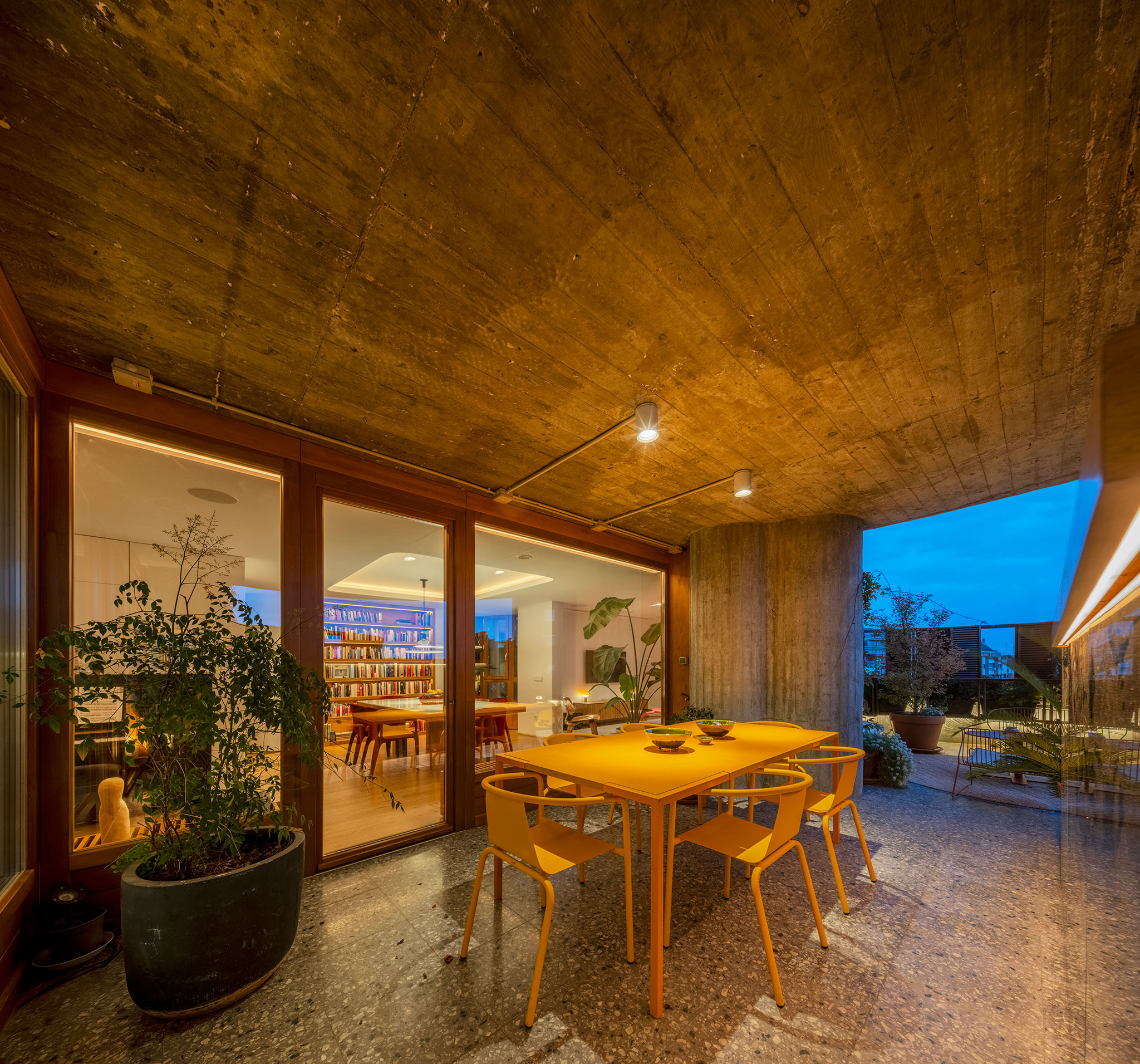
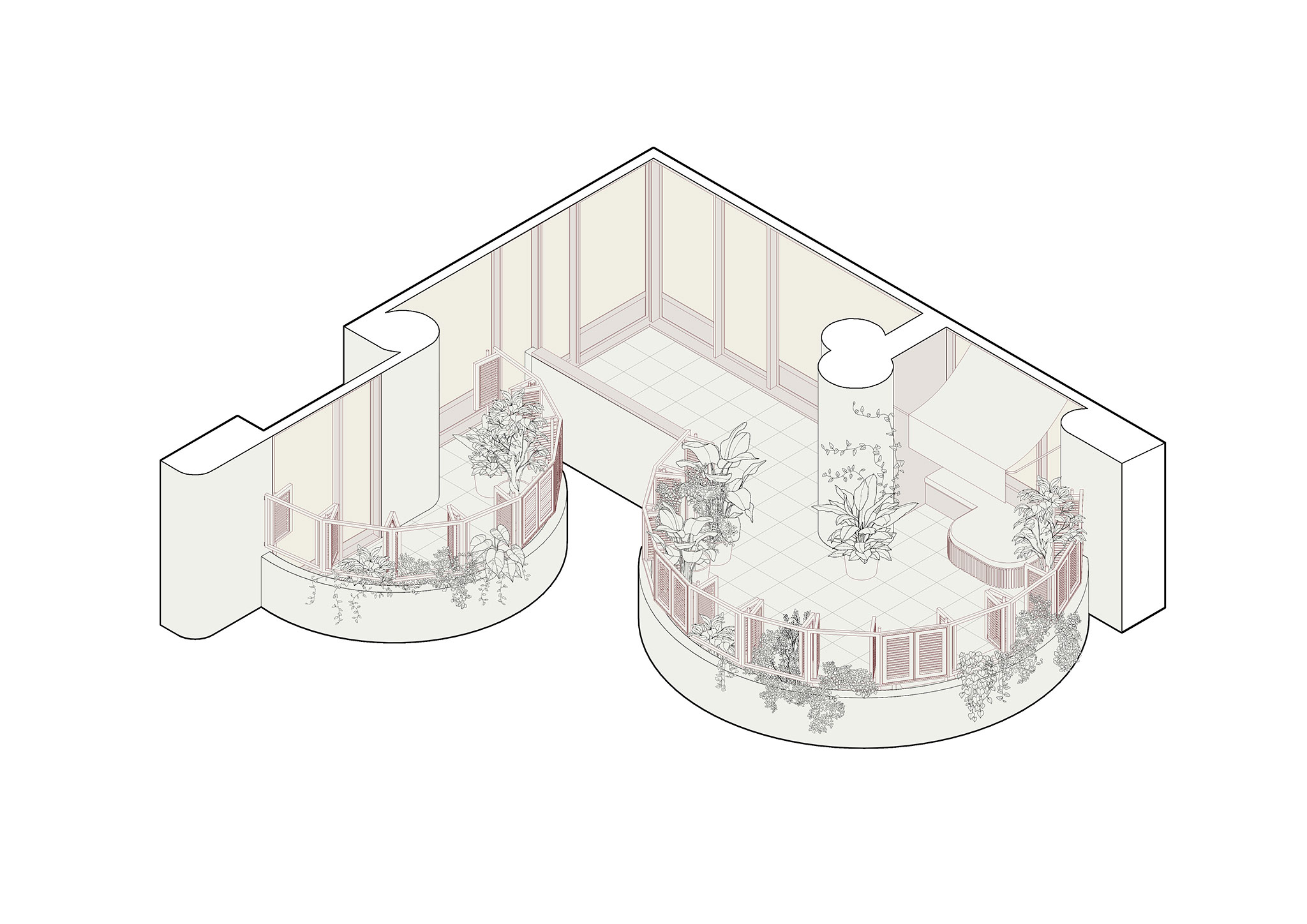
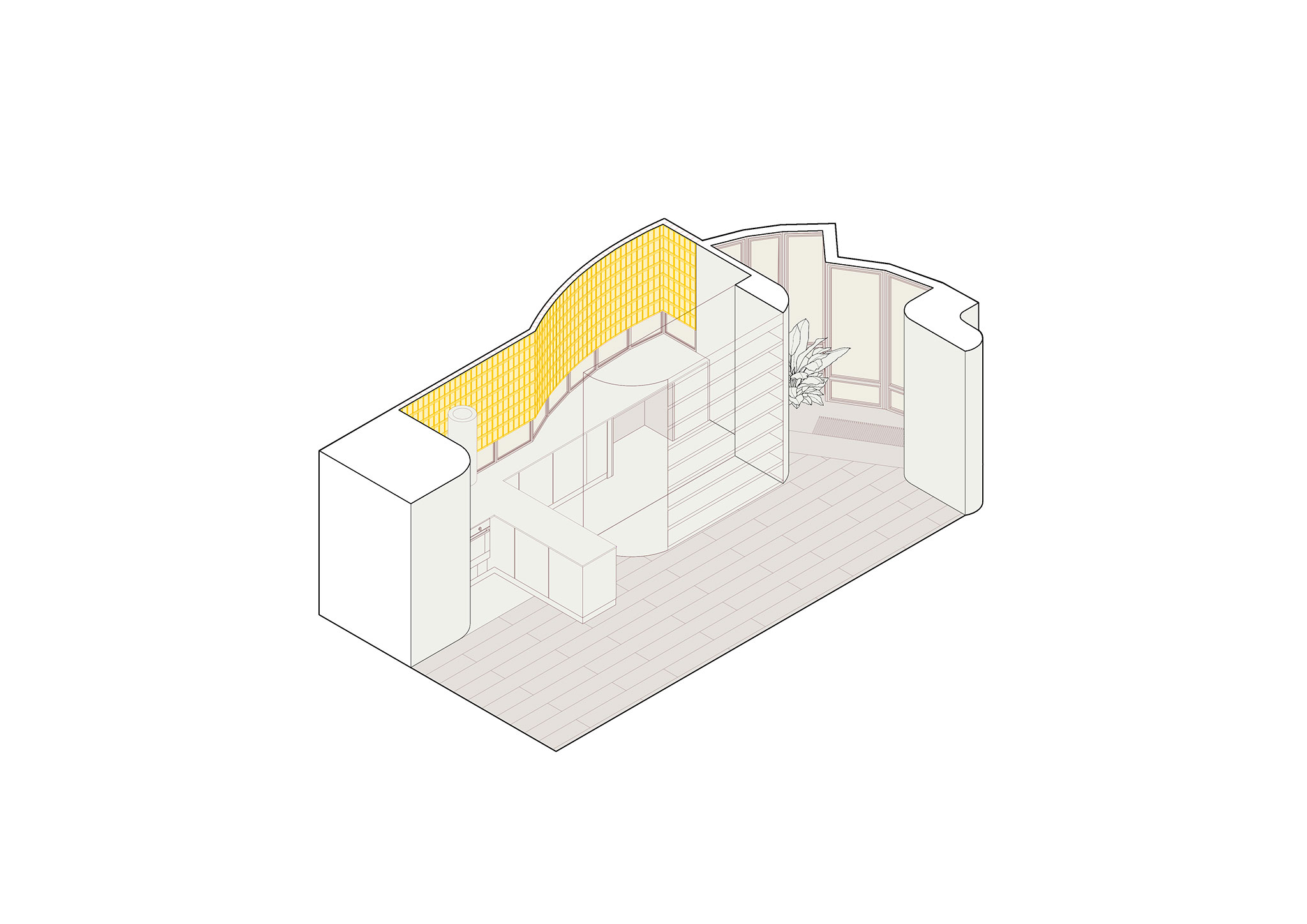
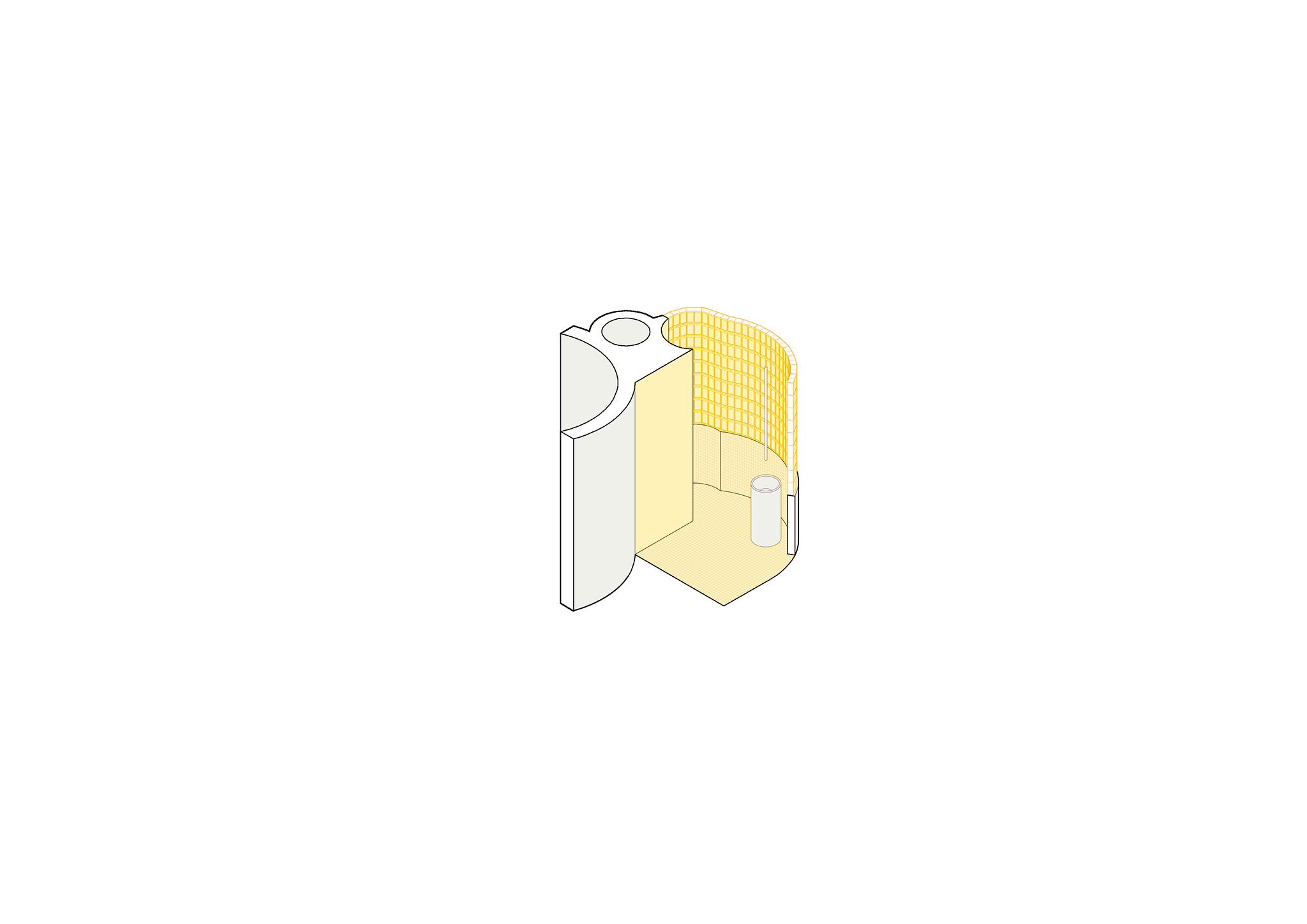
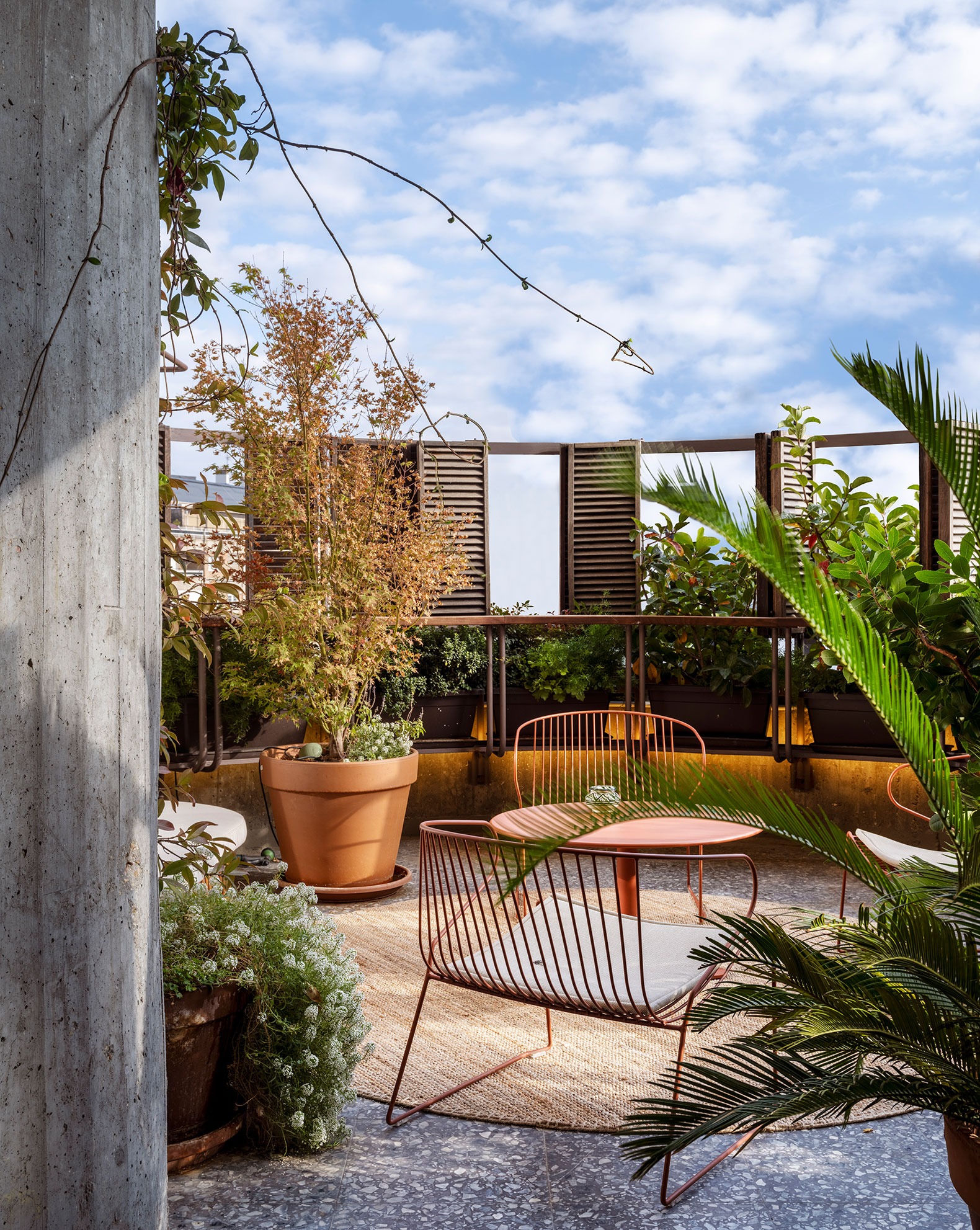
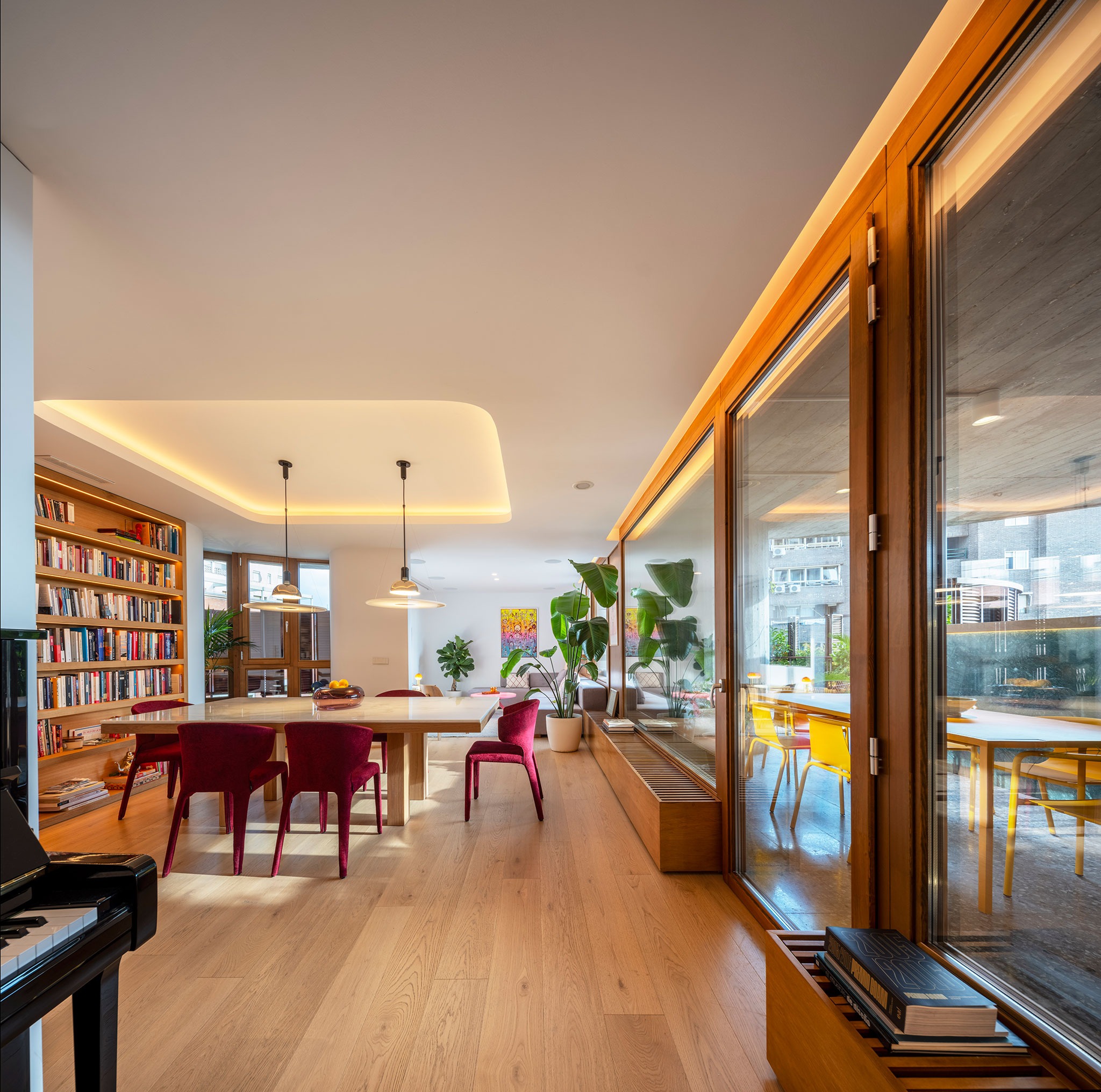
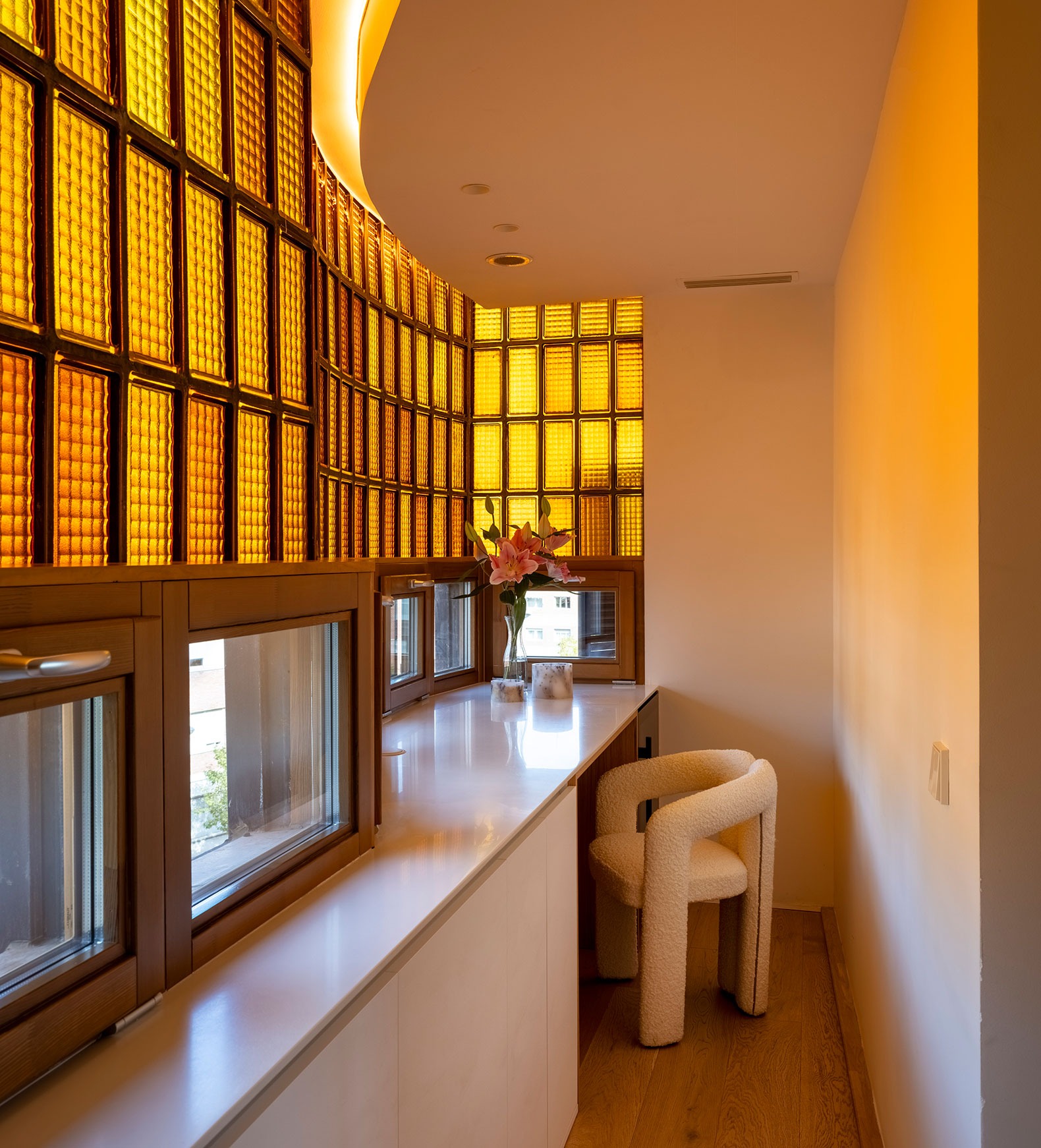
The original spirit of the house is restored by re-establishing the connection between interior and exterior, with all the rooms opening onto a continuous terrace where a new garden has been created. In the interior layout, the service area has been eliminated and integrated into the living area, generating spacious and dynamic spaces. Furthermore, iconic original elements have been preserved, such as the yellow tiles in the bathrooms, the exterior shutters, the yellow glass blocks, and the dumbwaiter.
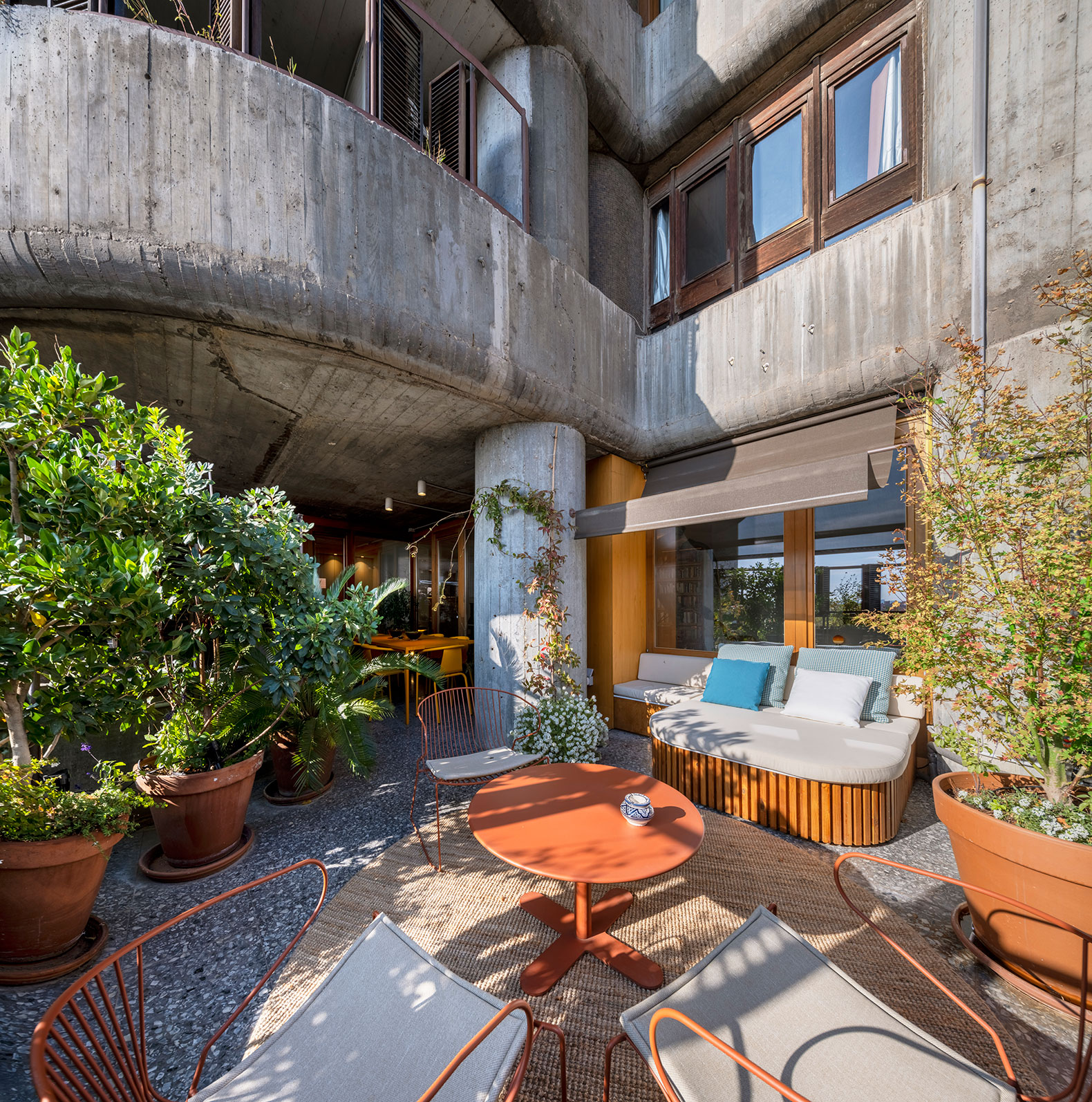
Renovation in "Torres Blancas" by CSO. Photograph by David Frutos.
Project description by CSO Arquitectura
Passivhaus Renovation in "Torres Blancas"
This house underwent a substantial transformation from its original design by Oíza. The layout had been altered, the terraces enclosed, and some original materials replaced, among other changes. Our proposal is based on two fundamental approaches.
1. Building an Energy-Efficient Home
The goal was always to achieve a nearly zero-energy home. To this end, we followed the principles of the German Passivhaus certification. The main interventions were:
- Providing the entire building envelope with excellent thermal insulation.
- Installing wooden windows with triple glazing.
- Creating an airtight envelope, verified through a blower door test.
- Addressing thermal bridges, which are numerous in a building of this type, to prevent condensation.
- Incorporating a mechanical ventilation system with heat recovery. Thanks to these measures, we were able to reduce heating consumption to a minimum. Furthermore, every effort has been made to ensure that all materials used are as environmentally friendly as possible.
2. Return to the Original State (adapted to modern times)
Before starting the project, we were already familiar with the building, as I personally lived there for eight years, in two different apartments. This gave us a considerable advantage in undertaking the project.
We propose a restoration of the original spirit of the apartment, adapted to modern times, based on two key points:
Restoring the layout:
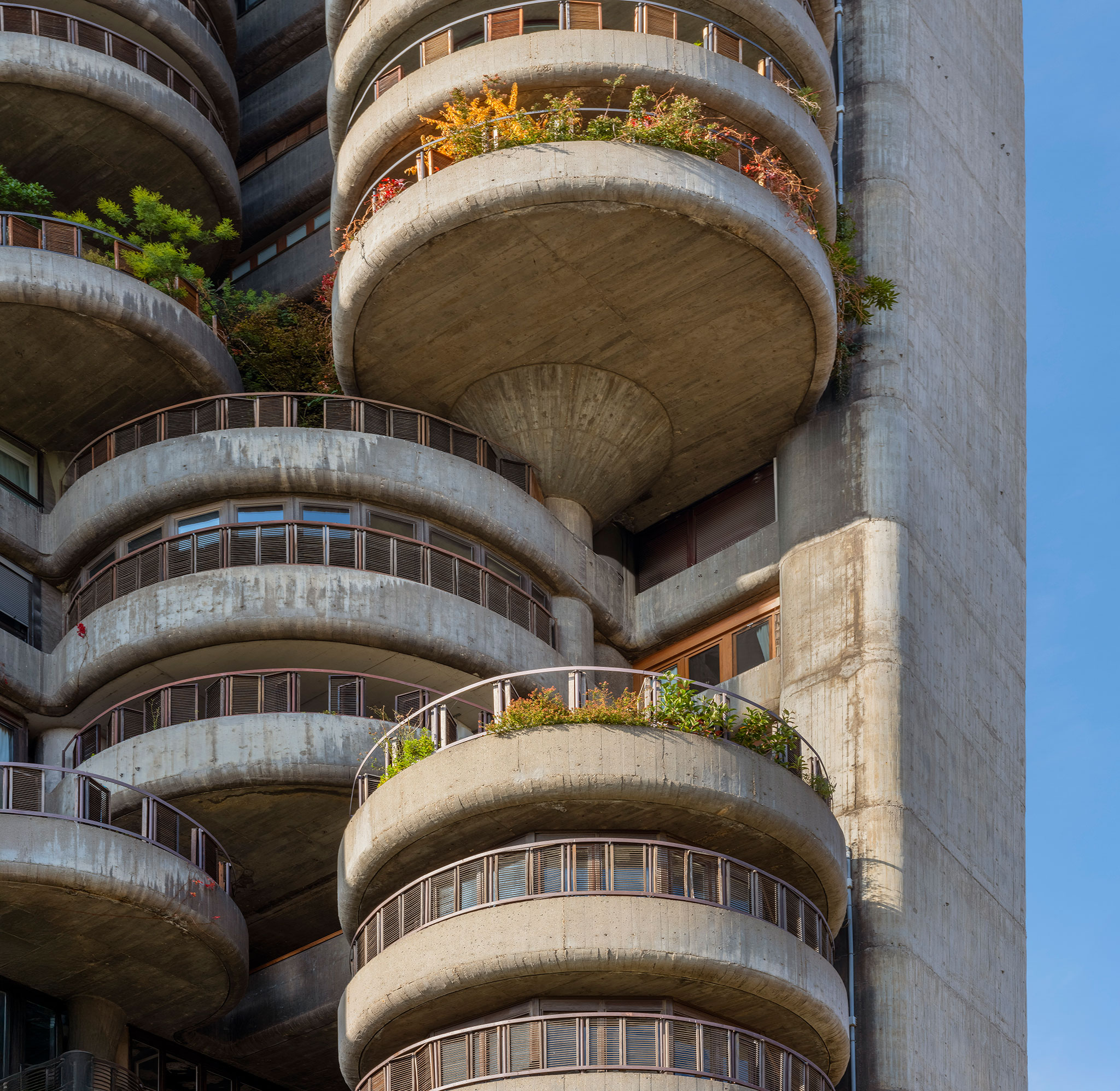
Oíza conceived the apartments in the building as high-rise villas with gardens. The apartment is organized in an L-shape, and all the rooms opened onto a continuous outdoor terrace. This idea of restoring the original terraces is key to the project, as it re-establishes the indoor-outdoor connection that had been lost, creating a new garden on the terraces.
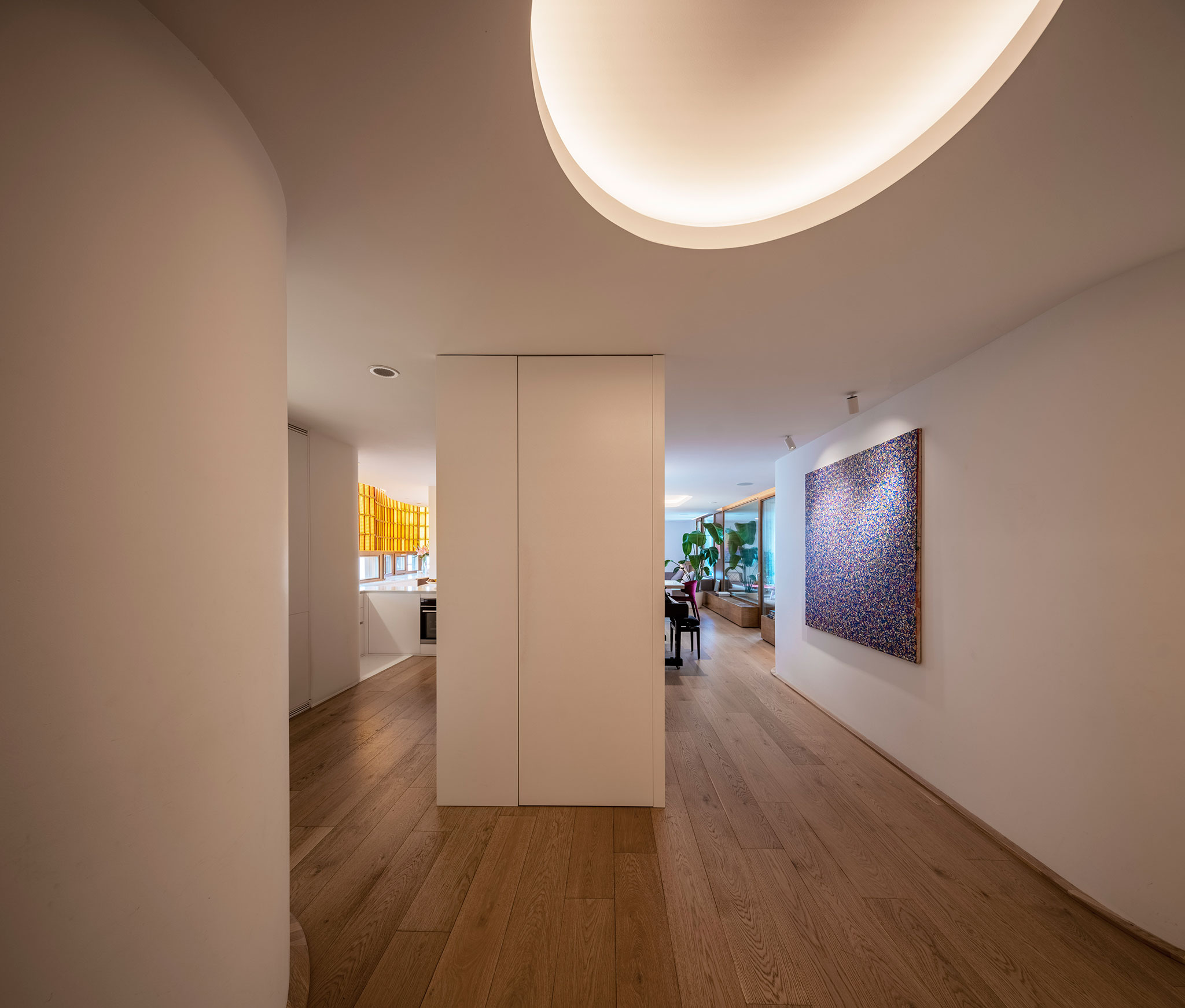
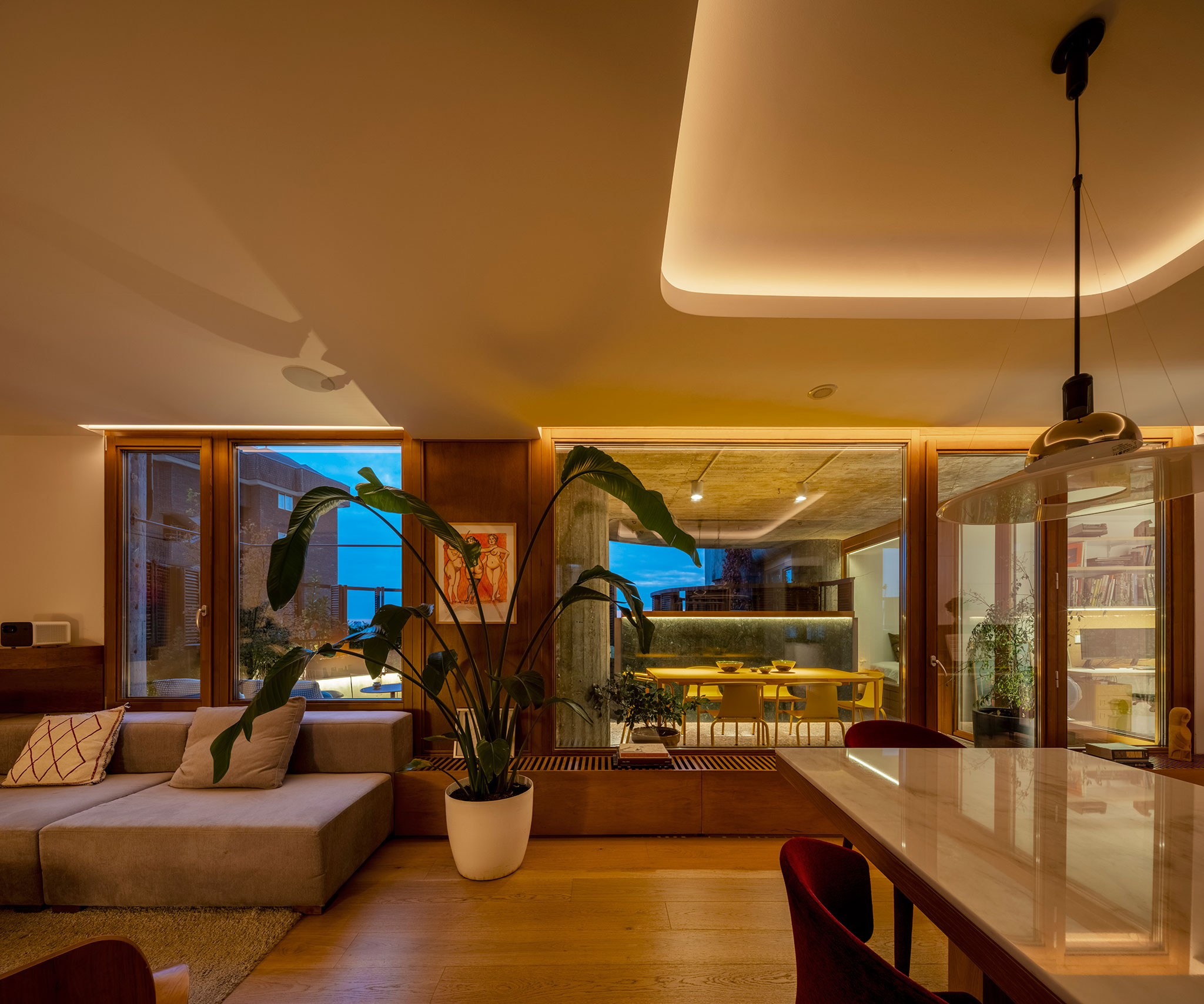
Regarding the interior layout, the original apartment was organized into three distinct areas: family bedrooms, a living area, and a service area. Due to generational change, the service area was eliminated and integrated into the living area, creating more spacious and dynamic spaces.
Preservation of original elements:
From the outset, we aimed to preserve as many original elements as possible, despite the poor condition of some and the absence of others due to previous renovations.
We recovered and cleaned each of the existing yellow tiles in the kitchen and bathrooms, strategically placing them back in their original locations.
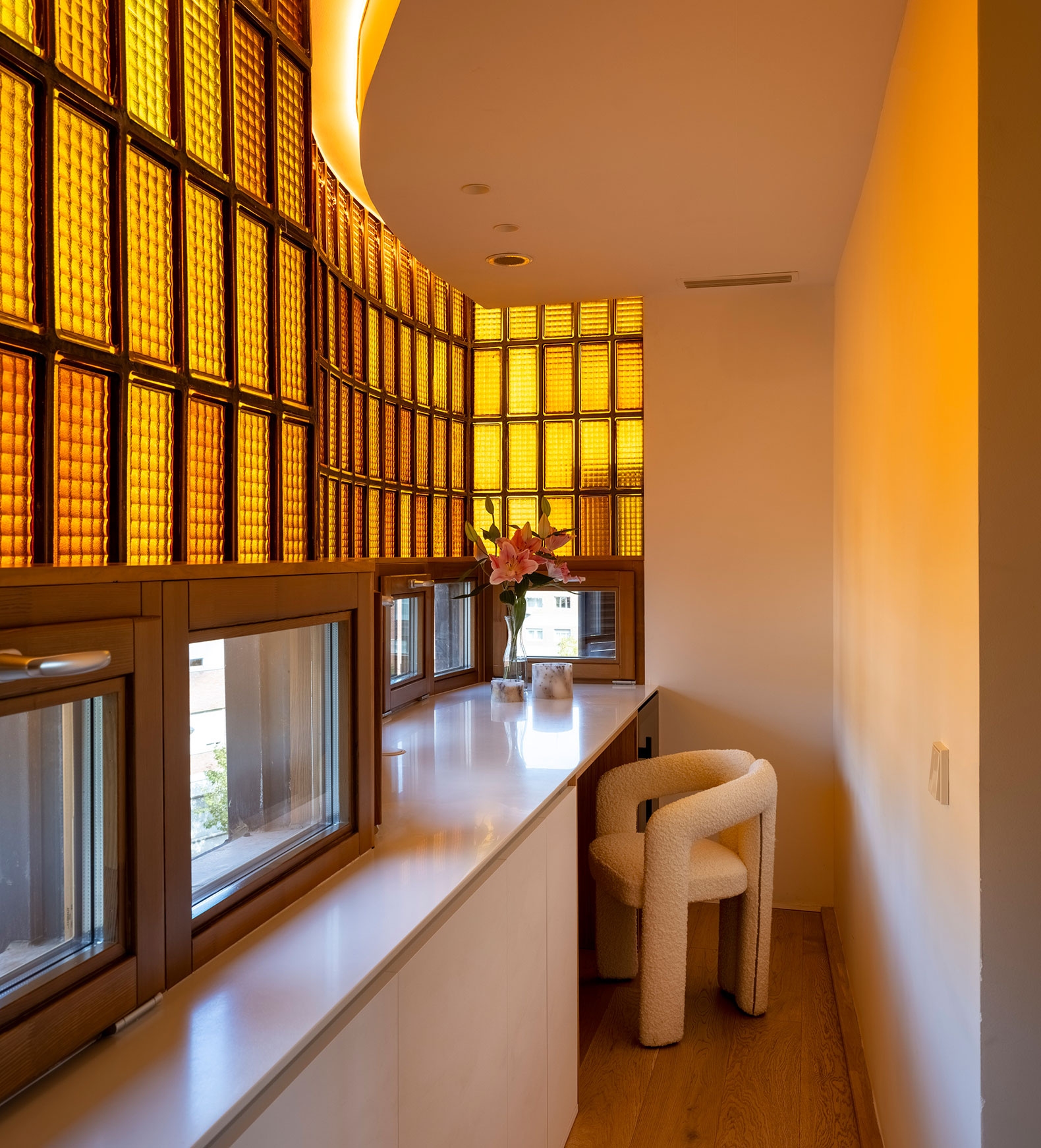
The exterior windows were made of natural wood, just as in Oíza's original design.
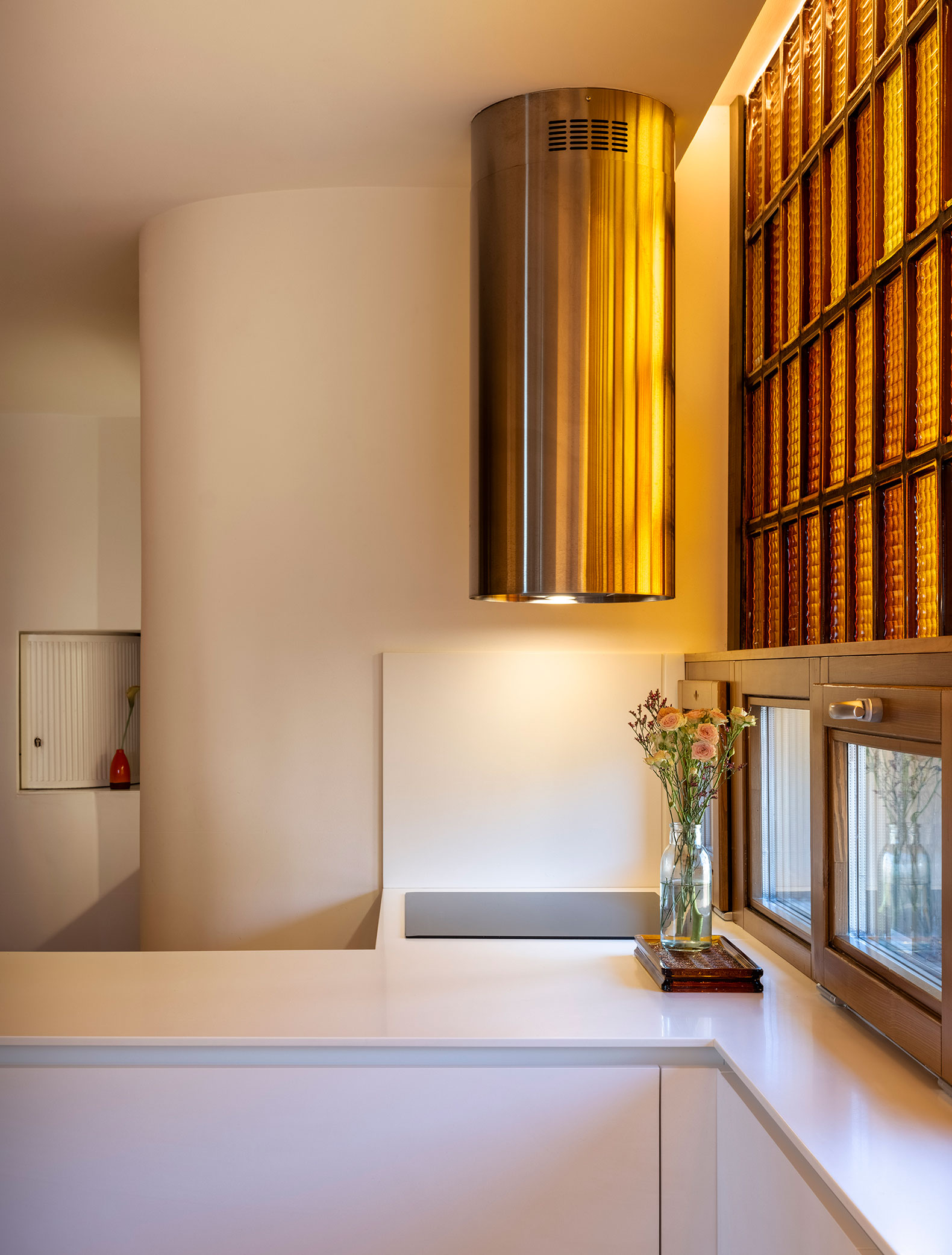
We also restored other elements, such as the exterior shutters, the yellow glass blocks, and the dumbwaiter that connected the former restaurant on the 22nd floor to each of the apartments.
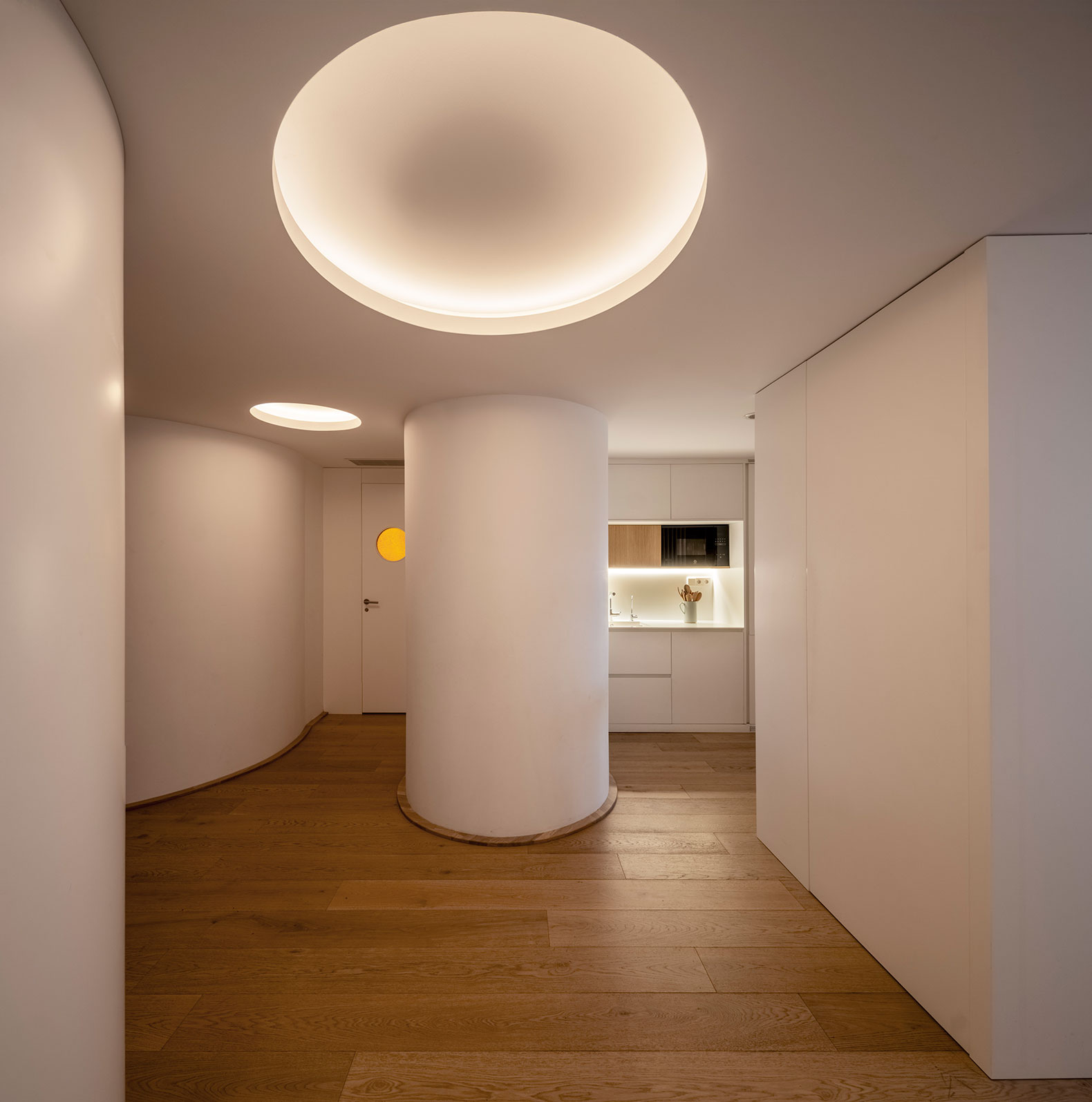
Finally, we reinterpreted other original features, such as the solid wood horizontal baseboards, the curved corners, the wooden radiator covers, and the curved ceiling moldings.