The renovation by Vaillo + Architects has involved an investment of more than €20 million to create a new museum experience that brings Basque heritage closer to all audiences through an innovative, accessible narrative with a clear international outlook.
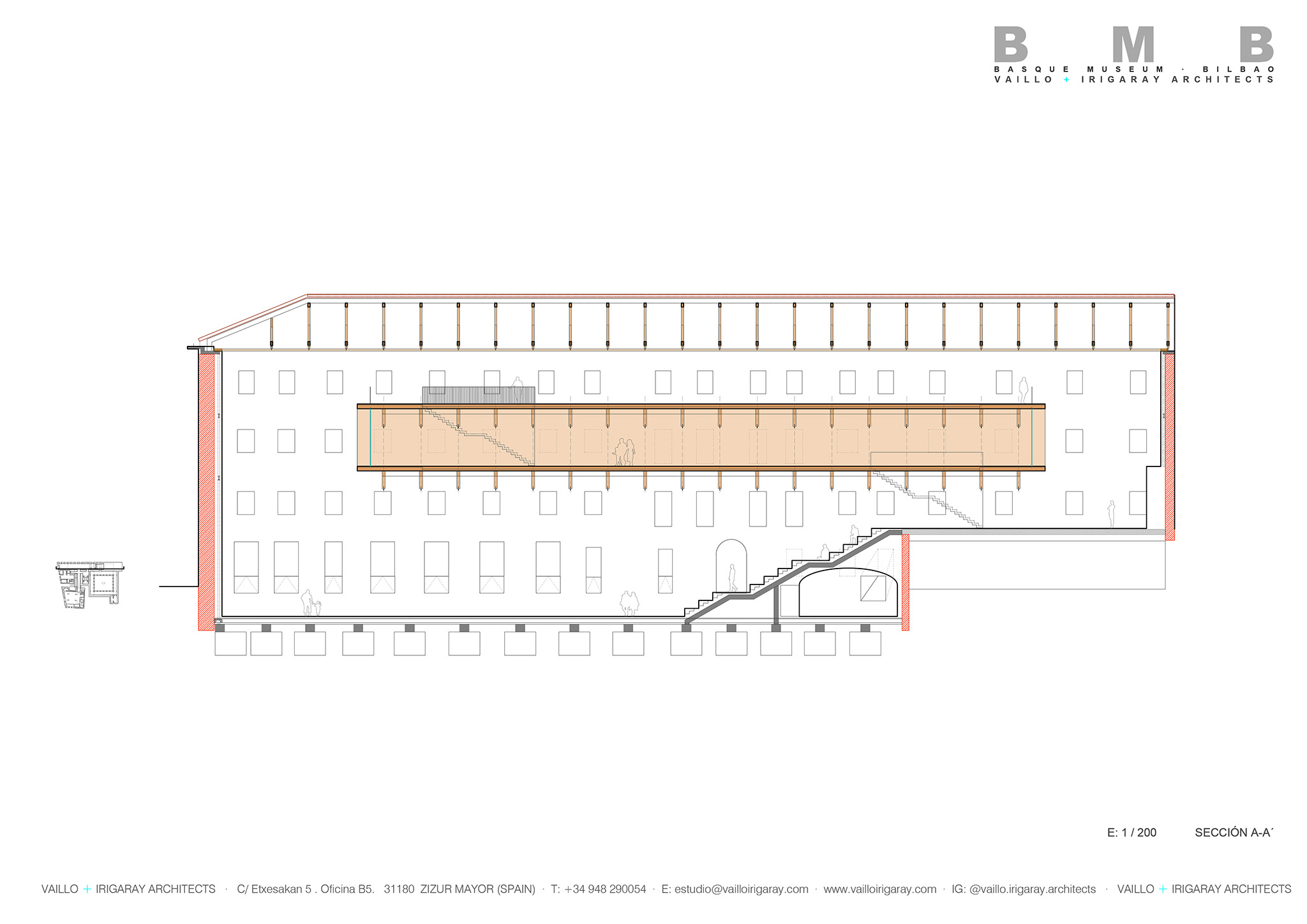
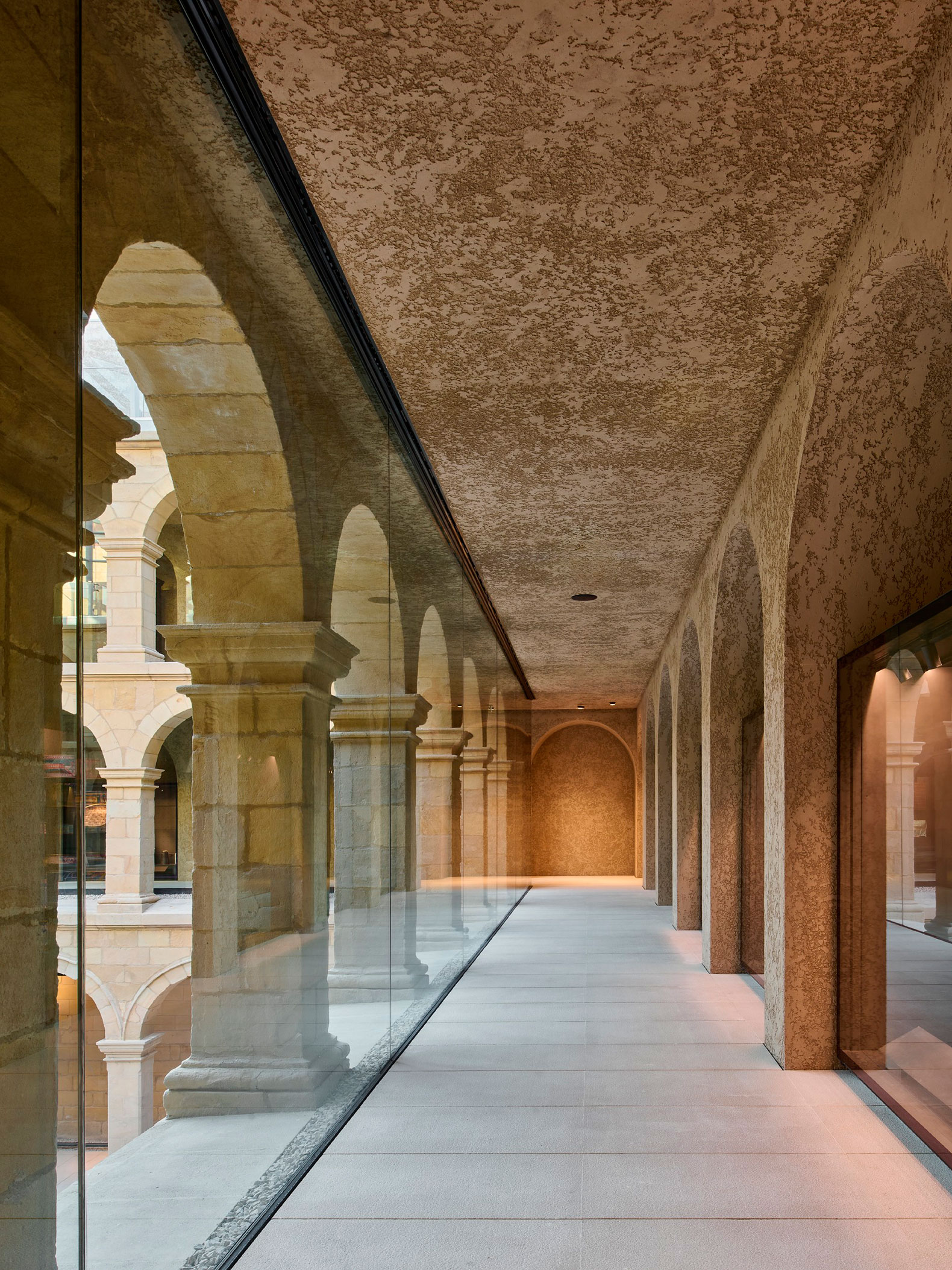
From an architectural perspective, the intervention embraces a restrained and cohesive approach, realised through traditional construction techniques reinterpreted from a contemporary standpoint. The project preserves the identity of the various buildings that make up the complex, respecting their historical evolution while introducing integrating elements that strengthen the relationship between its different parts. This strategy enhances both flexibility of use and the museum’s functional organisation. One of the principal challenges of the intervention has been to restore coherence and unity to a complex that had been profoundly altered by successive interventions carried out over the centuries.
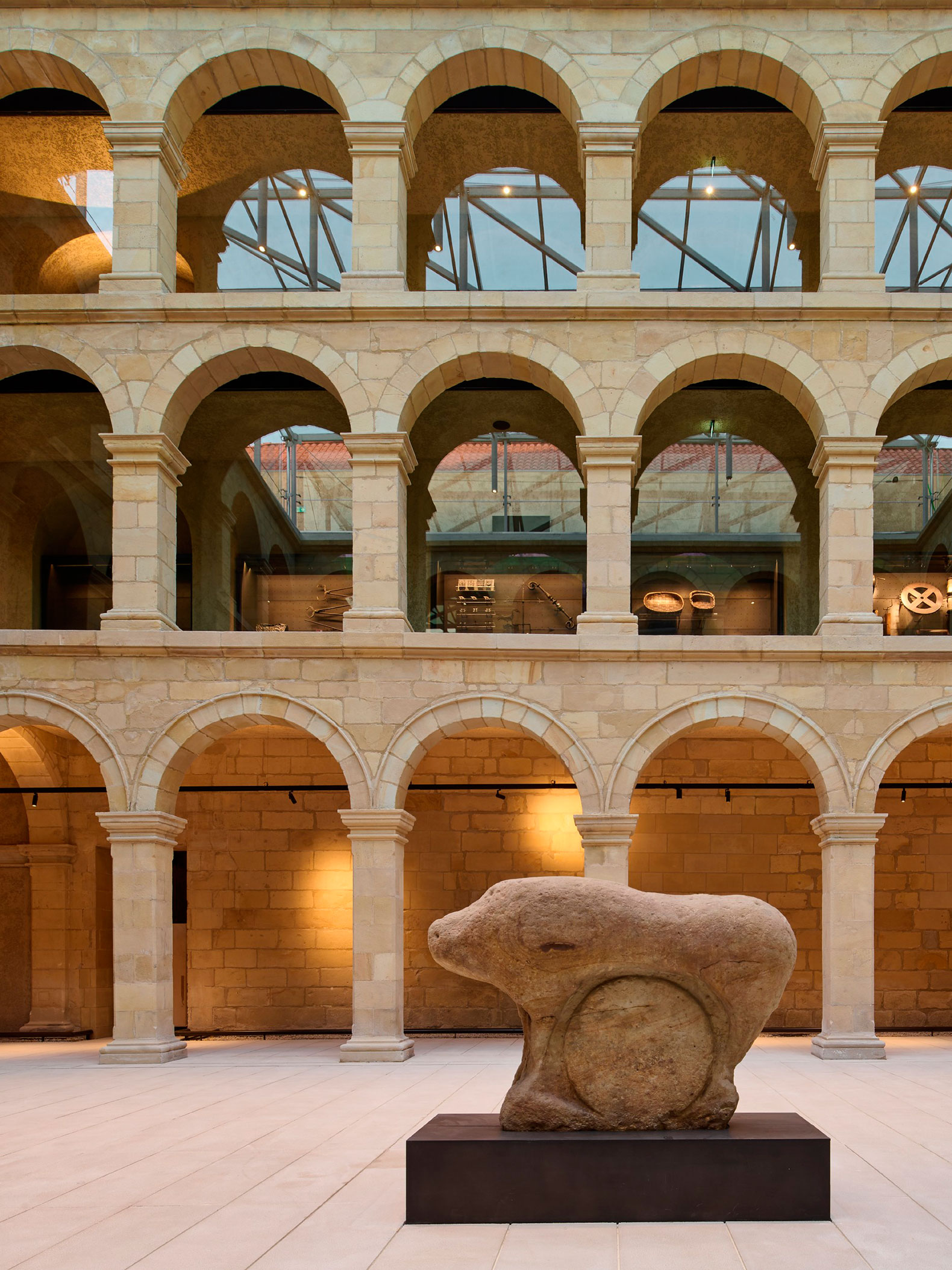
Euskal Museoa Bilbao by Vaillo + Architects. Photography by Iñaki Bergera.
Project description by Vaillo + Architects
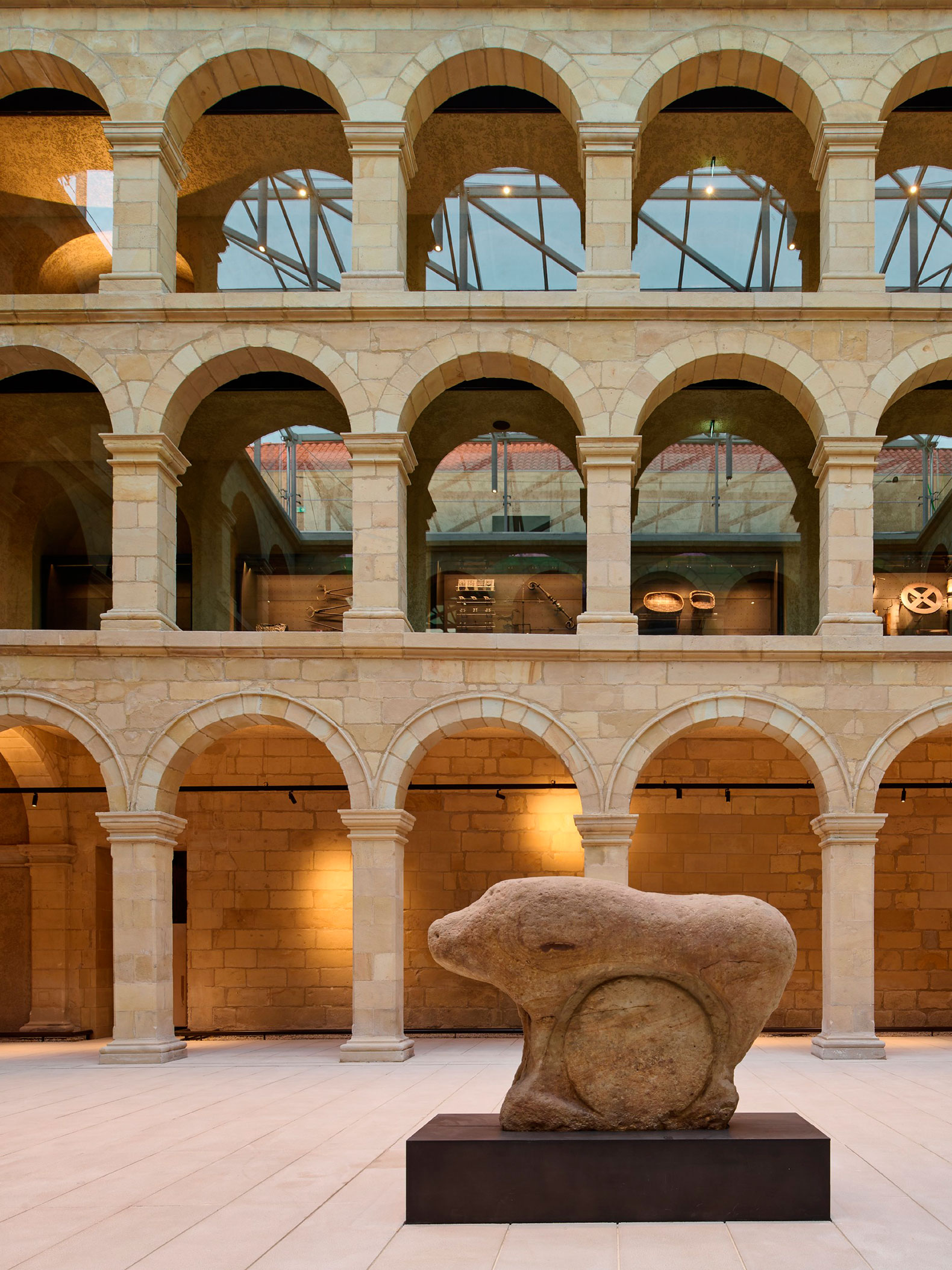
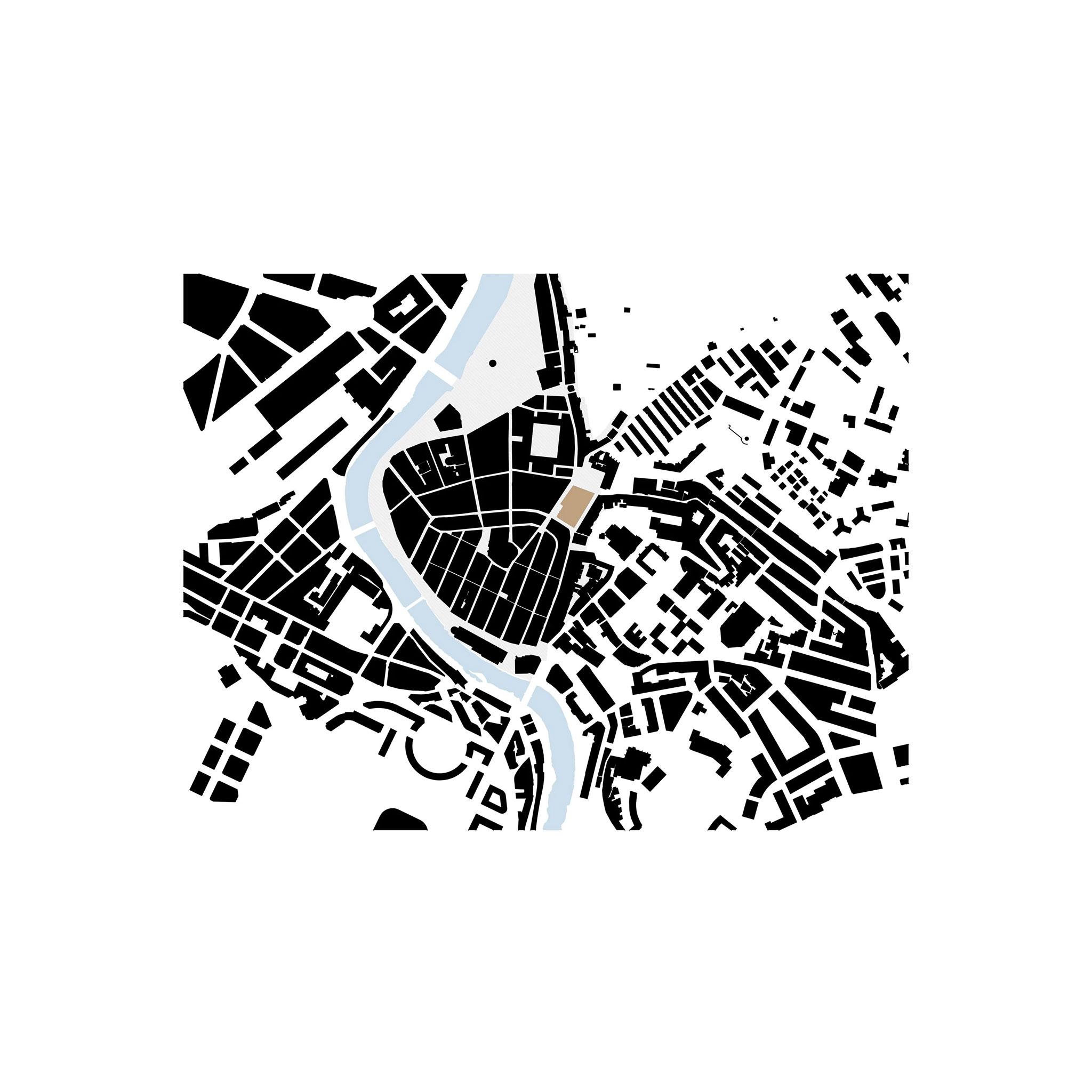
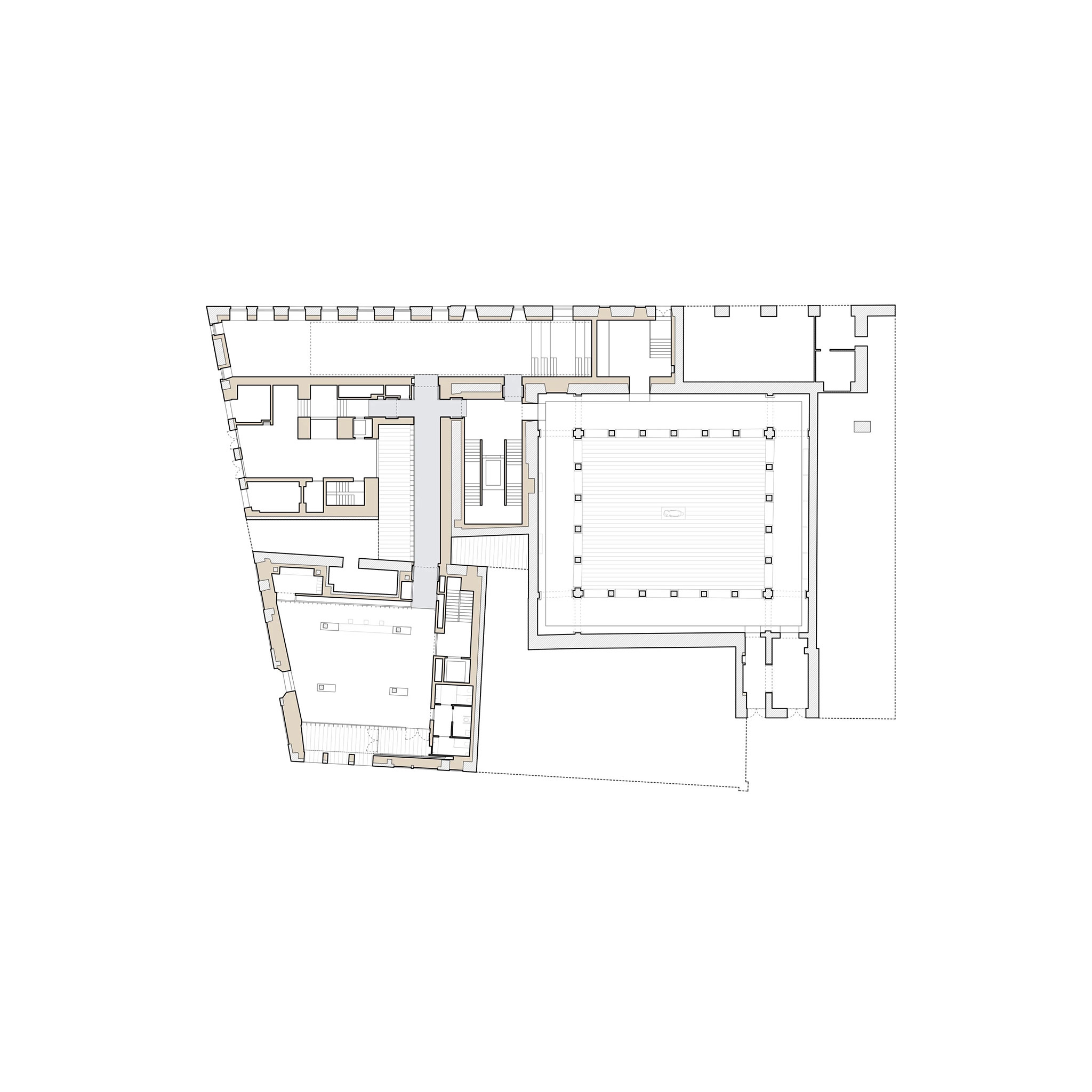
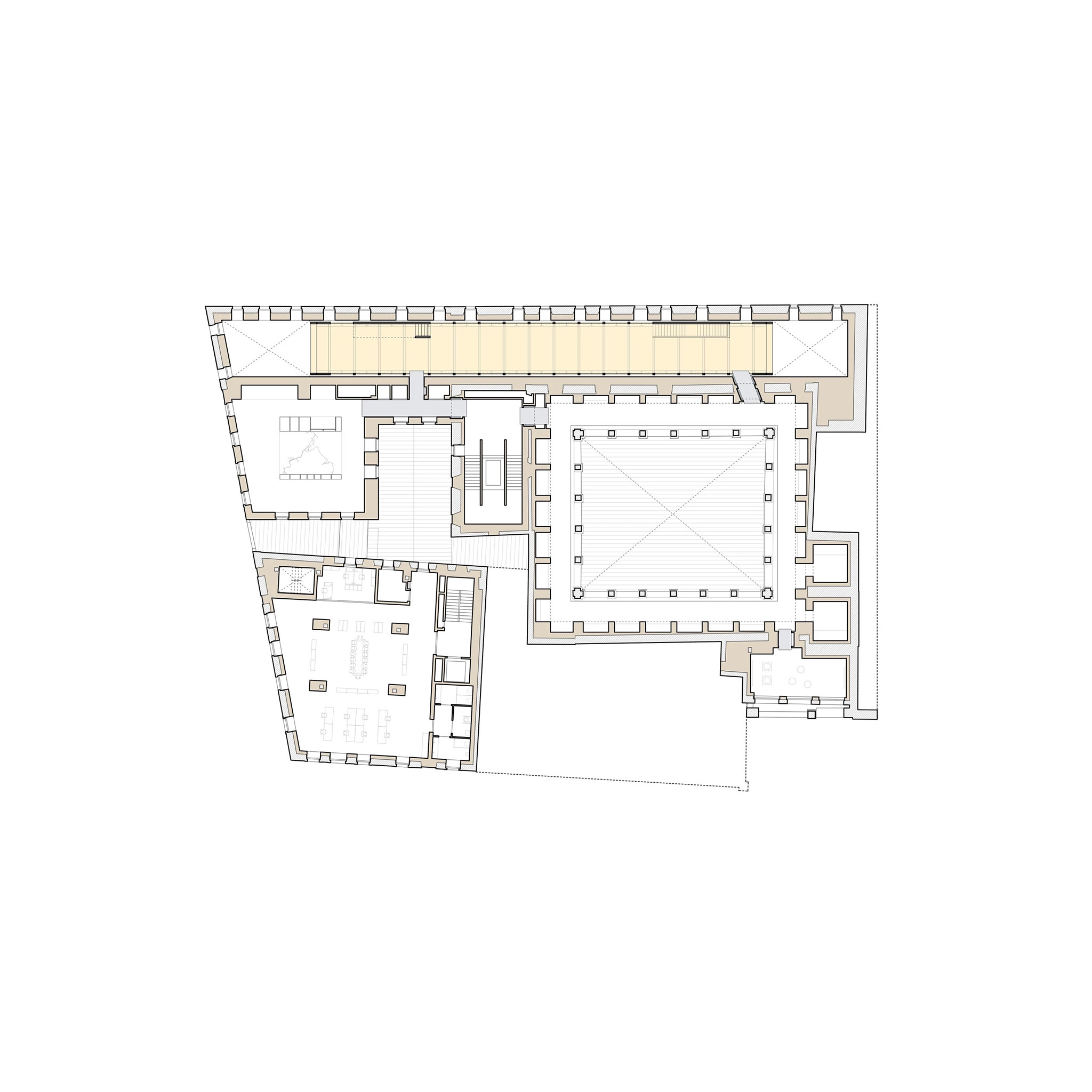
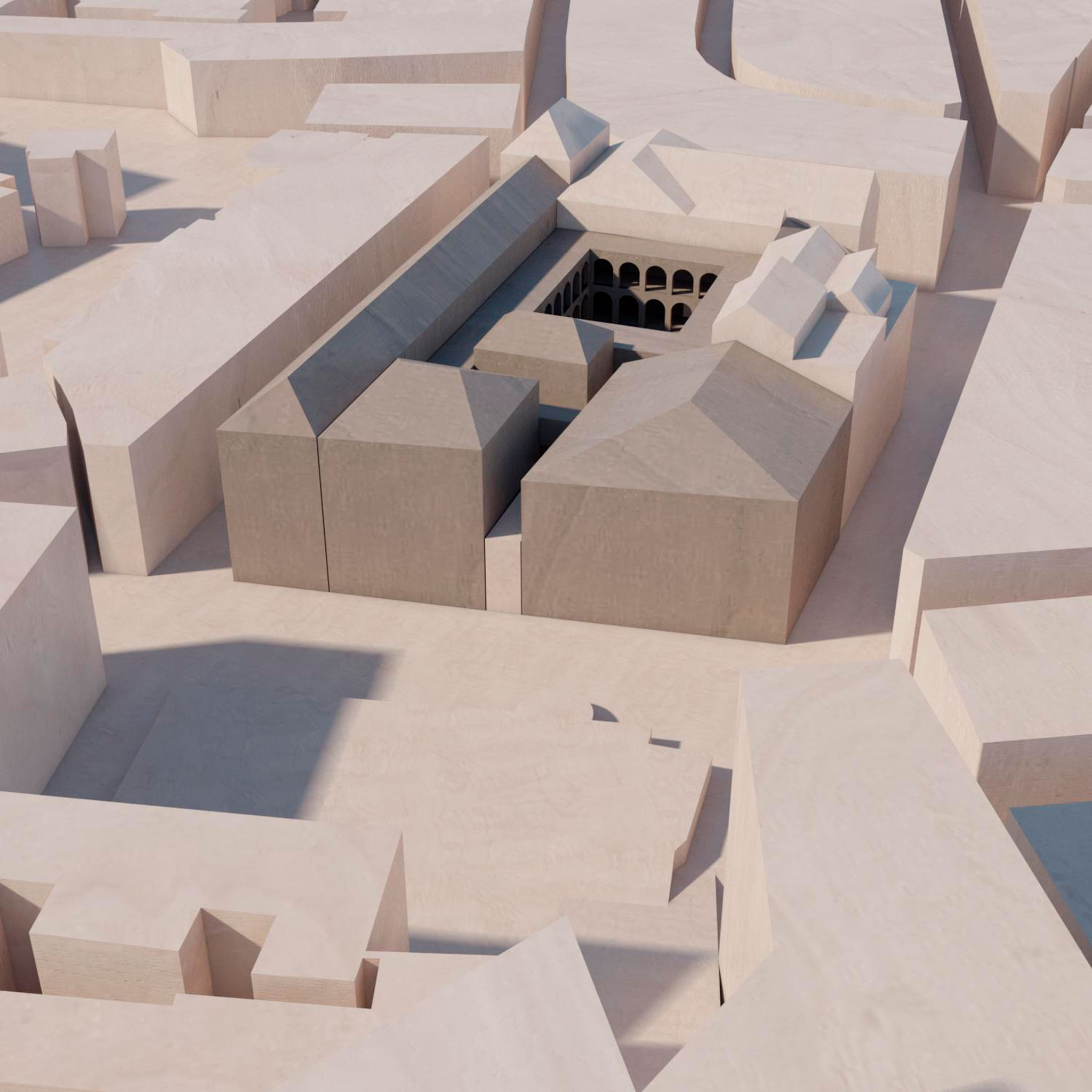
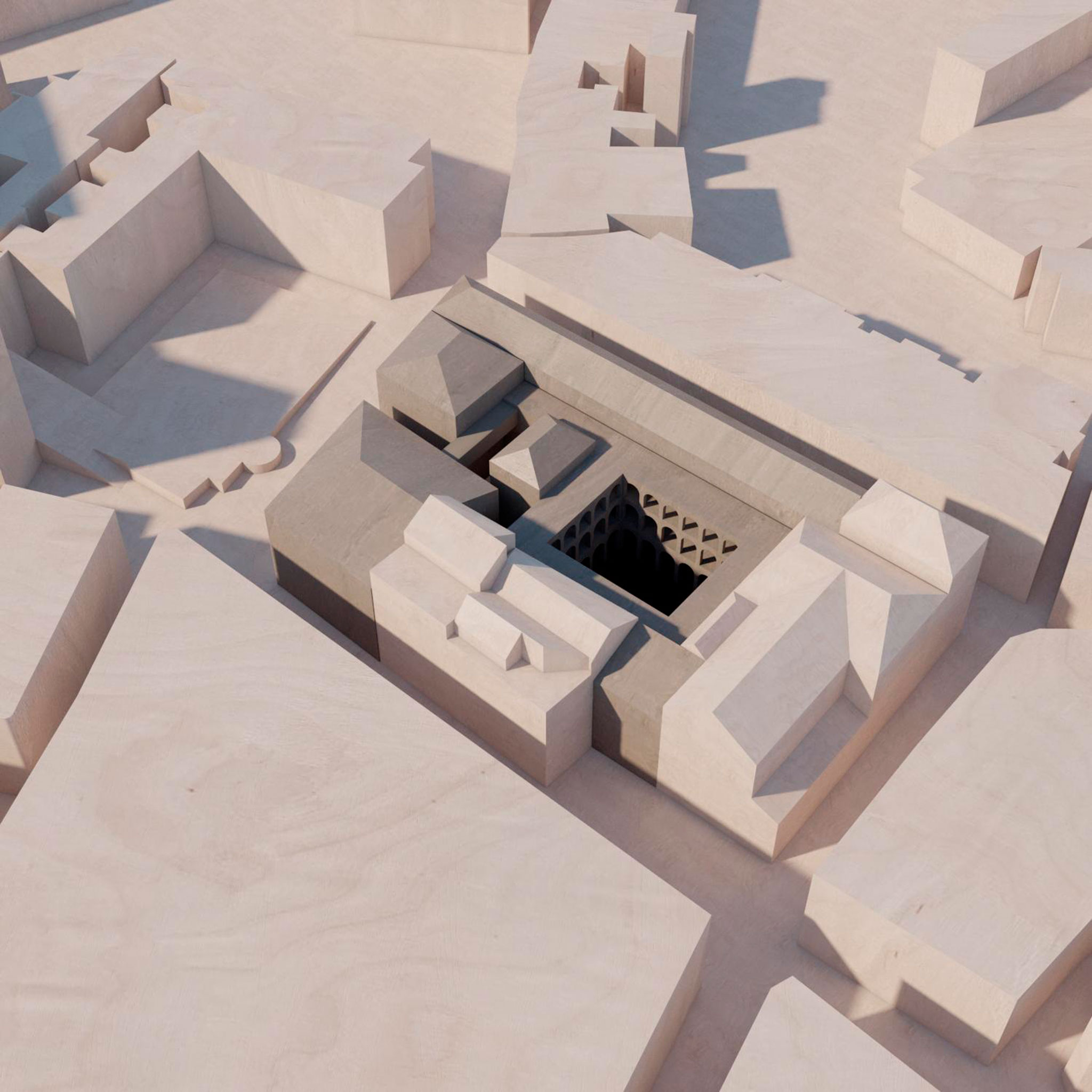
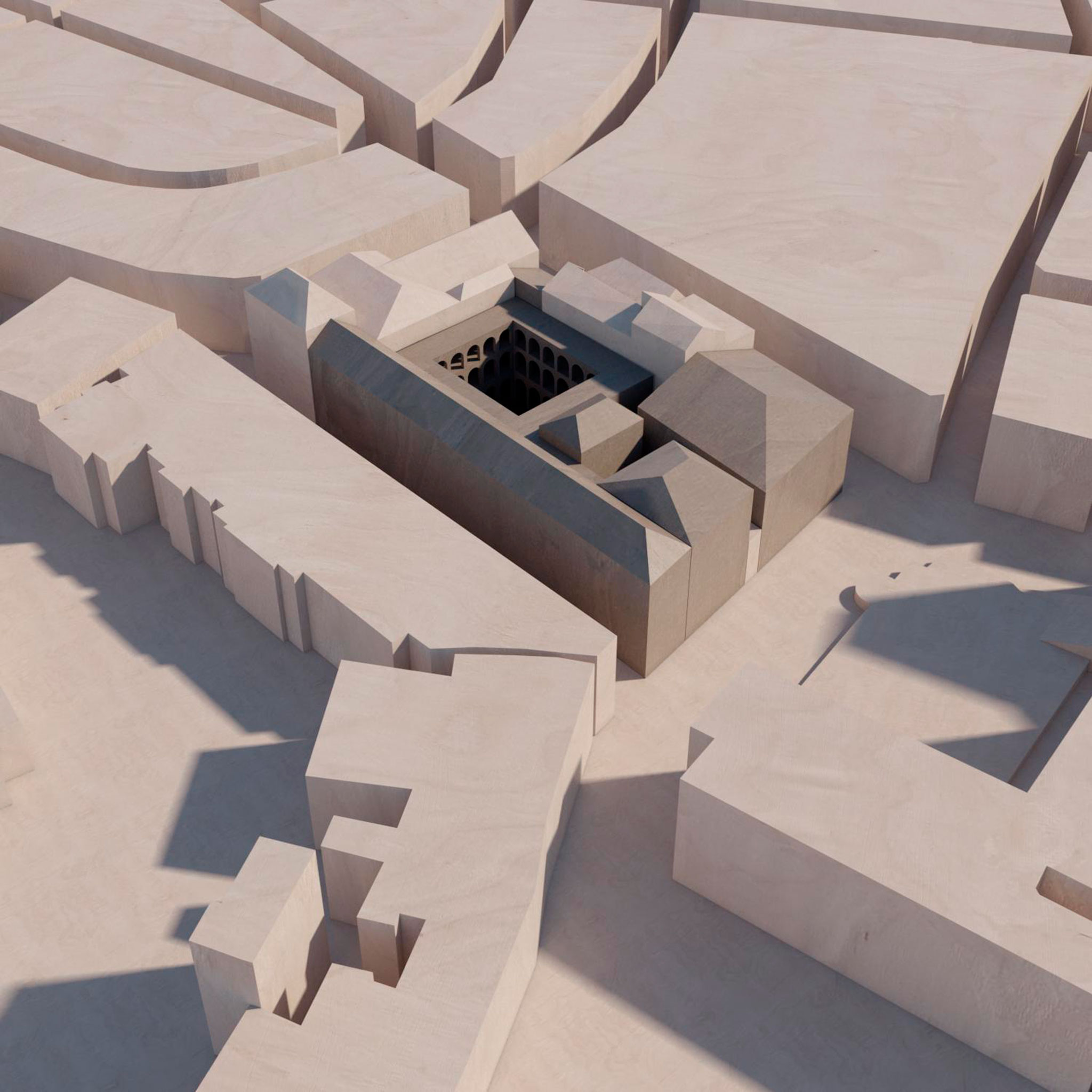
Intervention on the site of the first Jesuit college in the 17th century, comprising several buildings covering more than 8,000 m² that form a city block located in the heart of Bilbao's historic center.
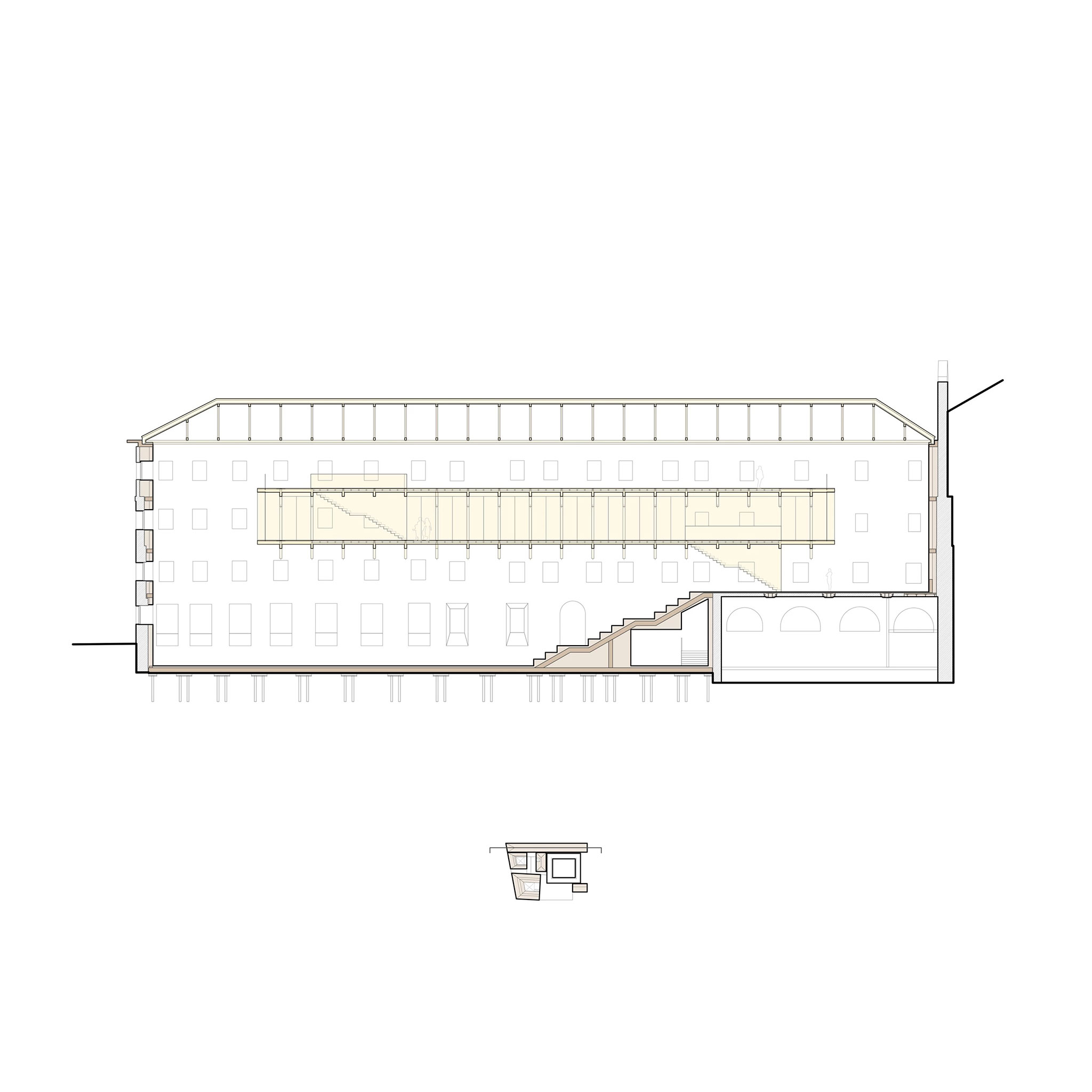
The proposal aims to recover the original structure of the first historic building. To achieve this, the project proposes a synthesis between the origins of the historical complex—Roman classicism imported by the Jesuits in the 17th century—and materials from the Basque cultural tradition linked to the site, such as stone, wood, and steel.
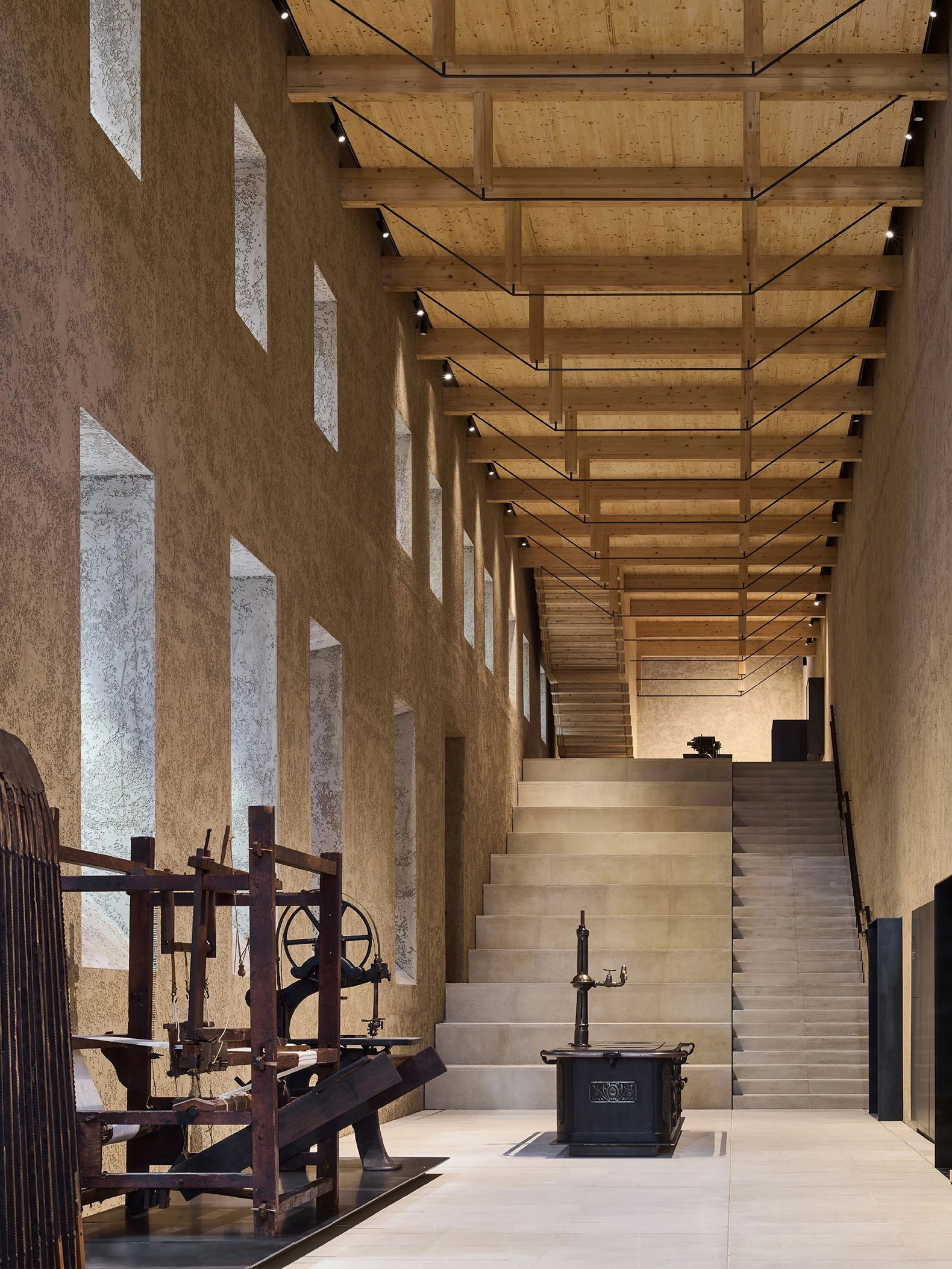
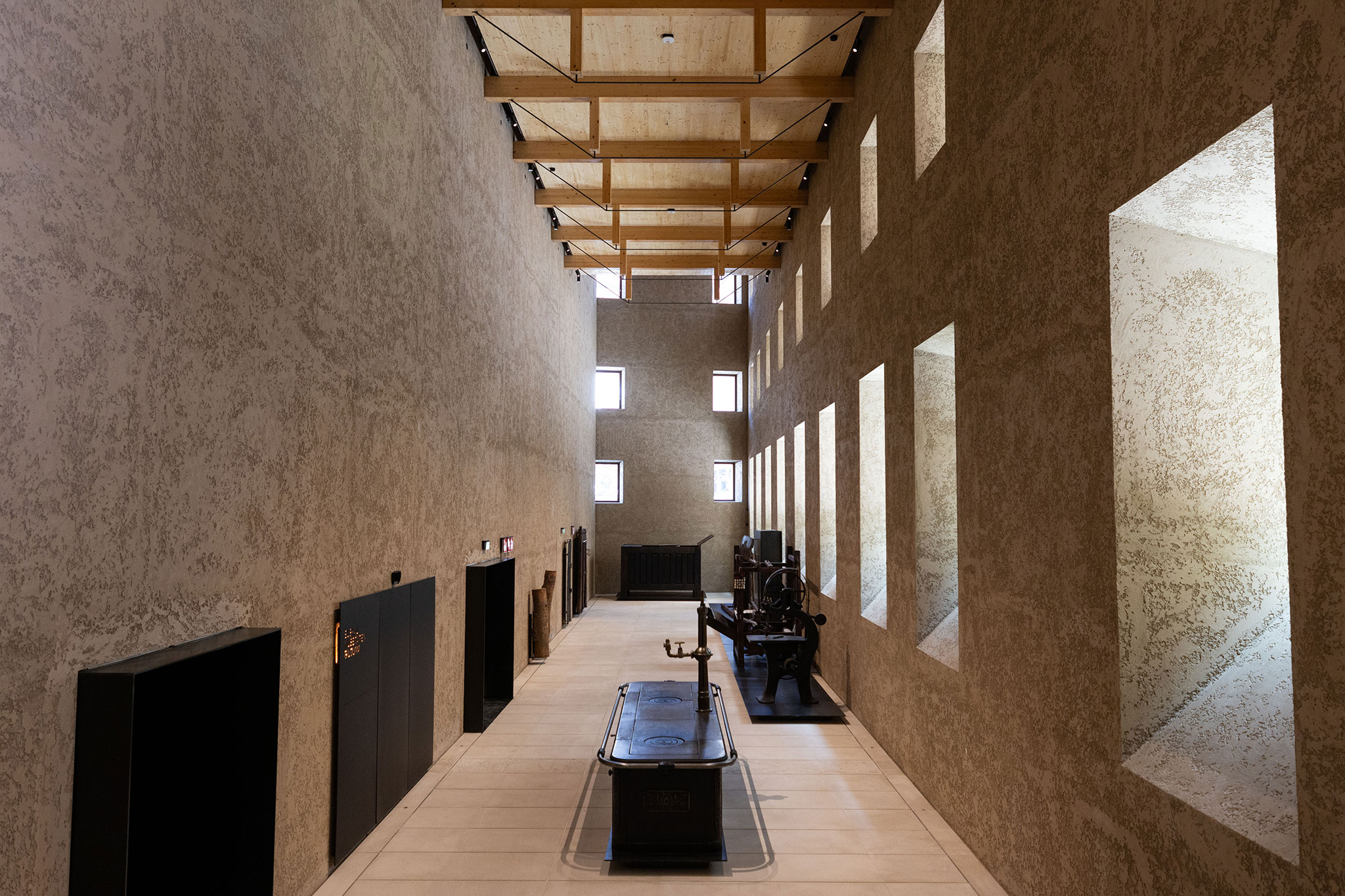
The proposed complex features a unified and austere architecture achieved through traditional construction systems designed from a contemporary perspective. The image of the distinct buildings is preserved, given its adherence to historical continuity, but integrating elements are introduced to foster maximum internal interrelation, aiming for appropriate flexibility and functional logic. The construction challenge has been to restore unity to the complex within an amalgamation of buildings significantly altered by numerous interventions over the centuries.
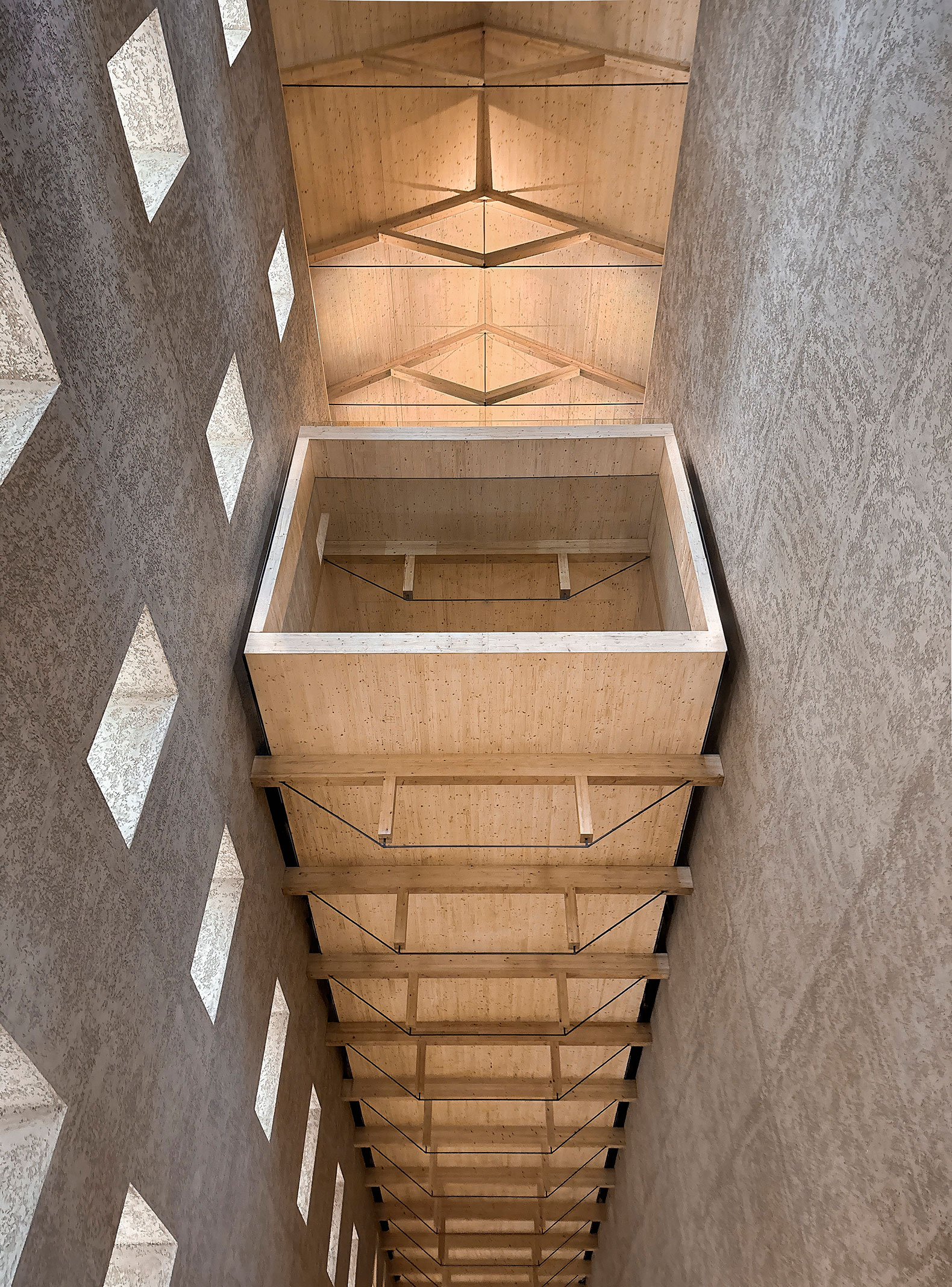
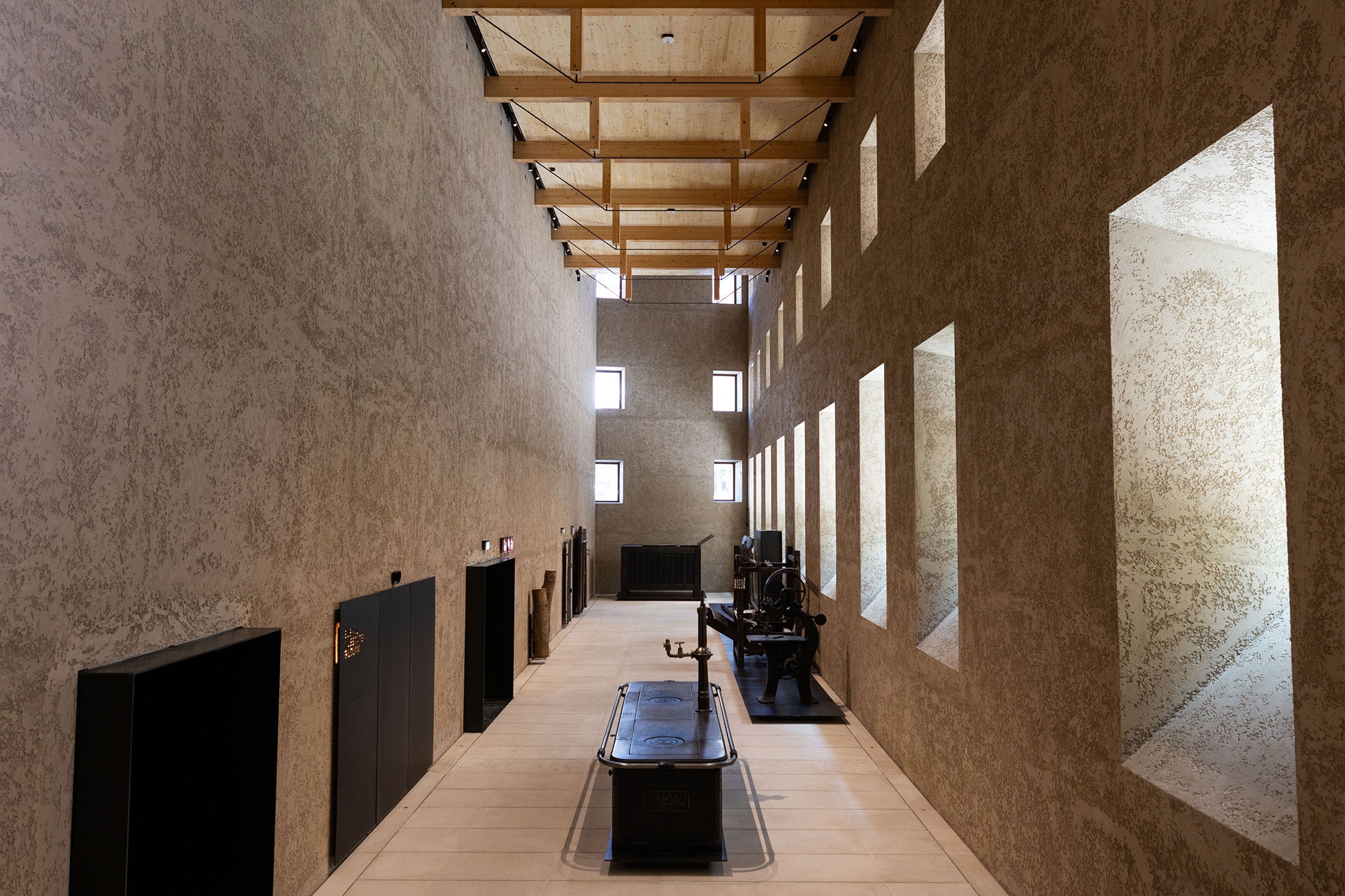
The museum's design strategy is based on the correspondence between form and content. The introduction of a wooden structure resembling a hollow log and the restructuring of the roof with large wooden trusses evoke both the construction of farmhouse roofs and the building of ships.