The 9 winning projects of the 2026 ARQUITECTURA Awards have been announced from among 25 finalist entries.

The winning projects were selected by a jury composed of architects of recognized prestige from among the 25 finalist entries. These finalists had previously been chosen, in an initial phase, from 209 selected projects by the Selection Committees established within the Official Associations of Architects and the Regional Councils of Architects across their respective territories, from a total of 534 submissions received.

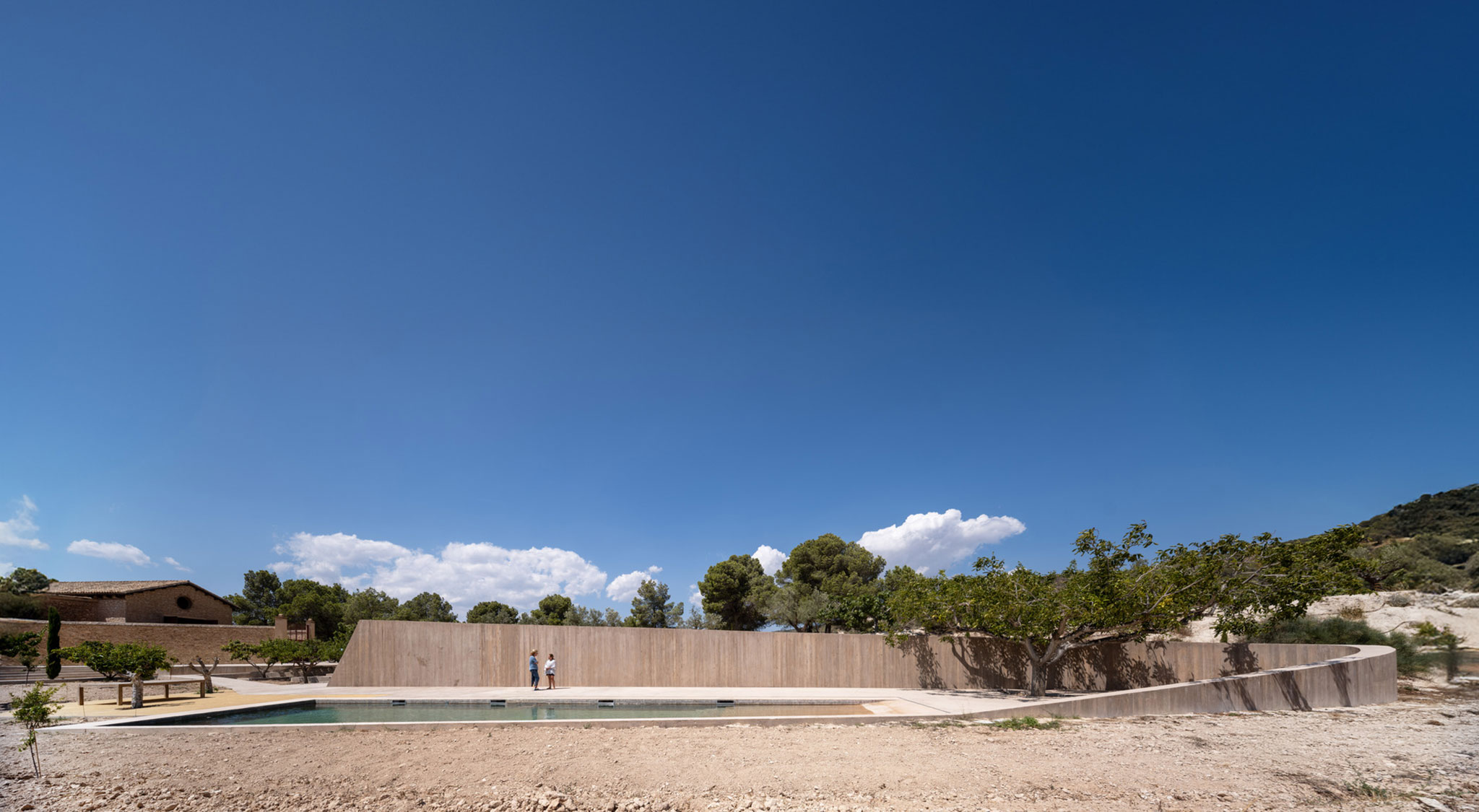
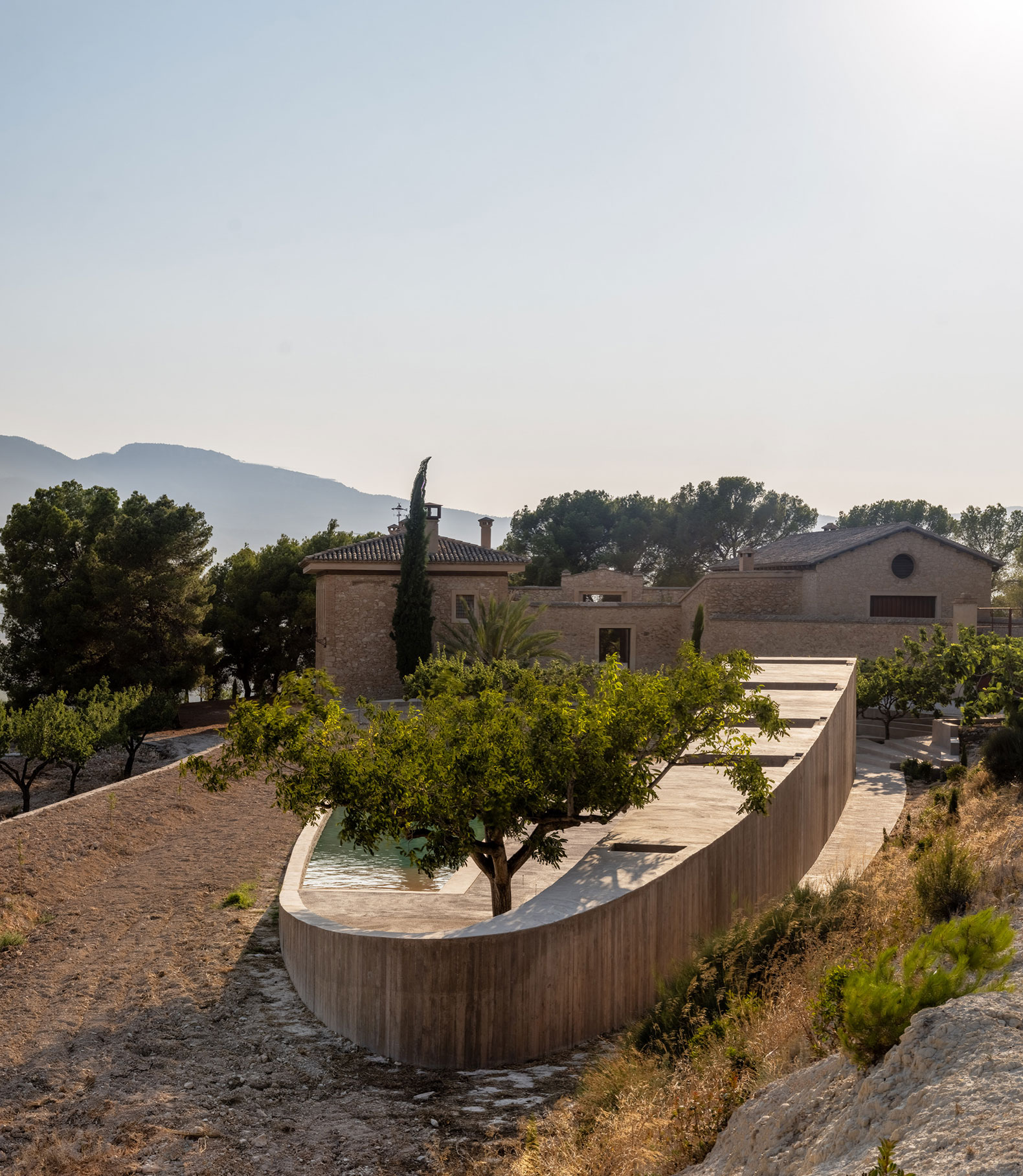
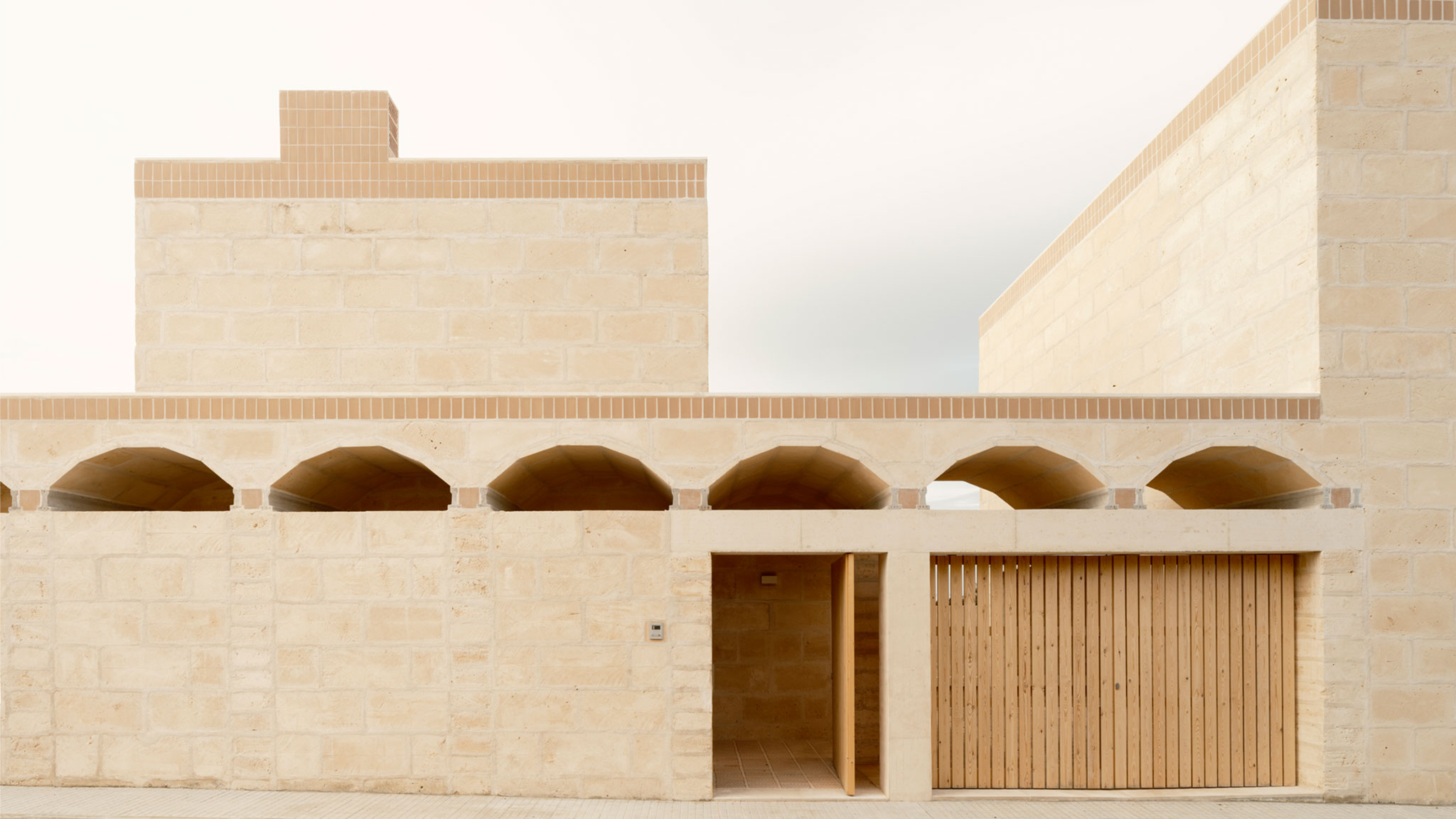
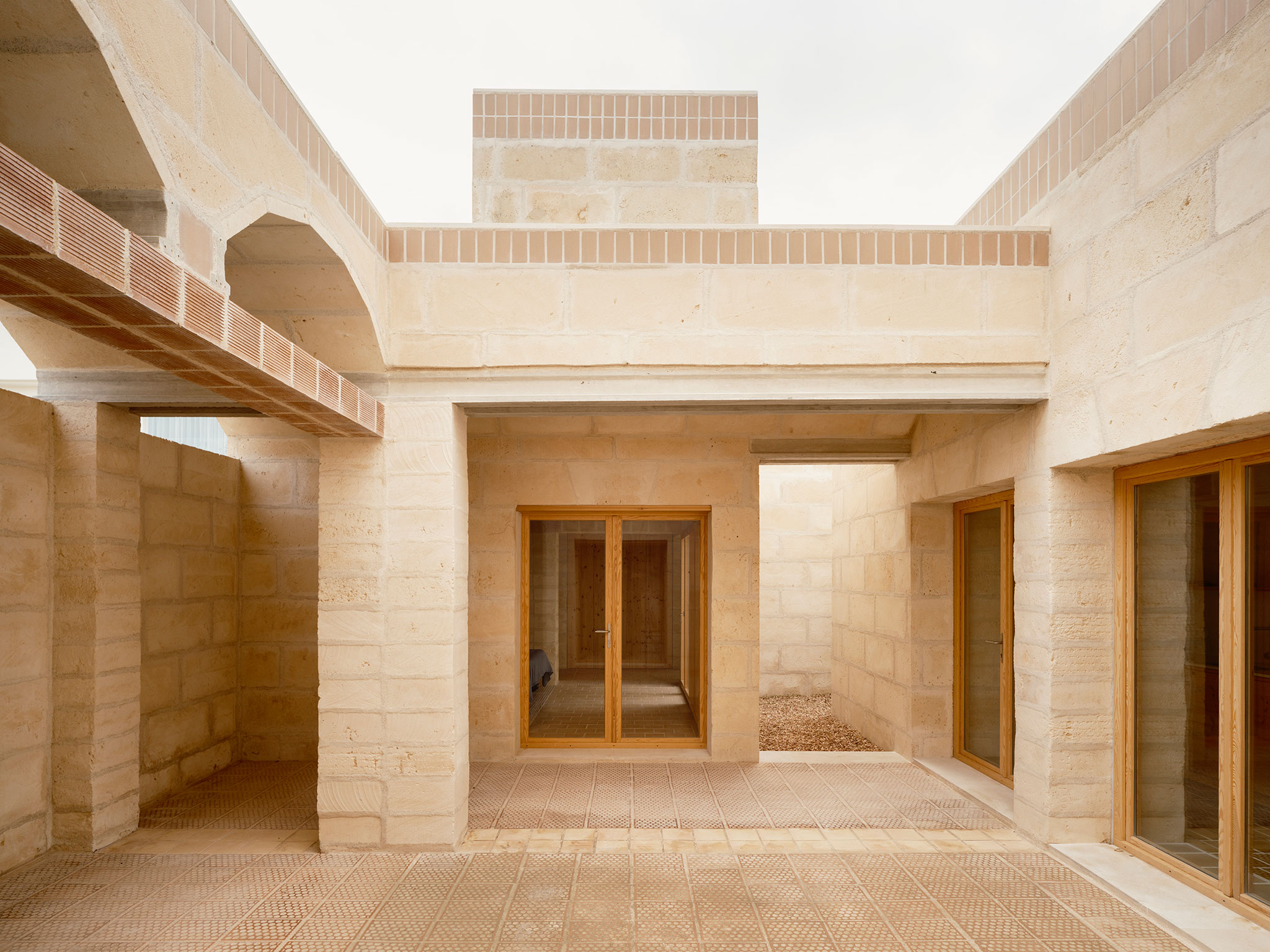
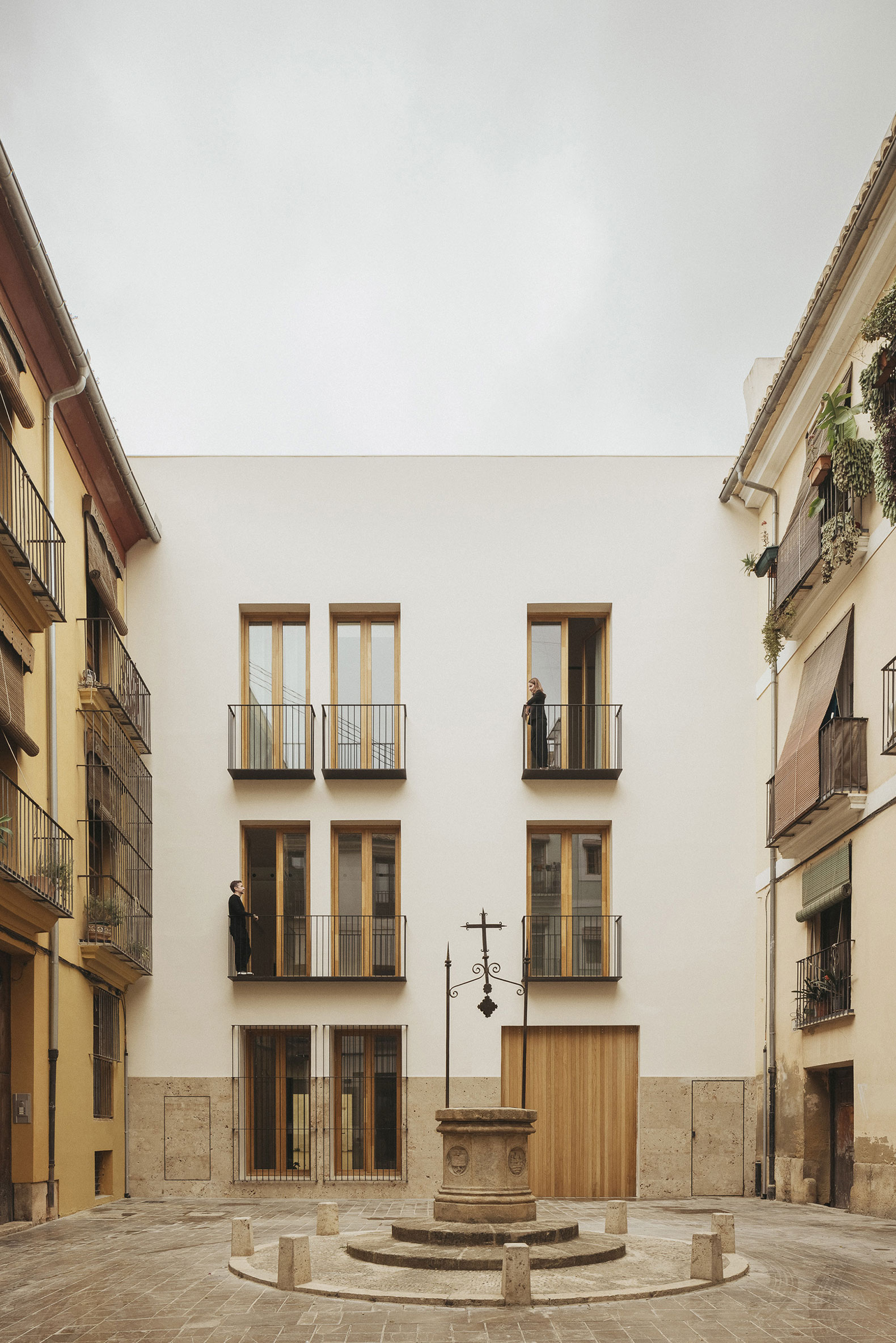
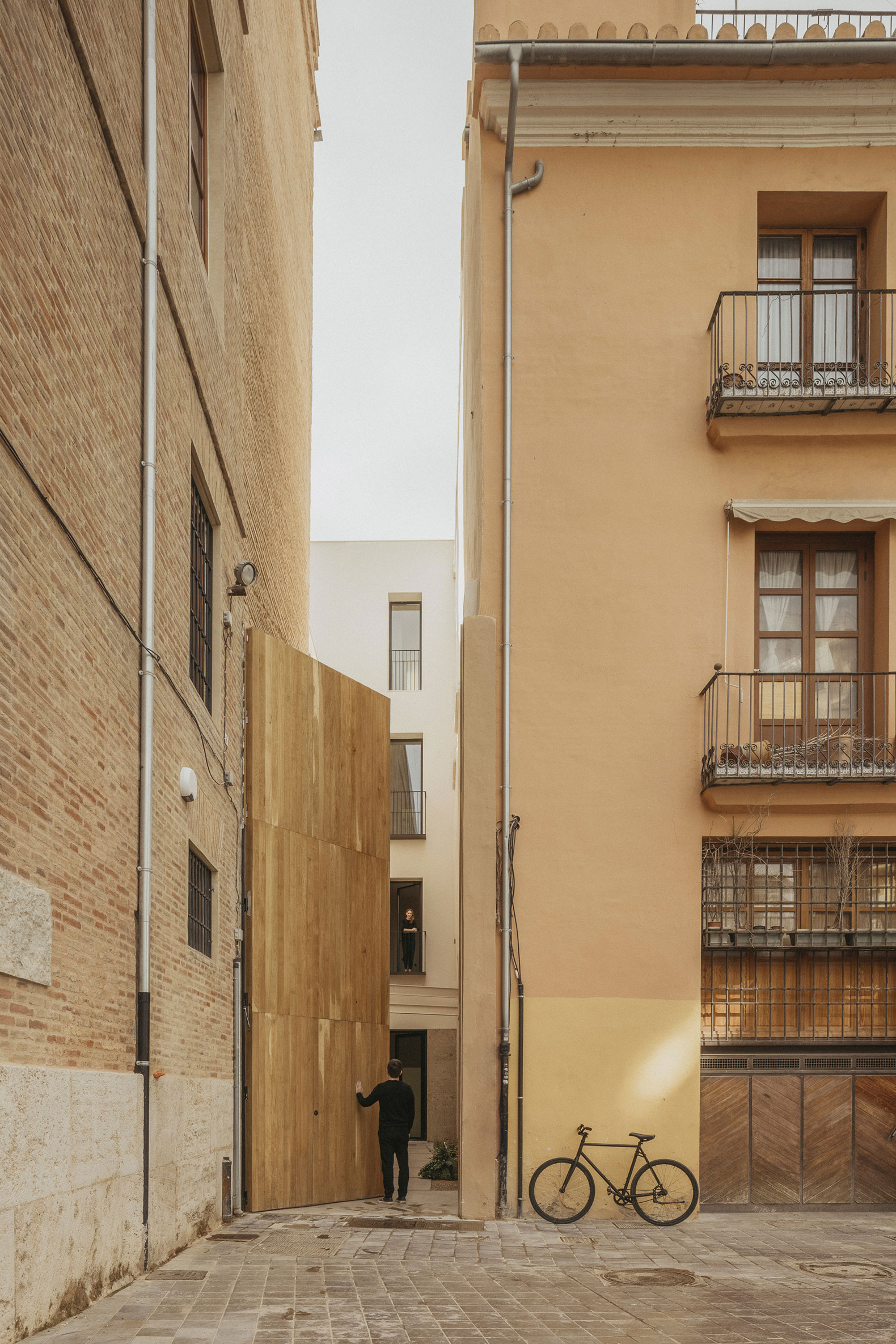
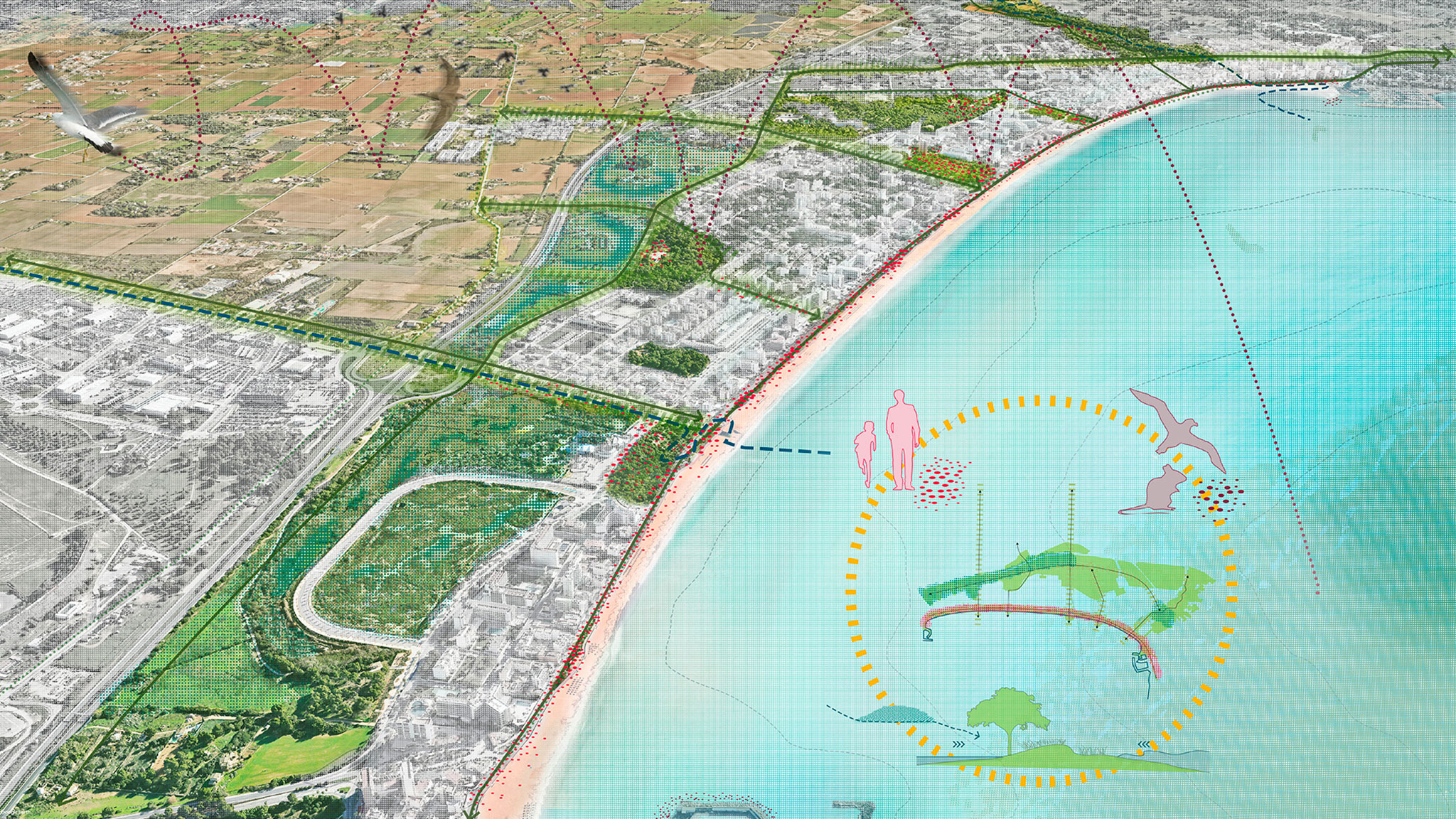
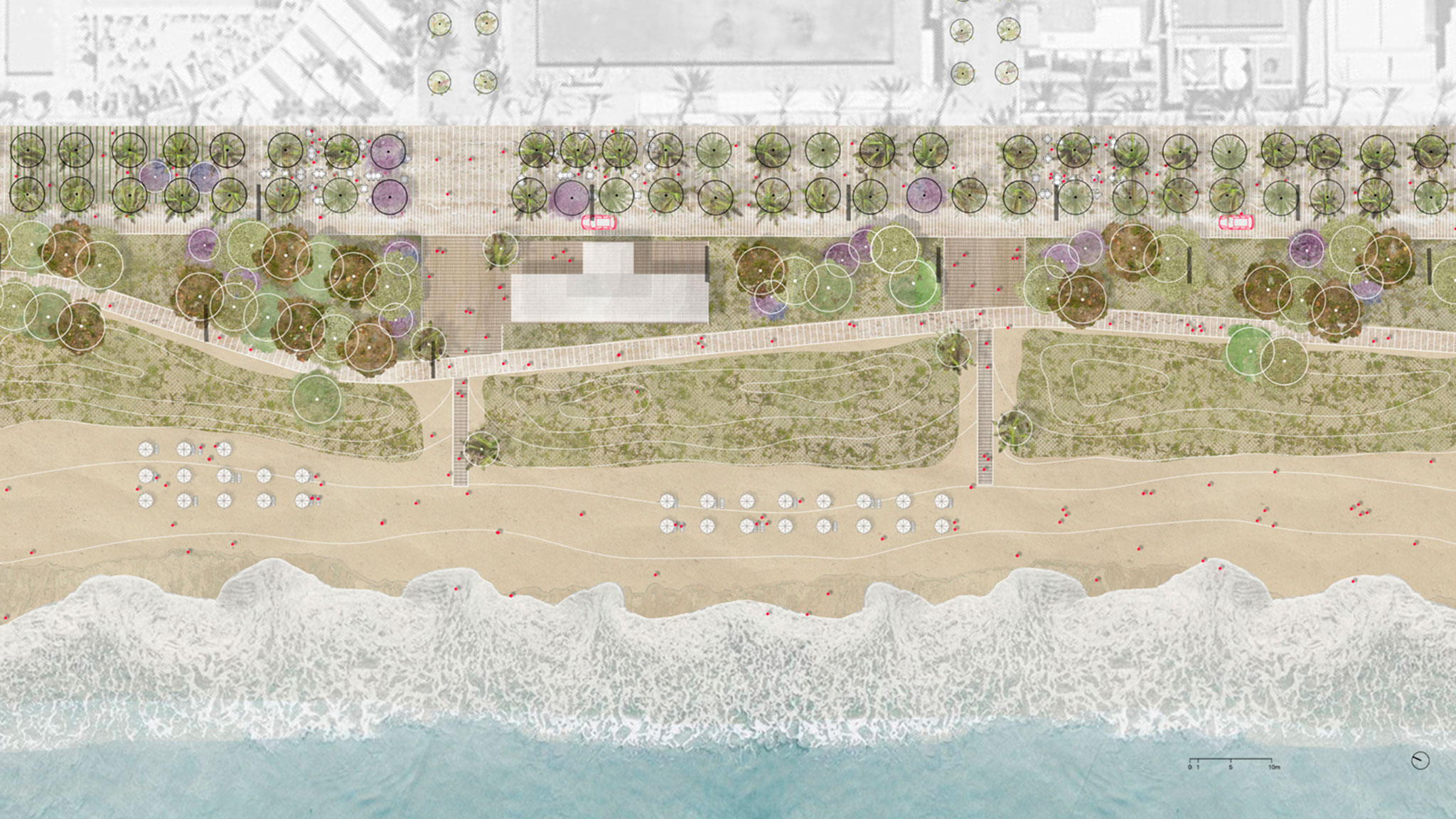
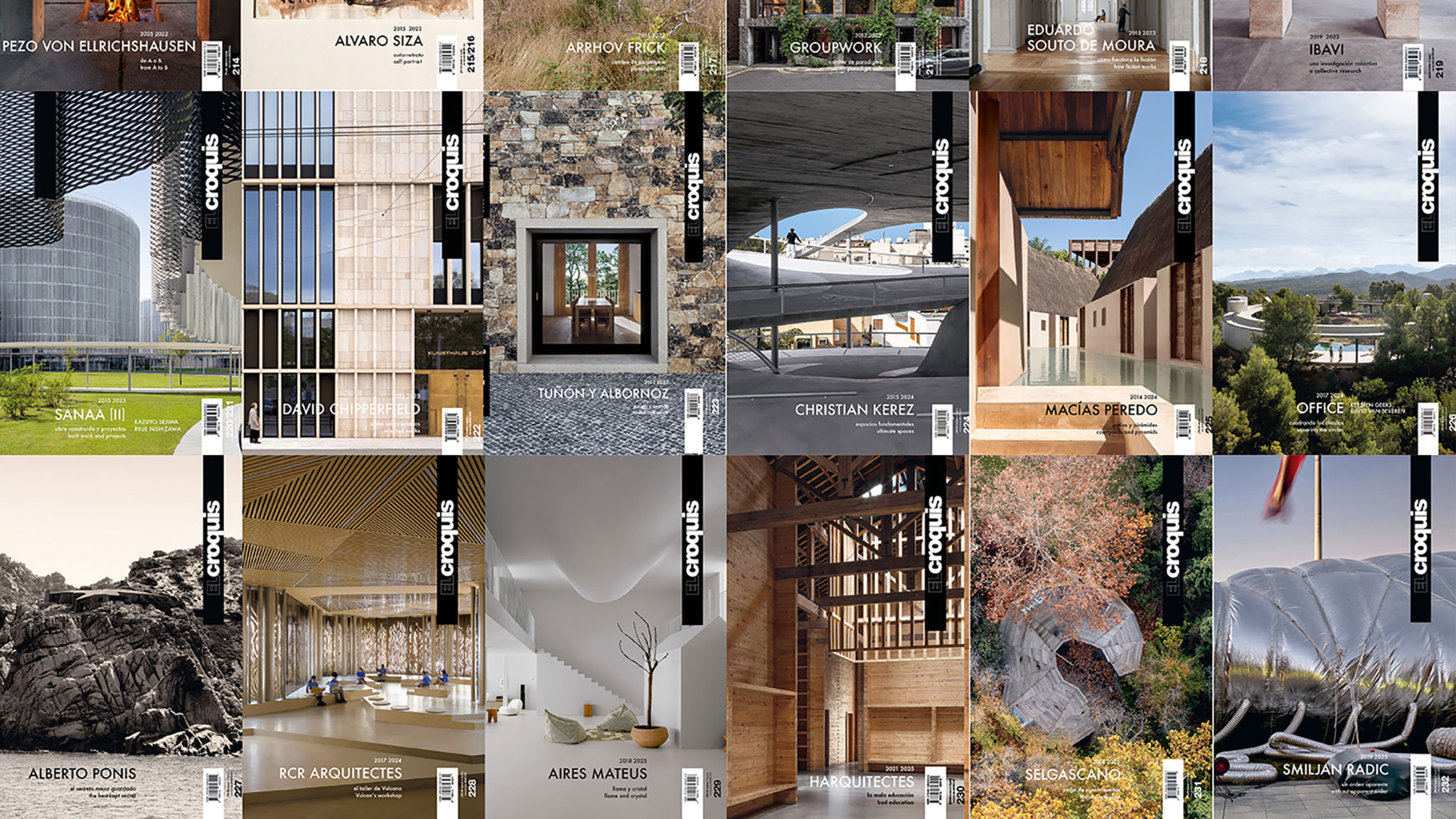
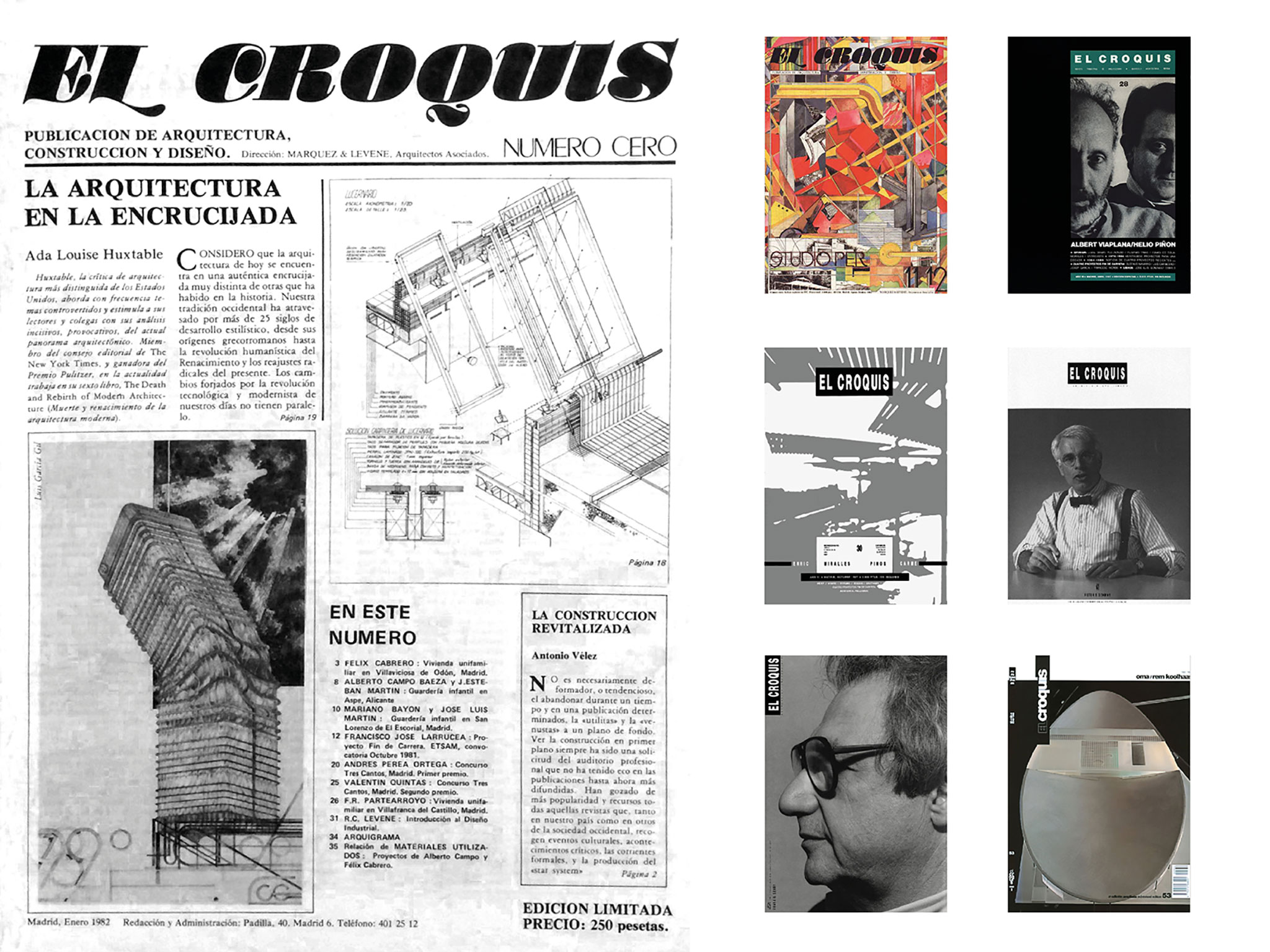
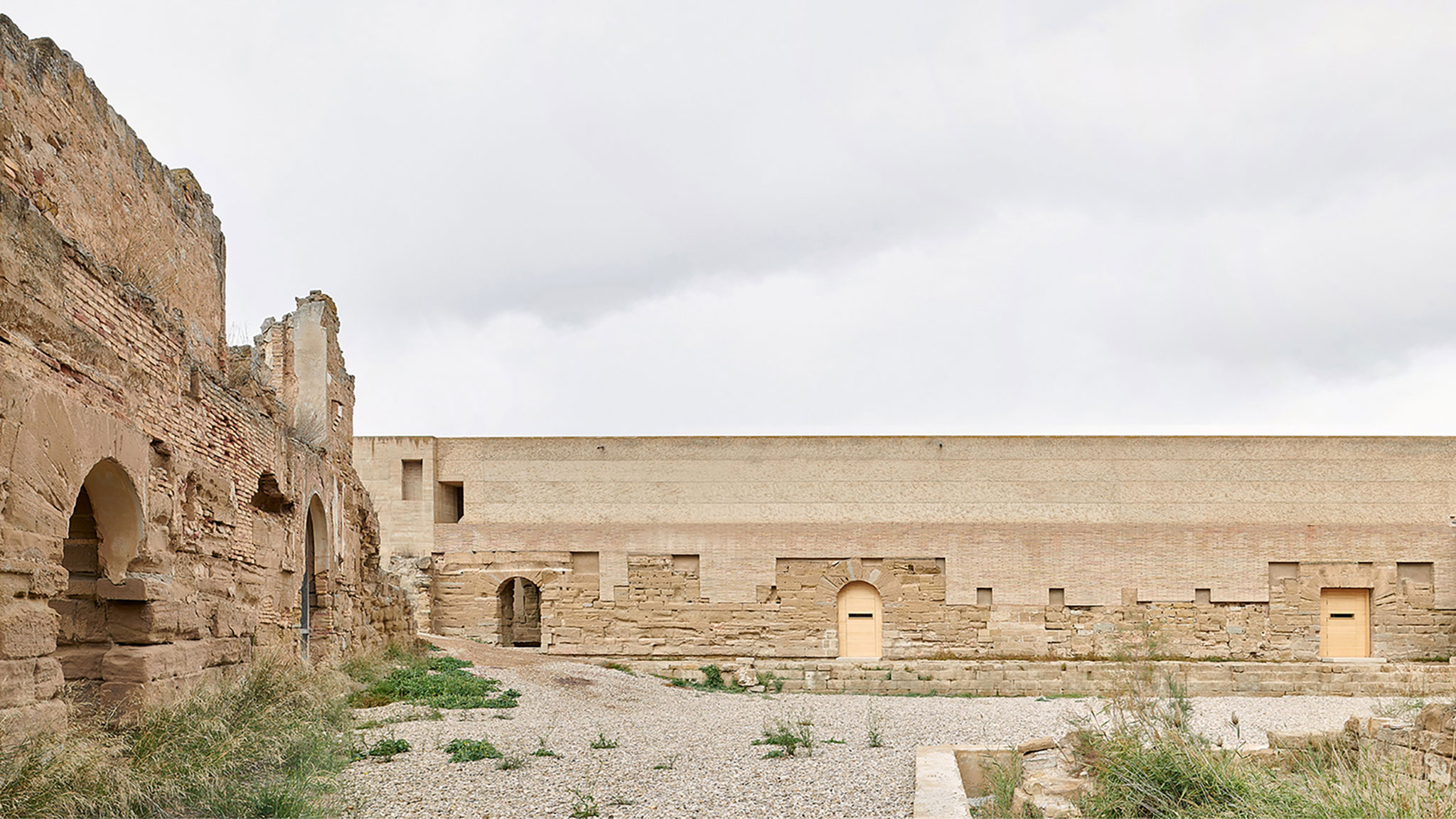
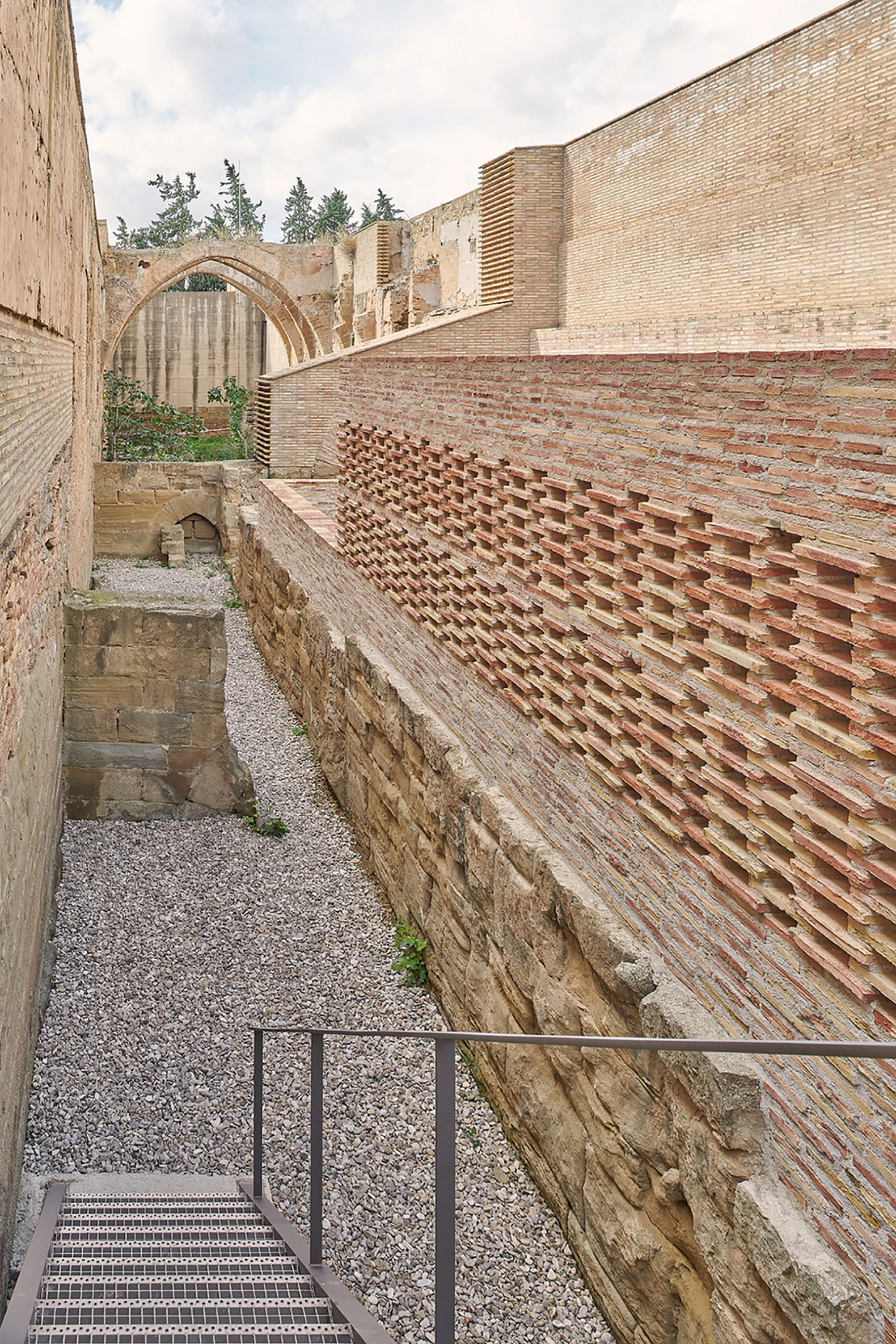
The 6 Values Awards were presented to: the Viciana residential building in Valencia, by José Fernández-Llebrez Muñoz; the Strategic Regeneration Plan for Playa de Palma, developed by Victoria Fiol Duran – LANDLAB, laboratorio de paisajes (Miriam García García and Jordi Miró Rábago); the interventions at the Royal Monastery of Santa María de Sijena in Villanueva de Sijena (Huesca), carried out by the practices Pemán y Franco Arquitectos and Sebastián Arquitectos; the magazine El Croquis, by Fernando Márquez, Richard Levene and Jacobo Márquez; the Services Pavilion and Pool in Tibi (Alicante), by noname29-Alfredo Payá; and a house located in Colònia de Sant Pere (Mallorca), by the practice TEd'A arquitectes.

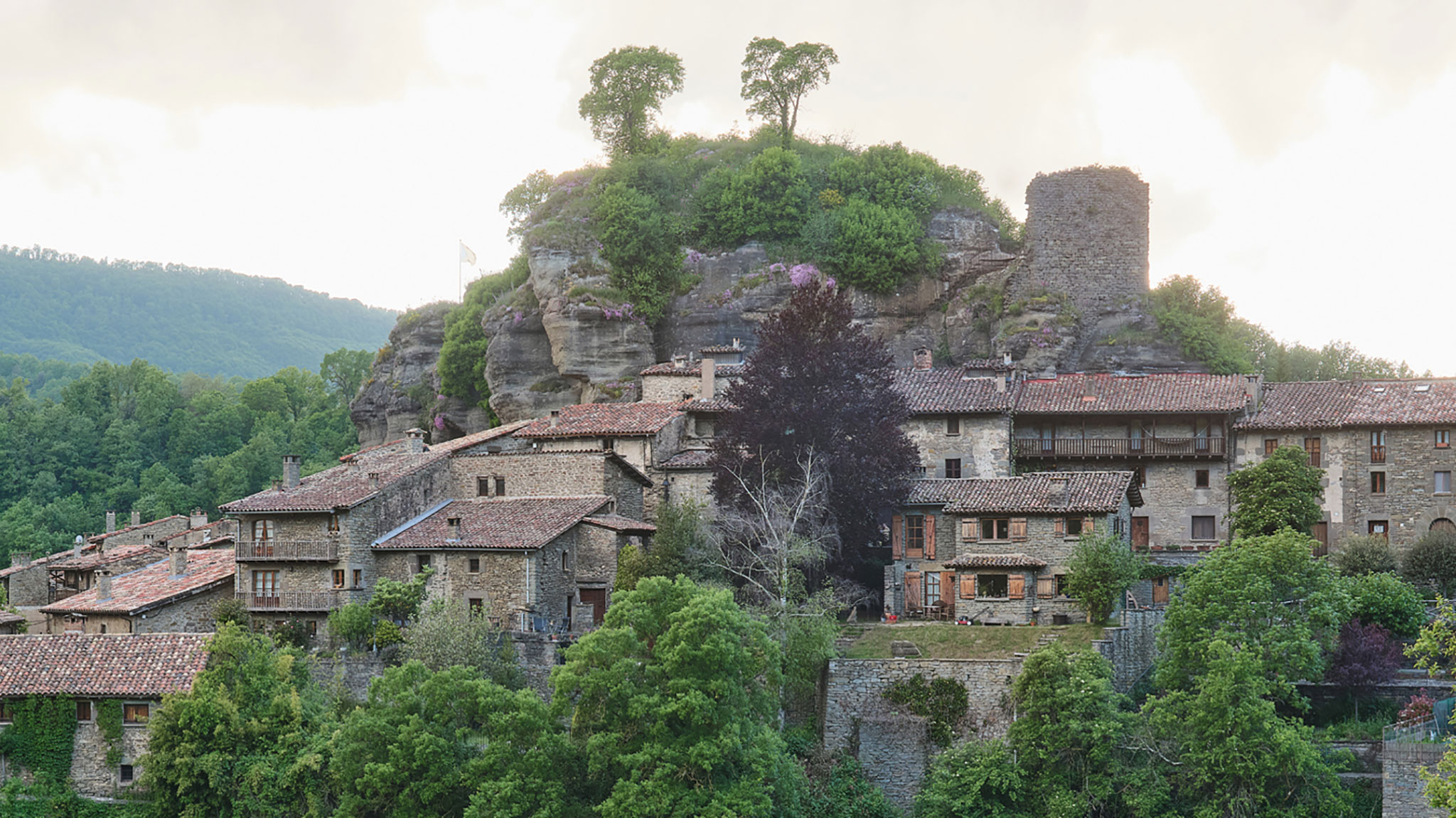
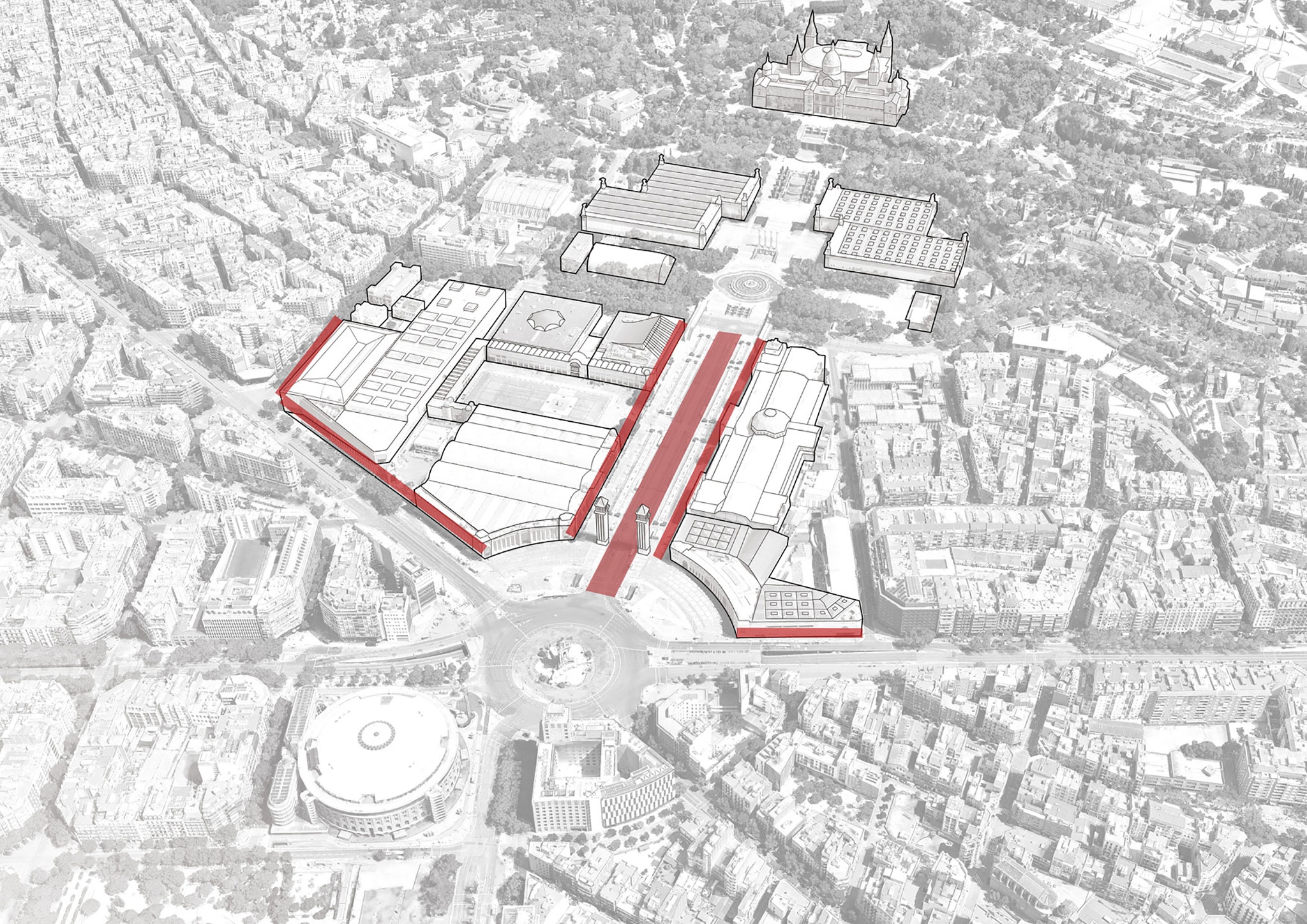
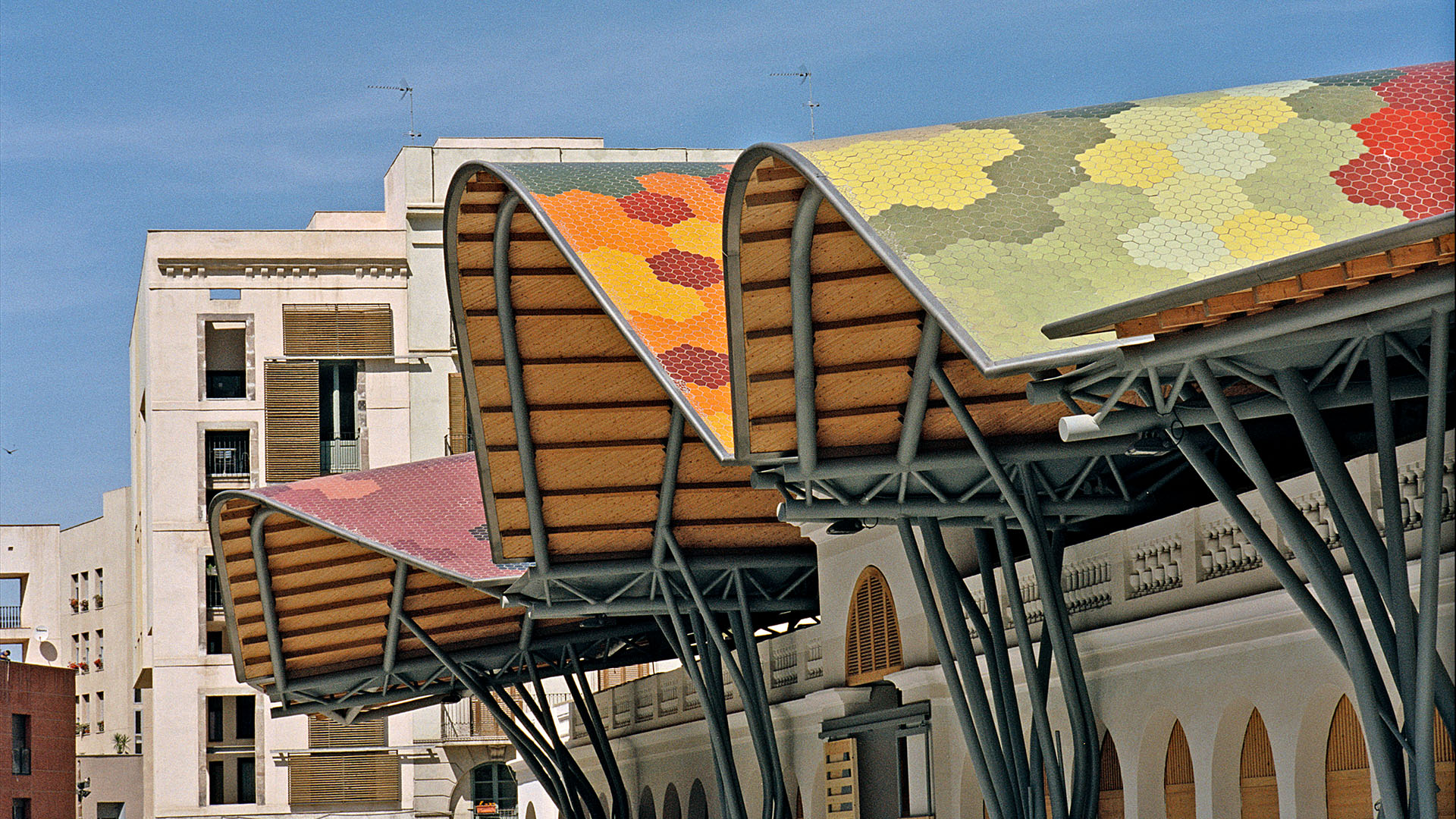
The three Special Distinctions are: the Spanish Architecture Award, which was presented to Can Saltiri (the restoration of access to Rupit Castle), in Barcelona, by Carles Enrich Studio; the Spanish Urban Planning Award, granted to the Special Urban Development and Urban Improvement Plan for the Residential Fabric of the Fira de Barcelona and La Modelo area, prepared by the Urban Planning Department of Barcelona City Council and Barcelona Regional; and, finally, the Enduring Architecture Award, presented to the Restoration of the Santa Caterina Market in Barcelona, by Miralles Tagliabue – EMBT, completed 20 years ago.

The awards are accompanied by the Gold Medal of Architecture to the architect José Ignacio Linazasoro and the Lluís Comerón Graupera Architect Award, to the human team of the collegiate institutions.
More information

Linazasoro&Sánchez Arquitectura. In July 2011, José Ignacio Linazasoro Rodríguez and Ricardo Sánchez González started the society Linazasoro&Sánchez Arquitectura SLP, based in Madrid. Since October 2011, they have worked together as Professors at the School of Architecture of Madrid.

José Ignacio Linazasoro Rodríguez was born in 1947 in San Sebastián. Linazasoro studied at the Schools of Architecture of Pamplona and Barcelona. He qualified as an architect at the School of Architecture of Barcelona in 1972 and obtained his PhD there in 1980.

Throughout his long professional career, he has combined independent architectural practice — with works widely recognised both in Spain and abroad — with teaching, the dissemination of architectural thought and participation in exhibitions. He taught at the School of Architecture of San Sebastián (1977–82), and later became Professor of Architectural Projects at the Schools of Architecture of Valladolid (1982–88) and Madrid, where he has held a chair since 1988.

Linazasoro has also been invited as a visiting professor to several schools of architecture, including Pamplona, Venice, Milan, Cesena, Bari, Lima and Lausanne. In addition, he has delivered lectures on his work in Italy, France, the United Kingdom, Sweden, Prague, Budapest, Mexico City, Puerto Rico and the United States. Since 1987, he has been a corresponding member of Architecture at the Real Academia de Bellas Artes de San Fernando. He lives in Madrid.

His work began to be published in the 1970s following the Hondarribia Ikastola project, designed in collaboration with Miguel Garay. During the 1980s, he completed notable works such as the reconstruction of the Church of Santa Cruz in Medina de Rioseco. In the 1990s, his project for the Central Library of the UNED received numerous awards and publications.

At the beginning of the twenty-first century, he designed the Church of San Lorenzo in Valdemaqueda (Madrid) and the Escuelas Pías University Centre in Madrid, one of his most widely published and awarded works. Later, he designed the Cathedral Square in Reims and the Congress Centre in Troyes (France). In 2011, he began collaborating with the architect Ricardo Sánchez, with whom he has completed projects including the Segovia University Campus (2011) and the remodelling of Puerta del Sol in Madrid (2023).

He has received numerous national and international awards for his work, including the COAM Award, the Moreno Mansilla Award, the COACYLE Award, the Iberfad Award, the International Brick Award, the Piranesi Prix de Rome, the Gutiérrez Soto Award and the Honorary Membership of the College of Architects of Cádiz, among others.

Author of theoretical texts such as La memoria del orden, Linazasoro has also published monographs on his work in Spain, France and Italy.

Ricardo Sánchez González was born in 1978 in Madrid (Spain). Sánchez is an architect from the School of Architecture of  Madrid, 2003 and a Professor at the  School of Architecture of Madrid since 2011. He lives in Madrid.

Read more

Enric Miralles Moya (Barcelona 1955 - Sant Feliu de Codines 2000) studied at the Barcelona School of Architecture, ETSAB, graduating in 1978. From 1973 to 1983 he collaborated with Albert Viaplana and Helio Piñón, and in 1984 he founded the Enric Miralles and Carme Pinós studio, from this stage one of his most poetic works stands out, such as the Igualada Cemetery. In 1993 he began the EMBT study with his wife and partner Benedetta Tagliabue.

Considered an architect of great inventiveness, he defined himself as the enfant terrible of Spanish architecture. He was a Fulbright Visiting Professor at Columbia University for the 1980-81 academic year. Two years later, he presented his doctoral thesis "Things seen to the left and the right, (without glasses)."

Since 1985 he was professor at ETSAB (Escuela Técnica Superior de Arquitectura de Barcelona), holding the Chair of Architecture since 1996. In 1990 he began as Director and Professor of the Master Class at Städelschule of Frankfurt and beginning in 1992 served as the "Kenzo Tange Chair” professor at the GSD of Harvard University. Moreover, he was visiting professor and lecturer at several universities in the United States (Columbia, Princeton, Harvard, Yale), Germany, the United Kingdom, Italy, the Netherlands, and a member of the Royal Incorporation of Architects in Scotland.

As an architect of many works, his projects include, the Igualada Cemetery in Spain (1995) and the rehabilitation of Utrecht City Hall in Holland (2000). He was also active as an interior designer, with projects including The Hipostila shelving system(1989) in collaboration with Lluis Clotet and Oscar Tusquets Blanca for Bd Ediciones de Diseño, Lungomare Bench for Escofet,(2000), Vacante bench for Sellex (1991), and many other furnishing designs which were not put in production.

He has received numerous awards, including the National Prize of Spanish Architecture 1995, FAD Prize (Fomento Artes Decorativas) 1985 and 2000, The European ITALSTAD (Italy) 1991. Leone d’Oro Prize at the Biennale di Venezia 1996. His work has been published internationally in the most distinguished reviews, El Croquis N.100 101, Enric Miralles Benedetta Tagliabue 1996-2000. GG. Miralles Tagliabue Time Architecture 1999. Electa, Documenti di Architettutra. Benedetta Tagliabue. Enric Miralles: Opere e Progetti. 1996. In 1999 he was named an Honorary member of The Royal Incorporation of Architects in Scotland. In 2002 he received posthumously the Gold Medal from the Col·legi d'Arquitectes de Catalunya.

Read more

Miralles Tagliabue EMBT is an international acknowledged architecture studio formed by Enric Miralles (1955-2000) and Benedetta Tagliabue in 1994.

The studio has experience in public spaces and buildings in both Europe and China working for State and Local Governments as well as Corporate and private clients.

EMBT’s mature approach to architecture, interior design, facility planning includes experience with educational, commercial, industrial and residential buildings, restoration of buildings as well as special purpose landscape architecture.

Each project evolves from the specific client requirements and innovation emerges through the design process. This approach is combined with strong technical and management skills to provide cost effective and personal service.

The studio maintains a highly personal level of service throughout the design process and offer strong technical and structural solutions through close collaboration with engineering offices.

The majority of the EMBT projects are commissioned by public clients with special emphasis on urban space and the coherence between the built environment and the public space. Each project brings with it a new client and special cost constraints. To achieve the desired solution, EMBT believe that the design process must be a collaborative effort between the client and the designer.

EMBT ensures that clients take an active role in defining their needs, bringing client and solution together, and is backed by a support team with a capability of responding rapidly to projects demands.

The studio put great emphasis on each individual projects context, history and culture and aims to enhance these aspects through their unique design process.

Read more
LANDLAB laboratorio de paisajes is an Architecture, Planning, Landscape, Design and Climate Change office, based in Barcelona. LAND LAB, landscape laboratory S.L. was founded by Miriam García García, later merging with Jordi Miró Rábago and currently forming a team with Javier García, Clara Guillot, Ibon Doval, Pere Marieges, Carlos Barbero and Maria Sans. They work in complex environments and at a wide range of scales, from region to place. They integrate ecological systems with technology, design and the place, involving the different agents in the project and maintenance process.

Ecology and landscape are the drivers of change in all his projects, which in a very special way focus on two of the great contemporary crises: climate change and the loss of biodiversity. Many of these works have national and international recognition such as the Prize of the XII Spanish Architecture and Urbanism Biennial or the Good Practice 2012 of the Un-Hábitat Committee.
Read more

Pemán y Franco Arquitectos. The architects Luis Franco Lahoz and Mariano Pemán Gavín collaborated professionally since the year 1980. In the year 2000 they created the company “Pemán y Franco Arquitectos SCP”. We support our labor activities with teaching and various collaborations in institutions such as the Colegio de Architectos de Aragón, the Ebrópolis Association and the Urbanism and Heritage Commissions of the Autonomous Community. His contribution to the Academia del Partal was founded in 1999.

Luis Franco Lahoz (Zaragoza, 1952) is an architect by the ETSA of the Universidad de Navarra in 1976. He was a graduate student at the IEAL in Madrid between 1981 and 1983. Academically, he was Professor of the Department of Projects at ETSAUN between 1996 and 2000; Profesor in the Specialty of Restauración and Rehabilitation of ETSAUN between 2002 and 2015; y Profesor Asociado de Proyectos de la Escuela de Ingeniería y Arquitectura de la Universidad de Zaragoza (EINA.UNIZAR) since 2008.

Mariano Pemán Gavín (Zaragoza, 1952) is an architect by the ETSA of the University of Navarra in 1977. In his academic career, he was Professor of the Department of Projects of ETSAUN between 1996 and 2017 and Professor of Projects of the School of Engineering and Architecture of the University of Zaragoza (EINA.UNIZAR) since 2012.

Your professional activity is the result of Premio García Mercadal de los años 1988 y 1999 y de su accesit en 1987, 2005, 2007 y 2009, del Trofeo Ricardo Magdalena de los años 1999 y 2002 y de su accesit en 1996, 2002 y 2009. Igualmente han recibido The Prize of the Aragón de Restauración de Monumentos in 1999, of the Diplomas of Europa Nostra in 2000 and 2001, and the Mención en el Premio del Instituto Español de Arquitectura del 2000. In 1999 the restoration work of La Seo del Salvador de Zaragoza received the Premio Nacional de Restauración. In 2003 we received a mention in the “Celebration of Cities” competition and in 2004 won the “Thysen-Krupp” prize. In the year 2009 we were finalists of the Premio de Intervención en el Patrimonio Architectónico Español.

Read more
Sergio Sebastián´s Architecture Office was founded by Sergio Sebastián Franco in 2006 and is based in Saragossa.

Sergio Sebastián Franco. Calatayud (1976). Architect ETSA Madrid.  2002. PhD Architect  ETSA Madrid. 2016. Architectural Design at the University of Zaragoza since 2009. Among his main works are the City of Justice in Zaragoza, or the Palace of Justice in Huesca, or the Master Plan for the rehabilitation of the Palace of the Audience of Zaragoza. Among the fields of art and architecture, they have been developing pieces of artistic lighting since 2004.

Currently, he is developing various studies for the recovery of the Camino De Santiago in Aragon and the enhancement of various dispersed and abandoned heritage in various nuclei to its He passed. He is also a contributing critic at Zenda Libros.

Selected in the Spanish Pavilion of the Venice Architecture Biennale 2020. Gold Medal for the DOMUS Restauro e Conservazione Award (2014). Architecture Award with EÑE (2018 and 2016). Ricardo Magdalena Awards (2020, 2018, and 2013). Construlita Mexico Award (2019). Paysage Triennale di Milano Award (2019). Innomatnet Awards Award. New materials in Building Industrie (2014). Excellence Award in Historic Architectural Renovations in Build Magazine’s Architecture Awards (2015). Rethinking The Future International Awards Award (2018 and 2015). Blue Stone Awards Archi-World Award (2013). Special mention Europa Nostra Awards (2014). Selected in various editions of the European Landscape Biennial, the Spanish Architecture Biennial, the Urban CCCB Awards, or the CSCAE Architecture in Positive Awards. Finalist in the Arquia / Próxima awards, Piranesi Accademia Adrianea di Roma, ASCER, García Mercadal COAA, Prémio Jornal-Larus architecturas urban equipment Iberian, and LUMEC CLU Foundation Philips, SAIE Selection Contest´12 Archi-Europe.
Read more

José Fernández-Llebrez Muñoz (Valencia, 1979) is an architect (2005) and holds a doctorate (2013) from the Higher Technical School of Architecture of the Polytechnic University of Valencia (ETSA-UPV). He graduated with honors, and his doctoral thesis, "The Human Dimension in the Work of Aldo van Eyck: Writings and Architecture," supervised by Eduardo de Miguel, received the distinctions of cum laude and international mention.

He has received numerous awards in architectural competitions and from the College of Architects of the Valencian Community (COACV). He taught at the ETSA-UPV (2008-2013), was a visiting professor at the Hogeschool van Amsterdam (HvA), and held a long-term guest position at the School of Architecture of Delft University of Technology (TU Delft).

He is currently a professor at the European University of Valencia (UEV) in the Department of Architectural Projects and Representation at the School of Architecture and Polytechnic, where he is head of research and principal investigator of the APP (Architecture-Thought-Processes) research group. His work has been published in specialized architectural journals such as The Architectural Review, Nexus Network Journal, EGA, DoCoMoMo International, ZARCH, and Disegnare, Idee, Immagini / Sapienza University of Rome, for several of which he has served as a reviewer or consultant.

Read more

Benedetta Tagliabue was born in Milan (June 24, 1963) and graduated from the University of Venice in 1989. In 1991 she joined Enric Miralles’ studio eventually becoming a partner. Her work with Miralles, whom she married, includes several high-profile buildings and projects in Barcelona: Parque Diagonal Mar (1997-2002), Head Office Gas Natural (1999-2006) and the Market and Quarter Santa Caterina (1996-2005), as well as projects across Europe, including the School of Music in Hamburg (1997-2000) and the City Hall in Utrecht (1996-2000).

In 1998 the partnership won the competition to design the new Scottish Parliament building. Despite Miralles’ premature death in 2000, Tagliabue took leadership of the team as joint Project Director and the Parliament was completed in 2004, winning several awards.

She won the competition for the new design of Hafencity Harbor in Hamburg, Germany, a subway train station in Naples, and the Spanish Pavilion for Expo Shanghai 2010 among others.

Today under the direction of Benedetta Tagliabue the Miralles-Tagliabue-EMBT studio works with architectural projects, open spaces, urbanism, rehabilitation and exhibitions, trying to conserve the spirit of the Spanish and Italian artisan architectural studio tradition which espouses collaboration rather than specialization.

Their architectural philosophy is dedicating special attention to context.

Benedetta has written for several architectural magazines and has taught at, amongst other places, the University of Architecture ETSAB in Barcelona. She has lectured at many international architectural Forums as, for example, the RIBA, the Architectural Association and Bartlett School in, London, the Berlage Institut in Amsterdam, and in the USA, China and South America.

Read more

Alfredo Payá Benedito was born in Alicante, Spain, on 19th March 1961. 1988, Architect by the Technical Superior School of Architecture of Madrid, Spain. Established in Alicante since 1988. 1988-89. 1991-00 Projects teacher in the technical superior school of architecture of Valencia, Spain. Projects teacher in the Technical Superior School of Architecture of Alicante, Spain. Guest teacher in several universities and a habitual lecturer in different institutions.

His complete work has been reviewed in different publications and national and international exhibitions. At the beginning of 2006, Alfredo Payá founded the noname29 office, where he develops his work at present. Nowadays projects lecturer at the Catalonia International University.

Read more
TEd'A arquitectes is an architecture practice based in Mallorca, led by Irene Pérez and Jaume Mayol.

Irene Pérez (born 1976). Architect by the Vallès School of Architecture (ETSA Vallès, 2001). Recipient of the Oldenburg Workshop Grant (1998) and a scholarship for studies at Roma Tre University (1999). She collaborated with Pérez-Moré arquitectes (1999–2001) and Joan Pascual arquitecte (2001–2004).

Jaume Mayol (born 1976). Architect by ETSA Vallès (2000). PhD in Architecture with honours (cum laude) from the Polytechnic University of Catalonia (UPC), with the thesis La arquitectura escolar de Guillem Forteza (1917–1943), supervised by Josep Quetglas. He collaborated with Batlle i Roig (1999–2000) and RCR arquitectes (2000–2001). Assistant lecturer in the Master’s Programme “Architecture: Criticism and Project” at UPC (2003). Research fellow at ETSA Vallès (2003–2004). Certified Lecturer by AQU Catalunya (2011). Lecturer of the summer course “Mil pedreres.” Studio tutor in Projects and Design Studio at IE School of Architecture in Madrid (2011–2014).

Founded in 2006 in Palma de Mallorca, TEd’A arquitectes focuses on proximity architecture, attentive to context, local materials, and traditional building techniques. Among their notable projects are the School in Son Ferriol (2010), the Nursery and Primary School in Sa Ràpita (2014), the House in Bunyola (2014), the House in Montuïri (2016), and the House in Artà (2018).

The practice has received several awards, including the FAD Architecture Award (2018) for the House in Artà, the FAD Opinion Award (2018), the Arquitectura Plus Award (2018), and the XIII Spanish Biennial of Architecture and Urbanism (2016). They were finalists for the Mies van der Rohe Award (2019) and participants in the Venice Architecture Biennale (2016). Their work has been featured in El Croquis, Arquitectura Viva, Detail, and A+U.

Read more
Published on: June 10, 2026
Cite:
metalocus, ANTONIO GRAS
"CSCAE ARQUITECTURA Awards 2026" METALOCUS. Accessed
<https://www.metalocus.es/en/news/cscae-arquitectura-awards-2026> ISSN 1139-6415
Loading content ...
Loading content ...
Loading content ...
Loading content ...
Loading content ...
Loading content ...
Loading content ...
Loading content ...
Loading content ...
Loading content ...
Loading content ...
Loading content ...
Loading content ...
Loading content ...
Loading content ...
Loading content ...
Loading content ...
Loading content ...
Loading content ...
Loading content ...
Loading content ...
Loading content ...
Loading content ...
Loading content ...
Loading content ...
Loading content ...
Loading content ...
Loading content ...
Loading content ...
Loading content ...
Loading content ...
Loading content ...
Loading content ...
Loading content ...
Loading content ...
Loading content ...
Loading content ...
Loading content ...
Loading content ...
Loading content ...
Loading content ...
Loading content ...
Loading content ...
Loading content ...
Loading content ...
Loading content ...
Loading content ...
Loading content ...
Loading content ...
Loading content ...
Loading content ...
Loading content ...
Loading content ...
Loading content ...